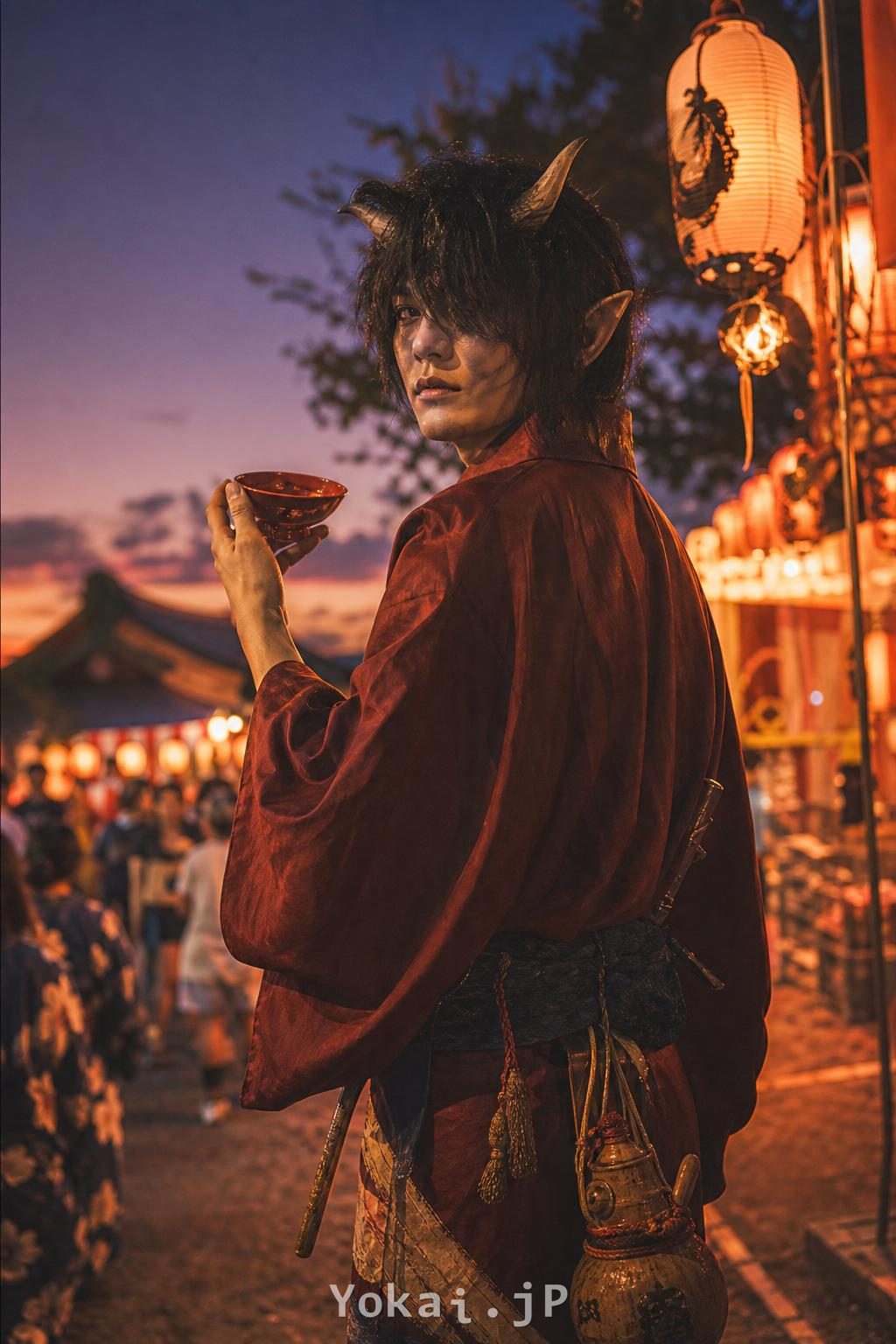
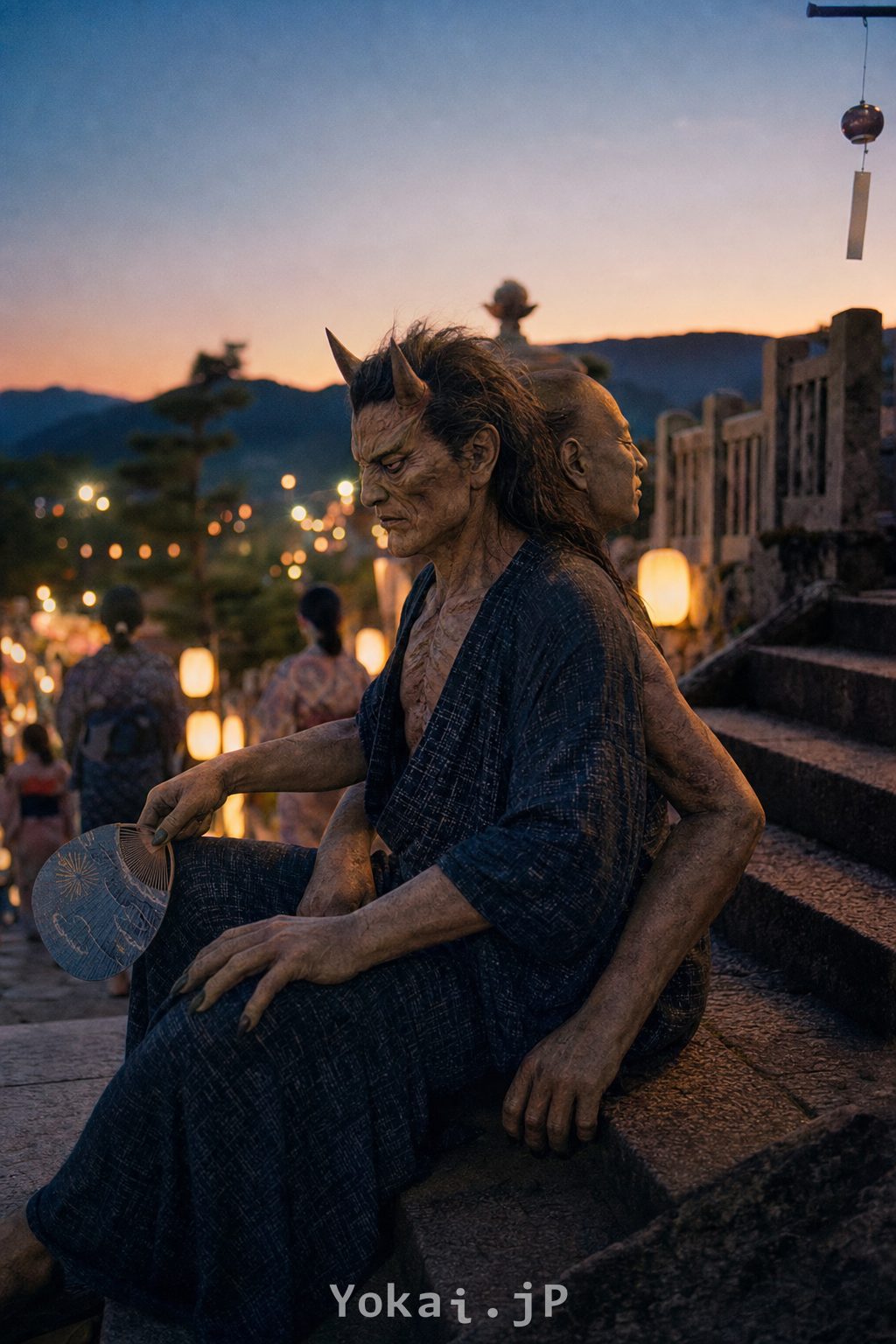
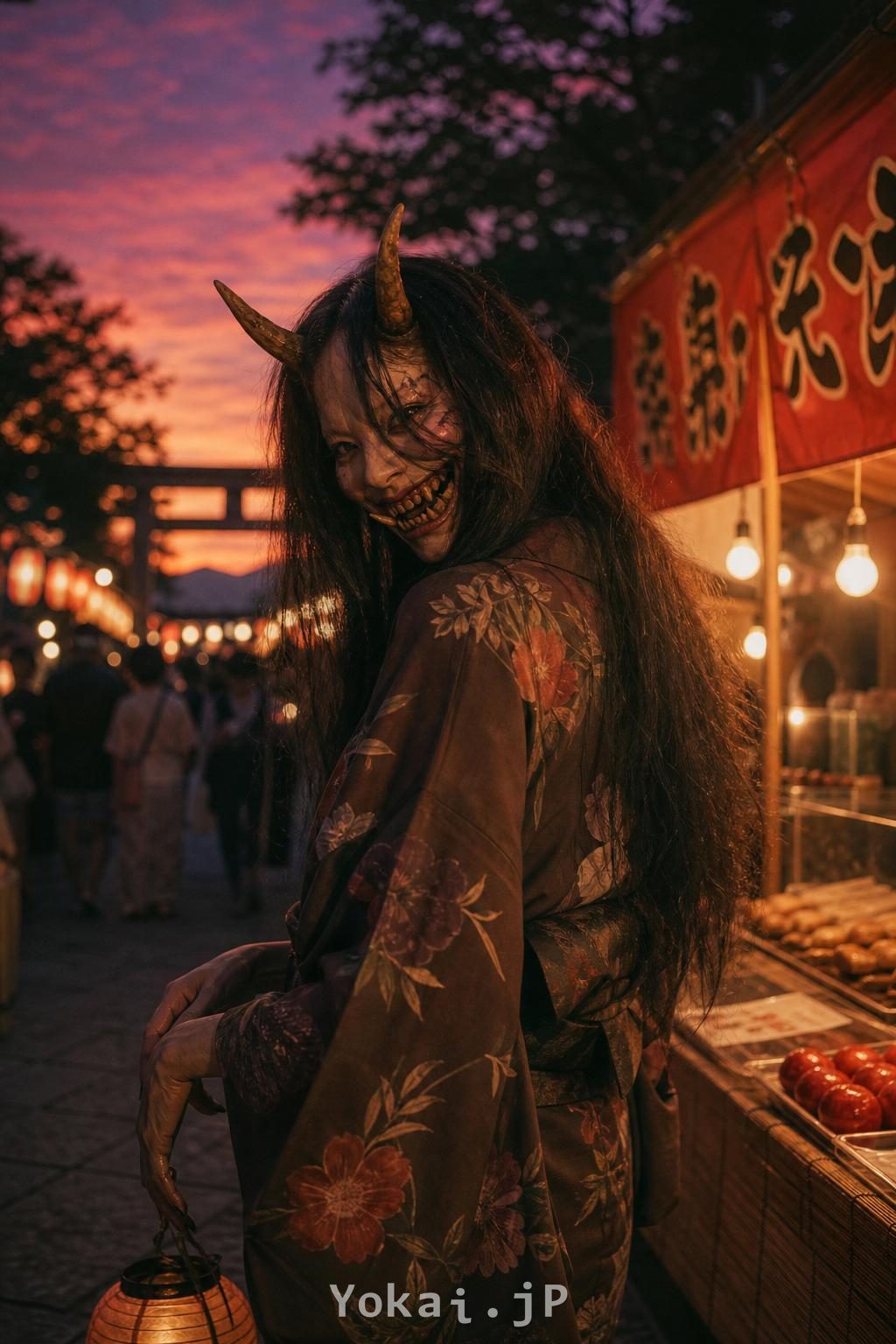
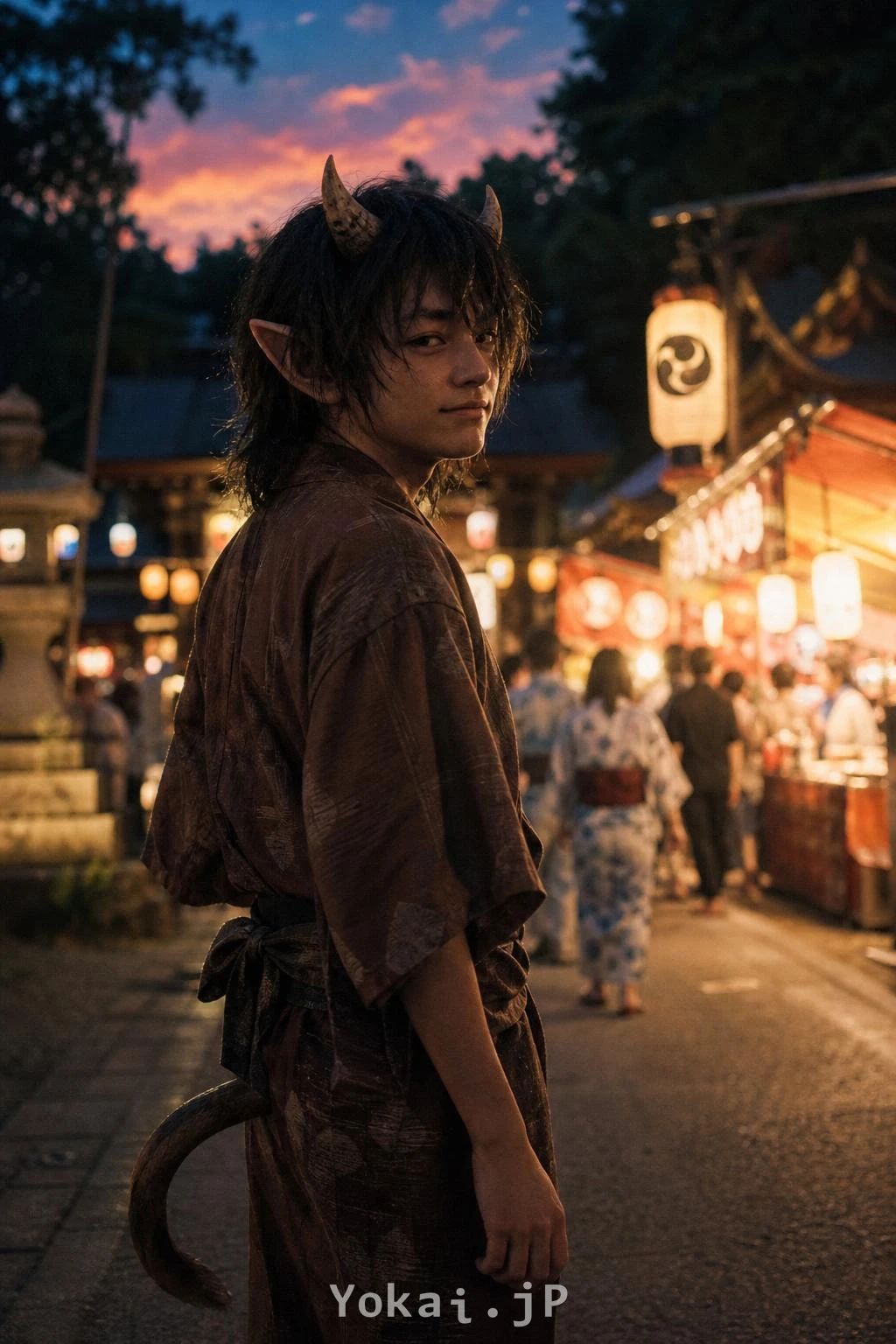
YOKAI.JP
SUMMER OF YOKAI・2026

Summer ofKaidan── Walking theObon Night・2026

Summer in Japan is the season of kaidan — ghost stories. For the four days of Obon, ancestors return home to their families while homeless spirits wander the same streets, half-hidden in the cry of the higurashi cicada. Edo townspeople told these stories on stifling nights to chill themselves; haiku poets placed kaidan, ghost, and the hundred-tales game in the summer pages of their seasonal almanacs. For three hundred and fifty years the form has passed through books, stage, scroll-painting, and film, never breaking. — Six night paths that follow that lineage.

SPOTLIGHT・Three for tonight / rotating daily from 150
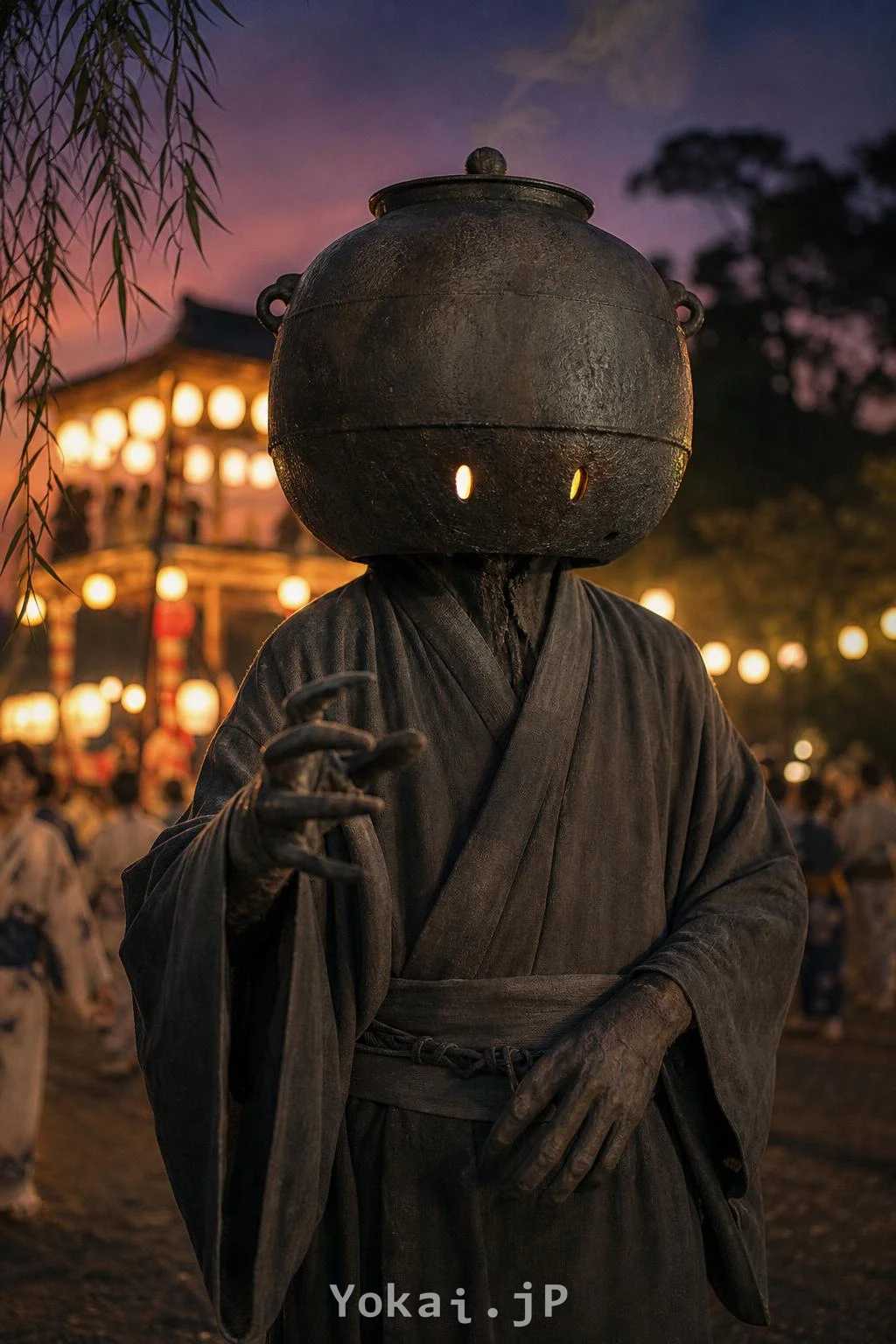
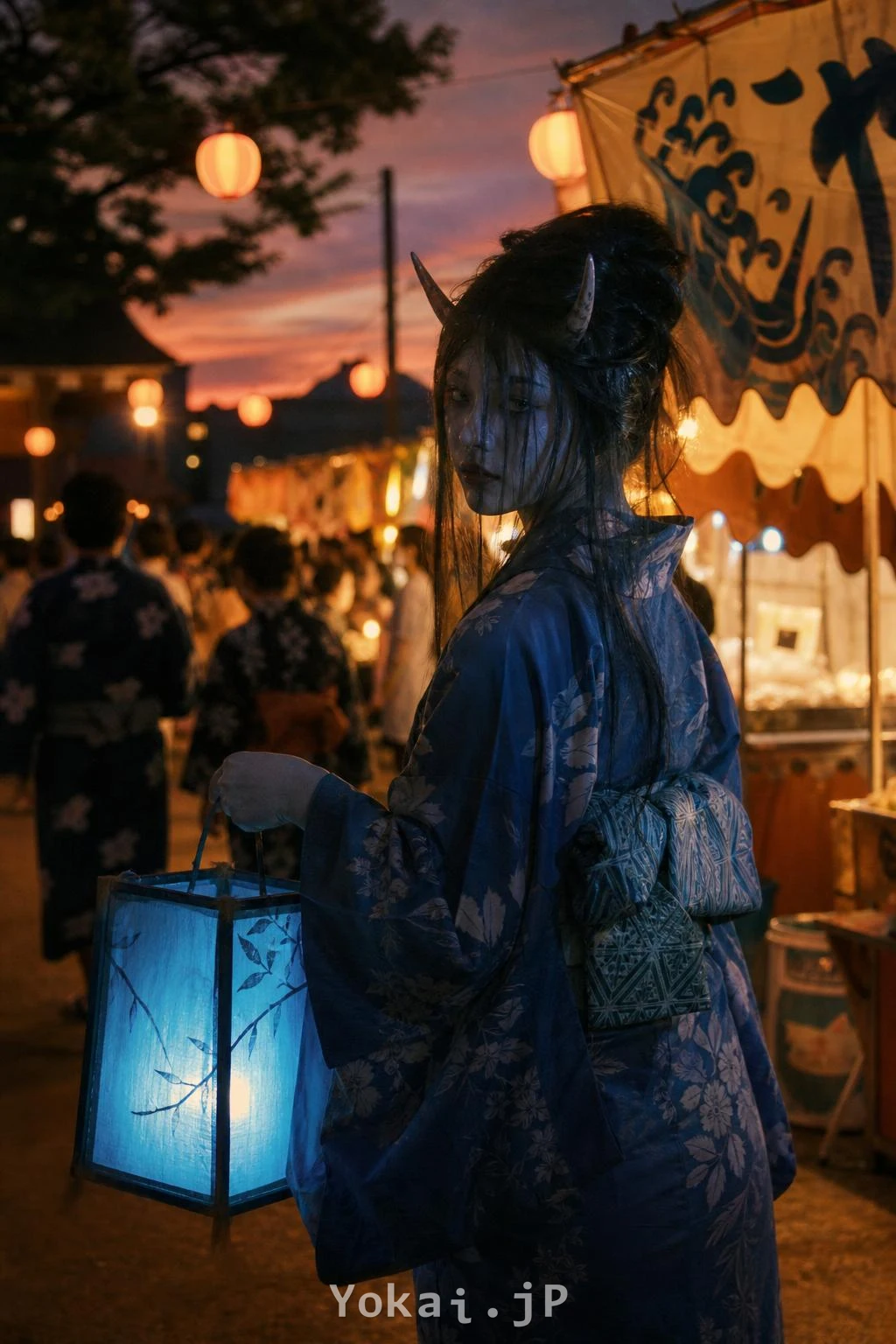
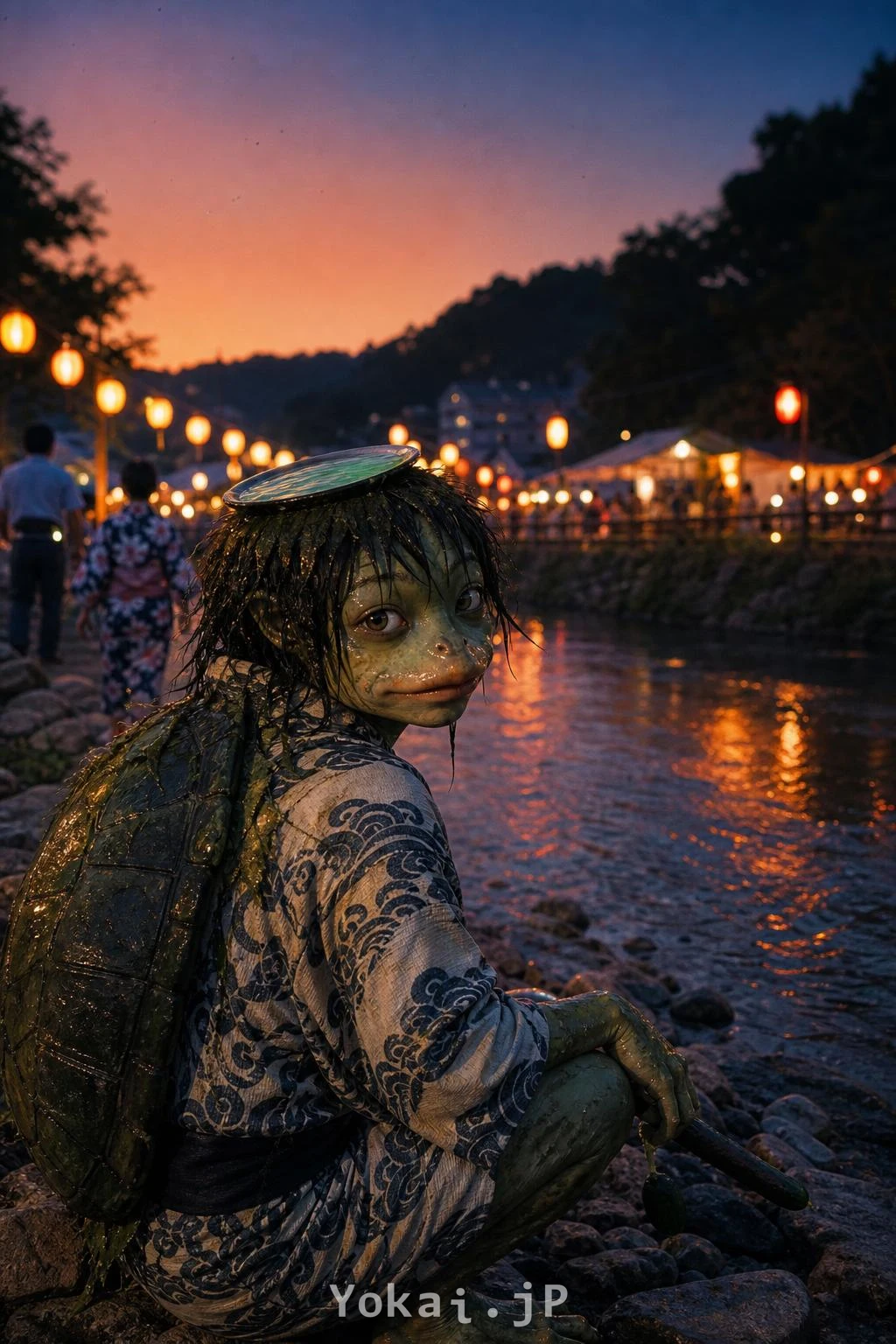
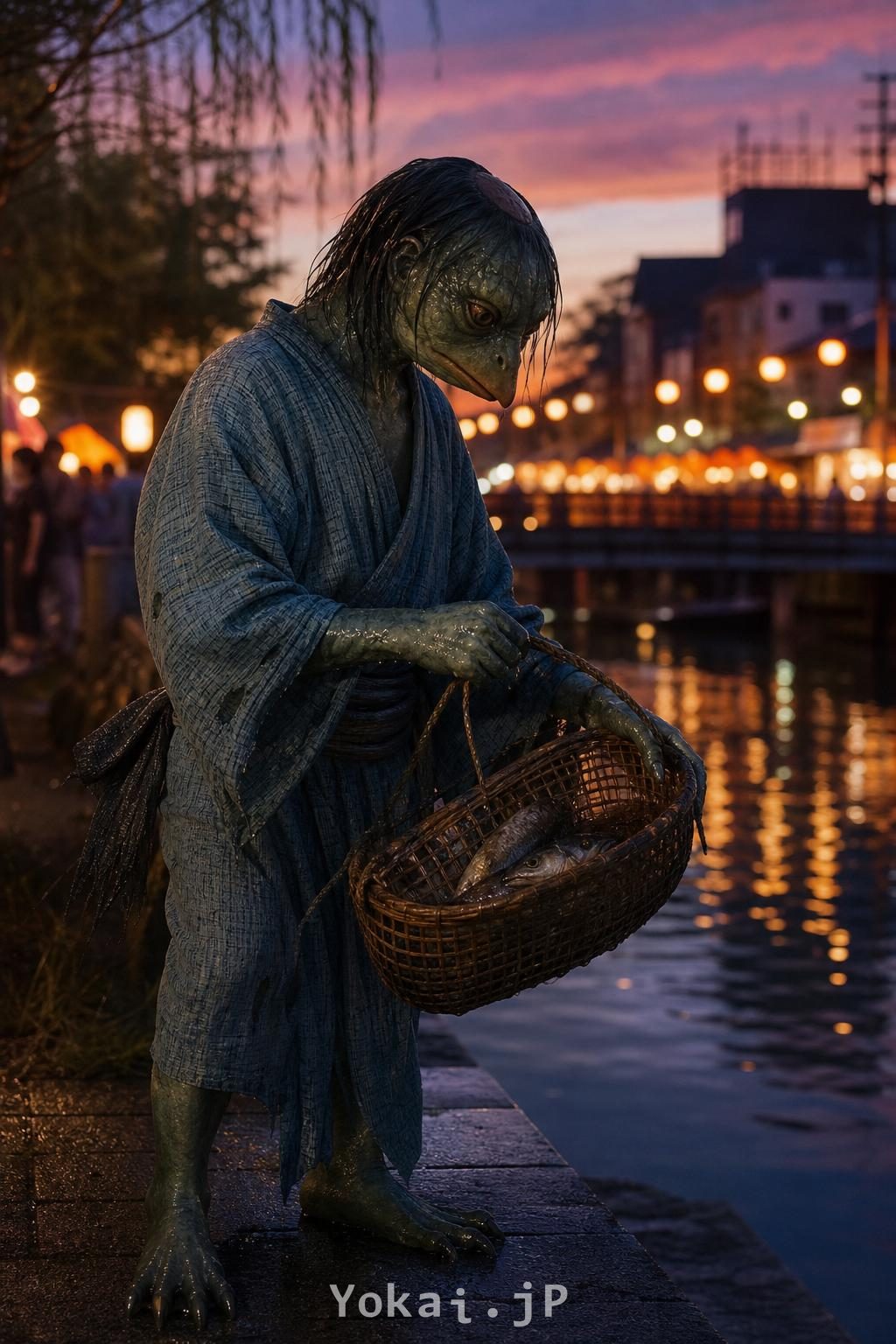
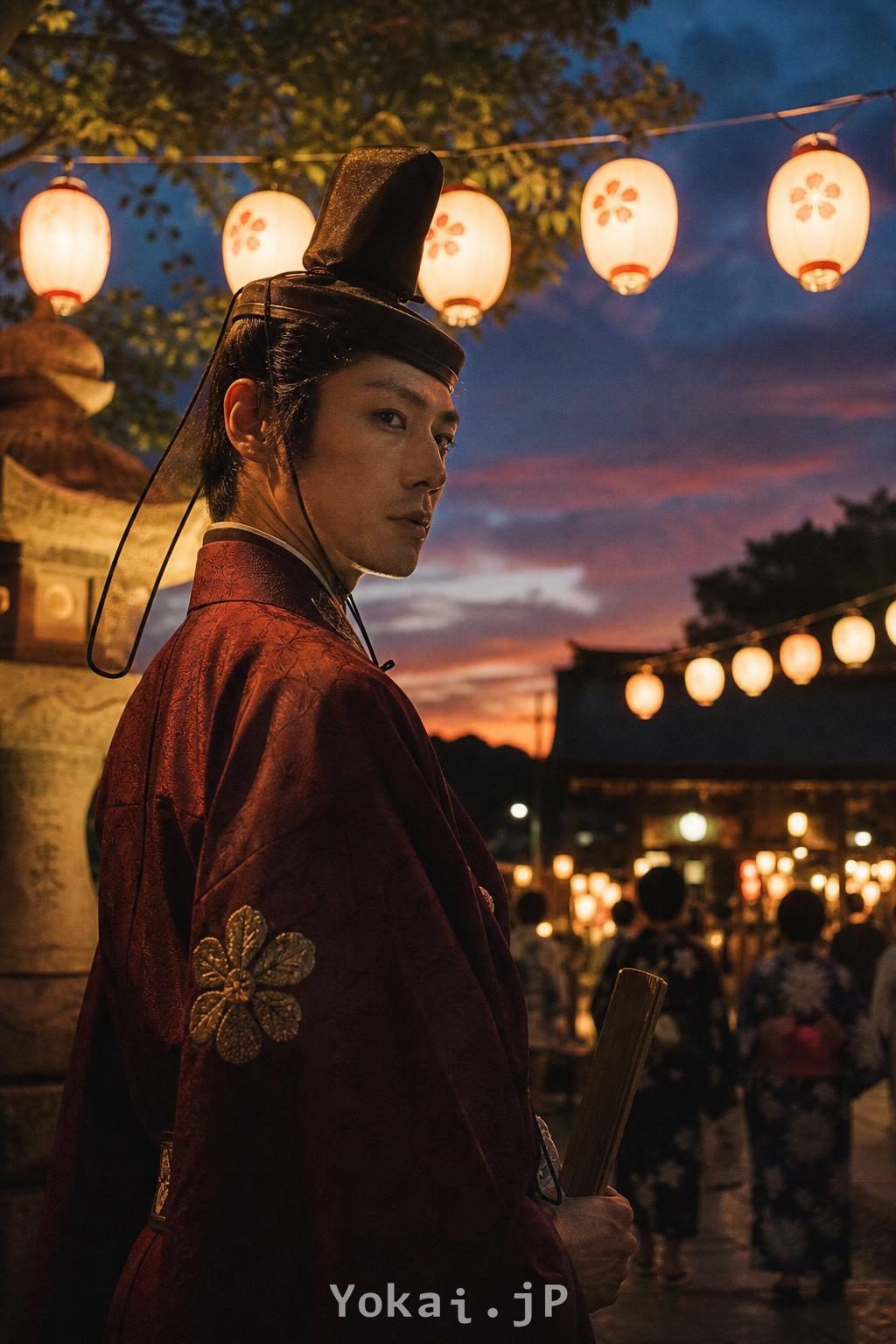
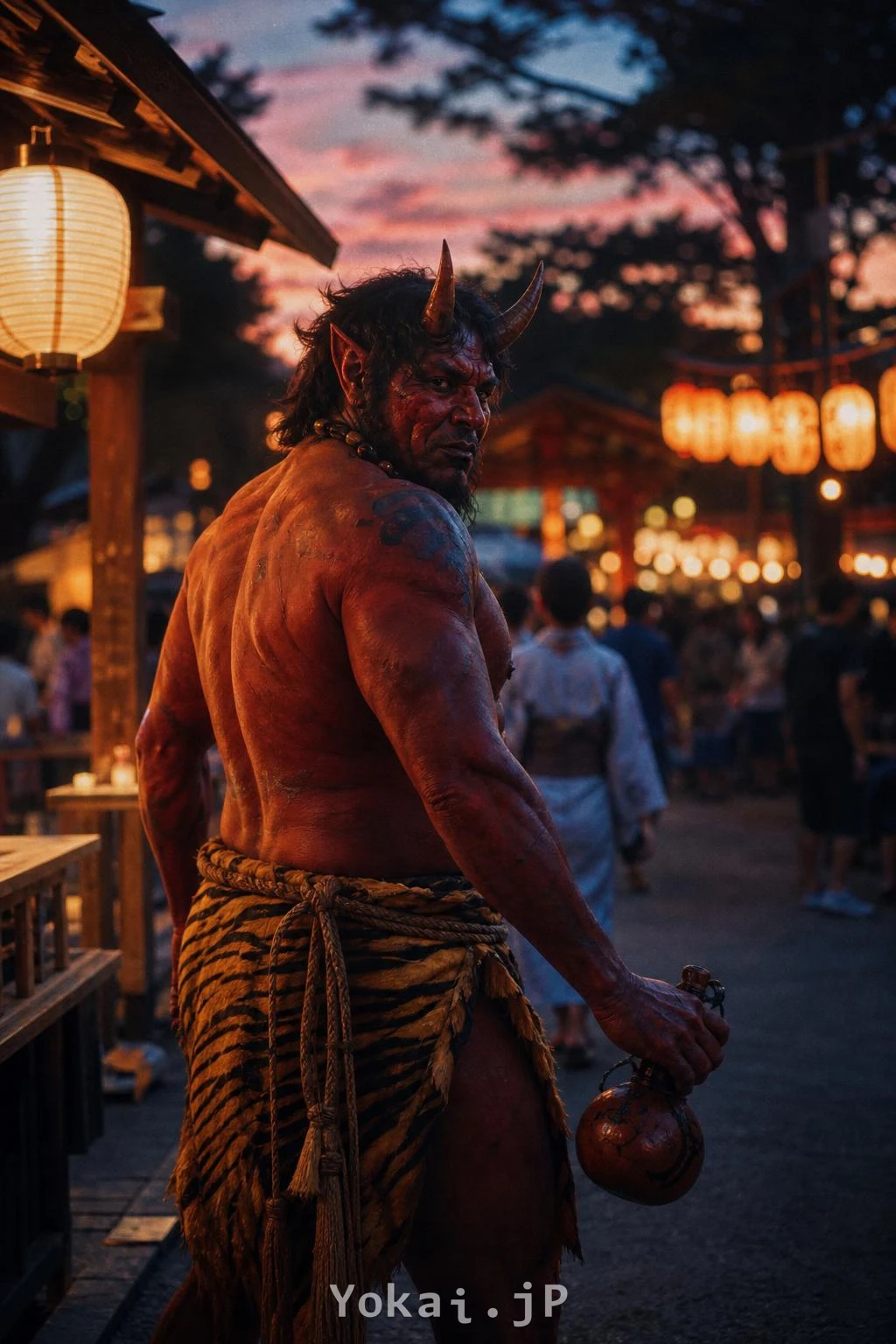
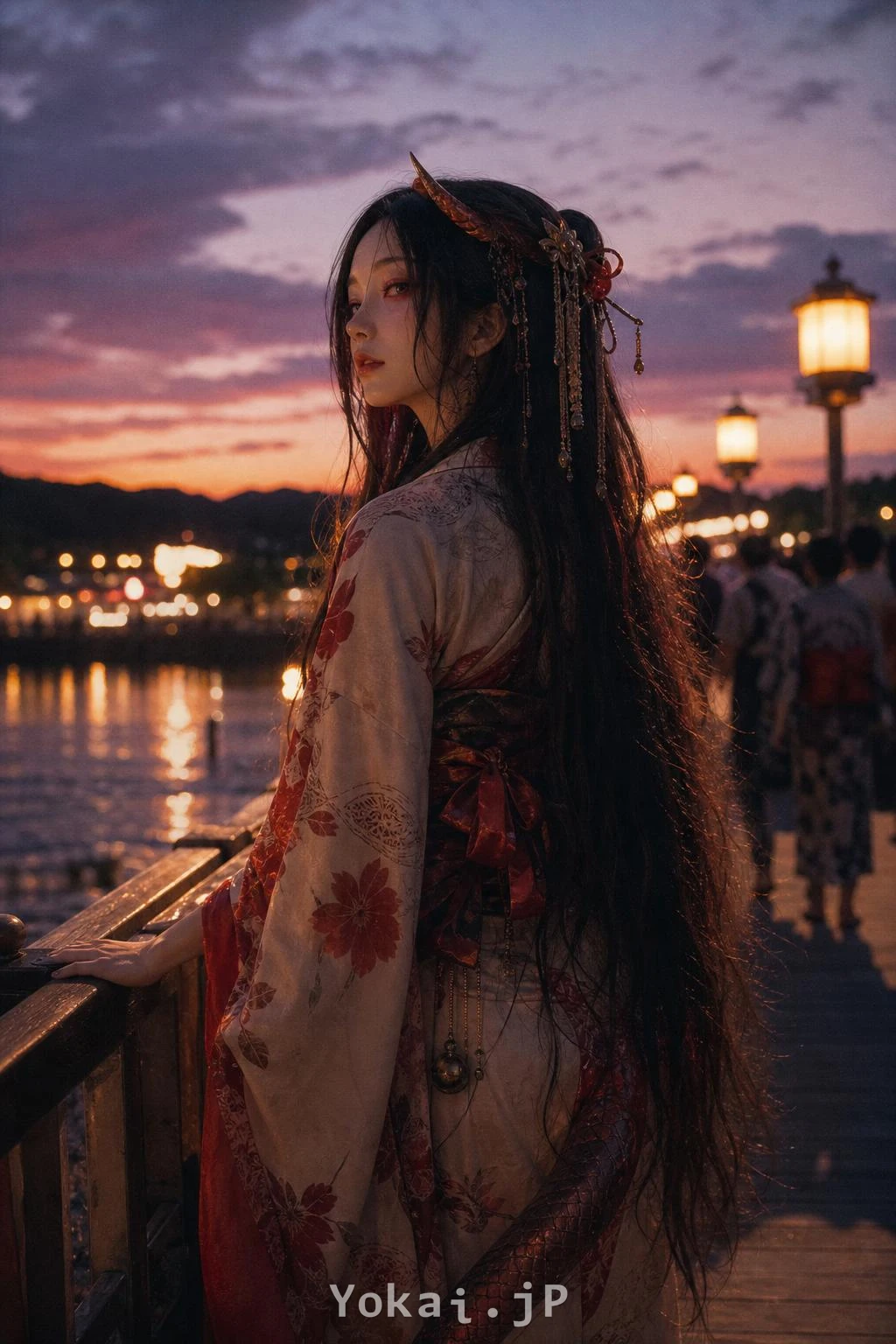
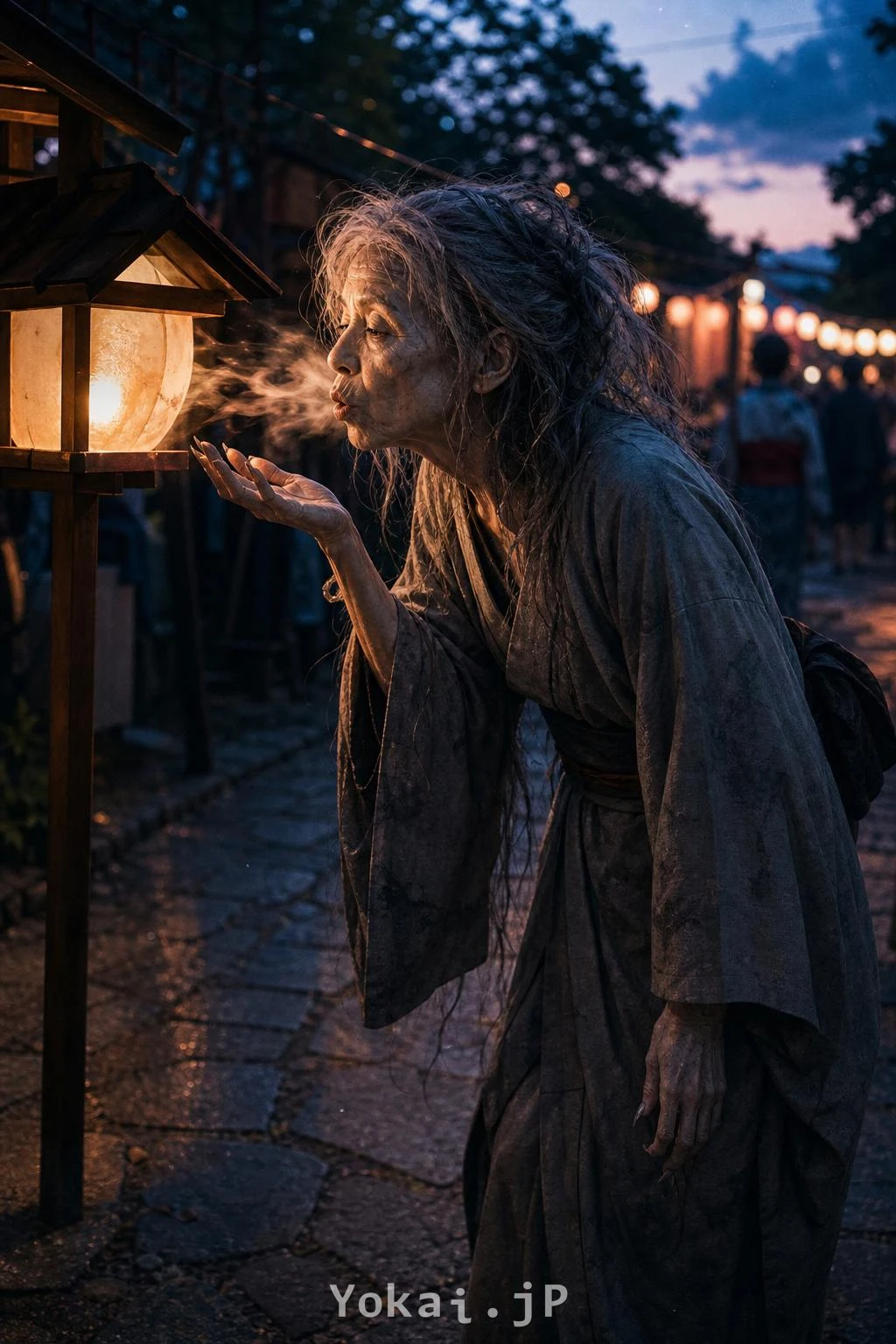
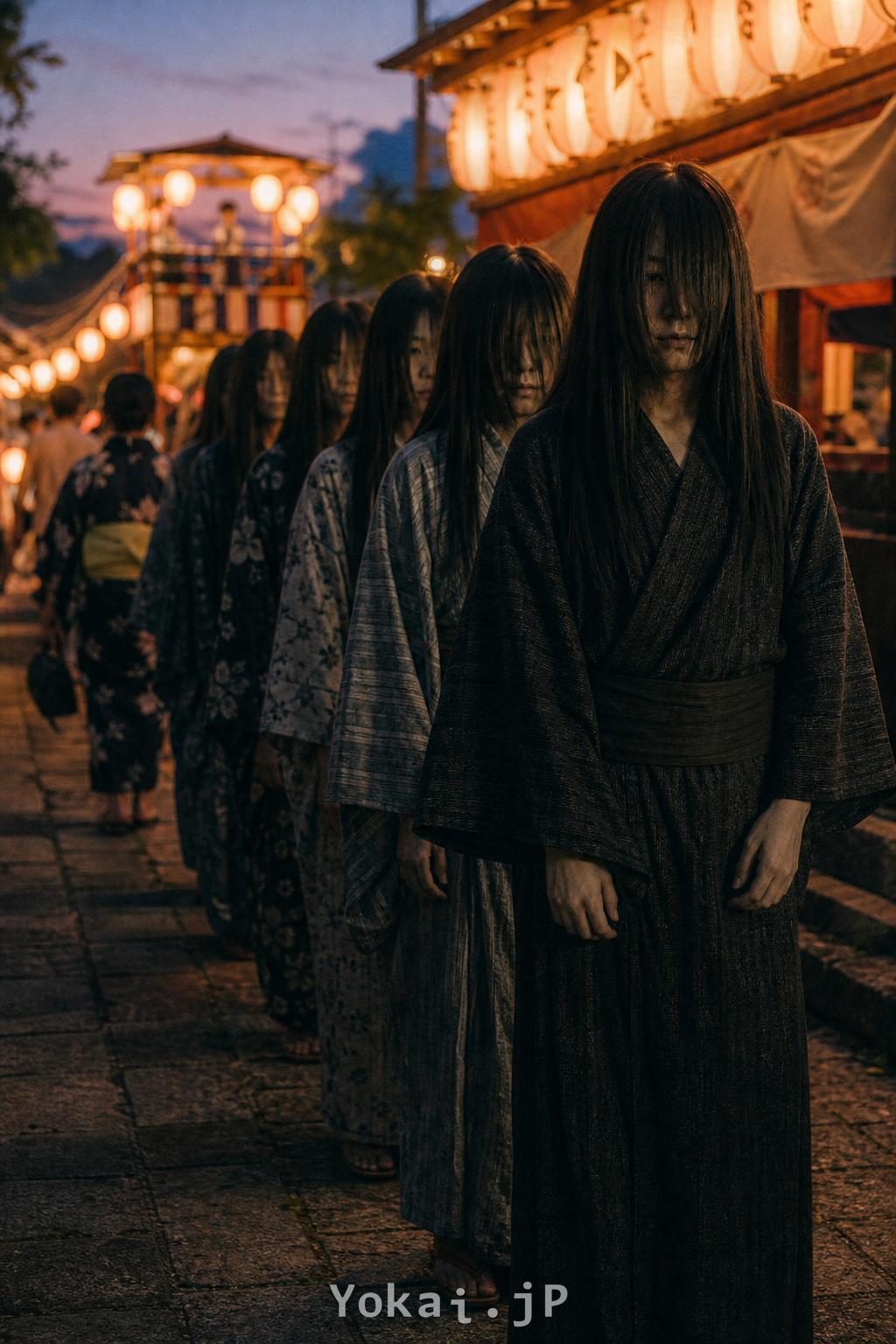
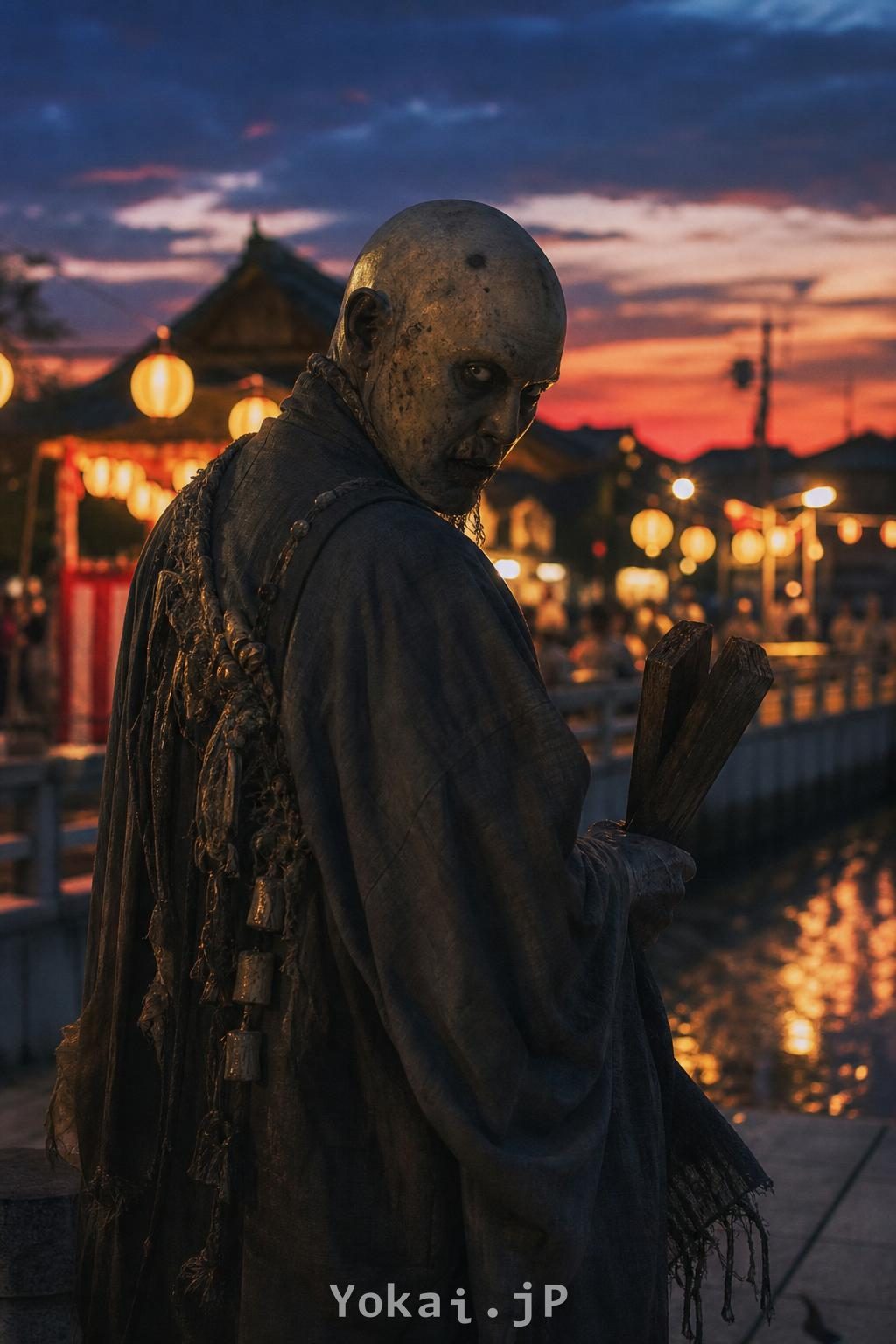
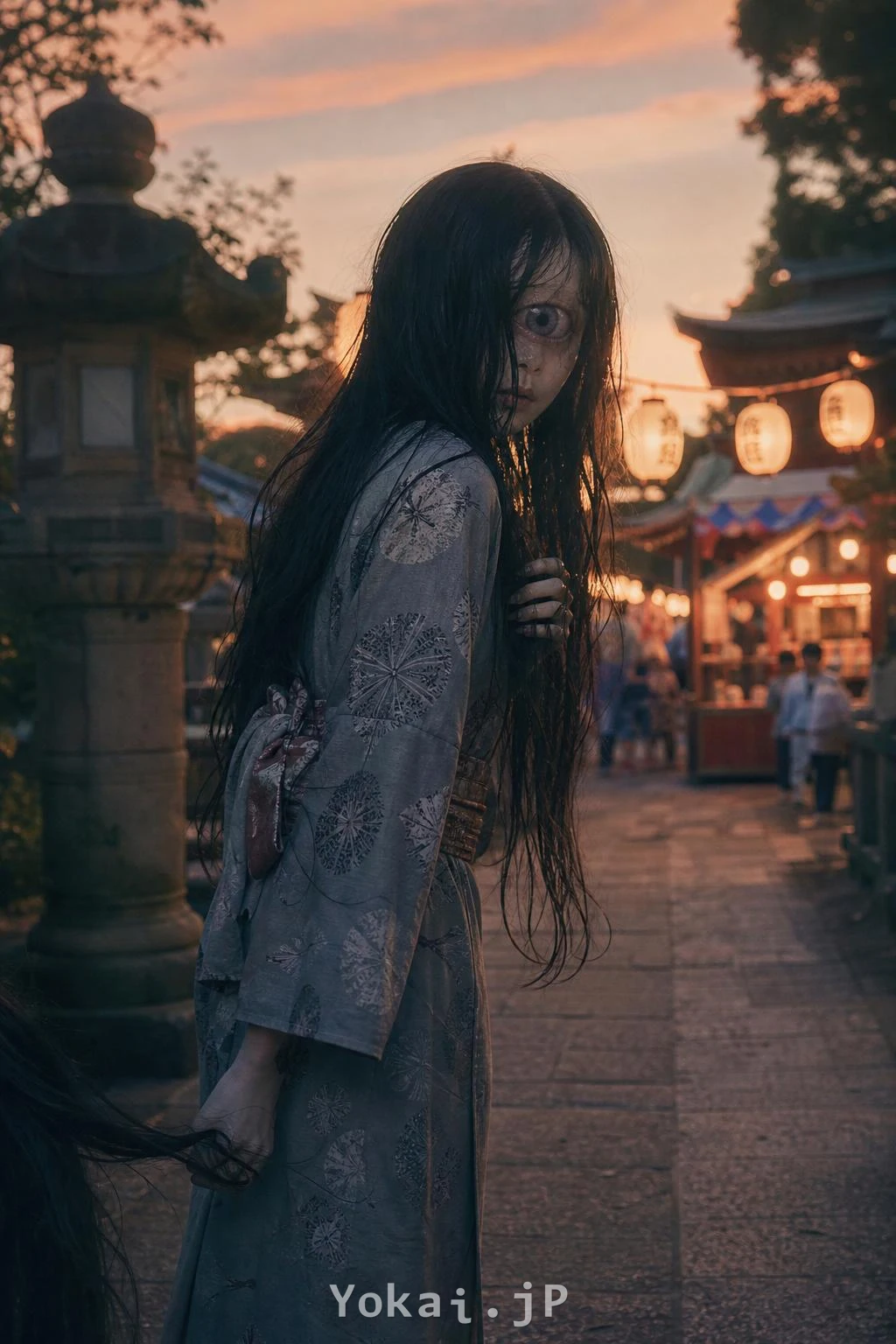
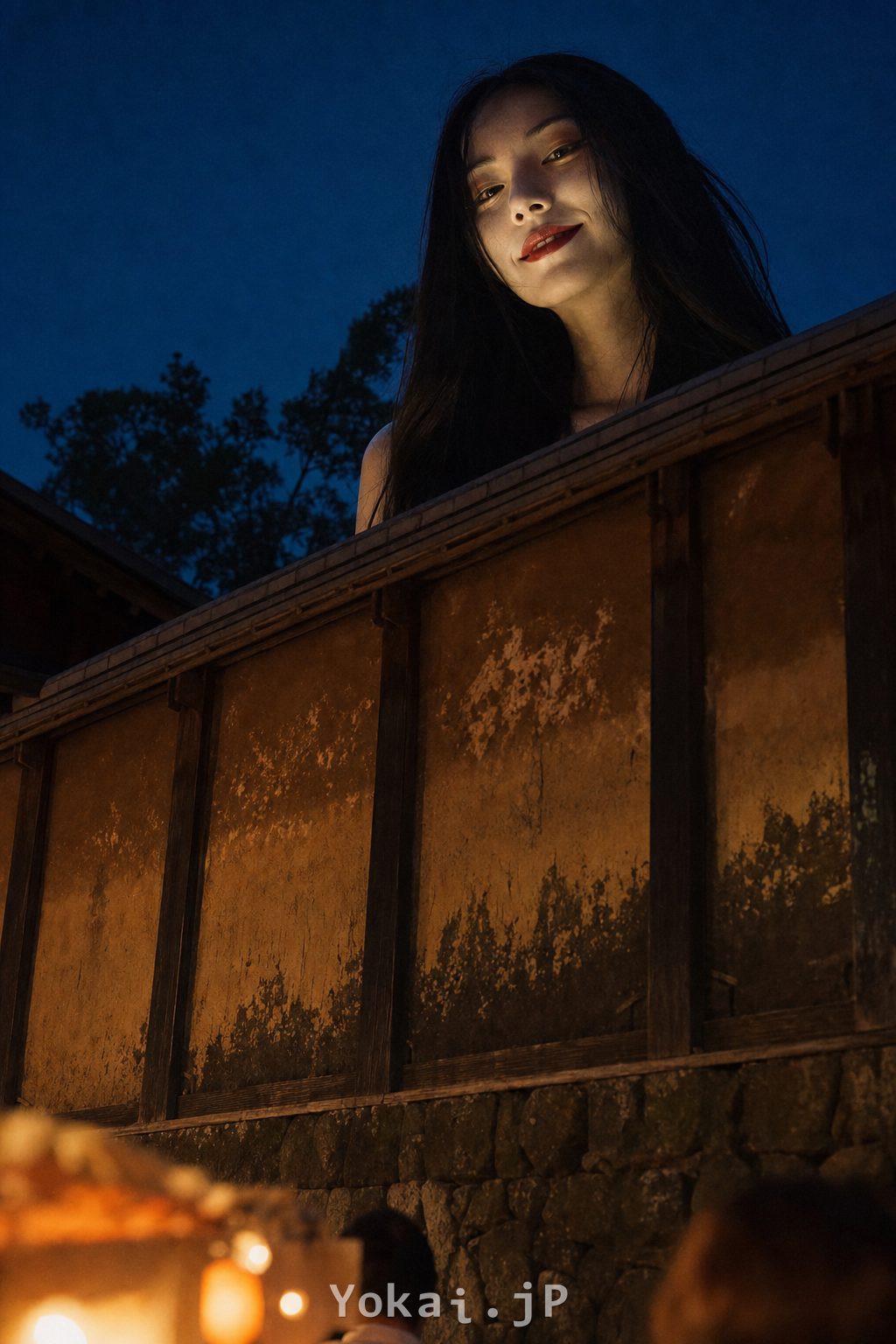
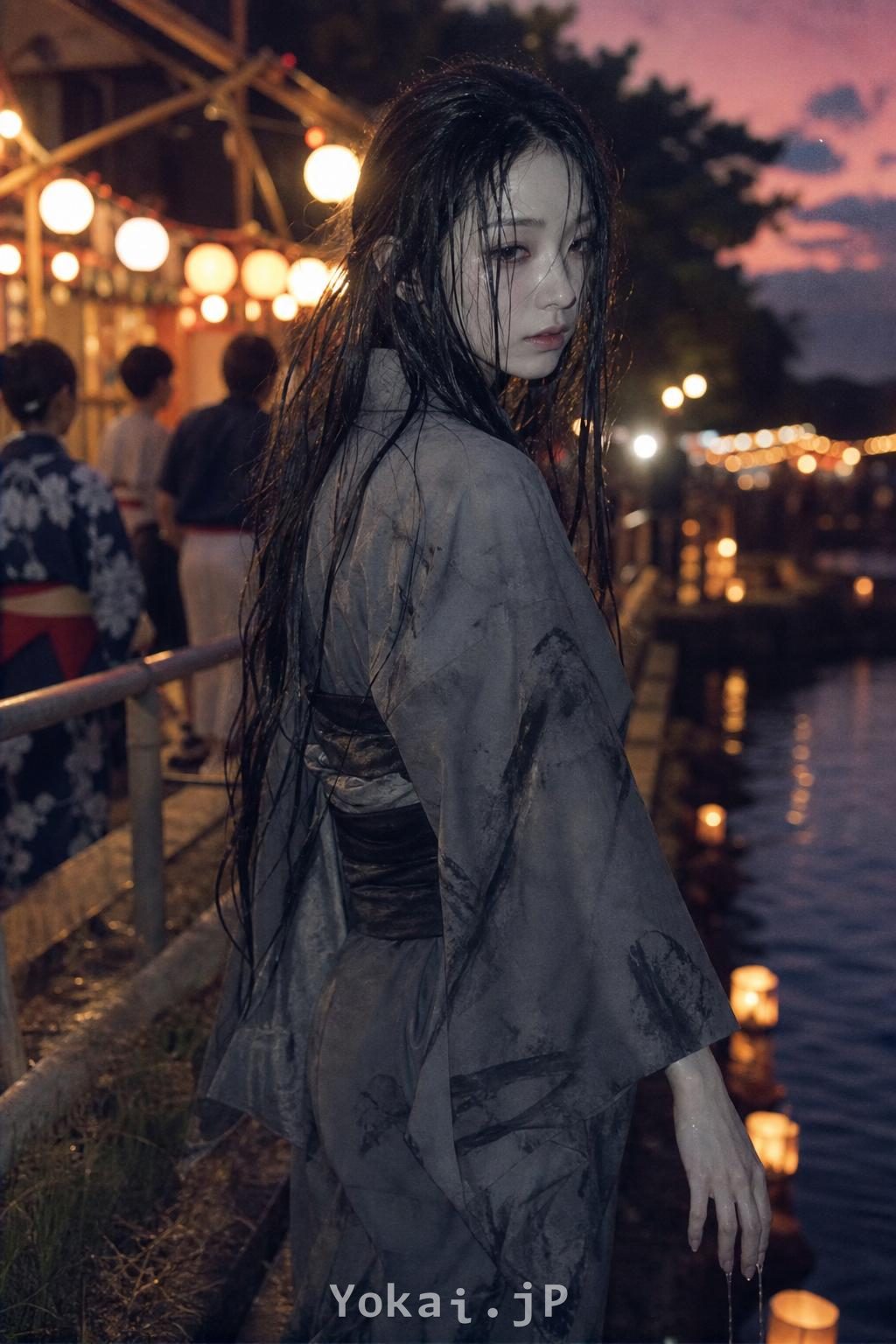
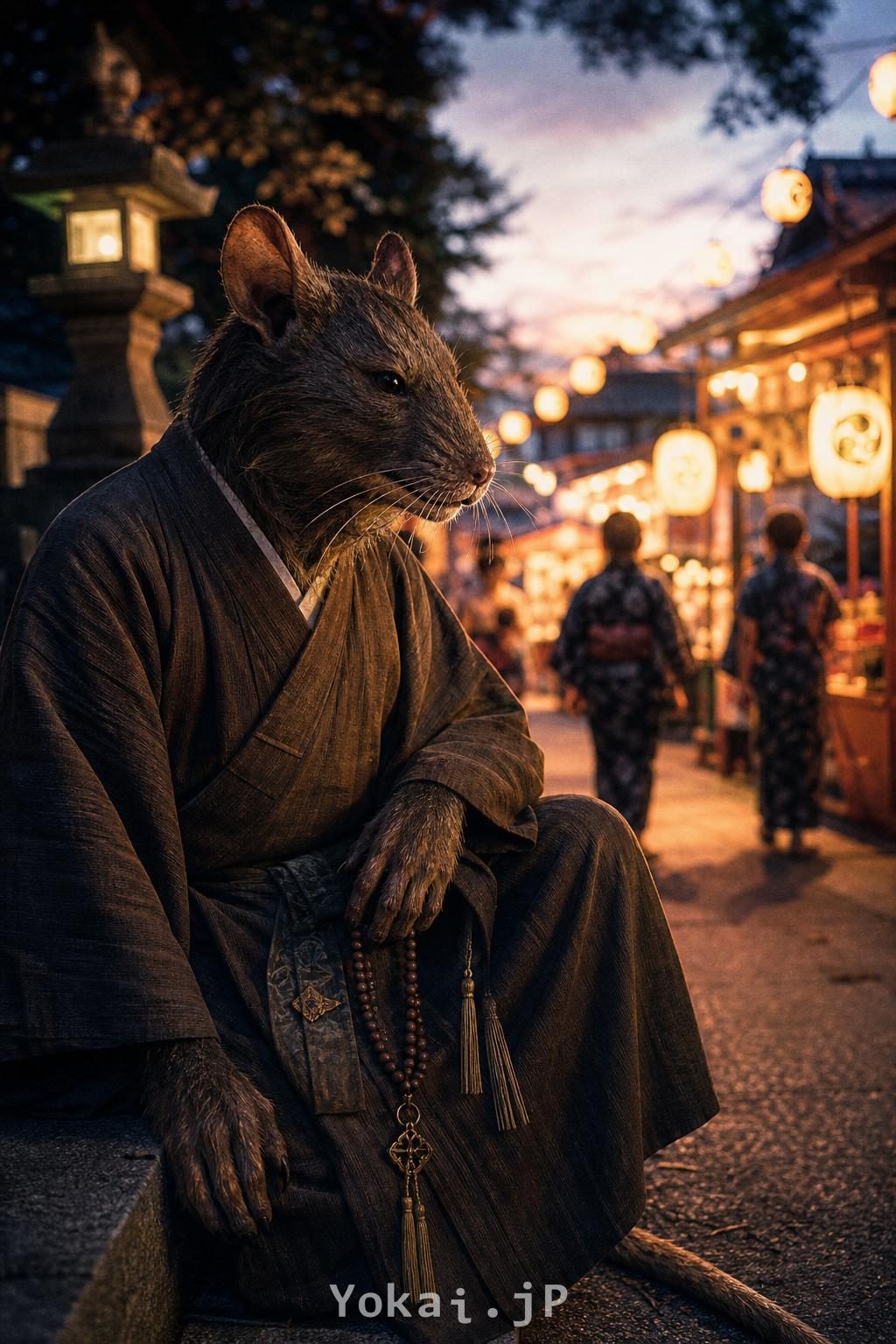
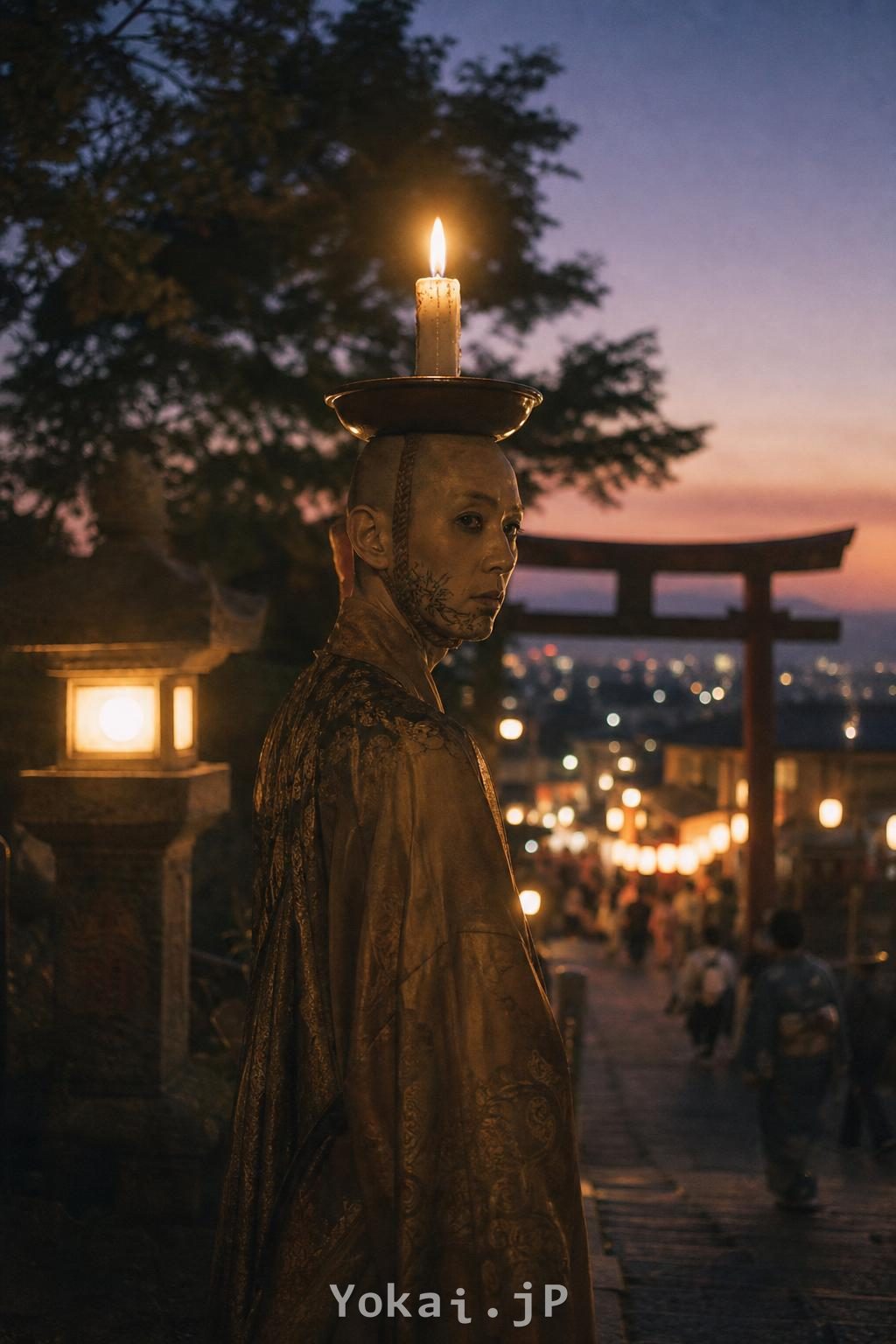
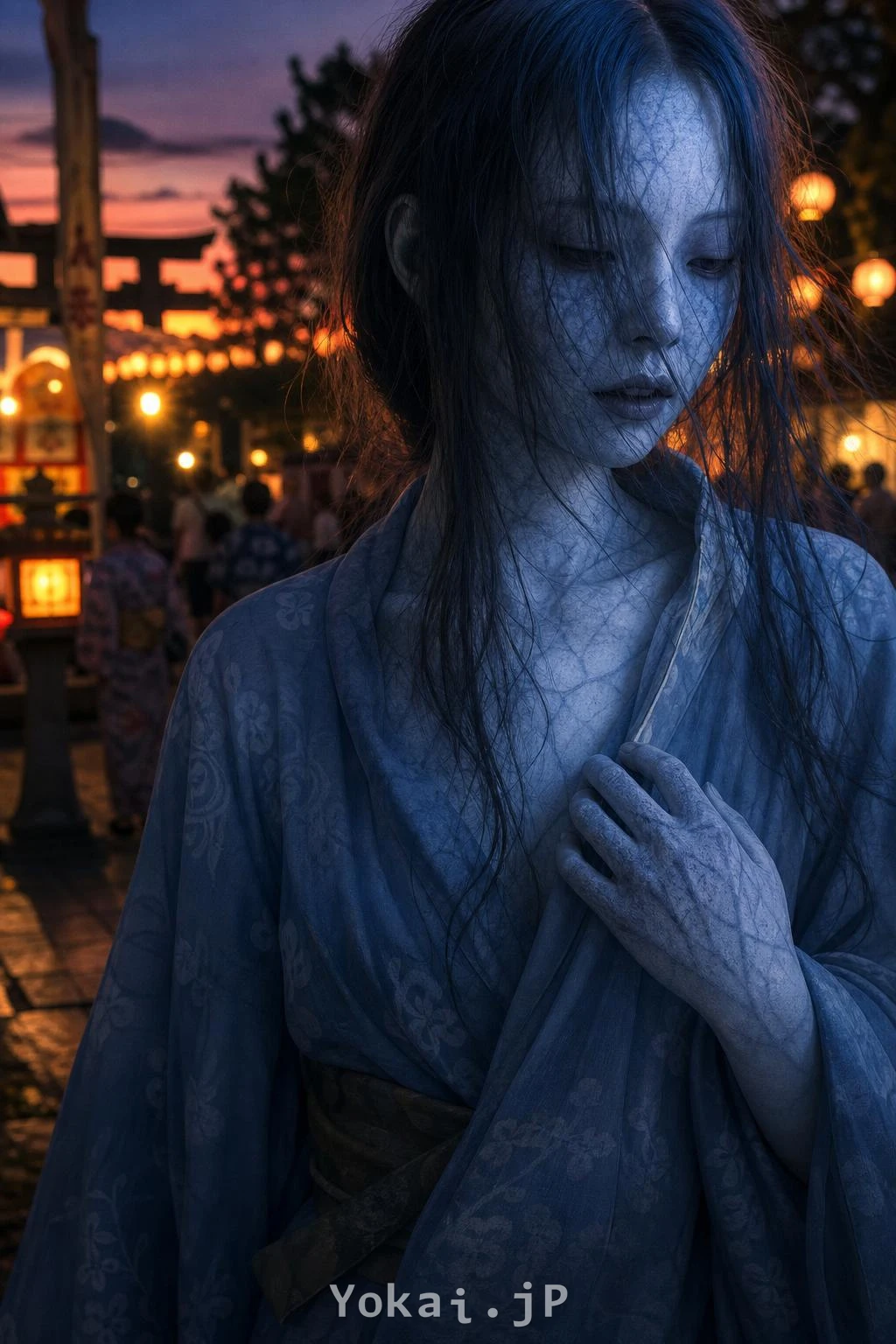
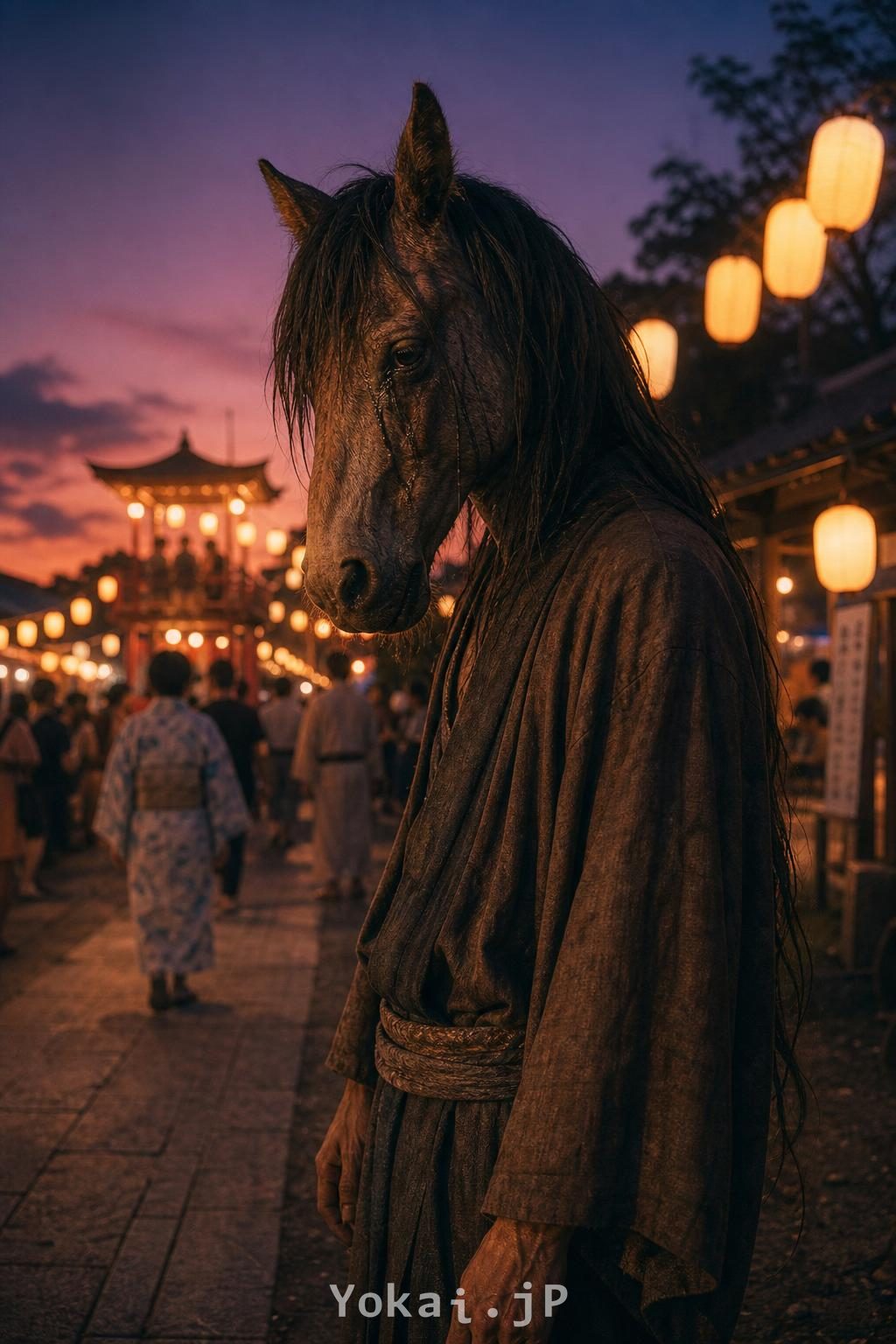
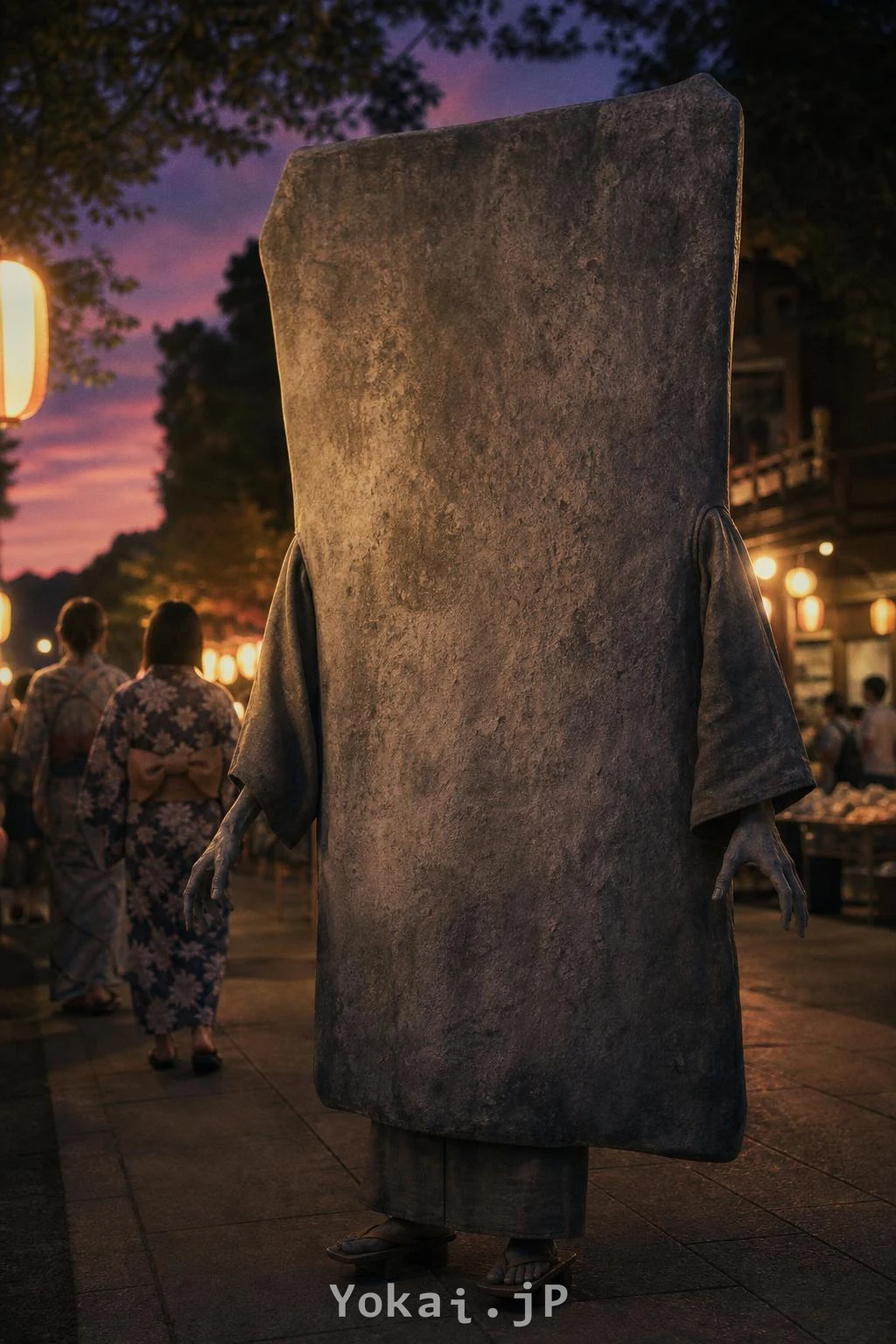
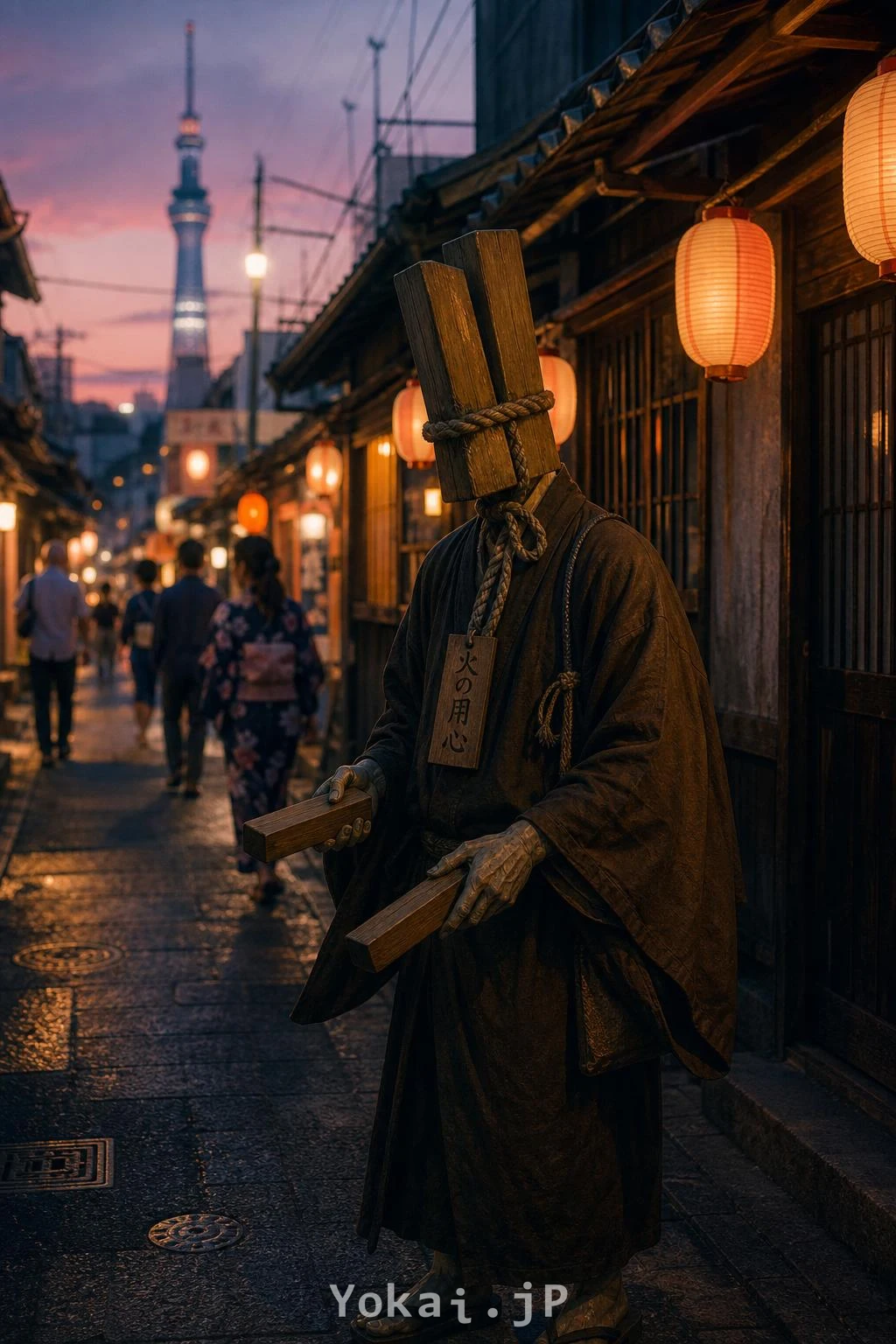
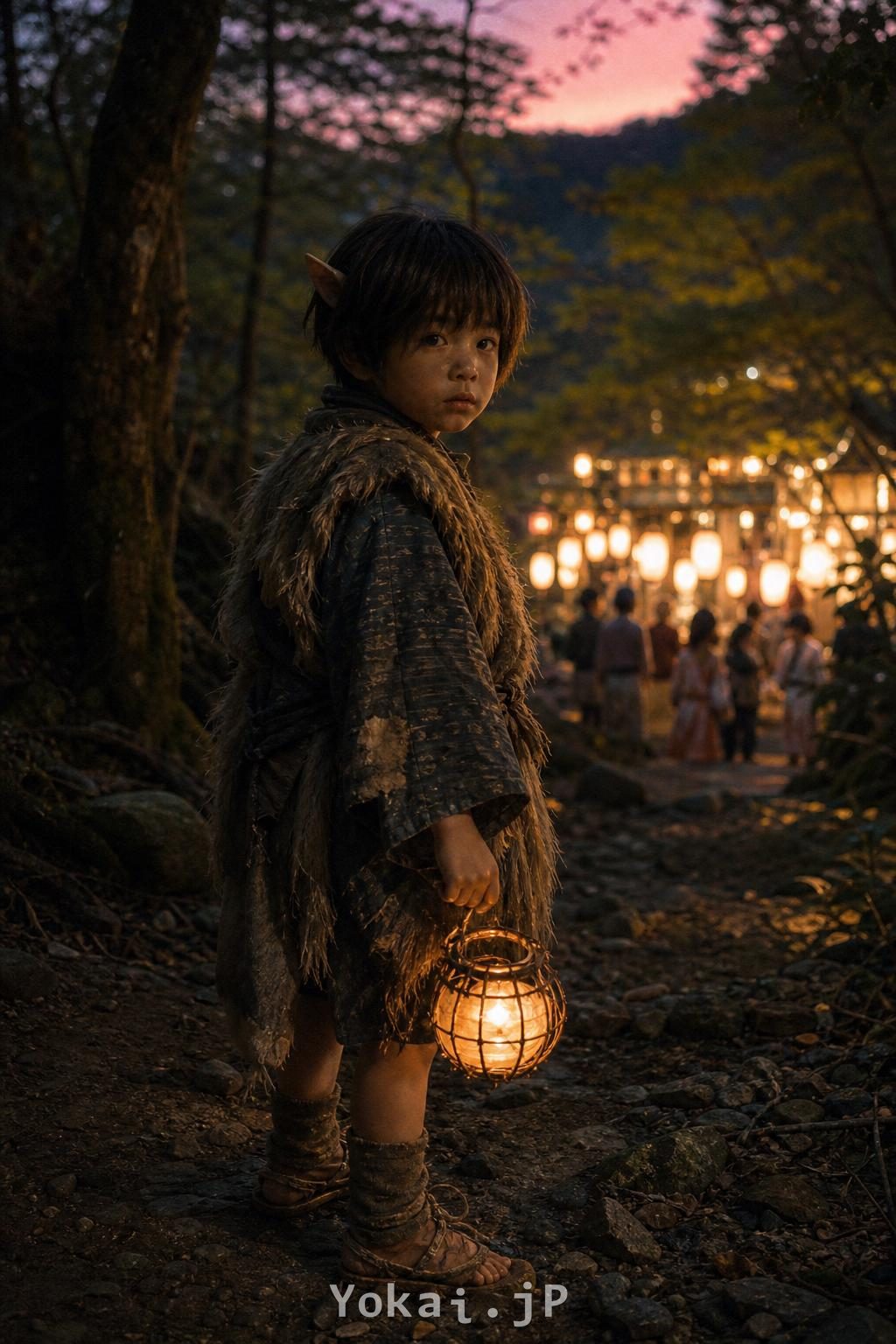
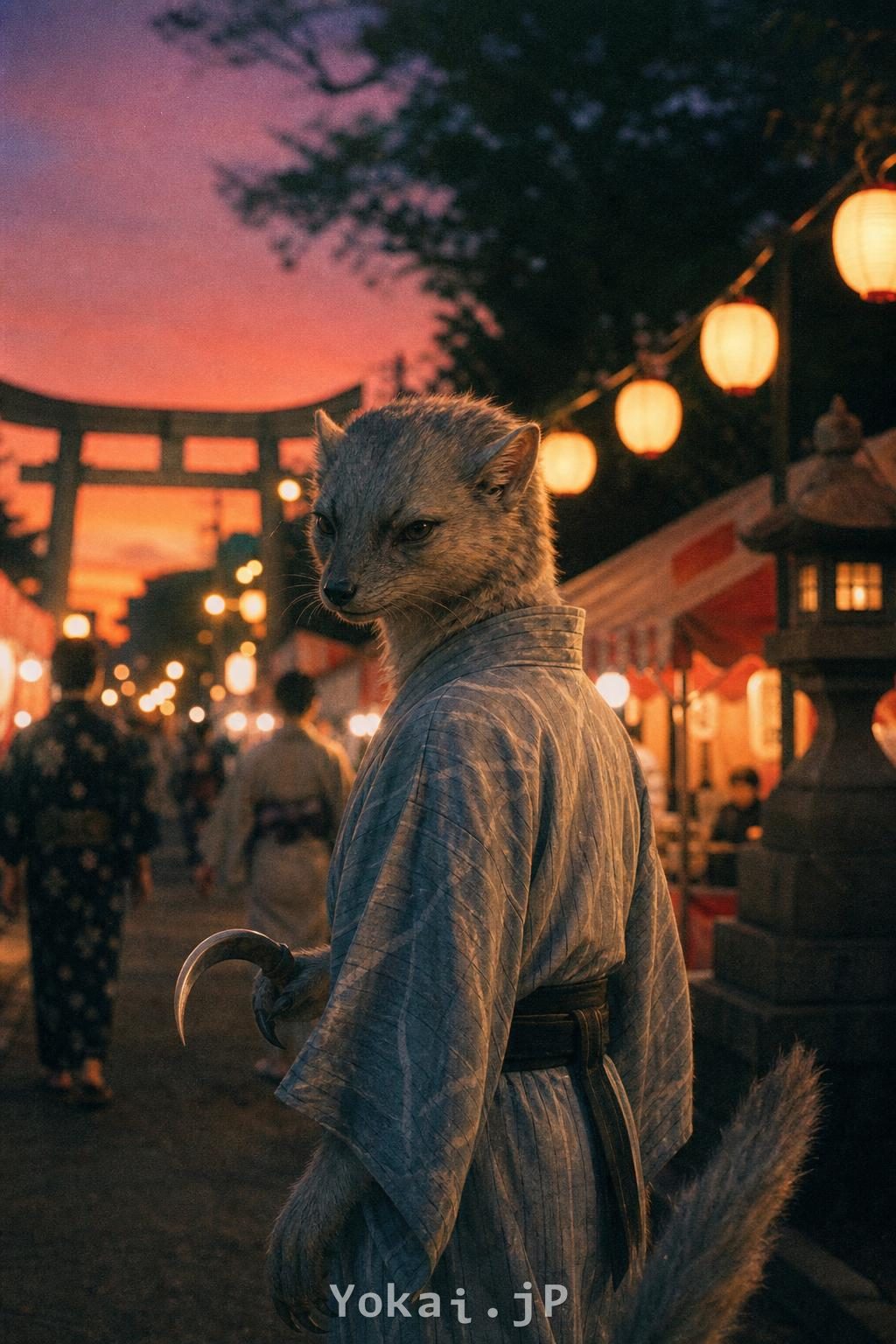
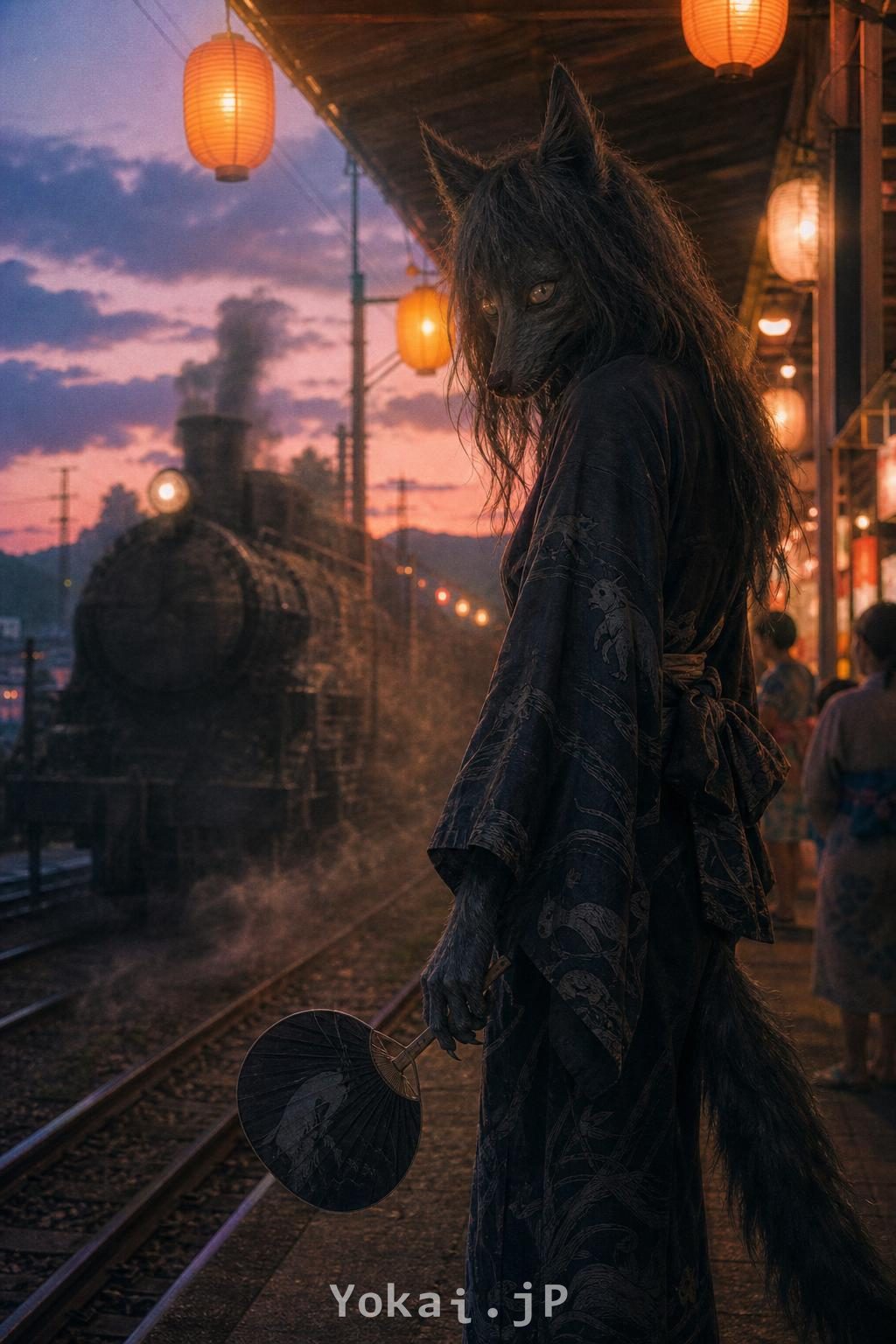
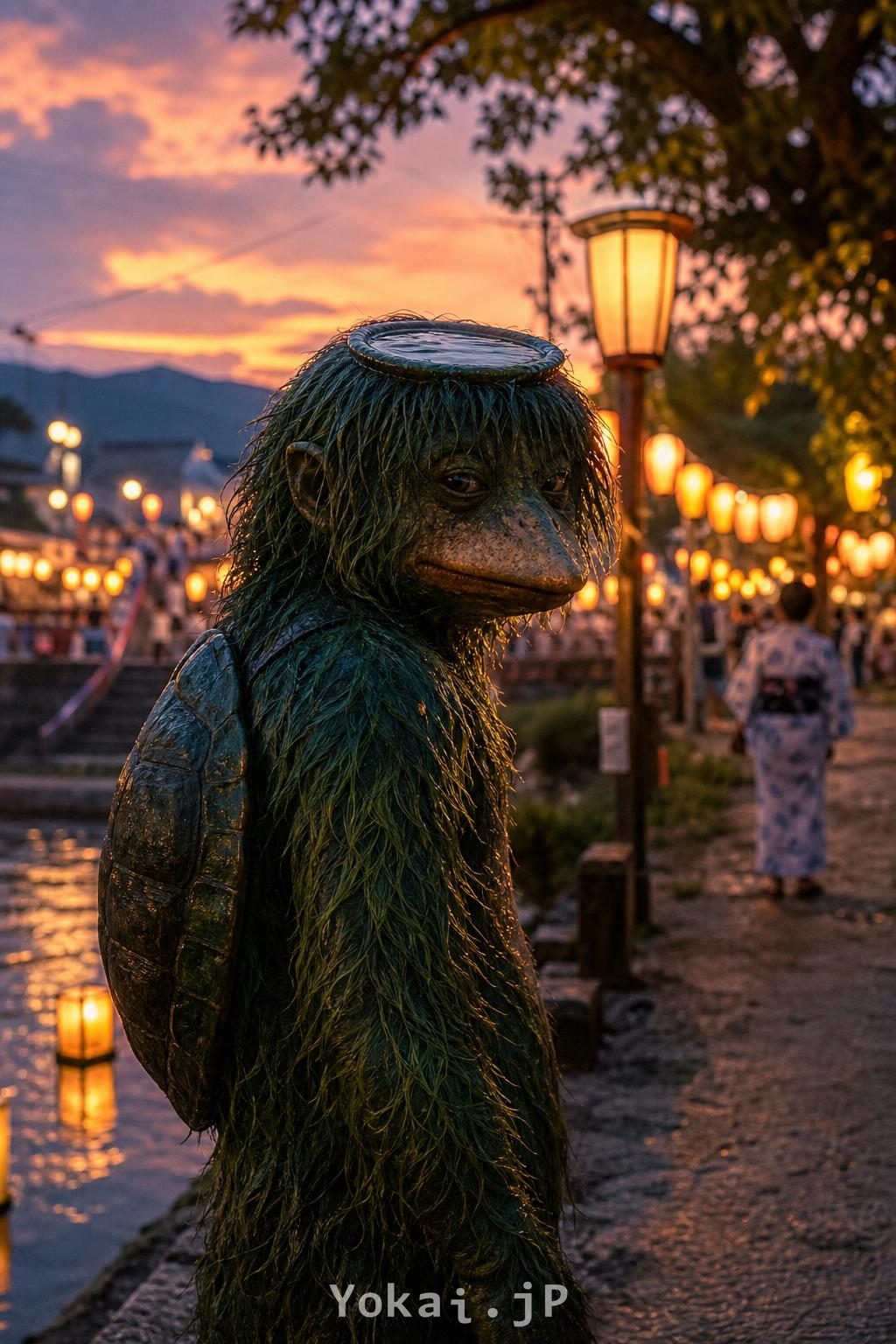
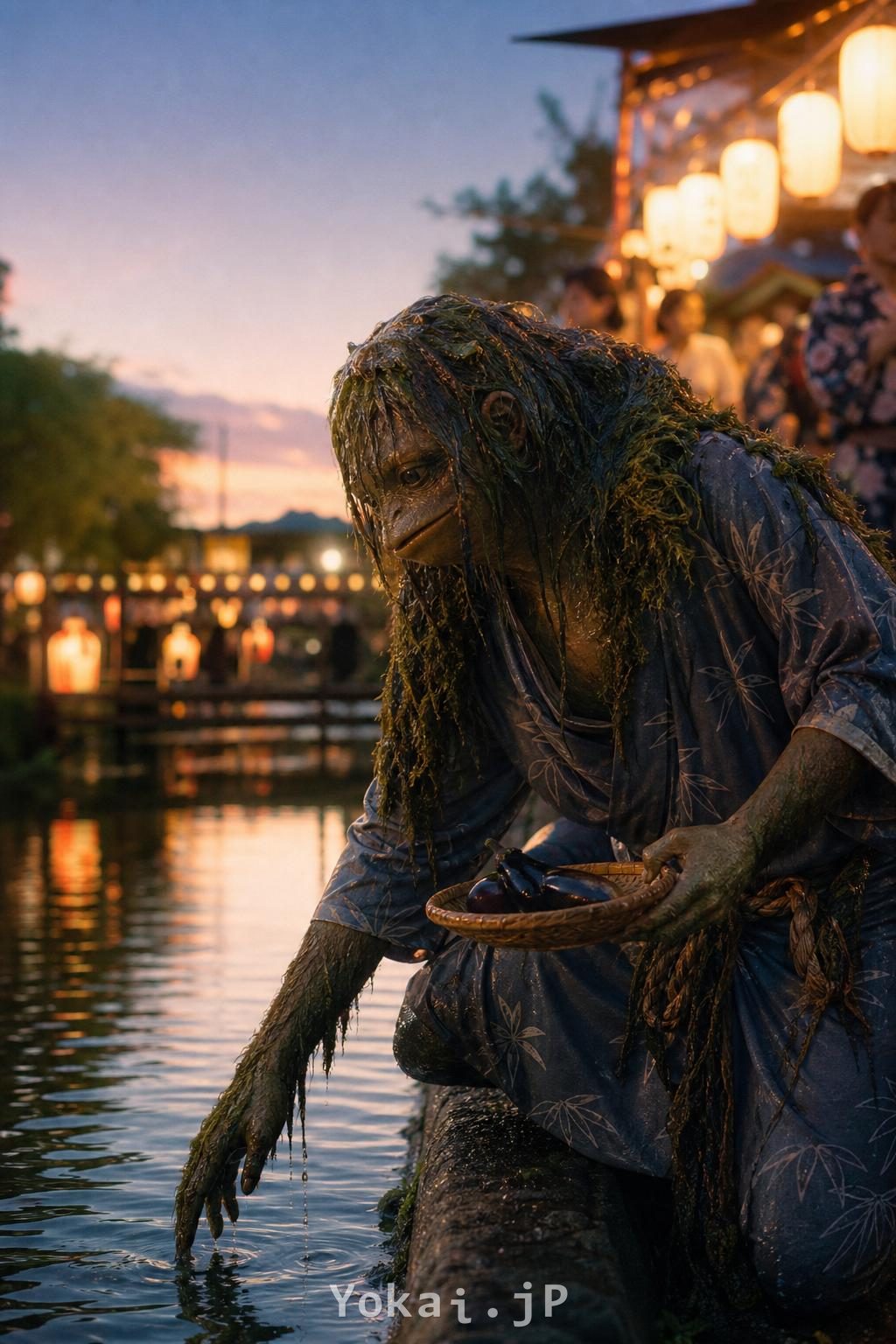
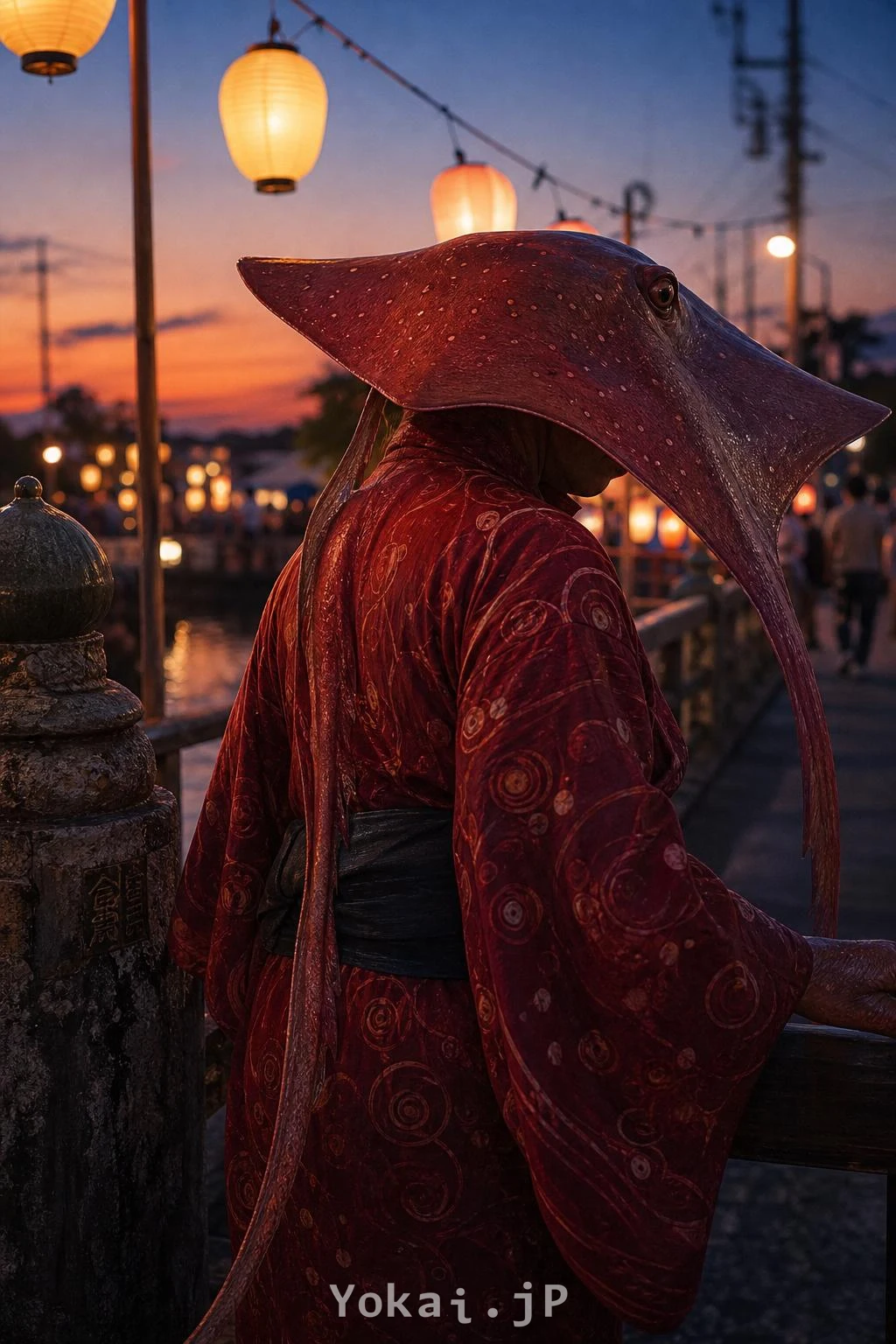
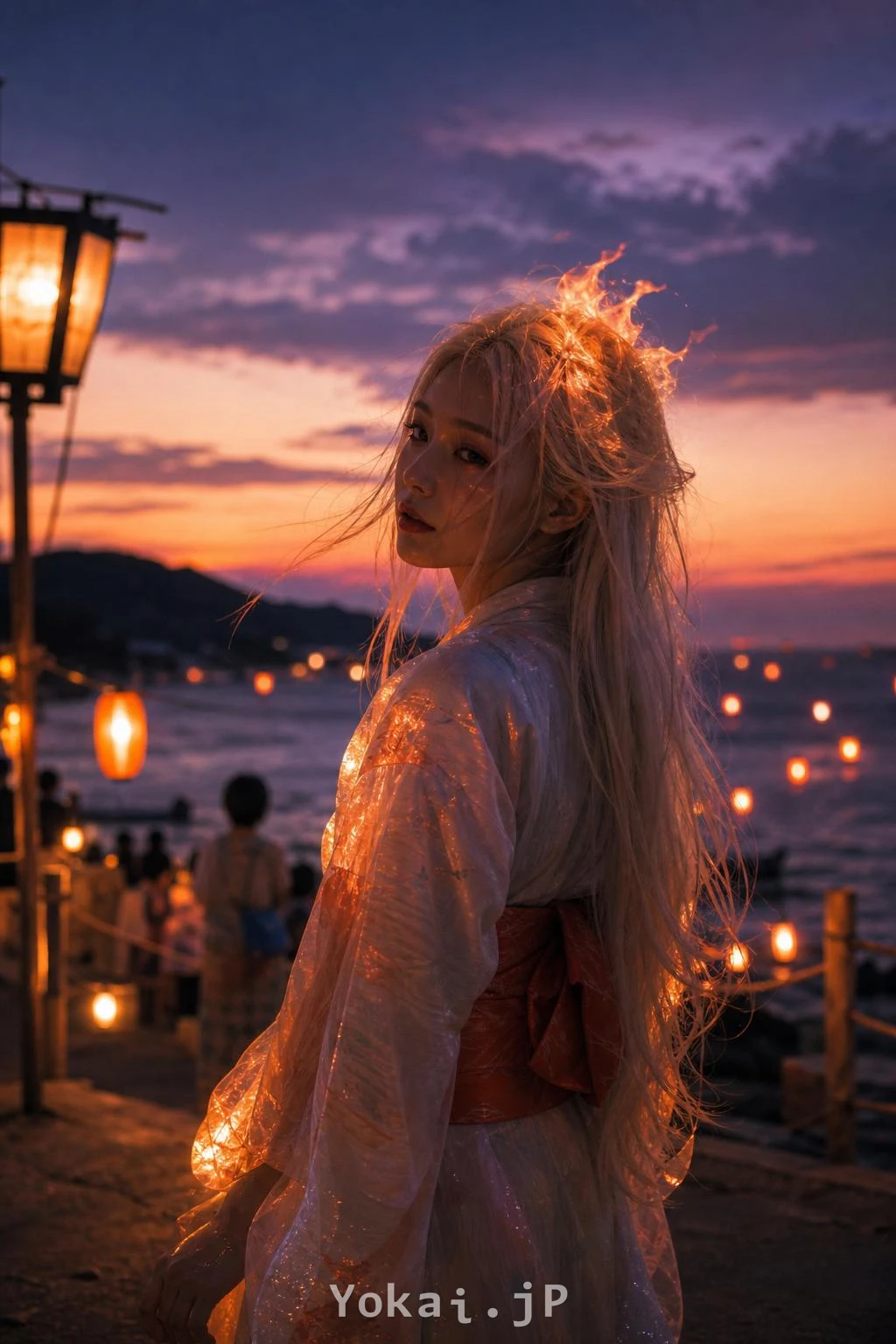
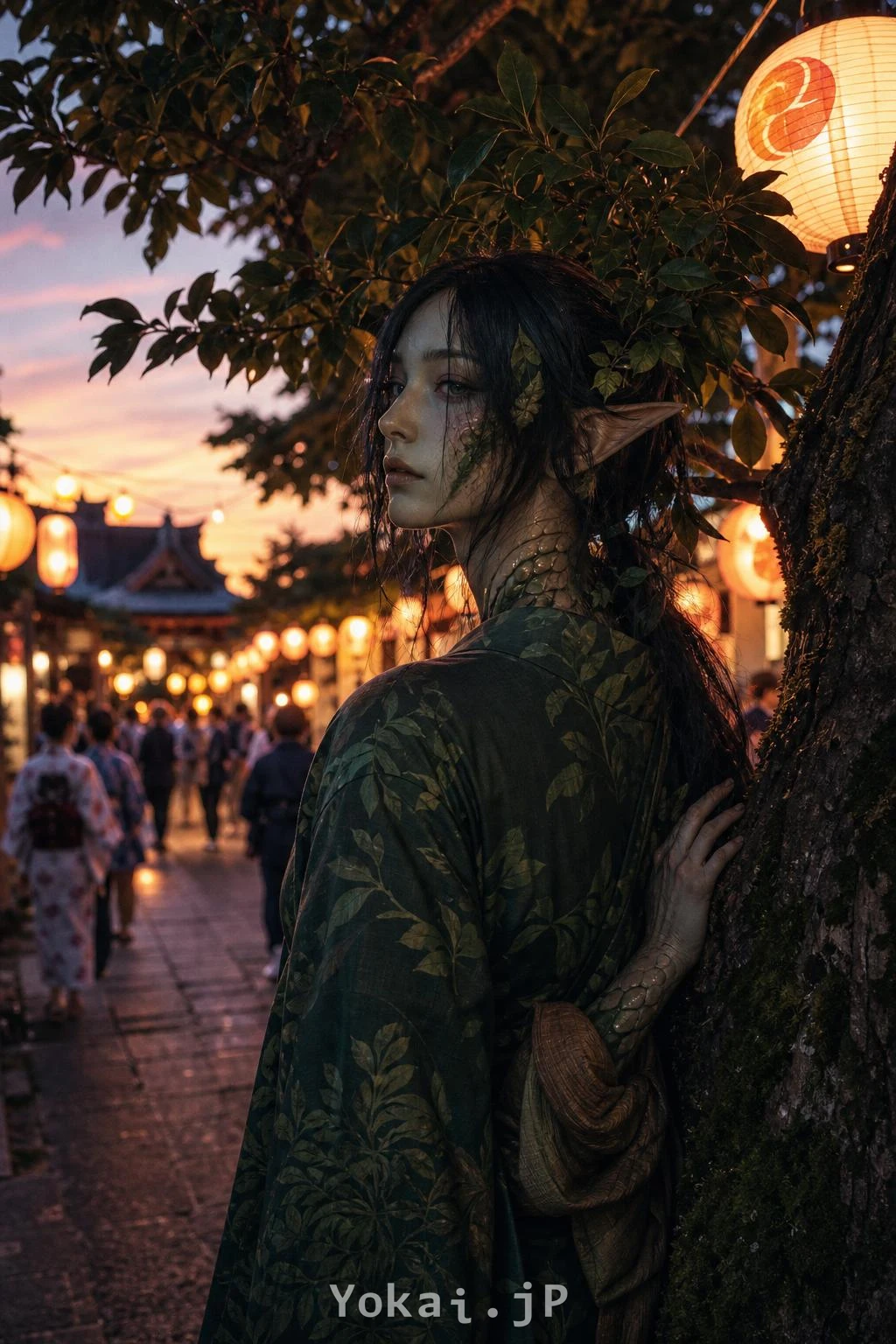
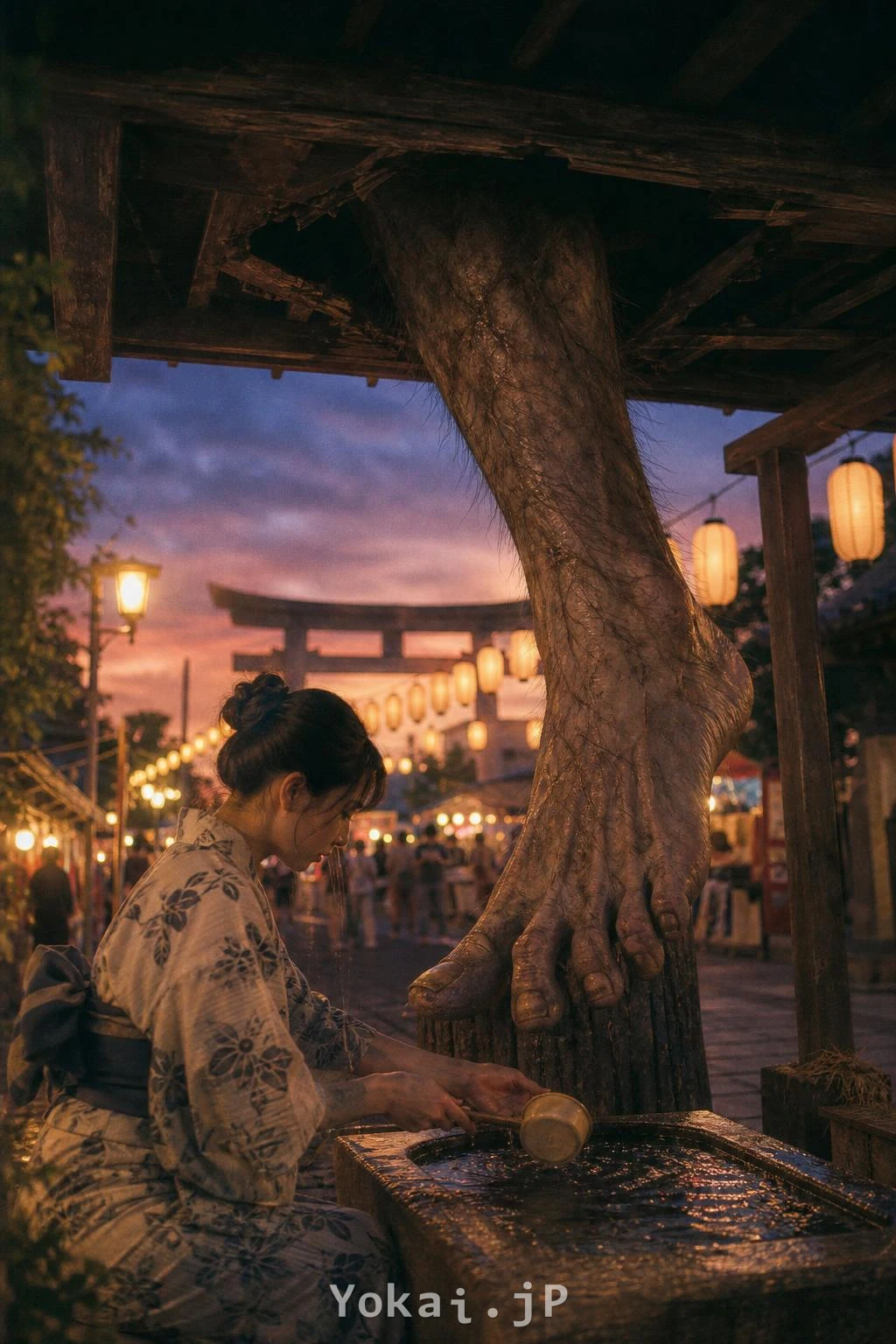
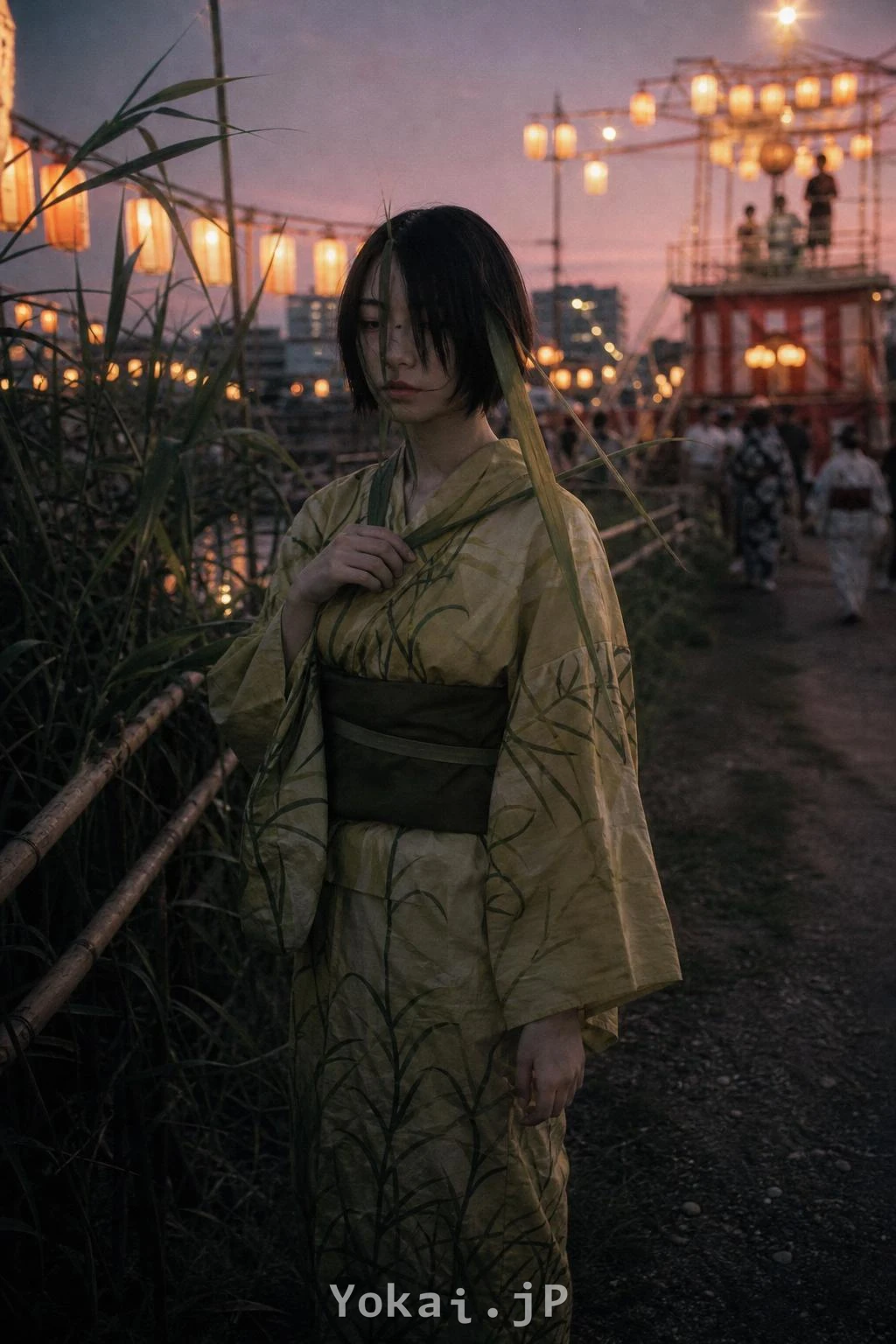
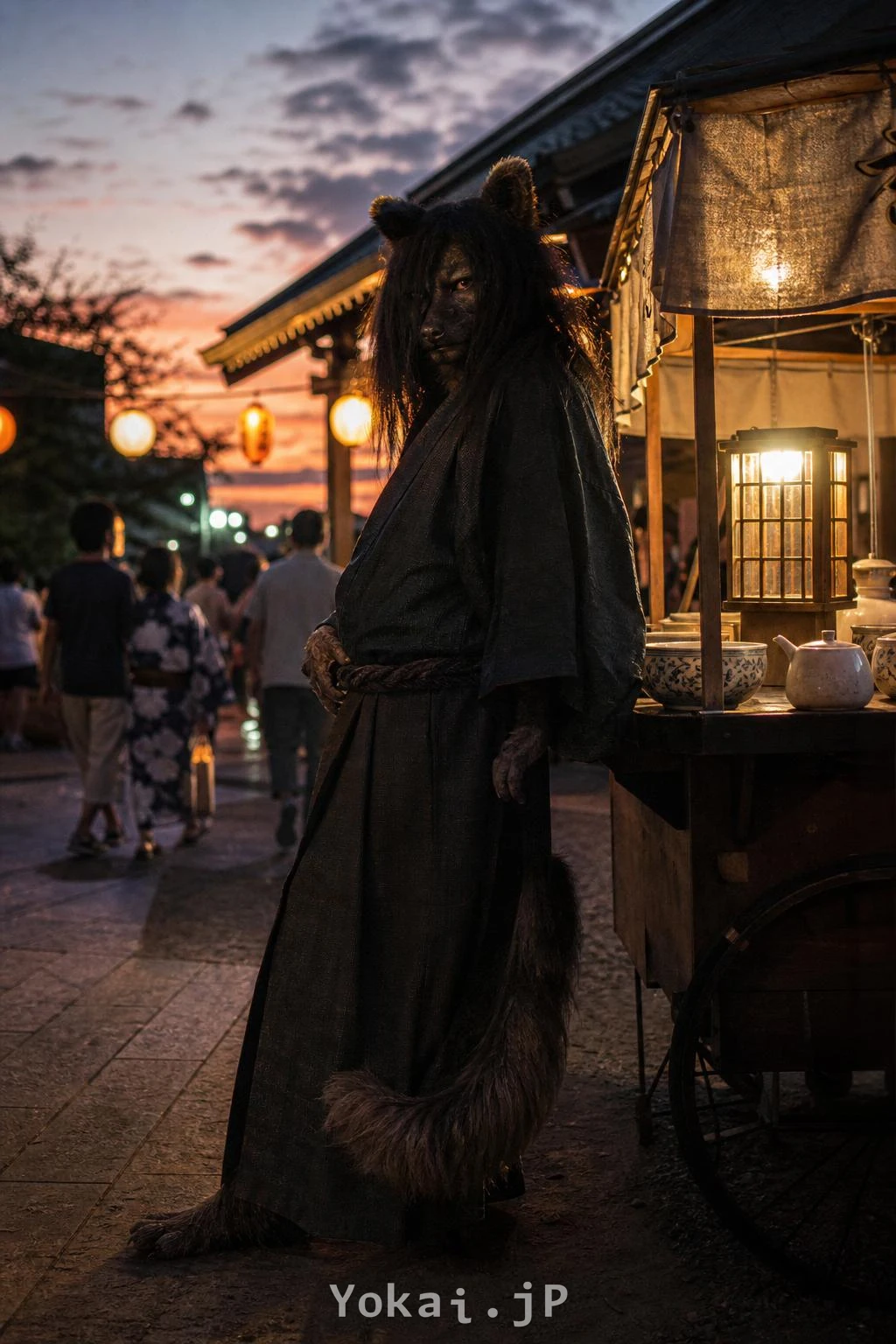
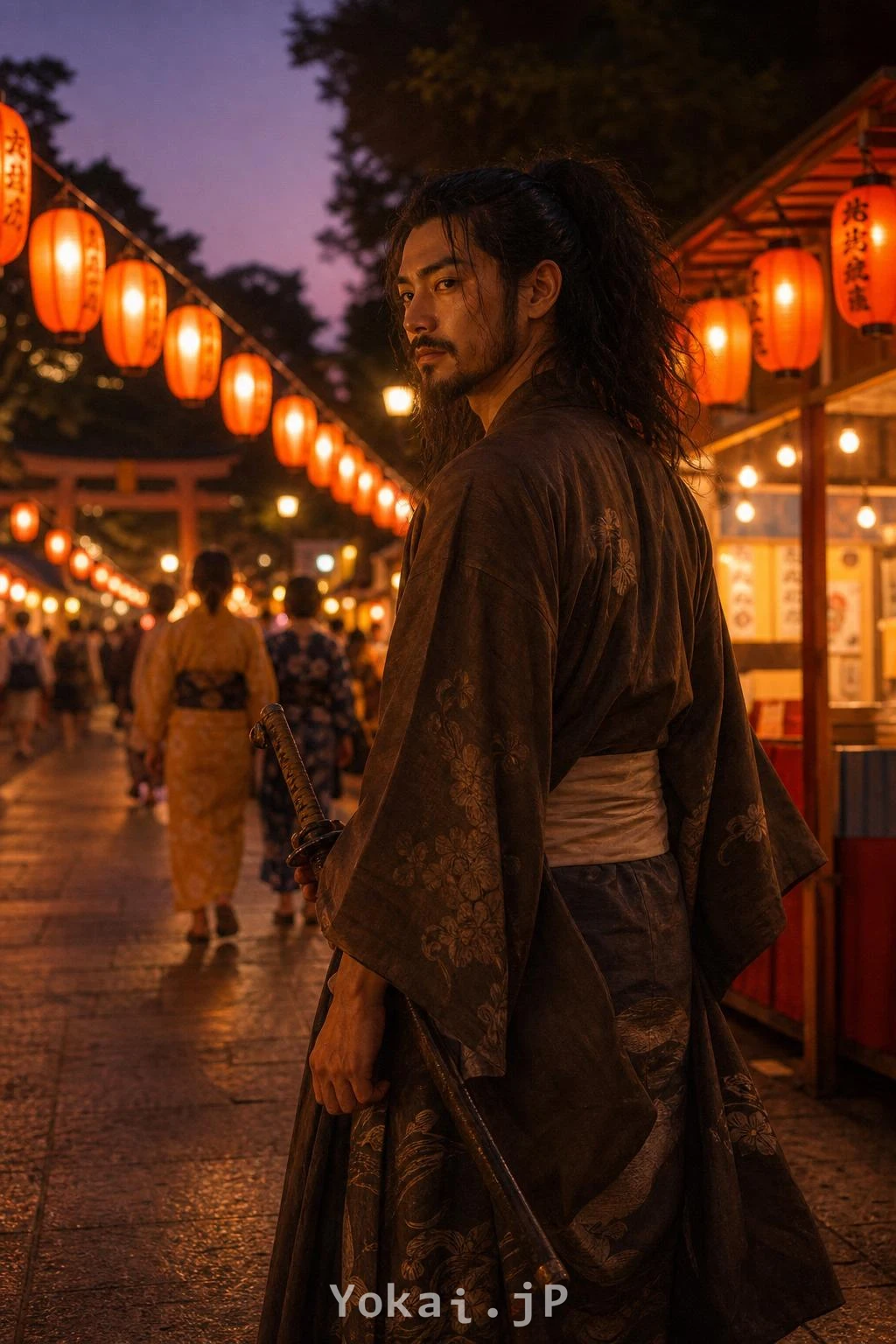
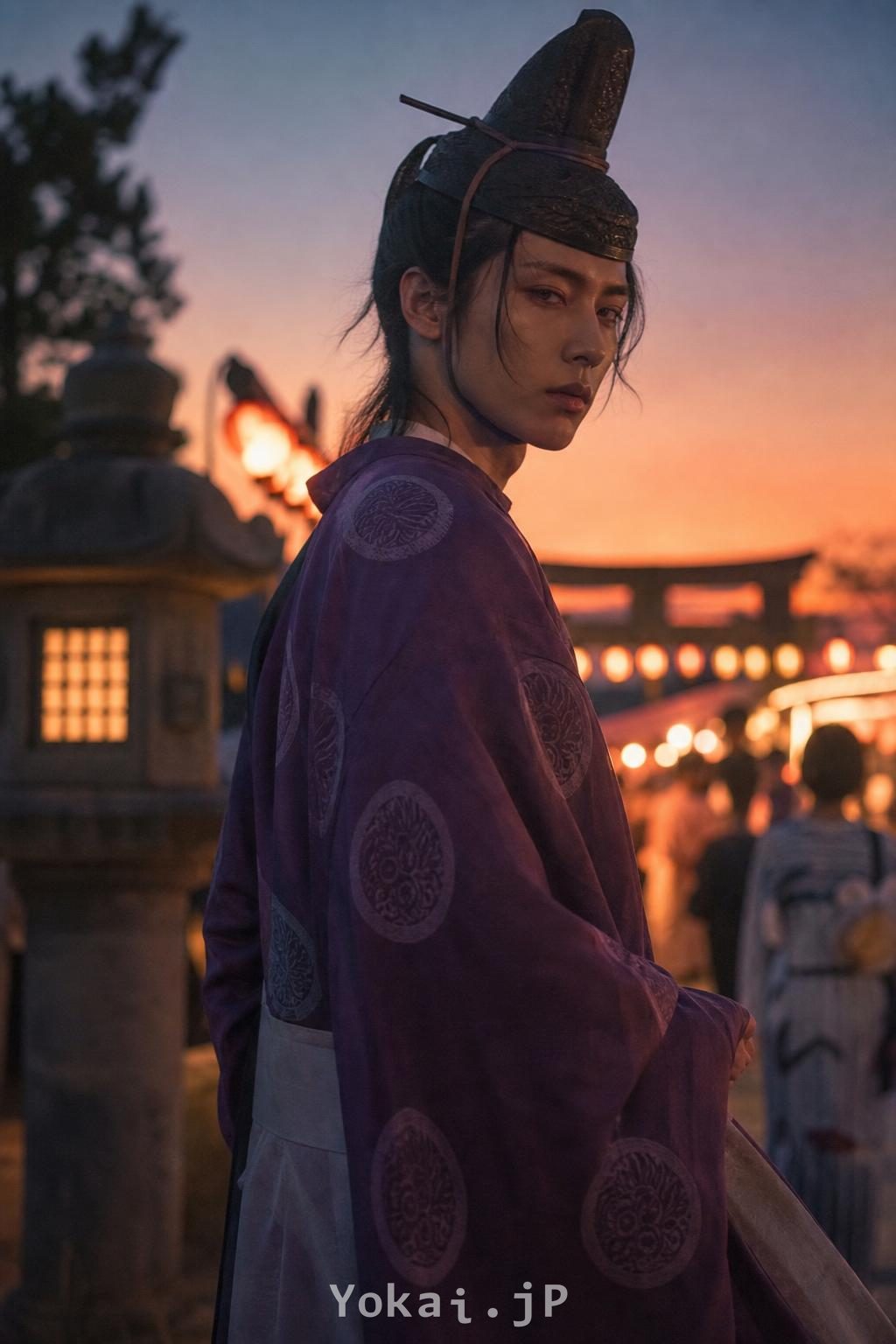
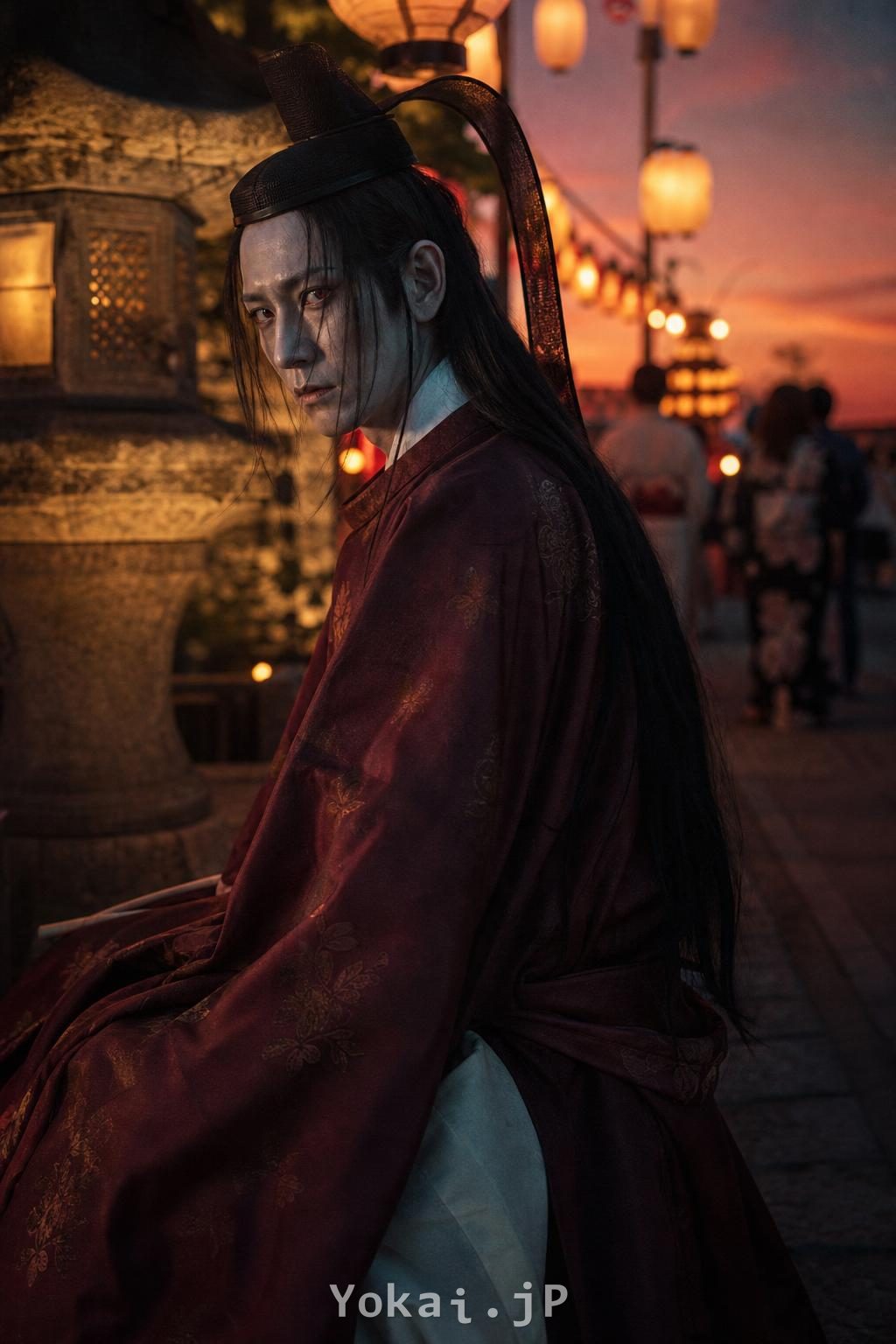
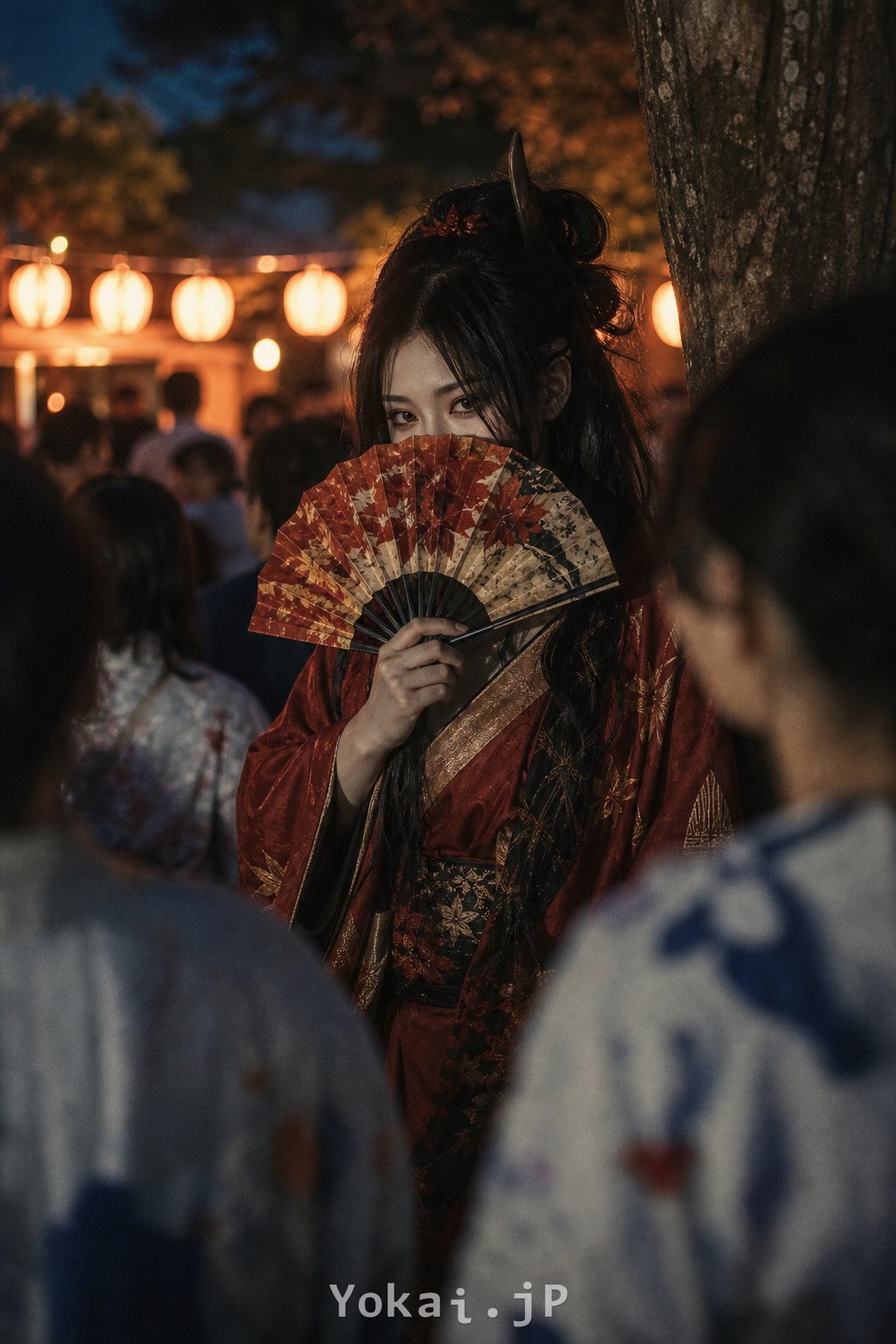
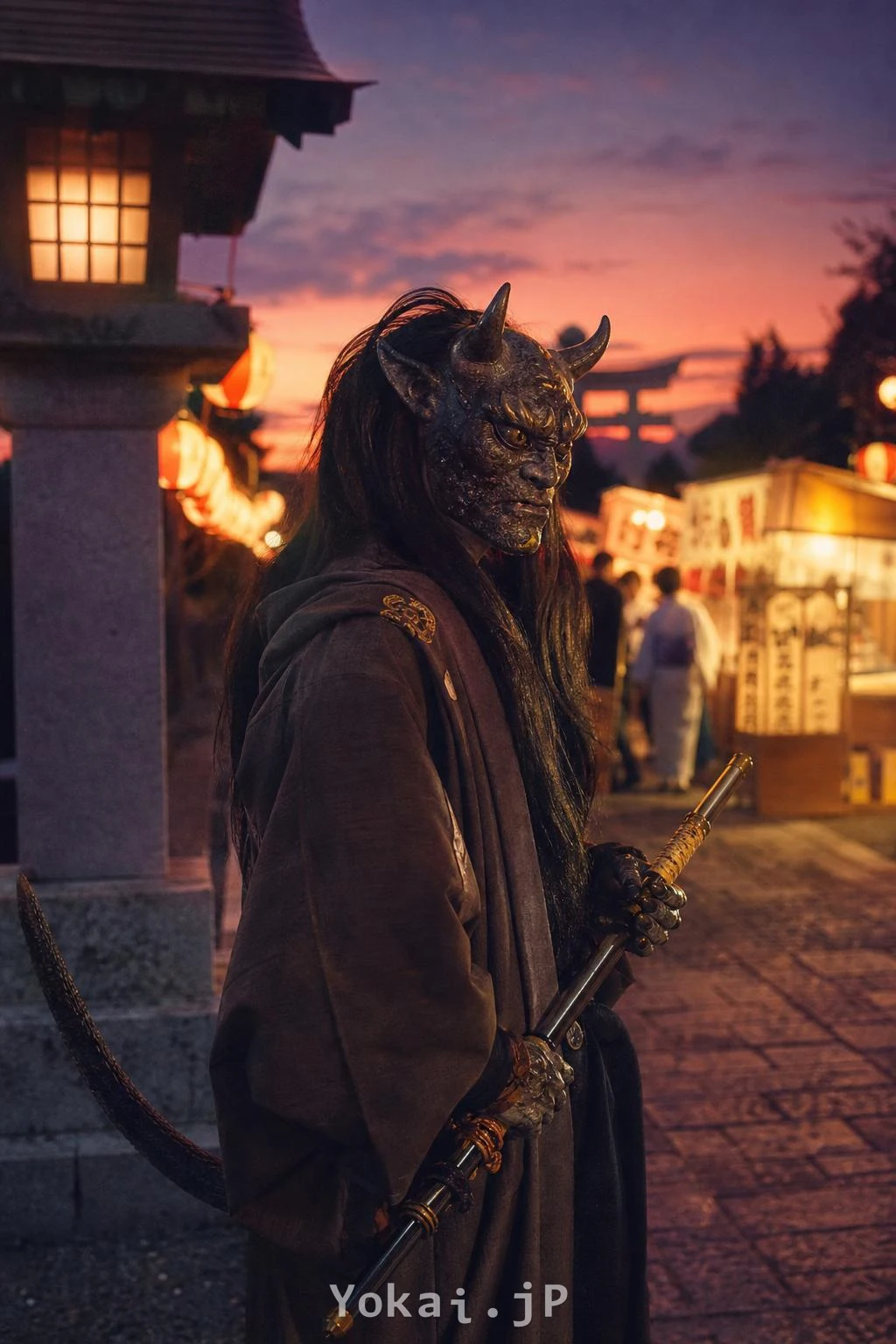
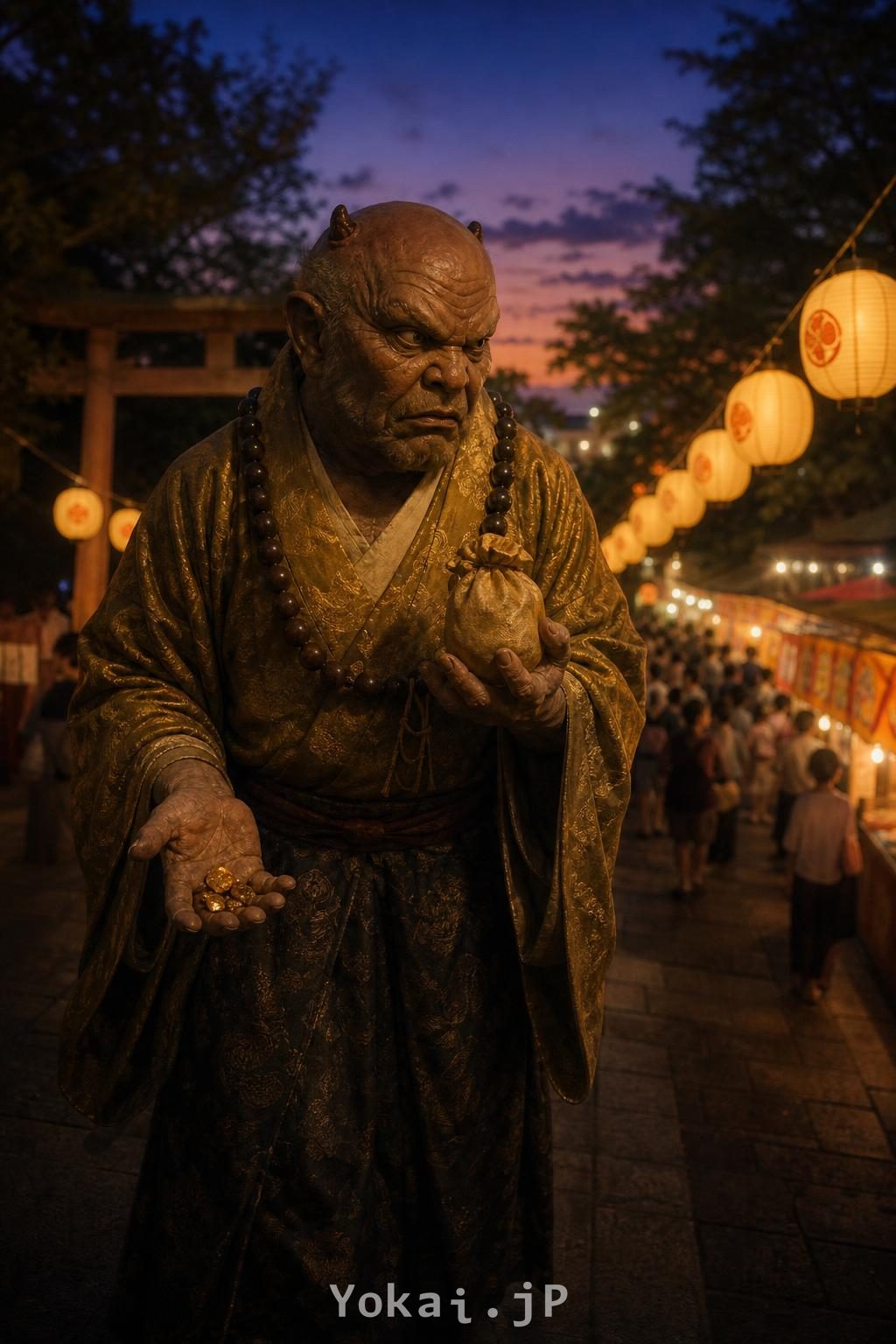
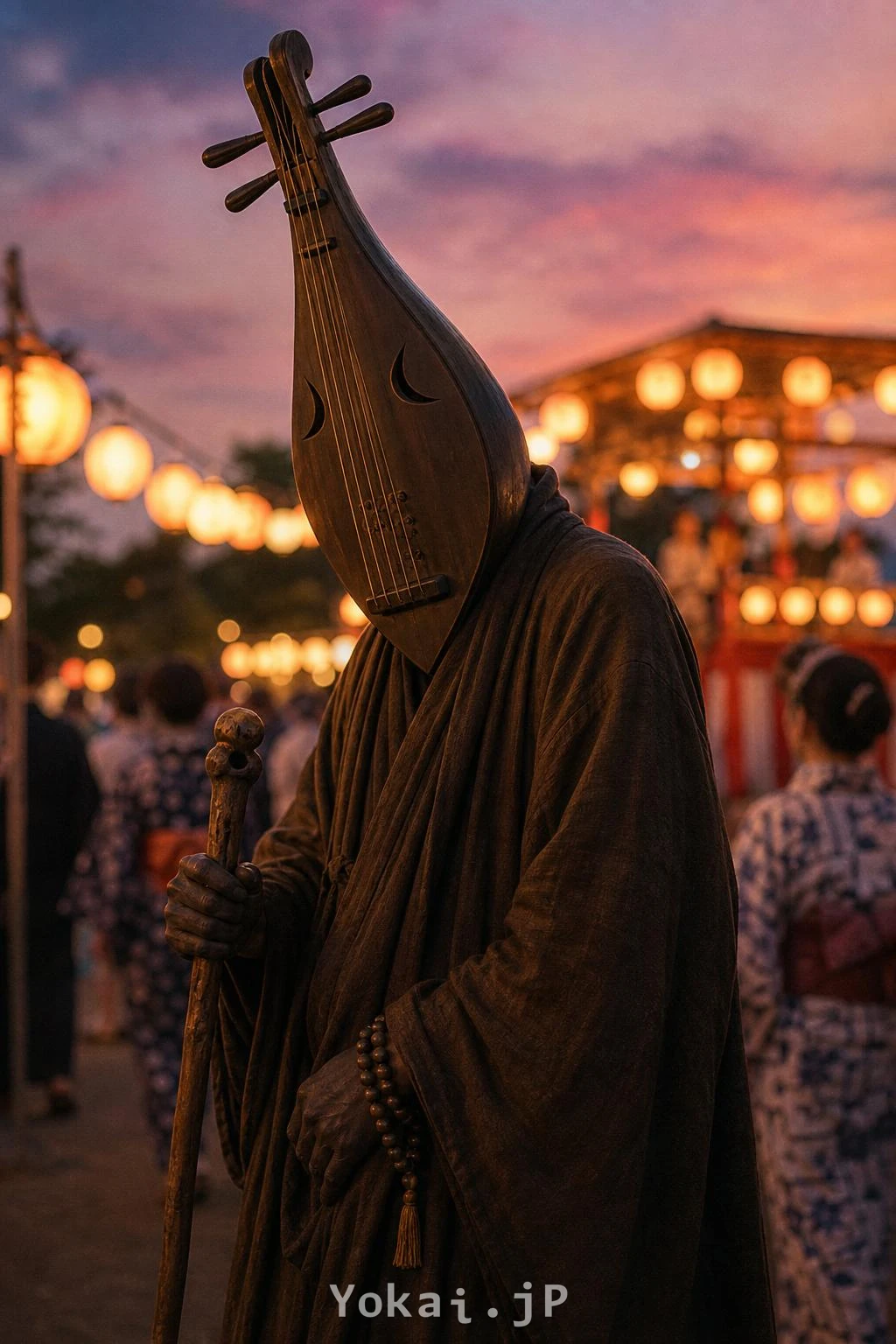
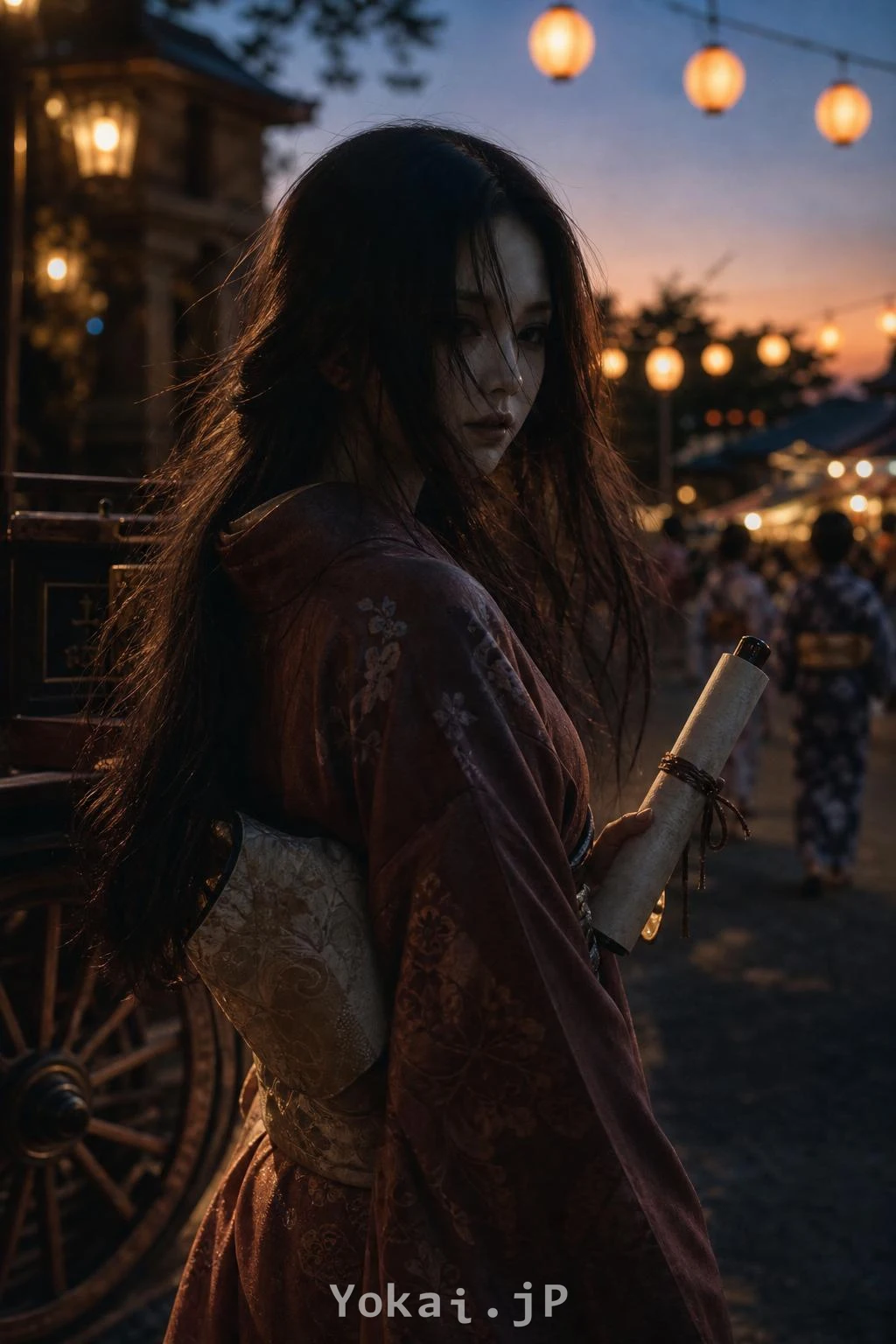
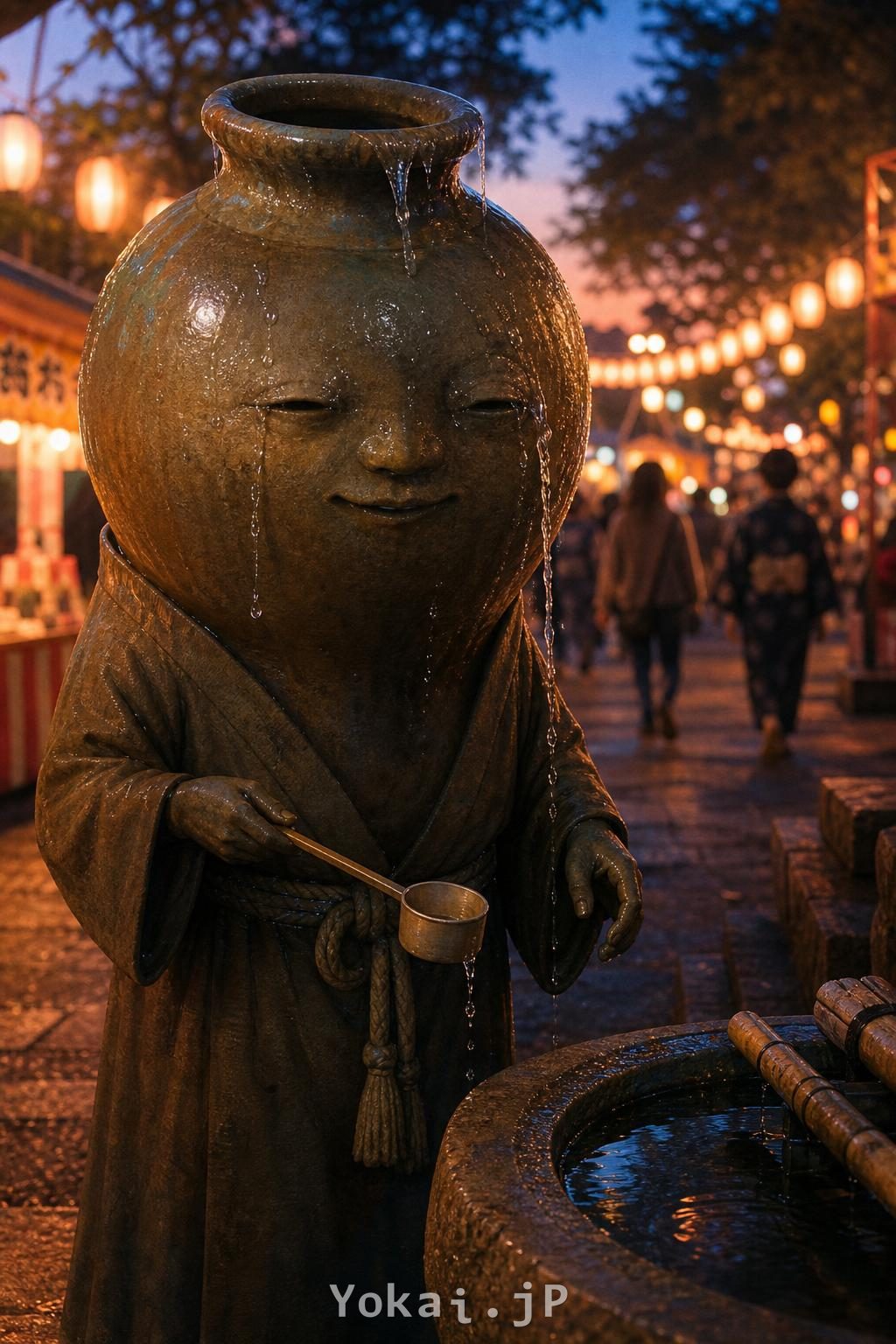
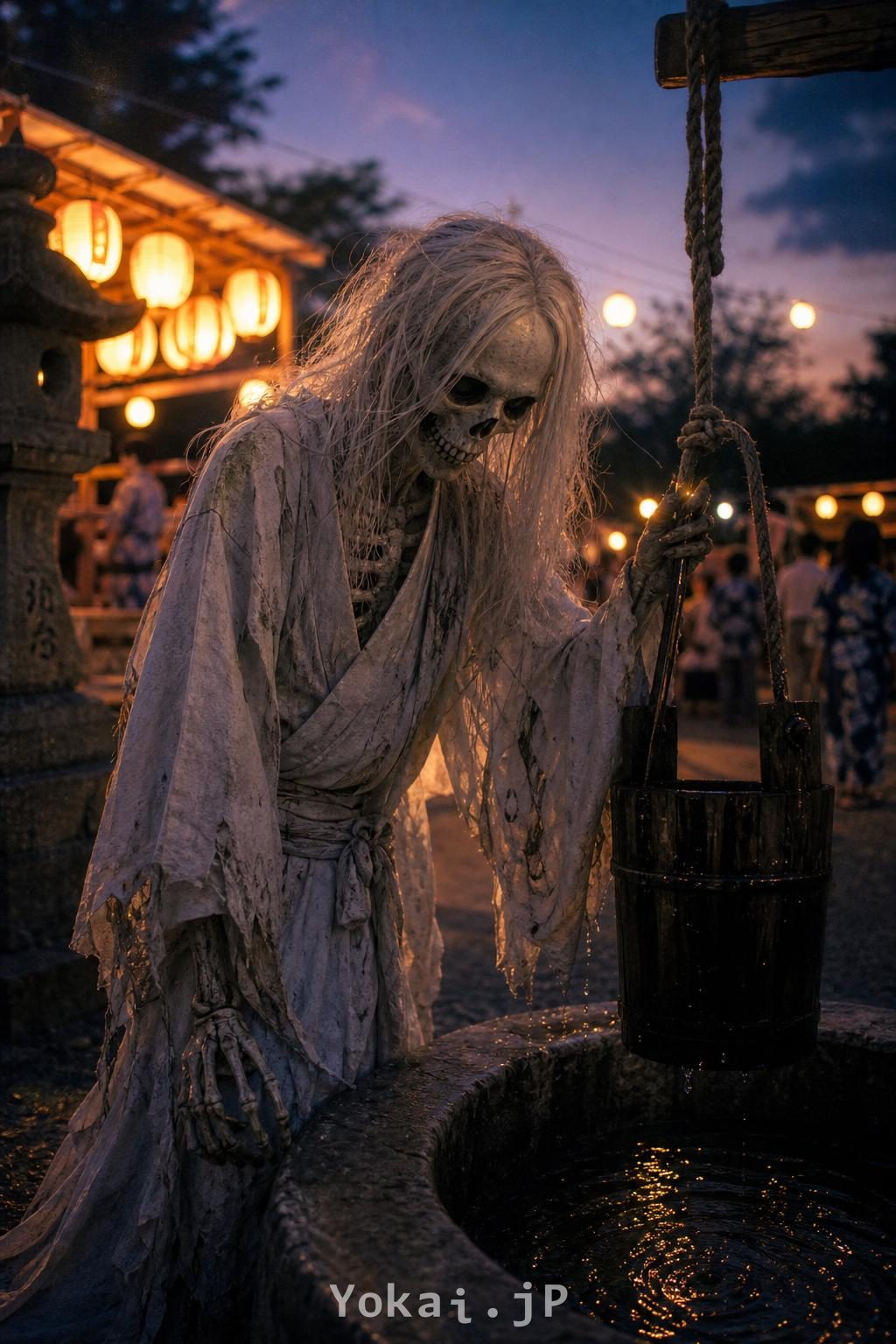
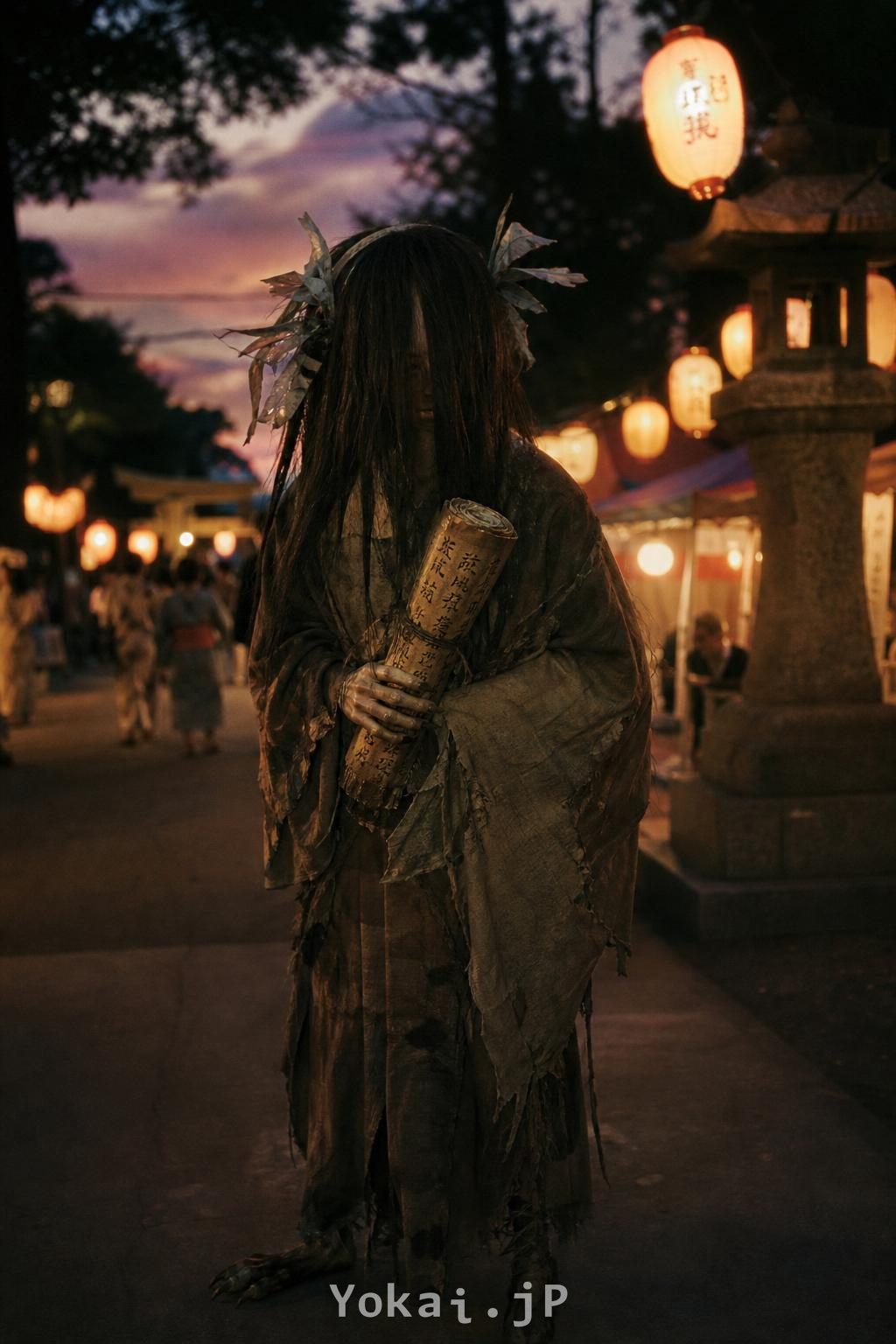
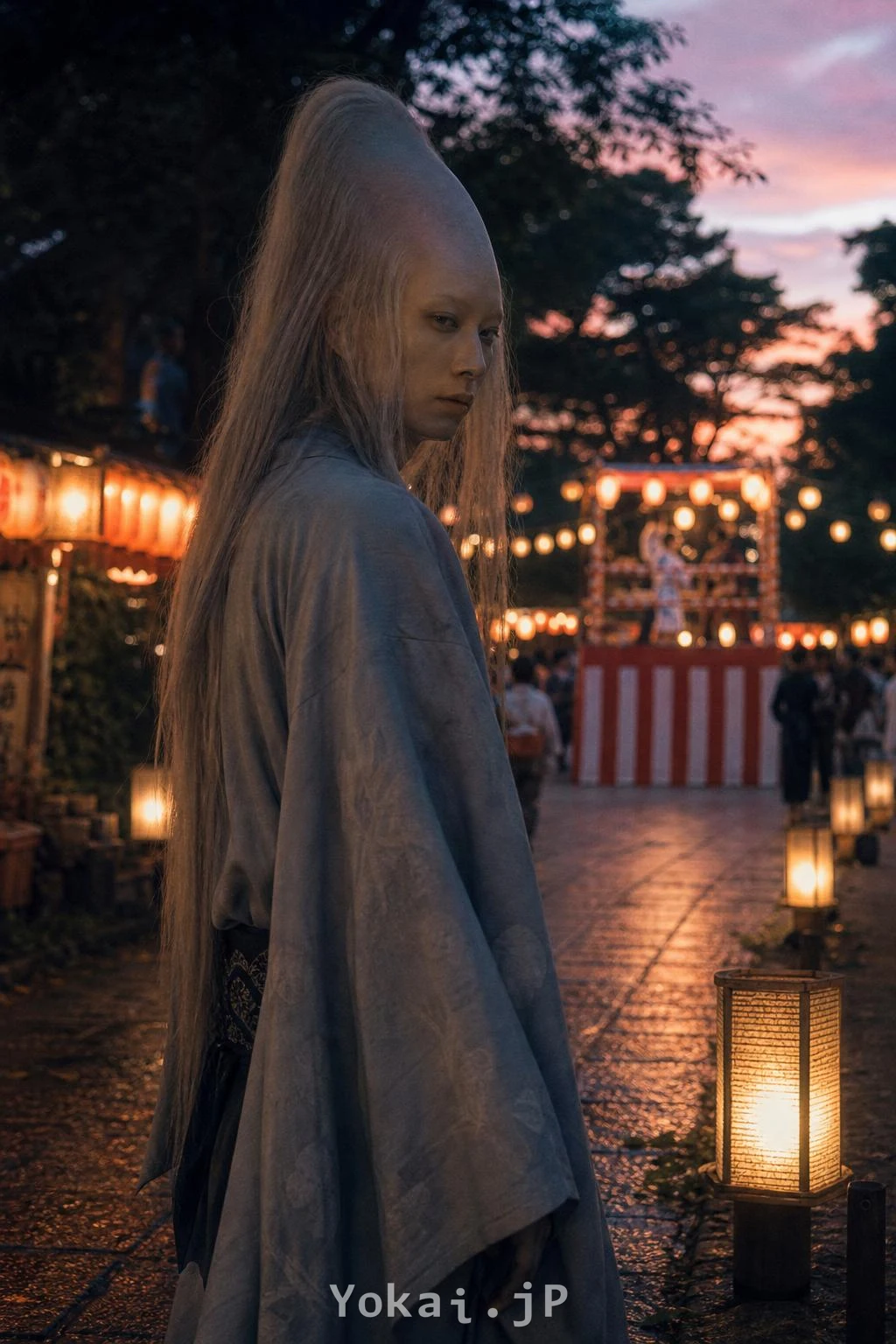
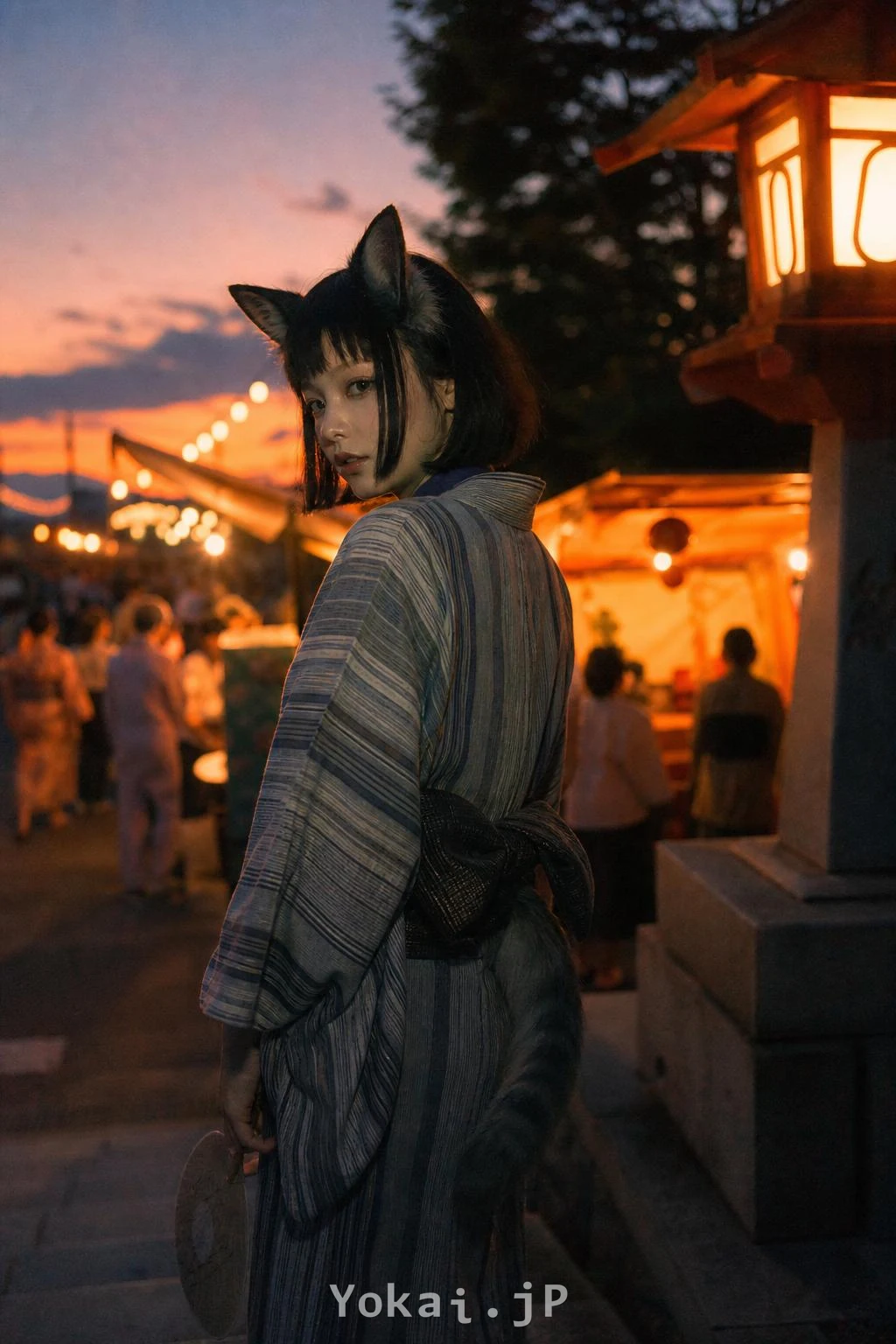
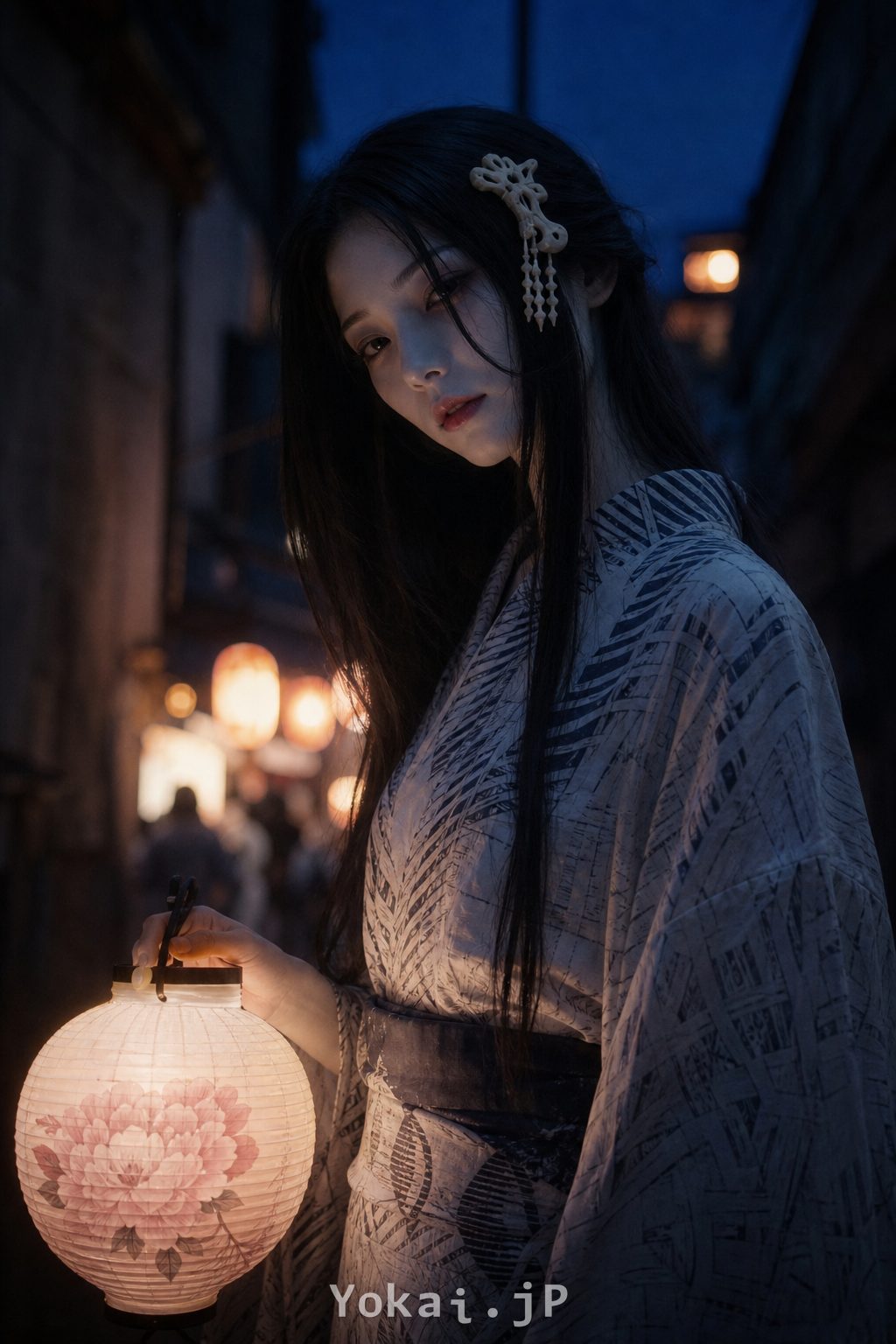
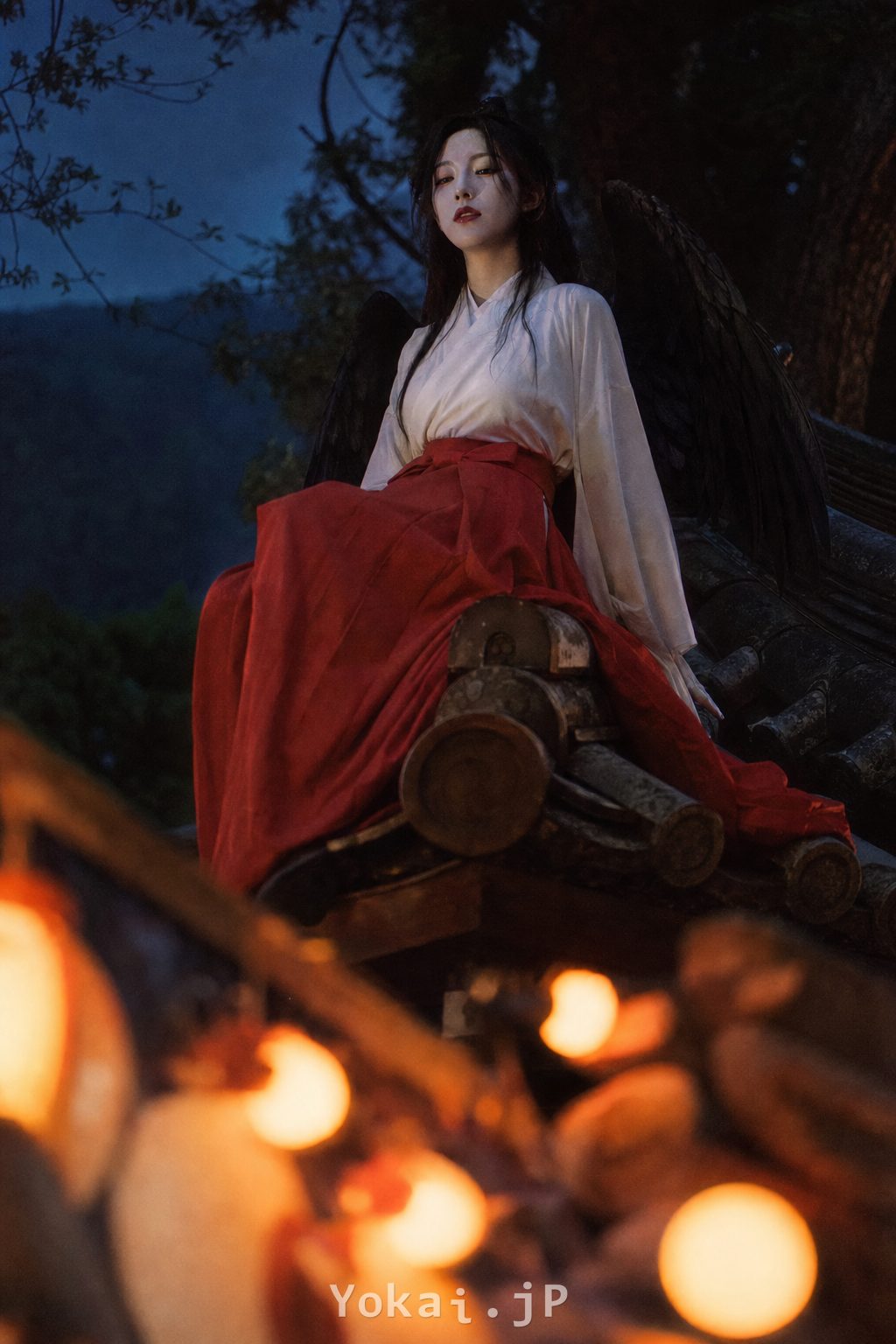
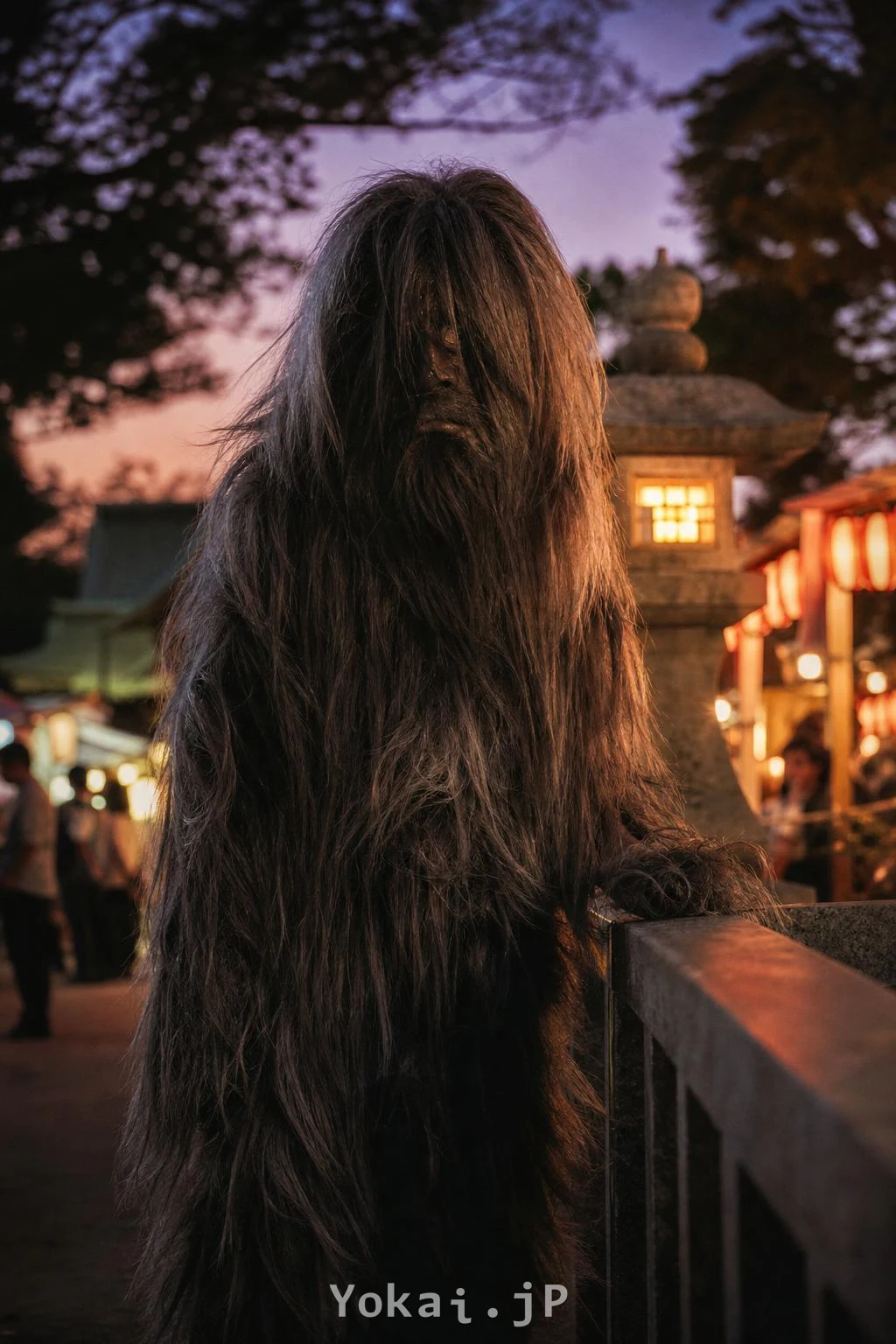
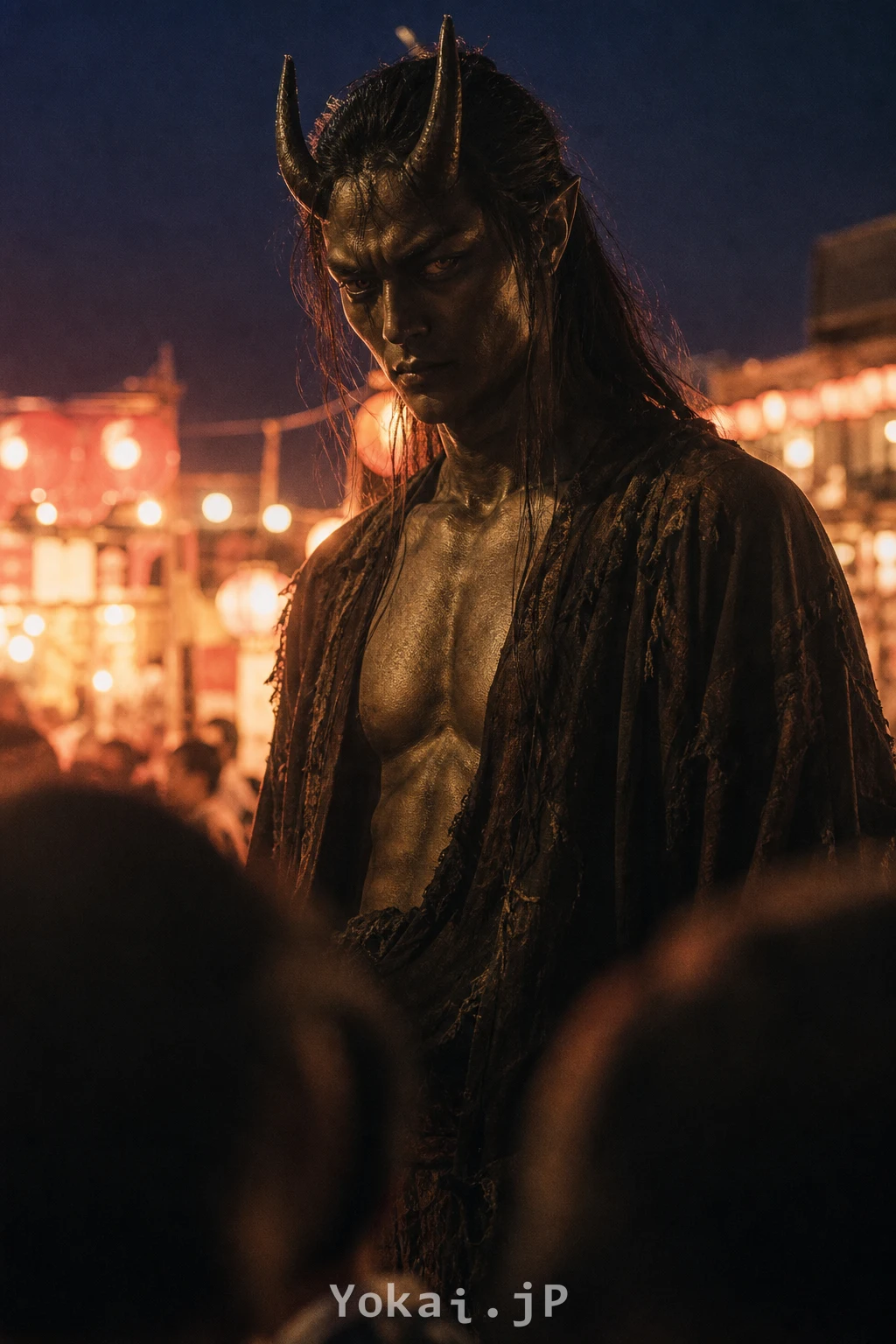
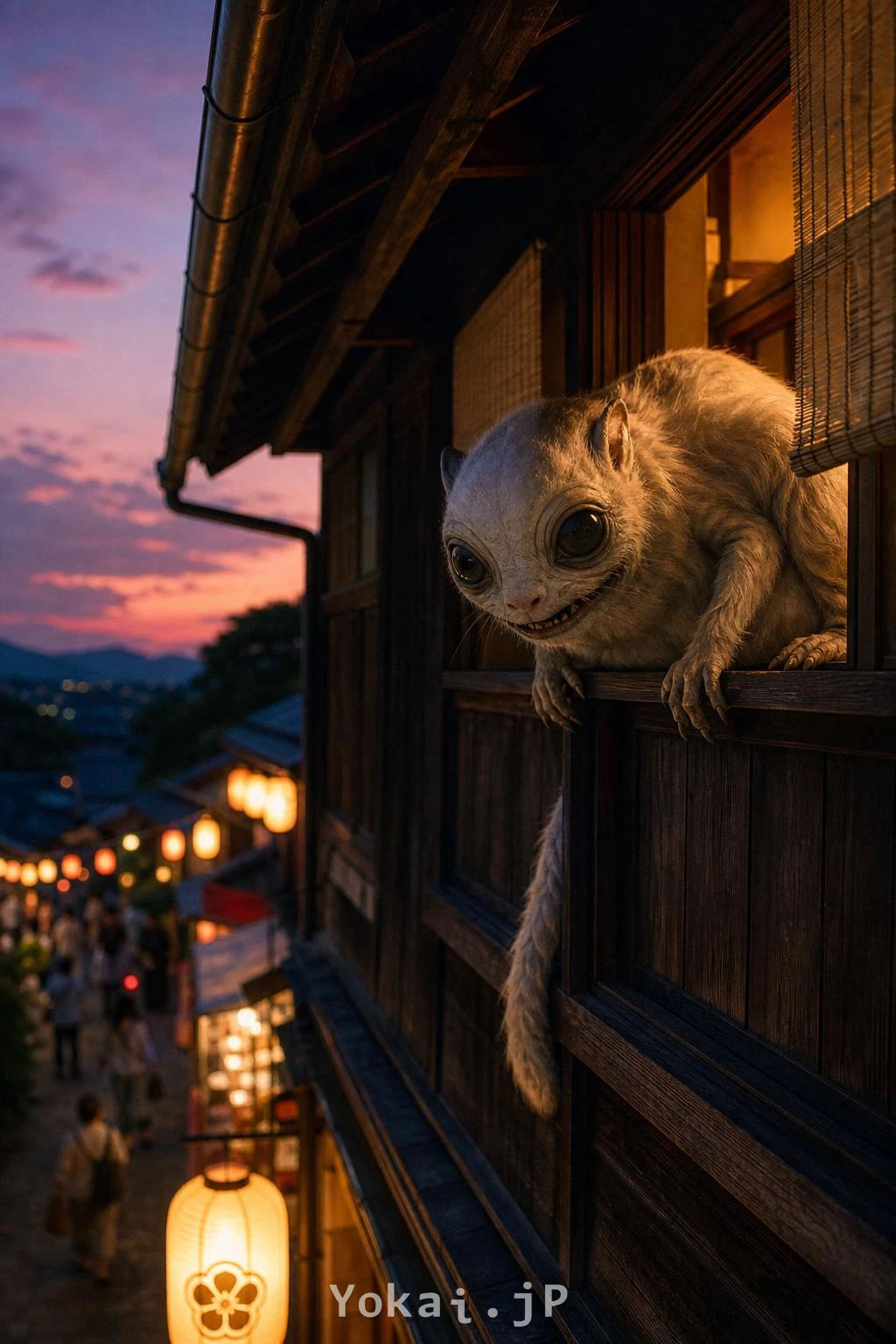
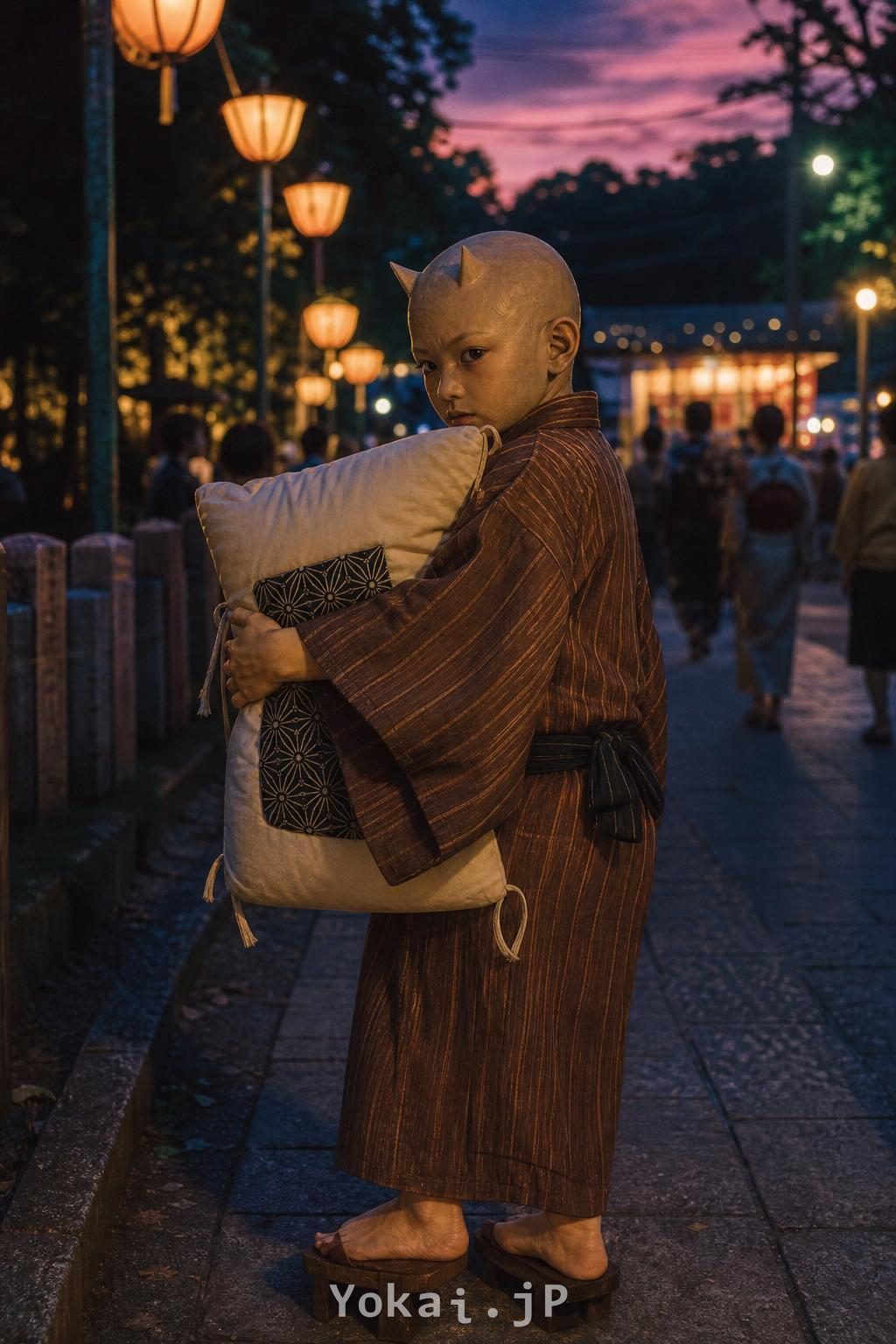
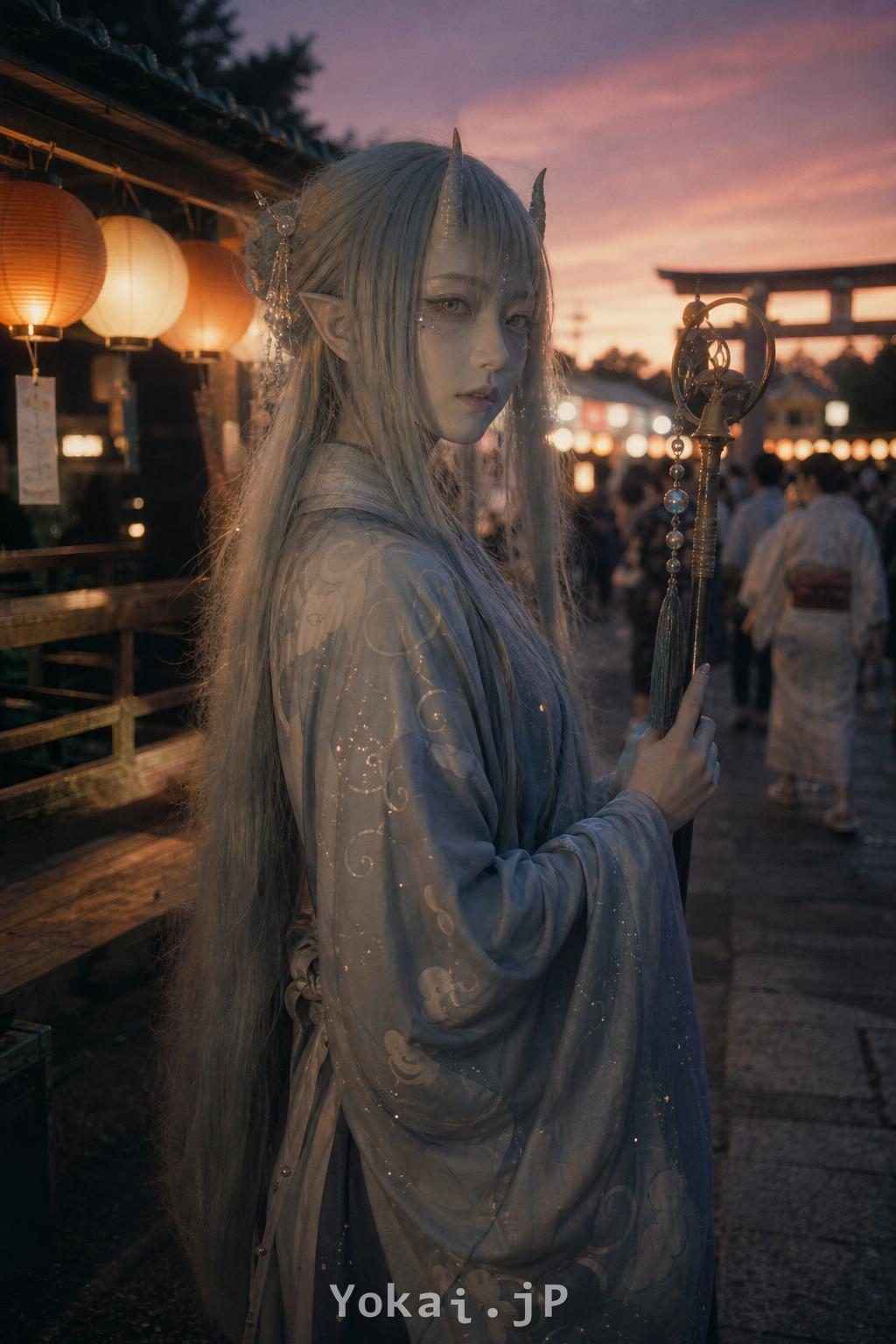
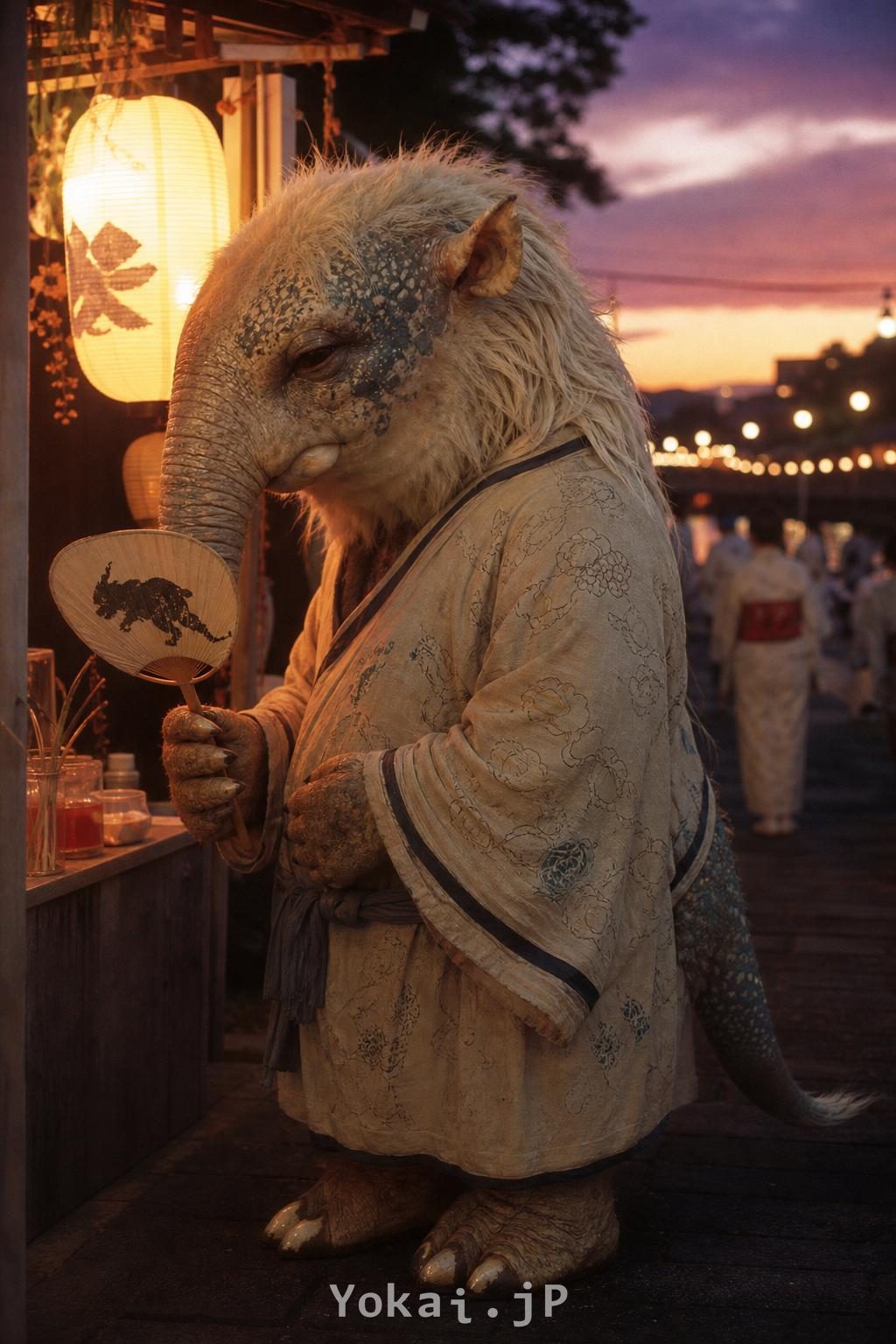
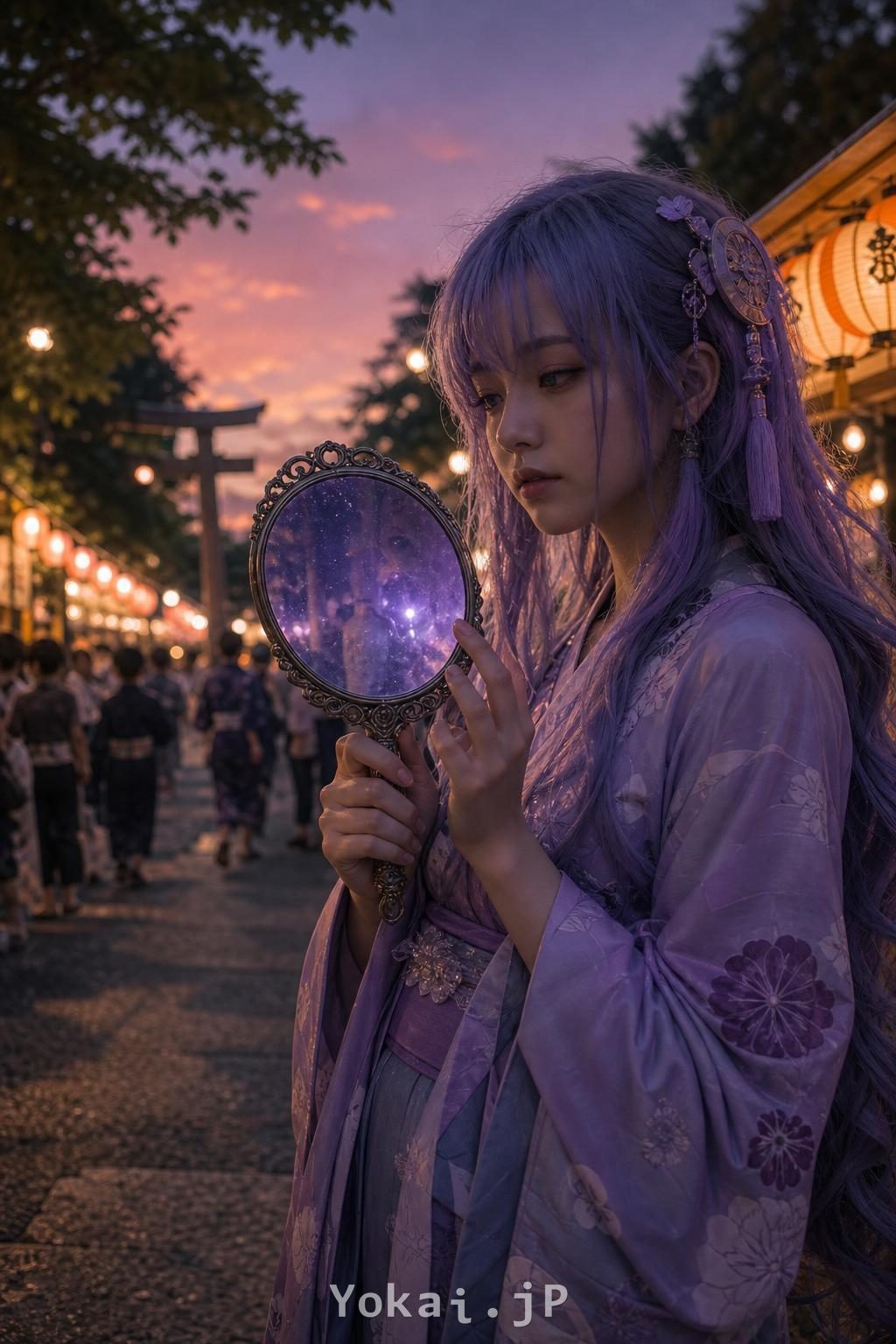
Nurarihyon・Yamanoke・Ikiryō (Living Spirit)
PROLOGUE

Why is summer in Japanthe season of kaidan?

Four threads run through this question: a way of cooling the body that Edo townspeople found before air conditioning; the four-day Buddhist festival of Obon, in which the dead come back; the candle-extinguishing parlor game called hyakumonogatari; and three hundred and fifty years of storytellers who polished the form. Each in turn.

WHY GHOST STORIES IN SUMMER

Kaidan as a way of beating the heat

Stories that chill the body — a townsperson's technique

Kaidan became a summer thing in the hands of Edo townspeople. On a humid, sweltering night, family and neighbors would gather to tell each other stories that chilled the spine, and the cool of the evening would brush their suddenly dry skin. Kaidan was a body-cooling technique from an age before air conditioning.

Haiku poets put this into words. They placed kaidan, ghost, hyakumonogatari, and kimodameshi each under summer in the seasonal almanacs. As the saijiki were compiled from the late Edo into the Meiji period, kaidan-related vocabulary settled into the summer pages. Verses about summer-night apparitions, like Yokoi Yayū's 'I have seen the true face of the ghost — withered pampas grass', circulated widely.

After Meiji, rakugo storytellers brought the form to the stage. Sanyūtei Enchō's Shinkei Kasanegafuchi and Botan Dōrō became standard summer-Obon repertoire, and the line continued into the television and radio era as 'summer kaidan specials', the Doyō Wide Theater, and Tales of the Unusual. That bookstores still stack ghost-story collections face-up in July and August is an extension of two centuries of cultural habit.

OBON ─ THE RETURN OF THE DEAD

Obon — four days when the dead return

Welcome fires on August 13, farewell fires on August 16

Obon (urabon) is a Buddhist festival whose name comes from the Sanskrit 'ullambana' — the suffering of being hung upside down. The story in the Urabon-kyō of Mokuren Sonja saving his mother passed through East Asia, and the Nihon Shoki records that Obon was first observed in Japan in the fourteenth year of Empress Suiko (606).

It took root in common life during the Muromachi period. For a few days each year, ancestral spirits would come back — welcome fires on August 13, farewell fires on August 16 — and the pattern became a shared ritual across the country. Kyoto's Gozan no Okuribi, the great Daimonji fires, Nagasaki's shōryō-nagashi, Tokushima's Awa Odori, Okinawa's Eisā: the regional forms of sending the spirits off are alive today.

On the spirit shelf are set a cucumber horse and an eggplant ox. 'The ancestors come quickly home on the horse, and return slowly on the ox.' The wish to bring them back fast, and the wish not to part too soon, both shaped into vegetables.

For these four days, the membrane between the living and the dead is at its thinnest. The kaidan spoken during Obon are not only tales of fear — they also serve as a greeting to the returning dead.

HYAKUMONOGATARI ─ ONE HUNDRED TALES

Hyakumonogatari — the Edo ghost-story gathering

A hundred candles, extinguished one tale at a time — what comes when the last is out

Hyakumonogatari is a gathering. People sit at night, take turns telling kaidan, and after each tale extinguish one of a hundred lit candles. When all have gone out and the room sinks into darkness, a real apparition appears. So it was believed.

The origin is sometimes traced to samurai courage trials, but as a literary form it took shape in the Kanbun to Genroku period (late seventeenth century). Asai Ryōi's Otogi Bōko (1666) was the first major Japanese kaidan collection, and the form was refined through Ueda Akinari's Ugetsu Monogatari (1776) and Harusame Monogatari (completed in Akinari's late years, unpublished in his lifetime).

The late Edo period saw a flood of illustrated hyakumonogatari. Toriyama Sekien's Gazu Hyakki Yagyō (1776) and its sequels Konjaku Gazu Zoku Hyakki (1779), Konjaku Hyakki Shūi (1781), and Hyakki Tsurezure Bukuro (1784) became visual dictionaries of yokai, and remain the headwaters of the modern visual imagination of yokai.

Sanyūtei Enchō, straddling the late Edo and Meiji, brought the form into rakugo. With Shinkei Kasanegafuchi (first performed 1859) and Botan Dōrō (composed in the late Edo, transcribed in 1884) he built the peak of Japanese kaidan rakugo. The 'last candle goes out' device is the direct ancestor of the modern horror-film countdown.

INHERITORS

The lineage of tellers

From Ryōi to Kyōgoku — a chain of three hundred and fifty years

Japanese kaidan is not the work of any single writer, performer, or scholar. Asai Ryōi in the early Edo period adapted Chinese ghost tales; Ueda Akinari added the lyric of kokugaku scholarship; Tsuruya Nanboku raised them onto the kabuki stage; Enchō polished them in oral performance; Lafcadio Hearn sent them out into the world in English.

In the modern era Yanagita Kunio gave them a folkloristic system, and Mizuki Shigeru gave the visual image to a popular audience. Kyōgoku Natsuhiko, from Ubume no Natsu (1994) forward, restored kaidan as contemporary fiction and led the Heisei and Reiwa yokai revival.

The closing section of this feature briefly introduces ten of these figures. To follow their books is to open a depth that no single summer night could read through.

Hyakumonogatari — one hundred candles, extinguished one by one

From the early Edo period to contemporary kaidan, three hundred and fifty years of the hyakumonogatari tradition, traced through seven lenses.

RITUAL CALENDAR・July–August

A summer ofrites, by date

From the Gion Festival's goryōe to Kyoto's farewell bonfires, two months of festivals for the dead and the ancestors. Different regions send the spirits off in different ways; here is the calendar.

July
JULY・FUMITSUKI
Month of letters, month of the goryōe
August
AUGUST・HAZUKI
Month of leaves, month of Obon
7/14–17

Gion Festival — Yamaboko Procession

An epidemic-purifying rite descended from the ninth-century goryōe. The origin point of pacification ritual for vengeful spirits.

Kyoto
Late July

Tenjin Festival

The principal festival of Tenmangū shrines, dedicated to Sugawara no Michizane. The turn from a feared vengeful spirit to a god of learning.

Osaka
8/3–6

Nebuta Festival

Giant illuminated floats. A fusion of summer-drowsiness purification with the welcoming of the dead.

Aomori
8/12–15

Awa Odori

The signature Bon dance. Four days of dancing with the dead.

Tokushima
8/13

Welcome Fire

The opening of Obon. Hemp stalks are burned to invite the ancestors home.

Nationwide
8/13–15

Eisā

The Buddhist invocation dance for the lunar Bon. A youth-association drum procession that consoles the ancestors.

Okinawa
8/23–24
Kansai
SIX PATHS THROUGH THE NIGHT

Six
paths through the night

Spirits returning at Obon. What haunts the back roads. What lives in the water. The seven mysteries of one Edo district. Vengeful spirits enshrined as gods. The night-time procession of the hundred. Six themes around which Japan's yokai gather, when the season demands they be told.

DEEP DIVECompanion essay · 8 chapters · with citations

The 'gathering to tell' form that recurs throughout the six night paths — three hundred and fifty years from Asai Ryōi through Enchō to Inagawa Junji.

OBON
Ao-andon
Ao-andonOBON・The Return of the Dead
24 yokai
COLLECTION ONE・PATH 壱

Spirits met at Obon

Spirits that return, spirits that cannot

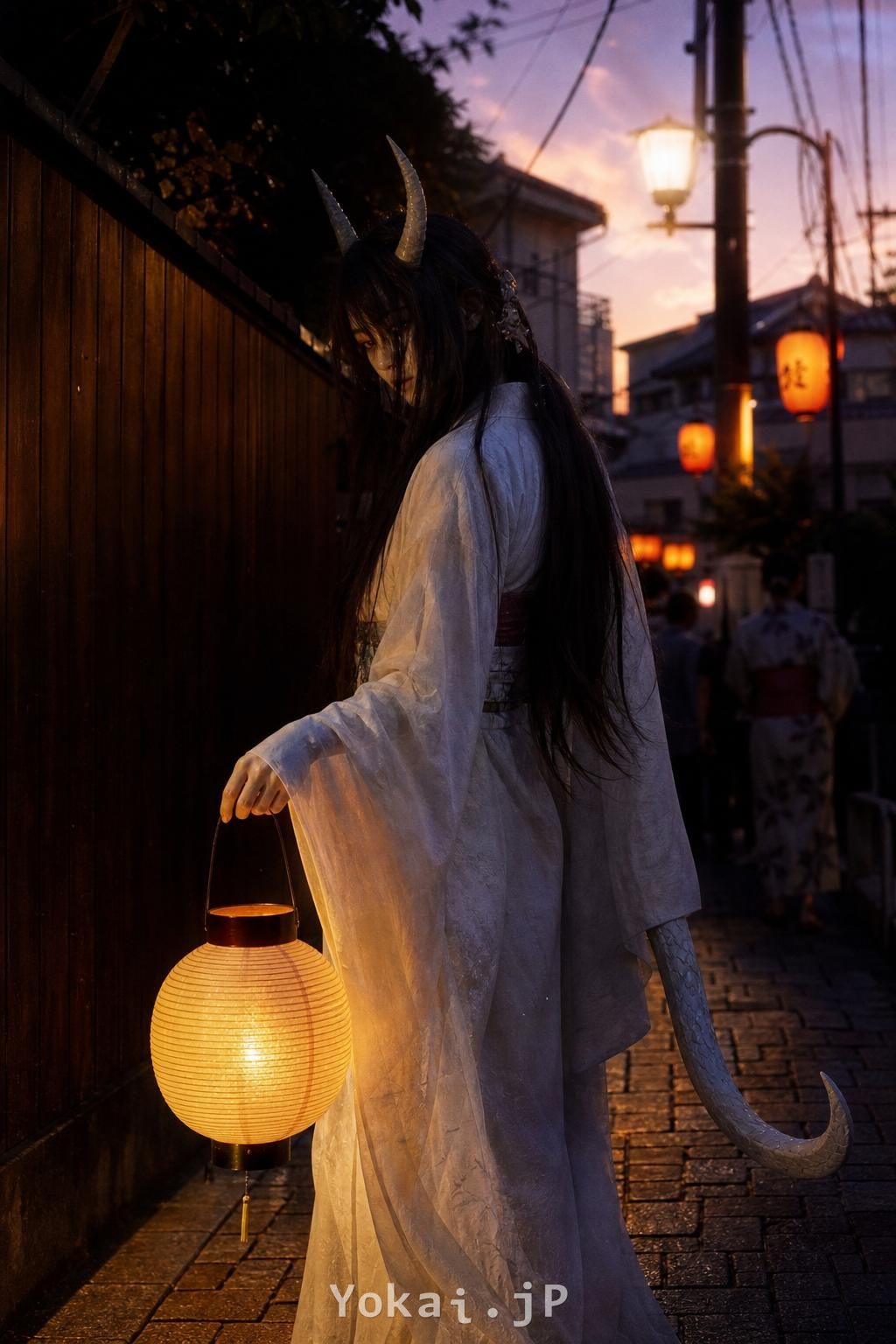
The Obon night: ancestral spirits returning home, and homeless ghosts who cannot. Ubume, kokuri-baba, ōkubi — figures shaped by death and longing.

Two kinds of spirit come back at Obon: ancestors returning to family, and homeless spirits with nowhere to go. The latter are the protagonists of kaidan.

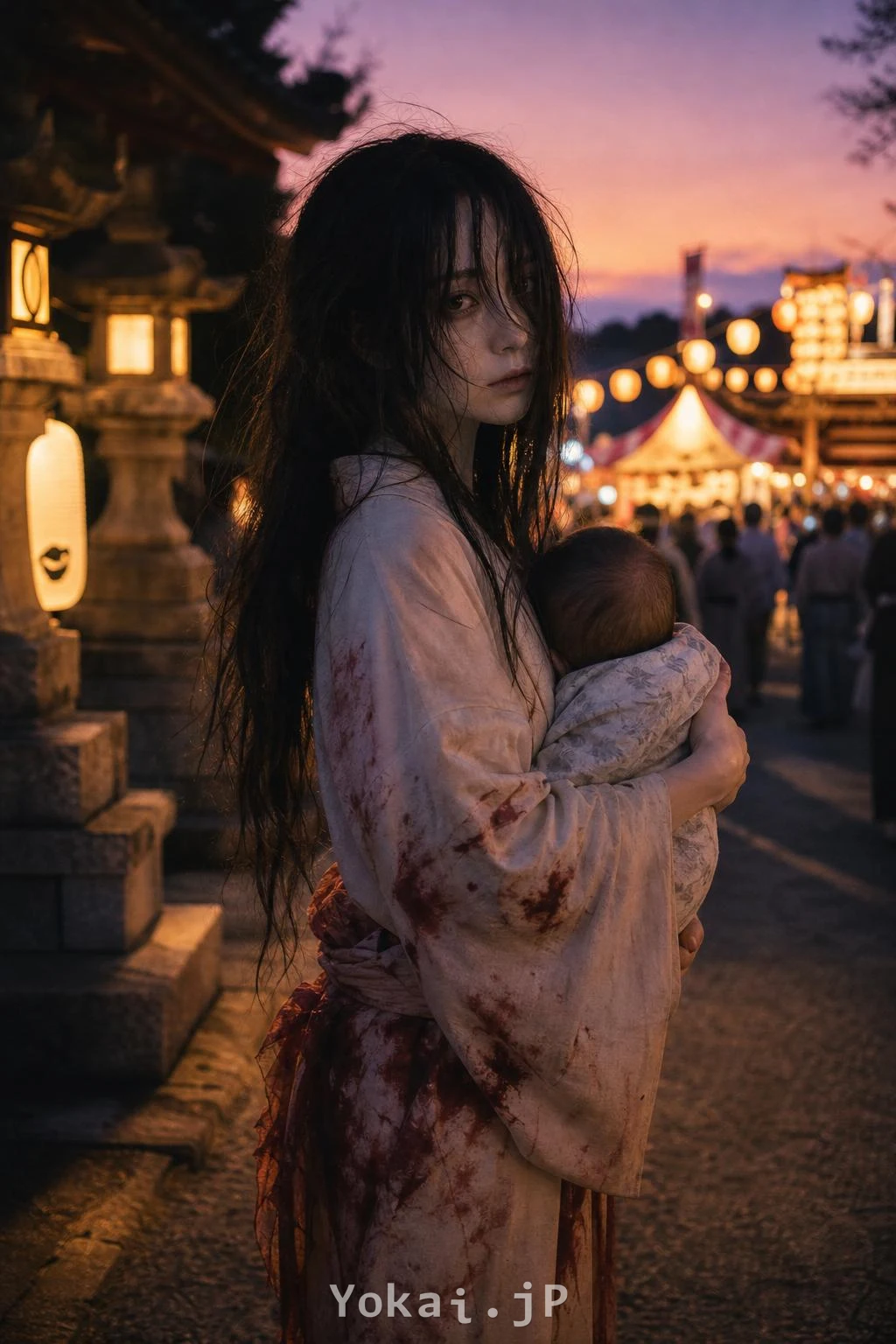
  • Ubume — the spirit of a mother who died in childbirth. Across the country she is said to try to place her infant in a stranger's arms.
  • Kokuri-baba — the ghost of an old woman who lives on in a temple's disused kuri (kitchen quarters). Often depicted devouring corpse flesh.
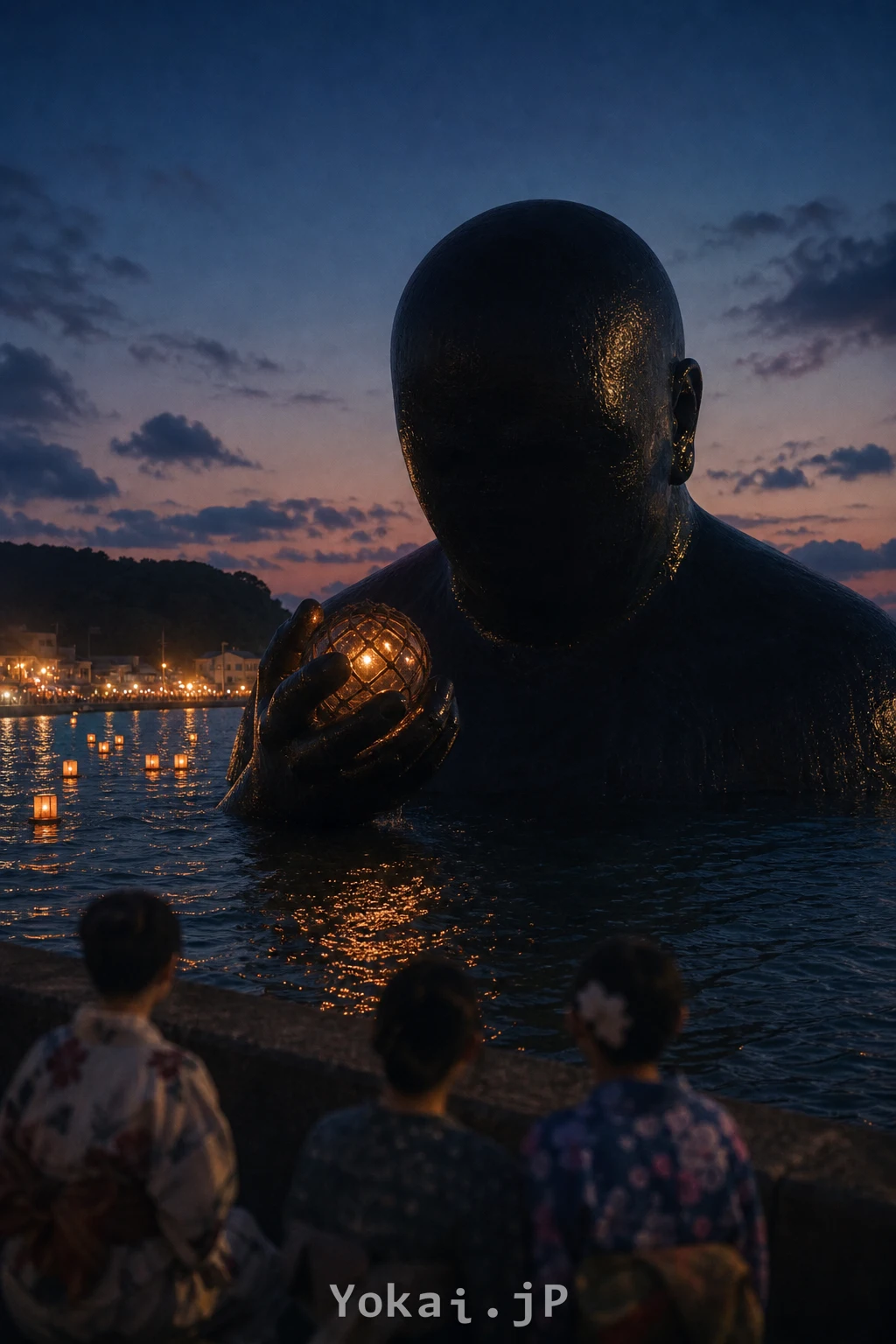
  • Ōkubi — a giant disembodied head, the form taken when attachment and resentment are pushed to the extreme.
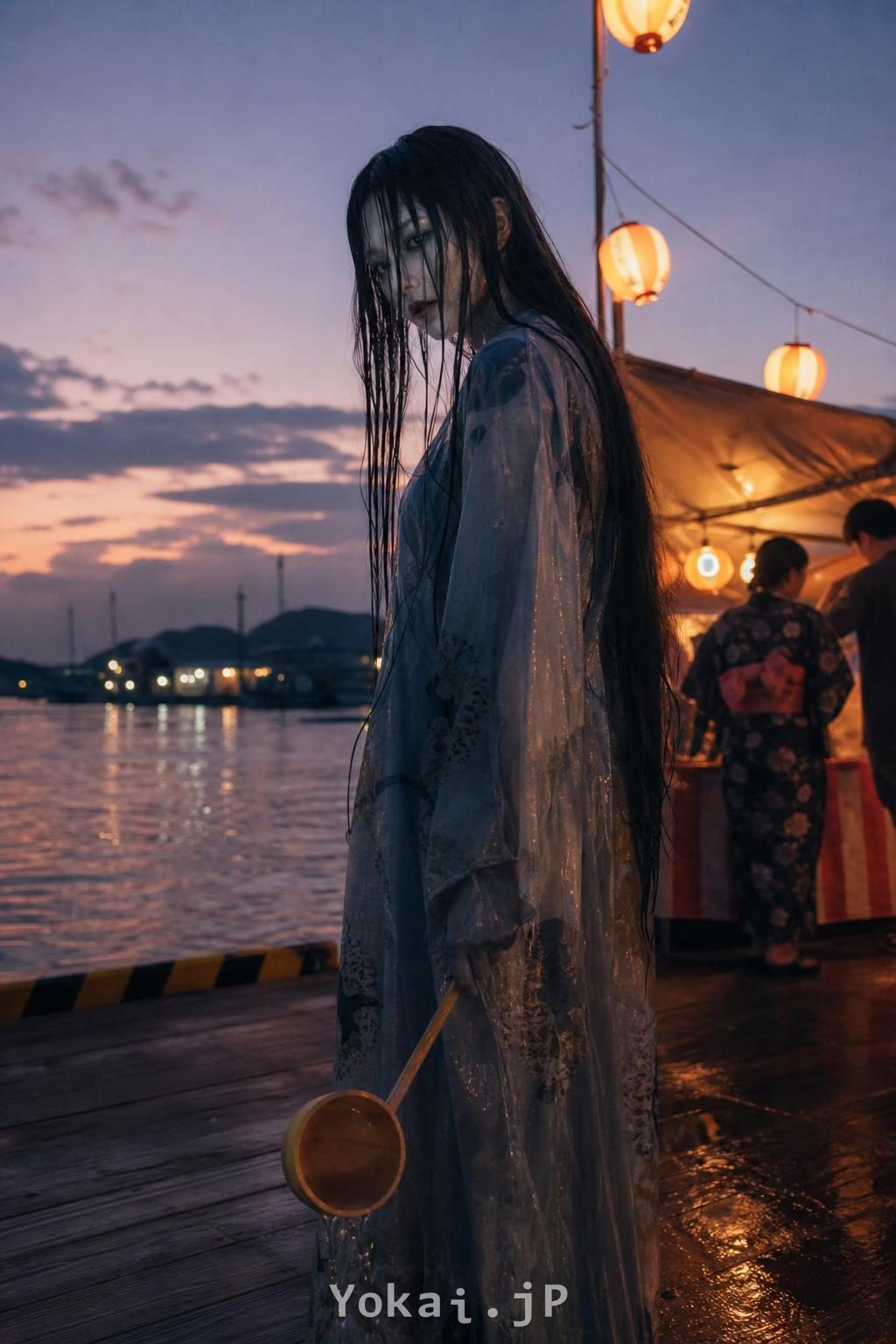
  • Funayūrei — spirits of those who died at sea. They call out for a ladle, and use it to sink the boat. Some scholars connect them to old water-burial customs.

Sources: Toriyama Sekien's Gazu Hyakki Yagyō and Yanagita Kunio's Tono Monogatari.

Mikoshi-nyūdō (Looming Priest)
Mikoshi-nyūdō (Looming Priest)YAMICHI・Night Roads
21 yokai
COLLECTION TWO・PATH 弐

What haunts the night road

Ōma-ga-toki: the theory of the threshold hour

A road with only one lantern. The footsteps following behind you — yours, or someone else's?

At the seam between twilight and night — the hour called ōma-ga-toki, 'the hour of meeting demons', or tasogare ('who are you?') — the strange appears. Until streetlamps spread through the countryside in the Meiji period, a rural road meant a lantern in your hand and a wall of darkness on either side.

  • Okuri-chōchin — what looks like a lantern guiding you down the night road, but is in fact a yokai.
  • Okuri-suzume and okuri-hyōshigi — the sound of a sparrow or of wooden clappers following behind; turn around and nothing is there.
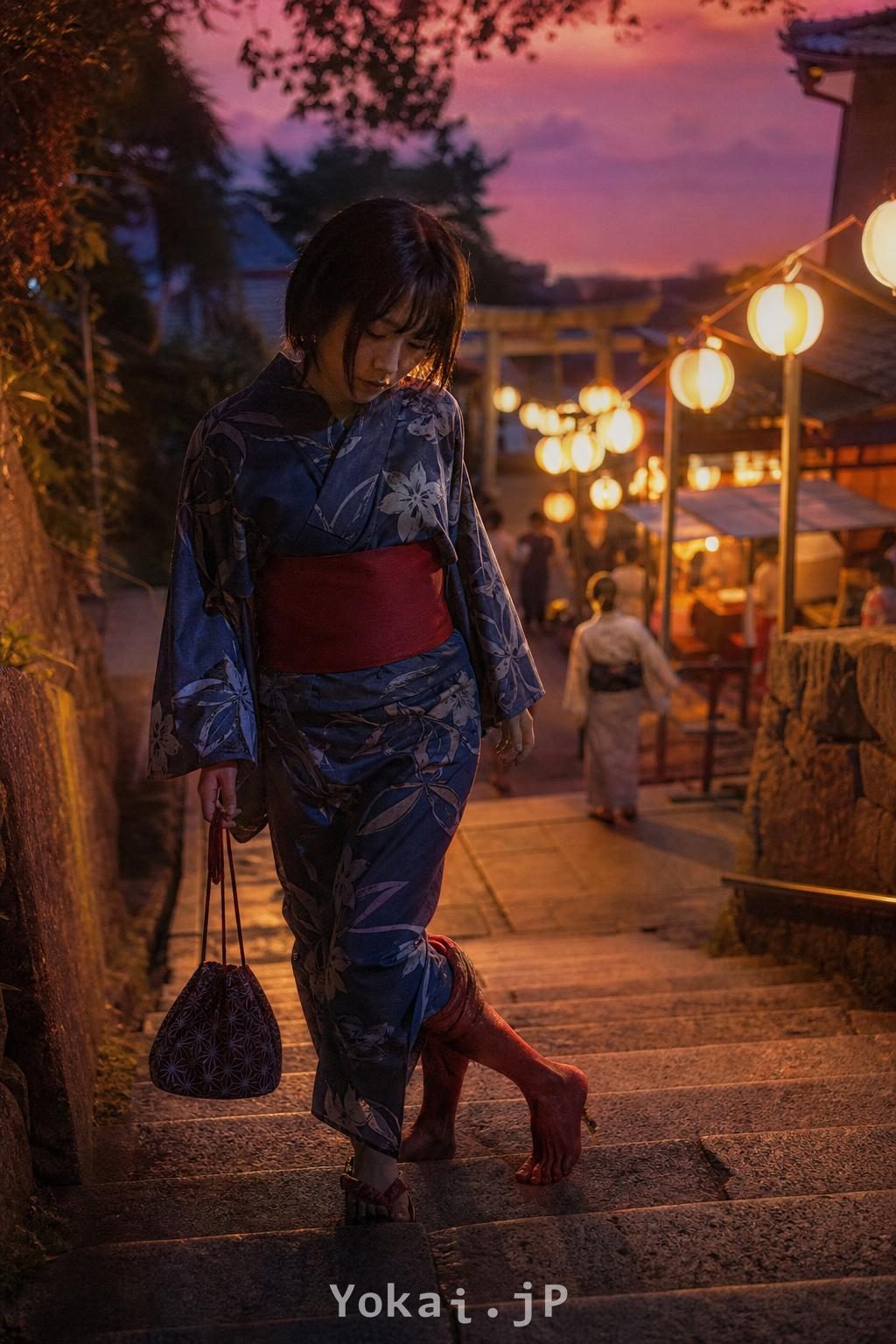
  • Aka-ashi — bright red legs that chase the back of a running traveler.
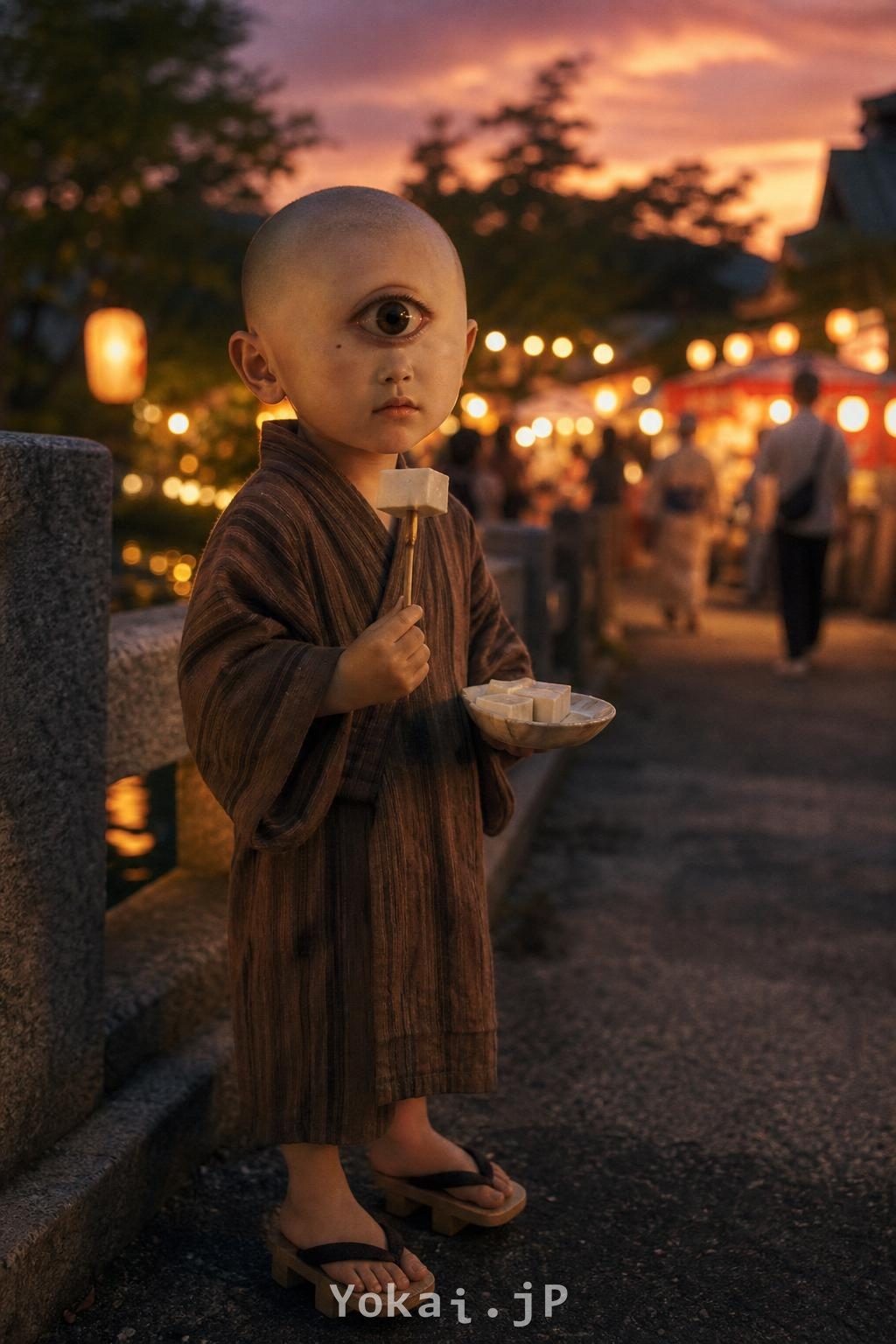
  • Atooi-kozō — a child yokai that walks fitted to a traveler's shadow.
  • Mikoshi-nyūdō — a monstrous bald head that grows the longer you look up at it.

The 'sending' family of yokai was typed by Yanagita Kunio in Yōkai Dangi and Hitotsu-me Kozō Sono Ta.

Night-road yokai — beasts at your back, blue fires by the road

Okuri-ōkami, kitsunebi, hitotsume-kozō, ōnyūdō, shapeshifting tanuki and cats, the yagyō-san — read through Yanagita Kunio's 'fallen deities' frame, the yokai met on the unlit night roads, in eight chapters.

Kappa
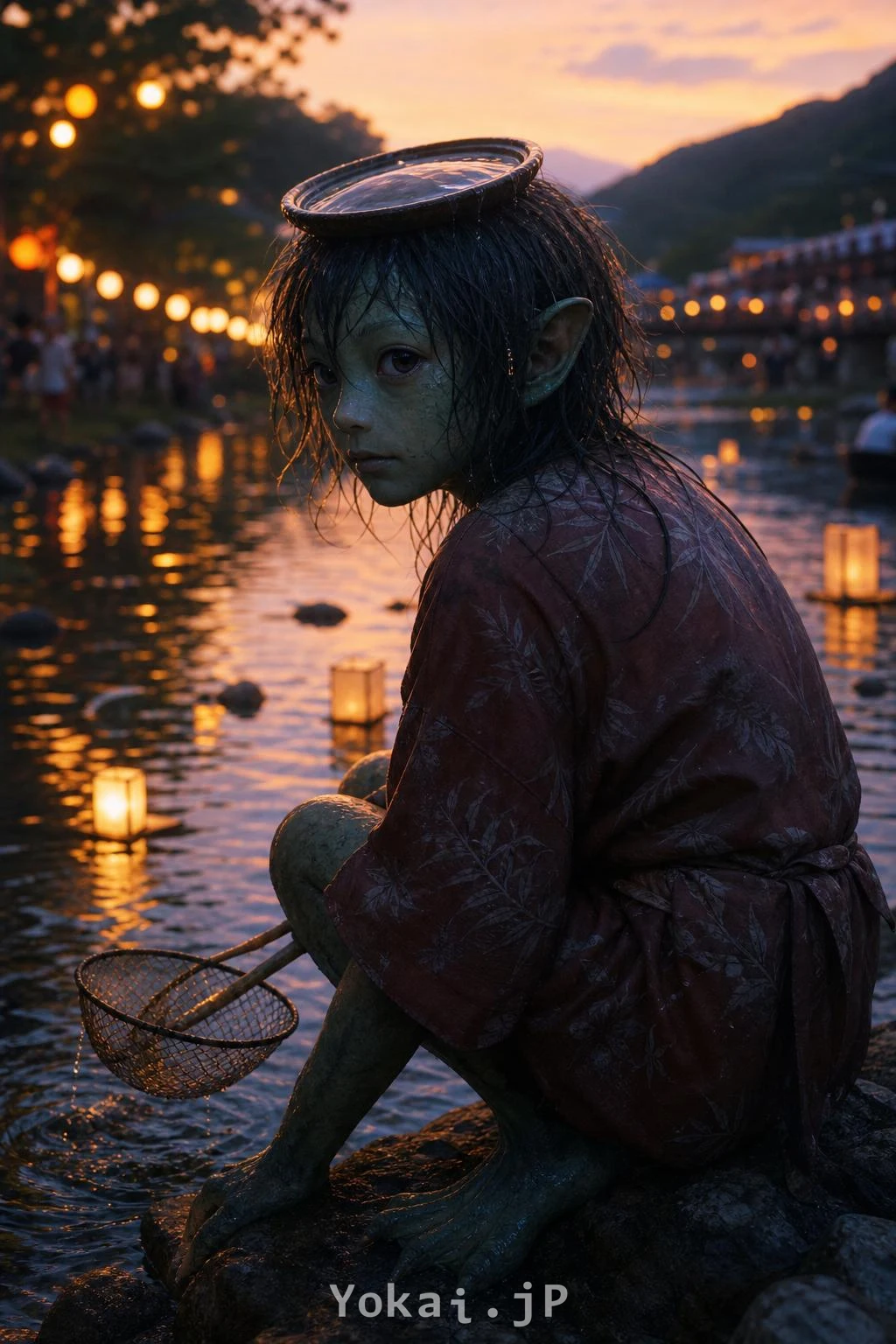
KappaWATER・River, Sea, Marsh
22 yokai
COLLECTION THREE・PATH 参

What lives at the water's edge

Summer is water — pools, surf, marsh

Summer is the season of water. River pools, open sea, marsh edges — eyes are looking up from below at anyone who came in to cool off.

Summer has always been the season with the highest drowning rate. From ancient times, deaths at the waterline were said to be the work of a kappa, or to have been 'taken by the dragon god' — they became subjects of taboo and of story.

  • Kappa — the name varies by region: 'Kappa' in Kantō, 'Medochi' in the Tōhoku, 'Garappa' in Kyushu, 'Enko' in Shikoku. In Okinawa, Kijimunā — called Bunagayā in the Yanbaru region is a related, possibly distinct sprite.
  • Funayūrei and Umi-bōzu — spirits of those who died at sea. The taboo against swimming during Obon, lest one be 'pulled in', is common across the country.
  • Nure-onna — a snake-bodied woman who places her infant in the arms of someone at the coast or river-bank, then pulls them in once they hold it.
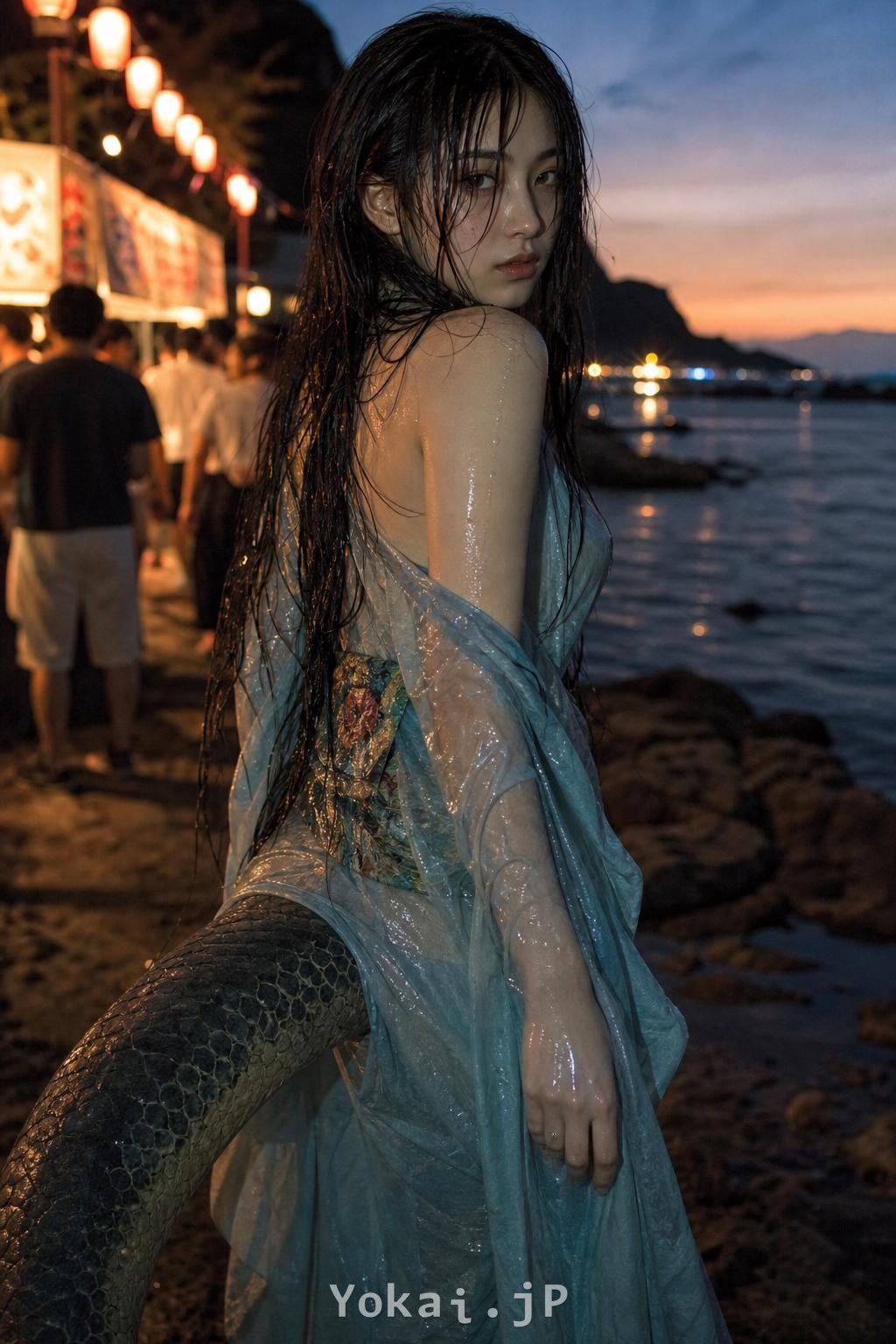
  • Iso-onna — a female apparition who attaches to the ama divers of the Kyushu coast. Long-haired, soaked from head to foot.

Sources: Yanagita Kunio's Yamajima Mintansū; Origuchi Shinobu's Kodai Kenkyū; regional folklore reports.

Waterside yokai — rivers, falls, pools, and the sea

The kappa as a fallen water deity (Yanagita, Orikuchi); Yamata-no-Orochi and the mizuchi; the ningyo and the eight-hundred-year nun; boat-ghosts, the umibōzu, the gyūki; the lantern-floating that carries the dead — fifteen centuries of water and the world beyond, in eight chapters.

Oitekebori
OitekeboriHONJO・The Seven Mysteries
7 yokai
COLLECTION FOUR・PATH 四

The Seven Mysteries of Honjo

Urban kaidan from Edo's Honjo

Seven strange stories from Honjo, an Edo downtown district. Ashi-arai Yashiki, Oitekebori, Akari-nashi Soba — the essence of urban kaidan that the early-modern city produced.

Honjo is the southern part of present-day Sumida ward, on the east bank of the Sumida River. The seven tales were fixed in form in the late Edo period; the Meiji-era writer Okamoto Kidō gave them wider currency as fiction. They are the prototype of the 'urban kaidan'.

  • Ashi-arai Yashiki — a samurai residence where, every night, a giant bloodied foot descends from the ceiling.
  • Oitekebori — the moat from which fishermen heard the voice 'leave it', dropped their catch, and ran.
  • Kataha no Ashi — reeds with leaves on only one side; said to carry the grudge of a murdered woman.
  • Akari-nashi Soba — a soba shop where, once the lamp is put out, no fresh light will stay lit.
  • Tsugaru no Taiko — the drum on the fire-watch tower that beats by itself.
  • Okuri-chōchin — the lantern that beckons night travelers, then disappears when you draw near.
  • Ochiba-naki Shii — the chinquapin tree in the Hirano family's garden that, in any autumn, does not shed its leaves.

Sources: Okamoto Kidō's Seiadō Kidan (1926), and Honjo Shichi-fushigi Niban from around the third year of Kaei (1850).

The Honjo Seven Wonders — from Edo's downtown kaidan to Hanako-san

Oitekebori, Okuri-chōchin, Akari-nashi Soba, Ashi-arai Yashiki, Kataha no Ashi, Tanuki-bayashi — three hundred years from Matsuura Seizan's Kasshi Yawa (c. 1820–40) through Enchō's variety hall to the post-war 'school seven' and Hanako-san, in eight chapters.

Sugawara no Michizane
Sugawara no MichizaneGORYŌ・The Vengeful Gods
4 yokai
COLLECTION FIVE・PATH 五

The three great vengeful spirits, and the goryō tradition

Enshrining a grudge as a god — the goryō tradition

A practice particular to Japan: those who left this world bearing grudges were enshrined as gods. Michizane, Masakado, Sutoku — the three great vengeful spirits.

Japan has a distinctive religious form. The dead who died wronged, leaving resentment behind, are enshrined as gods — the goryō tradition. The first goryō-e ritual was held at Shinsen-en in Jōgan 5 (863), and the practice spread nationwide thereafter.

The first goryō-e at Shinsen-en in Jōgan 5 (863). On the paradox of 'enshrining a curse', see Yamada Yūji's Bakko suru Onryō and Kyōgoku Natsuhiko's Hyakki Tsurezure-bukuro.

Becoming a god by curse — goryō shinkō and the three great vengeful spirits

The Japanese cult of enshrining the wronged dead. From the Shinsen-en goryō-e of 863 to the foundations of Kitano Tenmangū, Kanda Myōjin and Shiramine Jingū — the thousand-year mechanism of deification-by-grievance, in eight chapters.

Oni
OniHYAKKI YAGYŌ・The Night Procession
100 yokai
COLLECTION SIX・PATH 六

Hyakki Yagyō

The procession of strangers at midnight

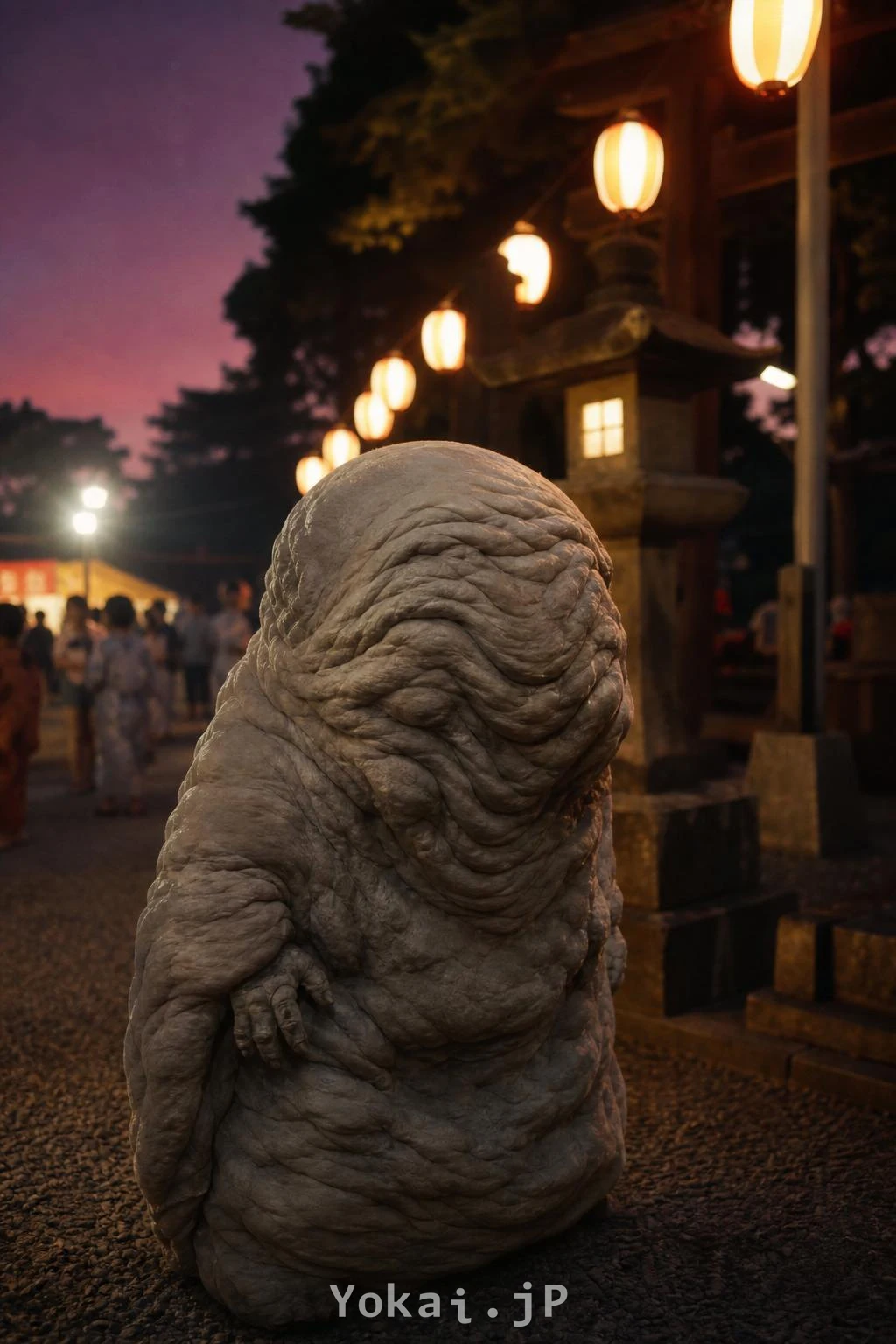
Summer's darkness runs deep. At midnight, a procession of monstrous figures walks lantern by lantern. To meet it is to die; only a talisman protects.

Hyakki Yagyō first appears in writing in such tales as Konjaku Monogatari-shū Volume 14, Tale 42, 'On Escaping Demons by the Power of the Sonshō Dhāraṇī' (late Heian period). It was given visual form in Muromachi-period scroll paintings and, in the Edo period, by Sekien — and it remains the headwaters of the modern visual imagination of yokai.

Sources: Konjaku Monogatari-shū (late Heian); the Shinju-an Hyakki Yagyō Emaki (Muromachi); Toriyama Sekien's Gazu Hyakki Yagyō (1776).

Oni
Oni
O
Oni of Rajōmon (Rashōmon Demon)
Shuten-dōji
Shuten-dōji
I
Ibaraki-dōji
K
Kidōmaru (Demon Prodigy)
Ryōmen Sukuna
Ryōmen Sukuna
G
Giant Centipede
H
Hannya
K
Kijo (Demon Woman)
Smiling Hannya
Smiling Hannya
G
Great Nyūdō (Giant Priest Apparition)
Amanojaku
Amanojaku
K
Konpeika, the Golden Ogre of Kumano
M
Maki-jo (Demon Woman)
Momijigari (The Demon of the Maple Viewing)
O
Oni Hitokuchi
S
Saru-oni (Ape Ogre)
Fujiwara no Chikata’s Four Oni
Kanatsubute
Kanatsubute
B
Battlefield Will-o'-Wisp
G
Gaki Possession (Starving-Ghost Affliction)
O
Oni of Gango-ji
E
Eye Standoff
G
Gashadokuro
K
Kasha (Corpse-Dragging Fiend)
A
Abumikuchi
B
Bakezōri (Haunted Straw Sandal Tsukumogami)
Biwa Bokuboku
Biwa Bokuboku
B
Boroboroton
F
Furaku-Furaku (The Dangling Lantern Spirit)
B
Byōbu-Nozoki (Screen-Peeker)
D
Dust-Heap Demon King
Fuguruma Yōhi (Letter-Carriage Enchantress)
F
Furu-Utsubo (Aged Quiver Spirit)
H
Hatahiro
Kameosa
Kameosa
H
Hair Oni (Kamikki)
K
Kotofurunushi
S
Saddle Fiend
Kyōkotsu (Mad Bone)
Kyōkotsu (Mad Bone)
Kyōrinrin (Scripture Spirit)
Menreiki
Menreiki
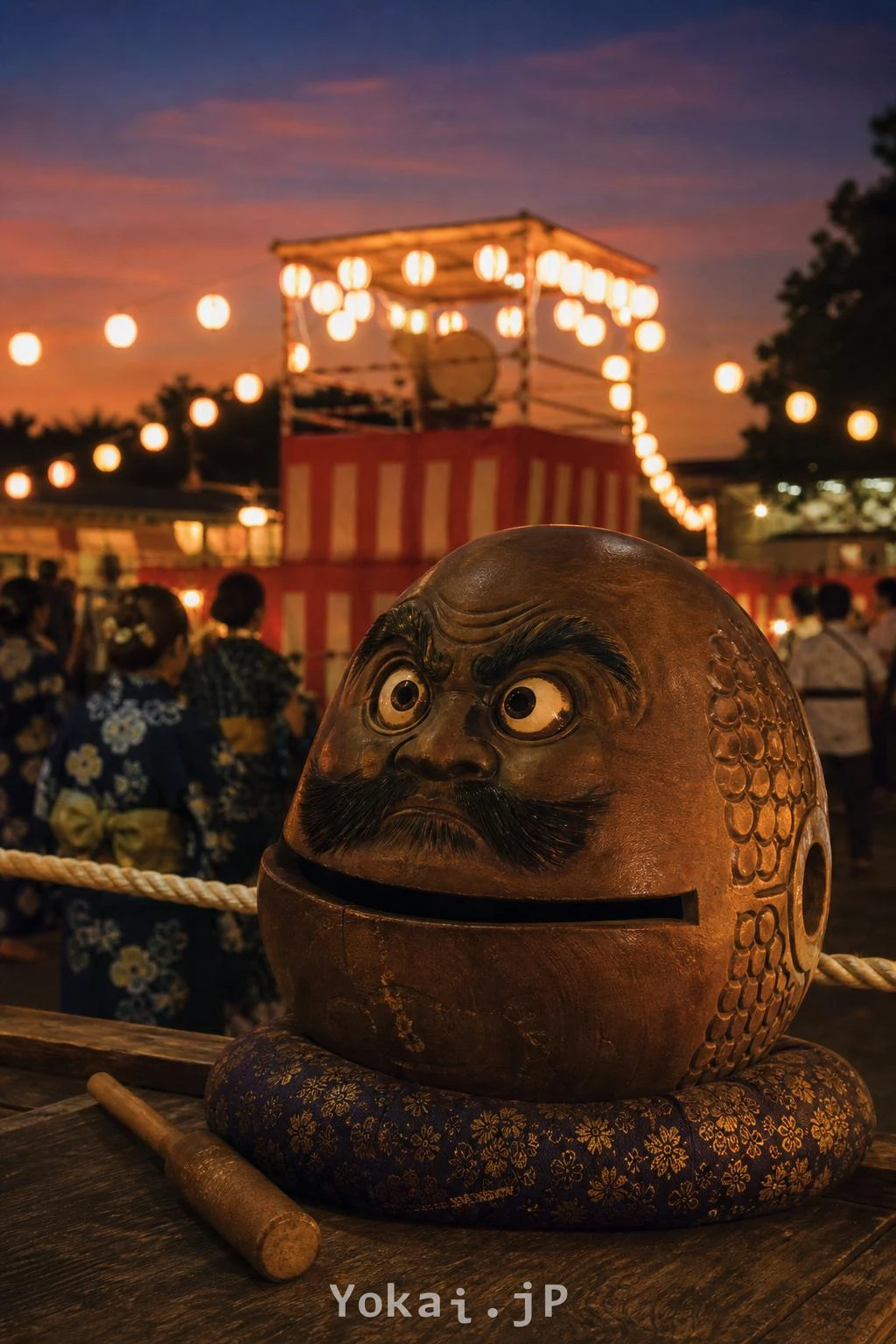
Mokugyo Daruma
Mokugyo Daruma
N
Nyoi Jizai (Will-at-Will Scepter Spirit)
S
Seto General
E
Elder Shamisen
S
Shirōneri
S
Shōgorō (the Gong Spirit)
S
Suzuri-no-tamashii
H
Horned Washbasin Hanzō
Y
Yamaoroshi
Y
Yarikechō (Spear Tuft Spirit)
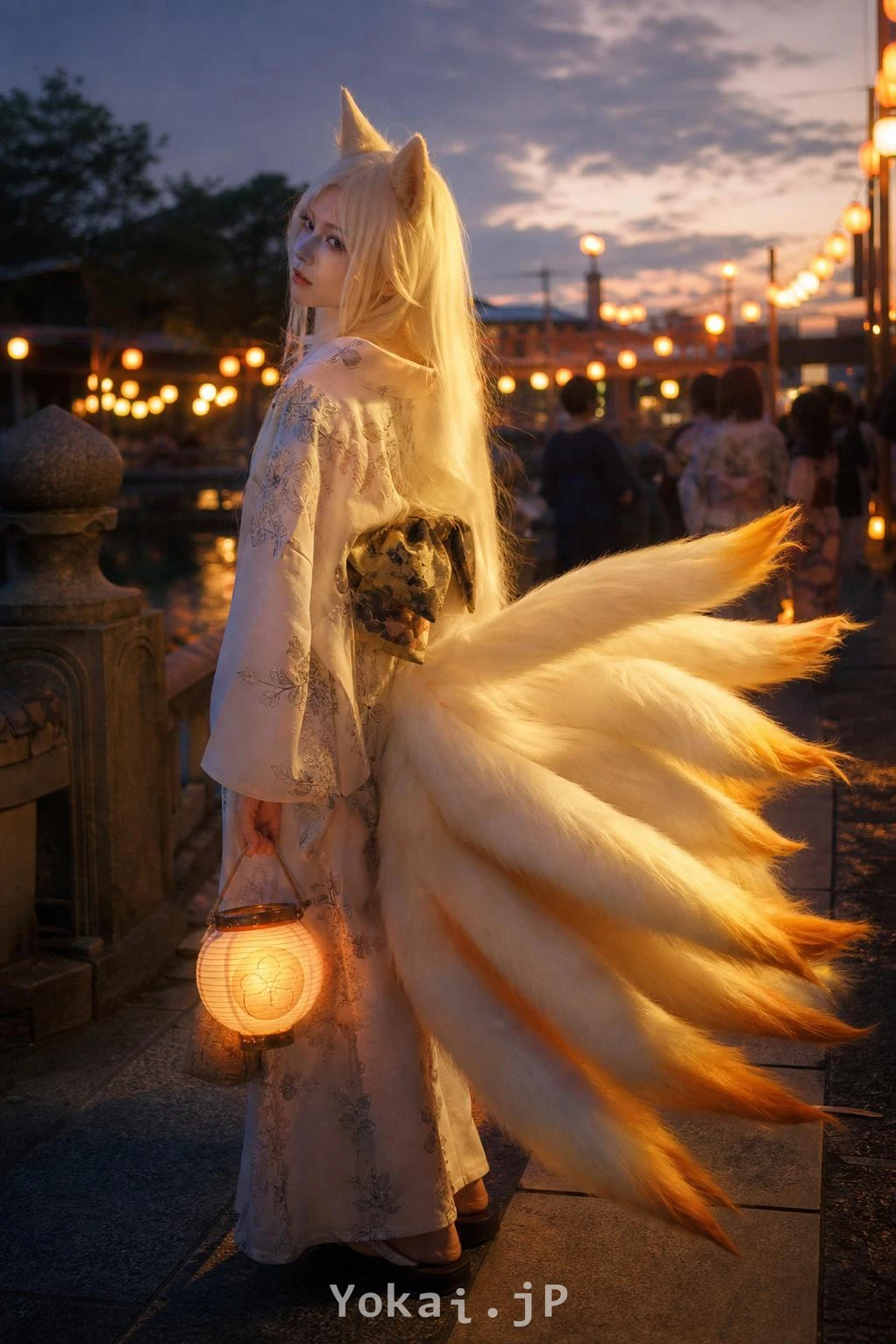
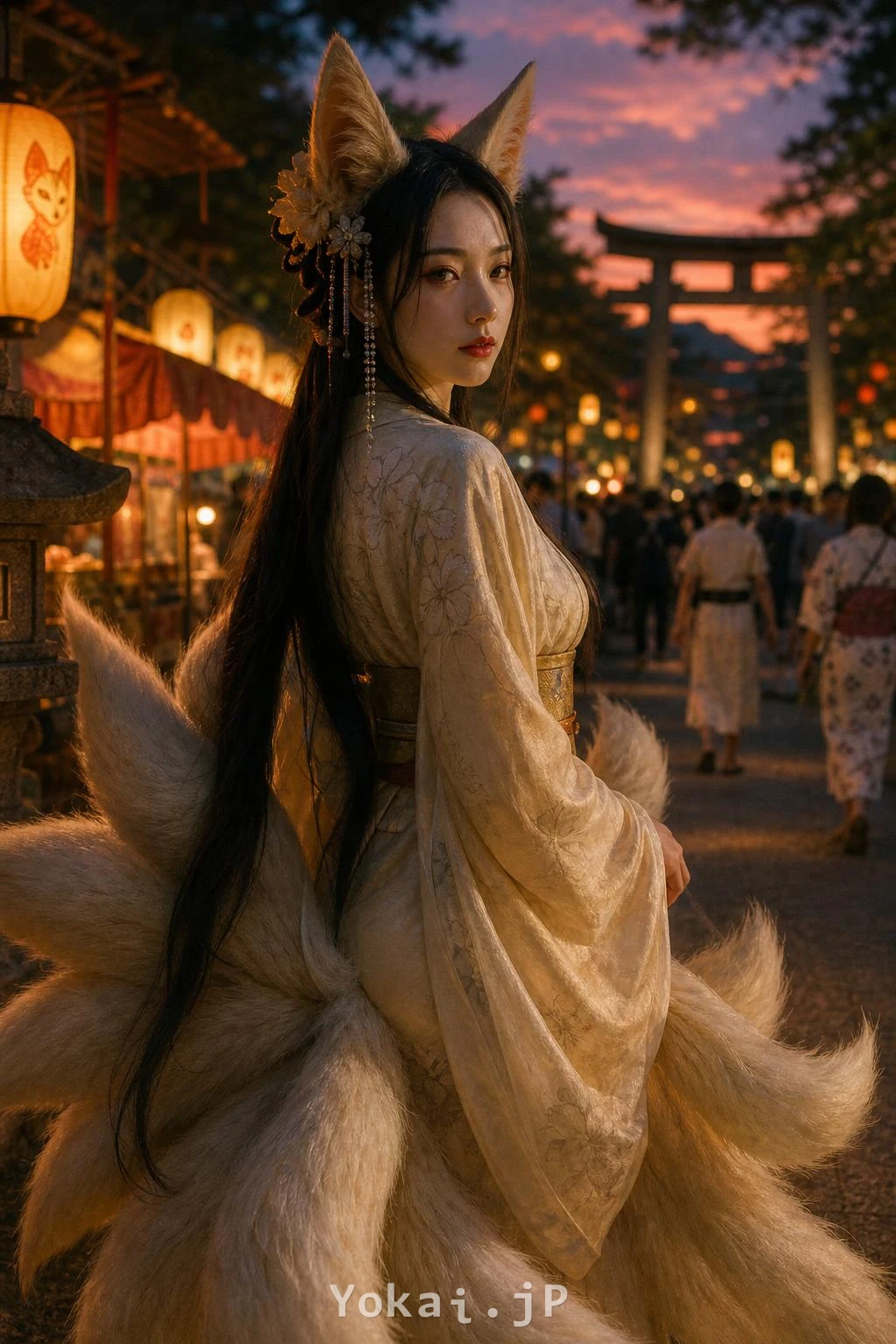
Nine-Tailed Fox
Nine-Tailed Fox
Tamamo-no-Mae
Tamamo-no-Mae
B
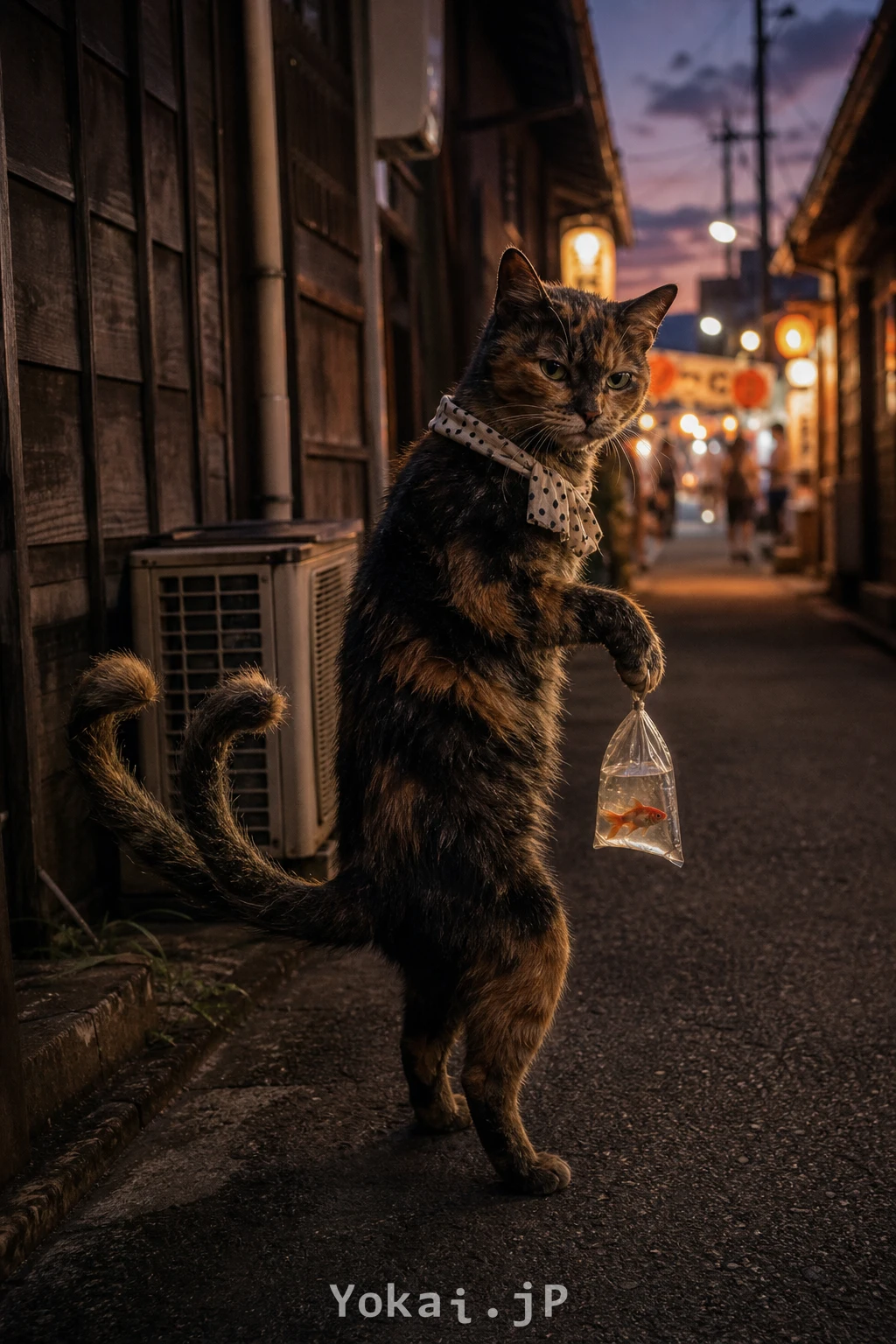
Bakeneko
Nekomata
Nekomata
N
Nue
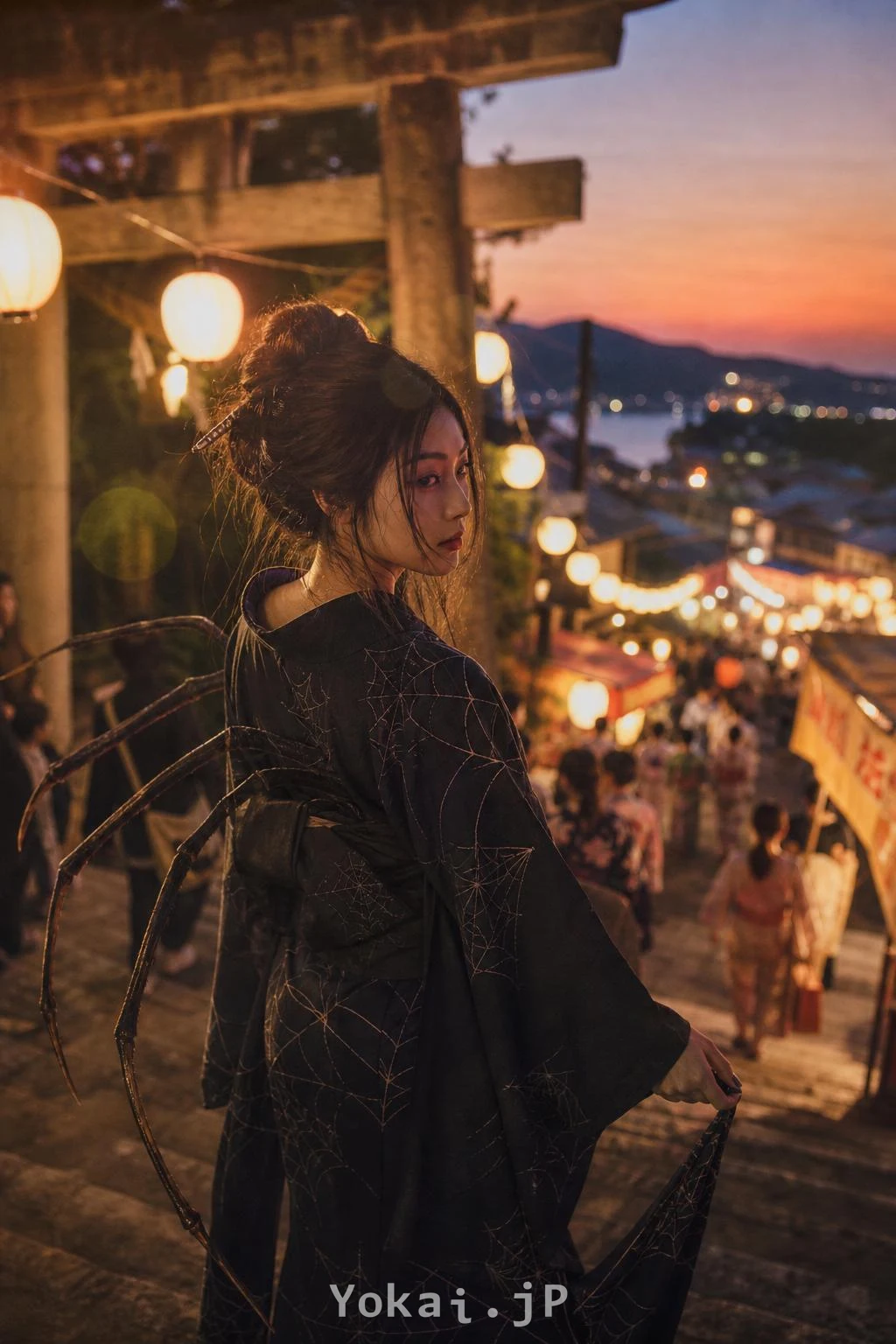
Jorōgumo (Enchanting Spider)
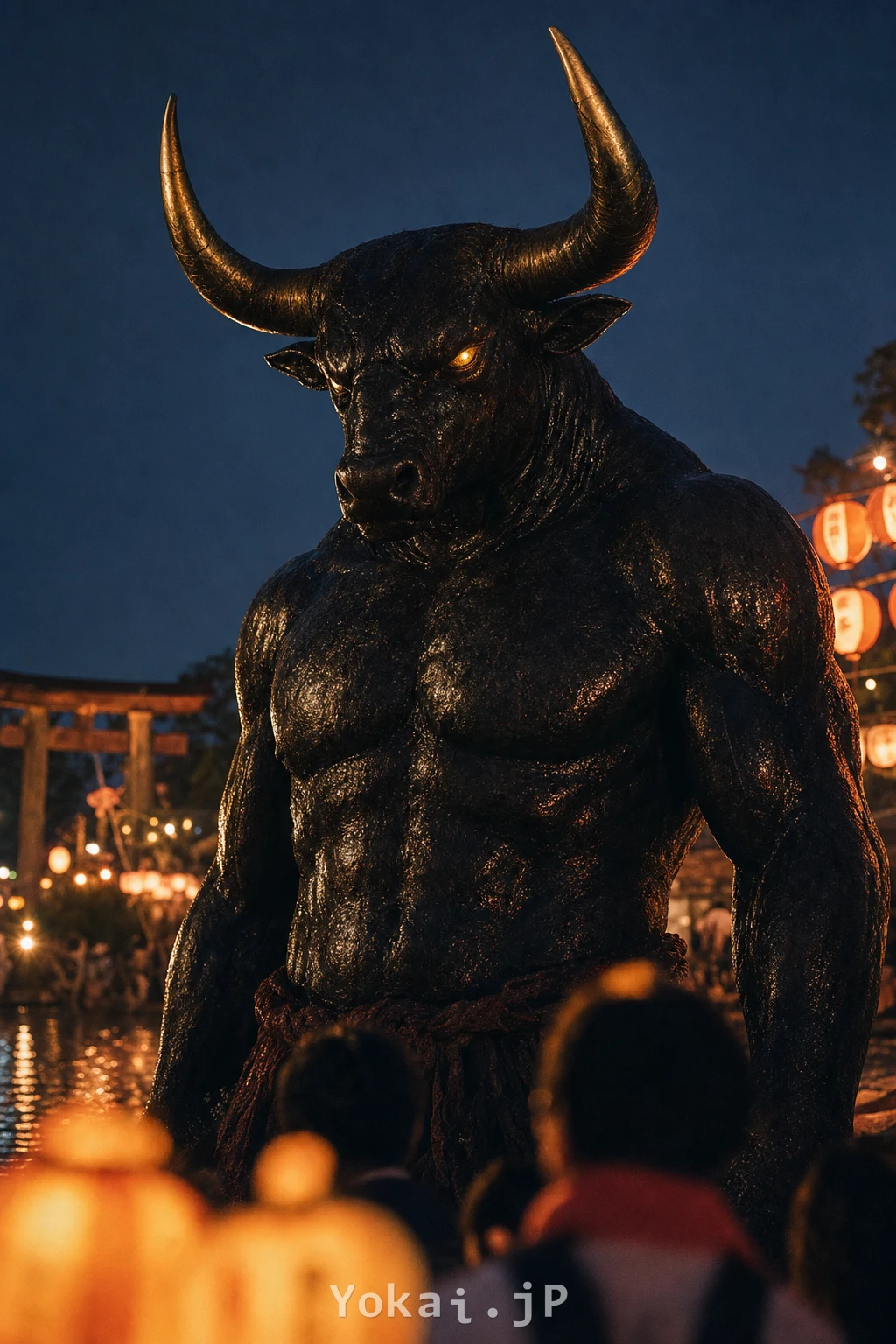
Ushioni
Ushioni
R
Raijū
The Great Kiseru
The Great Kiseru
G
Great Spider
S
Sazae-oni (Turban Shell Ogre)
I
Inugami
H
Hihi (Demon Baboon)
D
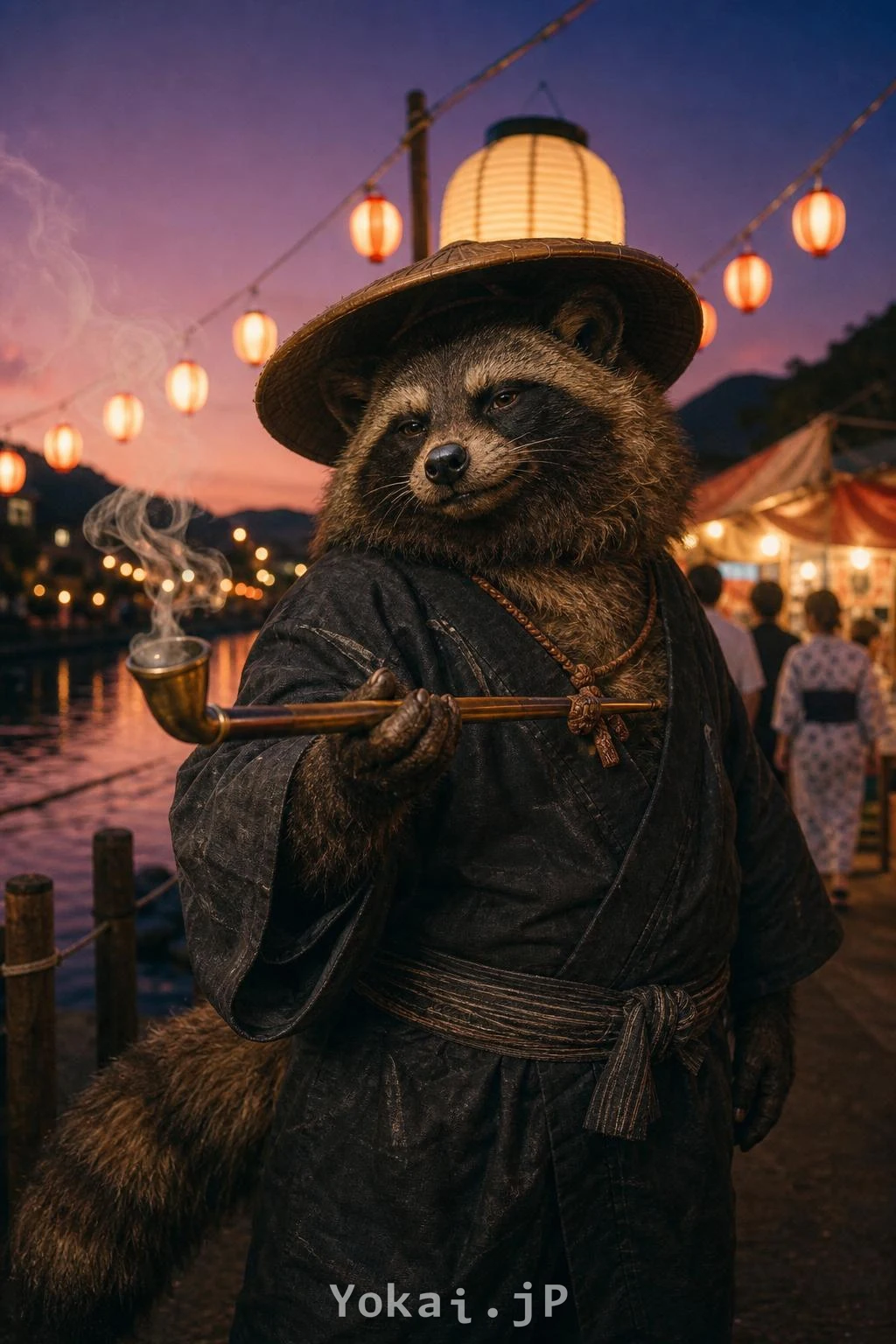
Danzaburō-danuki
Y
Yako (Field Fox)
Nurarihyon
Nurarihyon
D
Dodomeki
F
Futakuchi-onna (Two-Mouthed Woman)
Rokurokubi
Rokurokubi
Hashihime (Bridge Princess)
H
Hyakume (Hundred-Eyed Demon)
J
Jami (Evil Miasma Spirit)
C
Crab Monk
Cat Maiden
Cat Maiden
G
Great Zato (The Blind Masseur Yokai)
A
Aburabō (Oil Wraith)
A
Amazake Hag
Bone Woman
Bone Woman
Ashinaga Tenaga (Long-Legs and Long-Arms)
L
Lost-Item Kozō
T
Tengu
K
Konoha Tengu
Female Tengu
Female Tengu
Y
Yamauba
Y
Yamamoto Gorōzaemon
I
Ippon-Datara
M
Mountain Sprite (Sansei)
S
Satori
Keukegen
Keukegen
M
Mujina
A
Ayakashi
Akki (Malevolent Oni)
S
Snake-Bone Hag
G
Great Tonsure
Momongaa
Momongaa
T
Tsuchigumo (Earth Spider)
N
Net-Cutter
H
Hair-Cutter
Hyakki Yagyō — the night march and its thousand-year line

From the twelfth-century Konjaku Monogatari-shū, through the Muromachi-period Hyakki Yagyō Emaki of Shinjuan, Toriyama Sekien's Gazu Hyakki Yagyō (1776) and Mizuki Shigeru — a thousand-year tradition in eight chapters, anchored at Kyoto's Ichijō Modori-bashi.

Within the Dream

After walking the six paths

The footsteps of the hundred recede. The candles have burned to nothing. What remains is the dream that has not yet broken — by the pillow, a shape changes; a yume-no-seirei flows in; the baku arrives to eat the nightmare; the dream-mirror plays the night back. By morning, almost none of it can be recalled.

By the time you open your eyes, the dream is already fading. Whatever you saw, if you don't write it down, will be gone before breakfast.

CRAFT・the techniques of fear

Fivetechniques that make a kaidan land

Borderline settings, the distance of second-hand telling, pauses and ellipsis, the orchestration of sound, the three shapes of a punchline. Three centuries of accumulated rhetorical craft, organized through five lenses.

SCENE

Borderline settings

The first technique that makes a kaidan frightening is to set it on a boundary place: a bridge, a crossroads, a graveyard, a well, a slope. From ancient times these have been understood as places where this world and the next meet. Since Yanagita Kunio's Tono Monogatari and Yōkai Dangi, folkloristics has gathered up this sense of the boundary as a systematic subject.

Time of day works on the same logic. The hour of the ox (2–3 a.m.) is when spirits are most likely to appear. The hour between twilight and night — ōma-ga-toki, or tasogare ('who are you?') — is the hour at which faces can no longer be told apart, and at which one might brush past a figure that is no longer entirely human.

Weather: rain, fog, moonlit night — the standard set. Anything that obscures the eye, or that sharpens it to an unnatural degree. Whatever disturbs ordinary perception becomes stage furniture for the kaidan.

Examples
VOICE

Second-hand distance

What works best in a kaidan is not 'I saw it' but 'I heard it from someone'. First-person testimony guarantees credibility at the cost of imagination. Third-person, second-hand telling leaves the listener uncertain whether or not the story is true.

'A friend of a friend.' 'I heard this from my grandfather back home.' 'A taxi driver was telling me.' Modern urban legend inherits this structure. The kaidan does not live on direct experience; it lives on a chain of report.

In the Meiji period, Sanyūtei Enchō worked this form to perfection in oral performance. By opening with 'One day, a certain samurai…', he placed the listener in the safe position of a bystander. It is precisely that safe distance that lets fear become enjoyable.

Examples
PAUSE

Pause and ellipsis

The hyakumonogatari practice of extinguishing one candle per tale is a physical device for creating pauses in the telling. Between each story the darkness deepens by one step. The moment the last candle is out is exactly when the listener's imagination is most active.

A master of the kaidan does not describe what has appeared; he describes only the character's reaction. 'When he looked back, something was there.' The sentence stops. In the reader's mind the 'something' assumes a thousand shapes.

In Tsuruya Nanboku IV's Yotsuya Kaidan, the moment of Oiwa's transformation on stage is only a flash of blackout and a quick makeup change. The audience fills in what they did not see.

Examples
SOUND

Sound design

Take away sight, push the listener's attention into hearing, and fear multiplies. The classical kaidan is sophisticated about sound. The karan-koron of geta in Botan Dōrō; the running river in Shinkei Kasanegafuchi; the biwa in Hōichi the Earless. In each, the ear is loaded with fear before the eye sees anything.

Summer is the season in which kaidan flourishes partly because the season itself supplies the sound design — the higurashi cicada at dusk, the deep stillness that precedes a thunderstorm, the lingering toll of a wind-chime.

Examples
ENDING

Three shapes of the ending

Kaidan endings divide into three types. Appearance — something appears, and the story ends (the most common). Disappearance — something vanishes, and the story ends (heavier on mystery). Inversion — by the end, the narrator or the listener realizes that they themselves have been part of the story (a modern form).

Classical kaidan is dominated by the appearance type — 'when he looked back…'. From the modern era on, the disappearance type ('the next morning, nothing was there') and the inversion type ('in fact the narrator was the ghost') grow more frequent. Kyōgoku Natsuhiko's contemporary kaidan refines the inversion type to a high pitch.

EXPERIENCE・kimodameshi across the eras

Kimodameshi: kaidan you walk through

Not just reading. Walking a graveyard, visiting a ruined house, testing the night. From the courage trials of Edo samurai to the Reiwa-era YouTube ghost hunt, four hundred years of haunted experience.

400
YEARS
4
ERAS
Edo
17th–19th century

A samurai test of nerve

Kimodameshi has its origin in the trial of nerve set for young samurai. Send a man at midnight through a graveyard, a ruined temple, or an empty mountain path, and have him leave a mark before returning. The point was to train the kind of nerve that does not crumble on a battlefield. In the late Edo period the form passed into the hands of townspeople, and the 'kimodameshi gathering' shows up regularly in essays and gesaku as a summer-night entertainment.

Meiji & Taishō
1868 ─ 1926

Taking root in student culture

As compulsory schooling spread, kimodameshi became a fixture of the boarding school, the school trip, and the summer camp. The pattern of walking the temple grounds, the abandoned house, and the graveyard was standardized nationwide by student culture. Okamoto Kidō and Tanaka Kōtarō were widely read by students of this period.

Postwar / Shōwa
1945 ─ 1989

TV kaidan and the haunted spot

In 1973, the Nippon TV programme The World You Don't Know (Anata no Shiranai Sekai) began as a summer segment within the daytime variety show Ohiru no Wide Show, and became an independent programme in 1979. It dramatized viewer-submitted ghost experiences, and ran for twenty-four summers until 1997 (revived in 2005 as Shin Anata no Shiranai Sekai). Gakkō no Kaidan (Tsunemitsu Tōru, from 1990) became a bestseller, and visits to 'haunted spots' settled into youth culture.

Heisei & Reiwa
1989 ─

Live kaidan and the streaming era

Inagawa Junji's Kaidan Night, begun in 1993, has toured the country every summer since, and continues now into the Reiwa era. On YouTube, channels such as Zozozo and Fushigi Mystery Club draw millions of views with haunted-spot expeditions. 'True kaidan' has become a literary form of its own, with Kihara Hirokatsu and Nakayama Ichirō's Shin Mimibukuro (1990–2005, ten 'nights') as its monument.

Four eras of hyakumonogatari

Over three hundred and fifty years, how have the practitioners, settings, forms, and representative works of hyakumonogatari changed?

EraPractitionersSettingFormRepresentative works
Early Edo (1600–1700)SamuraiPrivate residenceTest of nerveAsai Ryōi Otogi Bōko (1666)
Late Edo (1700–1868)TownspeopleKōshakuba (storyteller's hall), teahouseRefined into literatureUeda Akinari Ugetsu Monogatari (1776)
Meiji–Shōwa (1868–1945)Rakugo storytellers and writersYose theater, kabuki stagePerformed as variety artSanyūtei Enchō Shinkei Kasanegafuchi
Heisei–present (1989–)YouTubers and streamersThe internet, the studioReading aloud; 'true' kaidanShin Mimibukuro, Inagawa Junji

The form of extinguishing one of a hundred candles per tale has not changed; the practitioners and settings have been renewed in every era.

KIGO・the season-word

Kigo: kaidan and ghosts as summer words

In the haiku tradition, kaidan was filed under summer in the late Edo period. From Torikai Dōsai's revised seasonal compendium (1808) to Takahama Kyoshi's New Saijiki (1934), two centuries fixed the equation: summer means kaidan.

When kaidan became a summer season word

The cataloguing of 'kaidan', 'ghost', 'hyakumonogatari', and 'kimodameshi' in the saijiki — the haiku dictionaries of season words — begins in the late Edo period. Torikai Dōsai (1721–93, expanding Kaibara Ekiken)'s Kaisei Getsuryō Hakubutsusen (1808) organized strange-related vocabulary into a saijiki, and works such as Kyokutei Bakin (with additions by Rantei Seiran)'s Zōho Haikai Saijiki Shiorigusa (1851) continued the systematization through the late Edo.

In the modern era, beginning with Takahama Kyoshi's New Saijiki (1934), the major saijiki — Kadokawa's Haiku Saijiki, the combined Haiku Saijiki — all came to treat 'kaidan', 'ghost', 'hyakumonogatari', and 'kimodameshi' as late-summer entries. The linguistic fixing of 'summer equals kaidan' was finished here.

Haiku, however, draws the kaidan toward 'calling cool' and 'singing the fleeting', not toward 'frightening'. Unlike the heavy fear of Edo kaidan literature, haiku prefers the pale ghost — a presence rather than a figure. The representative verse is Yokoi Yayū's 'I have seen the true face of the ghost — withered pampas grass'.

A REPRESENTATIVE HAIKU
化け物の正体見たり枯尾花
Yokoi Yayū
1702 ─ 1783

'Frightened, I drew near — and it was only withered pampas grass.' The most widely circulated kaidan verse of the Edo period. The Enlightenment-flavored stance that 'the true face of a monster is a person's own imagination' became the prototype of the rationalist view of the kaidan. The verse was long misattributed to Bashō; current scholarship credits it to the mid-Edo Owari haiku poet Yokoi Yayū.

Season words for the strange and for Obon (late summer to early autumn)
SUMMER ─ EARLY AUTUMN KIGO・10 WORDS
怪談かいだん

Kaidan — the general term for strange tales told on summer nights. A means of cooling the body.

幽霊ゆうれい

Yūrei — the figure of a ghost. Said to appear as Obon nears. A summer season word.

百物語ひゃくものがたり

Hyakumonogatari — a gathering at which a hundred candles are lit, one extinguished after each tale told.

肝試しきもだめし

Kimodameshi — a nighttime test of nerve through graveyards and abandoned temples.

ぼん

Bon — short for Obon. The four days when ancestral spirits return (August 13–16). Classified as early autumn in the saijiki.

迎火むかえび

Mukaebi — the welcome fire of August 13, lit with hemp stalks to invite the ancestors. Early autumn in the saijiki.

送火おくりび

Okuribi — the farewell fire of August 16, sending the ancestors back. The Gozan no Okuribi of Kyoto is the most famous. Early autumn in the saijiki.

墓参ぼさん

Bosan — the grave visit during Obon. A conversation with the ancestors. Early autumn in the saijiki.

新盆にいぼん

Niibon — the first Obon observed after a person's forty-ninth-day memorial. Early autumn in the saijiki.

風鈴ふうりん

Fūrin — the summer-night wind-chime. It sounds when the wind comes and falls silent when it stops — the standard sound design of a kaidan.

Distinguishing kaidan, yōkaitan, and urban legend

The three are continuous, but they can be told apart by their protagonist, setting, primary purpose, organizers, and historical context.

AxisKaidanYōkaitanUrban legend
ProtagonistGhosts and spiritsYokaiA person or object of unknown origin
SettingHome, graveyard, night roadMountain, water, bridgeSchool, subway, internet
Primary purposeThe experience of fearNatural-historical explanationRumor and warning
RepresentativeBotan DōrōKappa, oniKisaragi Station
OrganizersEnchō, HearnYanagita Kunio, Mizuki Shigeru(Anonymous community)
Historical contextEdo–MeijiAncient through contemporary20th–21st century

The boundaries are fluid. The Edo-period Otogi Bōko is both kaidan and yōkaitan; contemporary urban legend shares ground with 'true' kaidan.

MEDIUM・how the form has traveled

The vessel changes; the story does not stop

Begin with kana-zōshi prose. Then yomihon novels, ukiyo-e prints, kabuki, rakugo, modern fiction, manga, film, and finally documentary-style 'true' kaidan and YouTube. The kaidan keeps changing its vessel; for four hundred years it has not stopped.

1
Early 17th century

Kana-zōshi prose

The era of adapting Chinese ghost-story collections — Jiandeng Xinhua, Jiandeng Yuhua — into Japanese. Strongly Buddhist in outlook: didactic books on karmic retribution.

2
18th century

Yomihon novels

Built on kokugaku and Chinese learning, the form grows more literarily refined. Elaborate prose laced with waka and Chinese-style verse — a genre for the educated reader.

9
21st century

Contemporary (true kaidan and streaming)

'True kaidan' becomes an independent literary genre. Live kaidan performances, YouTube haunted-spot expeditions, podcasts, and X (Twitter) serve as a new generation of oral devices — the Edo hyakumonogatari continuing in a changed form.

DRAG TO EXPLORE

COMMERCE・summer artifacts

Take summer kaidan home

Kaidan books, art volumes, wind chimes, incense — culture in a form you can hold.

These are recommendations. If you purchase through these links, we may receive a commission.

INHERITORS・who carried the kaidan forward

Ten storytellers

A chain of three hundred and fifty years. From an early-Edo adaptor of Chinese ghost tales to a present-day writer of modern folklore — the storytellers who kept polishing the form.

01

Asai Ryōi

1612? ─ 91
Asai Ryōi
Kana-zōshi writer and Jōdo Shinshū monk

Adapted the Chinese ghost-story collections Jiandeng Xinhua and Jiandeng Yuhua for a Japanese audience. His Otogi Bōko was the first Japanese kaidan collection, and set the pattern for what followed.

03
Toriyama Sekien
Ukiyo-e artist; creator of yokai picture-scrolls
Gazu Hyakki Yagyō (1776)Konjaku Gazu Zoku Hyakki (1779)Hyakki Tsurezure Bukuro (1784)

Made the first systematic visual catalogue of yokai. From GeGeGe no Kitarō through to Pixar films, almost all modern yokai imagery descends from Sekien's brush.

06

Lafcadio Hearn

1850 ─ 1904
Lafcadio Hearn (Koizumi Yakumo)
Scholar of English literature and travel essayist
Kwaidan (1904)KokoroGlimpses of Unfamiliar Japan

A Greek-born outsider who introduced Meiji Japan's kaidan to the world in English. 'Hōichi the Earless', 'Yuki-onna' — the international image of the Japanese ghost story is largely his.

09

Mizuki Shigeru

1922 ─ 2015
Mizuki Shigeru
Manga artist
GeGeGe no KitarōNihon Yōkai TaizenMizuki Shigeru no Yōkai Jiten

Inheriting from Sekien, he revived yokai as popular entertainment in postwar Japan. The bronze statues lining the streets of Sakaiminato mark him as the greatest postwar architect of yokai culture.

FAQ

Nine questions aboutsummer kaidan

Questions that come up naturally as you read this feature, answered with reference to the primary sources. Use this as an index to verify the basis of each chapter.

Why is summer the season of kaidan in Japan?
Three origins overlap. The first is a body-cooling practice from Edo, before air conditioning — on a humid summer night, telling each other stories that chill the spine actually cools the skin. The second is the four days of Obon: a Buddhist festival that took on folk character, and was understood as the period when ancestral spirits and unmoored ghosts pass through town together. The third is haiku — through the haiku almanacs assembled from Torikai Dōsai's Kaisei Getsuryō Hakubutsusen (1808) to Takahama Kyoshi's New Saijiki (1934), the words kaidan, ghost, hyakumonogatari, and kimodameshi were fixed as summer season words. Sanyūtei Enchō made Shinkei Kasanegafuchi and Botan Dōrō standard repertoire around Obon, and the line runs forward to today's summer ghost-story TV specials and August horror-film releases. Three hundred and fifty years of accumulation.
How was hyakumonogatari actually played? Did people really believe that something appeared when the last candle went out?
People gathered at night, took turns telling kaidan, and after each tale extinguished one of a hundred lit candles. The moment the last candle was out and the room had fallen into complete darkness, a real apparition was believed to appear. As a literary form it took shape in the Kanbun to Genroku period (late seventeenth century), with Asai Ryōi's Otogi Bōko (1666) as the foundational Japanese ghost-story collection. The game spread from samurai courage trials to townspeople's social gatherings, and then to a literary frame for new compositions. What matters is less whether an apparition truly appeared than the ritual itself — a shared dramatic climax at the moment the last flame goes out. The form continues today as round-robin kaidan circles, late-night radio specials, and YouTube narration channels.
How are Obon and kaidan connected?
Obon (August 13–16) is the Buddhist festival that took on folk character as four days when ancestral spirits return to their homes. Welcome fires call the ancestors back, the family prepares the spirit shelf, and farewell fires send them off again to the other world — during these four days, the membrane between the living and the dead was believed to be at its thinnest. The protagonists of kaidan, though, are not the ancestors returning to their families; they are the homeless spirits wandering with nowhere to go. Stories told during Obon are not simply tales of fear: they also work as a greeting to the returning dead, one face of the welcoming ritual. The reason summer ghost-story specials still cluster around Obon on Japanese television is the long shadow of that eight-hundred-year cultural memory.
When and in which saijiki did 'kaidan', 'ghost', 'hyakumonogatari', and 'kimodameshi' become summer season words?
The first saijiki to organize words around 'kaidan' was Torikai Dōsai's Kaisei Getsuryō Hakubutsusen (1808), compiled in the late Edo period as an expansion of Kaibara Ekiken's earlier work. Season-word dictionaries such as Kyokutei Bakin's Zōho Haikai Saijiki Shiorigusa (1851) continued the systematization. In the modern era, Takahama Kyoshi's New Saijiki (1934) became the definitive reference, and every major saijiki since — Kadokawa's Haiku Saijiki, the combined volumes, and so on — places 'kaidan', 'ghost', 'hyakumonogatari', and 'kimodameshi' in the late-summer section. The equation 'summer = kaidan' was fixed as a linguistic tradition over roughly two hundred years. Bon itself, welcome fires, farewell fires, and grave visits are classified as early autumn in most saijiki, but feel like an extension of summer to the language.
What is the difference between 'ancestral spirits' and 'homeless ghosts'? Which are the protagonists of kaidan?
Ancestral spirits are those who return to family. They are welcomed at the Obon spirit shelf, sent off with farewell fires — spirits with a household to receive them. Homeless ghosts (muen no bōrei) are those with no family to welcome them, or those whose attachment to this world prevents them from leaving. Almost all kaidan protagonists are the latter. Yanagita Kunio in Yōkai Dangi (1956) typed this asymmetry as the 'sending' lineage of yokai — okuri-ōkami, okuri-inu, bake-jōchin, and others that appear behind a traveler at night invert the original relation: the spirit that should be sent off instead sends the living. The four days of Obon feel like a thinning of the boundary because both kinds of spirit pass through town at the same time.
How did Sanyūtei Enchō and Lafcadio Hearn contribute to Japanese ghost-story literature?
Sanyūtei Enchō (1839–1900) was a rakugo storyteller spanning the late Edo and Meiji periods. He polished Shinkei Kasanegafuchi (first performed 1859) and Botan Dōrō (composed in the late Edo, transcribed in 1884) in oral performance, building the peak of Japanese kaidan rakugo. He brought the hyakumonogatari structure into rakugo, and his climactic 'last candle goes out' device is a direct ancestor of the modern horror-film countdown. Lafcadio Hearn — Koizumi Yakumo (1850–1904) was a Greek-Irish writer who came to Japan, collected kaidan from across the country, and sent them out into the world in English as Kwaidan (1904). 'Hōichi the Earless', 'Yuki-onna', 'Rokurokubi', and the other Japanese kaidan still read worldwide owe their selection and reshaping to him. Enchō completed the domestic oral tradition; Hearn opened the route for translation abroad. Between the two, the kaidan became modern literature.
When and where did kimodameshi (the test of courage) begin?
Kimodameshi is generally traced to samurai courage trials. A young warrior would be sent alone at midnight to a graveyard, an abandoned temple, or a deserted mountain path and required to leave a token behind to prove the visit — practical training in keeping one's nerve in battle. In the late Edo period the form passed into the hands of townspeople and became a summer-night group activity. Essays and gesaku of the Bunka–Bunsei era (1804–1830) record townspeople's 'test of courage' gatherings, and Meiji-period reportage shows kimodameshi scenes in its illustrations. After the war it persisted as a school event and a summer-camp staple, and continues today as VR experiences and elaborate haunted houses. The lineage of kaidan turns from being heard to being walked — kaidan as something you go through.
How are 'kaidan', 'yōkaitan', and 'urban legend' different?
Roughly, the purpose of telling differs. Kaidan places the experience of fear itself at the center — truth is not at stake, the literary aim is to chill the listener's spine. Yōkaitan transmits the lineage, behavior, and counter-measures of yokai as creatures; it is more natural-historical and folkloric in character, the line organized by Yanagita Kunio and Mizuki Shigeru. Urban legend is rumor passed in the anonymous spaces of modern life (schools, workplaces, subways, the internet); it presupposes modern urban living. The three are continuous as well. The Edo Inō Mononokeroku is both kaidan and yōkaitan; Hearn's Kwaidan is both kaidan and folk report; the contemporary 'Kisaragi Station' is both urban legend and 'true' kaidan. The boundary is fluid, and this feature is structured so as not to lose that continuity.
What would you recommend as a first Japanese kaidan to read?
Three books, depending on what you want. For literature, Lafcadio Hearn's Kwaidan (1904; the Kōdansha Gakujutsu Bunko edition translated by Ikeda Masayuki is the standard Japanese version) — 'Yuki-onna', 'Hōichi the Earless', 'Rokurokubi'; the most-translated Japanese kaidan collection in the world. For Edo-period classical kaidan, Ueda Akinari's Ugetsu Monogatari (1776) — nine supernatural short stories including 'Shiramine' and 'Kikka no Chigiri', one of the high points of classical Japanese literature. For modern kaidan, Kihara Hirokatsu and Nakayama Ichirō's Shin Mimibukuro series (begun in the 1990s) — the trigger of the modern 'true kaidan' boom, which set the basic format of narrator-to-tale distance for present-day ghost storytelling. All three are easy to find, and the styles do not overlap, so wherever you enter you will see the larger map.
GLOSSARY

A pocketglossary for summer kaidan

Terms that recur throughout this feature, organized with reading, origin, and cross-reference. Use it as a small dictionary you can keep open beside the page.

幽霊ゆうれい
Kigo
A ghost — a spirit attached to this world that cannot pass on, and that haunts a specific person. Unlike a yokai, it has a 'past life' attached to it. A summer season word.
百物語ひゃくものがたり
Kigo
A gathering held at night in which participants take turns telling kaidan, extinguishing one of a hundred candles after each tale. The moment all are out, a real apparition is said to appear. Asai Ryōi's Otogi Bōko (1666) is the foundational literary form.
肝試しきもだめし
Kigo
A test of nerve: walking alone at midnight through graveyards, ruined temples, or deserted mountain paths. Began as wartime training for the samurai, became a summer-night townsfolk custom in the late Edo, and continues today in VR experiences and elaborate haunted houses.
ぼん
Kigo
Short for urabon (Obon). The four days (August 13–16) when ancestral spirits return home. Most saijiki classify it as early autumn, but to the ear it belongs on the summer continuum.
迎火むかえび
Kigo
The welcome fire. On the evening of August 13, hemp stalks (ogara) are burned at the gate to receive the ancestral spirits. In Kyoto, the welcoming counterpart to the Daimonji farewell fires.
送火おくりび
Kigo
The farewell fire of August 16, sending the ancestral spirits back to the other world. Kyoto's Gozan no Okuribi — Daimonji, Myō-Hō, the boat, the western 大, the torii — is the most famous example.
墓参ぼさん
Kigo
The grave visit during Obon. A site of conversation with the dead, and a source for countless Bon-night kaidan.
盂蘭盆うらぼん
Folklore
A Buddhist festival whose name derives from the Sanskrit ullambana. Transmitted via China in the seventh century, it took on folk character in Japan as the four days (August 13–16) when ancestors return. Urabon-e is the formal name.
精霊棚しょうりょうだな
Folklore
The 'spirit shelf' set up during Bon to receive the ancestors. Offerings include an eggplant ox, a cucumber horse, water, rice, and fruit — a vegetable embodiment of the folk idea that 'the ancestors come quickly home on the horse, and go slowly back on the ox'.
新盆にいぼん
Folklore
The first Bon after a person's forty-ninth-day Buddhist memorial — observed more formally than ordinary Bon, with the family gathered. Called hatsubon in some regions.
施餓鬼せがき
Folklore
A Buddhist offering rite for the homeless dead and for those who have fallen into the realm of hungry ghosts. Often combined with Obon and performed at temples in July or August. The religious ritual underlying the 'homeless ghost' protagonist of kaidan.
祖霊それい
Folklore
Ancestral spirits — protected by family, returning home at Obon. They stand in contrast to the homeless ghosts: in kaidan, it is the homeless spirits, not the ancestors, who are the protagonists.
怪異譚かいいだん
Genre
A general term for any story that deals with the strange — events that resist explanation. Kaidan is a subgenre. The lineage runs from the ancient Nihon Ryōiki onward.
都市伝説としでんせつ
Genre
Urban legend — rumor passed in the anonymous spaces of modern life (schools, workplaces, subways, the internet). A modern descendant of the kaiitan, presupposing contemporary urban living.
実話怪談じつわかいだん
Genre
'True' kaidan, told with the convention that the events actually happened. From the 1990s on, series like Shin Mimibukuro established the form. The narrator-to-tale distance is the basic format of contemporary kaidan.
神隠しかみかくし
Genre
The folk belief that explains a person's sudden disappearance — and possible later return — as the work of a spirit. A classic source material for the kaiitan.
講談こうだん
Performance
An oral storytelling art in which the performer strikes a reading desk with a folding fan (harisen) while narrating historical accounts, war chronicles, and tales of chivalrous outlaws. Stands alongside rakugo in the late-Edo oral repertoire.
朗読ろうどく
Performance
The performance form of reading a text aloud. In the contemporary period, YouTube and podcast kaidan-reading channels have emerged as a new generation of storytellers.
寄席よせ
Performance
The variety theater where rakugo, kōdan, naniwa-bushi, and other arts are performed. Developed in the late Edo period. In summer, kaidan-banashi takes its standard place on the bill.
人情噺にんじょうばなし
Performance
A subgenre of rakugo: long-form pieces centered on human feeling and on romantic devotion. Enchō established both kaidan-banashi and ninjō-banashi as full forms.
怪異かいい
Phenomenon
A general term for inexplicably strange events. The raw material of kaidan. The phenomenon itself is neutral; once narrated, it branches into kaidan, yōkaitan, or urban legend.
物の怪もののけ
Phenomenon
A general term in the classics (such as the Tale of Genji) for evil spirits, vengeful spirits, and living spirits that attach to a person. In yokai studies: the 'ki of mono', an 'invisible foreign presence'.
化け物ばけもの
Phenomenon
A colloquial term for non-human beings that appear in transformed shape. Within the broader yokai category, it emphasizes the 'shape-shifting' lineage. Frequent in Edo-period kaidan haiku.
付喪神つくもがみ
Phenomenon
Divine spirits that take up residence in objects that have lived for a hundred years. The category was systematized by Toriyama Sekien in Hyakki Tsurezure Bukuro (1784).
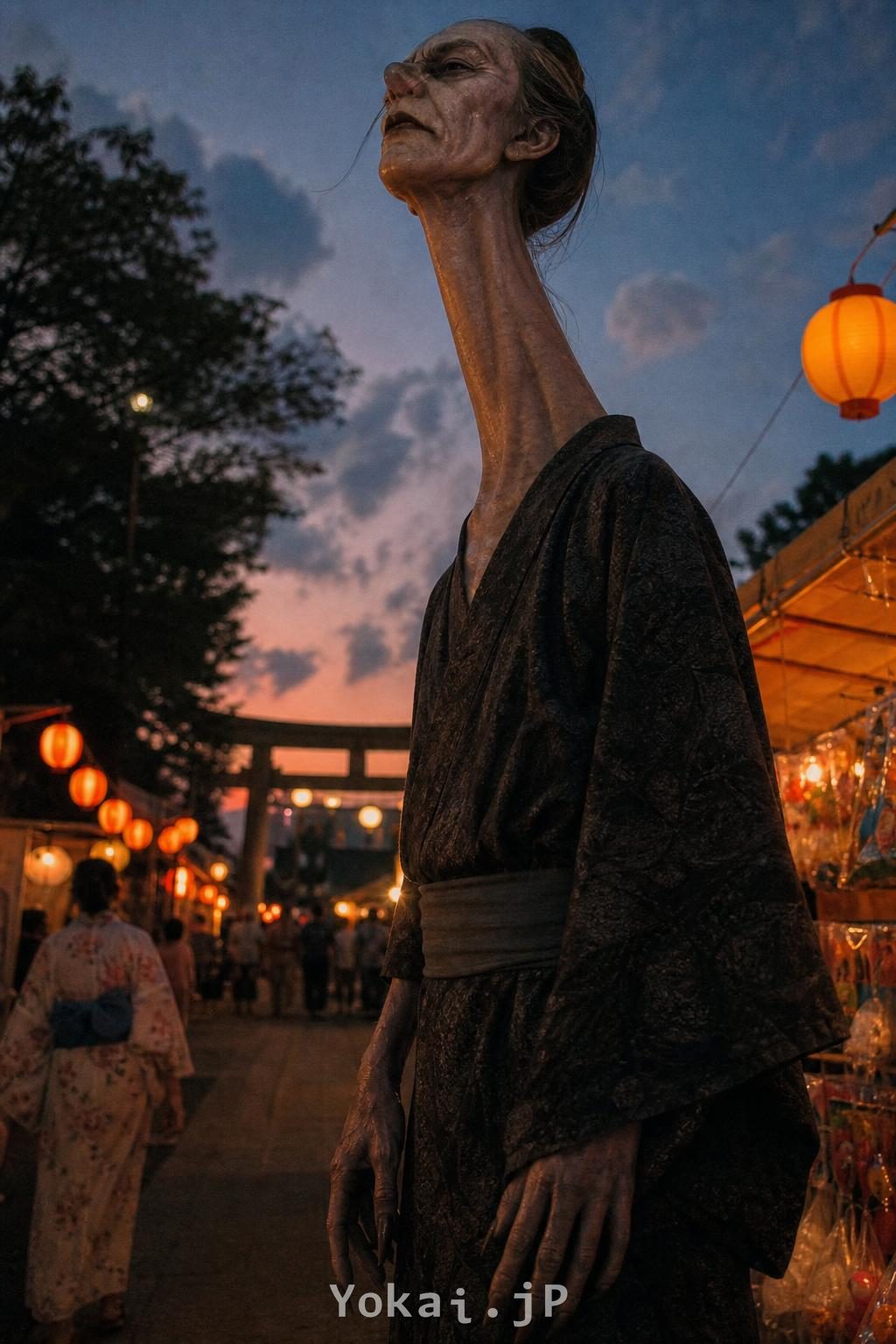
COMING THIS OBON・opens in August

The Hundred-Tales
Challenge

What appears when the hundredth candle is extinguished.
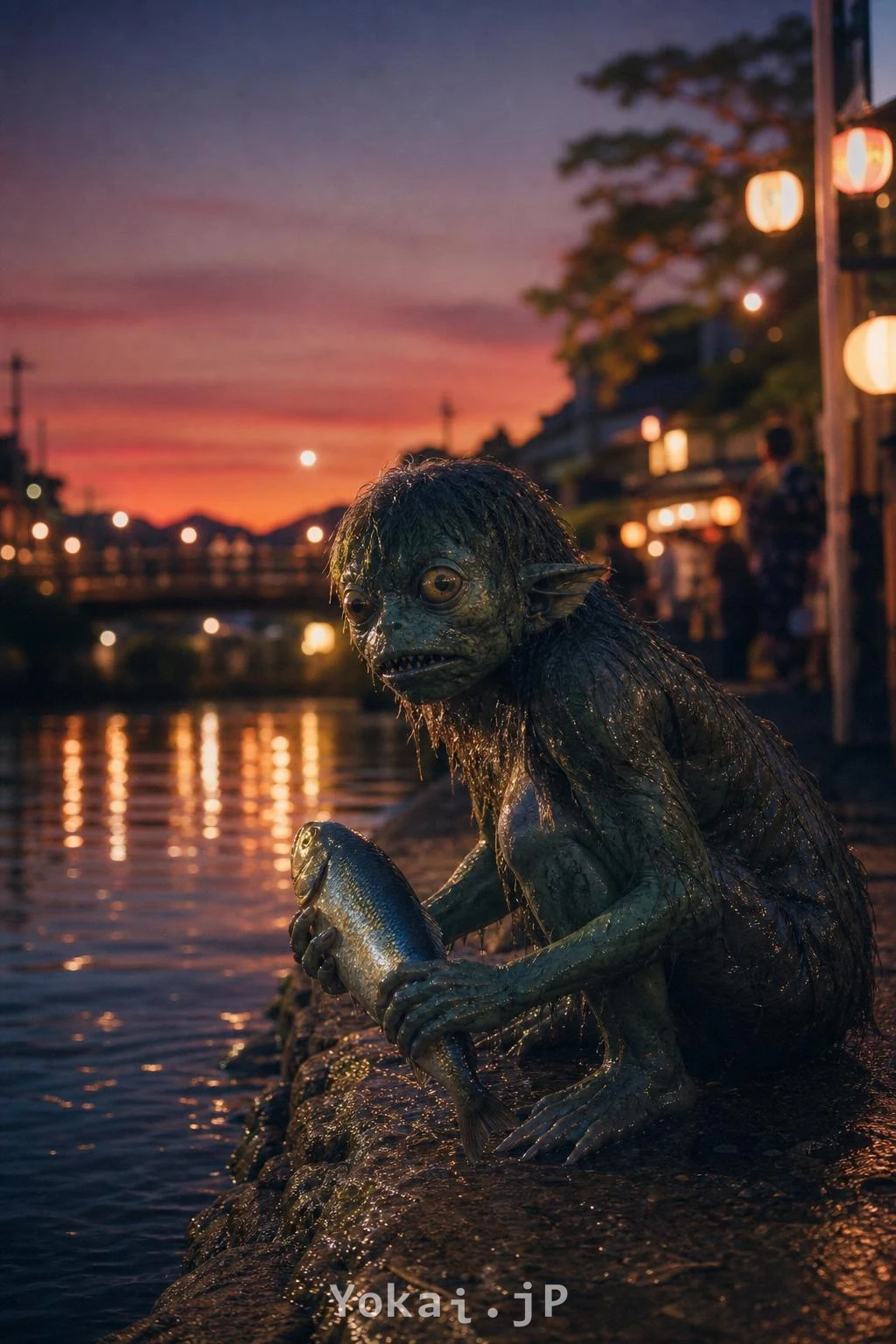
Light a hundred candles. Read one tale and put out one candle. When the hundredth is out, what comes — the old texts do not say. This summer, a one-night reading that walks Japan's hundred yokai. Coming soon.

100
CANDLES
1
ONE NIGHT
?
SURVIVE?
HYAKUMONOGATARI
One hundred candles, the last one
REMAINING
37 / 100
BY REGION・yokai by place

Yokai by prefecture

The oni of the Kyoto capital, the seven mysteries of Edo's downtown, the sea-woman of Amami. Different places tell different stories.

About this feature

Written and edited by
KiraEditor in Chief, YOKAI.JP
Published
Last updated
Editorial policy
For readers who want to read yokai properly.
Fact-check
195 sources, every claim verified against primary materials