YOKAI.JP
Cute Yokai

Cute Yokai

26 yokai
Thematic

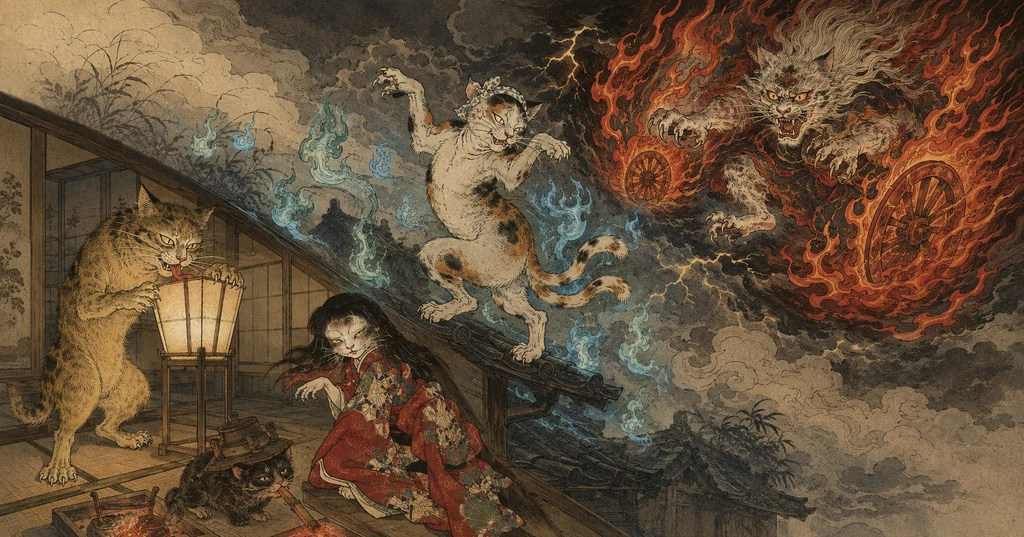
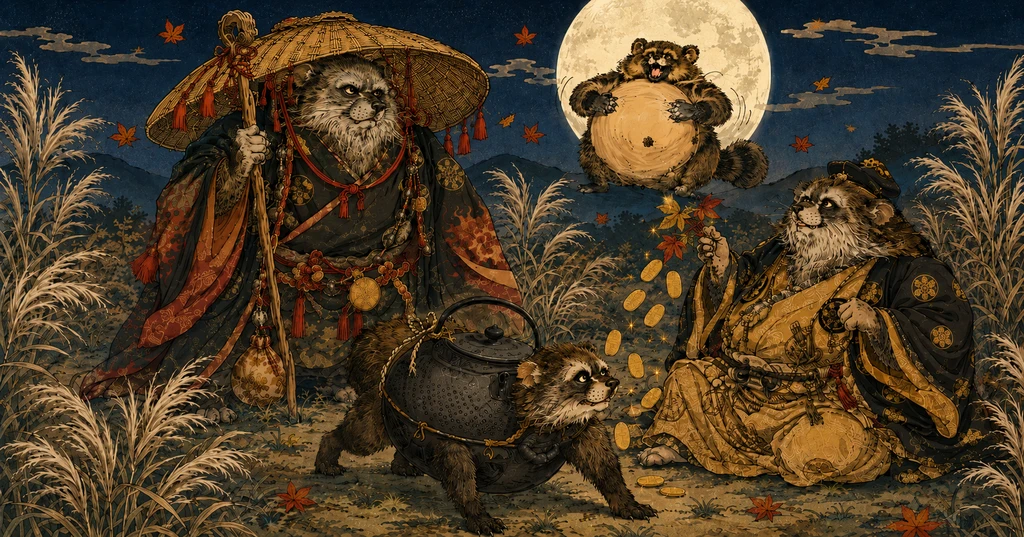
When people think of yokai, they often imagine something scary or eerie—but Japan’s folklore is also full of “cute yokai.” This collection highlights everything from tiny, soothing spirit-like beings to charming, friendly characters. We showcase their traditional forms found in folktales, picture scrolls, and ukiyo-e, as well as the adorable yokai that live on today in pop culture and anime. Featured here are yokai that appeared in children’s play and local spirits beloved by villagers. Rather than frightening, many are portrayed as guardians or companions, revealing the depth and diversity of yokai culture. The world of cute yokai is heartwarming the more you explore—and it just might bring a smile to your face.

Updated: 3/23/2026
yokaicute yokaiJapanese folkloreyokai collectionkawaii yokaispirits of Japanmythical creaturesukiyo-eanime yokaiJapanese legends

Included Yokai

26 yokai are included

These yokai also have art cards

42 cards — ukiyo-e, modern Japan & more

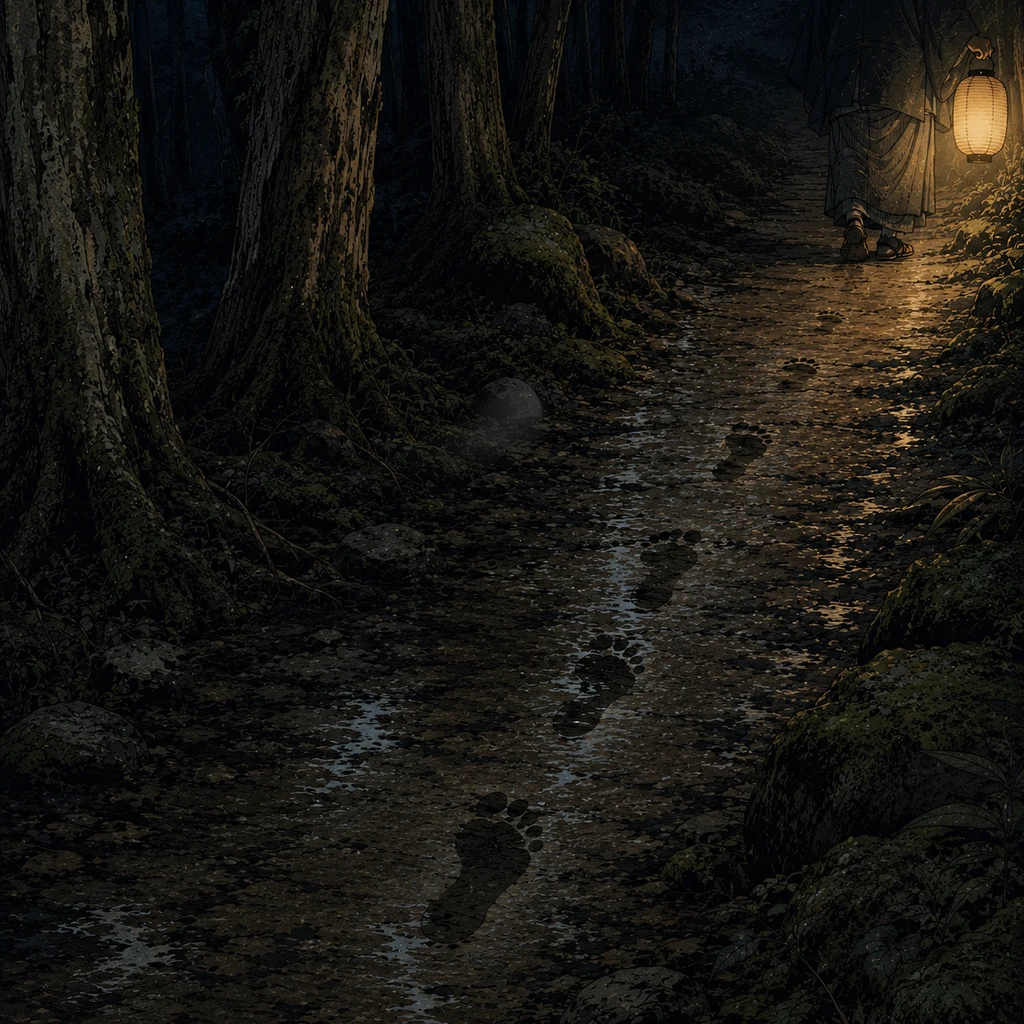
Bakezōri (Haunted Straw Sandal Tsukumogami)

Bakezōri (Haunted Straw Sandal Tsukumogami)

Uncommon

bah-keh-ZOH-ree

夜跳ねる古草履・化け草履

Animated Objects & UndeadJapanese folklore

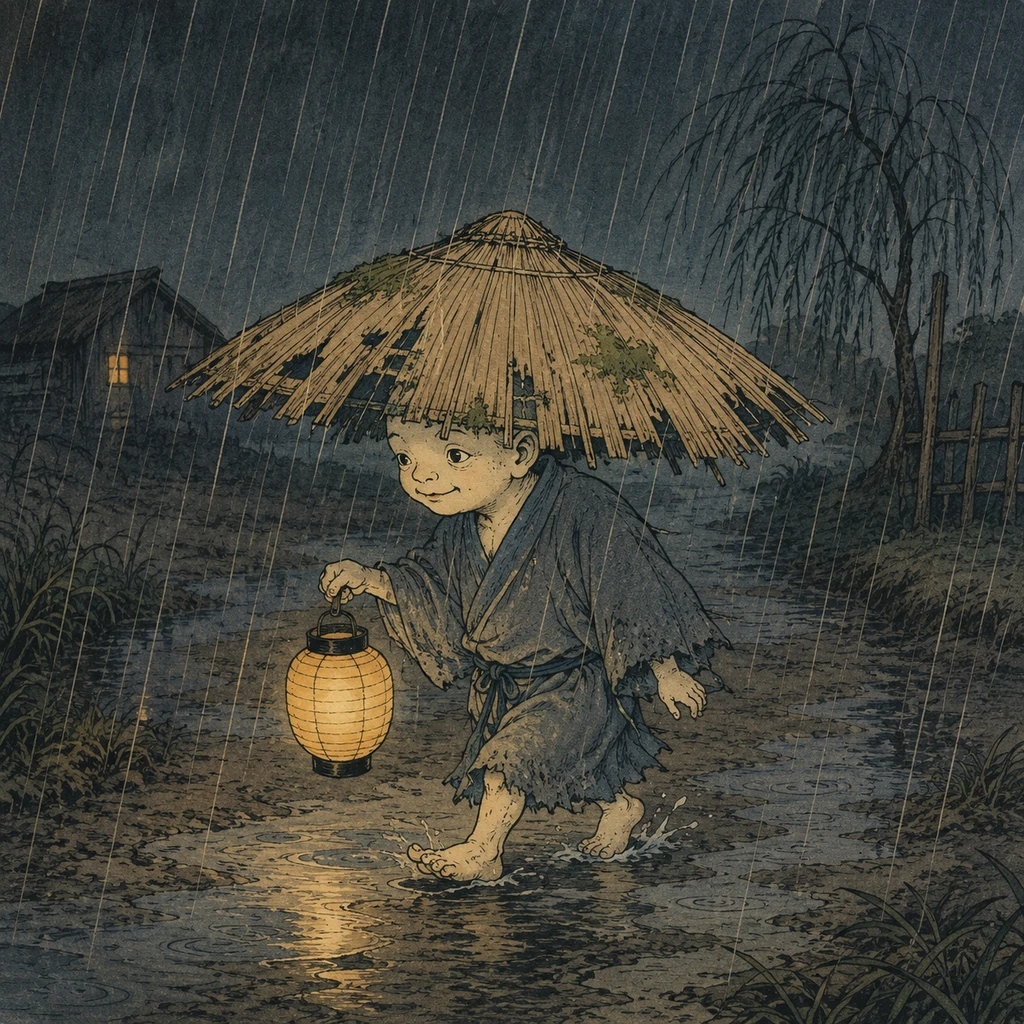
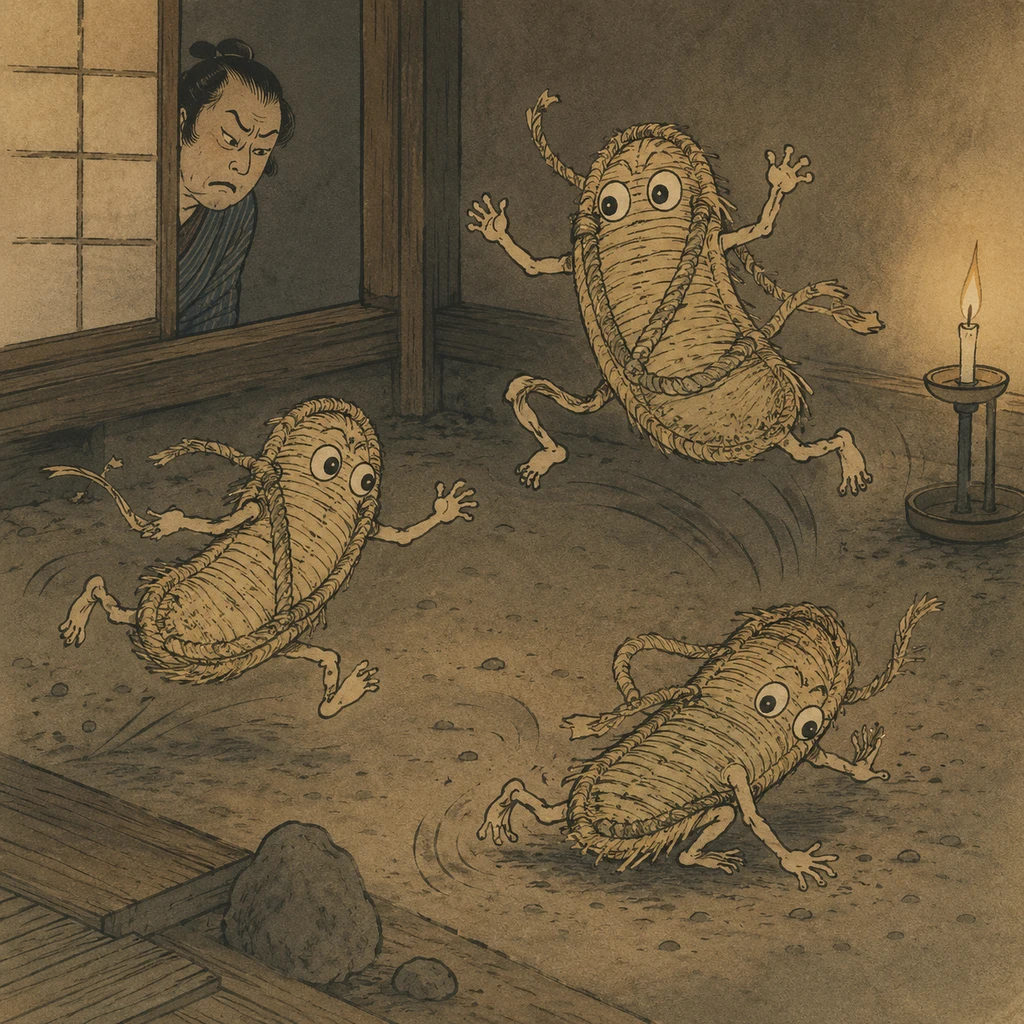
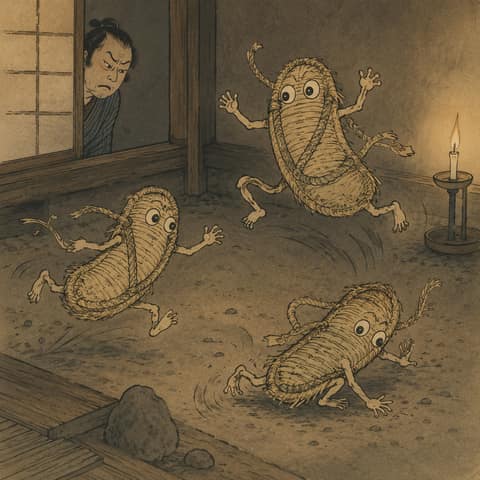
A tsukumogami said to arise when an old straw sandal gains a spirit. In folk belief it serves as a warning not to mistreat footwear. Early-modern images show sandals with arms and legs; in oral lore it is often confused with geta clogs. Yokai handbooks describe it making noises at night or singing, but regional encounter tales are scarce, and the stories tend to be didactic.

Karakasa-kozou

Karakasa-kozou

Uncommon

KAH-rah-KAH-sah koh-ZOH

夜道で跳ねる古傘・からかさ小僧

Dwellings & ObjectsAll over Japan ── A tsukumogami of an old umbrella, without a specific origin.

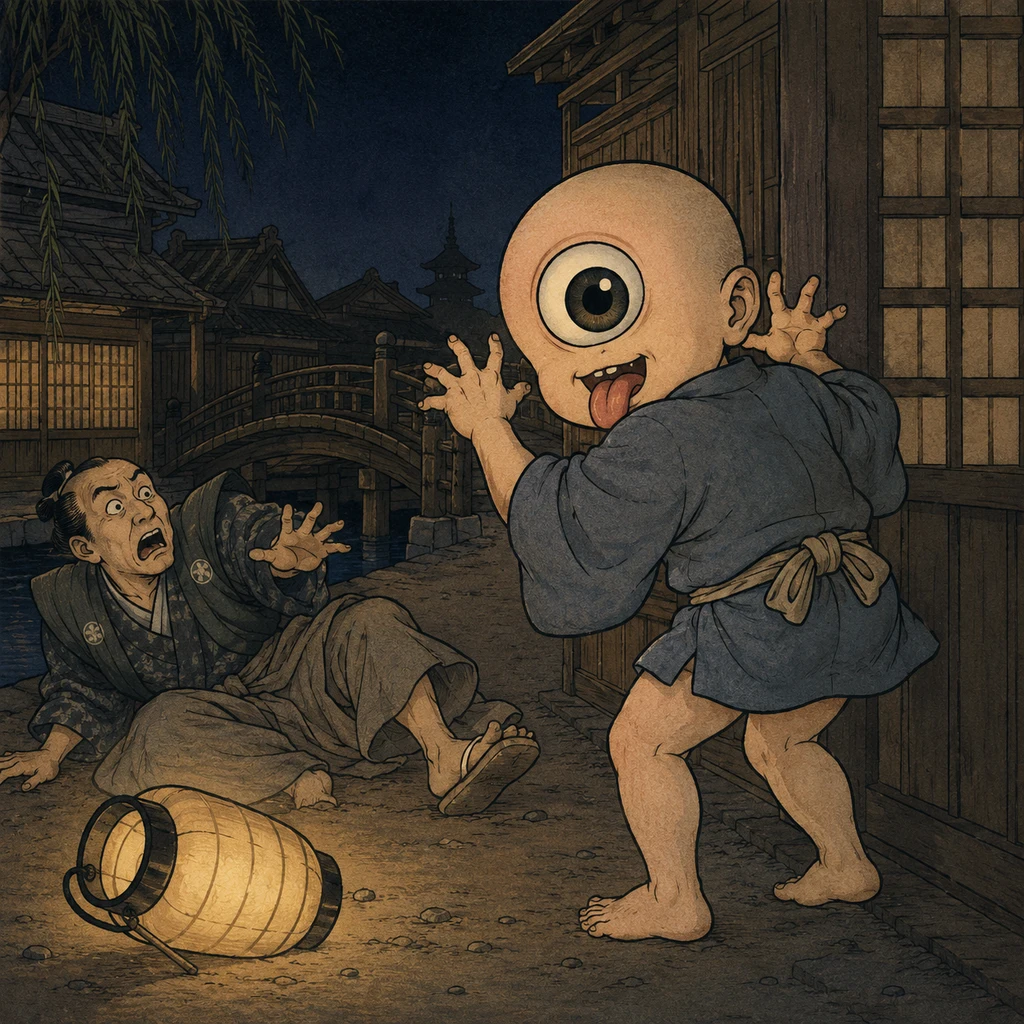
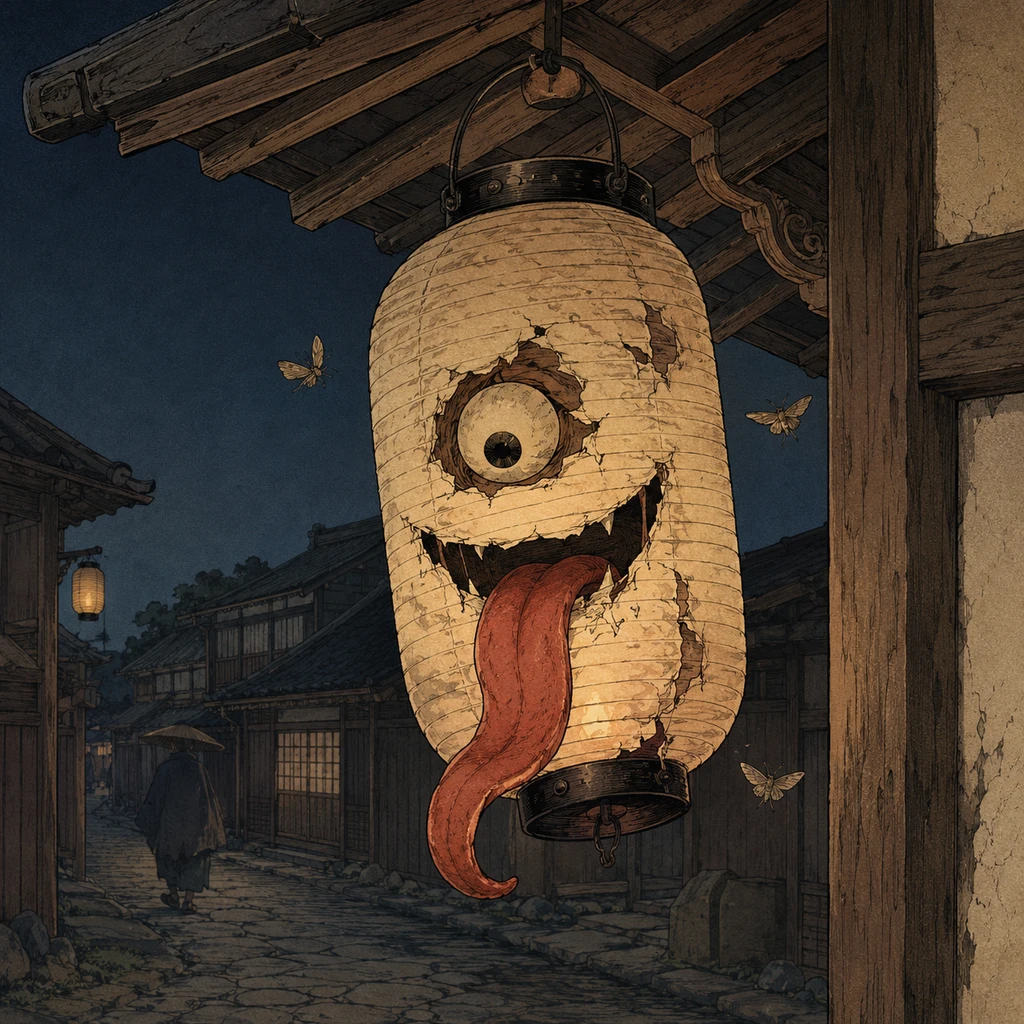
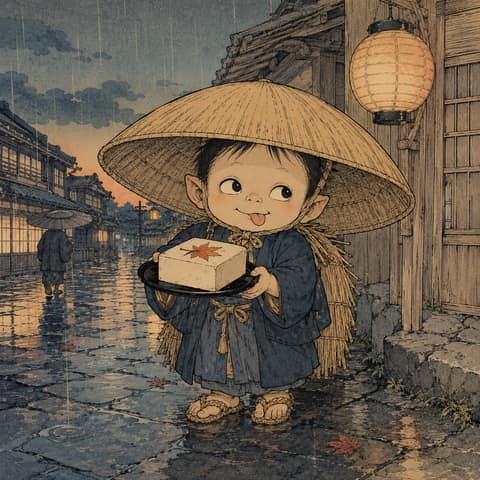
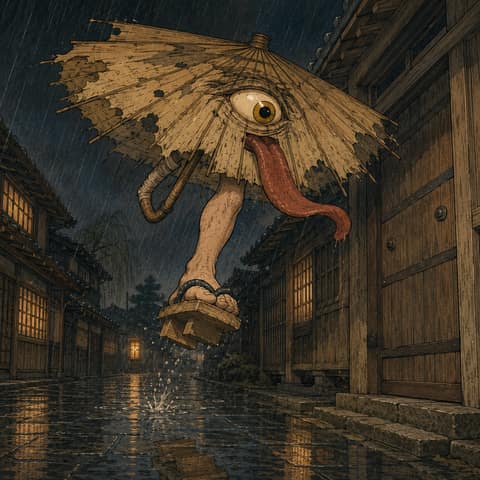
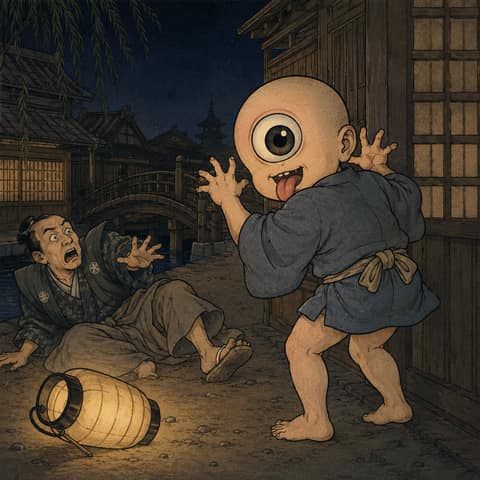
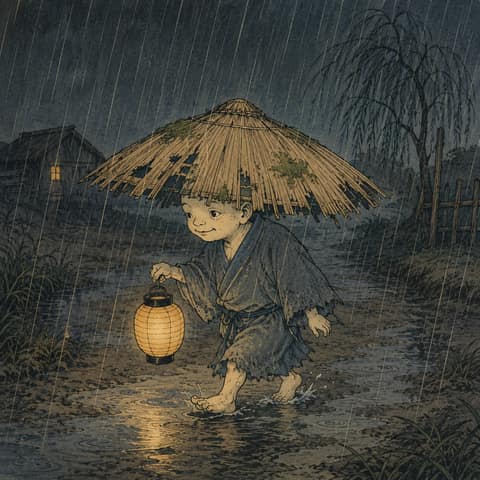
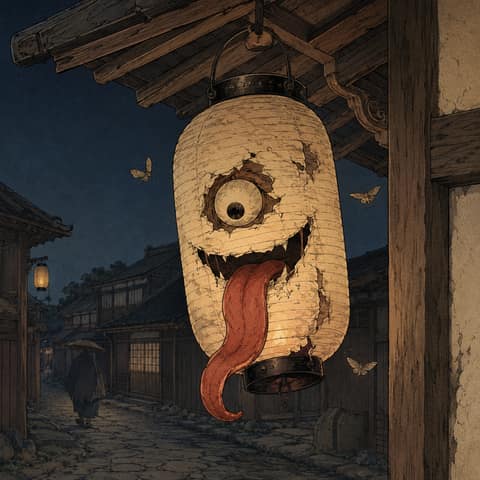
Karakasa-kozou is a pop icon representing Japanese yokai and is synonymous with tsukumogami (object yokai). Its most famous appearance is hopping around on one leg wearing a geta (wooden clog), with one large eye wide open and a long tongue hanging out. However, this iconic imagery did not naturally emerge from folklore; it was artificially shaped by the publishing culture and toys of the early modern Edo period. Umbrella yokai are depicted in the Muromachi period's *Hyakki Yagyo Emaki* (Night Parade of One Hundred Demons Scroll), but there they take the form of humanoid demons wearing closed umbrellas on their heads, differing from the one-legged figure we know today. It was during the late Edo period that the "one-eyed, one-legged" characteristics became fixed through kusazoushi (illustrated storybooks), toy prints, monster playing cards, and kabuki stage props, making it widely loved by the public as a charming and comical monster.

Amabie

Amabie

Legendary

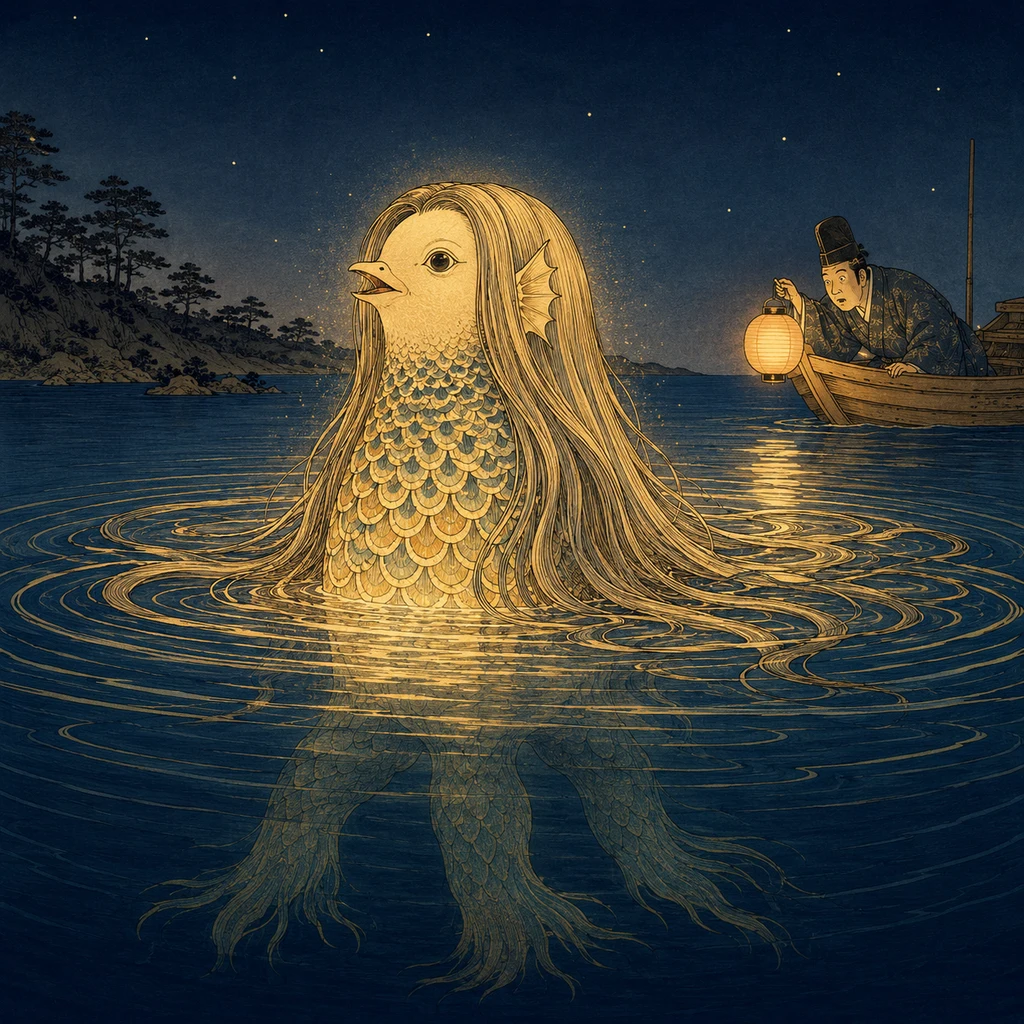
ah-mah-BEE-eh

肥後沖の予言光霊・アマビエ

Half-Human BeingsKumamoto

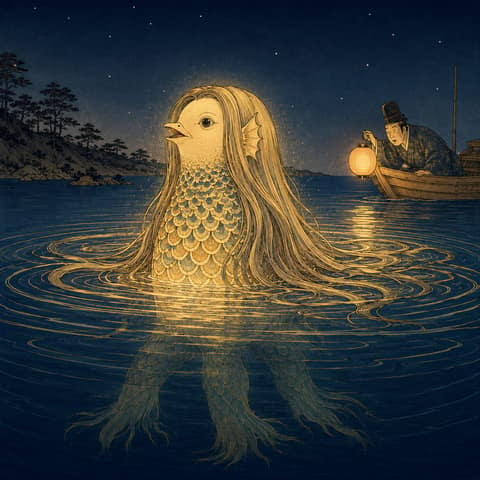
A prophetic yokai said to have appeared at sea in mid-April of Kōka 3 (1846) off Higo Province. It shone nightly from the water, revealed itself to a government official, and named itself Amabie. It foretold six years of abundant harvests alongside outbreaks of epidemic disease, instructing people to show its likeness to ward off the calamity before returning to the sea. Only a single kawaraban (woodblock news-sheet) record is known; details remain uncertain.

Ittan-Momen

Ittan-Momen

Epic

ee-tahn moh-men

薩摩夜空の絞め布・一反木綿(民間伝承版)

Household SpiritsKagoshima

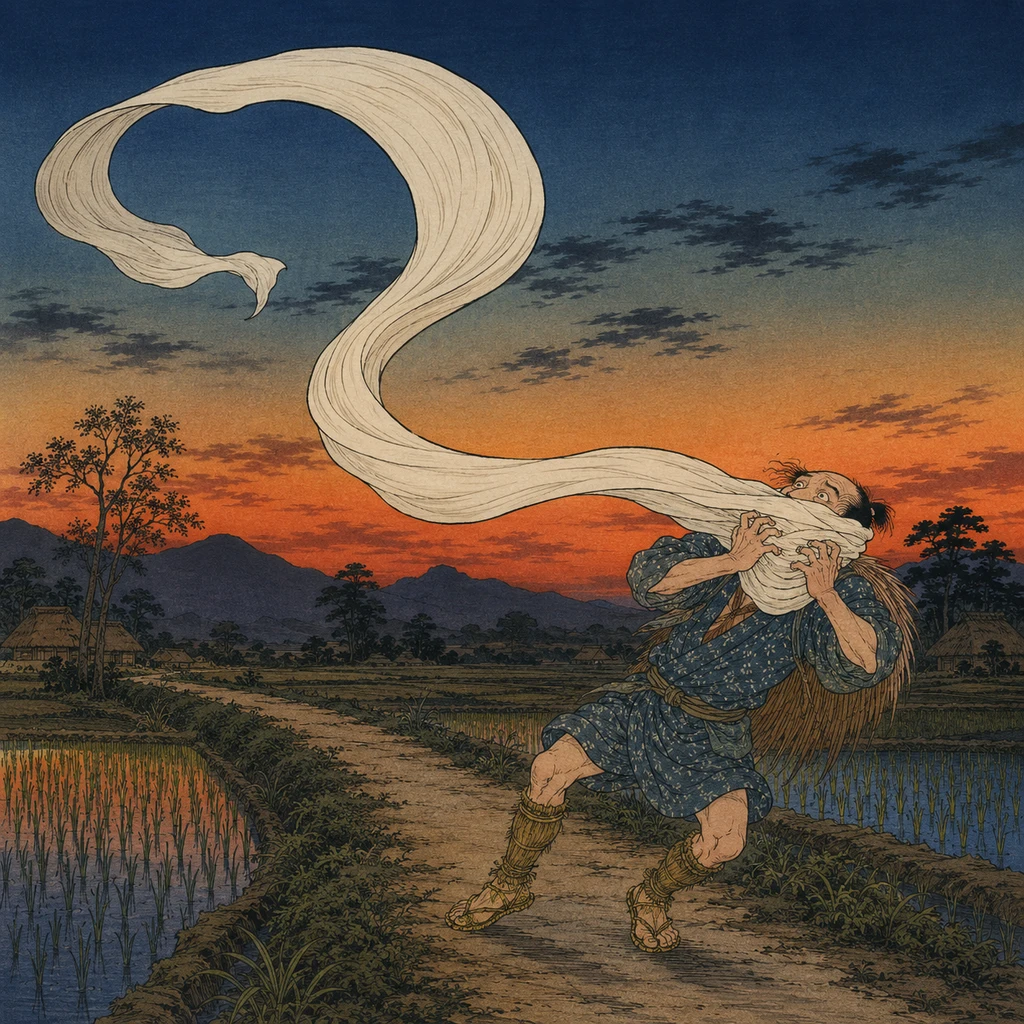
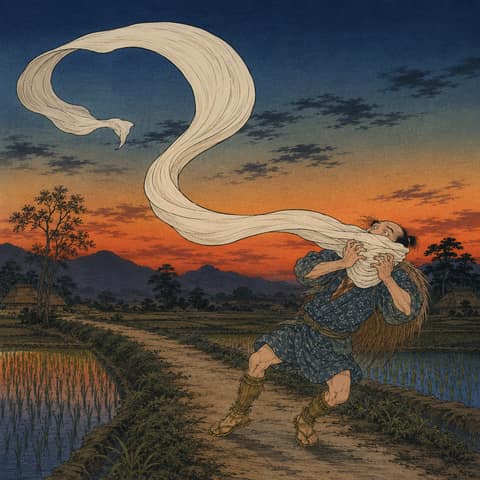
Ittan-Momen is a yokai from Kagoshima Prefecture, described as a strip of cotton cloth about ten meters long (one tan, a traditional unit of fabric length) and roughly nine centimeters wide. At dusk or nighttime, it is said to flutter through the air and wrap itself around a person’s face or neck, suffocating them. Its form is nothing more than a piece of cloth, voiceless and silent in its movements. The name appears in Ōsumi Kimotsuki-gun Dialect Collection (by Denji Nomura, with contributions from Kunio Yanagita), where it was told as a cautionary tale for children. Interpretations vary: some see it as a discarded cloth transformed into a spirit (tsukumogami), while others view it as a manifestation of the wind.

Issun-boshi

Issun-boshi

Legendary

EE-soon BOH-shee

針刀と策略の一寸法師

Human-Yokai / Half-Human Half-YokaiOsakaKyoto

Issun-boshi is widely recognized in modern times as a pure and righteous fairytale hero for children—a "brave little boy who rides in a bowl-boat and defeats oni with a needle-sword." However, his original depiction in the Muromachi period literature *Otogizoushi* reveals a dark hero (or a half-human, half-yokai trickster) overflowing with ambition and cunning, fully willing to employ despicable schemes to achieve social advancement. In folkloric classification, he belongs to the "Chiisako" (Little Child) archetype connected to Japanese mythology. Born from an abnormal prayer by an old couple and retaining a physical stature of merely one sun (about 3 centimeters) no matter how many years pass, this trait indicates he is not purely human, but a "liminal existence" belonging to the realm of the otherworld or divine spirits. The motif of arriving from the waterside (Naniwa Bay) in a bowl deeply inherits the mythological lineage of Sukunabikona-no-Kami, a tiny deity who crossed the sea from the eternal land (Tokoyo) riding in a Metaplexis pod boat. He compensates for his overwhelming physical handicap with abnormal intelligence, glibness, and a lack of ethical constraint. Upon ascending to the capital and infiltrating the mansion of a powerful chancellor, he uses not martial prowess but "scheming" to claim a beautiful princess as his own. Ultimately, by stealing the oni's treasure (the Miracle Mallet), he literally transforms into a "human man of great power." This is no mere adventure tale, but an extremely realistic, Machiavellian story of social upheaval, where a deformed existence at the very bottom of society climbs to the absolute pinnacle using intellect and deceit.

Umashika (Horse-Deer Yokai)

Umashika (Horse-Deer Yokai)

Uncommon

oo-MAH-shee-kah

馬面に鹿蹄の絵巻怪・馬鹿

Animal ShapeshiftersUnknown; chiefly attested in Edo-period picture scrolls

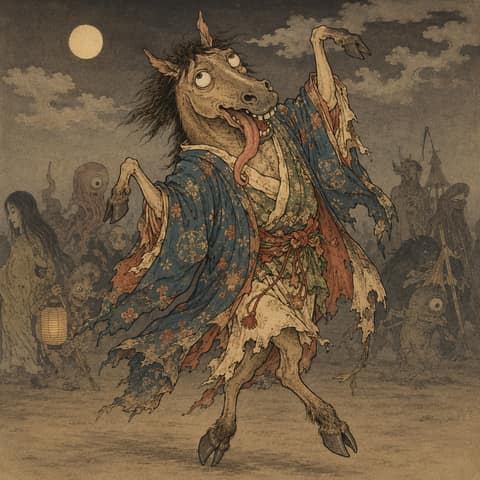
A spectral creature depicted in Edo-period yokai picture scrolls. It wears garments, spreads its forelegs wide, and has a horse’s face with bulging, upward-thrust eyes and cloven deer-like hooves. Identical images appear in late-18th-century works such as the Hyakumonogatari Kae Emaki, Oda Gyochō’s Night Parade of One Hundred Demons, and Bakemono-zukushi emaki. No period captions explain its behavior or origin. The imagery likely plays on the word baka (“fool”), but its function—harmful or helpful—remains unknown in the sources.

Kodama Mouse

Kodama Mouse

Uncommon

koh-DAH-mah NEH-zoo-mee

秋田マタギの破裂兆・小玉鼠

Animal ShapeshiftersAkita

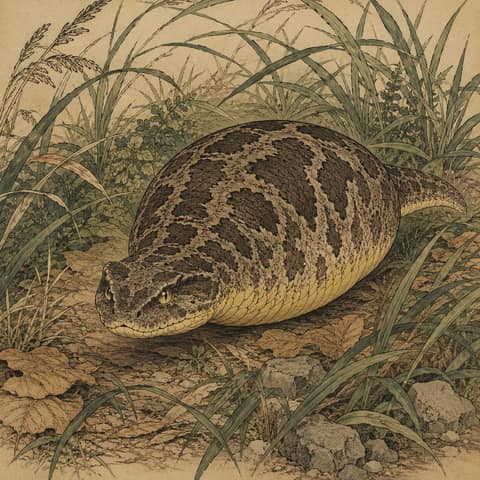
The Kodama Mouse is a mountain anomaly told among Matagi hunters of northern Akita. It looks like a tiny, round-bodied mouse—somewhere between a house mouse and a dormouse. When it meets a person, it stops, swells rapidly, and is said to burst with a gun-like boom, scattering flesh—though some accounts say it only makes a deafening blast without bursting. The encounter was read as a sign of the mountain god’s anger; hunters who saw it were to stop hunting and leave the mountain at once.

Zashiki-warashi

Zashiki-warashi

Legendary

za-shi-ki-wa-ra-shi

岩手の家守る童・座敷童子

Half-Human / Half-YokaiIwateAomori

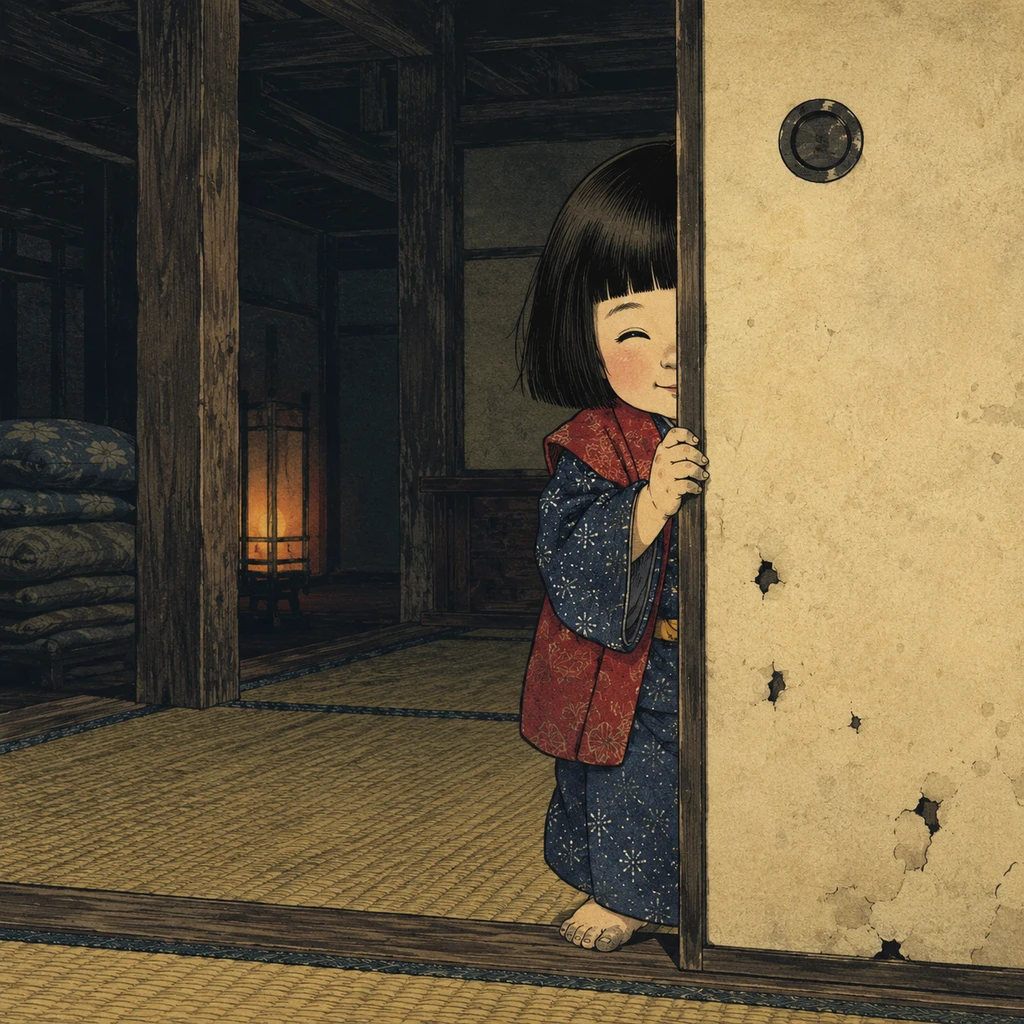
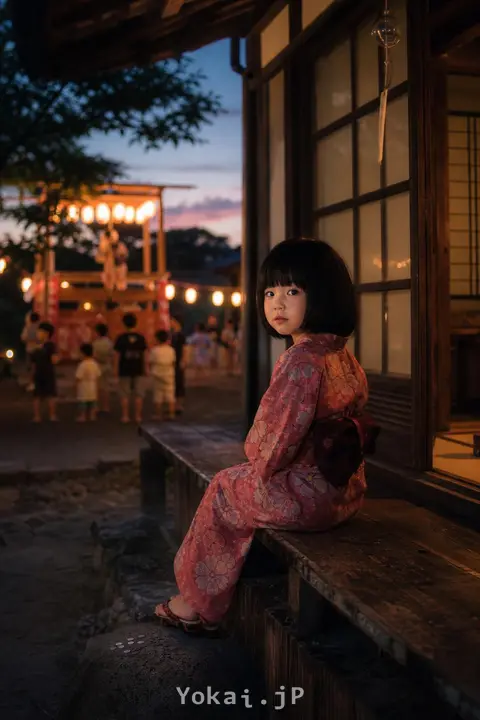
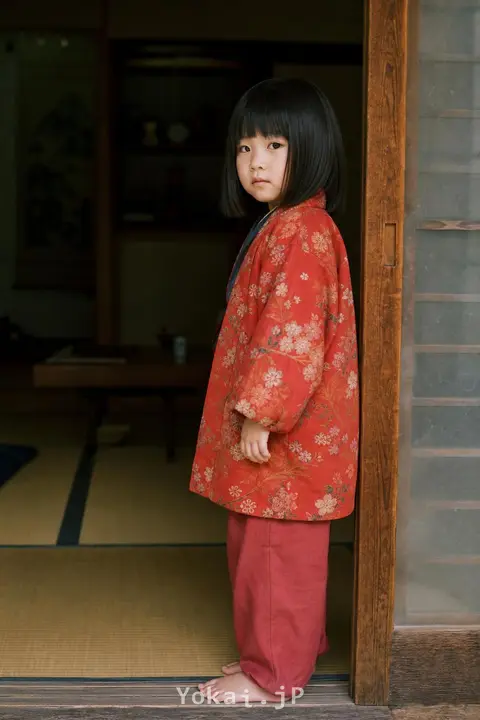
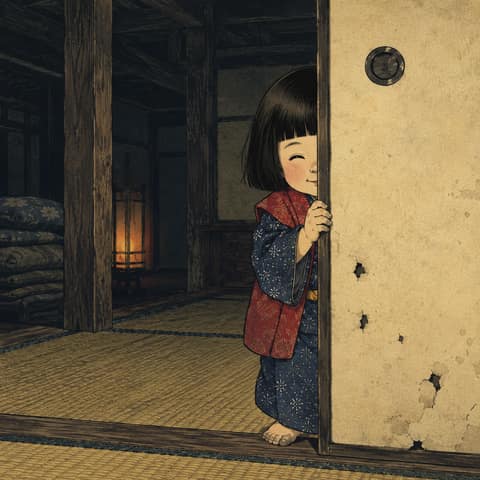
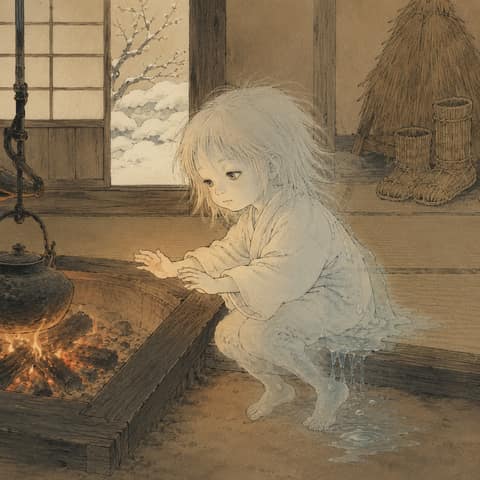
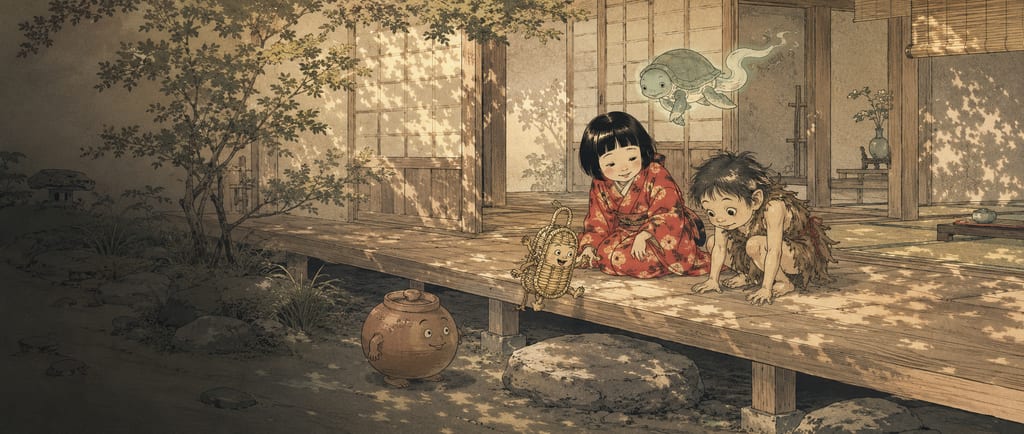
Zashiki-warashi is a childlike spirit (yokai) from the Tohoku region, particularly Iwate Prefecture, that haunts the inner parlors (zashiki) and dirt floors of old houses. It typically appears as a child of five or six, with bobbed hair and wearing a red vest, revealing its presence through the sound of running footsteps or laughter in the hallways at night. The greatest supernatural trait of the zashiki-warashi lies in its direct connection to the "fate (rise and fall)" of the household. It has been firmly believed that a house where a zashiki-warashi lives and can be seen will prosper, but a house from which the spirit departs will instantly decline, leading in the worst cases to the family's scattering or extinction. It is not merely a child's ghost, but a tutelary and destiny-controlling deity of the home, possessing both the blessings of a god of fortune and a fearsome deterministic power.

Keukegen

Keukegen

Epic

KAY-oo-kay-gen

希有希見の毛獣・毛羽毛現

General ClassificationsJapanese folklore

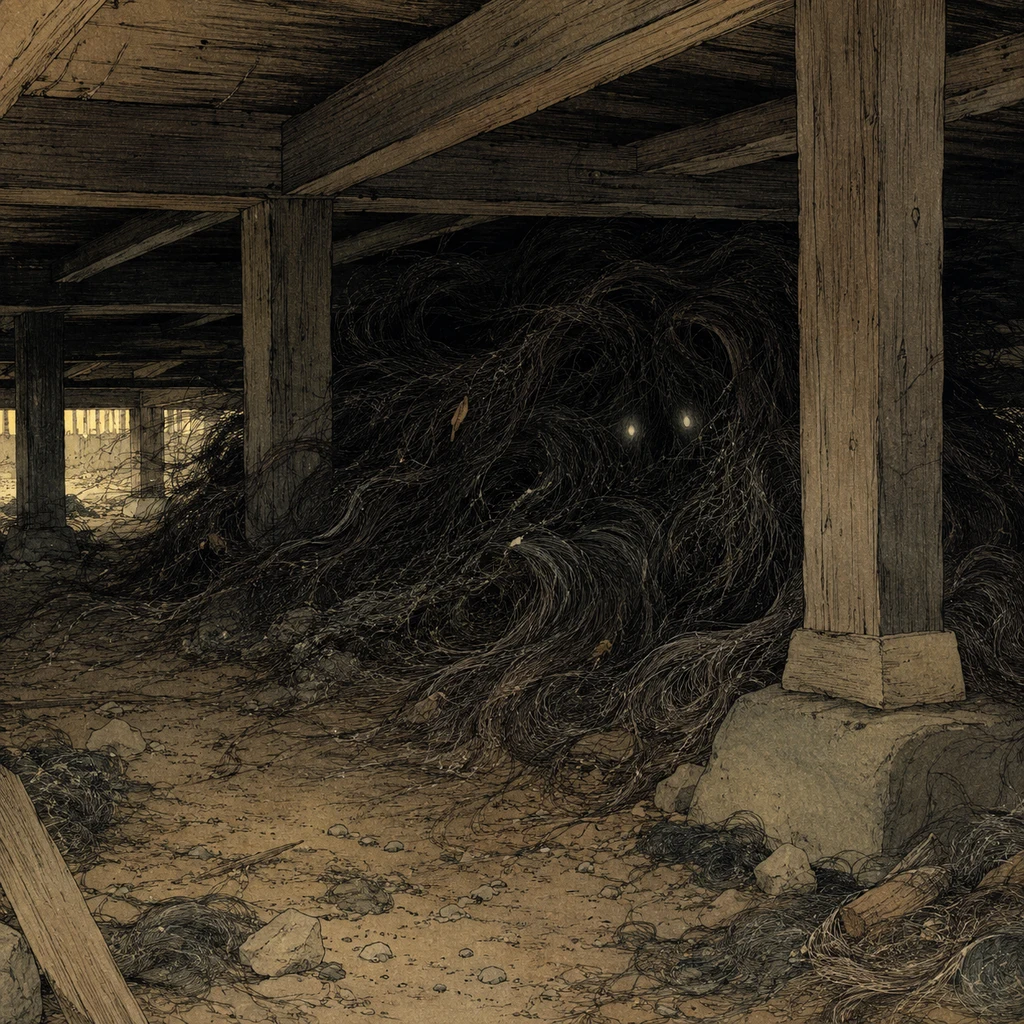
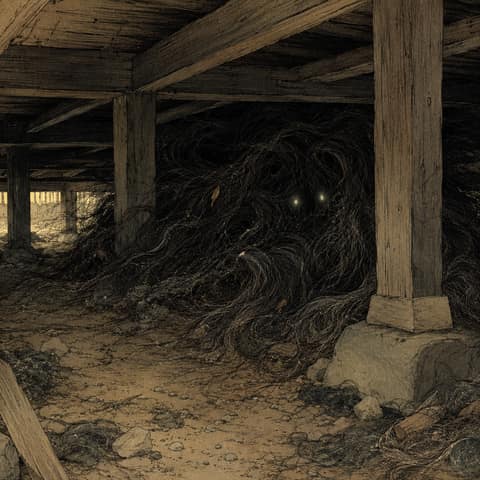
A shaggy, seldom-seen yokai sketched by Toriyama Sekien in Konjaku Hyakki Shūi. Sekien glosses its name as “Keu-kemi” (written 希有希見, “rarely seen”), underscoring its elusiveness. He likens its form to a hair-covered “hair-woman,” yet offers little on its nature or habits. Later writers proposed it lurks in damp corners of houses, but Edo-period sources do not confirm this.

Kotofurunushi

Kotofurunushi

Rare

koh-toh-koh-roo-NOO-shee

忘れられし筑紫箏・琴古主

Tsukumogami / MukurogaiFukuoka Prefecture (Former Tsukushi Province / Spirit of a forgotten Koto)

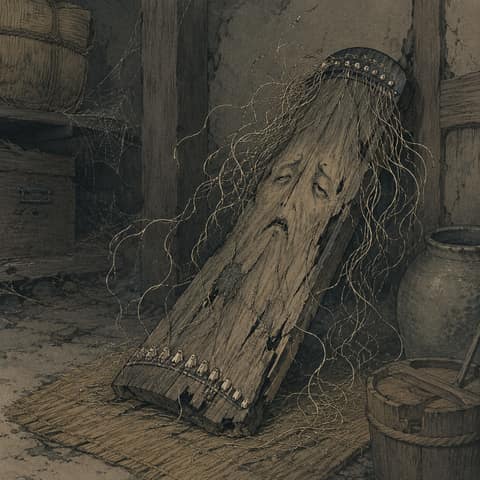
The Kotofurunushi is a tsukumogami (an artifact that has transformed into a yokai) born from an old koto, depicted in the Edo-period yokai bestiary *Hyakki Tsurezure Bukuro* by the artist Toriyama Sekien. Its visual design is highly striking: sorrowful eyes and a mouth emerge on the surface of an old, broken koto that has been abandoned for years, with countless snapped strings hanging down like the tangled hair of a deranged female demon. This is not merely an anthropomorphized object, but a visualization of the intense grudge of an instrument—a tool whose sole purpose is to produce sound—being forced into silence and left to rot. The deepest charm of this yokai lies in the cruel paradigm shift of Japanese music history hidden within Sekien's commentary accompanying the illustration. Sekien wrote: "Since the blind man Yatsuhashi reformed the melodies, the Tsukushi Koto exists in name only, and those who know its sound are exceedingly rare..." This refers to Yatsuhashi Kengyo, a genius blind musician of the early Edo period. Yatsuhashi Kengyo learned the traditional playing methods of the ancient "Tsukushi Koto," which had previously been played elegantly among aristocrats and monks primarily in northern Kyushu, and dramatically reformed it into a modern style (Sokyoku), gaining immense popularity. However, as the price for Yatsuhashi's new style sweeping the world, the good old "Tsukushi Koto" became completely obsolete, forgotten by history with no one left to play it. In other words, the Kotofurunushi is not just a monster of an old instrument; it is the incarnation of the sorrowful resentment of "loser's art" (the music of an old school)—eliminated by the advent of a genius (Yatsuhashi Kengyo) and left without an audience. It is an extremely cultural and musicological yokai.
Kinrei (and Kintama)

Kinrei (and Kintama)

Epic

kee-NREH

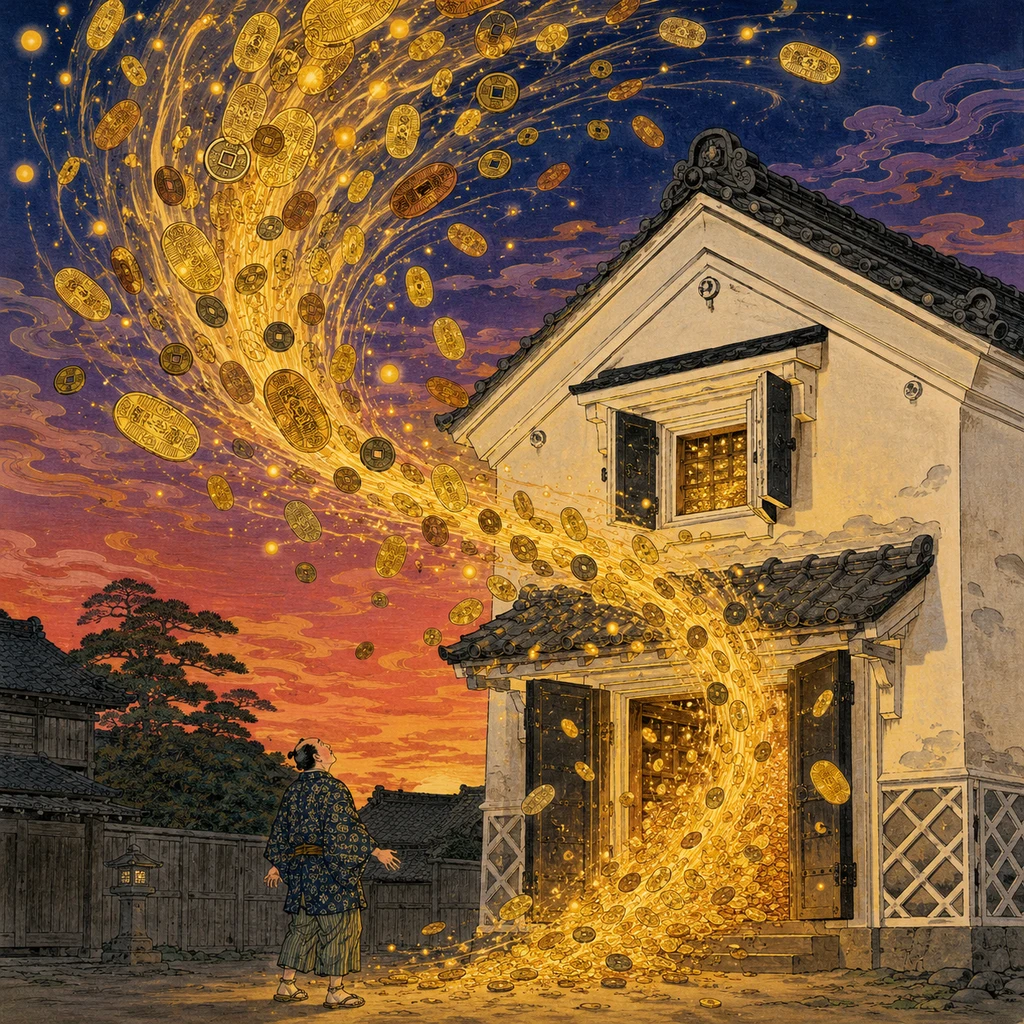
善行の家に来る・金霊

Ghosts & SpiritsAcross Japan (noted in Edo, the Kanto region, and Suruga)

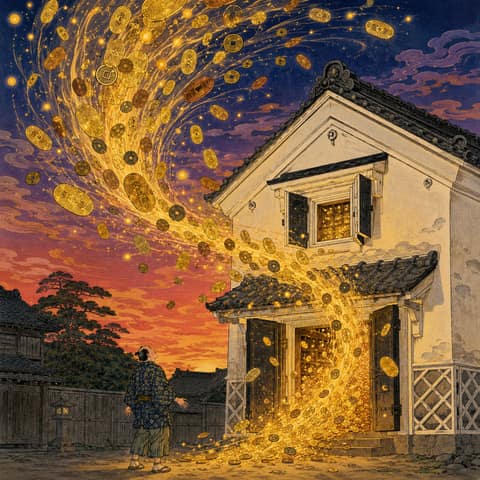
Kinrei is the embodiment of the essence of gold, or a spirit symbolizing fortune and virtue, believed to appear as a sign to households that practice good deeds. Edo-period picture scrolls depict it as storehouses brimming with gold and silver—more an allegory of auspicious news than a tangible monster. Kintama, by contrast, is said to arrive as a glowing sphere or strange fire; welcoming it brings prosperity, but harming it invites decline. The two are sometimes conflated, though their characterizations differ slightly.

Seto General

Seto General

Rare

SEH-toh TIE-shoh

瀬戸物寄せの武者・瀬戸大将

Animated Objects & UndeadUncertain (Edo-period pictorial works)

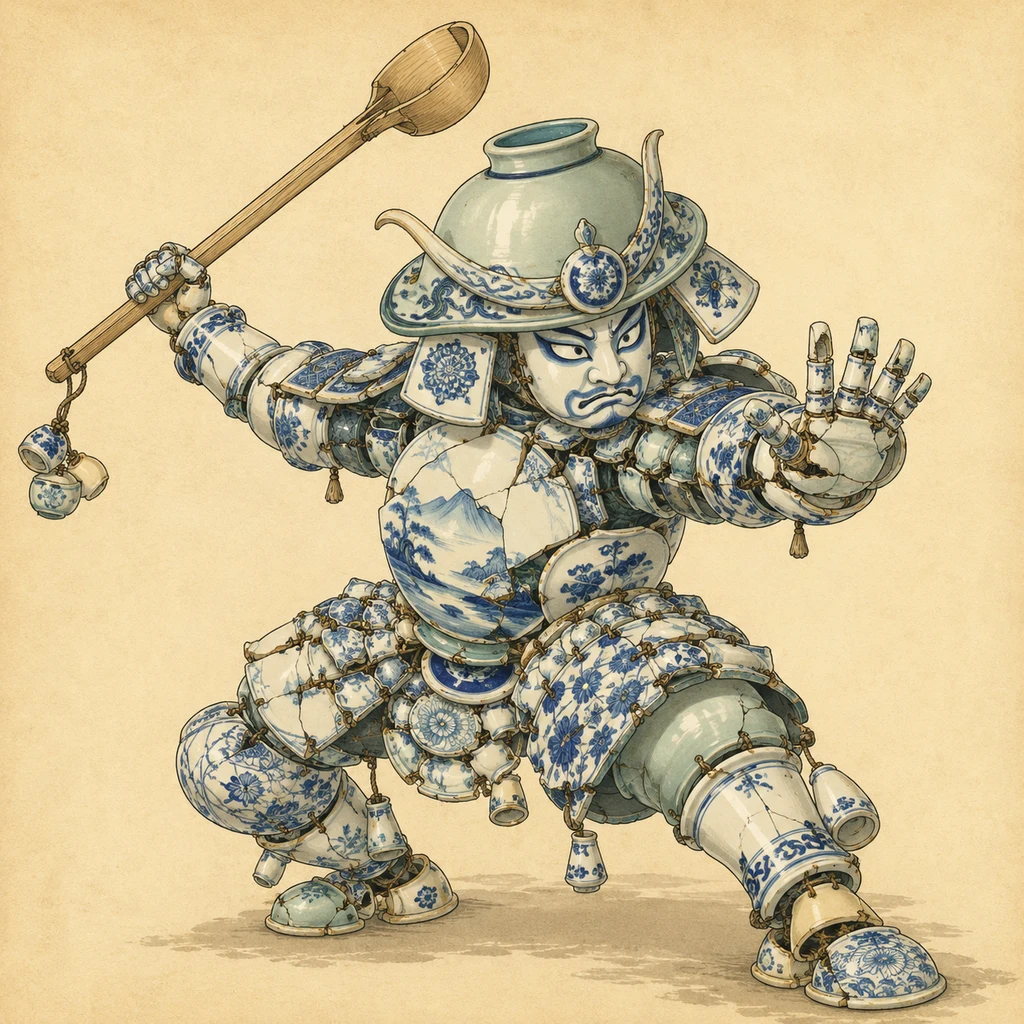
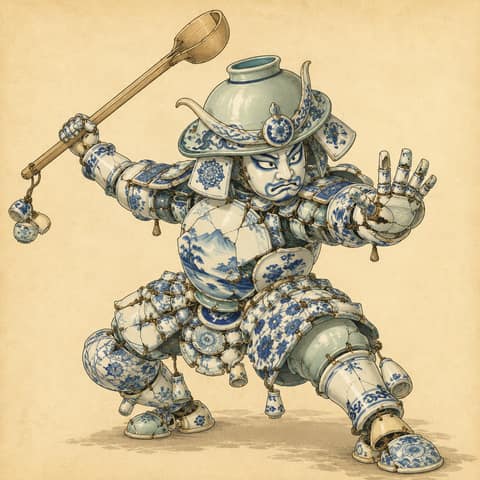
A tsukumogami-like figure from Toriyama Sekien’s Hyakki Tsurezure Bukuro: ceramic vessels and utensils gather to form an armored warrior. It plays on the aesthetic contrast between Karatsu ware and Seto ware, depicting utensils as rival factions. The motif is not based on oral lore or local tradition; Sekien’s image and accompanying verse are the principal sources.

Suzu-hiko-hime

Suzu-hiko-hime

Rare

SOO-zoo-HEE-koh-hee-meh

神楽鈴を戴く女・鈴彦姫

Household SpiritsJapanese folklore

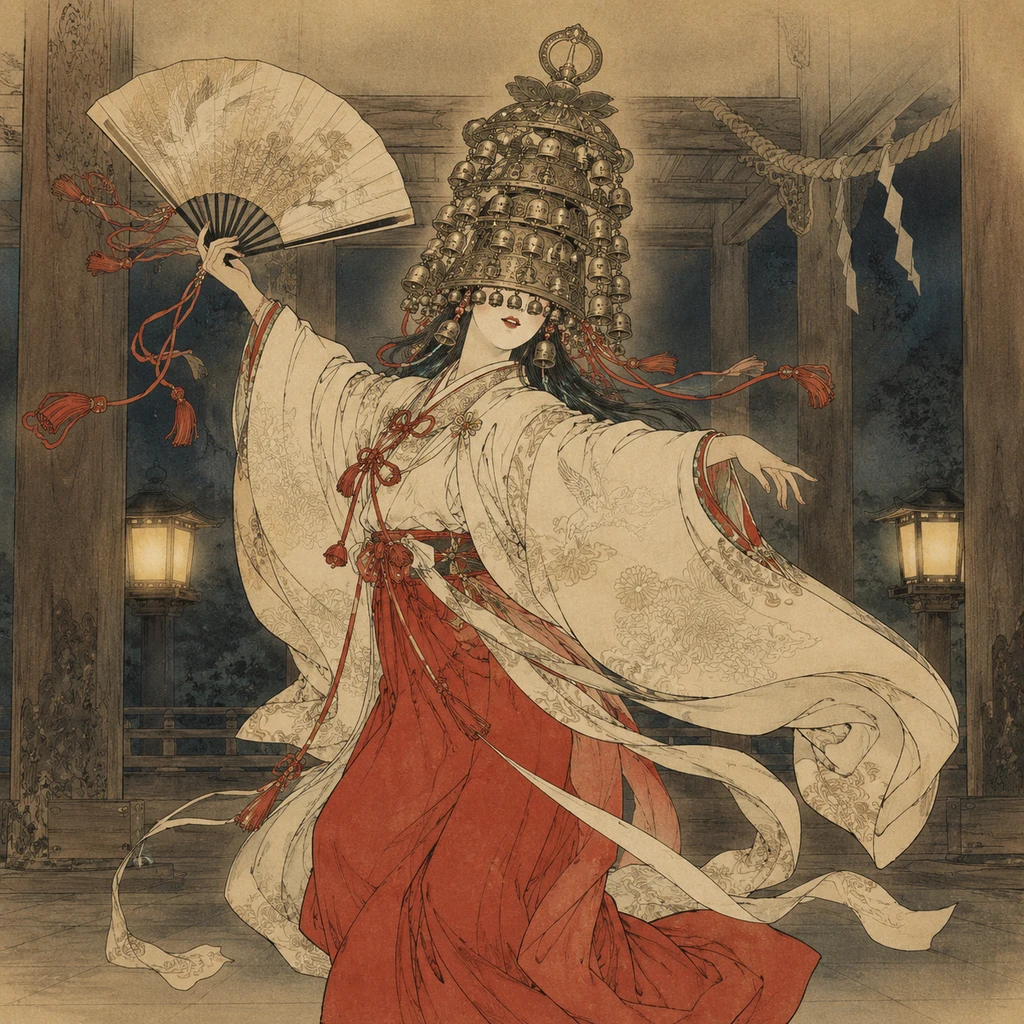
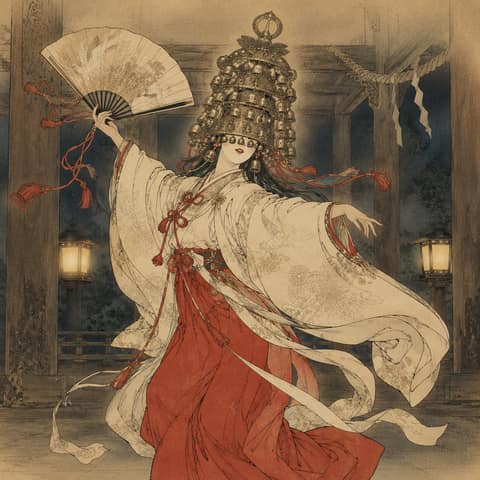
Suzu-hiko-hime is a yokai depicted by Toriyama Sekien in his Hyakki Tsurezure Bukuro. She appears as a woman balancing a kagura suzu (Shinto ritual bells) on her head, with features reminiscent of a bell. Sekien alludes to Ame-no-Uzume from the Amano-Iwato myth, hinting at ties to kagura, but leaves her origin and nature unstated. The image likely draws on medieval Night Parade scrolls that show monsters with kagura bells and on the idea of bells as instruments that “invite” or summon deities. No concrete sightings are recorded; she is an image-led, conceptual yokai.

Shōgorō (the Gong Spirit)

Shōgorō (the Gong Spirit)

Rare

SHOH-goh-ROH

鉦鼓に手足生ず・鉦五郎

Animated Objects & UndeadEdo period, Kamigata tradition (Osaka)

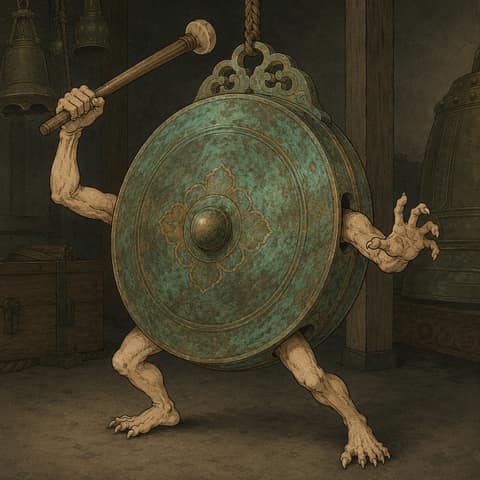
Shōgorō is a tsukumogami—a haunted ritual gong—depicted by Toriyama Sekien in his Hyakki Tsurezure Bukuro. Sekien plays on the famous Osaka merchant Yodoya Tatsugorō’s tale of the “golden rooster,” punning on gold (kogané), gong (kané), and the name Gorō. The image follows a lineage seen in Muromachi-period Night Parade scrolls, where a temple gong (wani-guchi) sprouts limbs. Concrete anecdotes are scarce; the yokai is chiefly known from artwork.

Moon Rabbit

Moon Rabbit

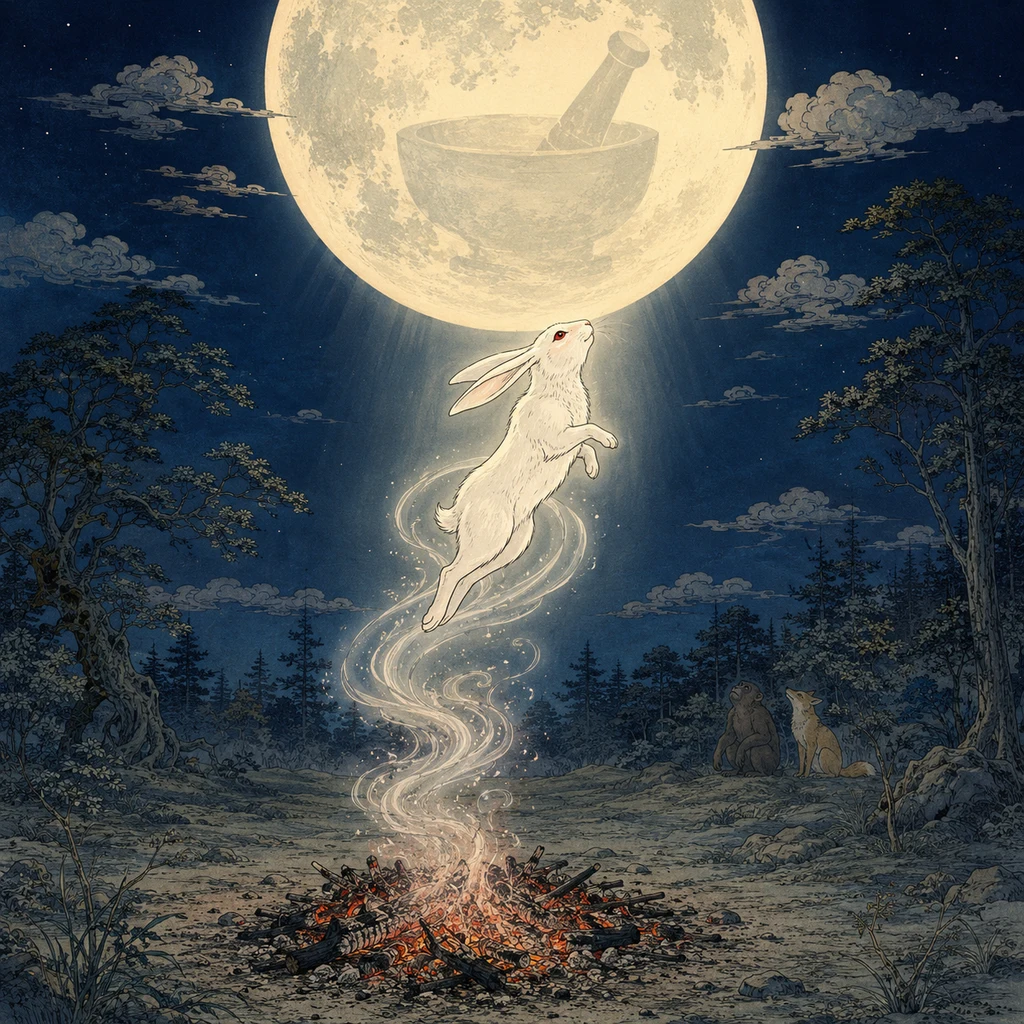
Epic

TSOO-kee-noh oo-SAH-ghee

満月に餅搗く・月の兎

Animal ShapeshiftersAcross Japan (widespread after the arrival of Buddhism)

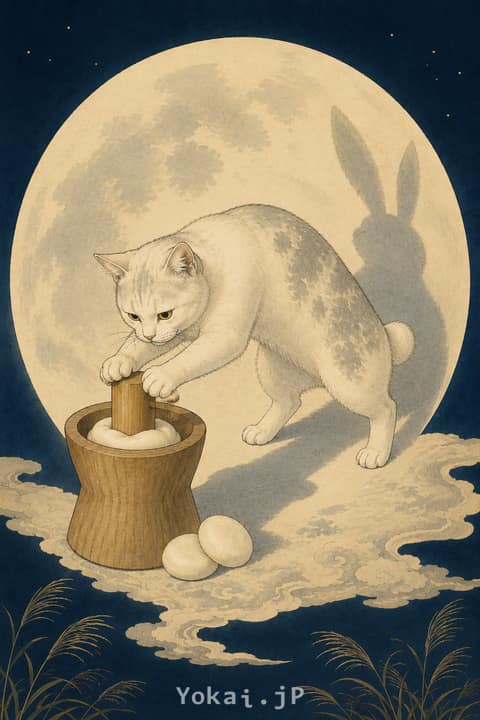
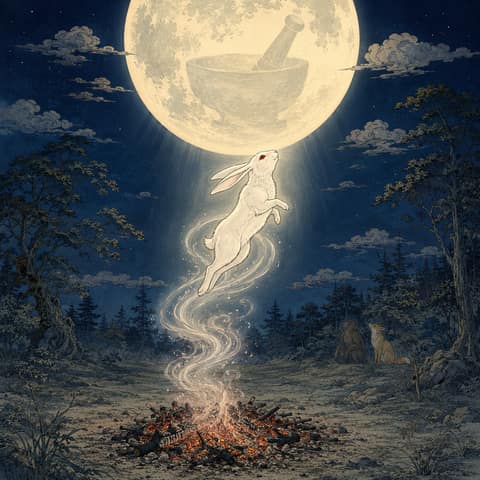
A legendary lunar beast seen in the dark markings on the full moon, interpreted as a rabbit. Spread through Buddhist paintings and tales, it became an emblem of the moon deity. In Chinese lore it pounds the elixir of immortality; in Japan it is said to pound rice cakes (mochi). Art historical records note its presence from the medieval period, with the mochi-pounding image becoming common by the mid-Edo era.
Nurikabe

Nurikabe

Epic

NOO-ree-KAH-beh

九州夜道の見えぬ壁・ぬりかべ

General ClassificationsFukuokaOita

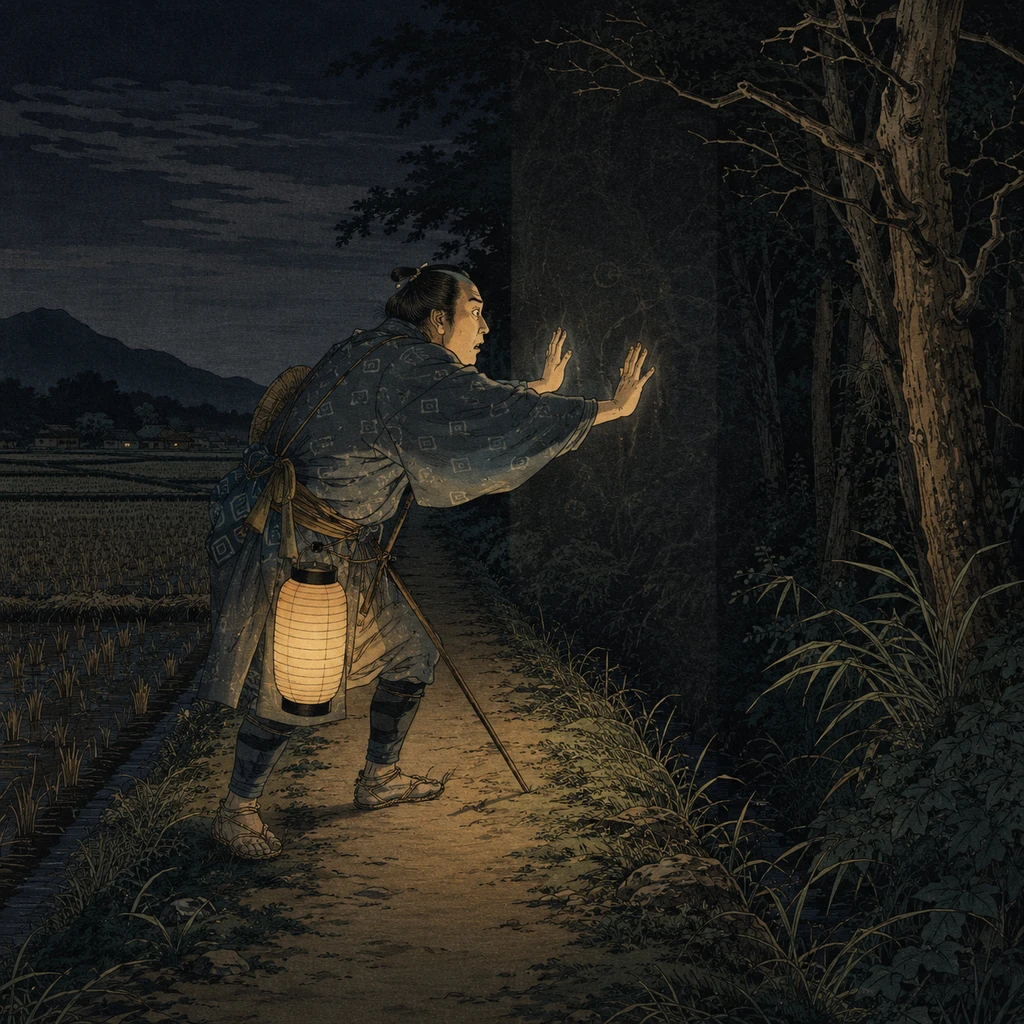
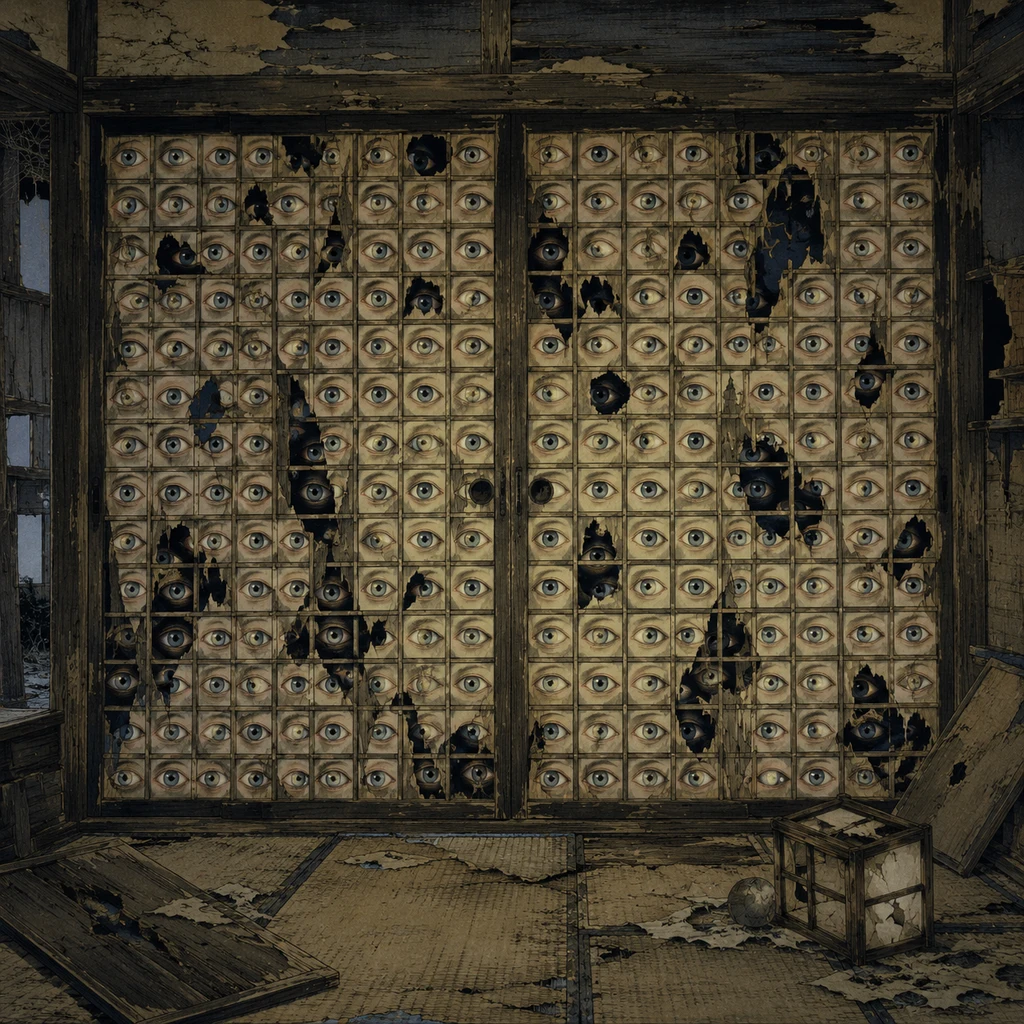
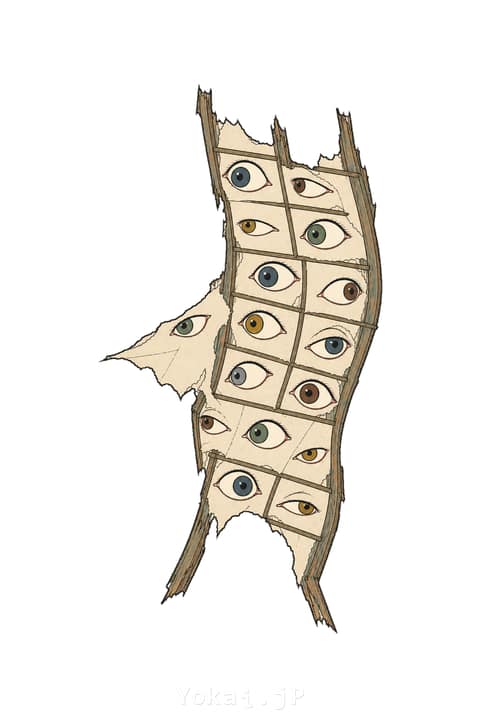
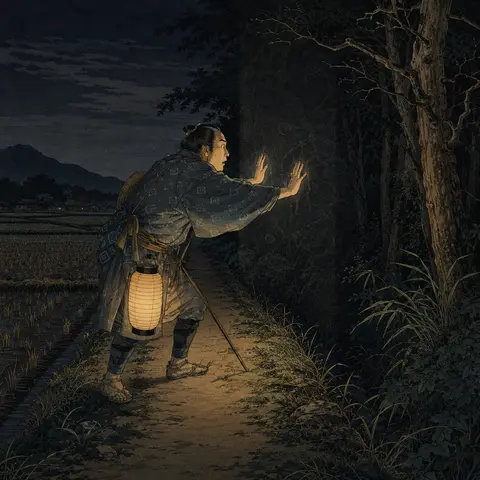
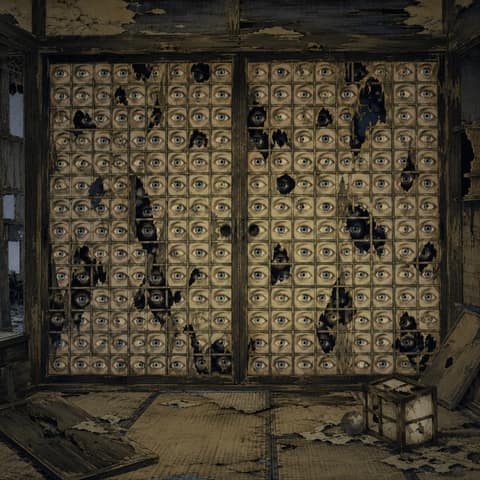
A yokai famed as an invisible wall that blocks travelers on night roads. People suddenly find they can’t move forward, their hands meeting a flat, unyielding surface. The spell is said to break if one waits, sidesteps, or taps the ground with a cane. Its form is unfixed—often described as unseen or like a featureless wall. It rarely harms beyond causing confusion, feared mainly as a nuisance that makes people lose their way.

Human-Faced Tree

Human-Faced Tree

Rare

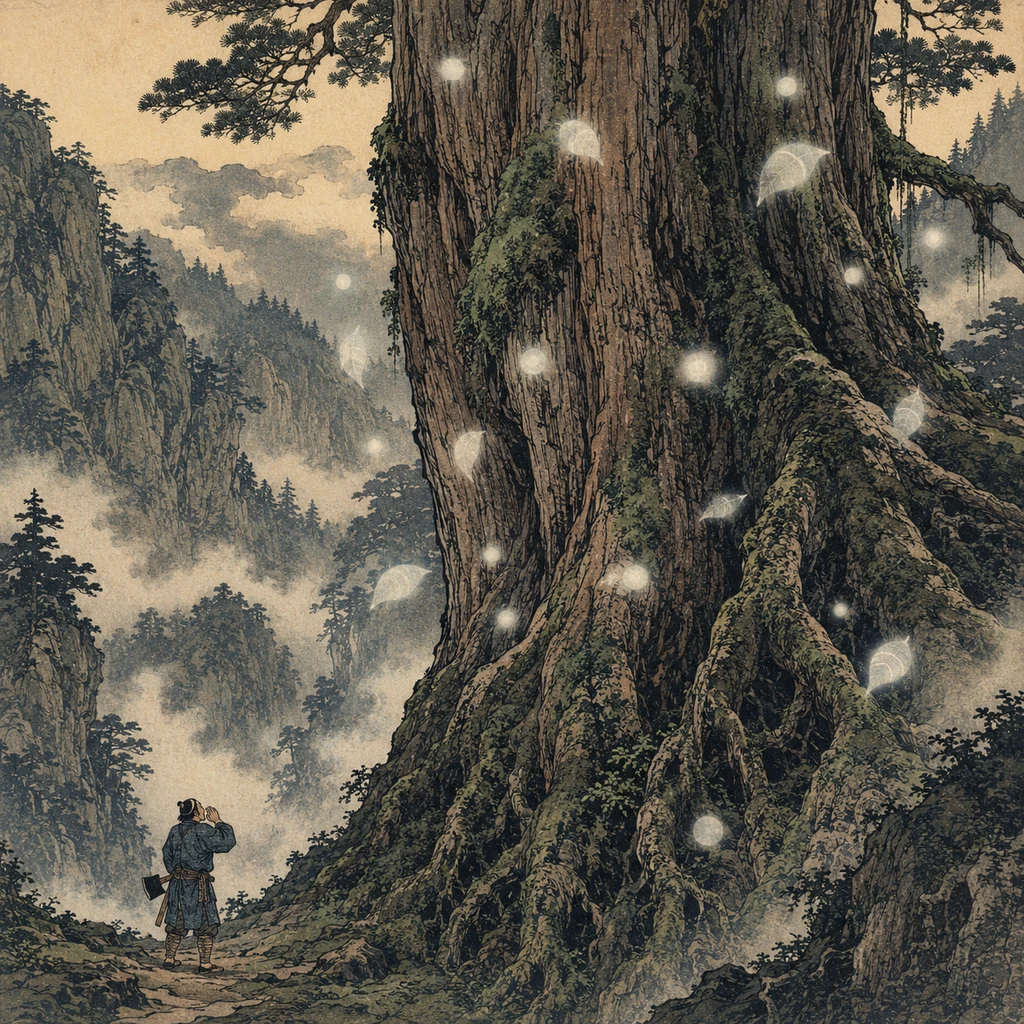
neen-MEN-joo

人面花の異木・人面樹

Natural Phenomena SpiritsUnknown; said in sources to grow in the distant land of Dashi ("Great Food" country) to the southwest

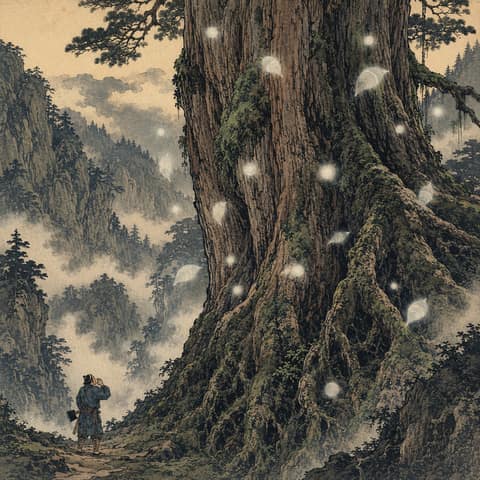
The Human-Faced Tree is a strange tree said to bear blossoms like human heads. It appears in Toriyama Sekien’s Konjaku Hyakki Shūi and in Wakan Sansai Zue, which cites the Chinese Sancai Tuhui. The flowers do not understand speech; when addressed, they only smile. If they keep laughing, the blossoms wither and fall. The creature is known more as a bibliographic, proto-natural-history marvel than as a native Japanese folk belief.

Cat Maiden

Cat Maiden

Uncommon

NEH-koh-moo-SOO-meh

江戸見世物の奇人・猫娘

Half-Human BeingsTokyoTokushima

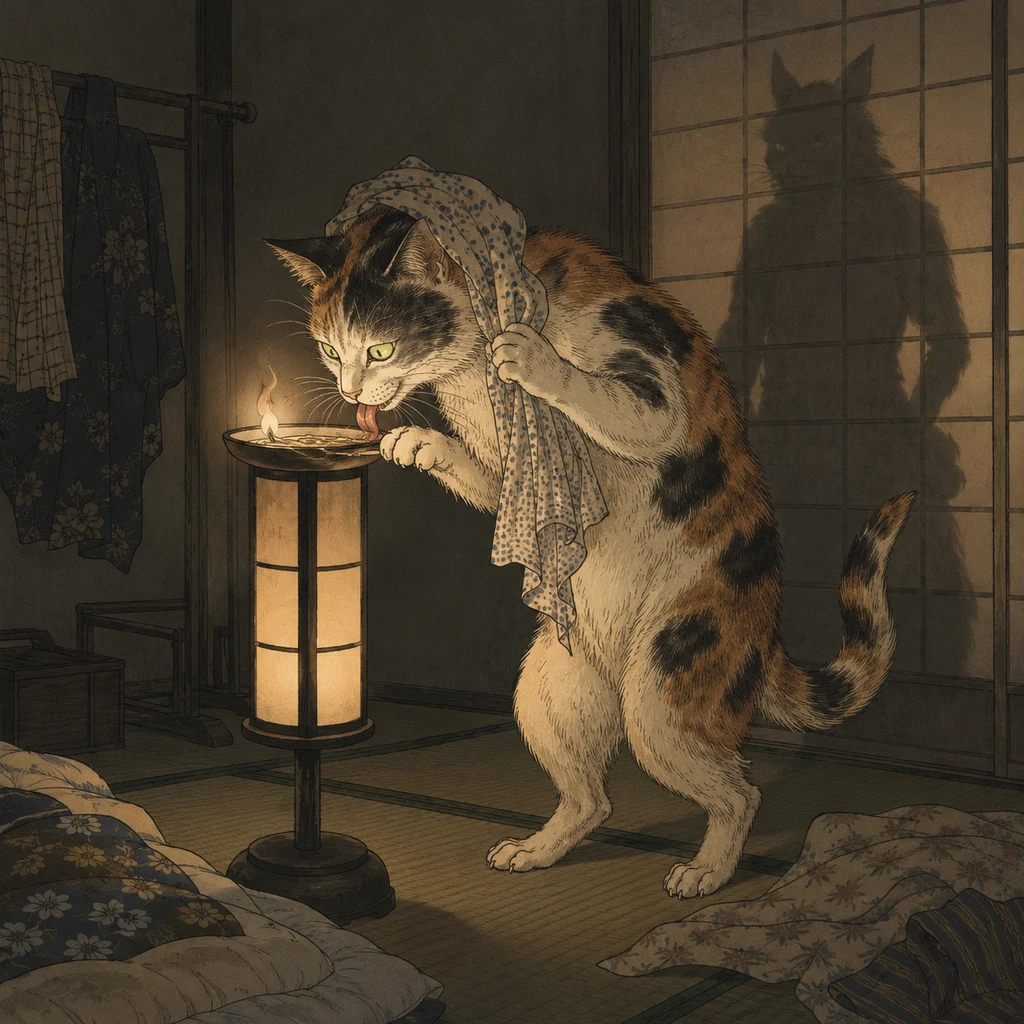
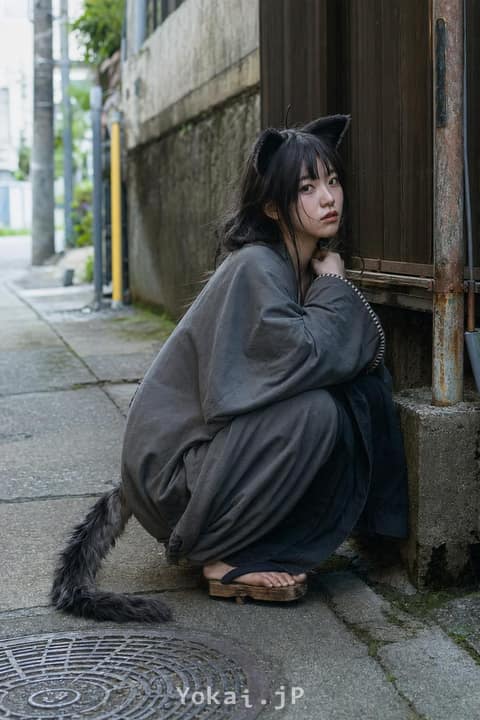
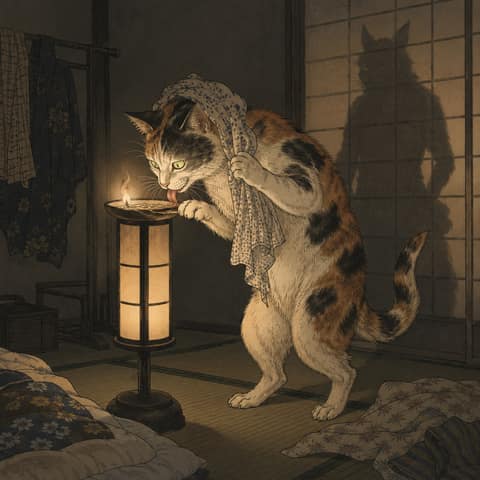
Cat Maiden is a label given to women who display feline habits or tastes, appearing in early modern eyewitness notes, sideshow bills, and yomihon fiction. It lacks a fixed image as a supernatural being; most references use it as a nickname for eccentric people or performers. It turns up in Edo and Kamigata sideshows, in the odd-woman tale of the yomihon Ehon Sayoshigure, and in anecdotal miscellanies. Rather than a shape-shifting monster, it is best understood as a human eccentric compared to a cat.
Momongaa

Momongaa

Rare

moh-mohn-GAH-ah

二階窓辺の脅かし・ももんがあ

General ClassificationsJapanese folklore

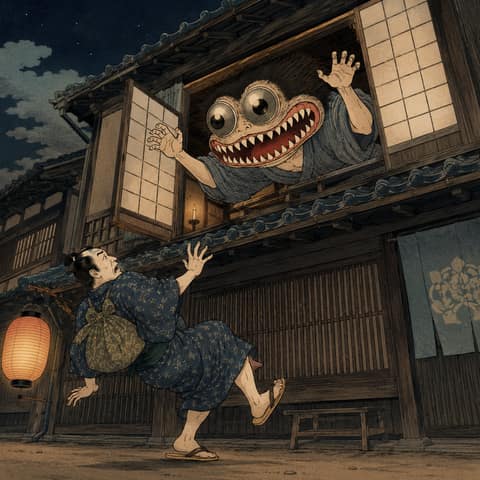
“Momongaa” is a specter name found in Edo-period picture books and printed collections. It is said to appear at night from an upstairs room or by a window to startle people. Illustrations show it with bulging eyes and a split, gaping mouth, or as a white lump of flesh with stubby limbs. No fixed origin or rites are recorded. The name echoes a startling cry, and its forms vary across herbals, essays, and picture scrolls.
Mokugyo Daruma

Mokugyo Daruma

Rare

MOH-koo-gyoh dah-ROO-mah

達磨顔の不眠木魚・木魚達磨

Animated Objects & UndeadJapanese folklore

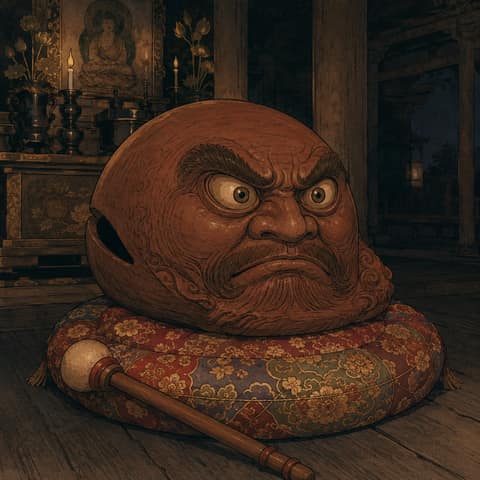
A yokai of Buddhist ritual implements depicted by Toriyama Sekien in Hyakki Tsurezurebukuro. It appears as a wooden fish (mokugyō) bearing a bearded face like Bodhidharma (Daruma), seated on a round cushion with eyes wide open. Sekien hints it is akin to the Buddhist-tool spirit Harisumori. Because fish were believed never to sleep or close their eyes, the mokugyō symbolizes sleepless diligence in monastic practice. Linked with the legend of Bodhidharma’s nine years without sleep, it is read as a visualization of the ideal of wakefulness.

Straw-Raincoat Sandals

Straw-Raincoat Sandals

Rare

MEE-noh WAH-rah-jee

雪の竹林に出る農具・蓑草鞋

Animated Objects & UndeadJapanese folklore

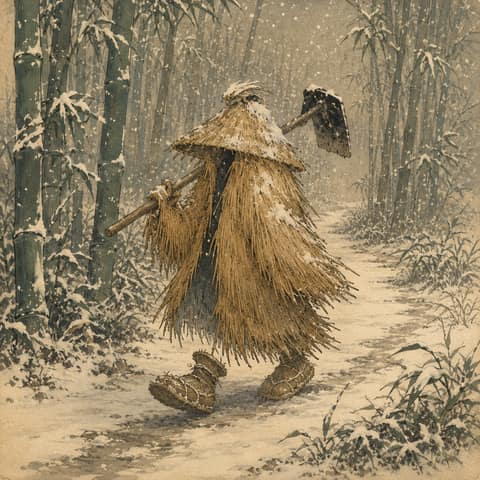
Mino-waraji is a tsukumogami—an animated household object—depicted by the Edo-period artist Toriyama Sekien in Hyakki Tsurezure Bukuro. It appears as a composite creature with a straw raincoat (mino) for a torso and straw sandals (waraji) for legs, shouldering a hoe and emerging in a snow-laden bamboo grove. Rooted in the belief that old tools and rain gear can gain spirits over time, the image blends earlier portrayals of mino and waraji yokai found in Hyakki Yagyō picture scrolls and Tsukumogami emaki. Little is recorded about its behavior; it survives mainly as a symbolic figure.

Rokurokubi

Rokurokubi

Legendary

ROH-koh-ROH-koo-bee

飛頭蛮・抜け首(小泉八雲解釈版)

Human-Yokai / Half-Human Half-YokaiAll over Japan -- A human village apparition without a specific location

The Rokurokubi is one of Japan's most famous representative yokai, characterized by a neck that stretches to abnormal lengths during sleep at night, or a head that detaches completely from the body to fly through the air. While the modern image firmly establishes 'Rokurokubi = neck-stretching yokai', from a folkloric perspective, the 'nukekubi' (detaching head), where the head separates from the body and flies, is considered its true original form. This prototype originated when a foreign monster known as the 'Hitouban' (Flying Head Barbarian), recorded in ancient Chinese strange tales like the 'Soushinki' (In Search of the Supernatural), was introduced to Japan. The greatest point of interest in yokai research is why it changed from 'flying' to 'stretching'. A prevalent theory suggests that when Edo-period picture scrolls depicted a 'thin spiritual thread' connecting the detached head and the body, the masses visually misinterpreted it as the 'elongated neck itself', which served as the decisive catalyst for the birth of the 'neck-stretching Rokurokubi'. In many legends, the Rokurokubi is not born a monster, but is told as a tragic apparition unconsciously caused by human women due to an 'illness of separating souls' or the depth of their karma.

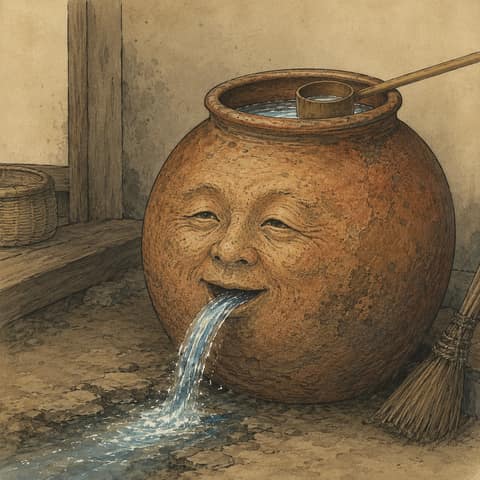
Kameosa

Kameosa

Rare

KAH-meh-OH-sah

尽きぬ水の瑞兆・瓶長

Animated Objects & UndeadEdo period

A utensil yokai depicted by Toriyama Sekien in Hyakki Tsurezure Bukuro. It appears as a water jar given eyes, nose, and mouth, praised as a felicitous vessel that never runs dry. The entry is accompanied by celebratory verse and is often read as a coda to the volume. No local folk tradition is known; it is generally considered Sekien’s creation, later interpreted as a tsukumogami.

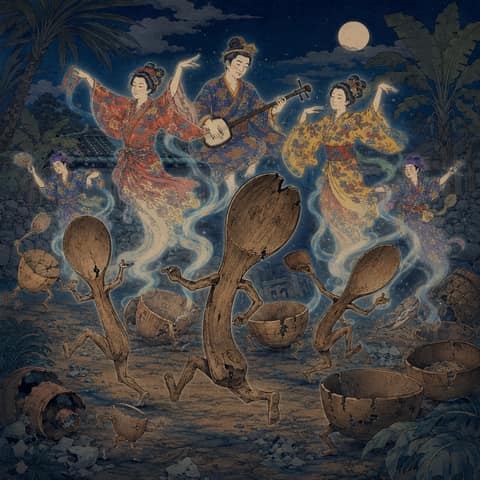
Mishige (Enchanted Rice Paddle)

Mishige (Enchanted Rice Paddle)

Uncommon

MEE-shee-geh

沖縄の杓子付喪・飯笥

Animated Objects & UndeadOkinawa

Mishige is a tsukumogami from Okinawa—an animated rice paddle or ladle (shamoji) that comes to life after being old or discarded. By night it stirs, clatters, and plays tricks, sometimes joining with other utensil spirits like nabige (ladle spirits) to revel together. People tell of eerie sounds—like sanshin and drums—rising from trash heaps, serving as a warning not to mistreat old tools.

Yamawaro (Mountain Child)

Yamawaro (Mountain Child)

Epic

ya-ma-wa-ro

西日本山中の童子・山童

Mountain & Wilderness SpiritsKyushu (yamawaro; mountains of western Japan)

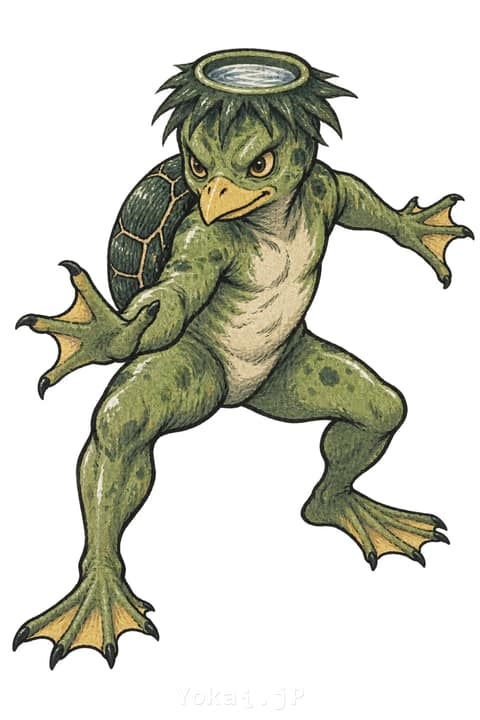
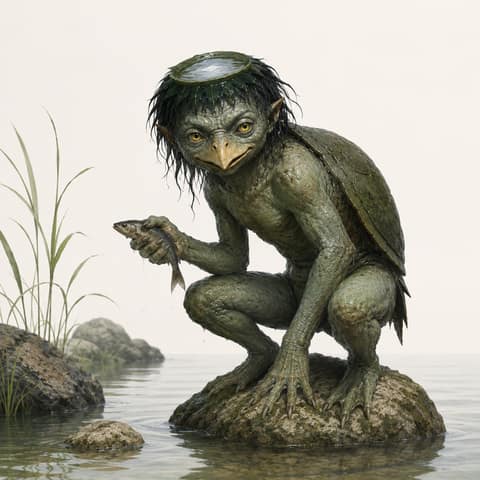
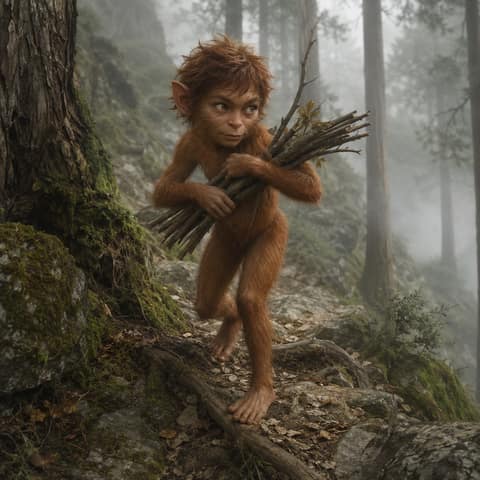
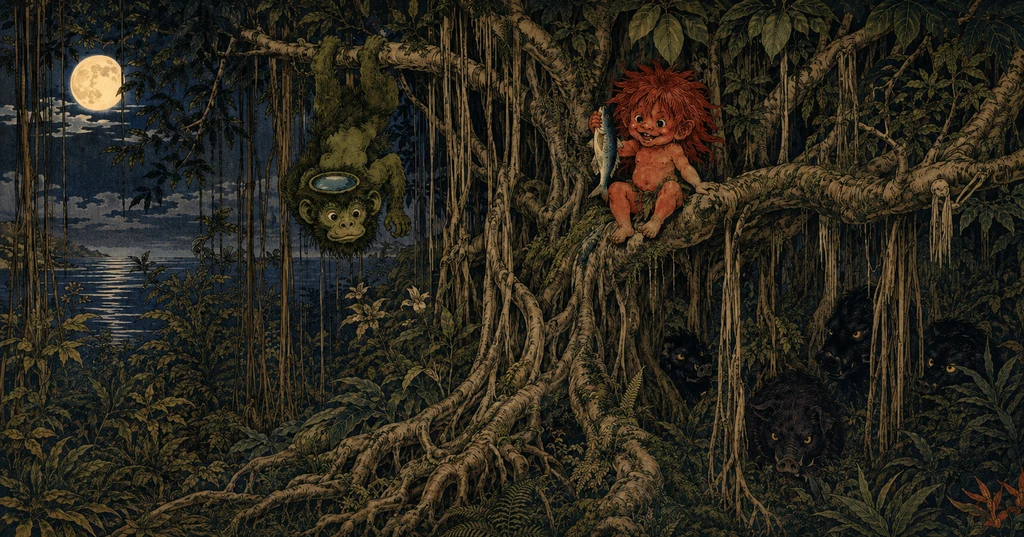
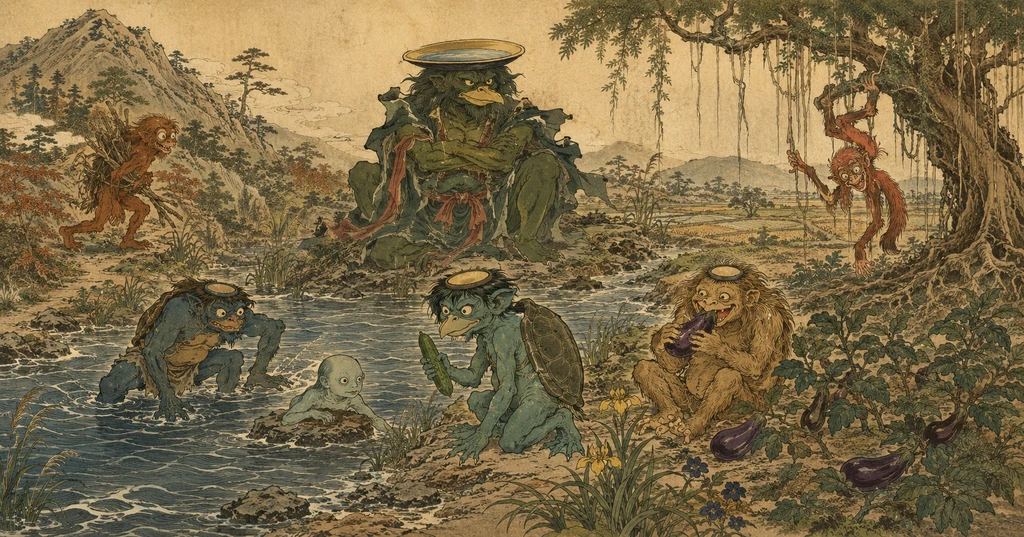
The yamawaro is a yokai of the mountains of western Japan, often said to be the form a kappa takes when it climbs into the hills in autumn. About the height of a child, it has long legs, a body covered in fine hair, and is said to understand human speech. The *Wakan Sansai Zue* records it with long reddish-brown hair, a round face, pointed ears like a dog's, and a single eye above the nose. It is said to lend a ready hand with mountain work, yet it also loves sumo, plays tricks on cattle and horses, and even climbs into people's homes to soak in the bath. In Kumamoto it is told that the creature dislikes the inked line of a carpenter's ink pot, and that drawing such a line keeps it away.

Metsuhō Shell (Metsuhō-gai)

Metsuhō Shell (Metsuhō-gai)

Uncommon

MEH-tsu-hoh-gai

目尾ある跳ねる貝・滅法貝

Aquatic SpiritsJapanese folklore

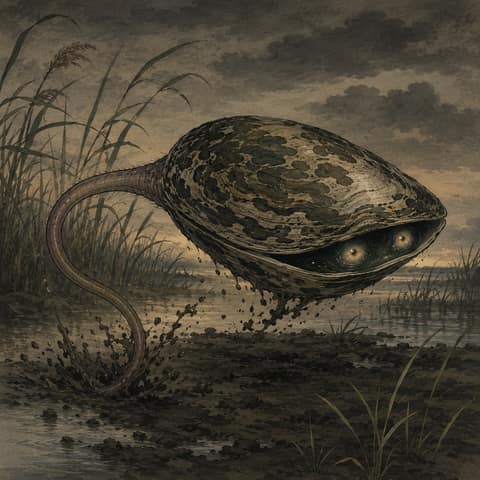
A water-dwelling yokai depicted in the late Edo-period picture scroll “Bakemono-zukushi Emaki.” It appears as a seashell with an eye and a tail-like protrusion, shown leaping about. No caption accompanies the image and the artist is unknown. Counted among eleven creatures unique to this scroll, it bears a written reading of its name, implying it was not widely known. No specific harm or blessing is recorded; it is portrayed simply as an uncanny presence near waterways.