YOKAI.JP

Kameosa(KAH-meh-OH-sah)

Basic Description

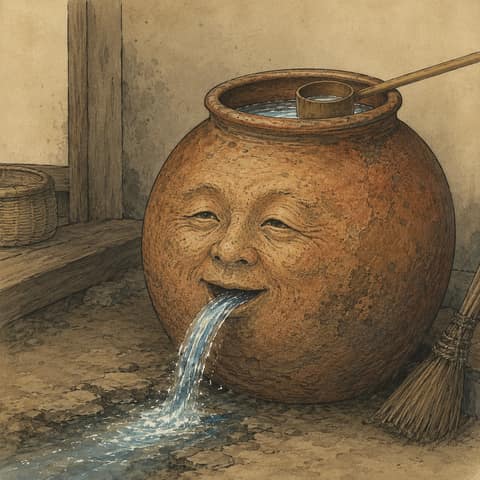
A utensil yokai depicted by Toriyama Sekien in Hyakki Tsurezure Bukuro. It appears as a water jar given eyes, nose, and mouth, praised as a felicitous vessel that never runs dry. The entry is accompanied by celebratory verse and is often read as a coda to the volume. No local folk tradition is known; it is generally considered Sekien’s creation, later interpreted as a tsukumogami.

Folklore & Legends

No region-specific folktales are recorded. The source is Sekien’s illustration and caption, which implies auspicious, inexhaustible water—“however much is ladled, it is not exhausted; however much is drunk, it does not change.” Modern explanations sometimes frame it as an aged water jar turned tsukumogami with the power to control water, but such abilities lack support from traditional local lore.

Yokai Cards1

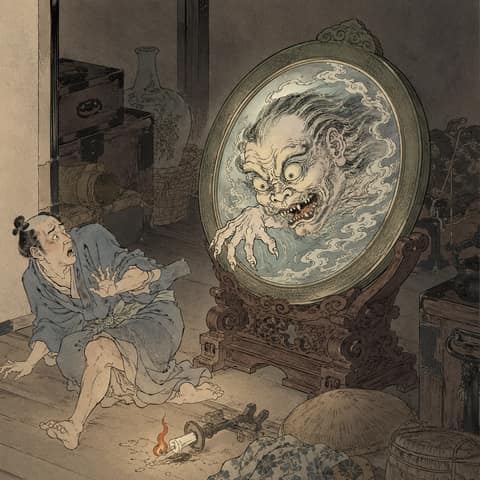
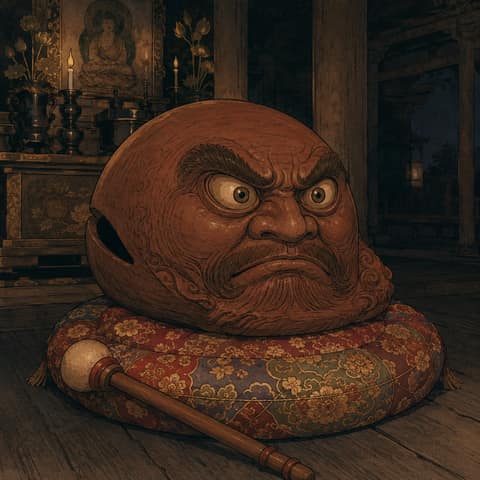
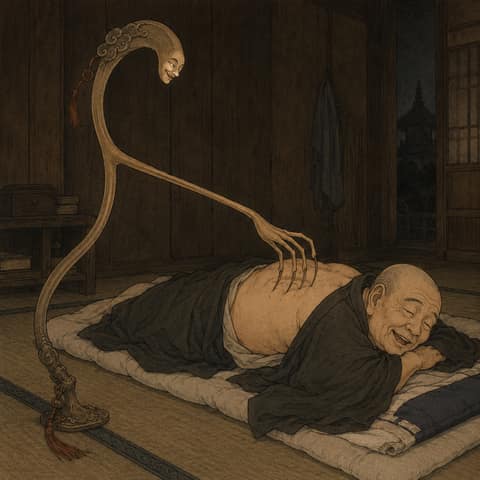
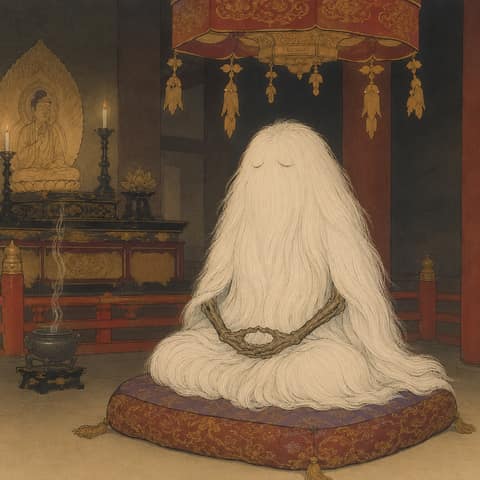
Kameosa across multiple art-style decks

Card gallery
Tsukumogami
Centennial tools possessed by spirits ── the artifact yokai depicted in Sekien's Hyakki Tsurezure Bukuro

Tsukumogami

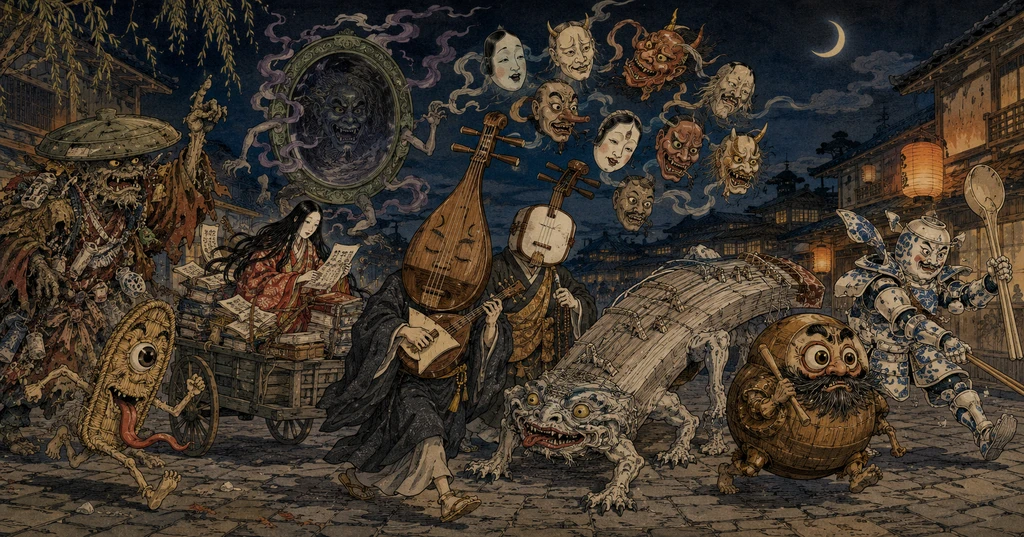
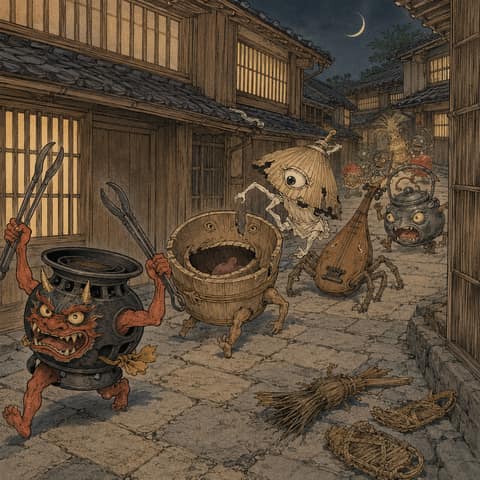
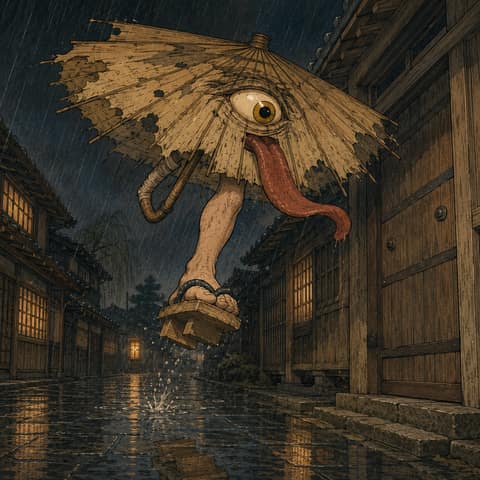
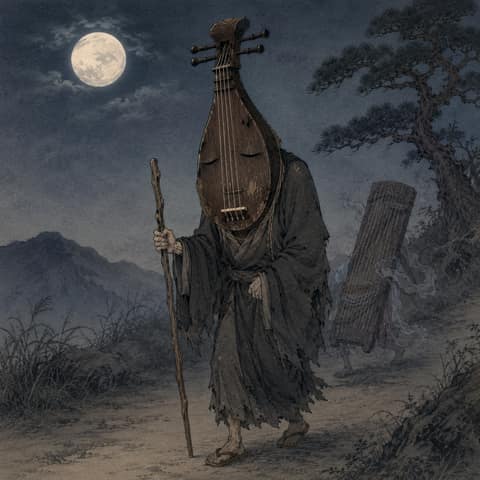
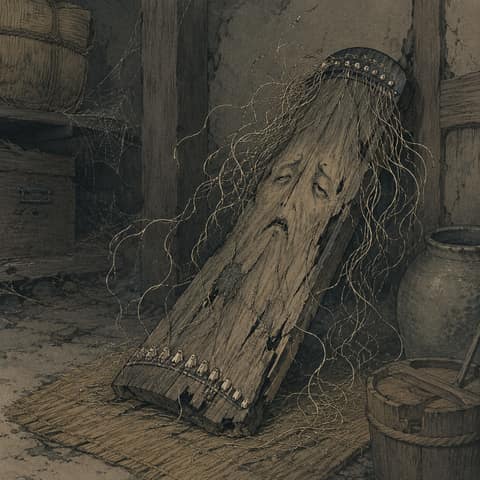
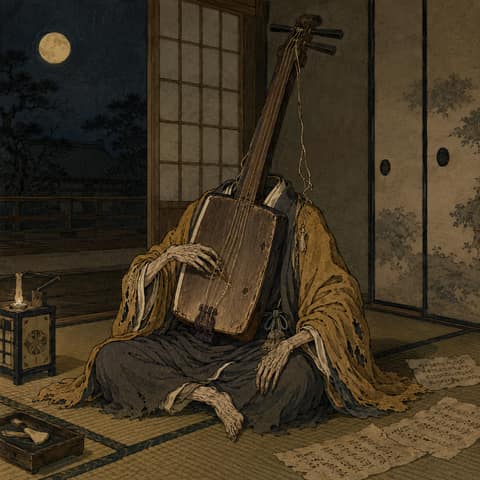
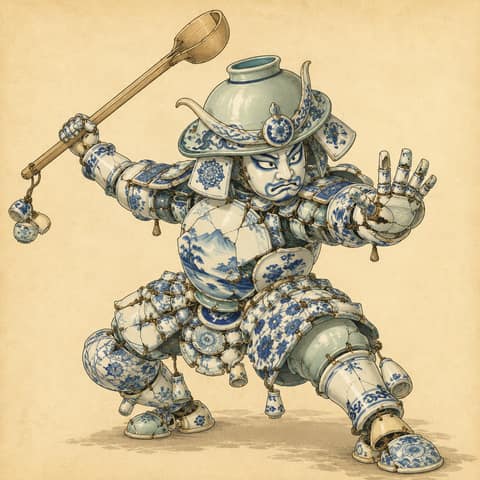
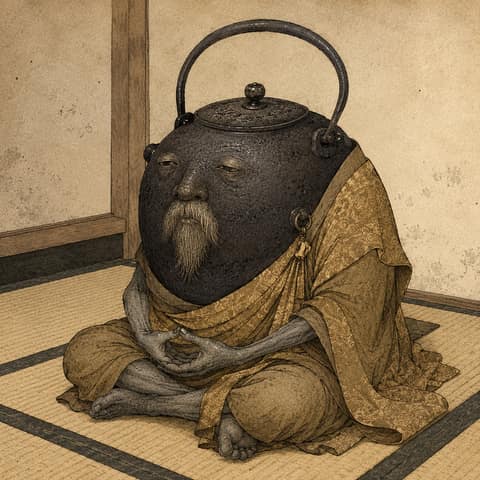
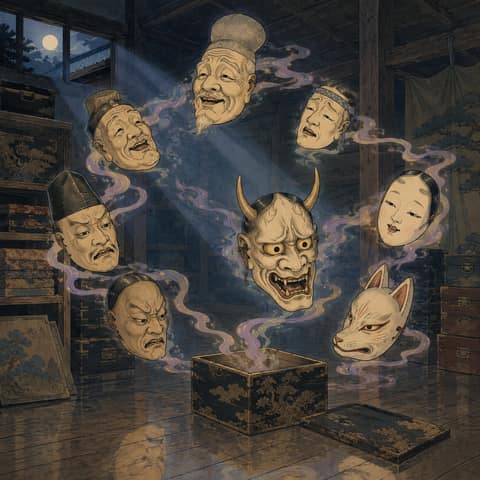
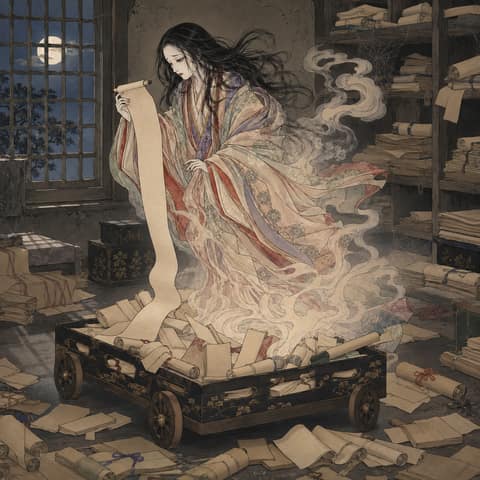
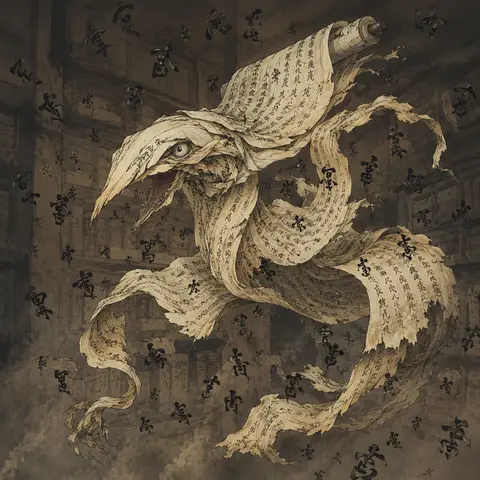
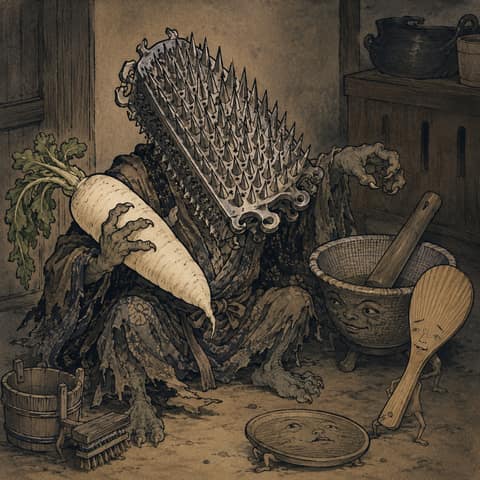
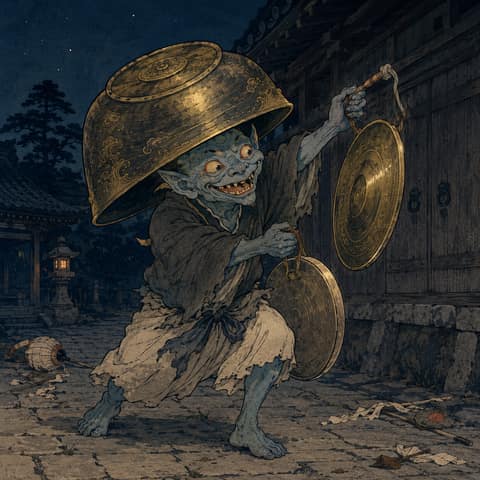
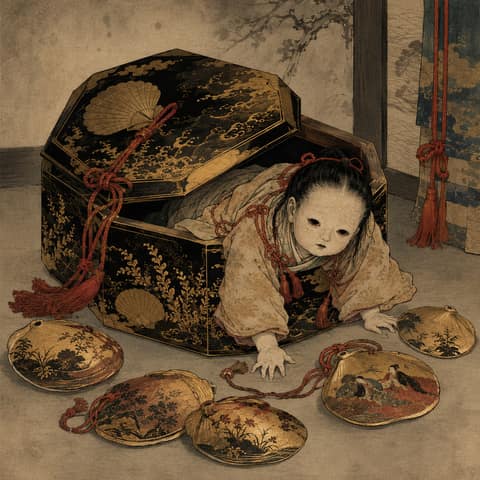
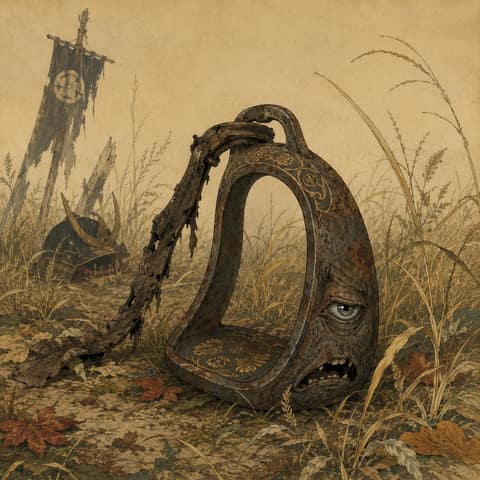
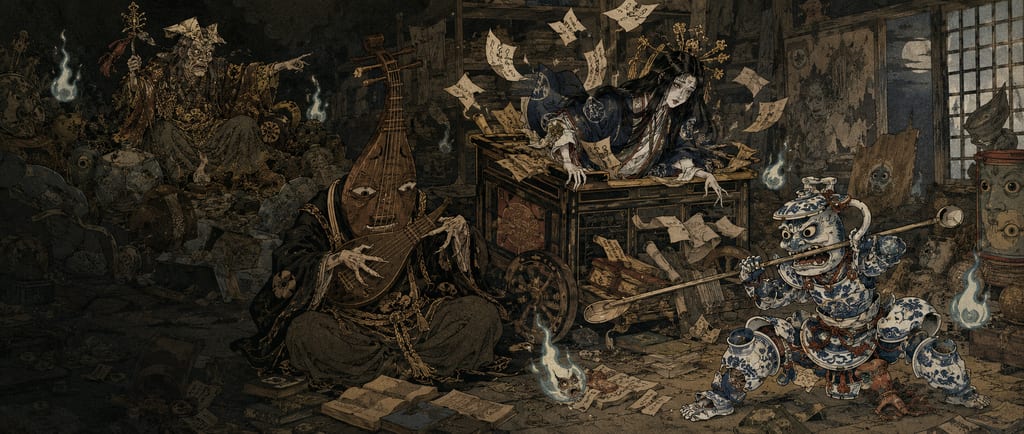
Tools and vessels used over long years are said to acquire spiritual life and transform when discarded and neglected, becoming beings known as tsukumogami. In the Muromachi-period "Tsukumogami Emaki", it was preached that tools transformed after a hundred years; the scroll depicted old implements, thrown away during house-cleaning, marching in a procession on the night of Setsubun holding grudges against humans. In the Edo period, Toriyama Sekien synthesized this worldview in his "Hyakki Tsurezure Bukuro" (The Illustrated Bag of One Hundred Random Demons), bestowing charming yokai forms upon individual objects such as biwa lutes, shamisen, koto, tea kettles, sutra scrolls, masks, and book carts, woven together with wordplay and historical anecdotes. Gathered here are the souls inhabiting tools, reflecting human sentiments—used, forgotten, yet impossible to fully discard.

Detailed Analysis

An interpretation based on Toriyama Sekien’s Hyakki Tsurezurebukuro image and inscription. The water jar faces forward, its rim becomes the mouth, and patterns on the body are read as eyes and nose. The inscription pivots on the phrase “calamity turns to good fortune,” entrusting the vessel with the idea that blessings fill after adversity. Placed at the end of the volume to serve a congratulatory cadence, its nature is read as leaning more toward good than ill. Though grouped with tsukumogami familiar to early modern life, independent oral lore or怪談 are scarce. Later retellings expand the “inexhaustible when drawn” motif into control over water’s increase, decrease, and measured pouring, but the original is a symbolic painting with verse, and narrative deeds are limited.

Character Profile

This section is our own creative profile for storytelling. It is not historical fact or scholarship.

Rarity
Rare
Personality
gentle, auspicious
Compatibility
prefers purity, favors frugality
Abilities
symbolizes water that never runs dryis understood to keep water pureis regarded as a lucky charm that invites fortune
Weaknesses
said to be vulnerable to chips and cracks though details are unclear, said to dislike impurity though sources are uncertain
Habitat
tatami rooms, earthen-floored kitchens, by the well
Interested in this type of yokai?

Discover the yokai most similar to your personality with our yokai diagnosis

Start Yokai Diagnosis

Yokai Compatibility Test

The diagram below is a diagnostic evaluation chart for Iseya Toriyama Plate Edition. The higher the value of each item, the stronger that characteristic is expressed.

Meet your guardian yokai at the shrine

Draw an omikuji fortune and discover the yokai watching over you today.