YOKAI.JP

Hossumori, the Fly-Whisk Guardian(HOSS-soo-MOH-ree)

Basic Description

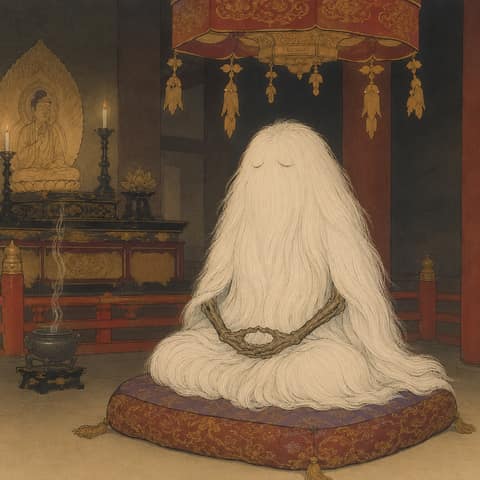
Hossumori is a tsukumogami—an artifact spirit—said to arise from a monk’s fly-whisk (hossu) used in Zen practice. In Toriyama Sekien’s Hyakki Tsurezure Bukuro, it is shown seated in full lotus beneath a canopy, absorbed in zazen. Sekien alludes to the Zen kōan of “a dog’s Buddha-nature,” suggesting that even a humble ritual tool can manifest Buddhahood. It embodies the idea of a long-used sacred implement gaining numinous presence and sitting in stillness to pursue enlightenment.

Folklore & Legends

Appearing in Edo-period art, Hossumori follows the Muromachi-era Hyakki Yagyō scroll tradition of animated household objects. Sekien invokes the legend of Daruma’s nine years of meditation to imply that a well-worn fly-whisk acquires a resident spirit. Later notes sometimes say an old hossu may dance at night, but there is no fixed local oral tradition; the figure is chiefly known through paintings and their captions.

Tsukumogami
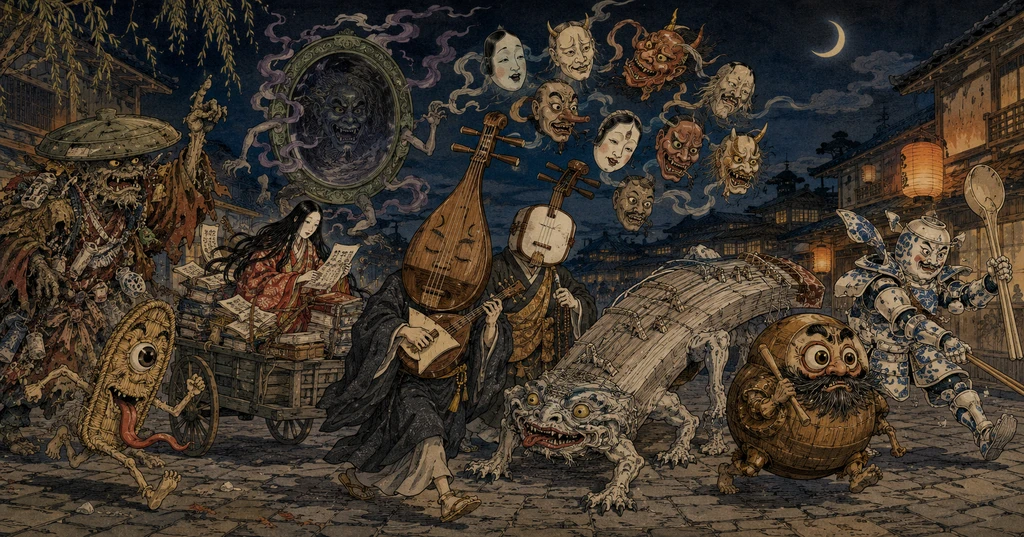
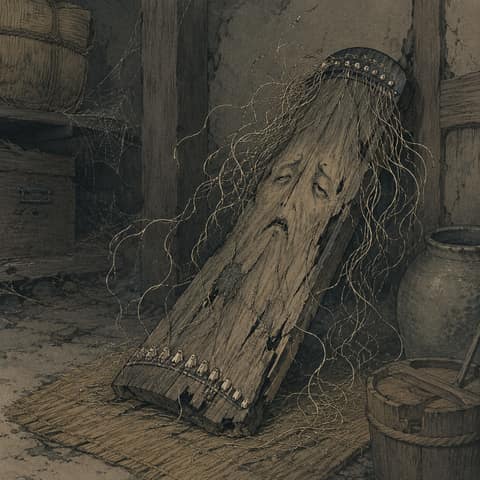
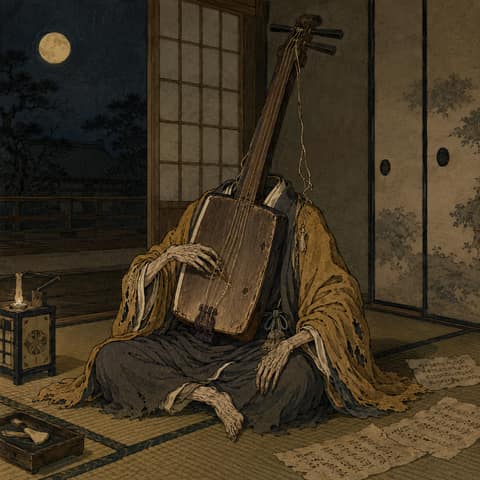
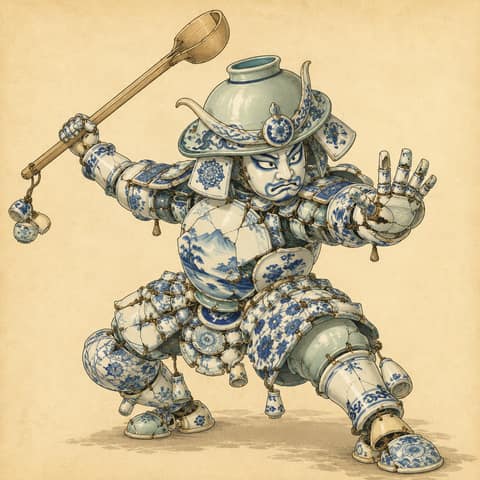
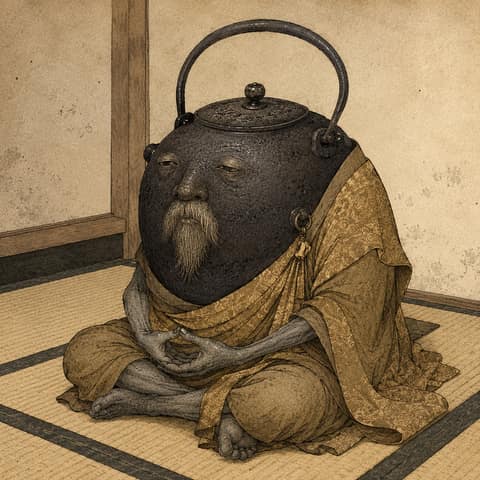
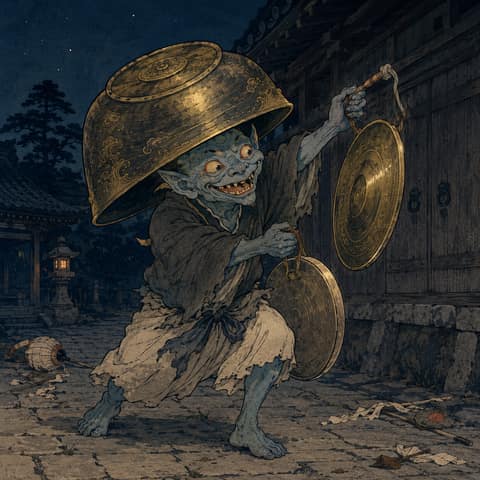
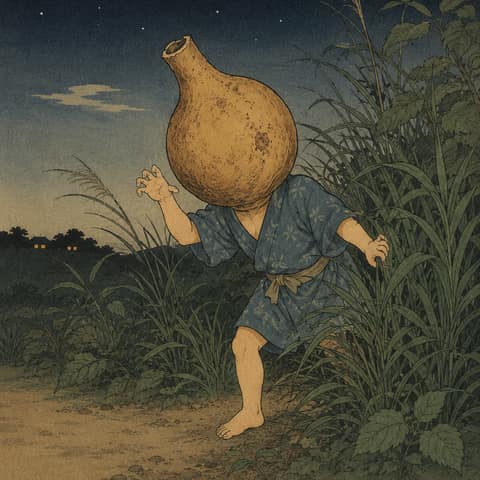
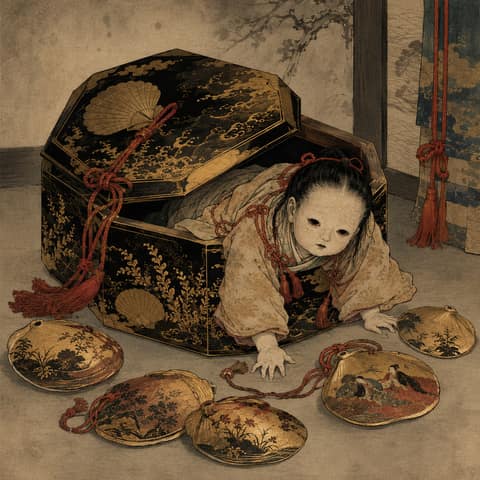
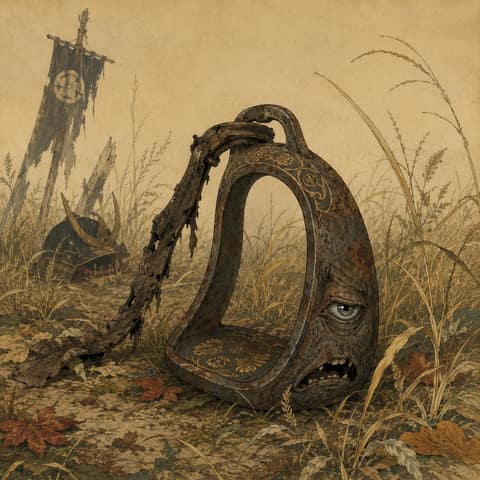
Centennial tools possessed by spirits ── the artifact yokai depicted in Sekien's Hyakki Tsurezure Bukuro

Tsukumogami

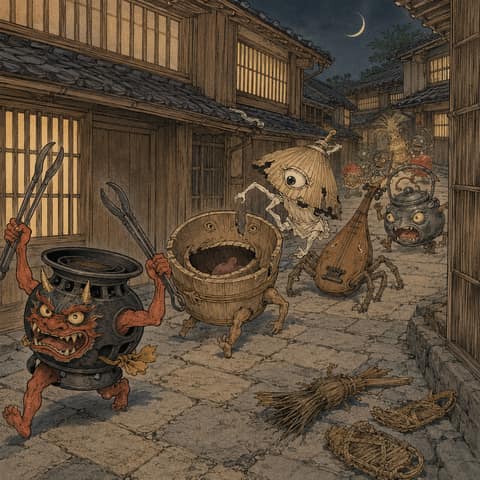
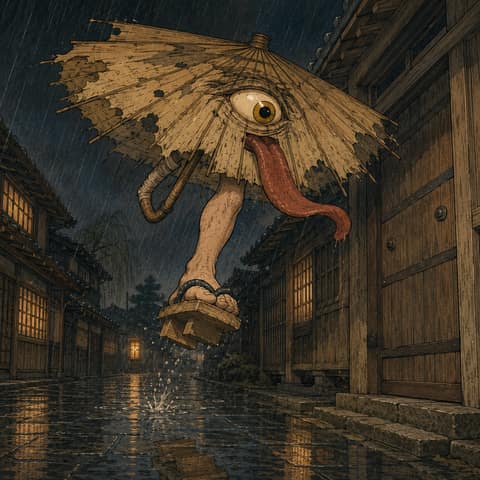
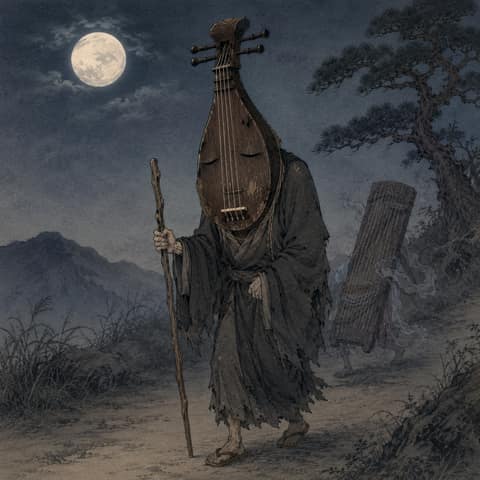
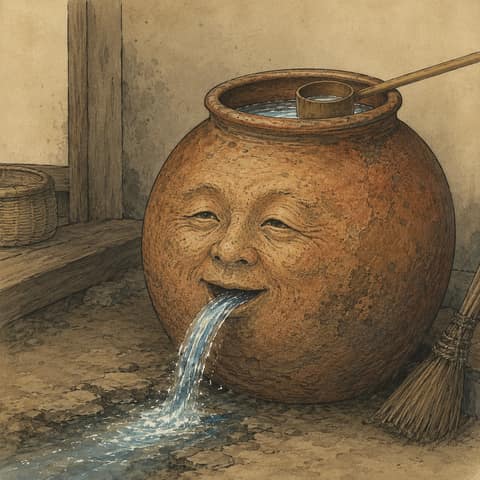
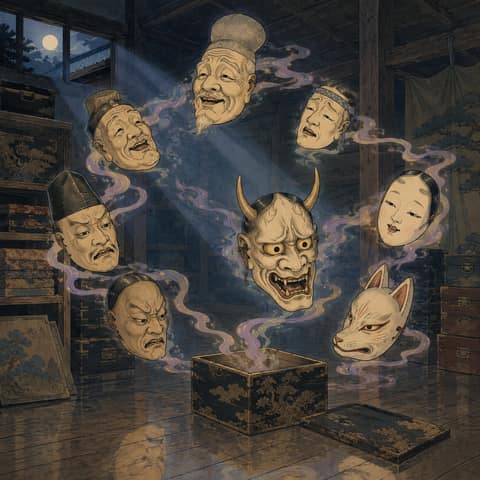
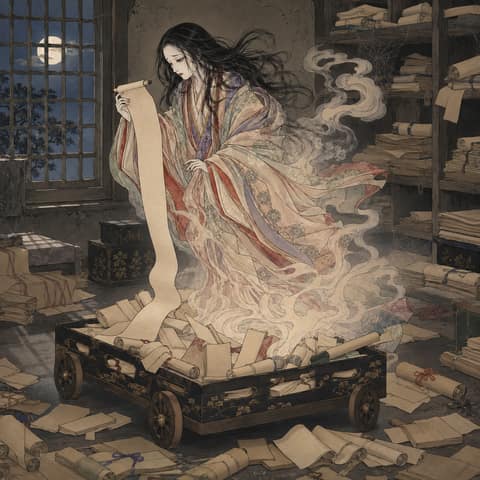
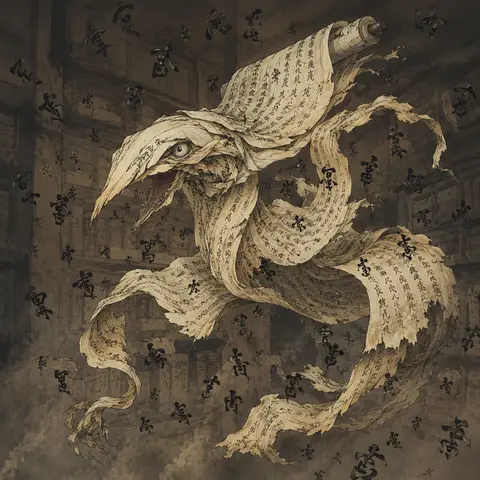
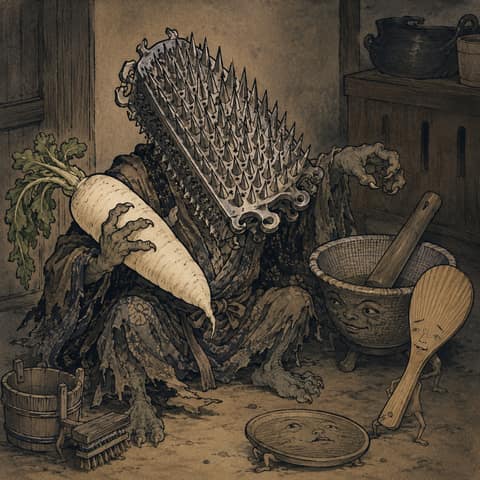
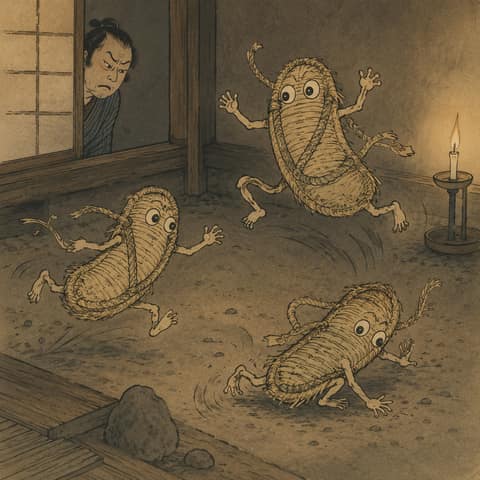
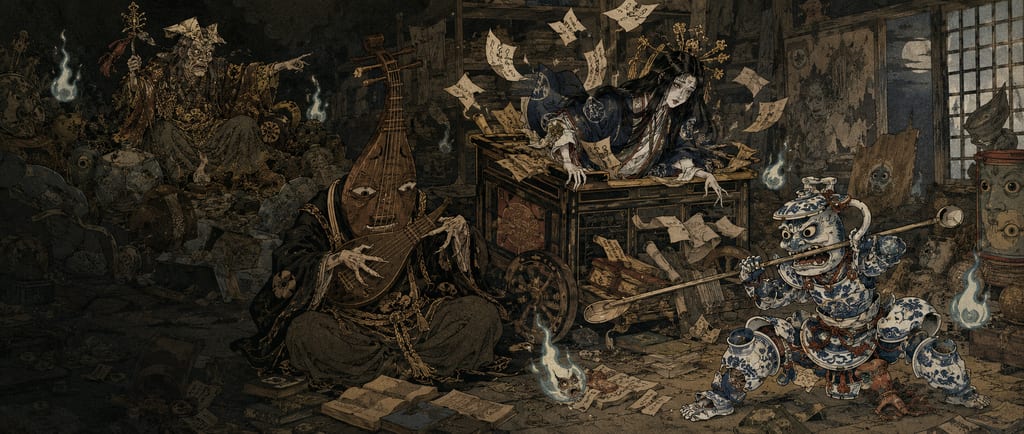
Tools and vessels used over long years are said to acquire spiritual life and transform when discarded and neglected, becoming beings known as tsukumogami. In the Muromachi-period "Tsukumogami Emaki", it was preached that tools transformed after a hundred years; the scroll depicted old implements, thrown away during house-cleaning, marching in a procession on the night of Setsubun holding grudges against humans. In the Edo period, Toriyama Sekien synthesized this worldview in his "Hyakki Tsurezure Bukuro" (The Illustrated Bag of One Hundred Random Demons), bestowing charming yokai forms upon individual objects such as biwa lutes, shamisen, koto, tea kettles, sutra scrolls, masks, and book carts, woven together with wordplay and historical anecdotes. Gathered here are the souls inhabiting tools, reflecting human sentiments—used, forgotten, yet impossible to fully discard.

Maya Calendar Guardian KINs

Displaying the Maya calendar KINs that Hossumori, the Fly-Whisk Guardian protects.

Detailed Analysis

Based on the tsukumogami of the fly-whisk as depicted in Toriyama Sekien’s Hyakki Tsurezure Bukuro. Seated cross-legged beneath a canopy, it embodies the purity of a ritual implement and the quietude of a spirit matured through long use. Strong Zen symbolism underlies it, with an allusion to “the Buddha-nature of the dog,” implying that Buddha-nature manifests beyond sentient and insentient distinctions. In China the fly-whisk was said to dispel demonic hindrances, leading to the idea of a tool-spirit that allows nothing to obstruct enlightenment. Though a tool-yokai, it is not told to cause disturbances like other Hyakki creatures; instead it sits in composure, contemplating its own nature. Its image is chiefly tied to places where ritual implements gather within temples—main halls, monks’ quarters, and storerooms—rather than to specific local legends.

Character Profile

This section is our own creative profile for storytelling. It is not historical fact or scholarship.

Rarity
Rare
Personality
serene, solemn
Compatibility
harmonious with monastic implements and Buddhist halls
Abilities
symbolically banishes dust and defilementaccrues spirituality through long usecalms presences through seated stillness
Weaknesses
its spirituality grows dull when treated roughly, vulnerable to damp and mold which mar its form
Habitat
inner sanctums of temples, monks’ quarters, temple implement storerooms
Interested in this type of yokai?

Discover the yokai most similar to your personality with our yokai diagnosis

Start Yokai Diagnosis

Yokai Compatibility Test

The diagram below is a diagnostic evaluation chart for Sekien Iconography Standard. The higher the value of each item, the stronger that characteristic is expressed.

Meet your guardian yokai at the shrine

Draw an omikuji fortune and discover the yokai watching over you today.