









YOKAI.JP

Bakezōri (Haunted Straw Sandal Tsukumogami)(bah-keh-ZOH-ree)

Basic Description

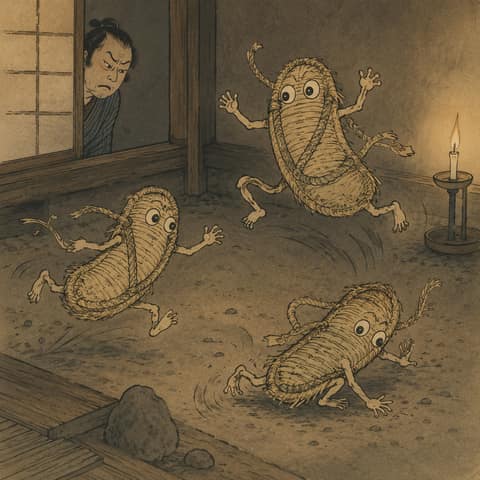
A tsukumogami said to arise when an old straw sandal gains a spirit. In folk belief it serves as a warning not to mistreat footwear. Early-modern images show sandals with arms and legs; in oral lore it is often confused with geta clogs. Yokai handbooks describe it making noises at night or singing, but regional encounter tales are scarce, and the stories tend to be didactic.

Folklore & Legends

A straw-sandal tsukumogami appears in Muromachi-period Hyakki Yagyō picture scrolls, and footwear monsters show up in Edo-period toy prints and sugoroku. Modern summaries portray it as a clamorous night-haunter, yet collections such as an Iwate “footwear monster” likely stem from geta, not specifically straw sandals. Overall it is told within the moral frame of “don’t waste or neglect things,” with few concrete locales or individualized hauntings.

Yokai Cards2

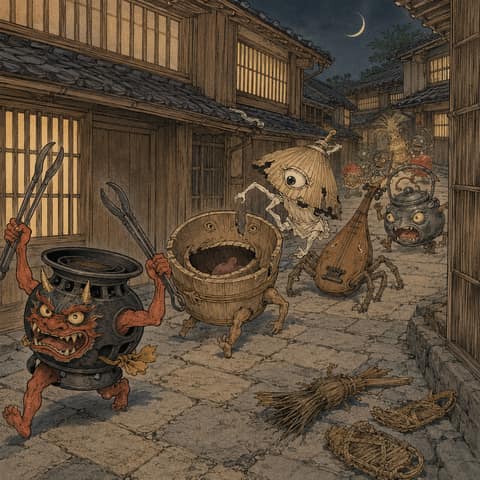
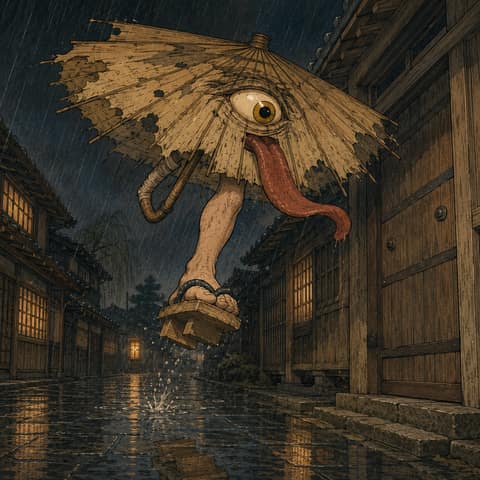
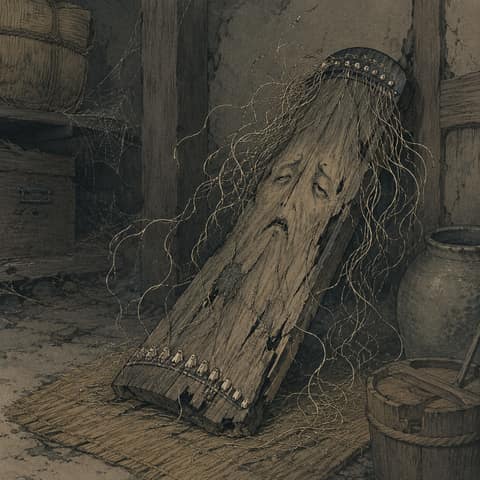
Bakezōri (Haunted Straw Sandal Tsukumogami) across multiple art-style decks

Card gallery
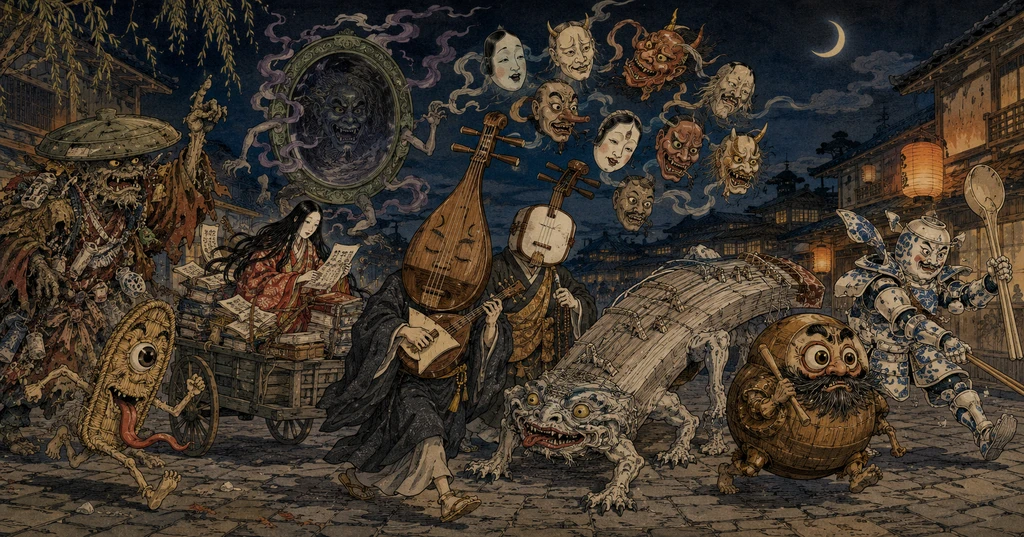
Tsukumogami
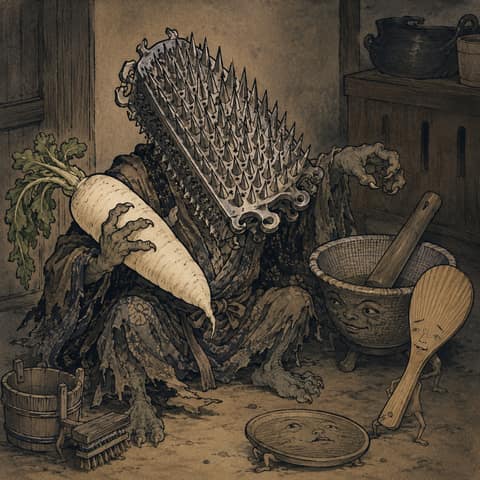
Centennial tools possessed by spirits ── the artifact yokai depicted in Sekien's Hyakki Tsurezure Bukuro

Tsukumogami

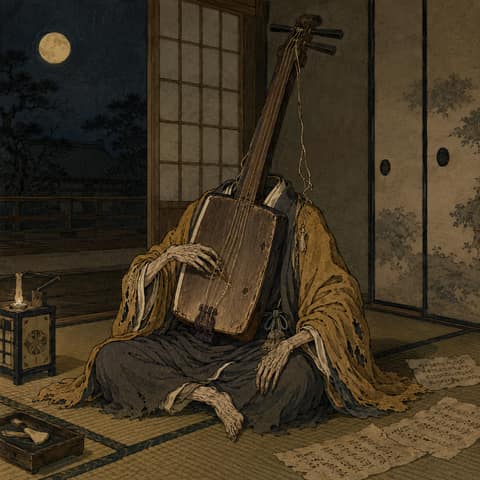
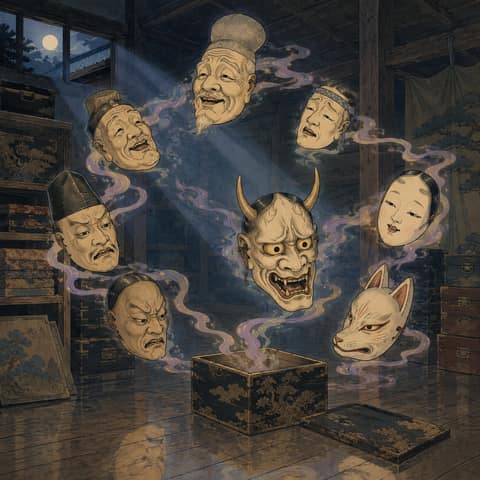
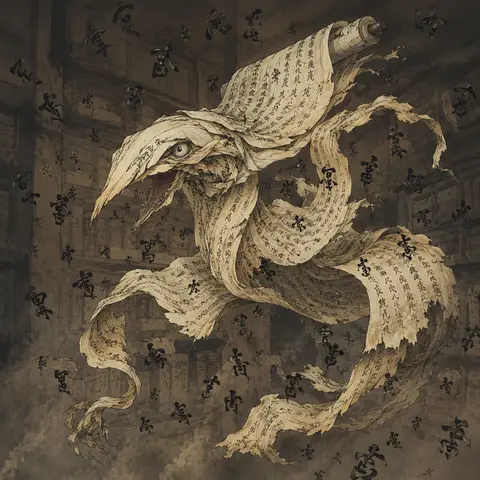
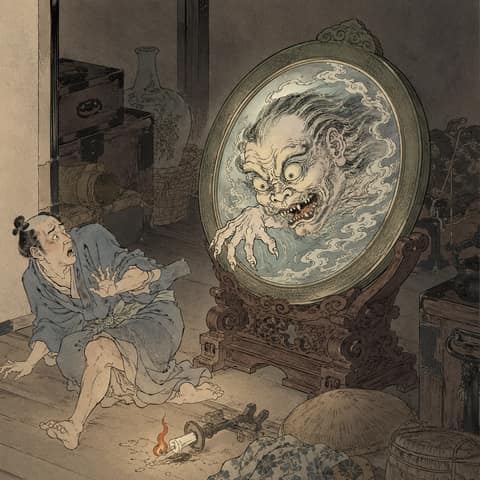
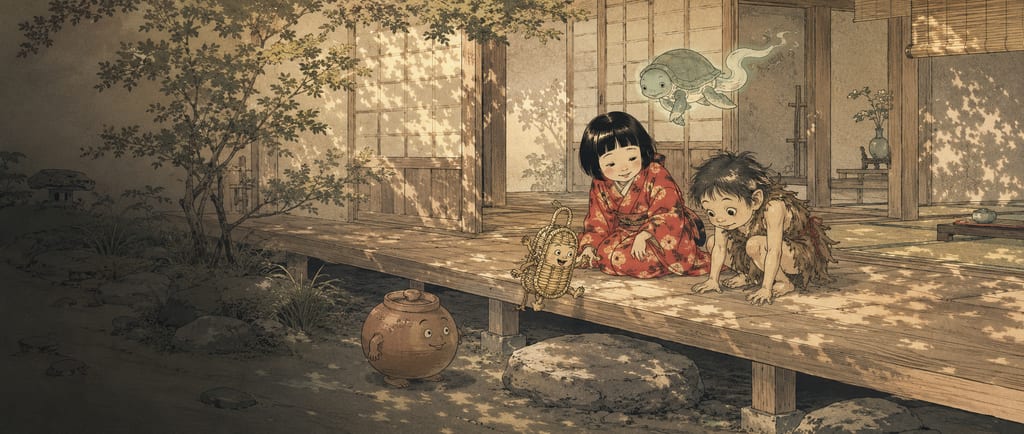
Tools and vessels used over long years are said to acquire spiritual life and transform when discarded and neglected, becoming beings known as tsukumogami. In the Muromachi-period "Tsukumogami Emaki", it was preached that tools transformed after a hundred years; the scroll depicted old implements, thrown away during house-cleaning, marching in a procession on the night of Setsubun holding grudges against humans. In the Edo period, Toriyama Sekien synthesized this worldview in his "Hyakki Tsurezure Bukuro" (The Illustrated Bag of One Hundred Random Demons), bestowing charming yokai forms upon individual objects such as biwa lutes, shamisen, koto, tea kettles, sutra scrolls, masks, and book carts, woven together with wordplay and historical anecdotes. Gathered here are the souls inhabiting tools, reflecting human sentiments—used, forgotten, yet impossible to fully discard.

Detailed Analysis

A reconstructed image based on medieval to early modern depictions of sandal tsukumogami. Straw sandals were everyday items that wore out quickly and were often discarded, so after a certain number of years they were thought to gain a resident spirit. It reveals itself with noisy nighttime footsteps and aimless hopping, yet causes little harm. The “singing footwear” anecdote found in modern yokai encyclopedias likely conflates a geta folktale and lacks firm evidence as a distinct tradition of the straw-sandal specter. In folklore studies it is understood as a visual emblem of the norm “do not treat tools carelessly,” and is classed as one type within the broader category of tsukumogami.

Character Profile

This section is our own creative profile for storytelling. It is not historical fact or scholarship.

Rarity
Uncommon
Personality
clingy yet mild in its fixations, causes minor household commotion
Compatibility
harmless to those who treat old tools and furnishings with care
Abilities
making noises at night that disturb the householdhopping and moving when unobservedtaking shape as a sign of the numen dwelling in old objects
Weaknesses
quieted by cleaning or memorial rites, its spiritual presence fades with careful, respectful handling
Habitat
earthen-floored entryways, storage rooms, storehouses

Interested in this type of yokai?

Discover the yokai most similar to your personality with our yokai diagnosis

Start Yokai Diagnosis

Yokai Compatibility Test

The diagram below is a diagnostic evaluation chart for Tsukumogami Sandal Spirit. The higher the value of each item, the stronger that characteristic is expressed.

Meet your guardian yokai at the shrine

Draw an omikuji fortune and discover the yokai watching over you today.