YOKAI.JP

鬼、河童、天狗、雪女――時代を越えて名を残す日本の異形

有名な妖怪
日本を代表する妖怪・鬼・怪異

54 yokai

In brief

日本で有名な妖怪には、鬼、河童、天狗、九尾の狐、雪女、座敷童子、ろくろ首、ぬらりひょんなどがいます。本特集では人気順位ではなく、古典、地域伝承、妖怪画、近現代文化を通じて広く知られるようになった代表的な妖怪を紹介します。

日本で有名な妖怪とは

日本で有名な妖怪として、まず名前が挙がるのは鬼、河童、天狗、九尾の狐、雪女、座敷童子などです。ただし、これらを同じ時代、同じ土地に生まれた一つの種族と考えることはできません。鬼は宗教や説話、年中行事に姿を変えながら現れ、河童と天狗には各地で異なる呼び名と性格があり、雪女は雪国の自然と暮らしの中で語られてきました。『日本妖怪大事典』のような総合事典を開いても、それぞれの妖怪は異なる原典、土地、時代を背負っています。

本特集は知名度を数値で競わせるランキングではありません。長い年月にわたって語り継がれたこと、複数の地域に異伝があること、絵巻や妖怪画によって忘れがたい姿を得たこと、漫画、アニメ、映画、学校の怪談、インターネットを通じて新たな世代にも共有されたこと。そうした「名が広がる道筋」を手がかりに、日本を代表する妖怪と怪異を選びました。同じ名前でも土地によって姿や行いが変わる例は多く、国際日本文化研究センター「怪異・妖怪伝承データベース」で確かめられる地域差も、この国の妖怪文化を豊かにする大切な一部です。

鬼、河童、天狗――誰もが名を知る定番

鬼、河童、天狗は、特定の一冊や一地方だけに収まらない広がりをもっています。鬼は地獄の獄卒、山の異人、退治される怪物、節分で追われる災厄など、場面ごとに役割を変えます。河童は川や淵の危険を人の姿へ映し、天狗は山の霊威、仏道への慢心、空を飛ぶ異能を重ねてきました。いずれも一つの決まった設定ではなく、各地の語りが積み重なって「誰もが知る姿」になった妖怪です。

雪女と座敷童子も、自然と家という身近な場所から全国へ名を広げました。柳田國男の『遠野物語』には河童や座敷童子を含む遠野の怪異が記され、土地に根ざした語りが書物を通して多くの読者へ渡った過程をうかがえます。ろくろ首は伸びる首という一目で伝わる異形をもち、ぬらりひょんは絵画、図鑑、後世の物語を重ねる中で印象を変えてきました。

一目で分かる姿――妖怪画が残した顔

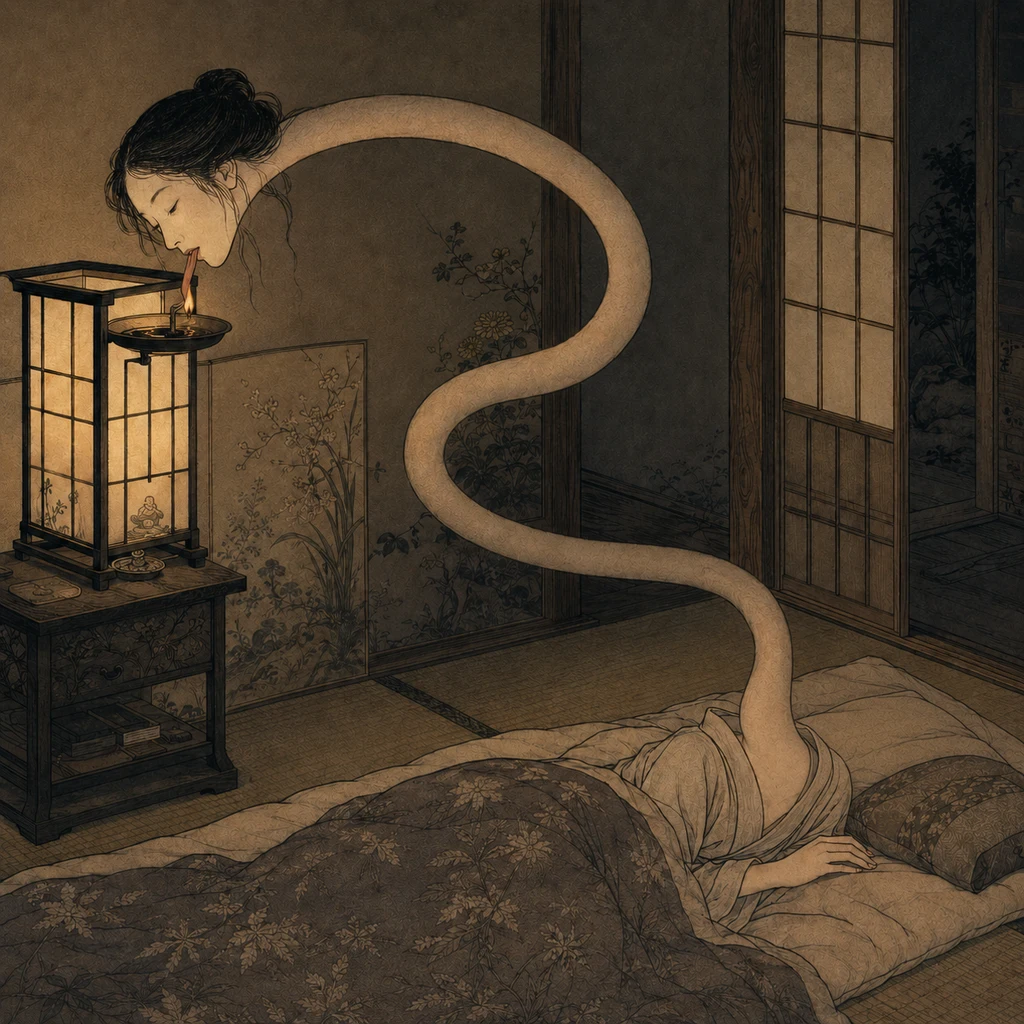
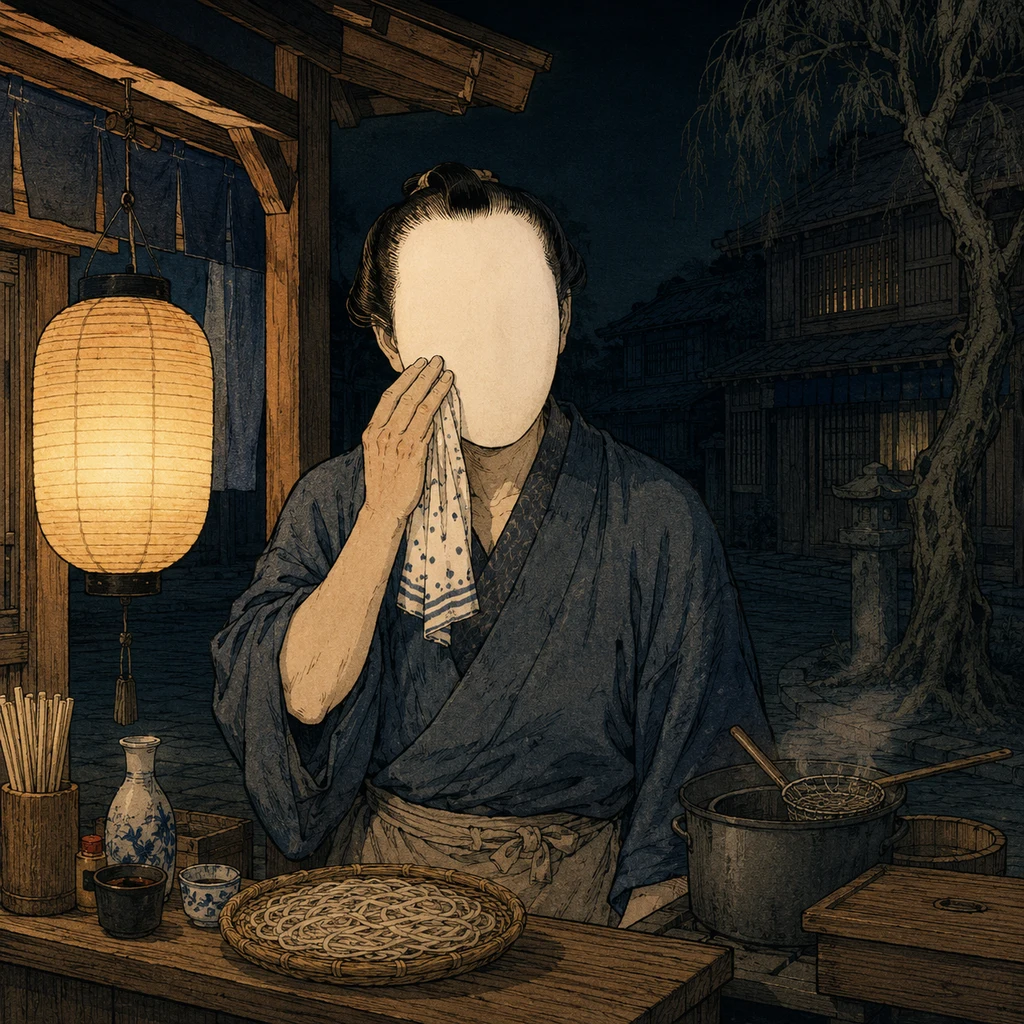
名前だけで姿を思い浮かべられることは、妖怪が広く知られる大きな力です。一本足の傘に目と舌がつくからかさ小僧、顔の造作だけが消えたのっぺらぼう、老いた猫が異能を得る猫又、燃える車輪に顔が浮かぶ輪入道。説明が短くても輪郭が立ち上がる妖怪は、絵本、玩具、舞台、映像へ姿を移しやすく、世代を越えて記憶されてきました。

江戸期には、鳥山石燕の『画図百鬼夜行』をはじめとする画集が、さまざまな怪異を名と図像で見比べる楽しみを広げました。先行する絵巻、地域の口承、絵師の見立てが重なり、目目連や垢嘗のような日常の隙間に潜むものまで、妖怪は「見て覚える」存在になります。付喪神は単一の妖怪名ではなく、古い器物が霊性を帯びるという大きな考え方であり、からかさ小僧のような器物妖怪を理解する入口でもあります。

酒呑童子、玉藻前、大嶽丸――物語を背負う大妖怪

酒呑童子、玉藻前、大嶽丸、鵺、土蜘蛛は、姿の奇抜さだけでなく、武将、陰陽師、宮廷、山岳信仰、退治譚と結びついた長い物語によって名を残しました。酒呑童子をめぐる『大江山絵詞』では、山中に構えた鬼の館と源頼光一行の計略が大きな物語として描かれます。玉藻前は宮廷の美女と九尾の狐を結び、鵺は正体の見えない声と複数の獣を合わせた姿によって、人の理解を越える恐怖を表しました。

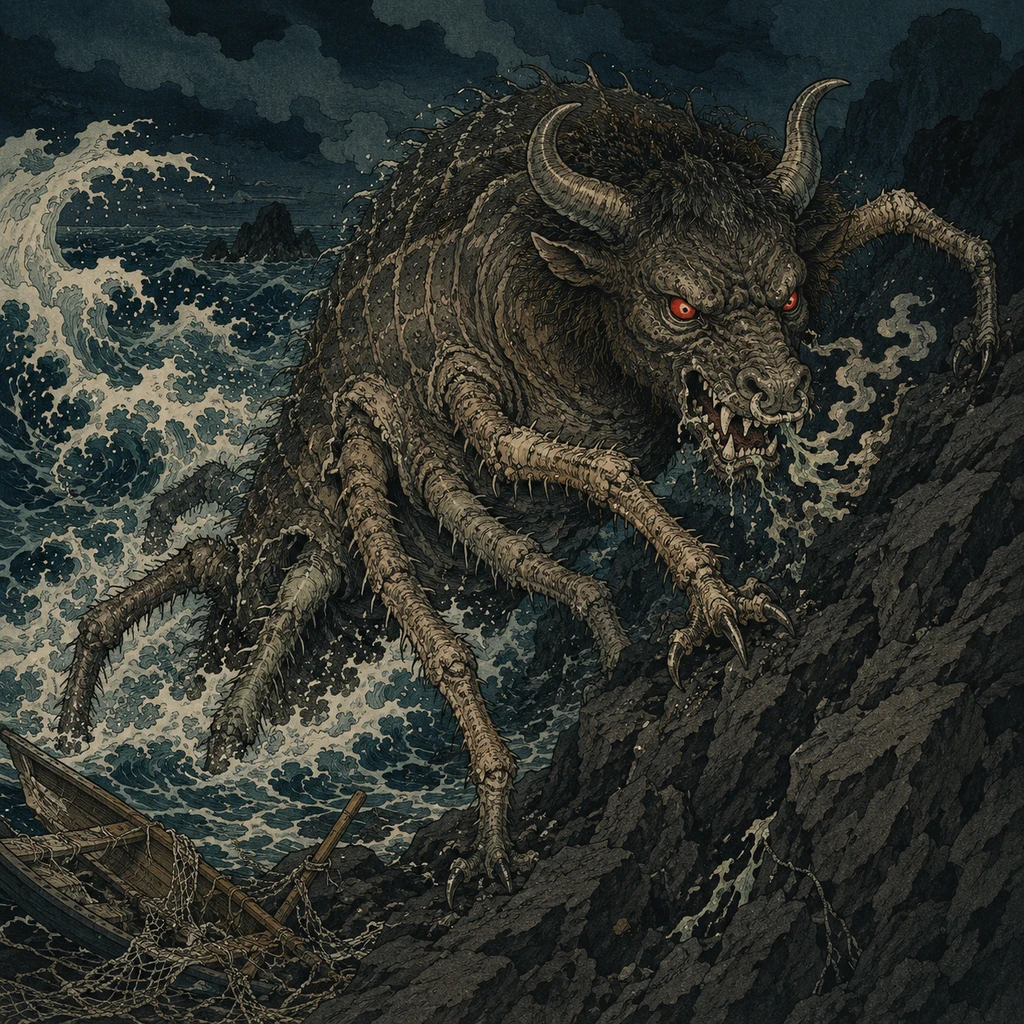
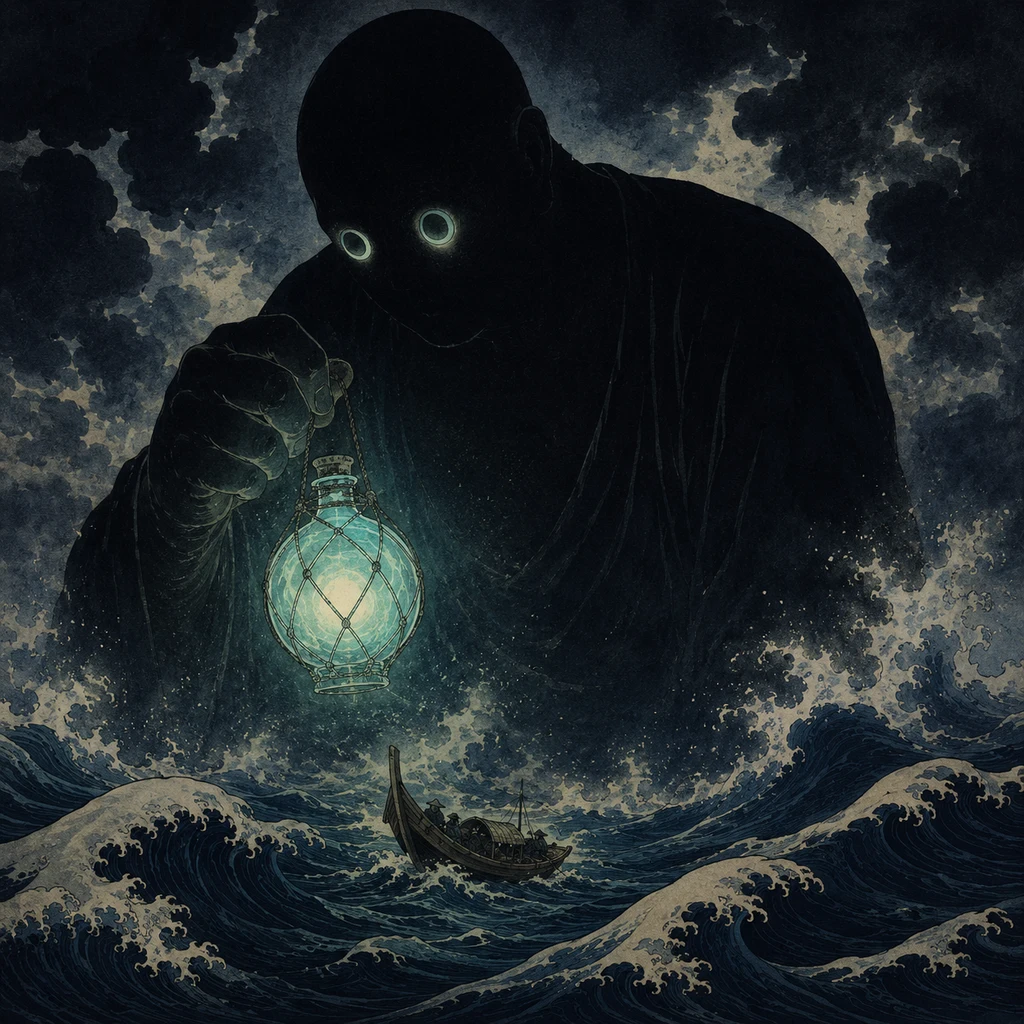
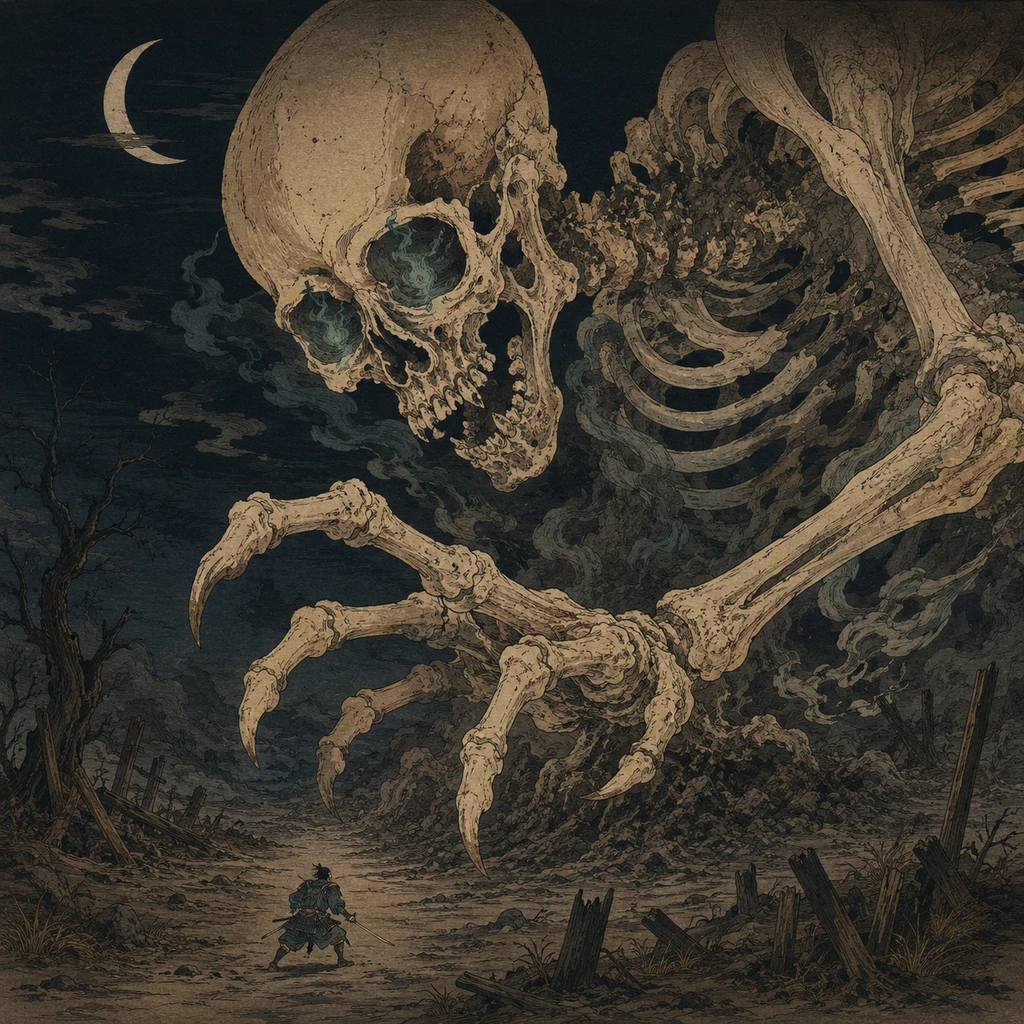
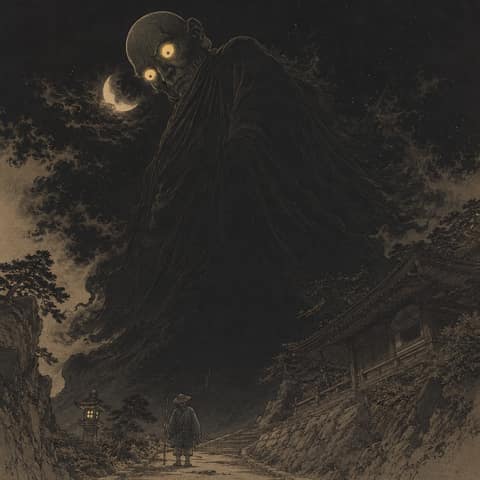
牛鬼と海坊主は、海辺や淵、夜の海という人の力が及ばない場所に巨大な身体を与えます。一方、がしゃどくろは古代から同じ名で伝わった妖怪ではなく、巨大骸骨という現在の像が昭和中期の怪奇メディアで形づくられ、歌川国芳の骸骨図と後に結びついた存在です。「少年少女雑誌の怪奇記事とネタ元」がたどる成立史は、有名な妖怪にも古い伝承と近現代の創作が混在していることを教えてくれます。

山、家、水辺――土地に根を張る妖怪

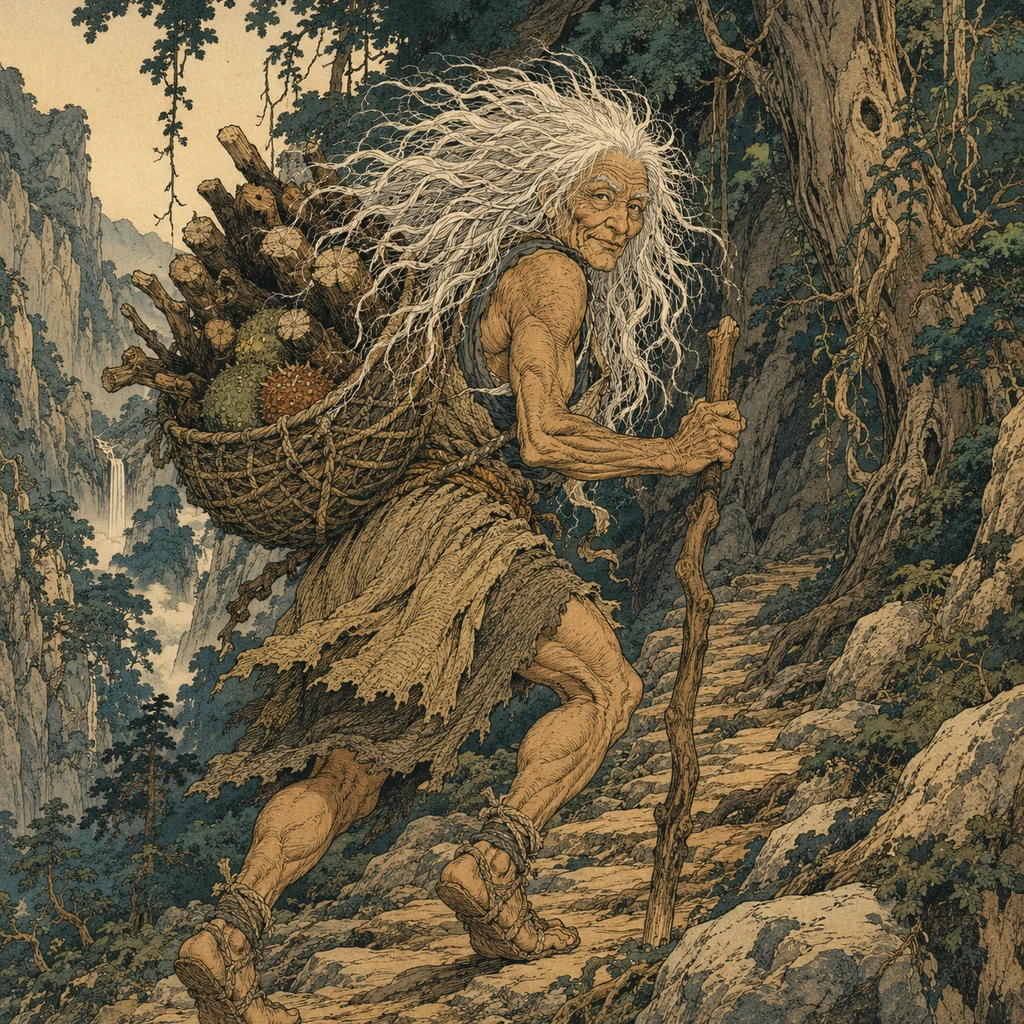
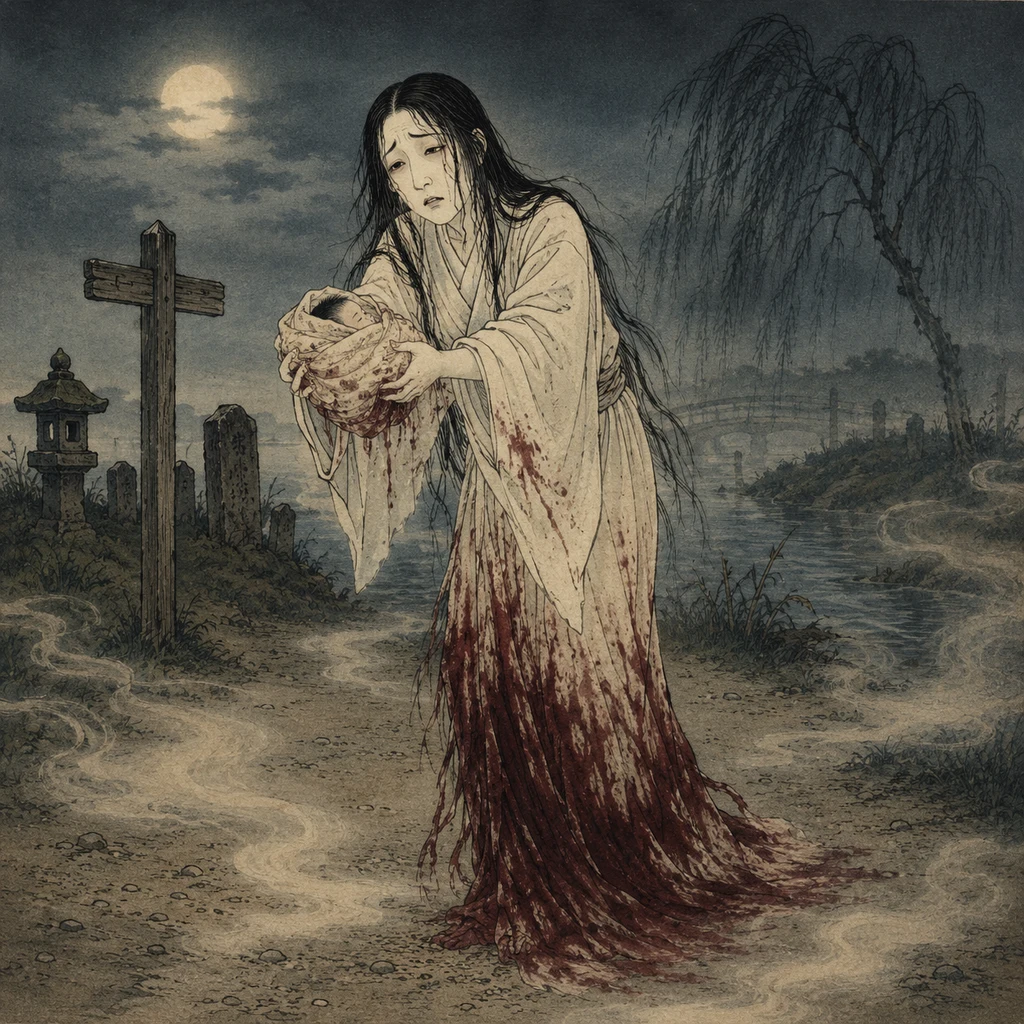
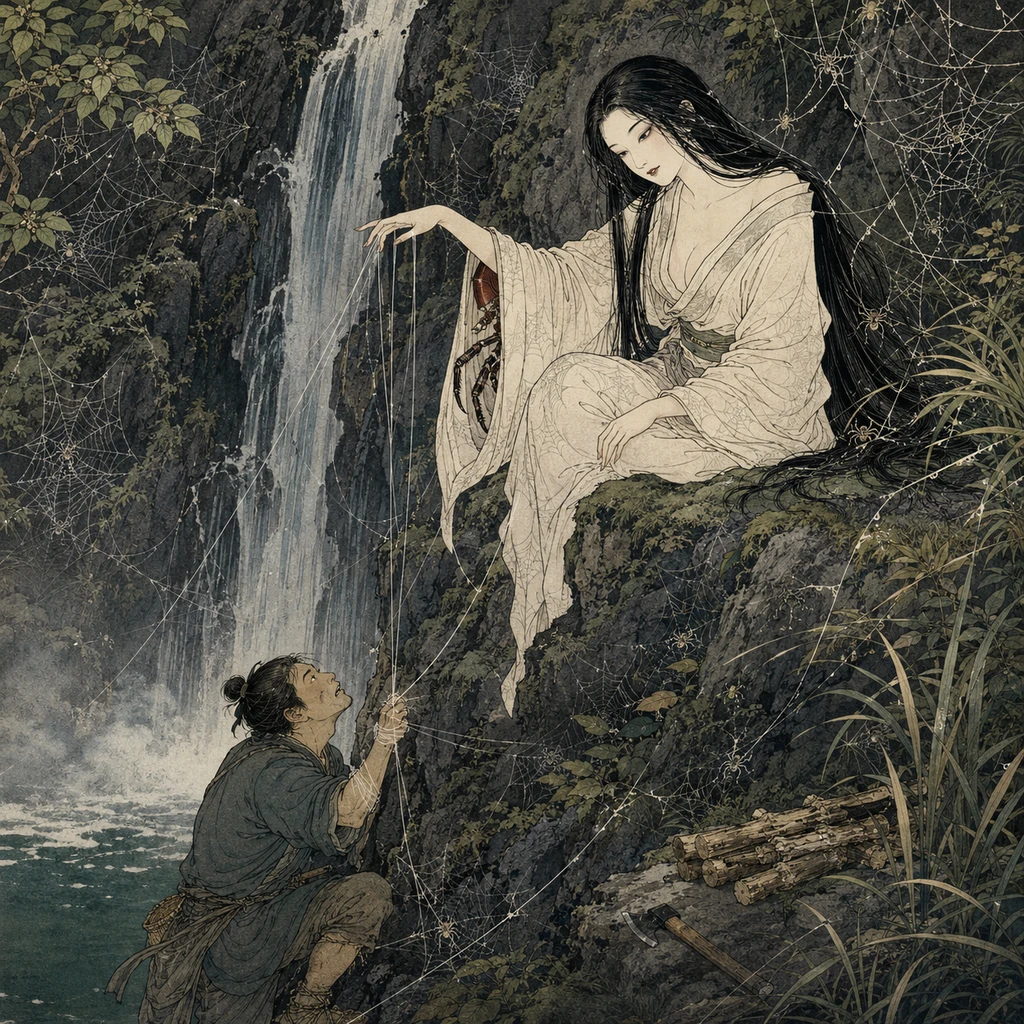
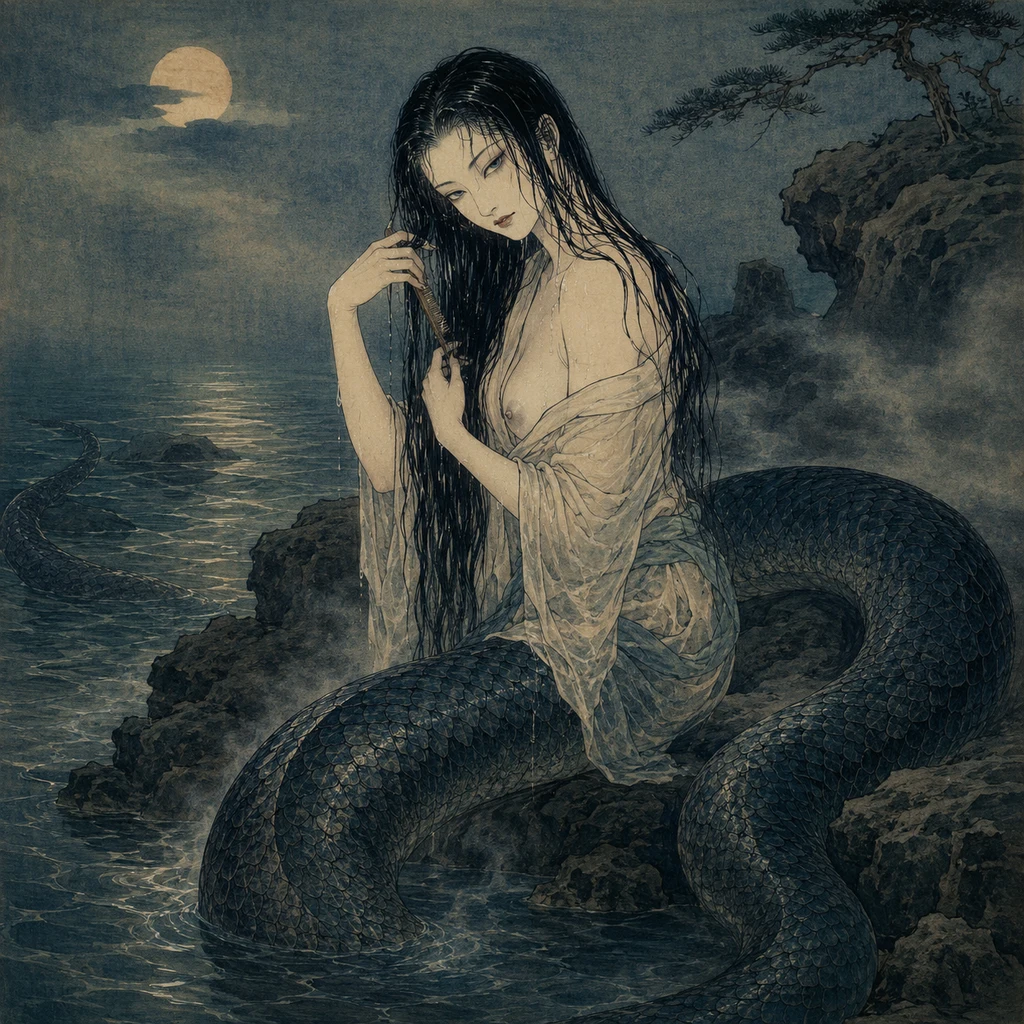
山姥は山の脅威と恵み、産女は出産と死、絡新婦は滝や淵と蜘蛛、濡女は海辺や水際の危険を、人に近い姿で語ります。犬神は家や一族にまつわる信仰と畏れを背負い、鎌鼬は突然できた傷を風の仕業として説明します。木霊は森に響く声や古木の霊性を、枕返しは眠りの間に起きる小さな異変を形にしたものです。

これらは全国どこでも同じ姿をしているわけではありません。産女が亡くなった母の霊として語られる土地もあれば、子を守る存在として祀られる例もあります。犬神の伝承圏、山姥の性格、濡女の身体も地域によって異なります。名が有名になるほど一つの姿にまとめられがちですが、各地に残る異伝を読み比べると、妖怪の本体はむしろ土地ごとの差異にあることが見えてきます。

音、気配、しぐさ――短い話が名を残す

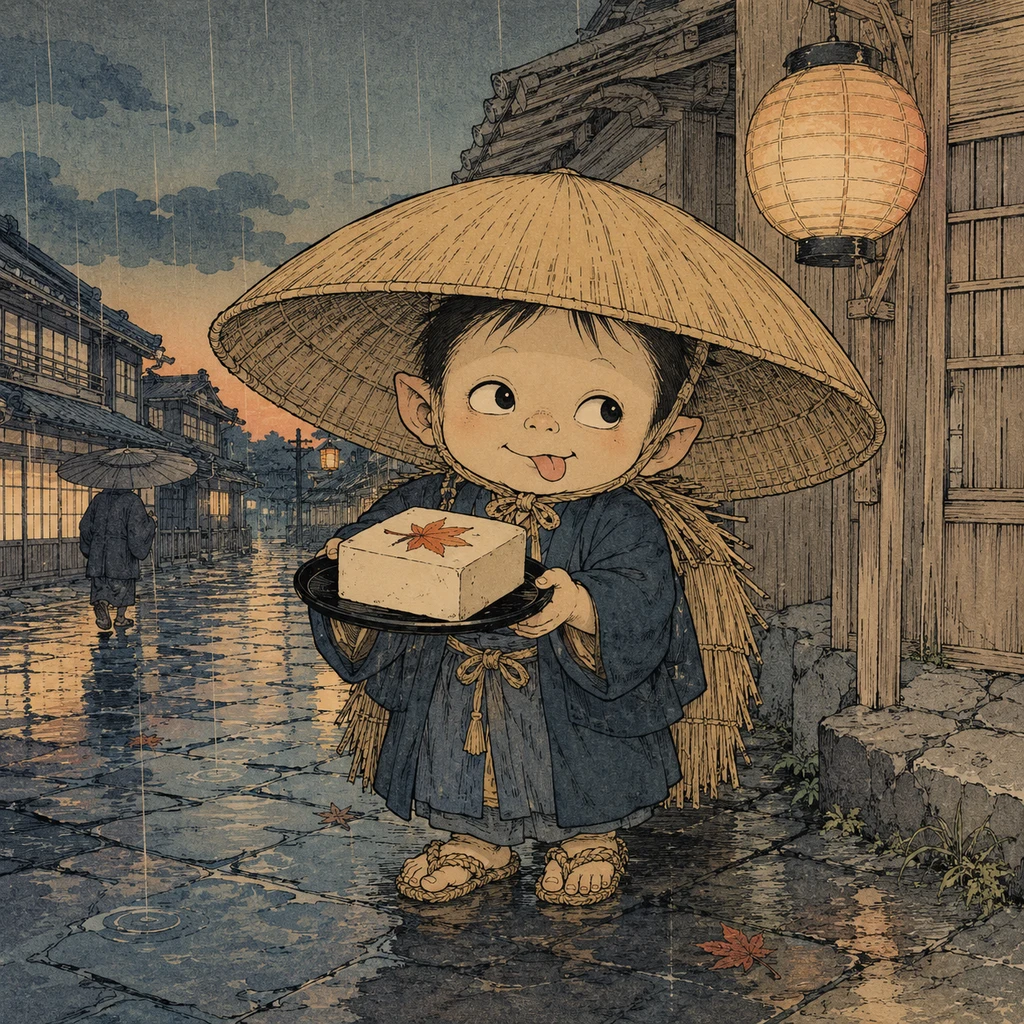
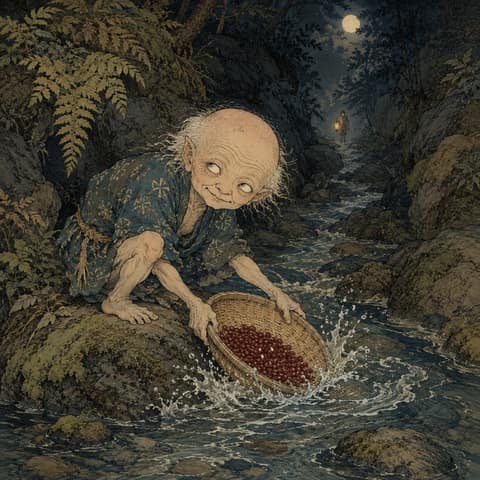
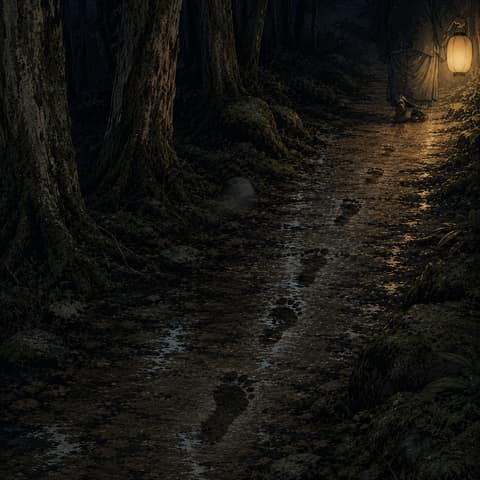
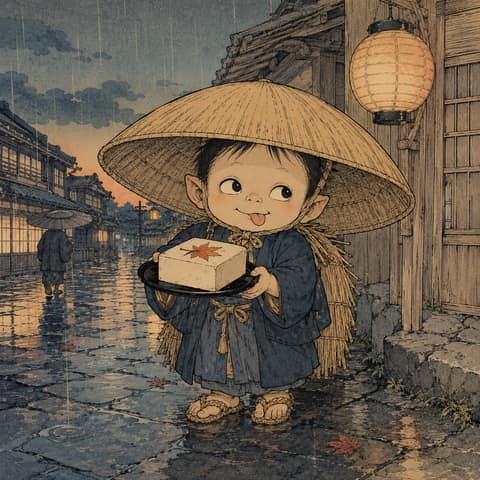
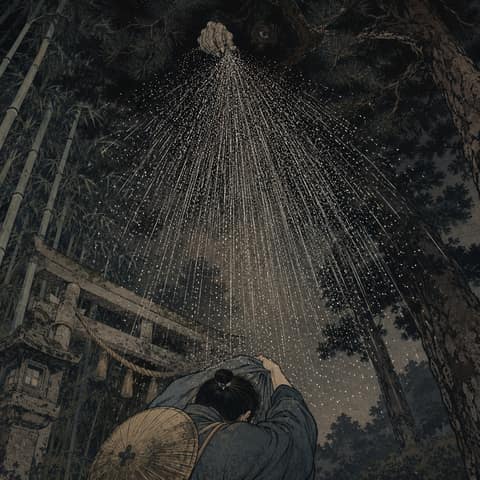
妖怪は壮大な退治譚がなくても、人が一度聞けば覚える動きによって名を残します。小豆洗いは水辺で小豆を研ぐ音を響かせ、ベトベトさんは夜道を歩く人の後ろから足音だけでついてきます。見越入道と大入道は見上げるほど大きくなり、一つ目小僧は幼い僧形と一眼という簡潔な姿で人を驚かせます。豆腐小僧は豆腐を載せた盆を運ぶだけの、害よりも愛嬌が勝る妖怪です。

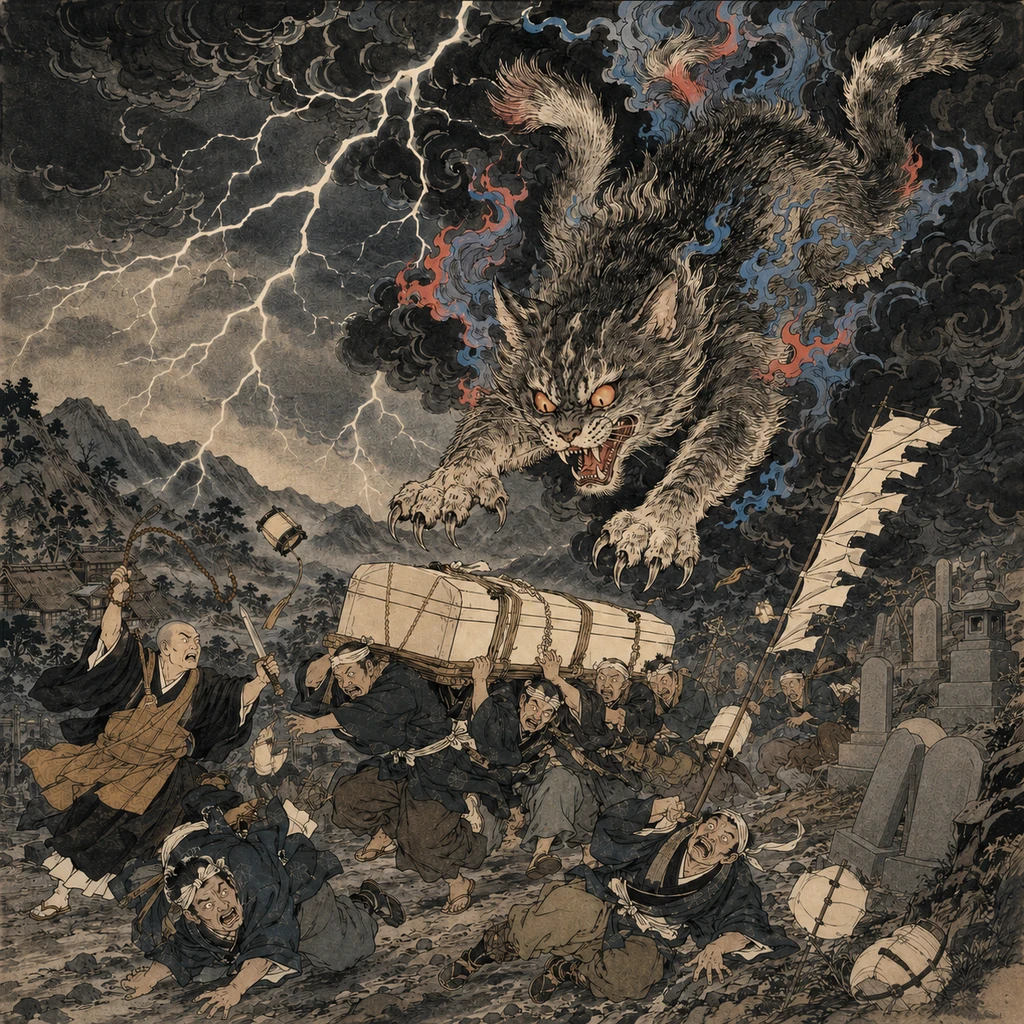
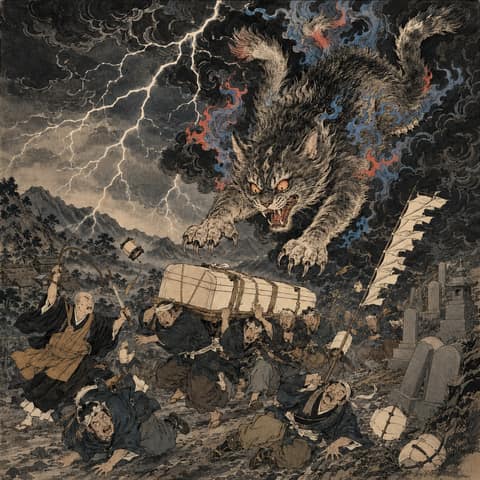
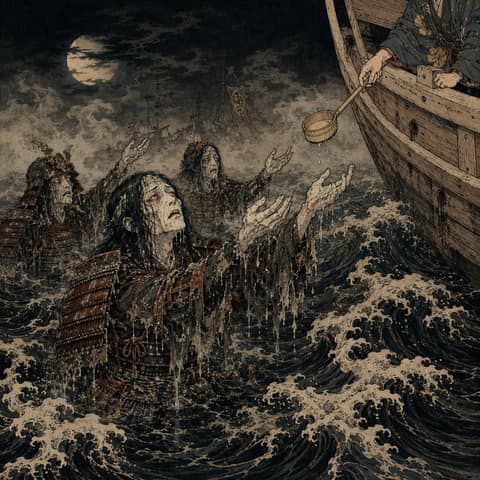
火車は葬送の場から亡骸を奪い、船幽霊は柄杓で船へ水を入れると語られます。短い話の中に「どこで出会うか」「何をされるか」「どう逃れるか」が揃っているため、聞き手は場面をすぐに想像できます。有名さは必ずしも物語の長さではなく、名前、音、姿、動作が一つに結びつく強さからも生まれます。

地域の名から全国の名へ

一反木綿、子泣き爺、砂かけ婆、ぬりかべは、それぞれ地域の語りや採集記録をもつ一方、20世紀以降の妖怪図鑑、漫画、アニメなどを通じて、土地を越えて共有される姿を得ました。白沢、雷獣、件のように古い文献や図像をもつものも、展覧会、出版、映像、インターネットで繰り返し紹介されるたびに、新しい世代の「知っている妖怪」になります。総合事典にまとめられた多様な原典と異伝は、現在の知名度が長い記録と再解釈の上に成り立つことを示します。

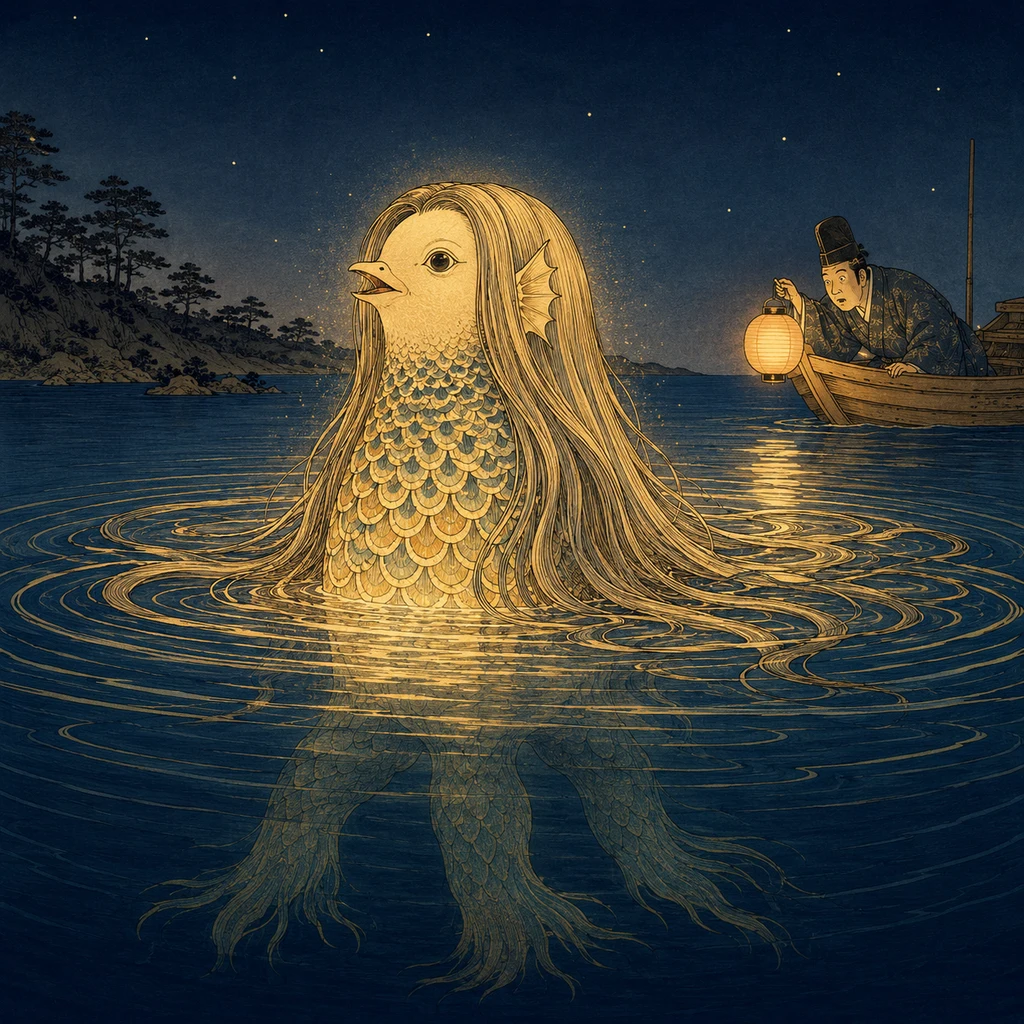
不知火と人魂は、正体のある生物というより、夜に見える光へ名前と意味を与えた怪異です。アマビエは、1846年に肥後の海から現れ、疫病を予言して自らの姿を写すよう告げたとする一枚の瓦版に姿が残ります。残された記録が少なくても、後世に再発見され、社会の記憶と結び直されることで、妖怪の名が再び広がることがあります。

口裂け女から八尺様へ――現代に生まれる怪異

妖怪は古典の中だけにいるわけではありません。口裂け女は1970年代末、子どもたちの噂が地域を越えて広がり、当時の週刊誌にも取り上げられました。テケテケのように学校や鉄道を舞台とする話は、常光徹『学校の怪談』など、近現代の口承を集める書籍を通して読み継がれています。古い地誌や絵巻を原典としなくても、恐怖の場面と対処法が人から人へ渡ることで、怪異は共有の輪郭を得ます。

八尺様は2008年の匿名掲示板への投稿を起点として知られ、クネクネも初期のウェブ怪談が掲示板へ転載される中で姿を広げました。匿名投稿として残る記録は、作者や土地が明確な古典とは異なる、ネット時代の伝わり方そのものを映しています。これらを古い妖怪と同じ由来だと扱うべきではありませんが、「語られるたびに細部が変わり、それでも名が残る」という働きは、古くからの口承と地続きです。

有名さの向こうにある、土地と原典へ

広く知られた妖怪ほど、親しみやすい一つの姿の陰に、異なる土地、古い呼び名、怖さ、信仰、後世の脚色が隠れています。名前を知って終わるのではなく、気になった妖怪のページを開き、いつ、どこで、誰が語ったのかまでたどると、日本の怪異は「有名なキャラクターの一覧」から、人々が自然、死、家、社会の変化と向き合ってきた文化史へ変わります。

この特集は代表的な妖怪を選んでいます。条件を付けずに全体を探したい場合は妖怪図鑑へ、投票による現在の人気を見たい場合は妖怪人気ランキングへ進んでください。

Updated: 7/16/2026
有名な妖怪代表的な妖怪日本の妖怪妖怪一覧怪異

Included Yokai

54 yokai are included

These yokai also have art cards

77 cards — ukiyo-e, modern Japan & more

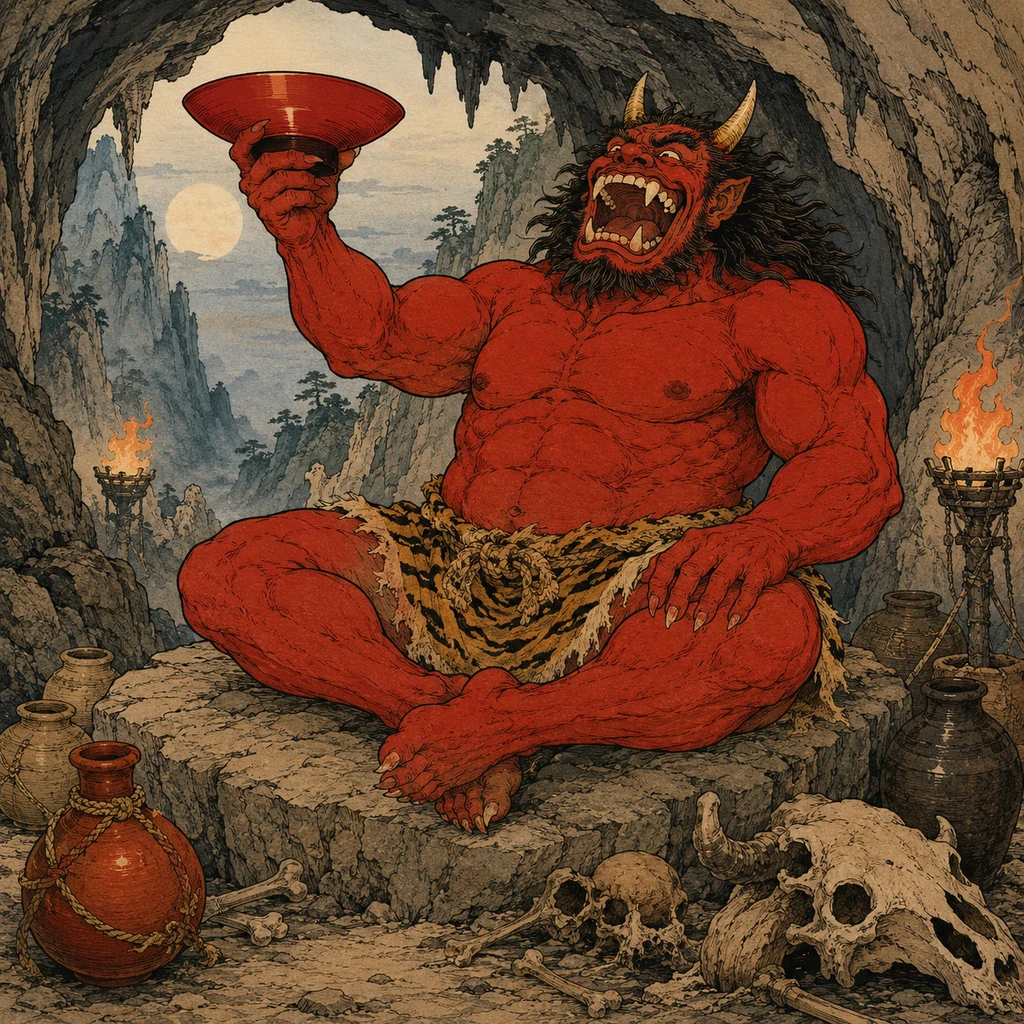
Oni

Oni

Legendary

OH-nee

Oni (Traditional Folklore Form)

Demons & GiantsKyoto

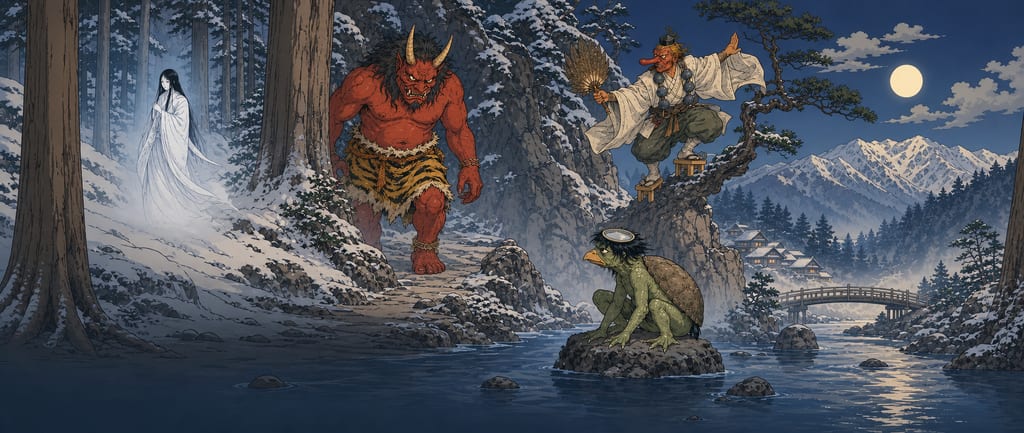
Powerful yokai with horns. Though fearsome in appearance, many are gentle at heart.

Kappa

Kappa

Legendary

KAH-pah

The Dish-Headed River Spirit – Kappa

Water SpiritsKumamotoFukuoka

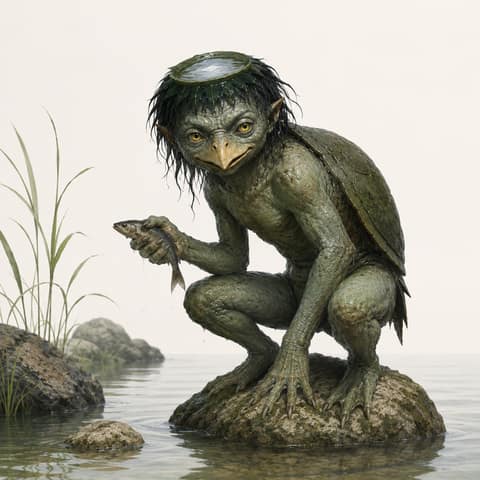
The kappa is among the most famous of all Japanese yokai, said to dwell wherever there is water—rivers, ponds, and marshes alike. It stands about the height of a four- or five-year-old child, with a water-filled dish (sara) set into the crown of its head, a shell on its back, a beak for a mouth, and webbed hands and feet. Its body is greenish or reddish in hue and is sometimes described as smelling fishy. That dish on its head is the very source of its power: should the water spill or dry out, the kappa is believed to lose its strength at once. From this came the well-known trick of bowing deeply to a kappa so that, returning the courtesy, it tips the water from its dish and can be caught. The kappa has two faces. One is fearsome—dragging people and horses into the water and taking their lives. The other is dutiful—keeping its promises faithfully, delighting in sumo, and sometimes passing on miraculous bone-setting remedies. Found across the whole country, it goes by more than eighty regional names: Garappa, Medochi, Enko, Hyosube, and many more. Among all the yokai of Japan, few are so deeply rooted in local life.

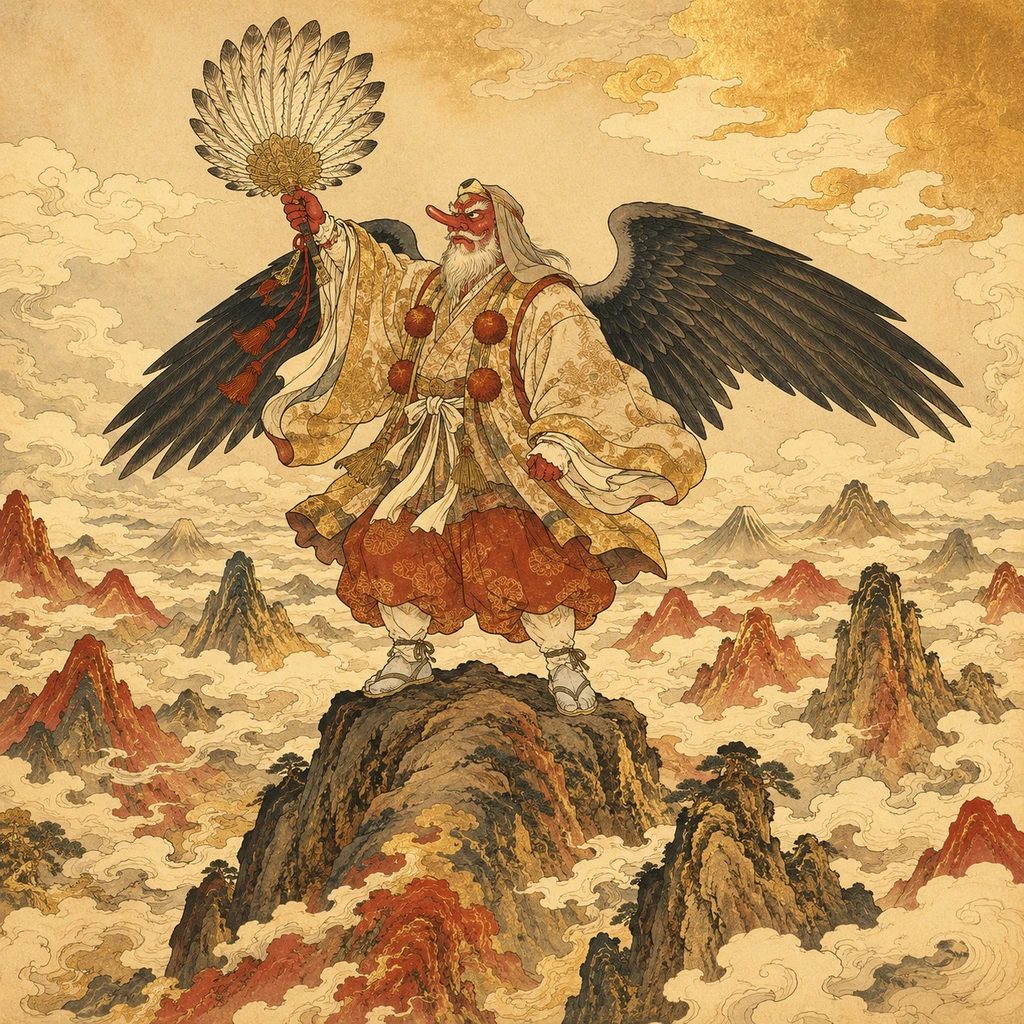
Tengu

Tengu

Legendary

Tengu

What Is a Tengu? An Overview of Types and Iconography

Mountain & Wilderness SpiritsKyotoShiga

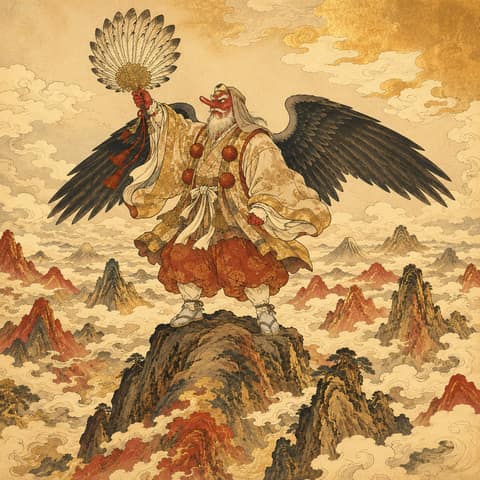
The tengu is a yokai and quasi-divine being said to dwell in the mountains of Japan, a lord of the heights inseparably bound to the yamabushi ascetics of Shugendō. Its forms fall broadly into two lineages. One is the long-nosed tengu, with a ruddy face and high nose, clad in the garb of a mountain ascetic, bearing a feather fan and one-toothed high clogs; the other is the crow tengu, with a crow's beak and wings, and beneath them follow lesser kin such as the leaf tengu and the wood-chip tengu. What was once conceived as a bird like a black kite hardened, over the medieval period, into the image of the long-nosed mountain ascetic. The tengu is at once a demon that obstructs the Buddhist Law and, once subdued, a guardian deity who protects it—this dual nature is the essence of the tengu. The notion that an arrogant high monk falls and becomes a tengu was bound to the Buddhist "way of the tengu," and was depicted as satire in late-Kamakura picture scrolls. Within mountain worship, on the other hand, the tengu was revered as guardian of the mountain and master of martial and magical arts, a being that tests or guides the practitioner. From Mount Kurama and Mount Atago in Kyoto onward, each of the sacred mountains of the realm was said to have its own great tengu, and the early-modern Tengu Sutra counts their number at forty-eight.

Nine-Tailed Fox

Nine-Tailed Fox

Legendary

Kyubi no Kitsune

White-Faced, Golden-Furred Nine-Tailed Fox

Animal shapeshifterKyotoTochigi

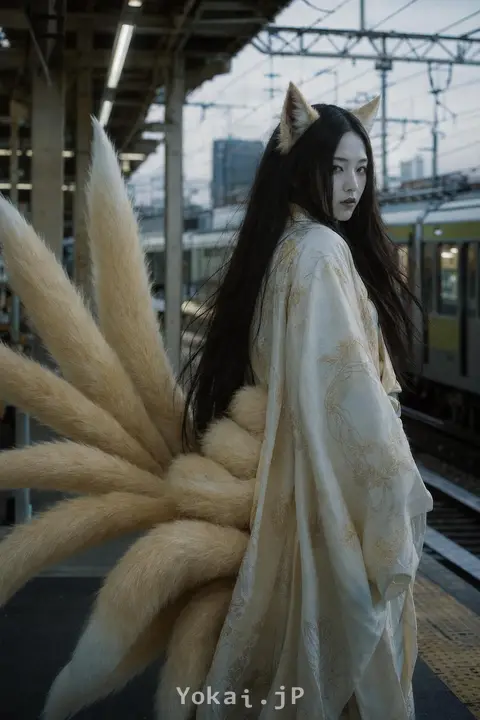
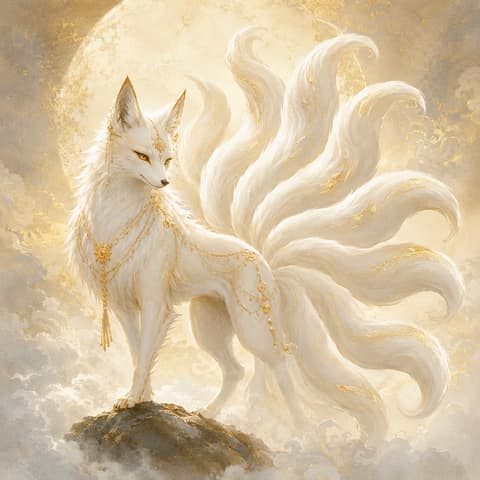
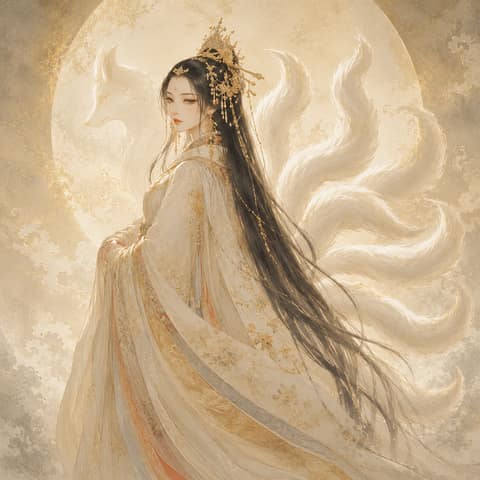
The Nine-Tailed Fox is a spirit-fox said to have lived so long and gathered so much power that its tail divided into nine. Yet the name does not simply mean a fox with many tails. In Japanese yokai imagery, the Nine-Tailed Fox is the largest and most complicated fox figure of all: it joins fox worship, Inari belief, fox possession, tales of beauties who unsettle royal power, and the narrative line that runs from Tamamo-no-Mae to the Sesshoseki killing stone. Its source lies in Chinese antiquity. In the Nanshan jing section of the Shan Hai Jing, Mount Qingqiu is home to a beast shaped like a fox, with nine tails, a cry like an infant, and a taste for human flesh. This fox is monstrous; yet in ancient China the nine-tailed fox could also be a propitious beast, an omen of peace. Later Chinese and Japanese texts layered the auspicious fox and the bewitching fox onto one another, turning the nine-tailed fox into both a sacred beast and a nation-ruining spirit. In Japan, fox lore spread in two directions. On one side stood the white fox, messenger of the Inari deity, guardian of fields, business, and household prosperity. According to Fushimi Inari Taisha, Inari descended on Mount Inari in 711, and the faith now extends to roughly thirty thousand shrines across Japan. On the other side stood the wild foxes and possessing spirits that deceive people, cling to households, or take hold of a region: yako, kuda-gitsune, osaki, izuna, and others. The Nine-Tailed Fox stands between these poles. It has the noble aura of a near-divine white fox, but also the danger of entering human society from within and shaking power itself. In Japan, the figure was fixed above all by the stories of Tamamo-no-Mae and the Sesshoseki. Tamamo-no-Mae is told as a peerless beauty loved by the retired Emperor Toba; exposed as a fox, she flees to Nasu, is slain, and becomes a poisonous stone. The three names are related, but they are not interchangeable. The Nine-Tailed Fox is the true form; Tamamo-no-Mae is the courtly incarnation; the Sesshoseki is what remains after death. Once those stages are joined, the fox is no longer just an animal that tricks humans. It becomes a great spirit-fox carrying beauty, intellect, politics, death, and pacification.

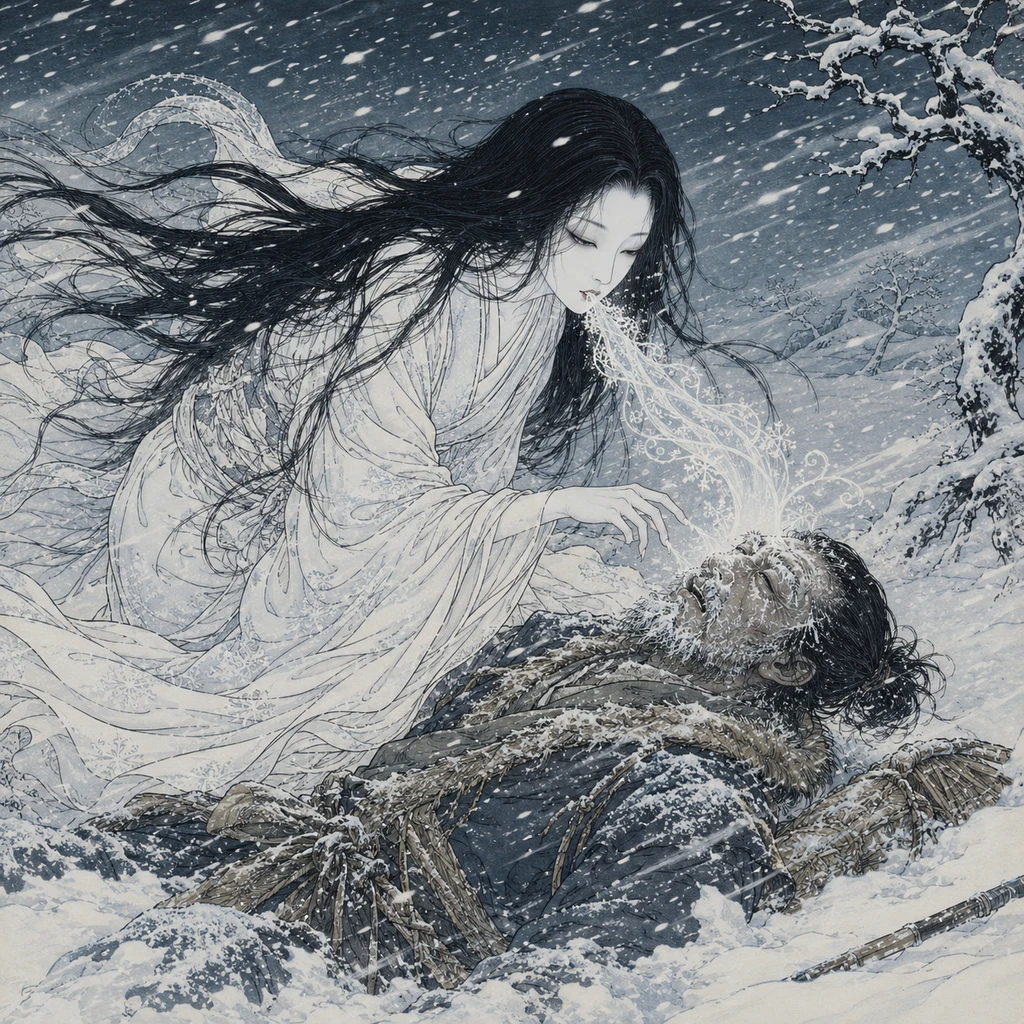
Yuki-onna

Yuki-onna

Legendary

Yuki-onna (the Snow Woman)

The White Apparition of the Snow-Country Night

Natural Phenomena & Nature SpiritsIwate

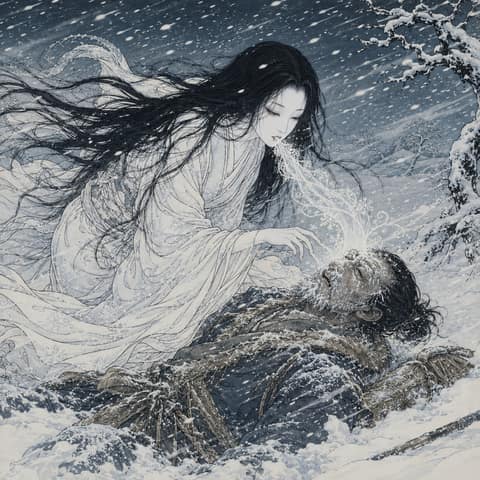
The Yuki-onna is the spirit of a tall, pale woman in white who appears with the blizzard on deep snowy nights. Trailing the white hem of her robe across the snow, she is said to breathe upon travelers to freeze them solid, or to drain away their life-force. She is described variously as the very snow given spirit-form, or as the ghost of someone who perished of cold in the mountains, and she is known across most of Honshū, above all in the heavy-snow country. From region to region her names shift — yuki-jorō, yuki-nyōbō, tsurara-onna, shigama-nyōbō — and she is called Yukion in Toyama and Yukinba in Yoshida, Ehime. Born of the dread and the beauty of the snow country, she is the most renowned of all snow apparitions.

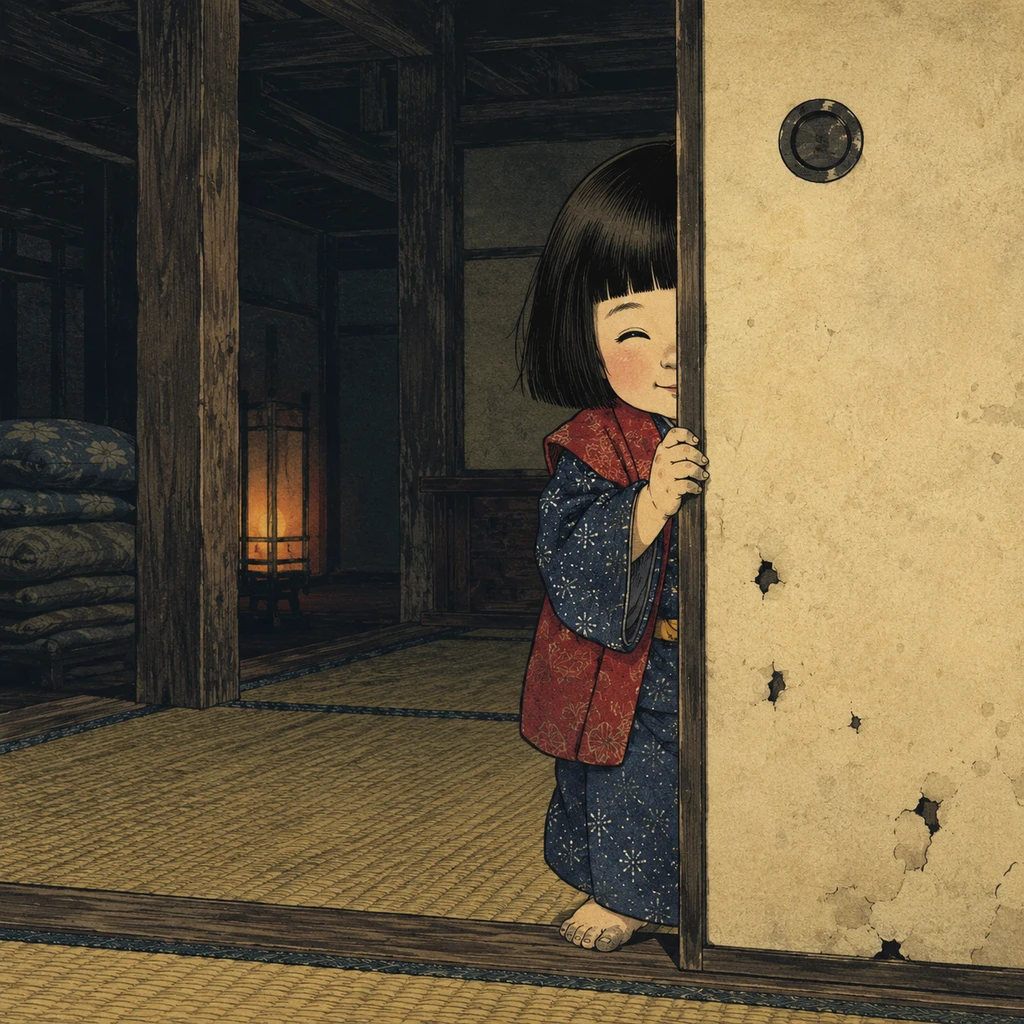
Zashiki-warashi

Zashiki-warashi

Legendary

za-shi-ki-wa-ra-shi

Child Protector of Iwate Homes: Zashiki-warashi

Half-Human / Half-YokaiIwateAomori

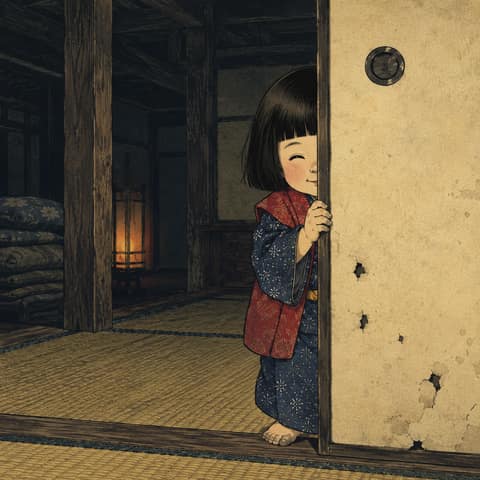
Zashiki-warashi is a childlike spirit (yokai) from the Tohoku region, particularly Iwate Prefecture, that haunts the inner parlors (zashiki) and dirt floors of old houses. It typically appears as a child of five or six, with bobbed hair and wearing a red vest, revealing its presence through the sound of running footsteps or laughter in the hallways at night. The greatest supernatural trait of the zashiki-warashi lies in its direct connection to the "fate (rise and fall)" of the household. It has been firmly believed that a house where a zashiki-warashi lives and can be seen will prosper, but a house from which the spirit departs will instantly decline, leading in the worst cases to the family's scattering or extinction. It is not merely a child's ghost, but a tutelary and destiny-controlling deity of the home, possessing both the blessings of a god of fortune and a fearsome deterministic power.

Rokurokubi

Rokurokubi

Legendary

ROH-koh-ROH-koo-bee

Hitouban/Nukekubi (Lafcadio Hearn Interpretation)

Human-Yokai / Half-Human Half-YokaiAll over Japan -- A human village apparition without a specific location

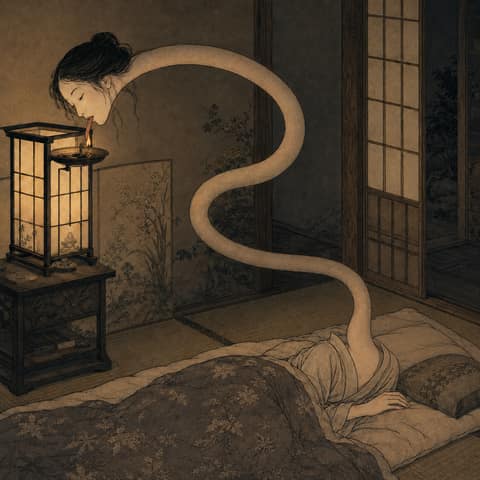
The Rokurokubi is one of Japan's most famous representative yokai, characterized by a neck that stretches to abnormal lengths during sleep at night, or a head that detaches completely from the body to fly through the air. While the modern image firmly establishes 'Rokurokubi = neck-stretching yokai', from a folkloric perspective, the 'nukekubi' (detaching head), where the head separates from the body and flies, is considered its true original form. This prototype originated when a foreign monster known as the 'Hitouban' (Flying Head Barbarian), recorded in ancient Chinese strange tales like the 'Soushinki' (In Search of the Supernatural), was introduced to Japan. The greatest point of interest in yokai research is why it changed from 'flying' to 'stretching'. A prevalent theory suggests that when Edo-period picture scrolls depicted a 'thin spiritual thread' connecting the detached head and the body, the masses visually misinterpreted it as the 'elongated neck itself', which served as the decisive catalyst for the birth of the 'neck-stretching Rokurokubi'. In many legends, the Rokurokubi is not born a monster, but is told as a tragic apparition unconsciously caused by human women due to an 'illness of separating souls' or the depth of their karma.

Nurarihyon

Nurarihyon

Legendary

Nurarihyon

Supreme Commander Nurarihyon

Half-Human YokaiOkayama

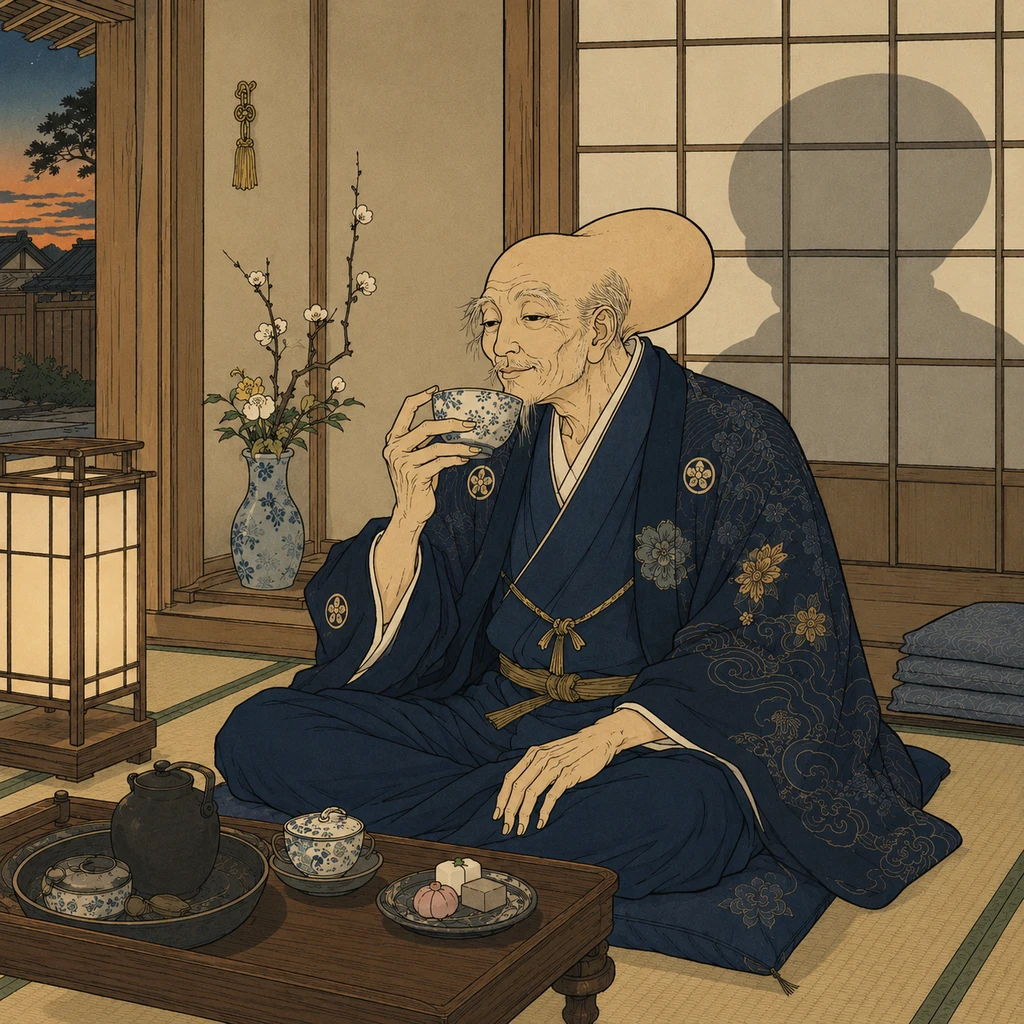
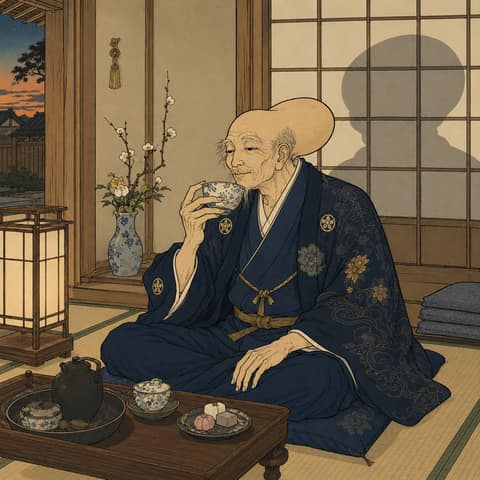
Nurarihyon is a yokai commonly depicted as a bald old man with a large, elongated head, dressed elegantly in a refined kimono or haori jacket. While widely recognized today as the "Supreme Commander of Yokai" (Yokai no Sodaisyo), this persona was actually established through modern media and anime from the Showa to Heisei eras, rather than being rooted in classical folklore. Originally appearing merely as a name and an illustration in Edo-period yokai scrolls, he remained a mysterious entity for a long time, with his true nature, abilities, and actions entirely unknown. Meanwhile, along the Seto Inland Sea coast in Okayama Prefecture (Bisan Seto), there exists an unrelated folk legend of an unidentifiable, spherical sea yokai (a type of Umi-bozu) called "Nuurihyon" . It is generally believed that an Edo-period artist borrowed the comical-sounding name of this local yokai and attached it to the completely unrelated drawing of the "mysterious old man," forming the roots of the modern Nurarihyon. Thus, his name was born in Okayama, while his visual form was crafted by Kyoto and Edo artists—a true hybrid origin. Adapting to the changing times and media landscapes, Nurarihyon underwent arguably the most dramatic evolution and "promotion" in yokai history: from an "unexplained old man," to an "audacious intruder," and ultimately to the "mighty leader of all yokai."

Karakasa-kozou

Karakasa-kozou

Uncommon

KAH-rah-KAH-sah koh-ZOH

Karakasa-kozou, the Old Umbrella Hopping on Night Roads

Dwellings & ObjectsAll over Japan ── A tsukumogami of an old umbrella, without a specific origin.

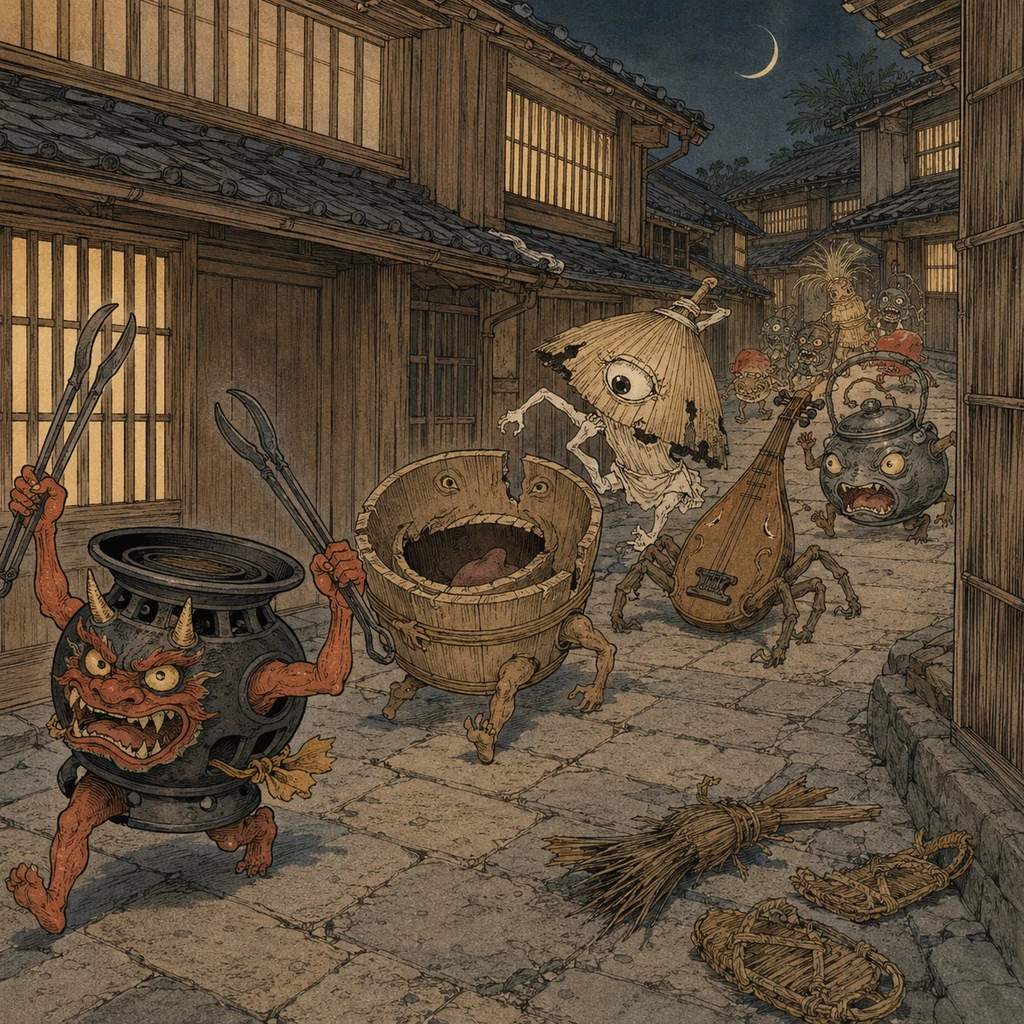
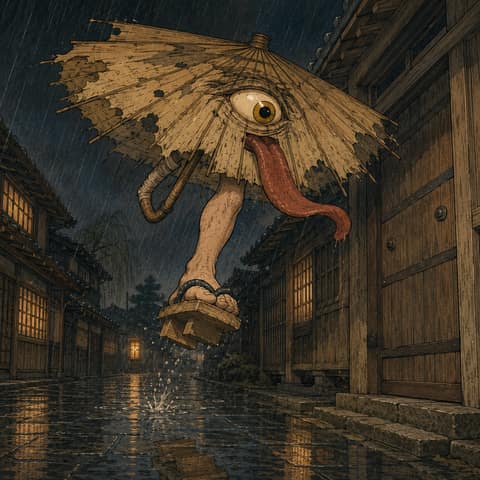
Karakasa-kozou is a pop icon representing Japanese yokai and is synonymous with tsukumogami (object yokai). Its most famous appearance is hopping around on one leg wearing a geta (wooden clog), with one large eye wide open and a long tongue hanging out. However, this iconic imagery did not naturally emerge from folklore; it was artificially shaped by the publishing culture and toys of the early modern Edo period. Umbrella yokai are depicted in the Muromachi period's *Hyakki Yagyo Emaki* (Night Parade of One Hundred Demons Scroll), but there they take the form of humanoid demons wearing closed umbrellas on their heads, differing from the one-legged figure we know today. It was during the late Edo period that the "one-eyed, one-legged" characteristics became fixed through kusazoushi (illustrated storybooks), toy prints, monster playing cards, and kabuki stage props, making it widely loved by the public as a charming and comical monster.

Noppera-bo

Noppera-bo

Epic

nopperabo

The Faceless Anomaly of Kii-no-kuni-zaka

Humanoid/Half-Human YokaiTokyo

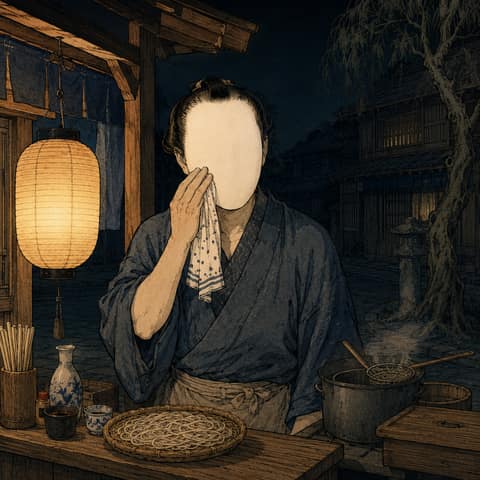
The core terror of the Noppera-bo lies in the sudden disappearance of the "face"—the most fundamental unit of human recognition. It stands in human form, cloaked in everyday roles such as a weeping woman or a shopkeeper, but the moment it turns around, it reveals a smooth surface devoid of eyes, nose, or mouth. Rather than the fright of a monstrous appearance, the true horror is the shattering of the "judgment that trusted the other to be human." In "Mujina," collected in Lafcadio Hearn's "Kwaidan," a man encounters a faceless woman on the Kii-no-kuni-zaka slope in Akasaka. He flees to a soba noodle stand, only to find that the shopkeeper also turns around to reveal the same faceless visage. This two-stage repetition elevates the Noppera-bo from a mere grotesque apparition into an anomaly that strips away one's sense of a safe haven. Rather than an independent "species," the Noppera-bo is a faceless humanoid anomaly distilled from folklore motifs where shape-shifting beasts like mujina (badgers), tanuki (raccoon dogs), and foxes frighten humans. In Kenji Murakami's "Yokai Jiten" (Yokai Dictionary), it is categorized alongside legends of mujina and bake-danuki (monster tanuki) as an apparition that appears on dark roads, slopes, and watersides. Through Shigeru Mizuki's yokai illustrations, this ambiguous shape-shifting trope was consolidated into a powerful visual icon—a face stripped of features—cementing the image that modern audiences immediately envision. In essence, the Noppera-bo is a yokai born from the ancient tricks of beasts, refined through modern ghost stories and visual culture into an entity whose very theme is the loss of the face.

Nekomata

Nekomata

Legendary

neh-koh-MAH-tah

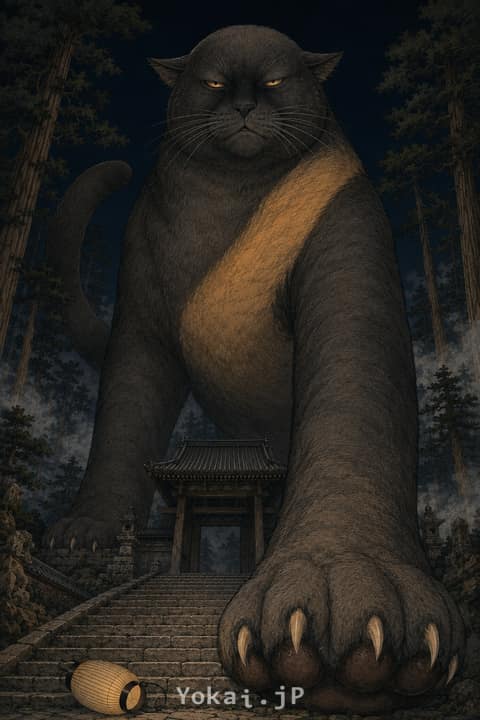
Split-Tailed Old Cat Nekomata

Animal TransformationTochigi

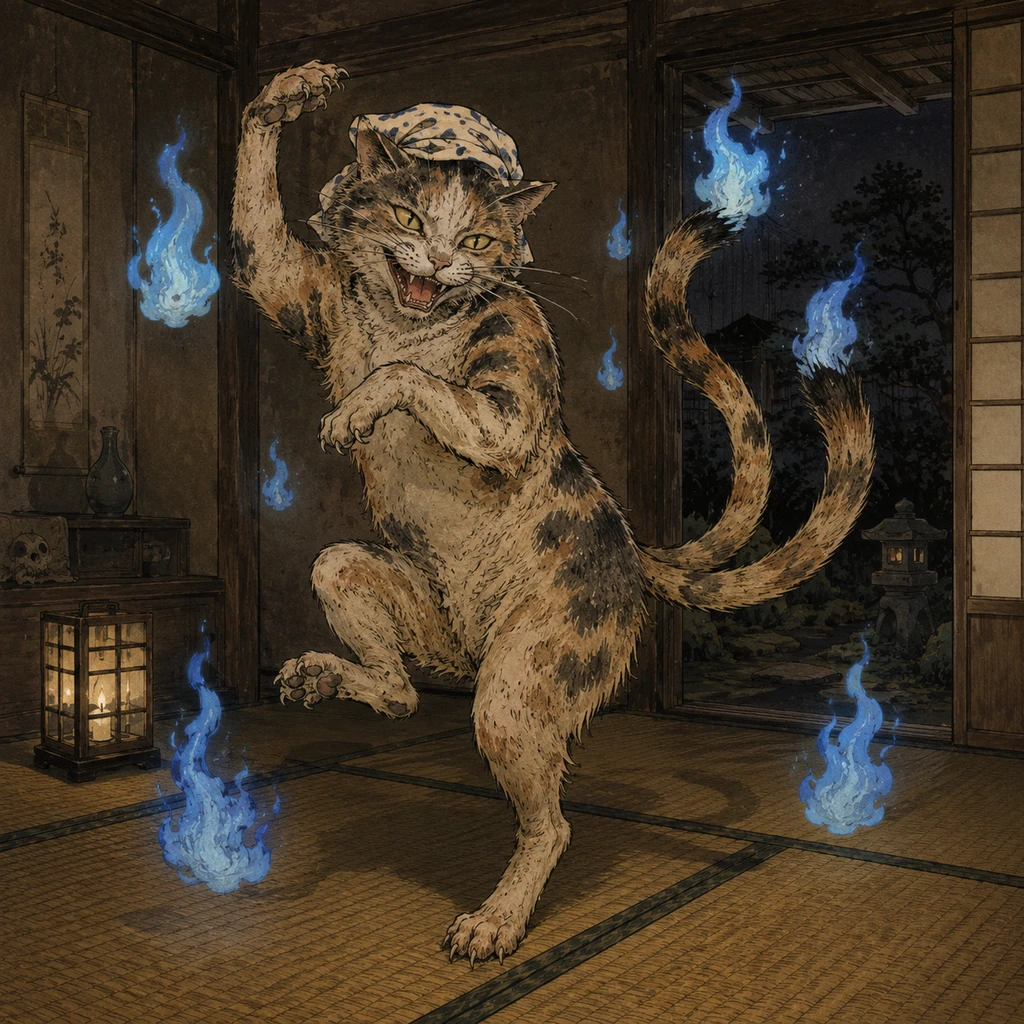
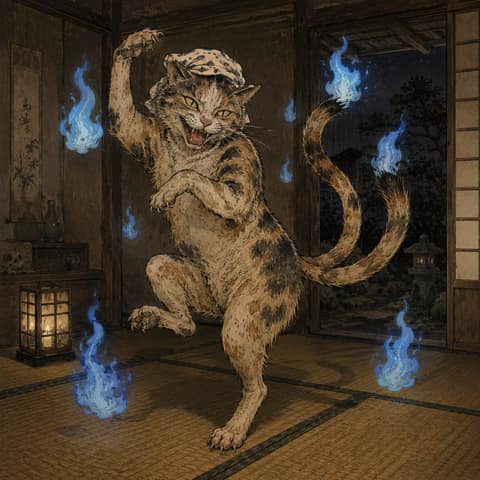
Nekomata is one of the most widely known and complexly evolved supernatural beings in Japanese folklore. Its form is depicted either as a beast that has grown gigantic over the years, or as a monstrous cat with a tail split into two. There are two distinct lineages for the concept of this yokai: one is the "terrifying beast Nekomata living in the mountains," seen in Kamakura period literature, and the other is the "Nekomata as a house yokai, an old cat kept in a home for many years that transforms," which became established from the Edo period onward. In Japanese folk belief, cats are often seen as entities concealing demonic or spiritual powers, and the awe of a creature crossing that boundary crystallized into the image of this two-tailed yokai.

Bakeneko

Bakeneko

Legendary

bah-keh-NEH-koh

Bakeneko

Animal ShapeshiftersSagaTokushima

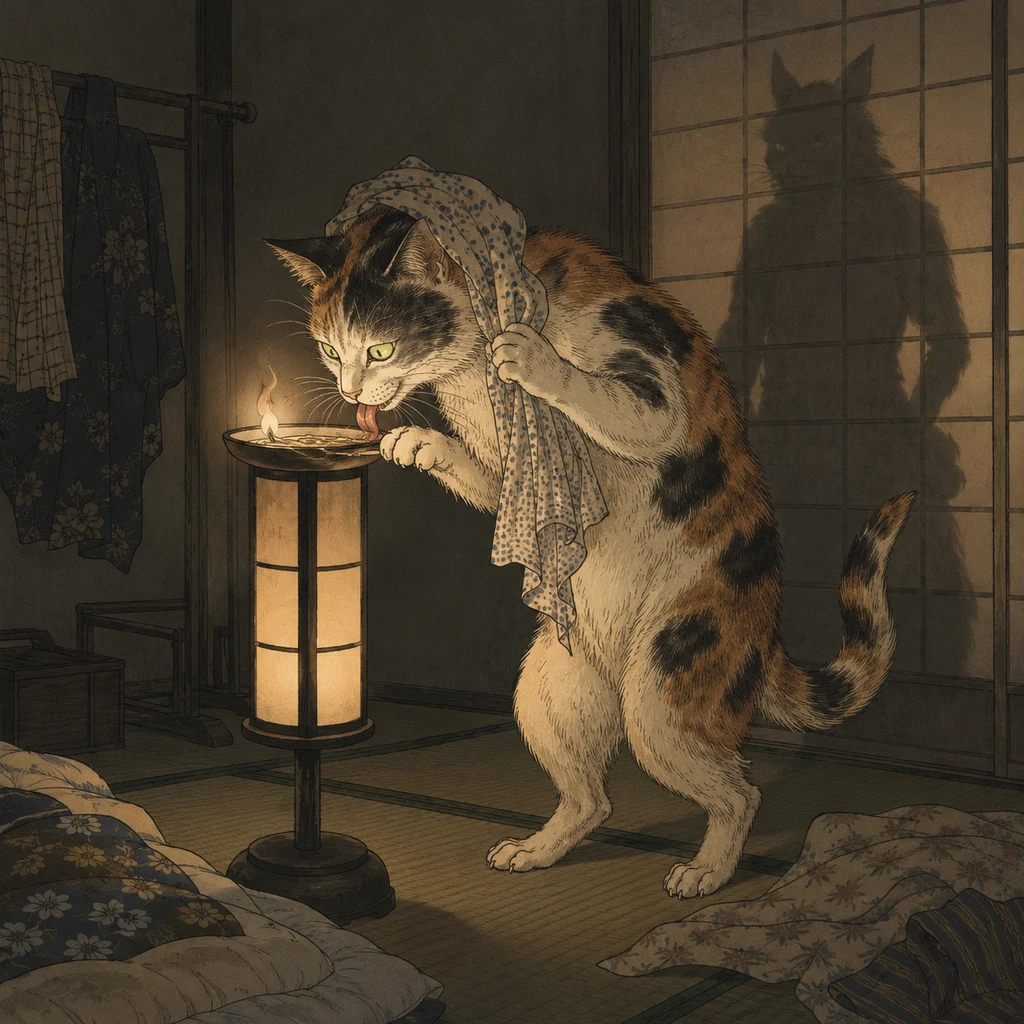
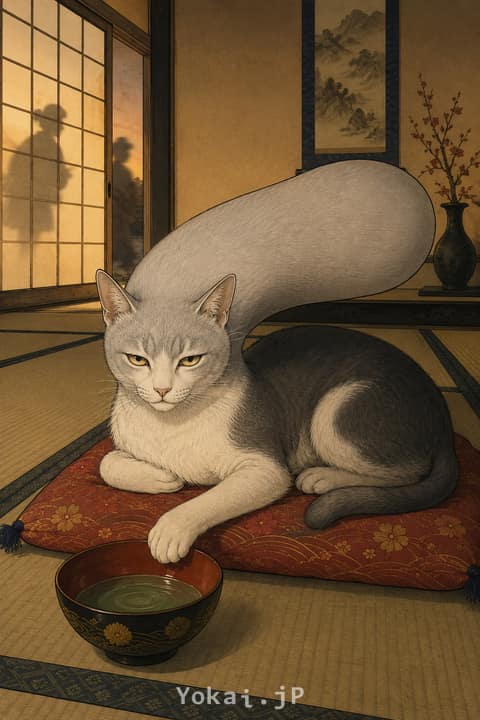
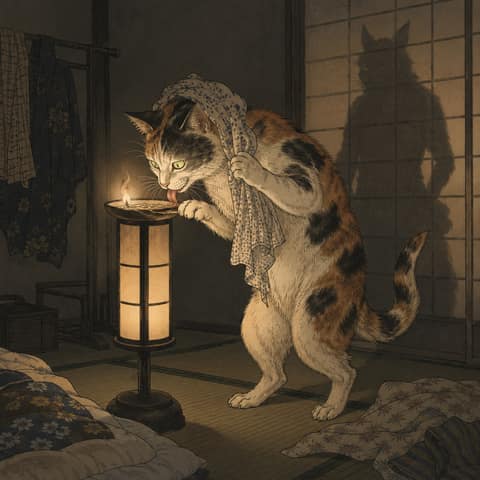
A domestic cat that has grown old and gained supernatural powers. Said to take human form, speak, manipulate the dead, cast curses, and more; often confused with the nekomata. Licking lamp oil is viewed as a sign of impending strangeness, and long-tailed cats were believed more likely to transform. As cities expanded, everyday cats took on a mystical aura, and Edo-period books and prints popularized the image.

Tsukumogami

Tsukumogami

Legendary

Tsukumogami

Tsukumogami (Classical Depiction)

Household & ImplementsOrigin unknown

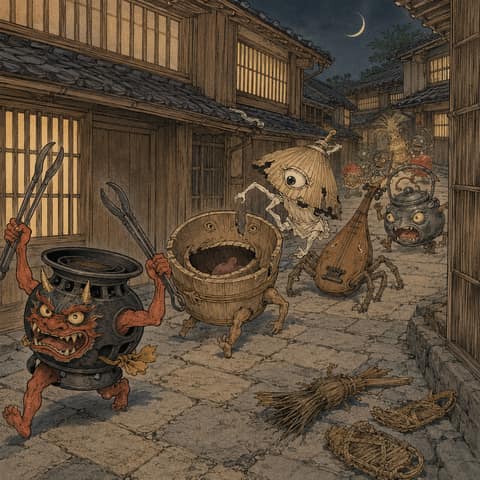
Tsukumogami (付喪神) is a term used for tools and household objects that, after being used for a long time, acquire a non-human form and agency. Today, it is widely used as a catch-all term for yōkai born from old tools, but its usage in classical literature is not that common. The representative material that explicitly states this name and places it at the center of the narrative is the *Tsukumogami Emaki* (Picture Scroll of Tsukumogami) or *Tsukumogami Ki*, believed to have been created in the Muromachi period. In that work, even though they are written with the character for "kami" (god), they are not initially deities that grant blessings to humans. They are depicted as "yōbutsu" (monsters or goblins) that resent the humans who discarded them, attack people and livestock in the capital, and eventually embrace Buddhism. The beginning of the picture scroll cites a theory from the now-lost *Onmyō Zakki* (Miscellaneous Notes on Yin and Yang), stating that after "one hundred years," utensils acquire spirits and deceive human hearts, and these are called Tsukumogami. On the other hand, the sound "tsukumo-gami" overlaps with "tsukumo-gami," meaning the white hair of an old woman. It is also recited in the 63rd section of the *Tales of Ise* as "tsukumo-gami, lacking one year to a hundred," making it a word that connects old age and the number ninety-nine. Because these two concepts were intertwined, explanations involving both one hundred years and ninety-nine years coexist. In modern times, there are instances where it is written as "九十九神" (Ninety-Nine Gods), but this is merely a variant spelling designed to make the association with the white-haired old woman more apparent. Therefore, the strict age rule often cited today—that "tools invariably gain a soul upon reaching exactly ninety-nine years"—is not actually established in classical texts. There is no single mold for their transformed appearance. In the *Tsukumogami Emaki*, they change into men, women, the elderly, children, mountain and river goblins (chimimōryō), and beasts; in the illustrations, some grow faces and limbs while retaining the shapes of the original implements like pots, jars, mallets, folding fans, and prayer beads. Although individual tool-yōkai like the Karakasa-obake (umbrella ghost) or Koto-furunushi (old koto master) can be explained as a type of Tsukumogami in later eras, not all supernatural phenomena related to old tools were called "Tsukumogami" from the beginning. In recent years, rather than viewing this as an ancient belief that spread uniformly across Japan, research has advanced to approach it as a cultural history of how picture scrolls, picture books, and storytelling have breathed life into inanimate objects.
Wanyūdō

Wanyūdō

Epic

wah-nyoo-DOH

Traditional Iconography, Sekien School

Household SpiritsKyoto

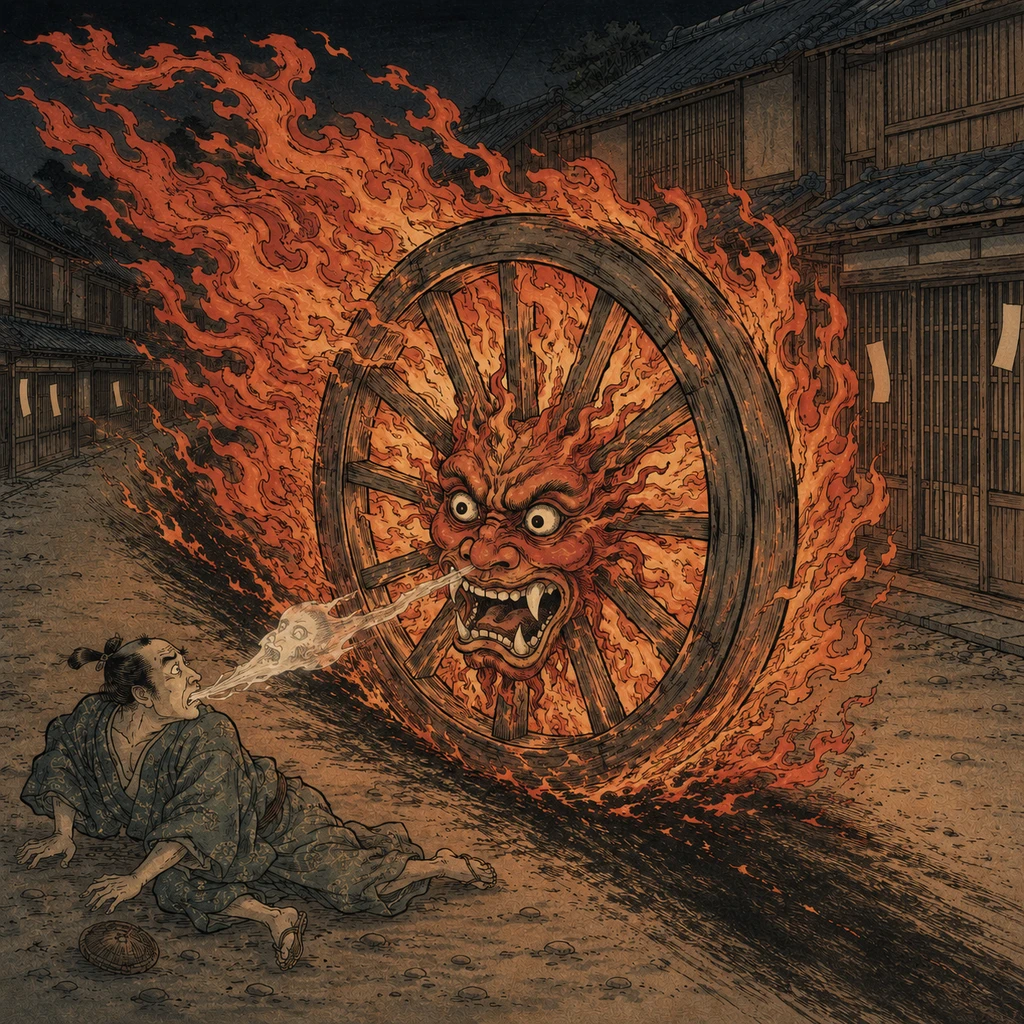
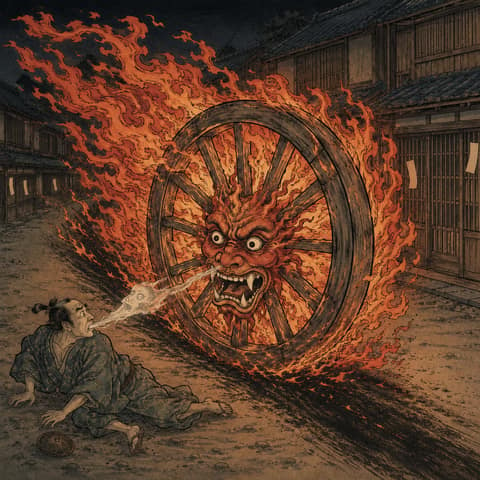
A yokai appearing as a flaming ox-cart wheel with the face of a giant monk-like ogre set in its hub. Said to steal the souls of onlookers. It can be warded off by posting a paper on the doorway reading “This is the village of Katsumo.” Illustrated by Toriyama Sekien in Konjaku Gazu Zoku Hyakki, it is a key example in the lineage of wheel-yokai tales and is often discussed alongside Katawaguruma, with a common origin widely proposed.

Mokumokuren

Mokumokuren

Epic

MOH-koo-moh-koo-REN

Toriyama Sekien Zue–Conformant Edition

Household SpiritsJapanese folklore

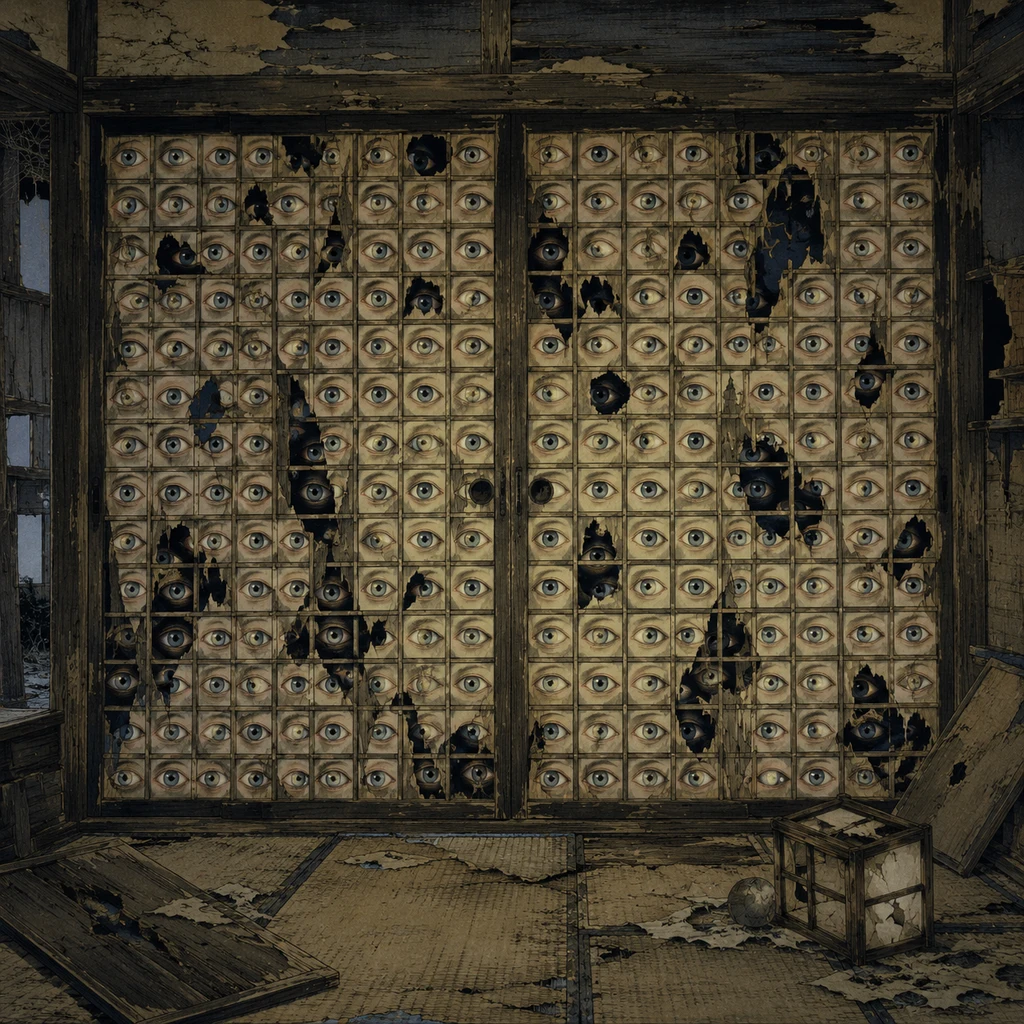
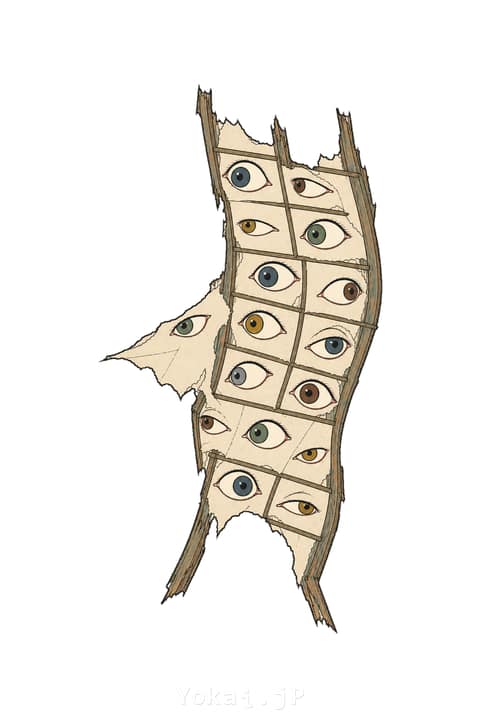
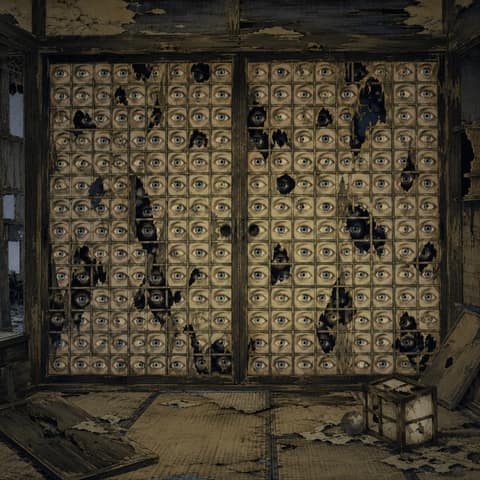
A yokai depicted by Toriyama Sekien in Konjaku Hyakki Shūi. Countless eyes appear across the paper screen doors of a dilapidated house, staring back at intruders. Sekien’s note suggests a go player’s obsession spread from the board to the entire house, framing it as a haunt residing in the shoji itself. Later encyclopedias call it a literary creation, yet it endures as an emblem of the eerie patterns and dim light cast through shoji screens.

Akaname

Akaname

Epic

ah-kah-nah-meh

Bathhouse Grime-Goblin

Household SpiritsVarious regions of Japan (especially Edo traditions)

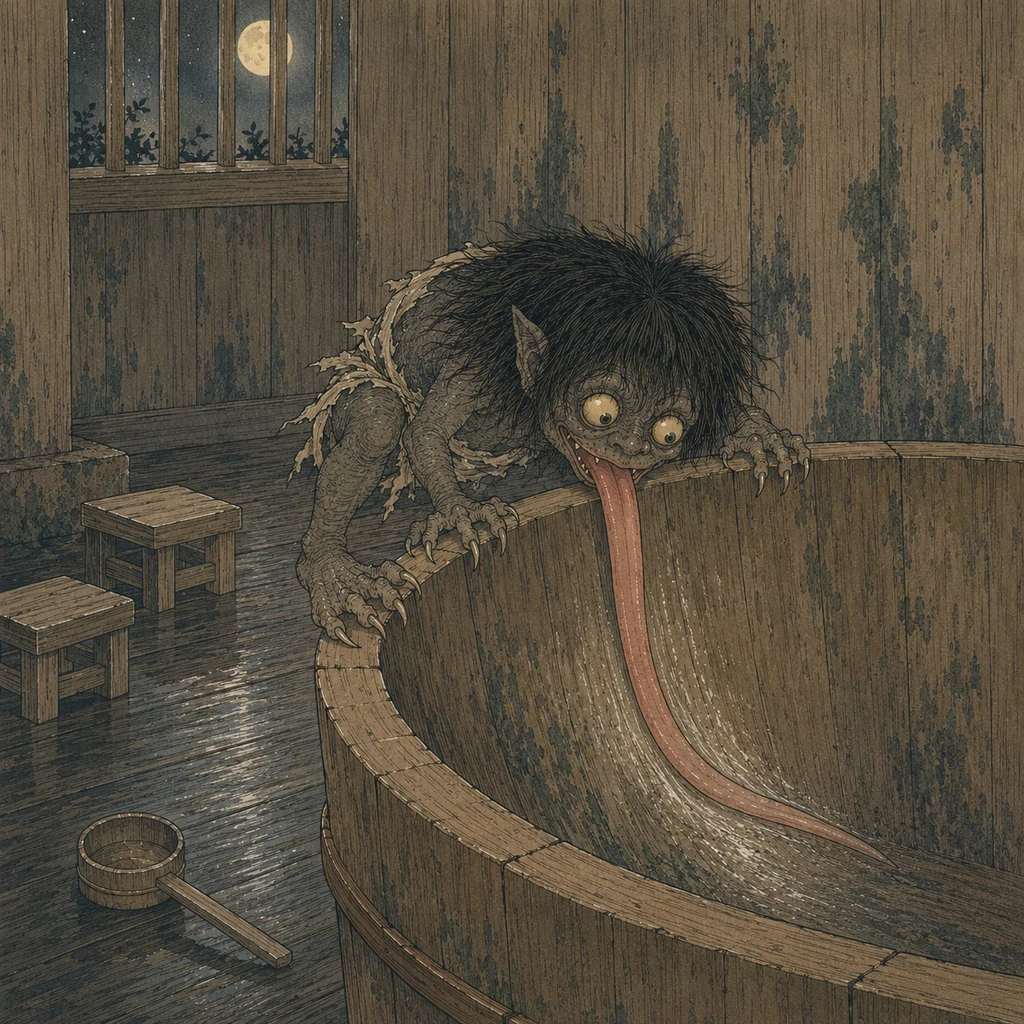
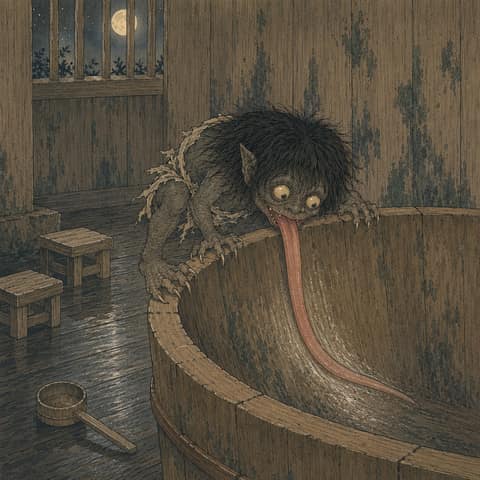
Akaname is a yokai said to appear in old bathhouses or abandoned bathrooms. It is usually depicted as an impish child with a long tongue, sneaking in during the night to lick the grime, mold, and scum stuck to tubs and walls. Although rarely described as harming humans directly, its very appearance was regarded as an omen of uncleanness and served as a cautionary tale to keep the bath area clean. Alternate names include Akaneburi and Aka-neburi.

Shuten-dōji

Shuten-dōji

Legendary

SHOO-ten DOH-jee

Shuten Dōji of Mount Ōe

Half-Human BeingsKyotoShiga

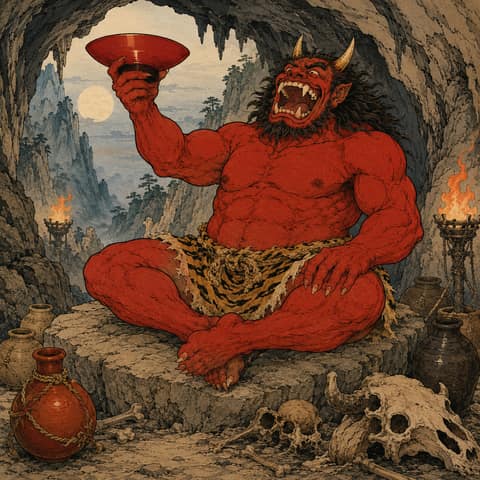
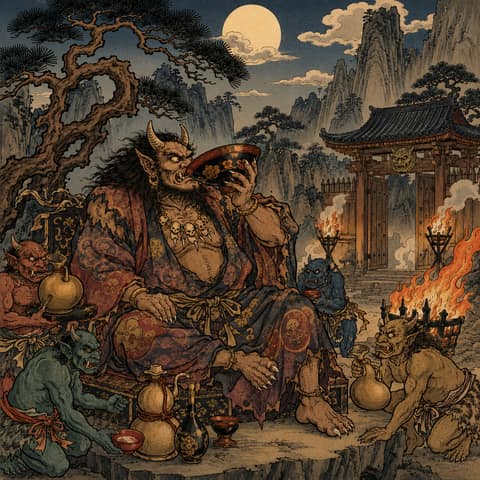
A notorious ogre chieftain who abducted people around the Heian capital. Fond of heavy drinking, he led a band of oni from a mountain stronghold to raid travelers. His name alludes to his love of sake, while dōji refers to a youth or monk-like appearance. Slain by Minamoto no Raikō and his Four Heavenly Kings, his severed head was said to bite even after decapitation. His lair is variously placed at Mt. Ōe, Mt. Ibuki, or Mt. Atago, supposedly located through onmyōji divination.

Tamamo-no-Mae

Tamamo-no-Mae

Legendary

Tamamo-no-Mae

Tamamo-no-Mae, the Nine-Tailed Fox Beloved of Emperor Toba

Animal ShapeshiftersKyotoTochigi

Tamamo-no-Mae is a beauty of unrivaled grace who, in the late Heian period, is said to have served the retired Emperor Toba. Her true form is held to be a nine-tailed fox, yet as a human, Tamamo-no-Mae has above all been remembered as a court lady of rare beauty and deep learning. Poetry and music were a given, but from Buddhist scripture to the old tales of India and China, she answered any question without hesitation, astonishing all at court. The name “Tamamo-no-Mae” carries a story of its own. One night, amid a banquet of poetry and music at the Seiryōden, a gust of wind snuffed out the lamps; in the darkness a dazzling light streamed from her body and lit the hall as bright as day. From this she came to be called “Tamamo-no-Mae,” meaning the lady of the jewel-like, glowing waterweed . Before that, it is said, she had been called Mikuzume. In time she drew all the emperor’s affection to herself, but when he fell ill from an unknown cause, her true nature began to be doubted.
Ootakemaru

Ootakemaru

Legendary

おおたけまる

Ootakemaru, the Demon King God Holed Up in Mount Suzuka

Oni / Giant MonsterMieKyoto

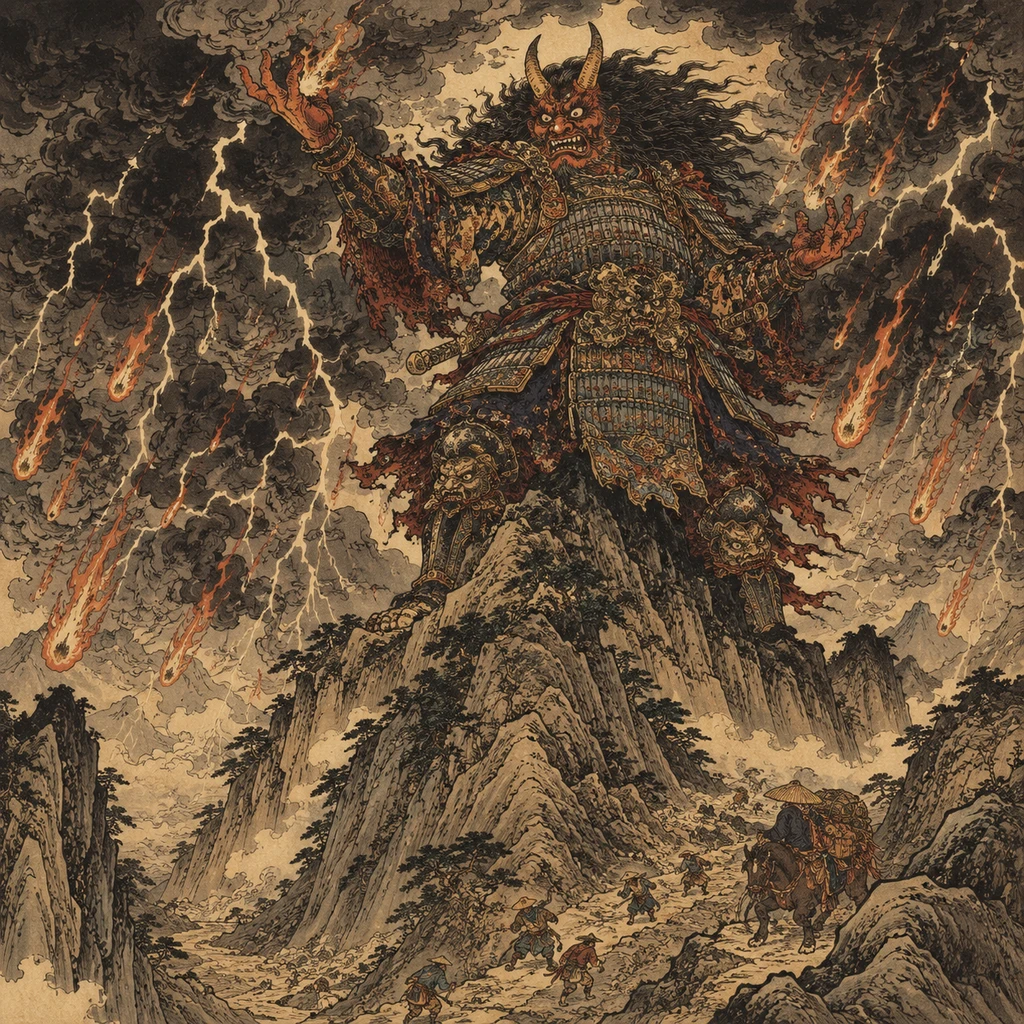
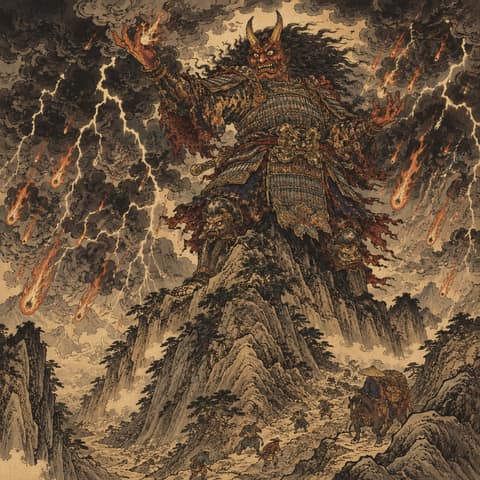
Ootakemaru is a demon god said to have made his stronghold at Mount Suzuka and the Suzuka Pass, located on the border between Ise and Omi provinces. In Otogizoshi and the Tamura stories, he appears as a Great Demon King who steals tributes meant for the capital and repels armies with black clouds, lightning, and rain of fire, only to be slain by Tamuramaru (modeled after Sakanoue no Tamuramaro) and Suzuka Gozen. The Tamuramaru of the story is not the historical Shogun himself, but a heroic figure born from the overlapping of medieval Kiyomizu Kannon worship, boundary beliefs of the Suzuka Pass, and Tamura legends from the Tohoku region. Ootakemaru is also sometimes cited as one of the "Three Great Yokai" alongside Shuten-doji and Tamamo-no-Mae. The fact that his severed head and remains are later incorporated into tales of treasures, temple origins (engi), and burial mounds reflects the medieval significance of a "slain great enemy".

Nue

Nue

Legendary

NOO-eh

The Beast Shot Down by Minamoto no Yorimasa, Nue

Animal ShapeshifterKyotoOsaka

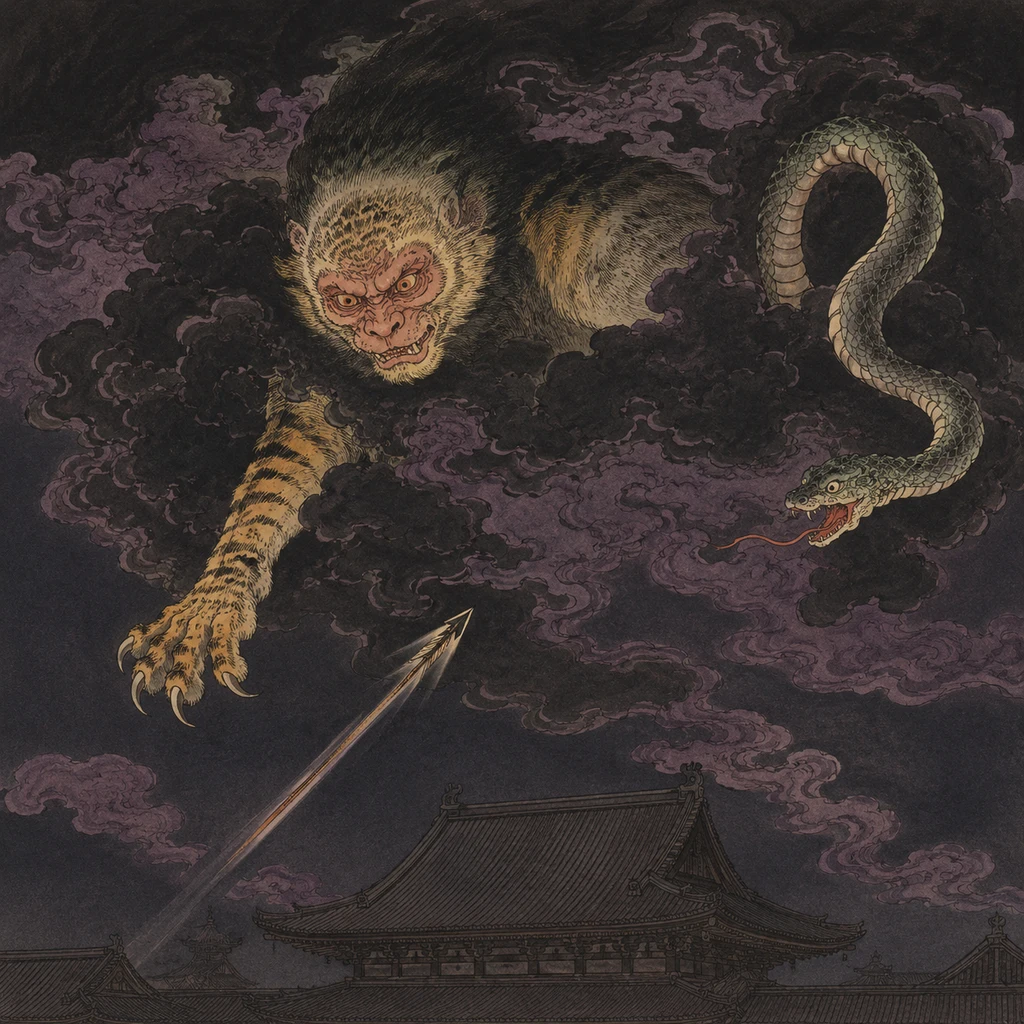
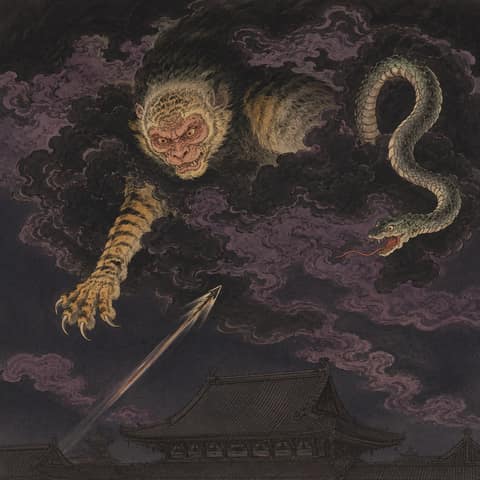
The Nue is one of the most representative yōkai in Japan, famously known as a chimeric aberration composed of a monkey's head, a tanuki's body, a tiger's limbs, and a snake's tail. Originally, "Nue" was the ancient name for a real bird (the White's thrush) that sings a mournful "hyo, hyo" in the night. During the Heian period, its cry was deeply abhorred and considered a "sinister omen." In the *Tale of the Heike*, the monster slain by Minamoto no Yorimasa was inherently a "nameless beast," merely described as "crying eerily like a nue." However, later generations mistakenly applied the name of the bird's cry to the monster itself, thus cementing its identity. It is an extremely unique and important entity in the history of Japanese yōkai, having morphed over the centuries from an invisible "auditory apparition" into a visual "chimera."

Tsuchigumo (Earth Spider)

Tsuchigumo (Earth Spider)

Legendary

TSOO-chee-GOO-moh

Tsuchigumo of the Raikō Extermination Tale

General ClassificationsNaraKyoto

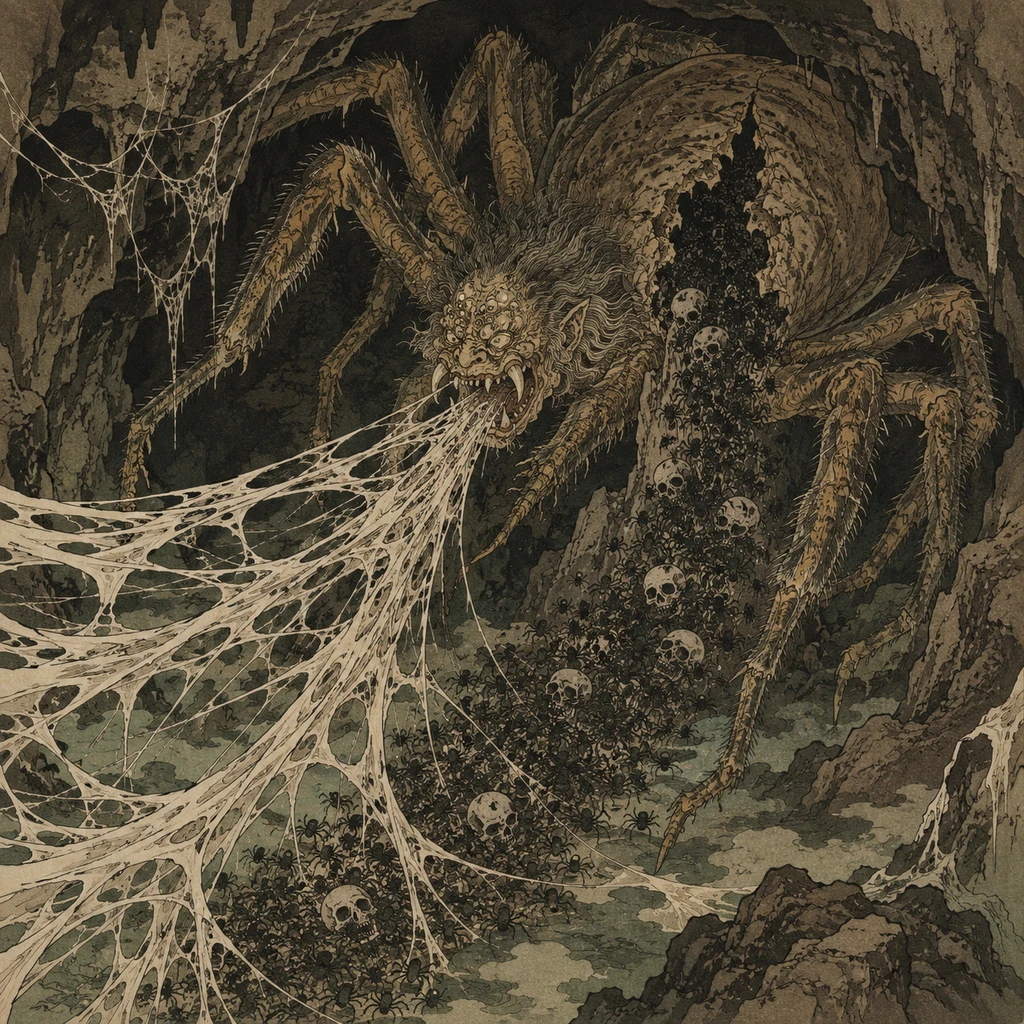
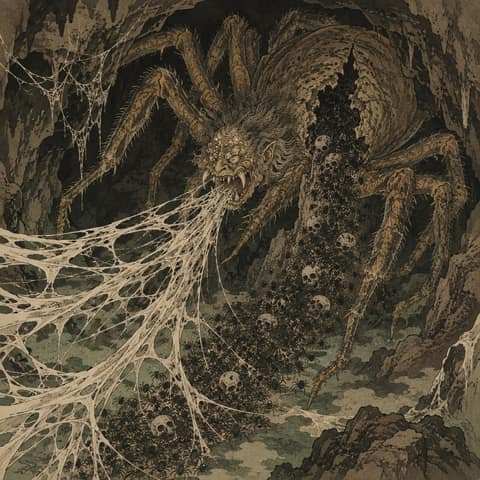
In ancient records, tsuchigumo was a derogatory label for local powers who defied the imperial court—groups who hid in mountains and caves and resisted rule. Their name appears in the Nihon Shoki and various provincial Fudoki. From the medieval period, Noh drama and picture scrolls reimagined them as giant spider yokai, best known in tales where Minamoto no Yorimitsu (Raikō) slays the monster. Despite the image, they are not related to spiders in a biological sense.

Ushioni

Ushioni

Legendary

OO-shee OH-nee

Cow-Headed, Spider-Bodied Sea Demon: Ushioni

Animal ShapeshifterEhimeKochi

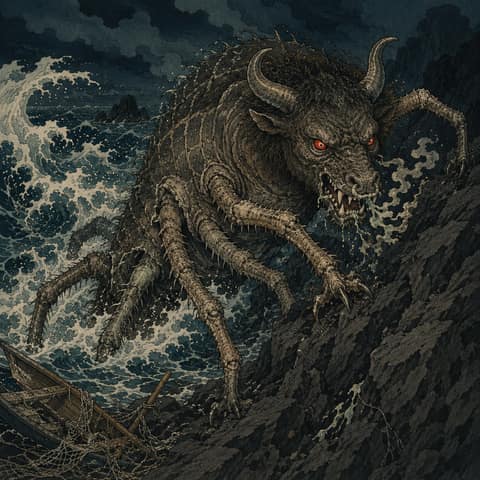
Ushioni (牛鬼) is a highly ferocious yokai with immense spiritual status, primarily said to appear on the coasts, in deep pools, and in the mountainous regions of western Japan. Its appearance is depicted in various grotesque forms, such as "a demon's body with a cow's head" or "a spider's body with a cow's head." Long ago, it was singled out as a "terrifying thing" in the Heian-period *The Pillow Book* (Makura no Sōshi), and has been deeply feared by people since ancient times. Its true nature lies in its extreme duality (the two-sidedness of good and evil): on one hand, it is a "cruel evil demon and god of plague" that indiscriminately devours humans and scatters poisonous miasma; on the other hand, it acts as a "powerful guardian deity" that leads portable shrines in festivals to exorcise evil spirits. It is an extremely important yokai in folklore studies, having evolved from a supernatural anomaly in literature to an object of regional folk belief and performing arts.

Umibōzu (Sea Monk)

Umibōzu (Sea Monk)

Legendary

oo-mee-BOH-zoo

Umi-bōzu (Fishermen’s Lore)

Aquatic SpiritsNagasakiEhime

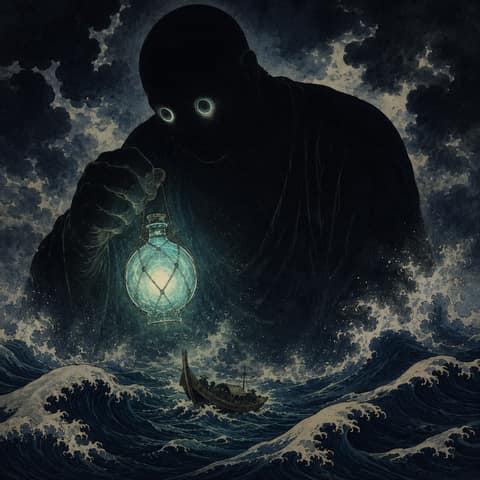
Umibōzu is a sea-dwelling yokai feared by coastal communities across Japan, especially among fishers. It appears as a vast black mass or a bald monk-like head rising from the waves, often seen as a harbinger of shipwrecks and maritime disaster. Its full body is rarely visible; most accounts describe only a head and shoulders jutting above the surface. Said to emerge at night or in storms, it overturns boats or drags sailors into the depths.

Gashadokuro

Gashadokuro

Legendary

gah-shah-doh-KOO-roh

Great Skeleton of Assembled Vengeful Spirits: Gashadokuro (Complete Memorial Version)

Spirit / GhostFictional Origin (Created in the mid-Showa period; a giant skeleton figure)

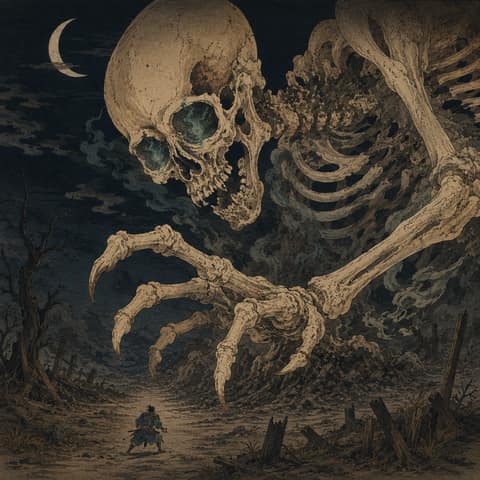
Gashadokuro is a yokai in the form of a giant skeleton, said to be formed from the assembled bones and grudges of countless dead who perished from war or starvation and were never properly buried, gathering together in the deep darkness of the night. It wanders through night fields and wastelands, and when it finds a living human, it catches them with its giant bony arms, crushes their head in its jaws, and drinks their blood. The name is said to come from the eerie "gasha gasha" rattling sound its giant bones make rubbing against each other as it walks. However, when examining this yokai from the perspectives of folklore and yokai studies, we arrive at a highly shocking fact. Gashadokuro "does not appear at all" in classic Japanese ghost stories or folklore prior to the Edo period. No matter which region's traditions in Japan one traces back, no record of this yokai can be found. In truth, the Gashadokuro is a "modern fictional yokai (invented tradition)" created entirely from scratch by writers of children's horror books during the "yokai boom" of the mid-Showa period (late 1960s). The history of its creation suggests that its first appearance was in 1966, when occult writer Morihiro Saito coined the name "Gashadokuro" and established its basic concept, drawing inspiration from Western ghost tales (such as headless phantom knights), and published it in a magazine for boys and girls. Then, to give this entirely new concept overwhelming visual persuasiveness, what was "borrowed" later was the illustration of a giant skeleton from the masterpiece ukiyo-e print "Takiyasha the Witch and the Skeleton Spectre" (Soma no Furudairi) (circa 1845) by the genius ukiyo-e artist of the late Edo period, Utagawa Kuniyoshi. Kuniyoshi's ukiyo-e was originally based on the yomihon "Zenthi Yasutaka Chugiden" by Santo Kyoden, depicting the scene where Princess Takiyasha, daughter of Taira no Masakado, uses sorcery to unleash a skeleton upon Oya Taro Mitsukuni. In the original book's description, "hundreds of life-sized skeletons appear," but Kuniyoshi employed his uniquely dynamic sense of composition to boldly arrange the countless skeletons into "a single giant skeleton." In other words, what Kuniyoshi drew was strictly "a giant bone monster summoned by Princess Takiyasha's sorcery," and absolutely not the yokai known as "Gashadokuro" born from gathered grudges. However, in the 1970s, in Arifumi Sato's "Illustrated Encyclopedia of Japanese Yokai" (1972) and Shigeru Mizuki's yokai illustrations, the name and concept invented by Saito were perfectly combined with the visual of Kuniyoshi's terrifying giant skeleton. As a result, the historical illusion (fake lore) of an "ancient, terrifying yokai depicted even in ukiyo-e" was brilliantly completed, and the Gashadokuro instantly took deep root in the minds of children and adults across Japan as a "traditional Japanese yokai."

Yamauba

Yamauba

Legendary

yah-mah-OO-bah

Yamanba (Traditional Folkloric Form)

Mountain & Wilderness SpiritsKanagawa

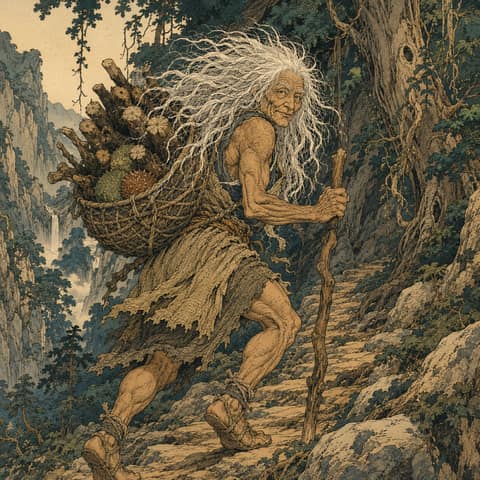
An old witch-like yokai who dwells deep in the mountains. She is also known as the foster mother of the folk hero Kintaro.

Ubume

Ubume

Epic

ubume

Ubume (Traditional Form)

Ghosts & SpiritsVarious regions nationwide. A famous early example is found in the medieval Konjaku Monogatari Shu.

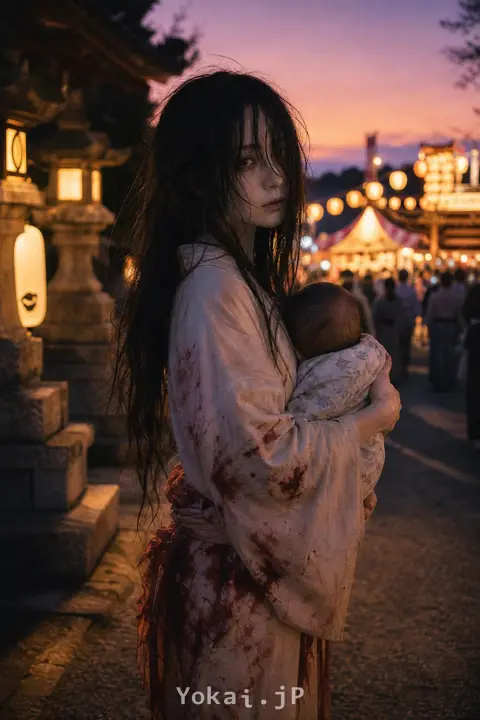
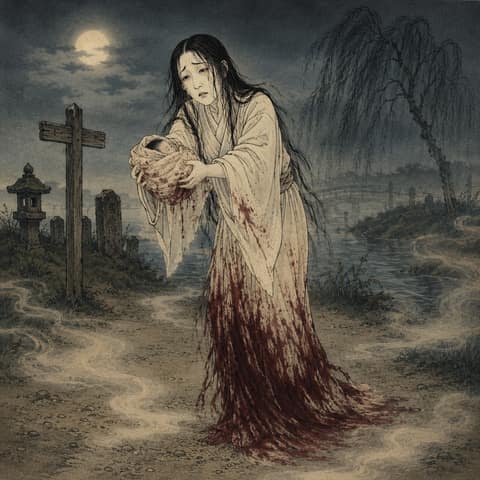
Ubume is a Japanese supernatural phenomenon (yokai) widely believed to be the spirit of a woman who died during childbirth or shortly after, appearing in the form of a woman cradling an infant. In many tales, she stops passersby at night at river crossings, bridges, and crossroads, pleading with them, "Please hold this child." The outcome varies depending on the region and the source: the baby received might suddenly become heavy, turn into leaves or a stone, or the person who manages to hold onto it until the end might be granted superhuman strength or wealth. Therefore, the Ubume is not merely an evil spirit that attacks people. She is an entity that gathers the severed bond between mother and child, the fear of the dead, and the courage and compassion of those who accept her plea into a single tale of an encounter. A famous surviving early example is found in the first half of the 12th century in *Konjaku Monogatari Shu* (Tales of Times Now Past), Scroll 27, Tale 43, "How Minamoto no Yorimitsu's Retainer, Taira no Suetake, Met an Ubume." When Minamoto no Yorimitsu was the Governor of Mino, his retainer Taira no Suetake went to a dark river crossing at night as a test of courage, where he was entrusted with a baby by a woman in the river. Upon returning to the mansion and opening his sleeve, he found only a few tree leaves. At the end of the tale, the narrator juxtaposes the theory that the Ubume is a shape-shifting fox with the theory that she is the spirit of a woman who died in childbirth, without deciding on her true identity. At this stage, the blood-stained waistcloth and bird feathers that became famous in later eras had not yet been depicted. On the other hand, care must be taken with the notation that writes "Kōkakuchō" (Guhō bird) but pronounces it "Ubume." The "nocturnal roaming woman" described in Scroll 16 of the Tang dynasty text *Youyang Zazu* (Miscellaneous Morsels from Youyang) is a Chinese monster bird that becomes a bird when wearing feathers and a woman when taking them off, and has a habit of snatching people's children. Because it involved babies and women who died in childbirth, it was conflated with the Japanese Ubume, but they originally belonged to different lineages. According to the research of Manami Yasui, Hayashi Razan, who assigned the Japanese name to the Chinese Kōkakuchō, first specified in the 1631 *Shinkan Tashikihen* that "Kōkakuchō" is the "Ubume-dori" (Ubume bird) or Nue. While the Japanese Ubume has as its core "a mother's spirit entrusting her own baby to someone else," the Chinese Kōkakuchō has as its core "a bird monster that snatches other people's children." Understanding this difference reveals how the yokai known as Ubume changed its form by layering medieval tales, memorials for those who died in childbirth, knowledge of monster birds from China, and early modern yokai illustrations.

Jorōgumo (Enchanting Spider)

Jorōgumo (Enchanting Spider)

Legendary

jo-ROH-goo-moh

Tradition-Faithful Jorōgumo Archetype

Animal ShapeshiftersShizuokaNagano

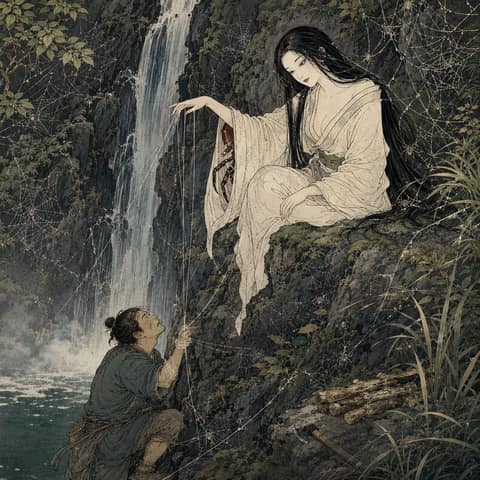
Jorōgumo is a giant spider yokai that takes the form of a beautiful woman to lure victims. The name appears in Edo-period curiosities and picture scrolls; Toriyama Sekien depicts her as a woman attended by spiderlings. She entices people back to her lair, ensnares them with silk, weakens them, and devours them. Many tales unfold at liminal places—waterfalls, pools, and abandoned houses on the edge of villages—and when unmasked, she flees into rafters or crevices in the rocks.

Nure-onna

Nure-onna

Epic

NOO-reh-OHN-nah

Nure-onna (Tradition-Faithful Version)

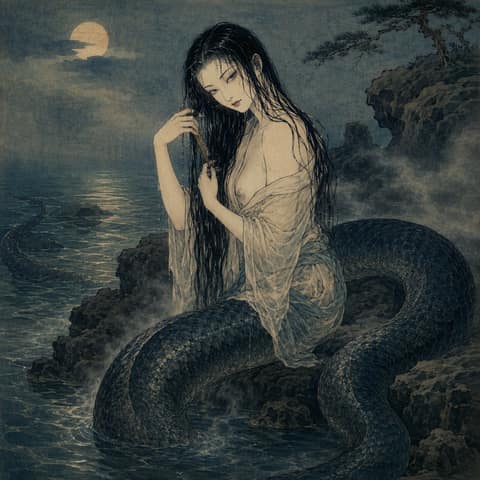
A female yokai that appears by the water, named for her perpetually wet hair and body. Edo-period picture scrolls often depict her as a woman with a serpent’s body, luring people at sea or along rivers. She is closely associated with the Iso-onna and is sometimes said to be a sea-snake incarnation, though firsthand descriptions in classical sources are scarce. Traits vary by region, from tales where she forces a baby into a passerby’s arms to accounts of a vast-tailed water monster.

Inugami

Inugami

Legendary

EE-noo-GAH-mee

Inugami (Traditional Form)

Animal ShapeshiftersTokushimaKochi

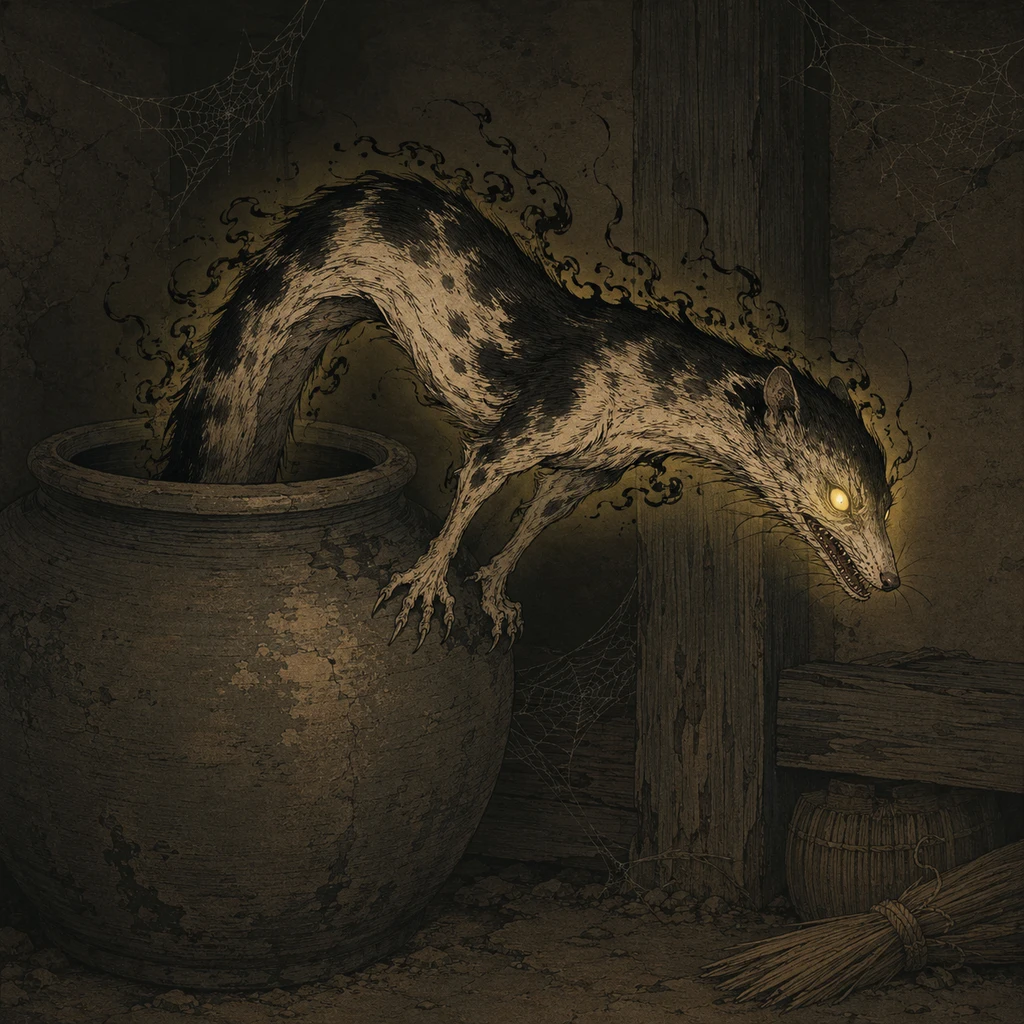
Inugami are possessing dog-spirits found mainly in western Japan, counted alongside fox possession and kuda-gitsune as a powerful occult force. Shikoku—especially Tokushima, Kochi, and Ehime—is regarded as their heartland, with traces reported from Shimane and Yamaguchi down through Kyushu to the Satsunan Islands and Okinawa. Families believed to host hereditary Inugami—called “Inugami bloodlines”—were stigmatized, leading to marriage taboos and social discrimination. Their form and temperament vary widely by locale, with traditions describing them as mouse-like, weasel-like, or bat-like, among other shapes.

Kama-itachi

Kama-itachi

Legendary

kah-mah-ee-TAH-chee

Kama-itachi

Animal ShapeshiftersNiigataNagano

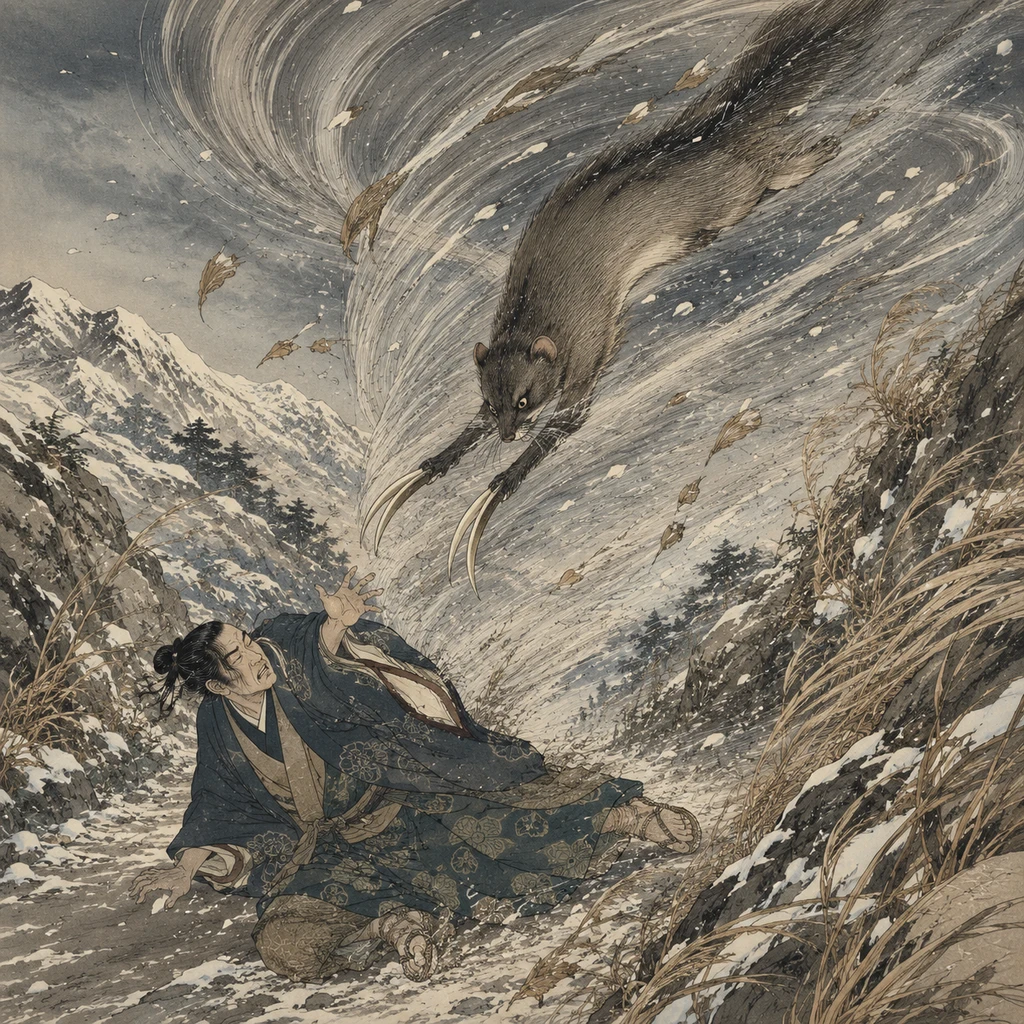
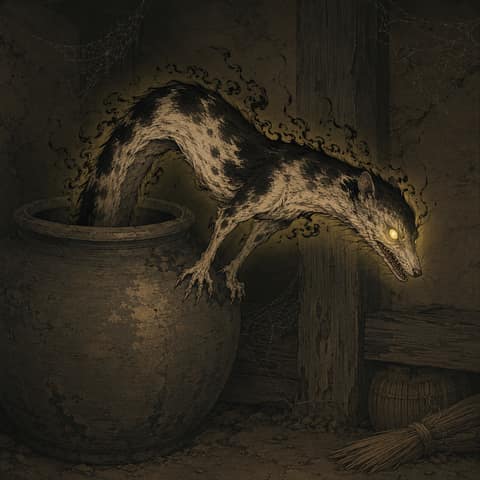
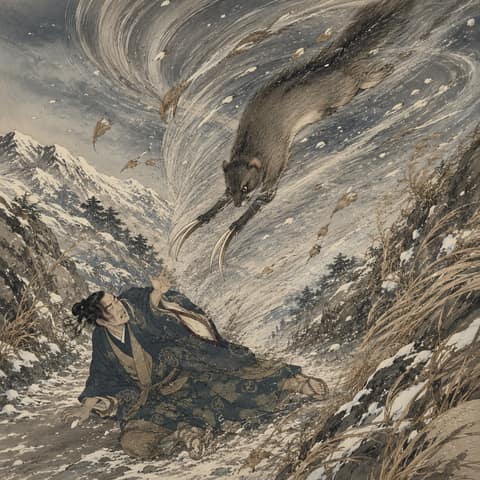
Kama-itachi are yokai said to ride dust devils or sudden whirlwinds, slicing human skin as if by a blade. Victims often feel little pain at first and may not bleed until later. From the Edo period on, they’re depicted as weasels with sickle-like claws, though explanations vary by region—some attribute the cuts to the phenomenon itself, to wind deities, or to minor spirits. The term is also a classical winter seasonal word.

Kodama (Japanese Tree Spirit)

Kodama (Japanese Tree Spirit)

Epic

kodama

Kodama (Ancient Tree and Echo Spirit)

Mountain and Forest SpiritsTokyoOkinawa

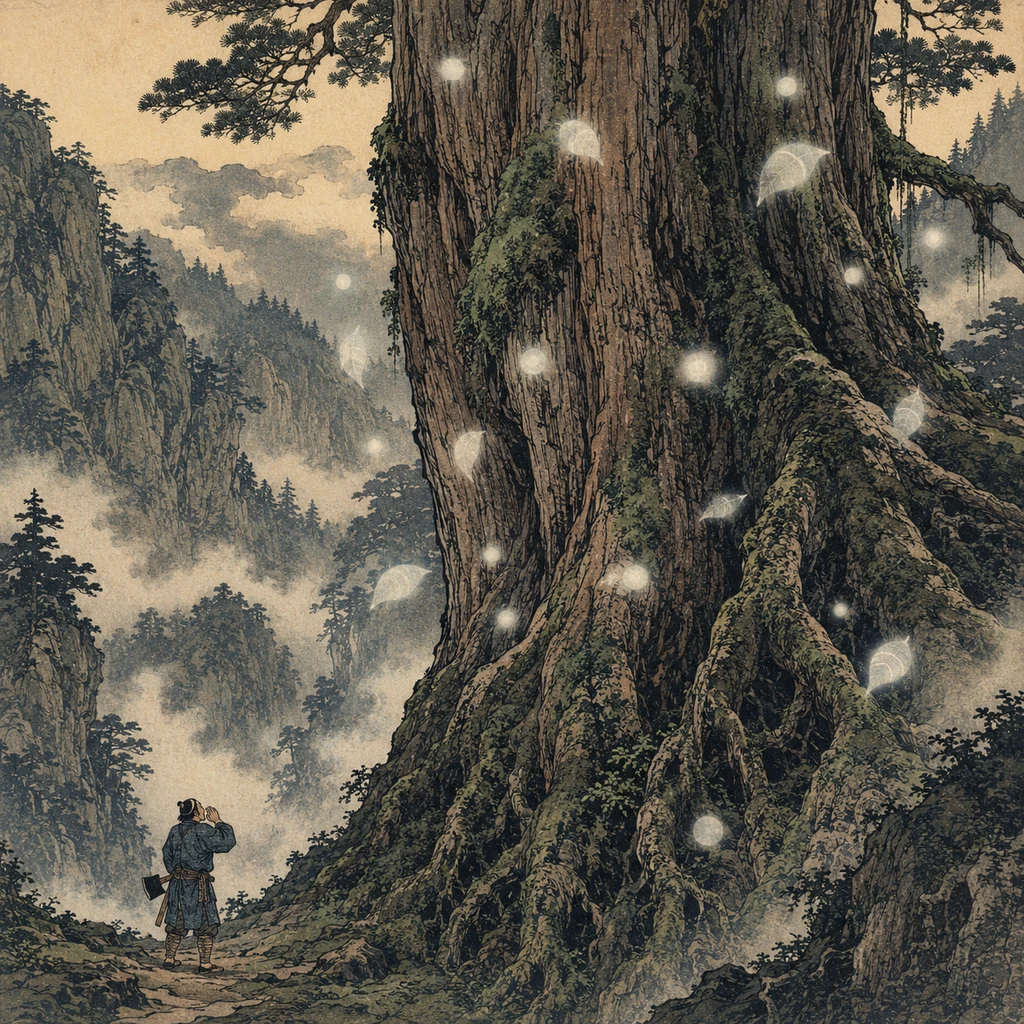
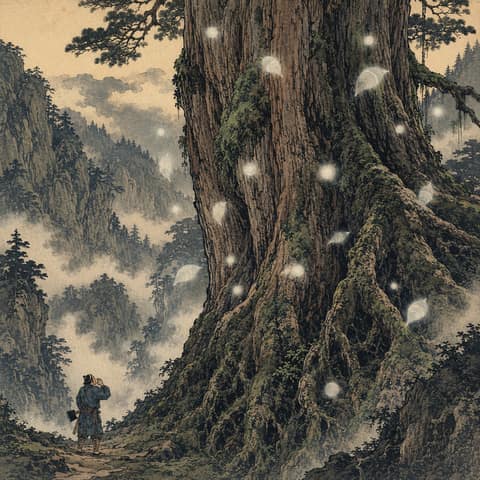
Kodama, often searched in English as “kodamas,” are Japanese tree spirits: presences believed to dwell in old trees, or sometimes in the trees themselves. In older belief, a tree that had lived for many generations could hold a sacred presence, and the delayed voice that returns from a mountain or valley, known as yamabiko, was also understood as a reply from the kodama. The idea reaches back toward Japanese tree divinity: some interpretations connect kodama with Kukunochi, the tree deity named in the Kojiki, while the Heian-period dictionary Wamyo Ruijusho records “Kotama” as a Japanese name for a tree god. Genji monogatari also places kodama among beings that are hard to separate cleanly from oni, kami, or fox spirits, showing that the word already carried an uncanny, yokai-like edge in the Heian imagination. A kodama usually does not look like a separate monster; it may be indistinguishable from an ordinary tree, yet the tree is feared as charged with spirit, and careless felling could bring misfortune. Toriyama Sekien’s Gazu Hyakki Yagyo illustrates this under the title Mokumi, explaining that a god appears in a tree more than a hundred years old and drawing aged human figures beside an ancient trunk. Written as 木霊, 木魂, 木魅, or 谺, kodama sits at the meeting point of tree soul and echo: the forest speaks back, and the tree is imagined as the one answering.
Pillow-Flipper

Pillow-Flipper

Uncommon

mah-koo-rah-GAH-eh-shee

Traditional Type – Temple and Shrine Anomaly Affiliation

Household SpiritsAcross Japan

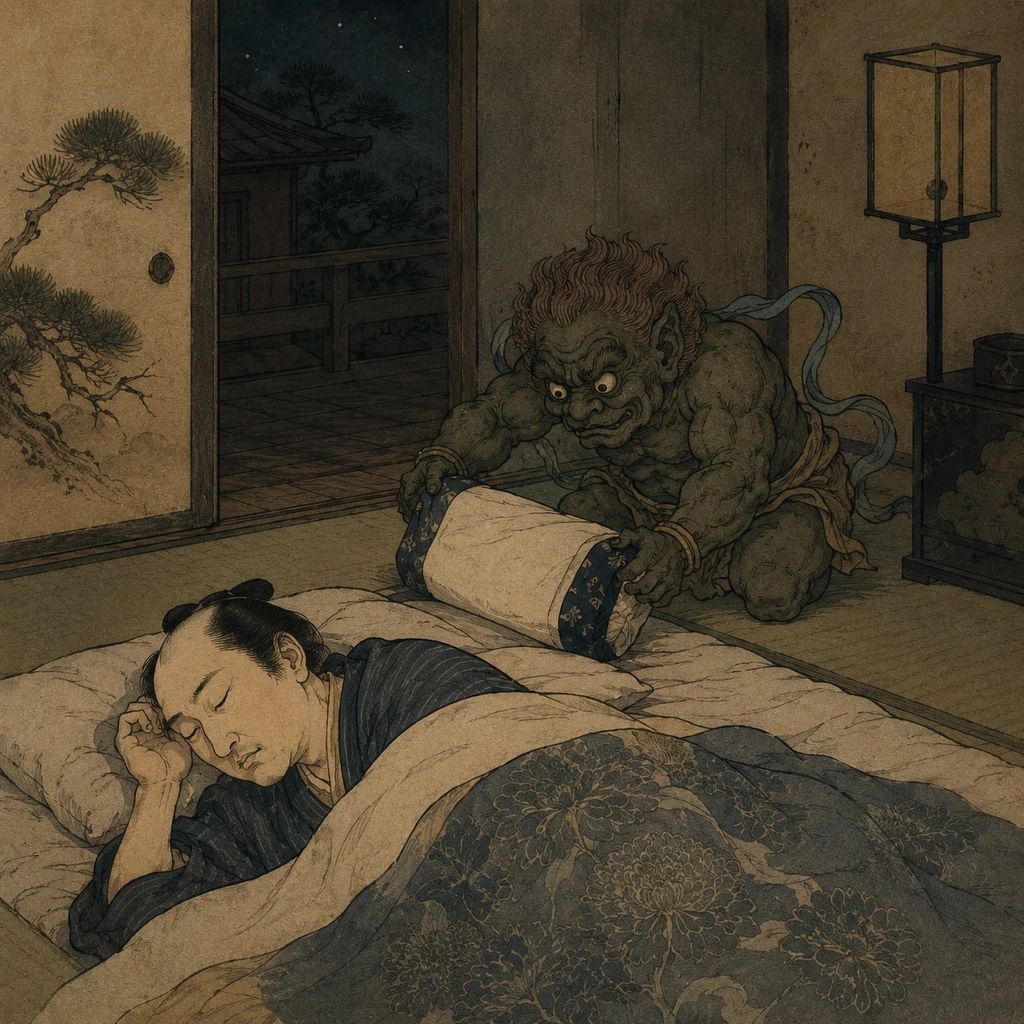
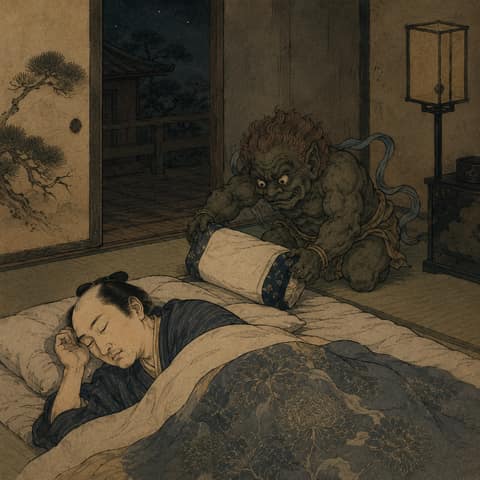
A nocturnal mischief-maker that appears in bedrooms to flip pillows or switch a sleeper’s head and feet. Most records date from the Edo period onward. Its form varies—sometimes a child, a monk, or left undefined. In Toriyama Sekien’s Gazu Hyakki Yagyō it resembles a small guardian-statue figure. Having one’s pillow reversed was once feared as a sign of disorder between body and soul, linked to illness or death.
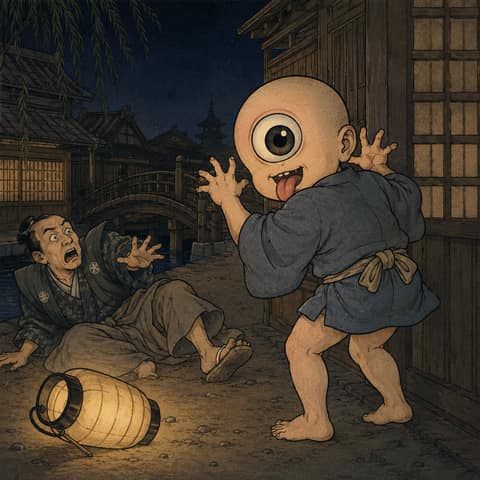
Hitotsume-kozou

Hitotsume-kozou

Epic

hee-TOH-tsu-meh koh-ZOH

The One-Eyed Boy

YokaiAcross Japan (Edo, Aizu, Tanba, Bizen, etc.)

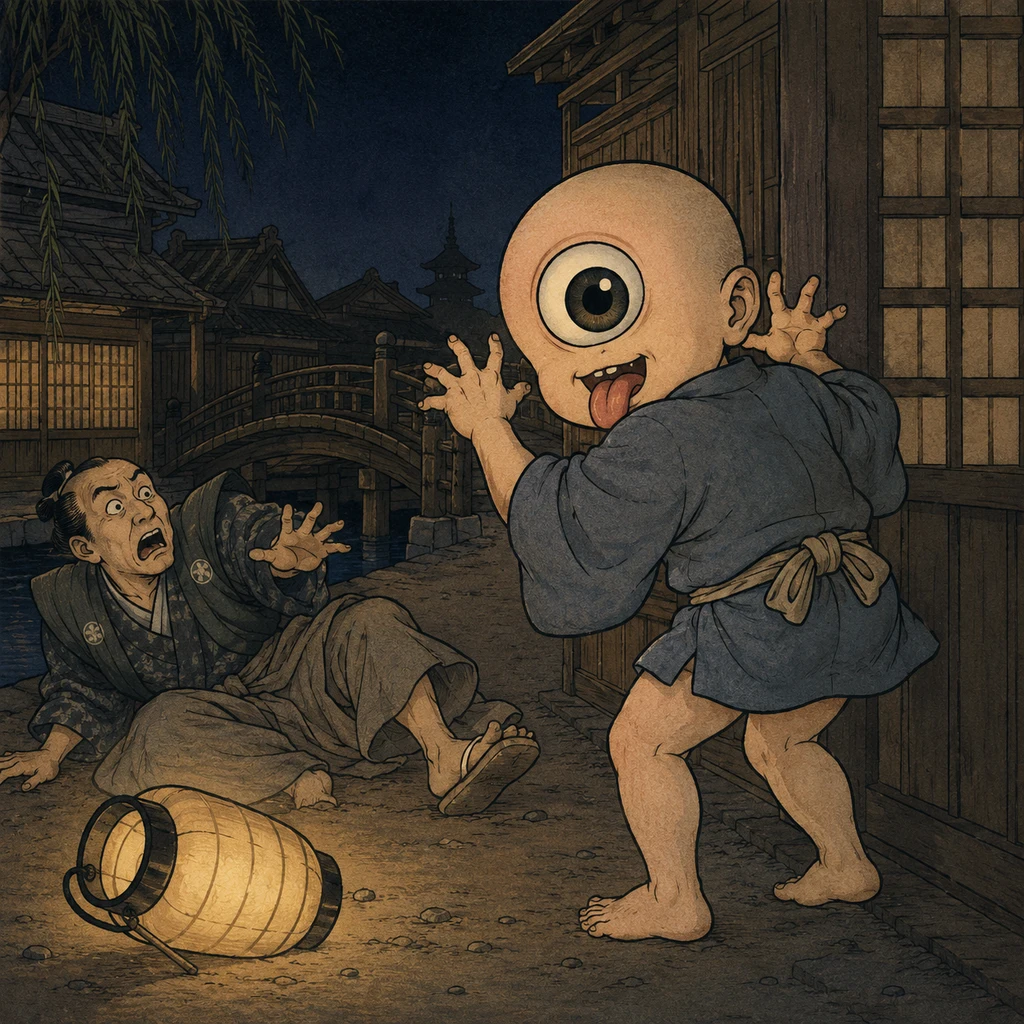
A yokai appearing as a shaven-headed boy with a single large eye in the center of his forehead. More prankster than predator, it startles people by popping up suddenly and is often portrayed with humor. A folk pun led to the belief it dislikes beans, which later shifted into depictions of it favoring tofu. It appears in Edo-period picture scrolls and essays, and is often encountered outdoors or by the roadside.

Mikoshi-nyūdō (Looming Priest)

Mikoshi-nyūdō (Looming Priest)

Epic

mee-KOH-shee nyoo-DOH

Mikoshi-nyūdō (Edo Kaidan Record Type)

Demons & GiantsTokyoSaitama

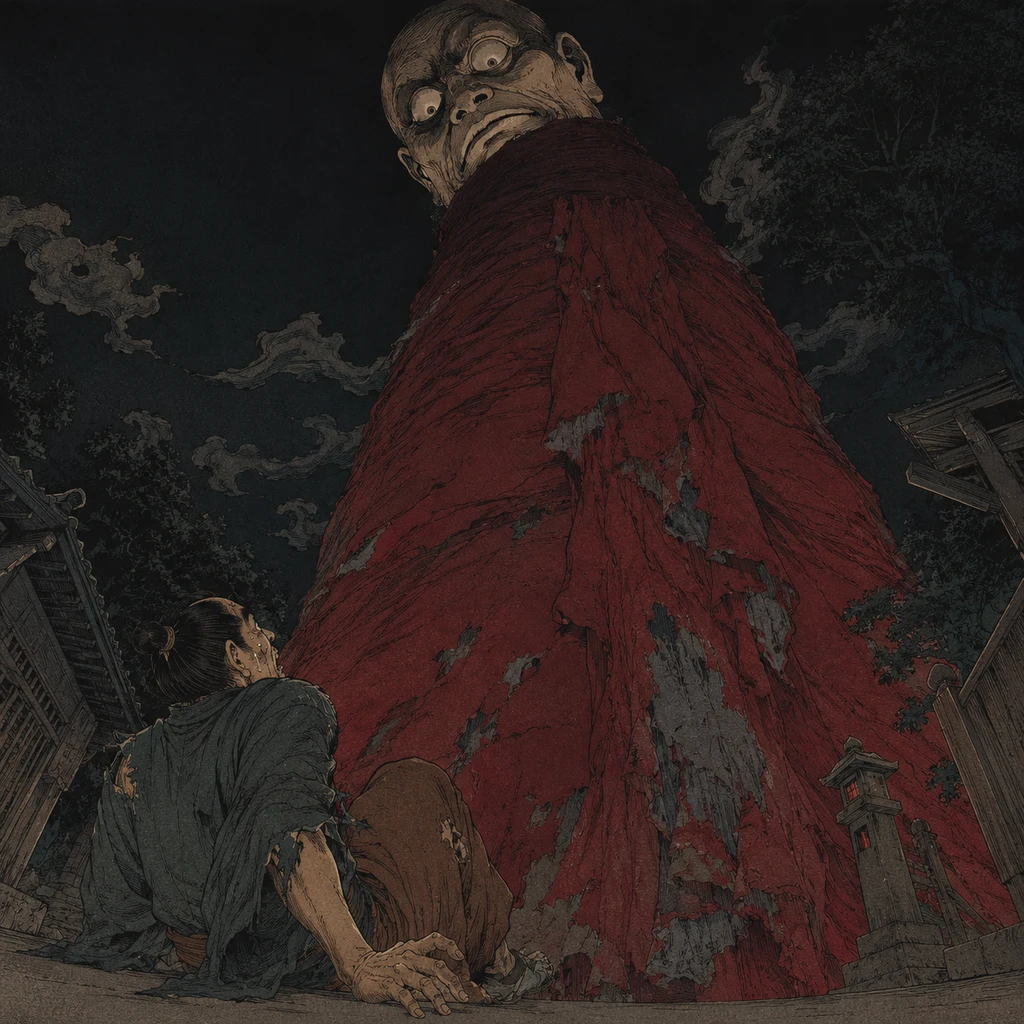
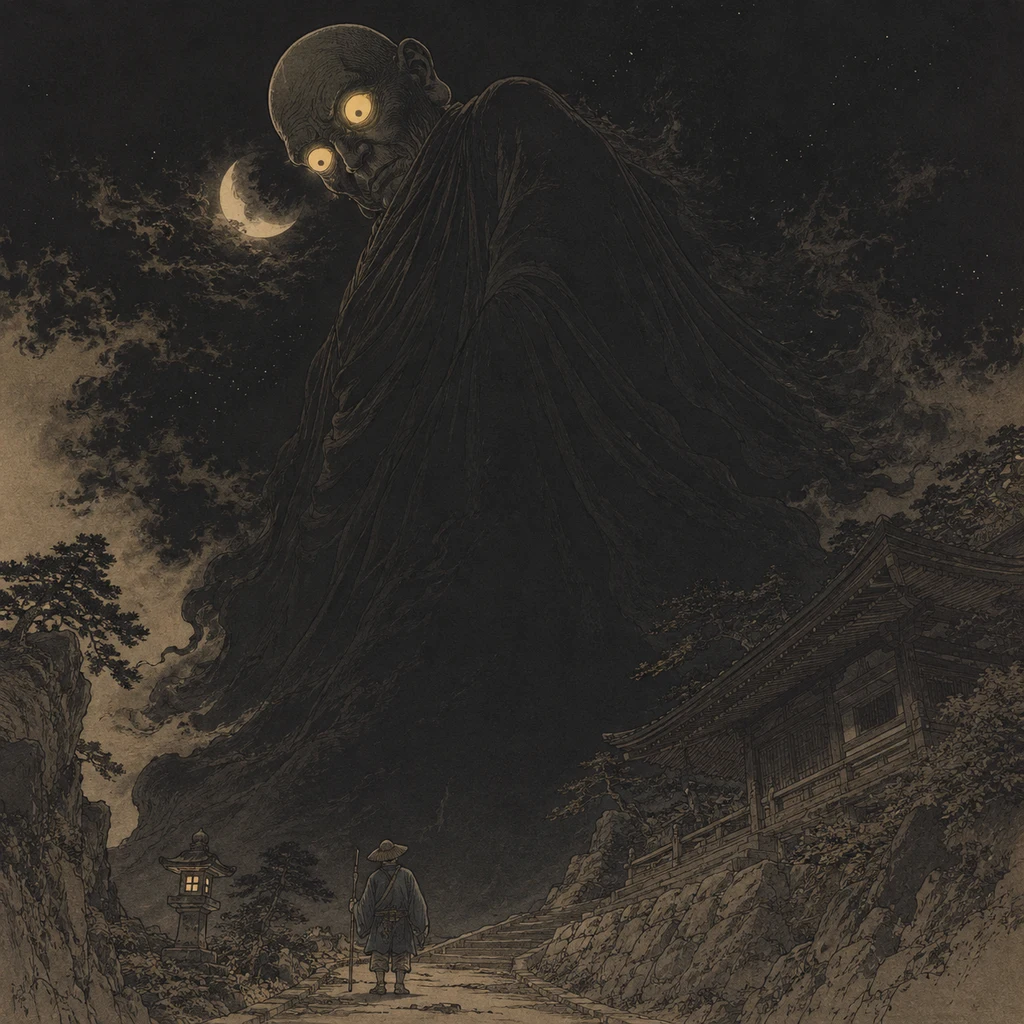
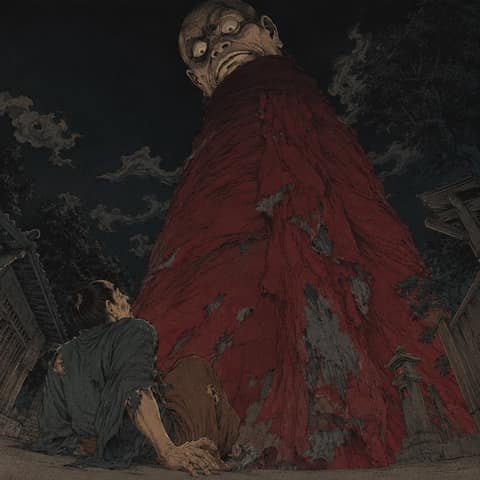
A towering monk-like apparition that appears on night roads, at the end of slopes, crossroads, stone bridges, or atop trees. The more you look up at it, the larger it grows, terrifying those who give in to fear. Common countermeasures include saying “I’ve seen through you” or calmly looking down at it. Its true nature varies by region and may be a shapeshifted tanuki, fox, weasel, or badger. It is a well-known type found in Edo-period ghost tales and essays.

Great Nyūdō (Giant Priest Apparition)

Great Nyūdō (Giant Priest Apparition)

Epic

oh-oh-nyoo-DOH

Annotated Traditional Edition: Ōnyūdō (Giant Priest)

Demons & GiantsMie

Ōnyūdō is a giant, priest-like apparition—and sometimes a towering shadow figure—reported across Japan. The name means “great monk,” yet it does not always appear in clerical form; accounts describe colossal humanoids or amorphous shadows looming overhead. Its glare is said to make onlookers faint or fall ill. While its true nature is often left unstated, some traditions claim it is a transformed animal—fox, tanuki, weasel, or otter—or even a bewitched stone stupa.

Azuki-arai (Bean Washer)

Azuki-arai (Bean Washer)

Epic

ah-ZOO-kee ah-RAH-ee

Azukiarai of the Mountain Stream

Ghosts & SpiritsTokyoIbaraki

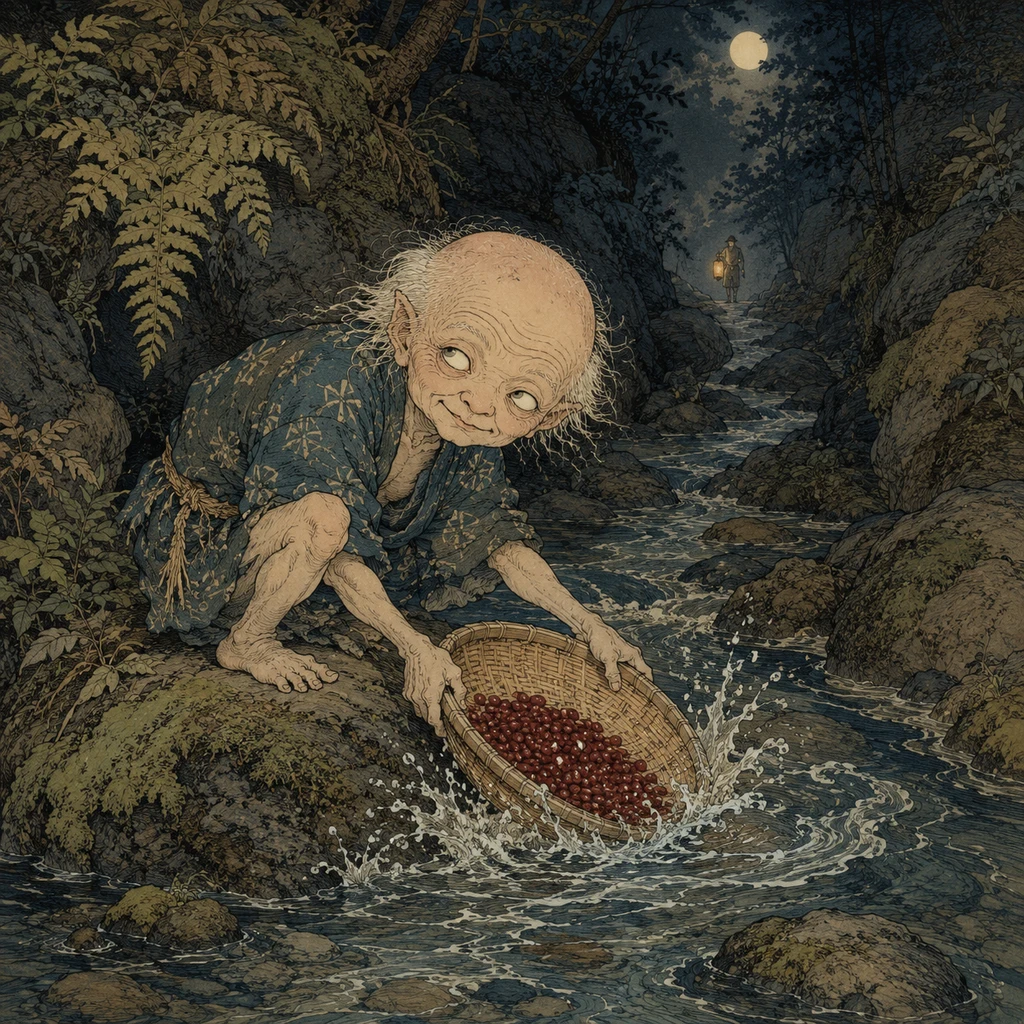
A yokai that washes red beans at streams late at night, echoing with shoki-shoki or zaku-zaku sounds. It appears near human settlements, blending into the sound of running water. Descriptions vary: a small, wizened elder or, at times, a child. Rather than direct attacks, it deceives with its presence, luring people into slipping. It appears in Edo-period strange tales and picture scrolls, with some accounts noting its habit of counting beans with exactness.

Betobeto-san

Betobeto-san

Epic

betobeto-san

The Footsteps Echoing on the Night Road

Mountain/Field YokaiNaraShizuoka

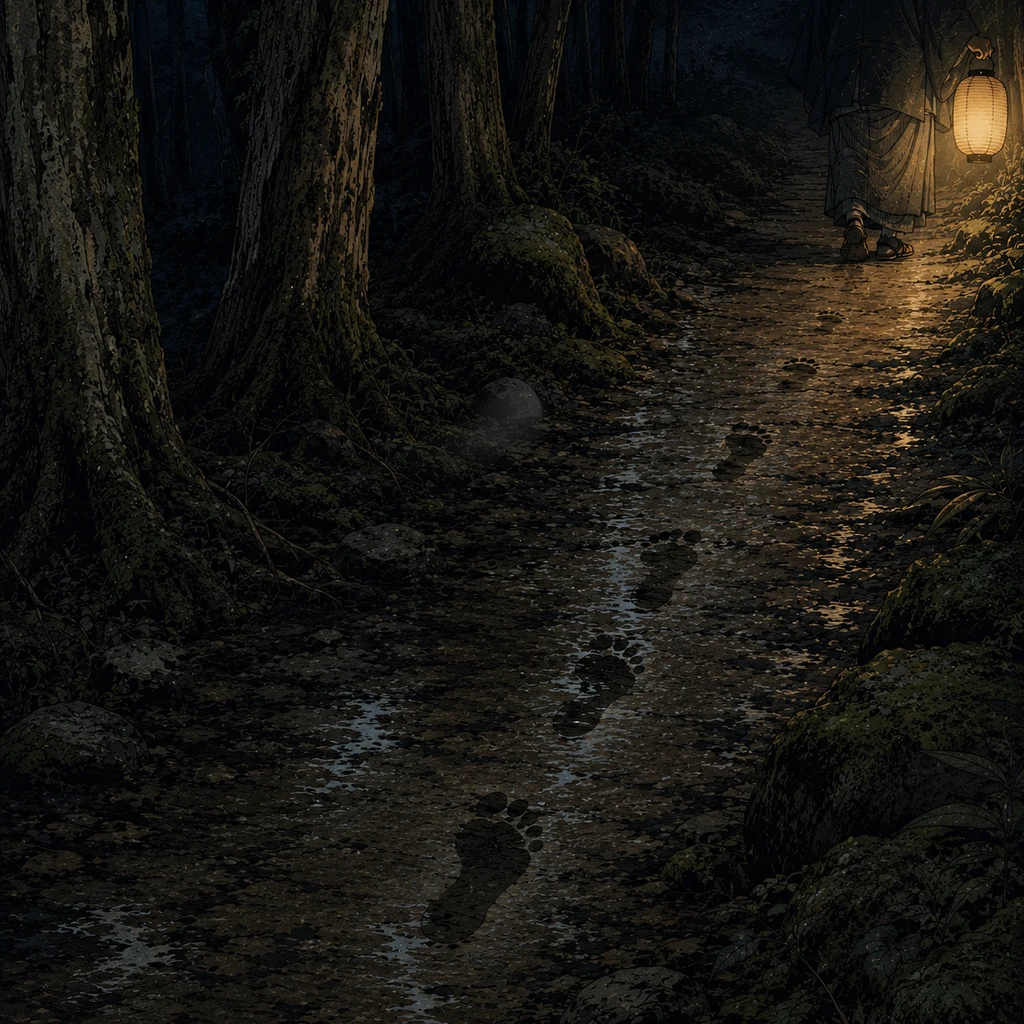
Betobeto-san is a night-road yokai that never reveals its form, accompanying people from behind solely through the sound of footsteps. Widely known primarily around Uda District in Nara Prefecture, it is said that while walking down a dark road, one might hear wet, smacking footsteps—"beto-beto" or "peta-peta"—trailing behind them, yet turning around reveals no one. The terror it induces does not stem from a grotesque appearance, but from the fact that the distance of the footsteps never changes. Neither catching up nor falling behind, the footsteps perfectly match the person's stride, forcing the walker to carry an invisible companion on their back. Rather than a yokai that inflicts harm, Betobeto-san is an anomaly of the boundary that can be safely passed by showing courtesy to the unseen. It is said that if one calls out, "Betobeto-san, please go ahead" (Betobeto-san, osaki e okoshi) and yields the path, the footsteps will move to the front and eventually disappear. This etiquette demonstrates the folkloric wisdom of not eliminating fear through force, but acknowledging the other's existence and yielding the right of way. While Shigeru Mizuki's illustrations gave it a round, friendly appearance, the original Betobeto-san is a formless presence born from the sounds of night roads, wet soil, and the emptiness behind one's back. There is a vast distance between this yokai's visualized modern character form and the formless folkloric experience it originated from. Though it gained a small body in pictures, the core of the legend remains the footsteps approaching from behind. Therefore, to truly understand Betobeto-san, rather than looking for its figure, one must imagine the sensation of gaining an extra set of walking sounds on a dark, lonely road.

Tofu-kozo

Tofu-kozo

Uncommon

tofu-kozo

The Edo Clown Yokai Born from Kibyoshi: Tofu-kozo

Humanoid Yokai / Half-human Half-yokaiTokyo

The *Tofu-kozo* (Tofu Boy) is a *yokai* that appears on rainy evenings in the guise of a child wearing a large sedge hat, holding a tray with a block of tofu stamped with a maple leaf design. However, it neither attacks nor bewitches people; it simply stands there holding the tofu. This un-*yokai*-like, goofy charm is its main feature, making it beloved by the people of the late Edo period. What is noteworthy is that its origin does not lie in ancient folklore, but in the publishing culture of Edo itself. During the Anei era (1770s), it suddenly appeared as a character in illustrated entertainment books such as *kibyoshi* and *kusazoshi*. Its first appearance is said to be in the *kibyoshi* *Yokai Shiuchi Hyobanki*. Yokai researchers such as Natsuhiko Kyogoku and Katsumi Tada position the Tofu-kozo as an early example of a 'character yokai' artificially created as a commercial product. In other words, the Tofu-kozo is not a monster that crawled out of the darkness of the countryside, but an Edo-born yokai spawned by the urban industry of publishing.

Kasha (Corpse-Dragging Fiend)

Kasha (Corpse-Dragging Fiend)

Epic

KAH-shah

Cat-Type Kasha (Early Modern Tale Variant)

Ghosts & SpiritsIwateGunma

A yokai said to appear at funerals, funeral processions, and graveyards to snatch coffins and corpses. In the early modern period it was told as a hellish jailer or thunder god’s doing, stealing bodies amid black clouds and lightning. Later it merged with bakeneko lore, spreading the belief that an aged cat becomes a kasha and preys on the dead. Reports occur nationwide and are not strictly framed as moral retribution. Traditional countermeasures include blades, prayer beads, mounded earth, and constant vigil.

Funayūrei (Boat Ghosts)

Funayūrei (Boat Ghosts)

Epic

foo-nah-YOO-ray

Beggar of Teigo at Dan-no-ura

Aquatic SpiritsYamaguchiFukushima

A maritime apparition said to be the spirits of those who died at sea. Accounts vary: they appear as ghostly boats, drowned phantoms, strange fires on the waves, or monk-like sea figures. They commonly emerge on stormy nights or in sea fog, trying to sink passing vessels by ladling seawater aboard, or by bewildering sailors into running aground. Regional countermeasures include handing over a bottomless ladle, throwing rice balls or ash, or fixing them with a stern glare. They are also called “ghost ships” or ayakashi in some traditions.

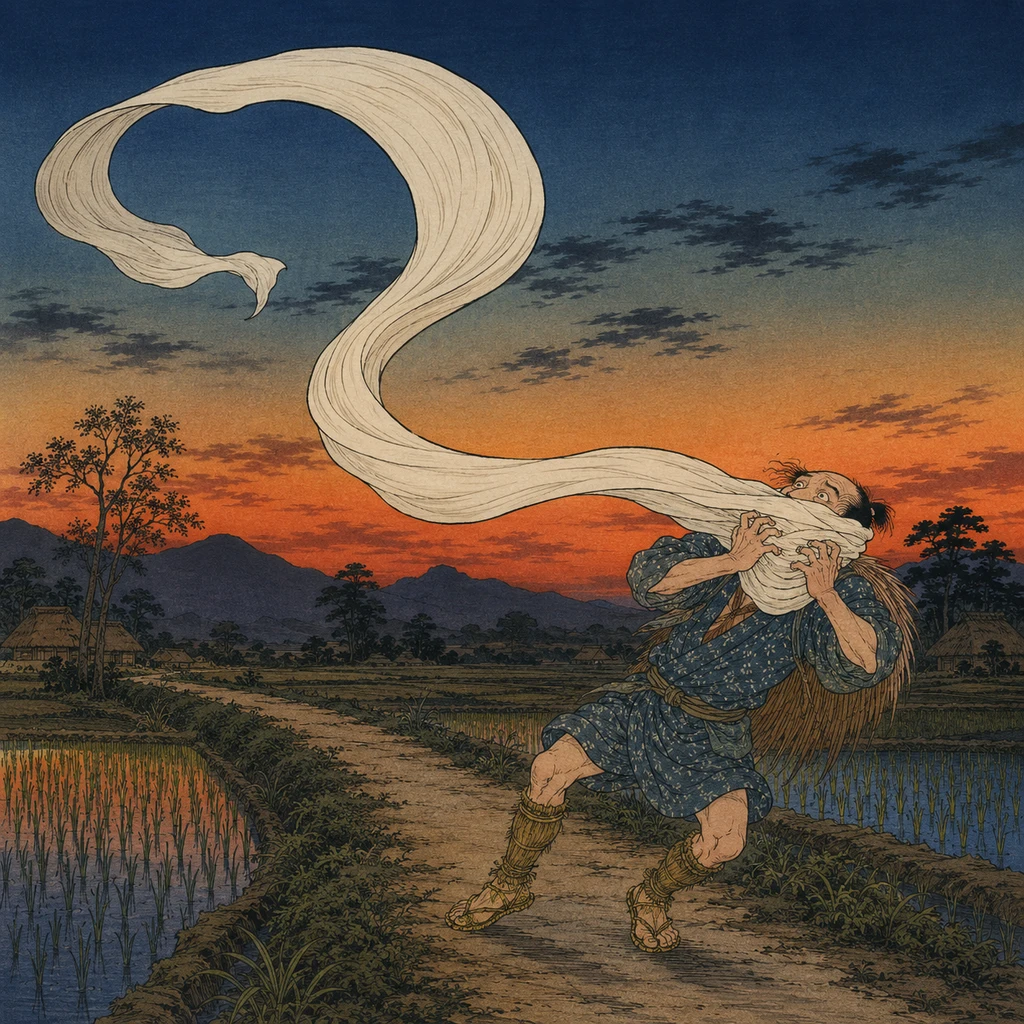
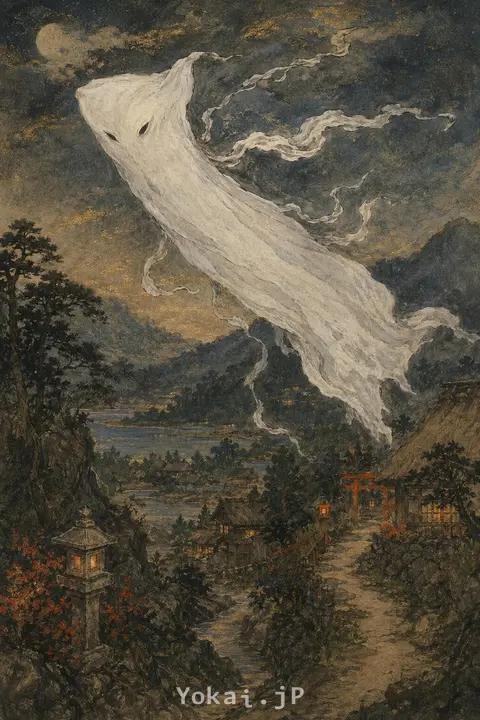
Ittan-Momen

Ittan-Momen

Epic

ee-tahn moh-men

The Strangling Cloth of Satsuma's Night Sky: Ittan-Momen (Folklore Version)

Household SpiritsKagoshima

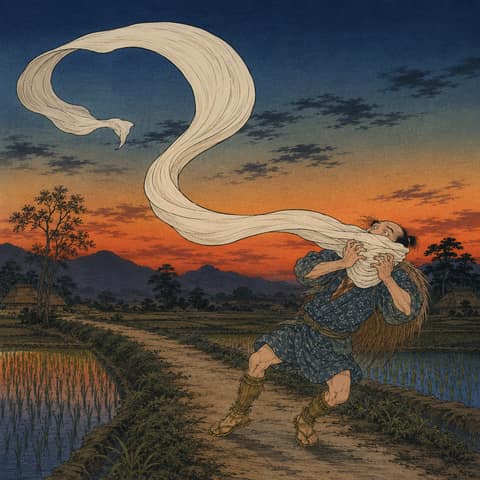
Ittan-Momen is a yokai from Kagoshima Prefecture, described as a strip of cotton cloth about ten meters long (one tan, a traditional unit of fabric length) and roughly nine centimeters wide. At dusk or nighttime, it is said to flutter through the air and wrap itself around a person’s face or neck, suffocating them. Its form is nothing more than a piece of cloth, voiceless and silent in its movements. The name appears in Ōsumi Kimotsuki-gun Dialect Collection (by Denji Nomura, with contributions from Kunio Yanagita), where it was told as a cautionary tale for children. Interpretations vary: some see it as a discarded cloth transformed into a spirit (tsukumogami), while others view it as a manifestation of the wind.

Konaki-jiji

Konaki-jiji

Legendary

konaki-jiji

The Crying Old Man of Tokushima: Konaki-jiji

山野の怪Tokushima

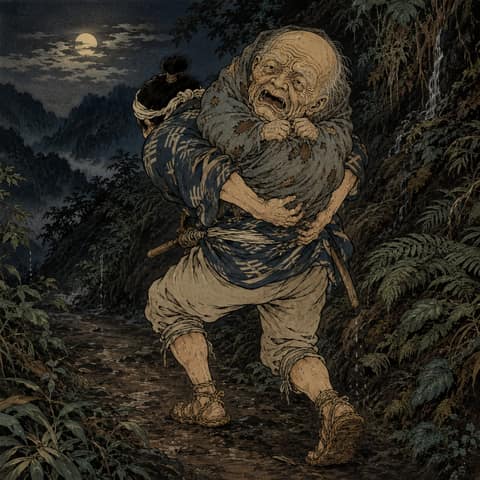
The Konaki-jiji (Child-crying Old Man) is a yokai originating from the mountainous regions of Miyoshi District, Tokushima Prefecture (specifically the former Sanyo Village, now part of Miyoshi City). According to legend, despite possessing the appearance of an old man, he wanders mountain paths emitting the crying sounds of a human infant. His method of attack relies on exploiting human empathy: when a passerby pities him and picks him up to comfort him, his weight steadily increases until the victim is crushed to death. Kunio Yanagita included this legend in his foundational text *Yokai Dangi* (Discussions on Yokai, 1956), linking him to a broader family of baby-crying anomalies distributed across Shikoku, such as the "Gogya-naki." Yanagita pointed out that the Konaki-jiji's trait of "becoming heavier when carried" is shared by other pregnancy and infant-related yokai nationwide, such as the *Obariyon* and the *Ubume*, suggesting that the legend is a composite of different mythological strains created by later generations. Since 1968, he gained nationwide fame as a regular supporting character in Shigeru Mizuki's manga *GeGeGe no Kitaro*, solidifying his position as one of modern Japan's most beloved local yokai.

Sunakake-baba

Sunakake-baba

Legendary

sunakake-baba

The Invisible Sand Hag: Sunakake-baba

山野の怪Nara

The Sunakake-baba (Sand-throwing Hag) is a yokai originating from local legends in Nara Prefecture (the Yamato region), Hyogo Prefecture (Amagasaki and Nishinomiya), and Shiga Prefecture. According to folklore, when people walk near shrine groves or bamboo thickets, sand is suddenly thrown at them from above to frighten them. In classical legends, she is an invisible entity recognized solely by the sound and sensation of falling sand, never revealing her true form. Before WWII, local historian and doctor Shirosaku Sawada recorded her legend in his book *Yamato Mukashibanashi* (Tales of Yamato). The great folklorist Kunio Yanagita later included this account in his seminal work *Yokai Dangi* (Discussions on Yokai, 1956), which brought the Sunakake-baba to the attention of yokai researchers nationwide. Her fame exploded across Japan in 1968 when Shigeru Mizuki featured her as a regular supporting character in his legendary manga *GeGeGe no Kitaro*. In the manga, she was given the visual form of an old woman in a kimono with a piercing gaze, serving as a wise elder of the "Kitaro Family," cementing her status as one of modern Japan's most beloved yokai.

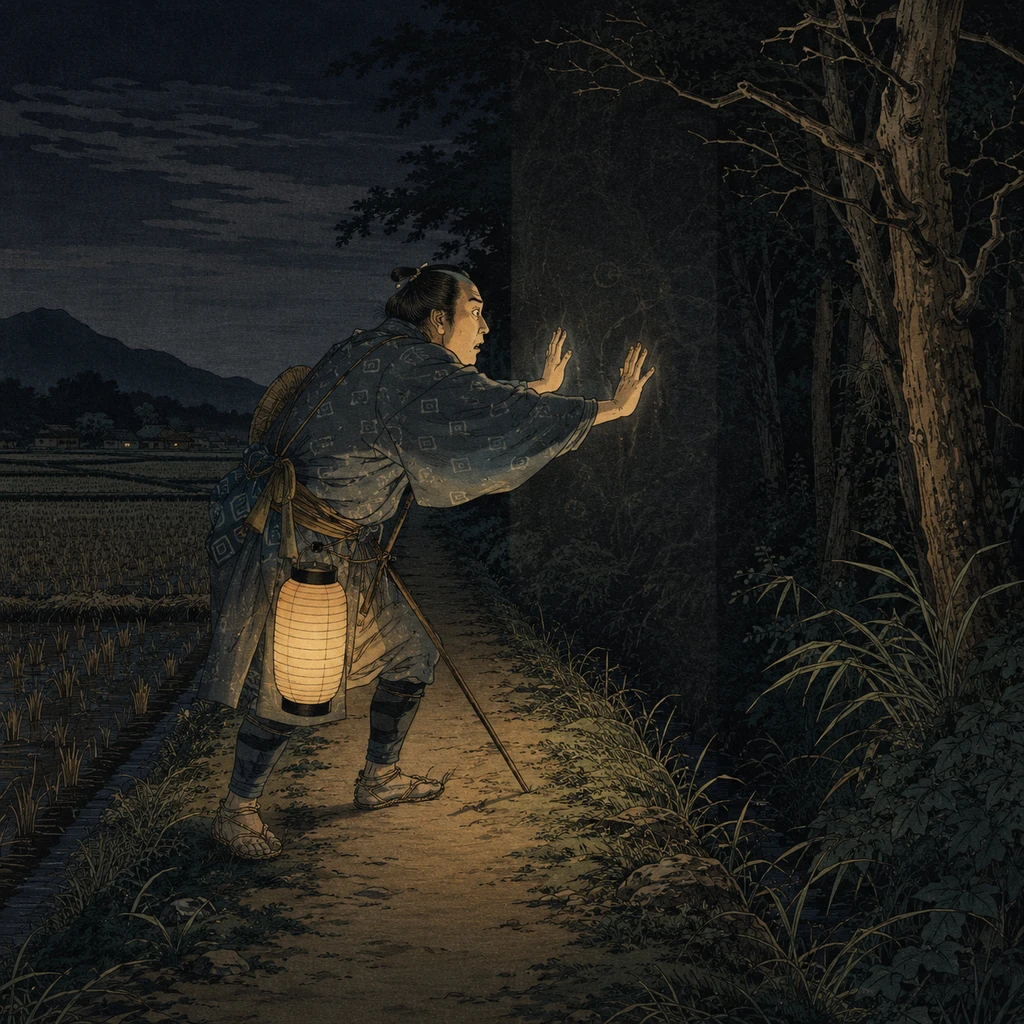
Nurikabe

Nurikabe

Epic

NOO-ree-KAH-beh

Nurikabe

General ClassificationsFukuokaOita

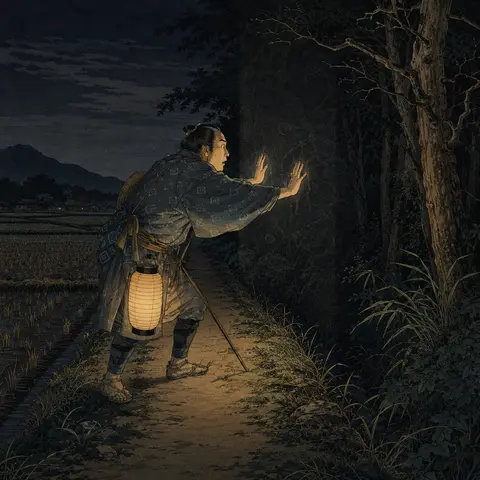
A yokai famed as an invisible wall that blocks travelers on night roads. People suddenly find they can’t move forward, their hands meeting a flat, unyielding surface. The spell is said to break if one waits, sidesteps, or taps the ground with a cane. Its form is unfixed—often described as unseen or like a featureless wall. It rarely harms beyond causing confusion, feared mainly as a nuisance that makes people lose their way.

Hakutaku (White Marsh)

Hakutaku (White Marsh)

Divine

hah-koo-TAH-koo

Iconographic Tradition Conformant

Deities & Divine SpiritsIntroduced from China (widely circulated across Japan as apotropaic images)

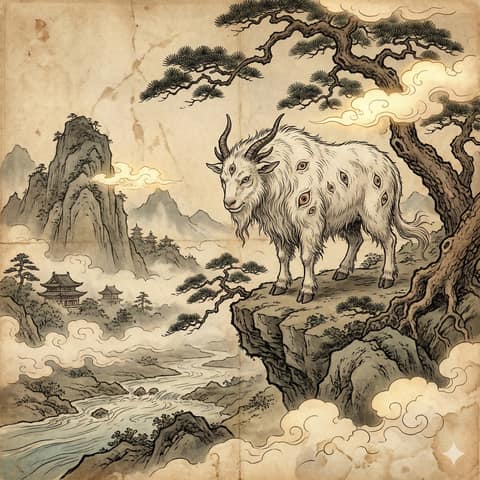
Hakutaku is an auspicious beast from ancient Chinese lore said to understand human speech and to know all manner of monsters, demons, and calamities. It appears in eras of virtuous rulership, and the famed Hakutaku Chart records creatures of anomaly and methods to counter them. In Japan, such images spread in the Edo period as talismans against misfortune, carried for safe travel and protection from illness. Depictions show a white beast, with features varying by period.

Raijū

Raijū

Legendary

RYE-joo

Thunder Beast of Kuji District Lore

Animal ShapeshiftersIbarakiAkita

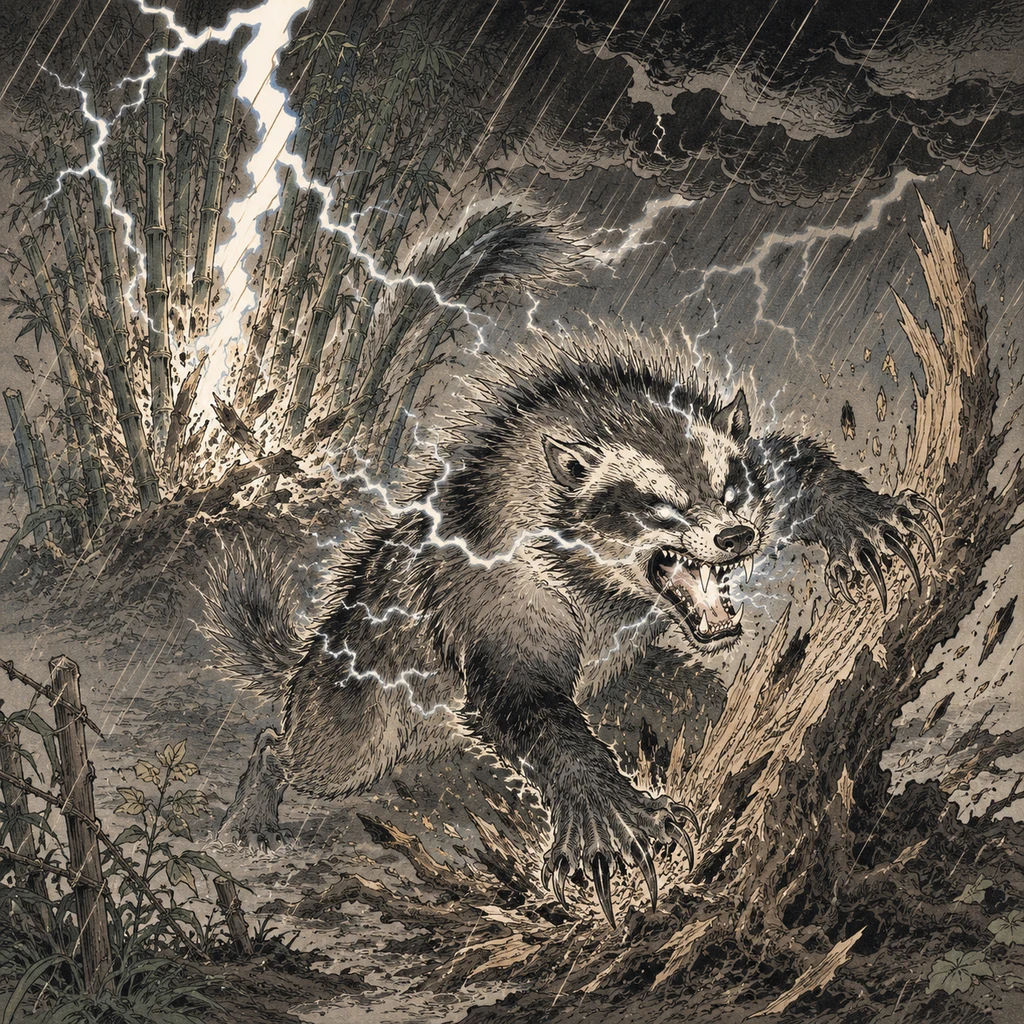
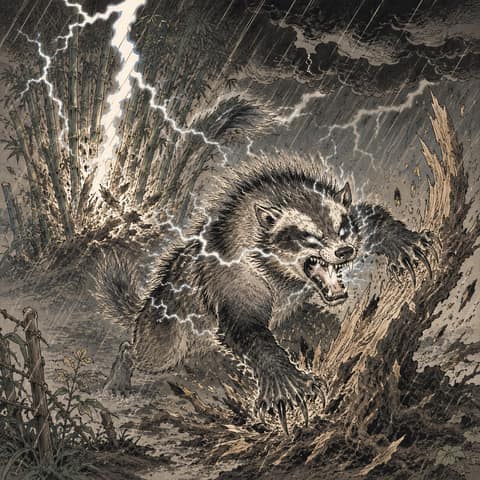
A beastlike yokai feared for plummeting from storm clouds with thunder, racing wildly through trees and fields. Its fur bristles and claws are sharp; in some regions, split bark and scorch marks from lightning strikes were taken as its traces. If it falls near people, they may be stunned and left dazed. When the storm subsides it vanishes and ascends back to the heavens. Accounts vary: it is said to resemble a fox or tanuki, and to be about the size of a weasel.

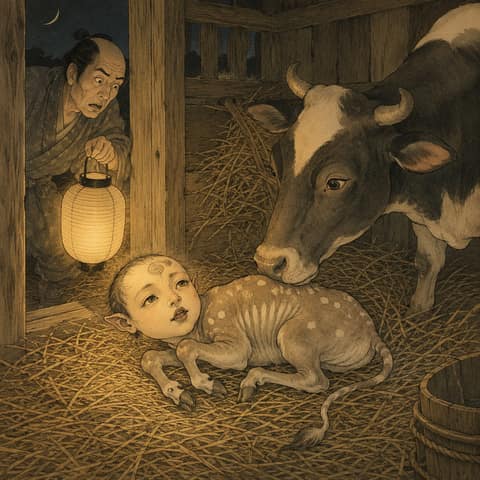
Kudan (Prophetic Human-Cow Yokai)

Kudan (Prophetic Human-Cow Yokai)

Epic

koo-DAHN

Late Edo Kawaraban Woodblock Version of the Kudan

Half-Human BeingsKyotoHiroshima

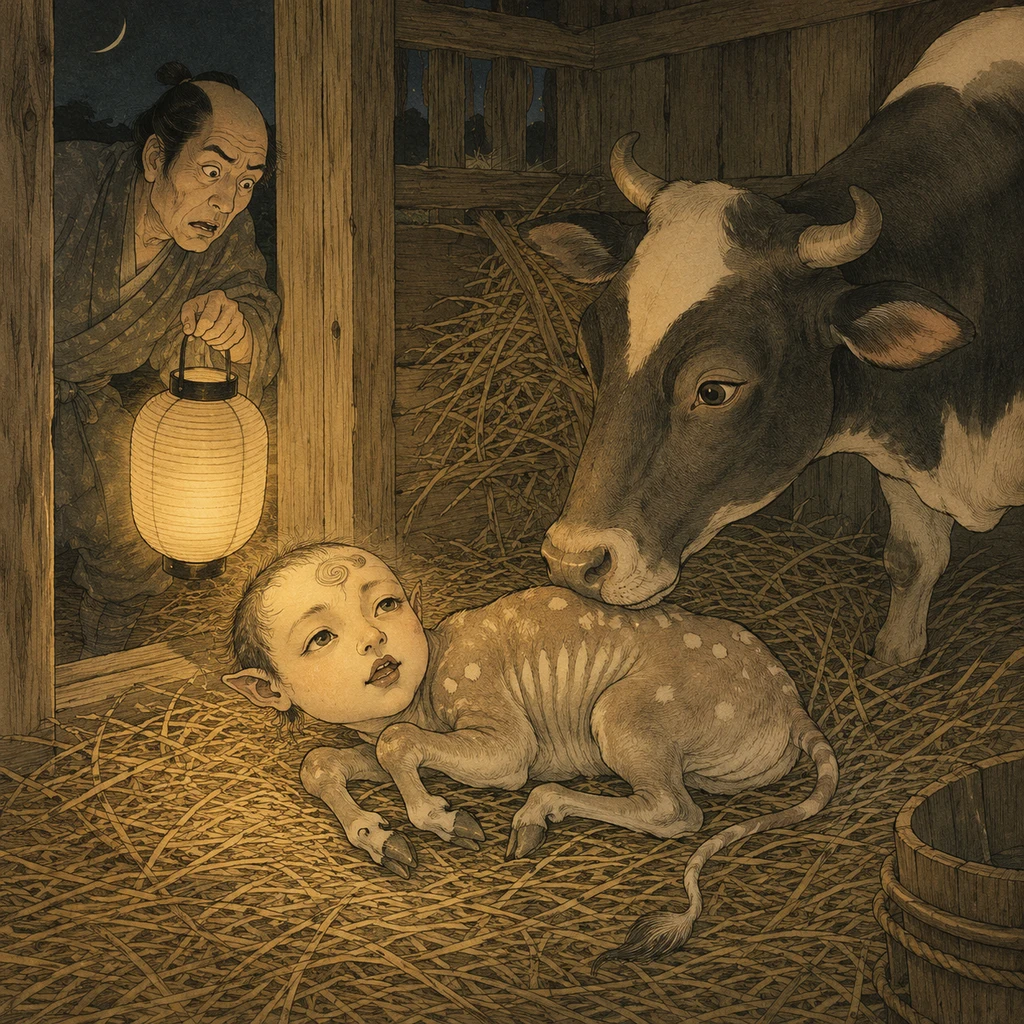
Kudan is a half-human, half-cow prophetic creature that spread widely in the late Edo period. It has a human face on a bovine body and is said to appear, deliver prophecies about public affairs or harvests, and soon die. Broadsheets and printed books from the Tenpō era record varying locations and appearances. Some notices claimed that displaying its image brought protection from calamity and prosperity at home, though accounts differ by region and source. The supposed link to the legal phrase ‘ken no gotoshi’ (“as stated above”) is considered a folk etymology.

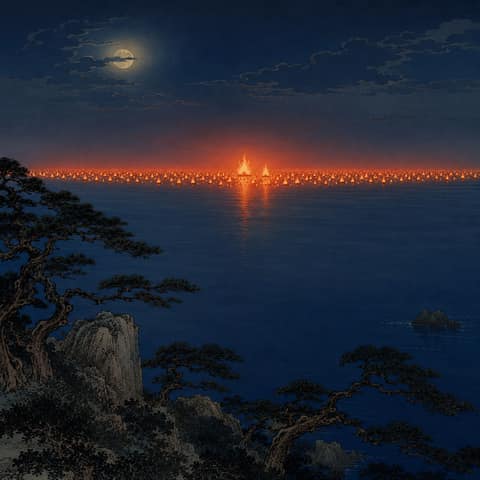
Shiranui (Mysterious Sea Fires)

Shiranui (Mysterious Sea Fires)

Uncommon

shee-rah-NOO-ee

Parent Fire Guide of Hassaku

Aquatic SpiritsKumamotoSaga

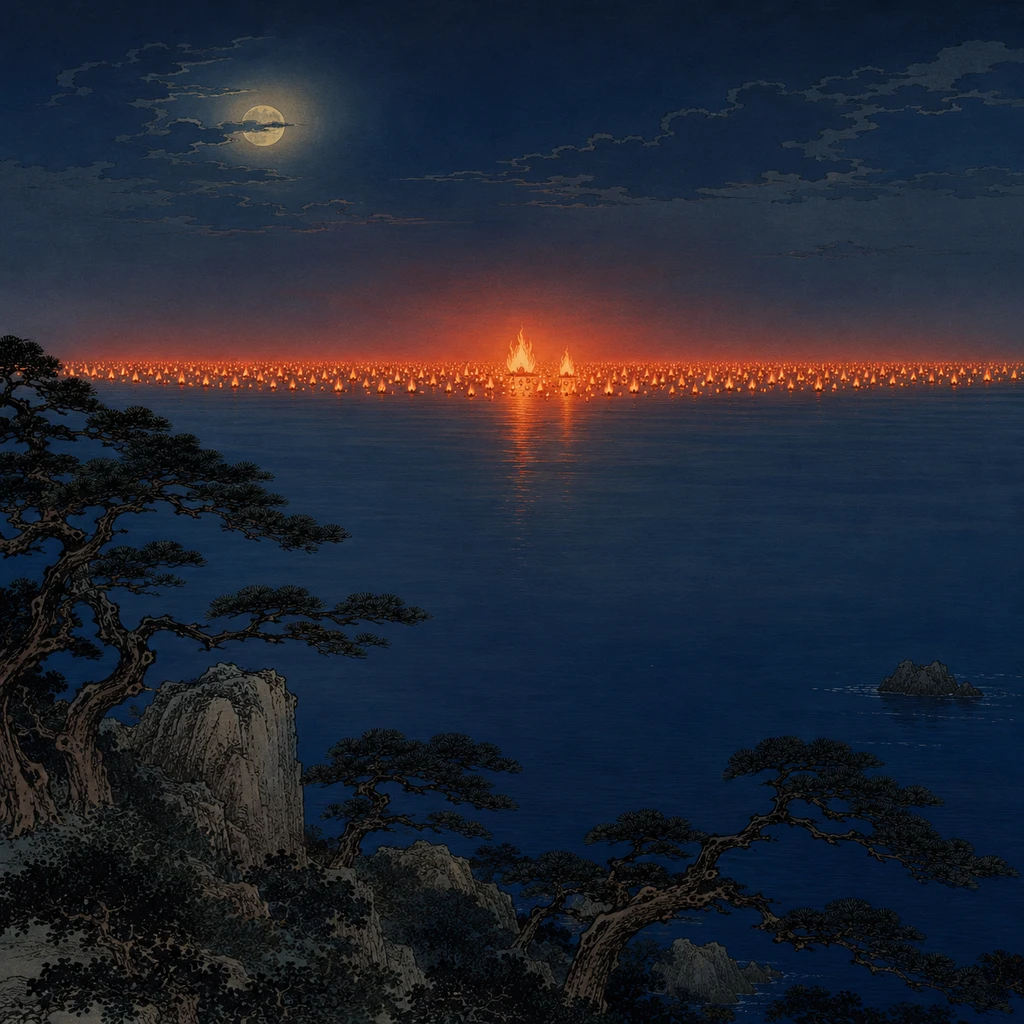
Shiranui are mysterious sea fires said to appear along Kyushu’s shores, especially on the Yatsushiro and Ariake Seas. On a windless new-moon night around the first day of the eighth lunar month, one or two “parent lights” flare up offshore, split left and right, and multiply until hundreds or thousands line the horizon. They are hard to see from sea level but clear from higher ground, and retreat as one approaches. Also called “Thousand Lanterns” and “Dragon Lanterns,” they were feared as bad omens that warned fishers to stay ashore.

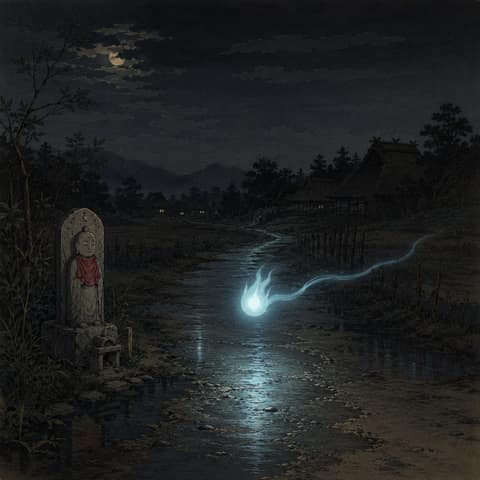
Hitodama (Human Soul Fire)

Hitodama (Human Soul Fire)

Epic

hee-toh-DAH-mah

Hitodama (Traditional Tale Version)

Ghosts & SpiritsVarious regions across Japan

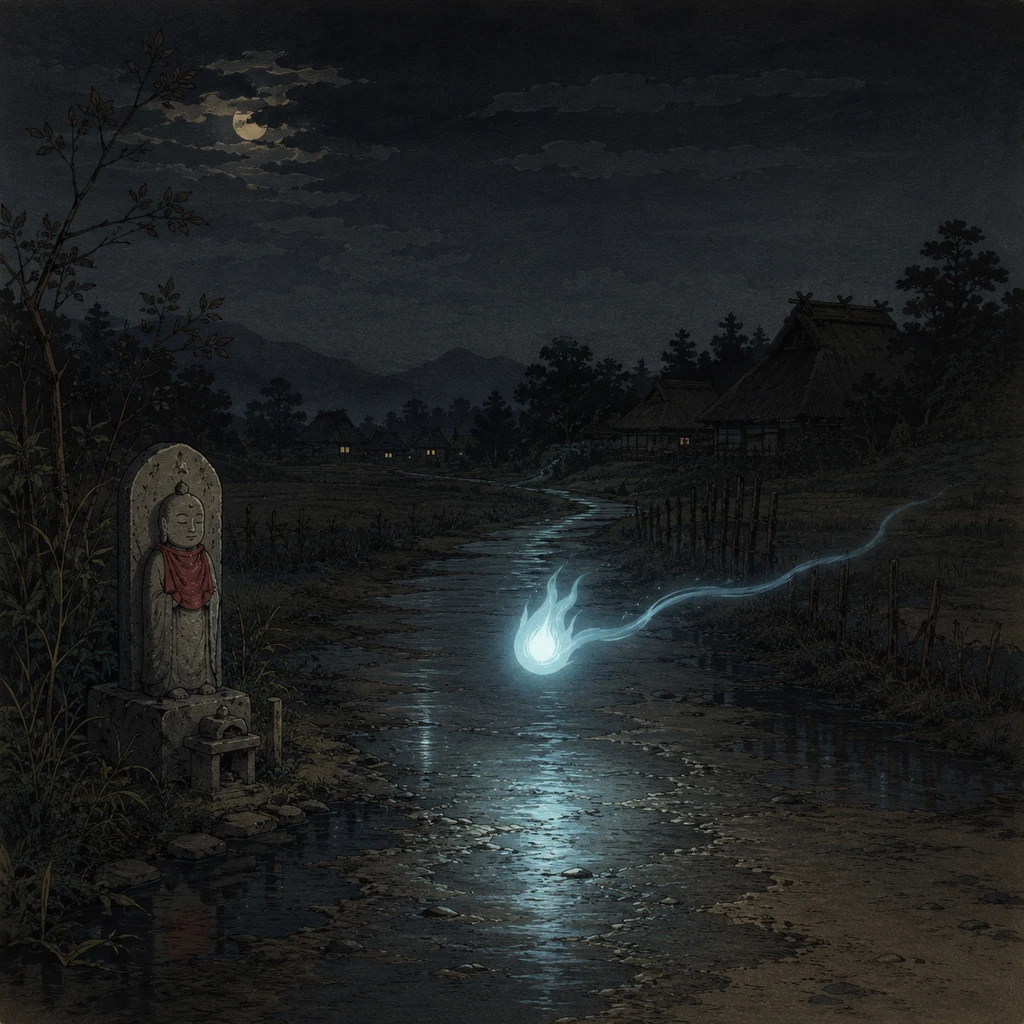
Hitodama are small, floating balls of light seen at night, long interpreted as souls that have left the human body. Reports describe bluish-white, orange, or red hues, often trailing a tail and drifting low to the ground. While often confused with onibi or kitsunebi, hitodama specifically denote the luminous manifestation of a human soul and are linked to death and liminal moments. They appear frequently in classical literature, early modern essays, and regional lore, with sightings continuing into modern times.

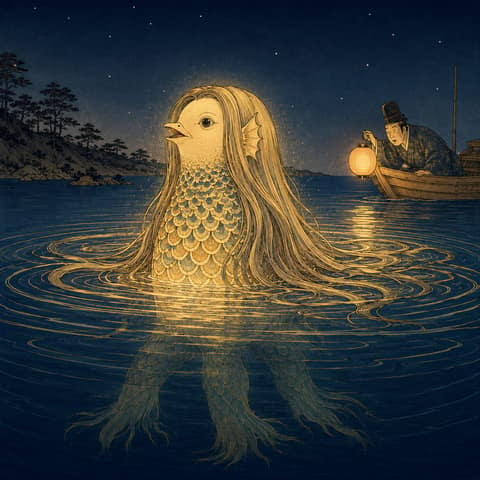
Amabie

Amabie

Legendary

ah-mah-BEE-eh

Kawara

Half-Human BeingsKumamoto

A prophetic yokai said to have appeared at sea in mid-April of Kōka 3 (1846) off Higo Province. It shone nightly from the water, revealed itself to a government official, and named itself Amabie. It foretold six years of abundant harvests alongside outbreaks of epidemic disease, instructing people to show its likeness to ward off the calamity before returning to the sea. Only a single kawaraban (woodblock news-sheet) record is known; details remain uncertain.

Kuchisake-onna

Kuchisake-onna

Legendary

くちさけおんな

Woman in the Red Mask / The 1979 Kuchisake-onna

Human Yokai / Half-Human Half-YokaiModern urban legend originating in Gifu in 1978, no specific sacred site

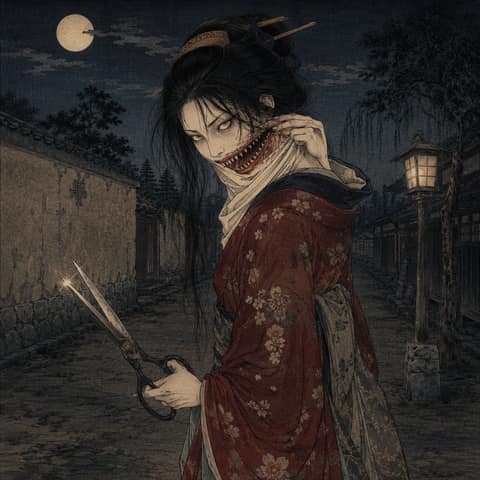
Kuchisake-onna (Slit-Mouthed Woman) is a representative modern urban legend of post-war Japan that originated in Gifu Prefecture between 1978 and 1979 and spread nationwide. The typical pattern involves a beautiful woman covering her mouth with a mask who stops children on the street at night and asks, "Am I pretty?" Depending on the answer, she removes her mask to reveal a mouth slit from ear to ear, asking again, "Even like this?"—if denied, she attacks with scissors or a carving knife. It is said to have first appeared in the "Editor's Notes" column of the Gifu Nichinichi Shimbun on January 26, 1979, and from March 1979, national magazines such as Shukan Asahi, Shukan Shincho, Shukan Josei, and Josei Jishin featured it one after another. It reached its peak in June of the same year when the June 29 issue of Shukan Asahi published a large feature by Etsuro Hiraizumi titled "The Bizarre Rumor of the 'Slit-Mouthed Woman' Terrifying Elementary and Junior High School Students Nationwide". In Himeji City, Hyogo Prefecture, a copycat dressed as Kuchisake-onna was arrested for violating the Swords and Firearms Control Law; in Koriyama City, Fukushima Prefecture, and Hiratsuka City, Kanagawa Prefecture, police cars were dispatched; and in Kushiro City, Hokkaido, and Niiza City, Saitama Prefecture, students were made to go home in groups. The rumor triggered real-world social responses. This is a rare case that embodies the yokai genesis of the mass media age, conquering the country in half a year through the linkage of cram schools and national magazines, rather than being picked up from simple beliefs or local lore of the Edo period. Since Toru Joko's "School Ghost Stories" academically organized it in 1990, it has been continuously read as a representative case study of modern yokai and urban legends.

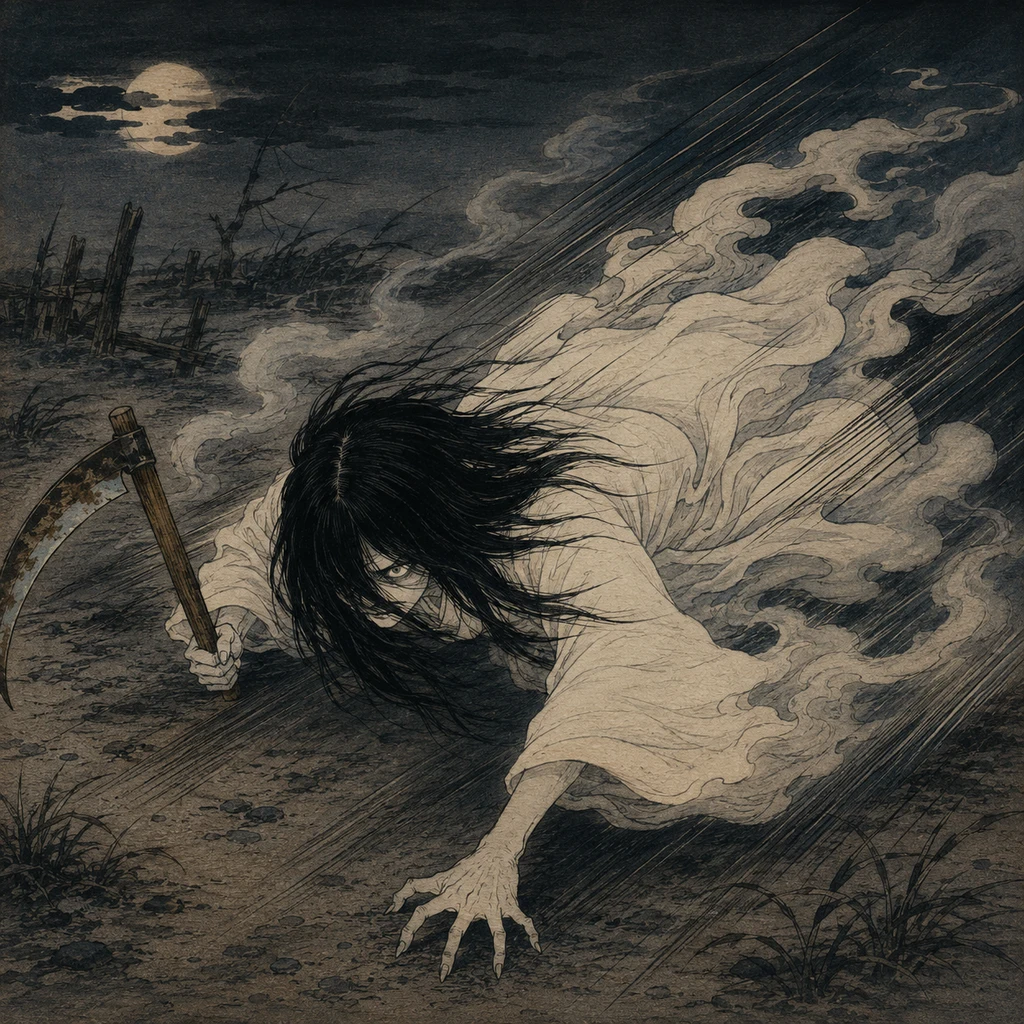
Teke Teke

Teke Teke

Epic

てけてけ

Teke Teke, the Crawling Half-Woman

Spirit / GhostModern urban legend of the 1990s-2000s, based on train accident motifs

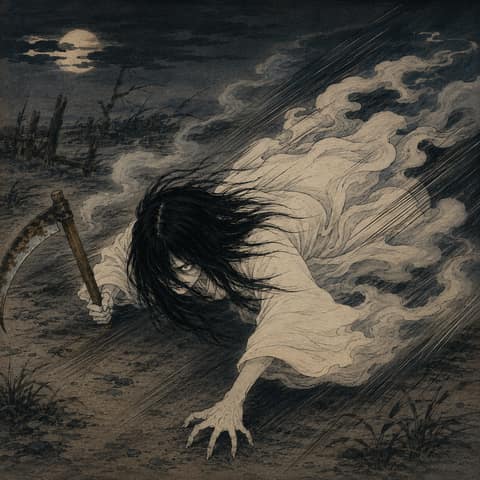
Teke Teke is a female ghost missing her lower half, appearing in urban legends that spread nationwide among children in the 1980s and 90s. The onomatopoeia "teke-teke-teke," which mimics the sound she makes while crawling on the ground with her arms, became her very name. She is said to appear at railroad crossings, inside train stations, or near schools, chasing down anyone she encounters and severing their lower half with a sickle or saw to make them just like her. There is no definitive origin for this legend; multiple theories coexist, placing its birthplace in Hokkaido (Asahikawa, Muroran, Sapporo), Kakogawa in Hyogo Prefecture, or Okinawa. The legend was explicitly documented during the school ghost story boom of the 1980s onwards, with similar tales included in Toru Tsunemitsu's "School Ghost Stories" (Kodansha KK Bunko, 1990) and contemporary children's magazine horror specials. It was adapted into a film by director Koji Shiraishi with "Teke Teke" and "Teke Teke 2" (released simultaneously in 2009), cementing its status as a representative work of modern Japanese horror that bridges post-war train accidents with urban legend.

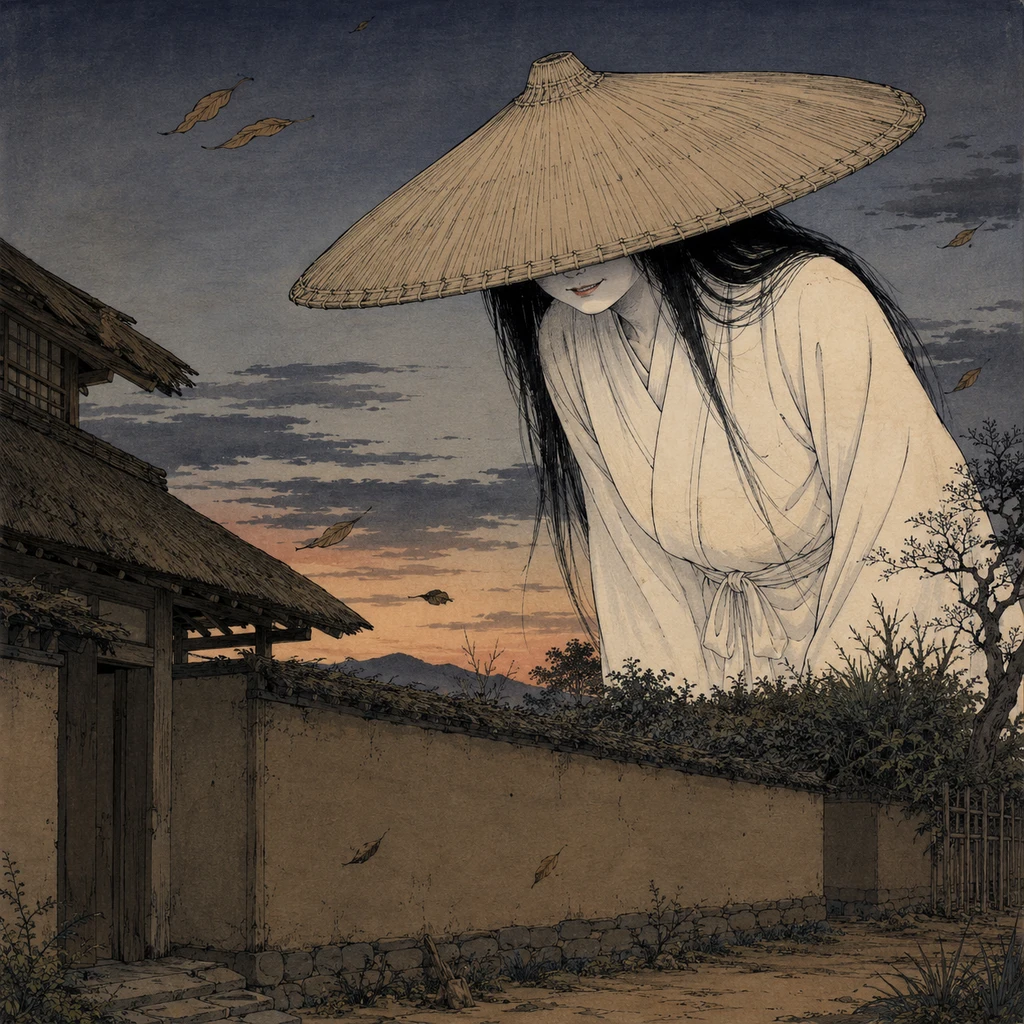
Hachishakusama

Hachishakusama

Legendary

Hasshakusama

2.4-Meter White Woman - Hachishakusama

Spirit / GhostInternet urban legend originating from 2ch in 2008

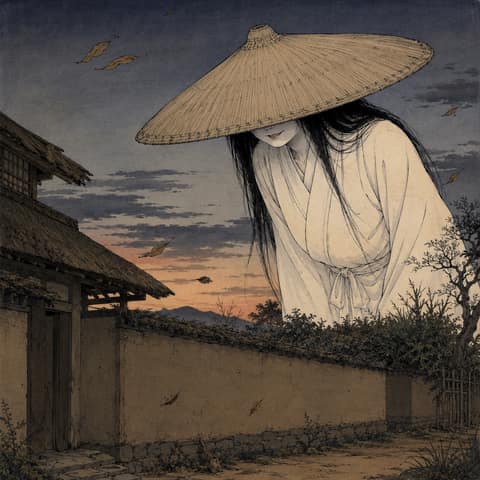
Hachishakusama (Eight-Feet Tall) is a female ghost from a modern urban legend originating on the Japanese internet during the Heisei era. She is depicted as an incredibly tall woman standing about eight shaku (roughly 2.4 meters) tall, wearing a white dress, and is known for targeting people—especially young children—while emitting a distinct "Po... Po... Po... Po..." laughing sound. Her first appearance was in a story posted on August 26, 2008, on the 2ch Occult message board "Let's gather stories so scary you'll die 196" by a user going by the handle "nona." The original story involves a boy visiting his grandparents in the countryside who is targeted by Hachishakusama; he survives a terrifying seven-day ordeal by locking himself in a room protected by a warding Jizo statue and a ritual. Since the 2010s, her legend has been repeatedly reproduced on Twitter, YouTube, and TikTok horror channels. She is also widely recognized as "Hachishakusama" on overseas English-speaking horror forums (like Reddit's r/nosleep), making her a prominent representative of internet-born urban legends.

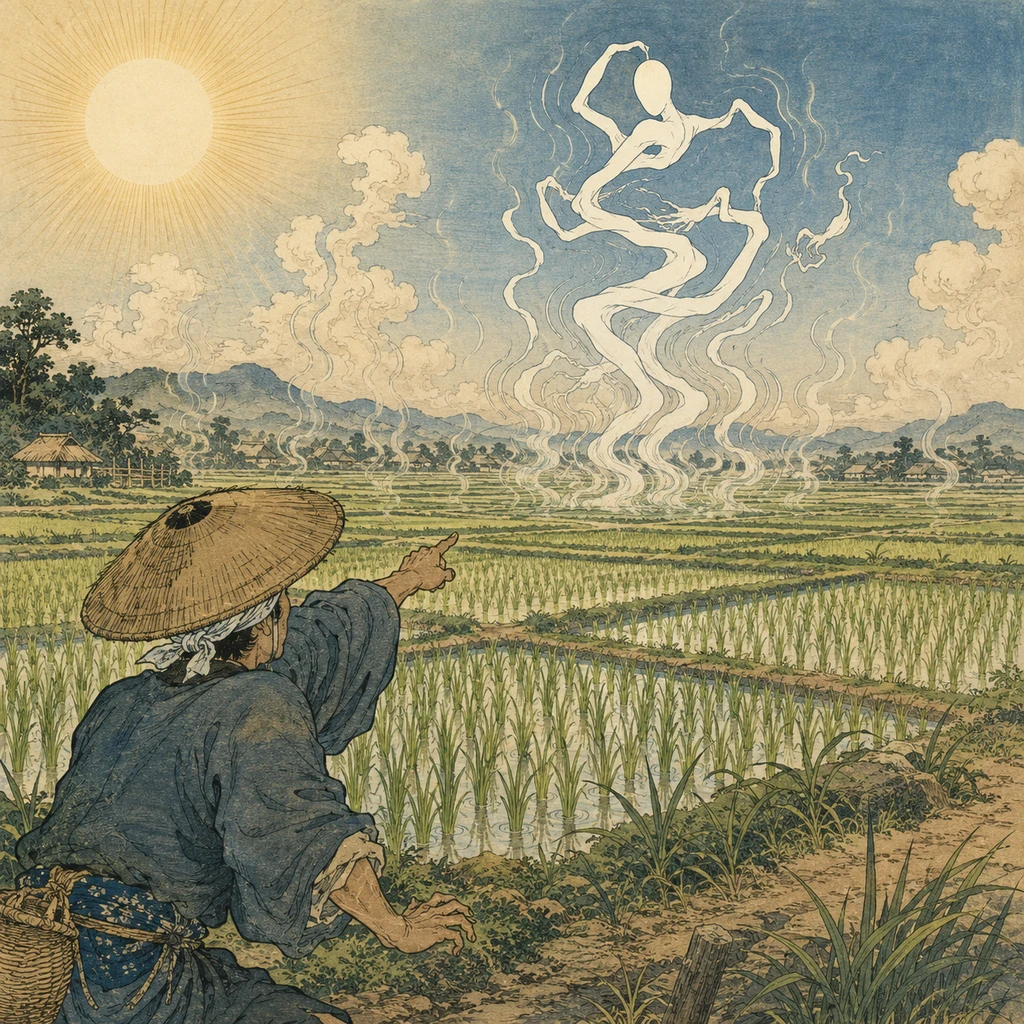
Kunekune

Kunekune

Epic

くねくね

The White Silhouette Standing in the Rural Distance: Kunekune

Spirit / GhostModern internet ghost story originating around 2000

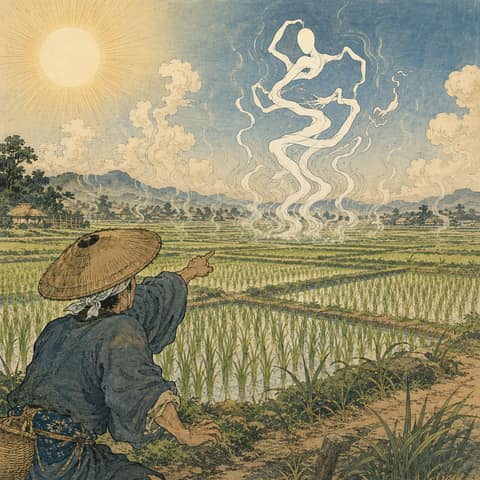
Kunekune is a white, humanoid apparition appearing in rural landscapes, originating from early 2000s internet urban legends. Seen during the daytime in midsummer, it is witnessed in the distant background of rice paddies, riverbanks, or beaches, standing tall and writhing its body from side to side like a thin white paper doll. Its most prominent feature is a cognitive-based horror structure: "It is harmless when viewed from afar, but attempting to understand its true identity using binoculars or the like will cause insanity." It is known that a fictional story posted on a ghost story submission site in 2000 lost its "fiction disclaimer" when it was reposted to the 2ch occult board in 2003, subsequently circulating independently as a true experience. It is one of the representative examples of an internet-born "forum-posted ghost story" and is a symbolic entity of the early 2000s 2ch ghost story boom that predates Hachishakusama (2008).