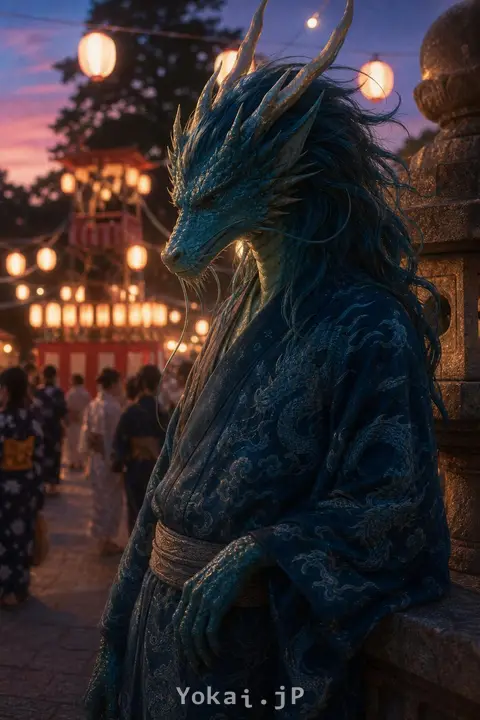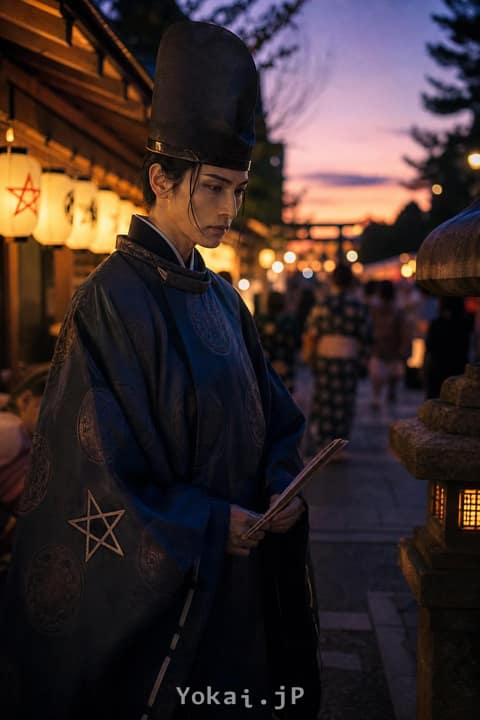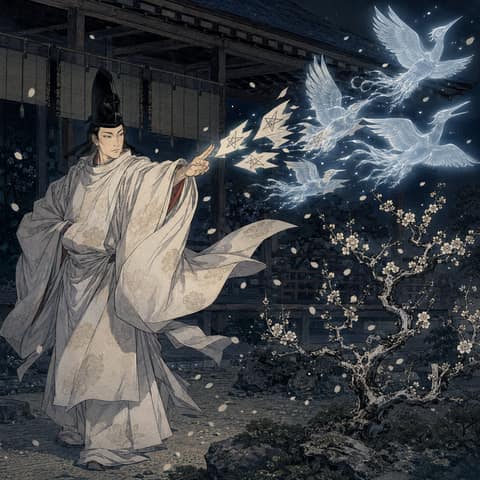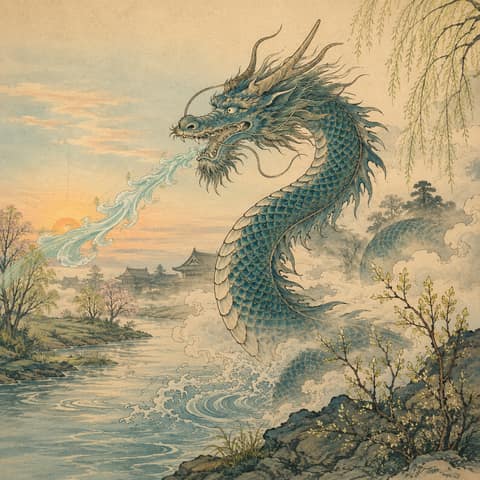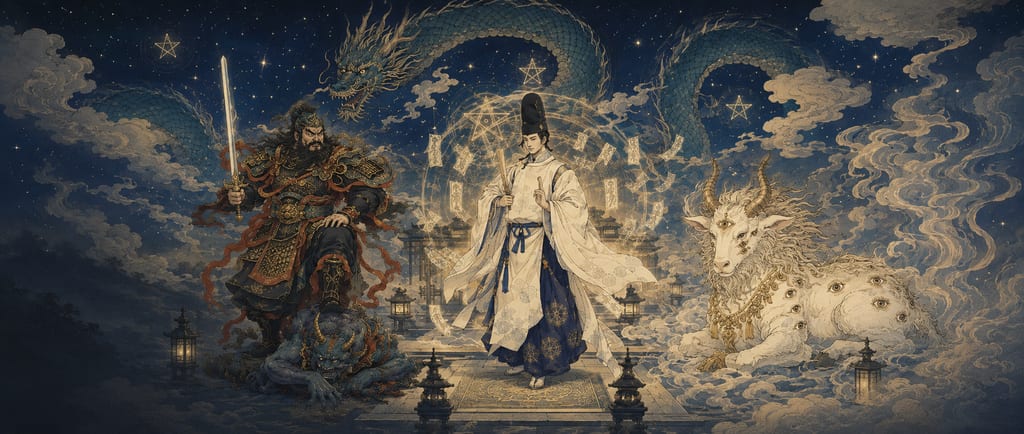
Onmyōdō was not the invention of a single sorcerer
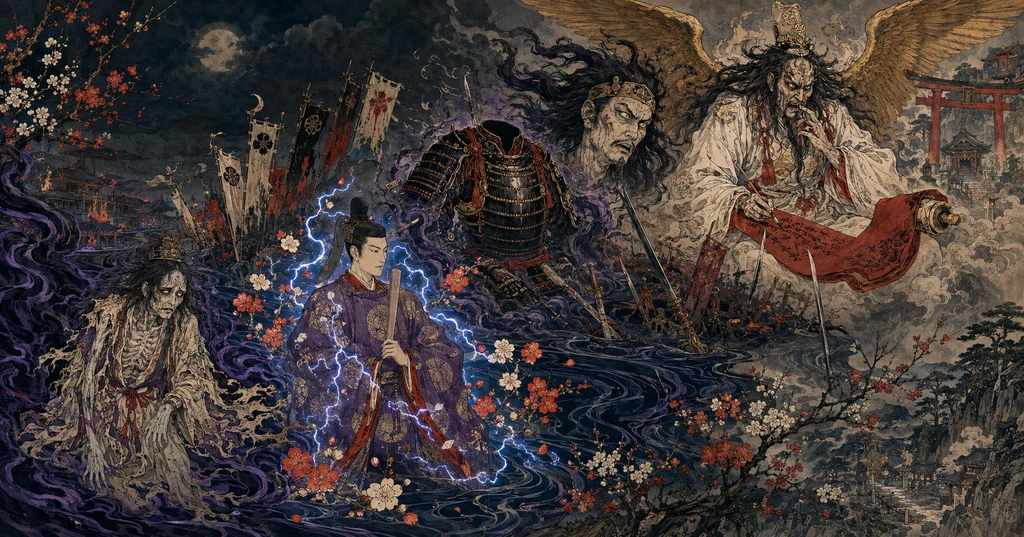
The word Onmyōdō often calls to mind stories in which Abe no Seimei sends out shikigami and turns curses back upon their makers. Historical onmyōji, however, were also court specialists who observed the heavens, prepared calendars, divined good and ill fortune, and judged suitable dates and directions. As an exhibition by Japan’s National Museum of Japanese History[1] makes clear, divination, ritual spells and calendar work should not be compressed into a single, fantastical idea of “magic.”
This collection examines both Onmyōdō itself and the protective traditions that intersected around it. Rather than labelling the Four Symbols or Shōki as “Seimei’s shikigami,” it distinguishes the cultural setting and documentary history from which each figure emerged.
A court discipline—astronomy, calendars, divination and direction
Under Japan’s ritsuryō state, the Bureau of Onmyō employed specialists in yin-yang divination, astronomy, calendar-making and timekeeping. Unusual celestial events were read in relation to the fortunes of government; calendars ordered court rites, agricultural work and daily conduct; and judgments about dates and directions shaped travel and ceremony. Knowledge adopted from China changed as it entered Japanese court institutions and a religious environment in which kami and Buddhist practice intermingled.
Onmyōdō was neither identical from the outset to the popular fortune-telling familiar today nor a system created solely within Japan. It was a historical practice whose practitioners, rites and social authority changed over time.
Abe no Seimei—the court official and the sorcerer of legend
Abe no Seimei was an onmyōji active in the latter half of the tenth century who held offices connected with astronomy and divination. Later works such as the *Konjaku Monogatari-shū* and *Uji Shūi Monogatari* portray him as an extraordinary adept who detects uncanny events, rebounds curses and commands shikigami. The famous claim that his mother was the fox Kuzunoha developed still later through drama and storytelling.
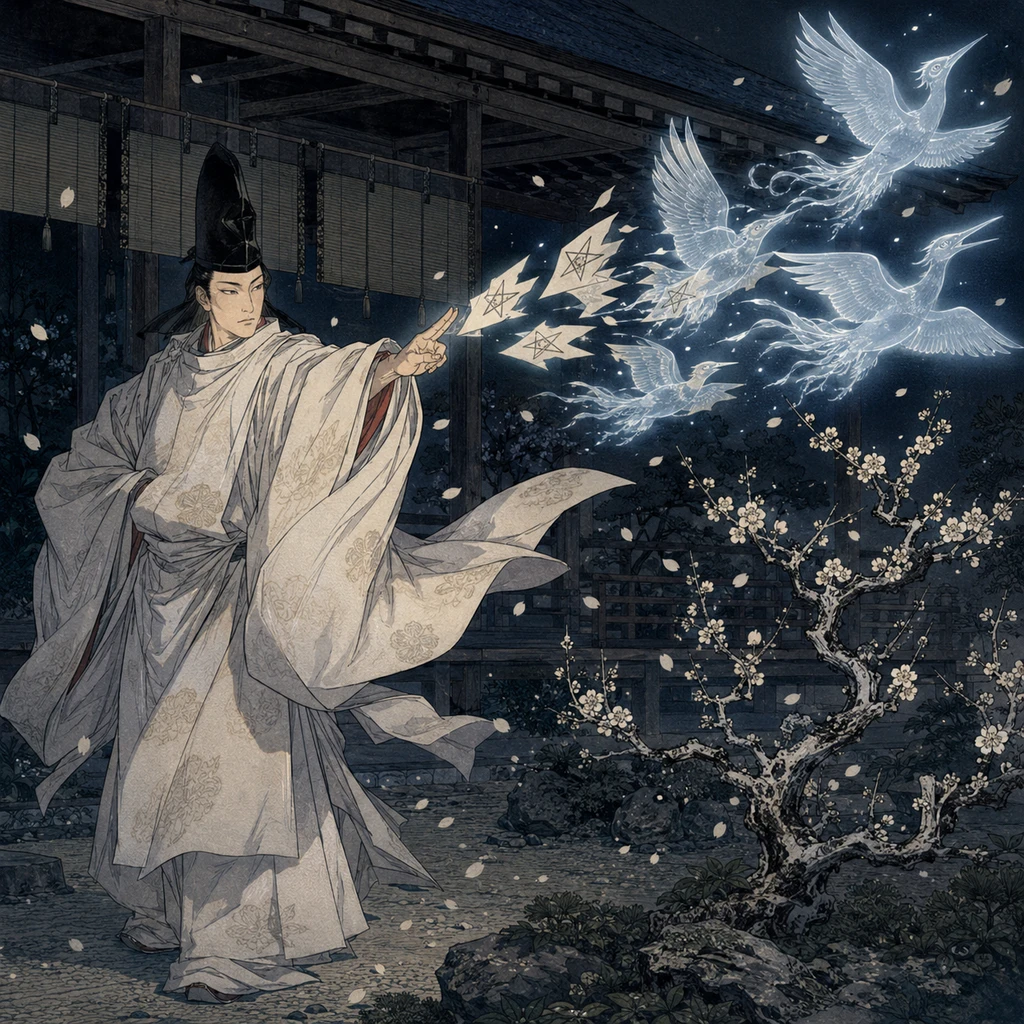
The historical official and the Seimei of legend are not alternatives in which one must be discarded as false. His standing at court provided a foundation for the tales, while the Seimei created by those tales went on to shape later ideas of Onmyōdō.
What is a shikigami?—not a fixed species of yōkai
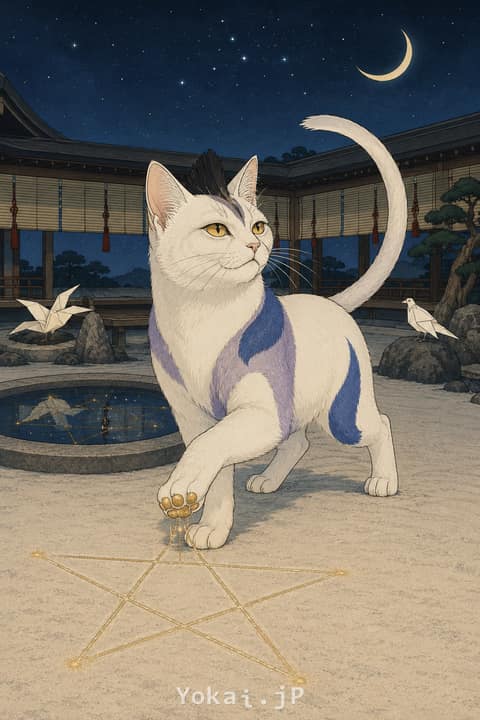
In tales, shikigami are spiritual agents commanded by an onmyōji or another ritual specialist. They may appear as people, children, small demons or an invisible force; they are not one uniform species of yōkai found throughout Japan. The story that Seimei kept shikigami beneath Ichijō Modoribashi bridge is well known, but modern lists of individually named characters cannot simply be treated as a classical taxonomy.
The Goho-doji are youthful Buddhist guardians who protect ascetics and holy practitioners. Their relationship to the person they serve can resemble that of a shikigami, but the two concepts are not identical.
The Four Symbols—the cardinal directions and the order of heaven
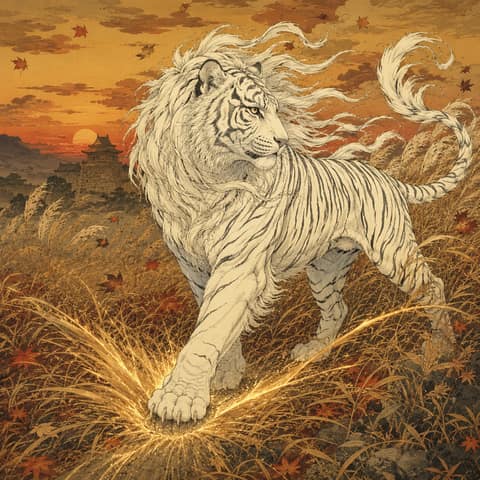
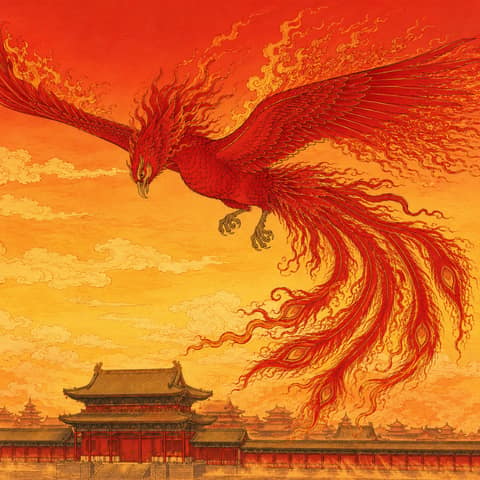
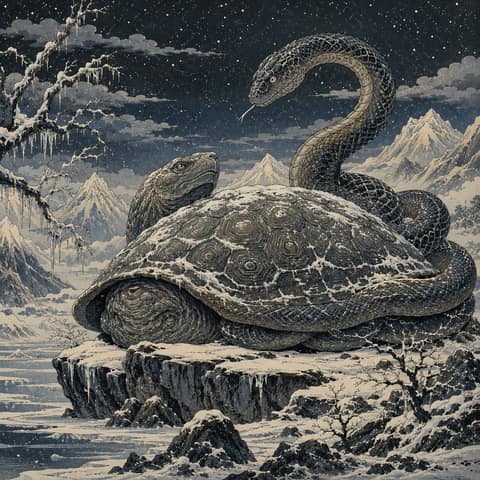
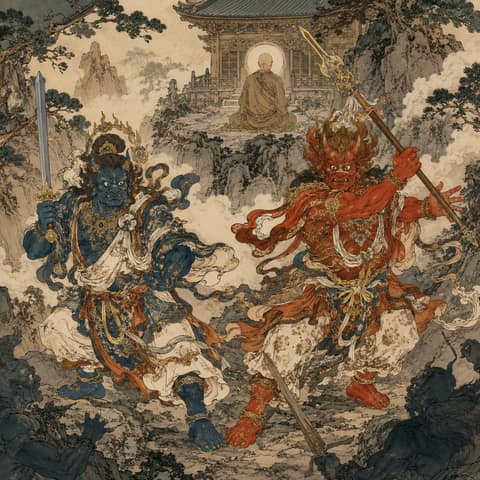
Seiryū, Byakko, Suzaku and Genbu are the Four Symbols inherited from Chinese astronomy and directional cosmology. They correspond to east, west, south and north, as well as to seasons, colours and other associations. In Japan they were incorporated into tomb murals, capital planning and ideas about direction. The murals of Kitora Tumulus[2], which depict the Four Symbols together with a star chart, offer tangible evidence of their reception in ancient Japan.
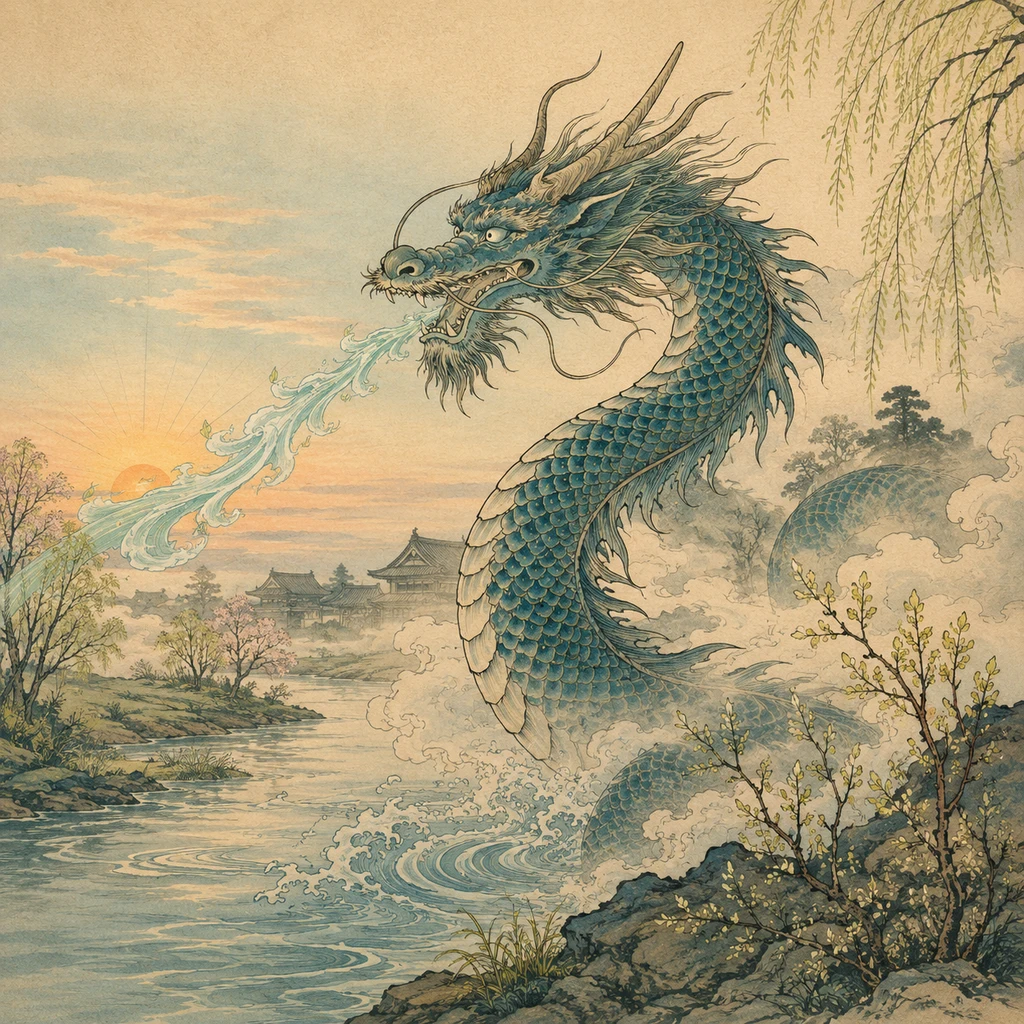 Seiryū (Azure Dragon)Seiryū
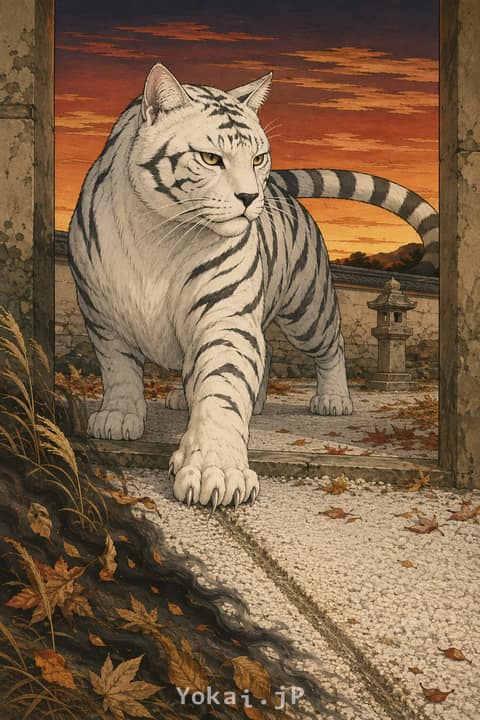
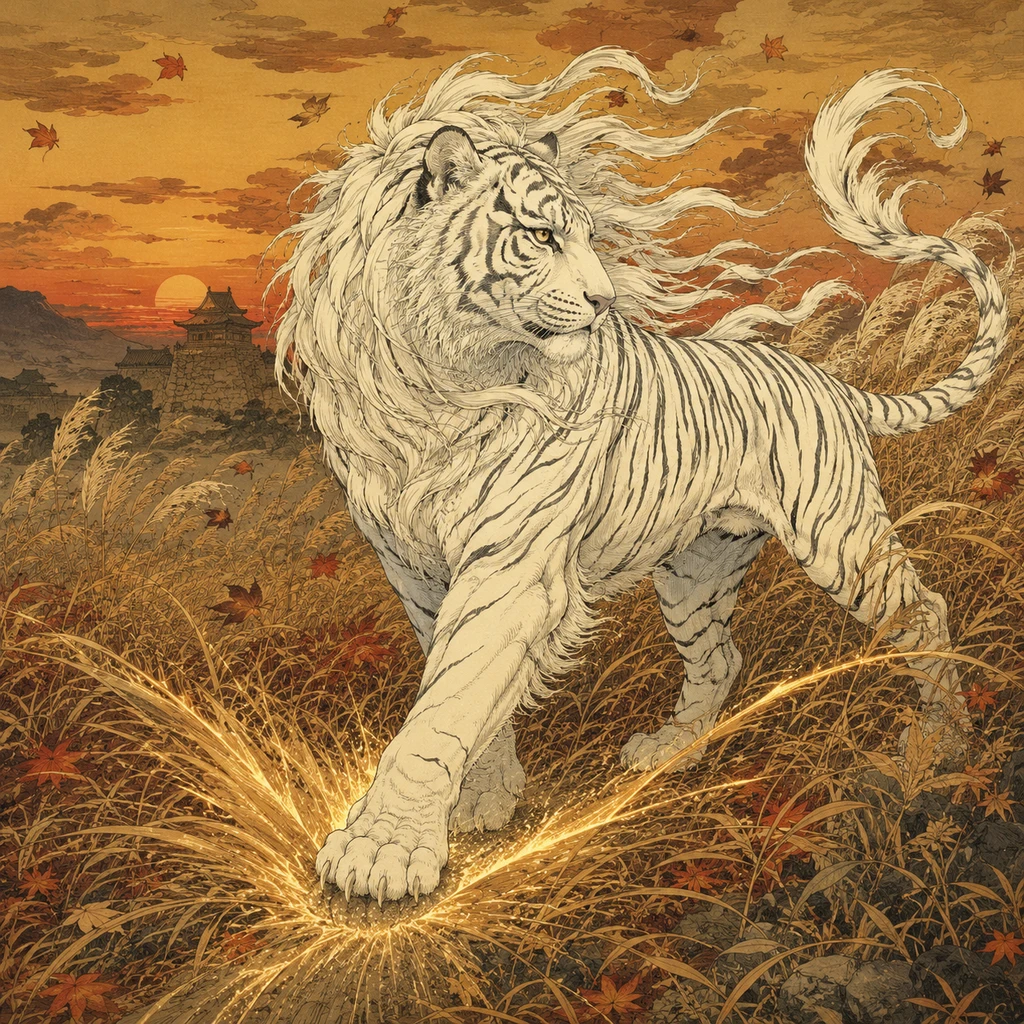 Byakko (White Tiger)Byakko
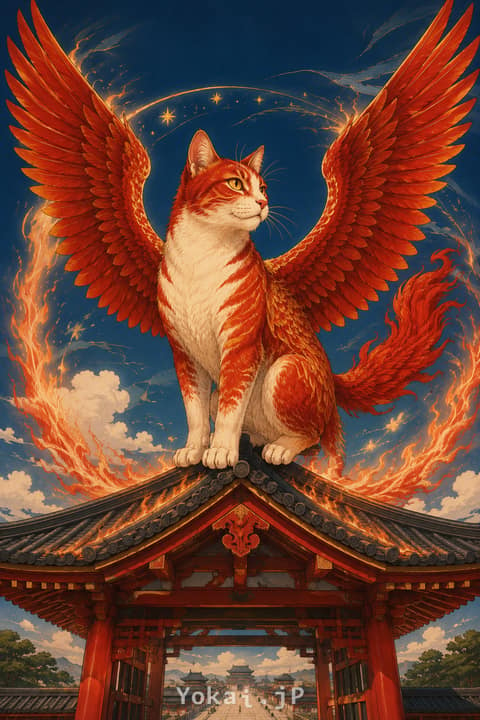
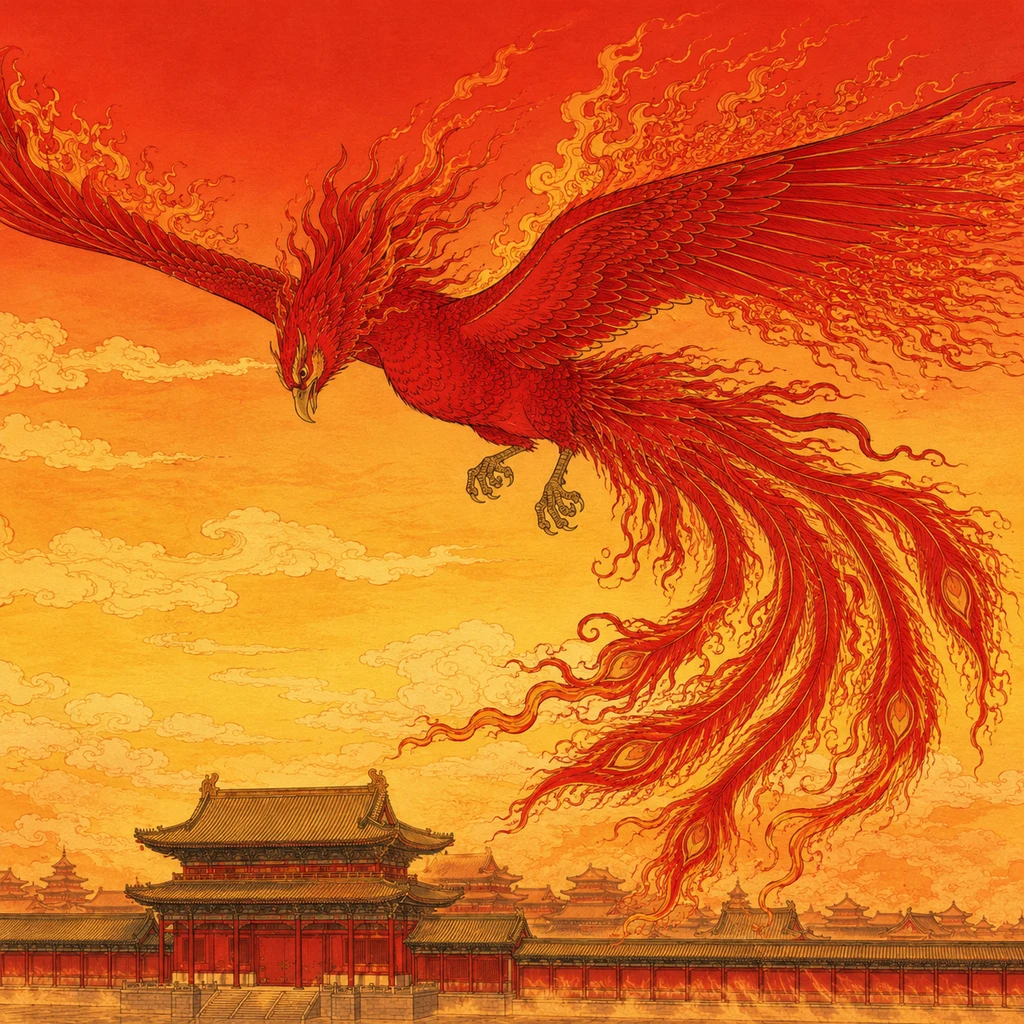 Suzaku (Vermilion Bird)Suzaku
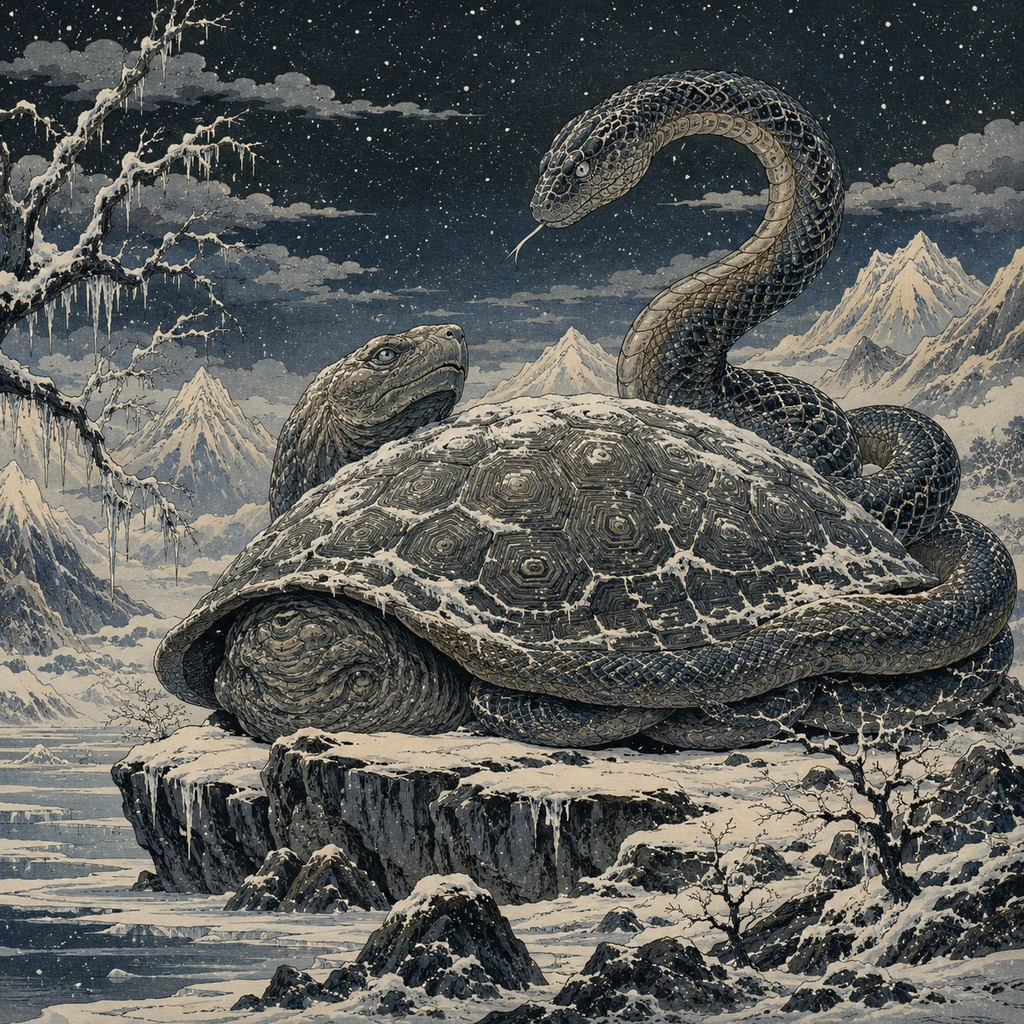 Genbu (Black Tortoise)Genbu
The Four Symbols are neither yōkai nor personal shikigami belonging to Abe no Seimei. They often appear in explanations of Onmyōdō because they share the imagery of the Five Phases and the cardinal directions, but their origins and roles belong to a broader East Asian understanding of the cosmos.
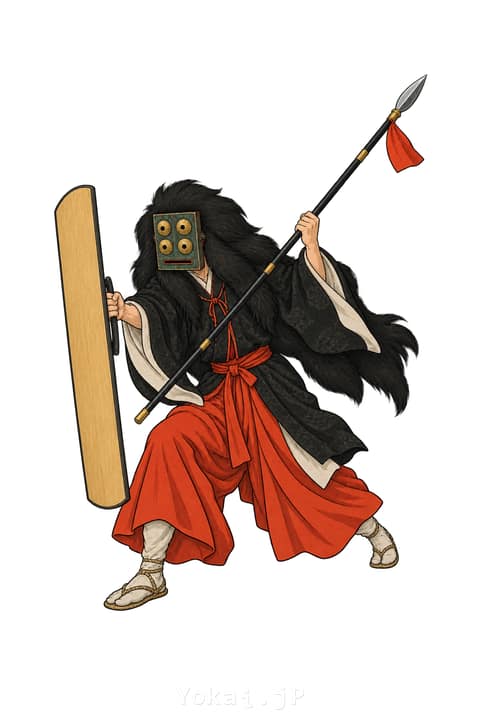
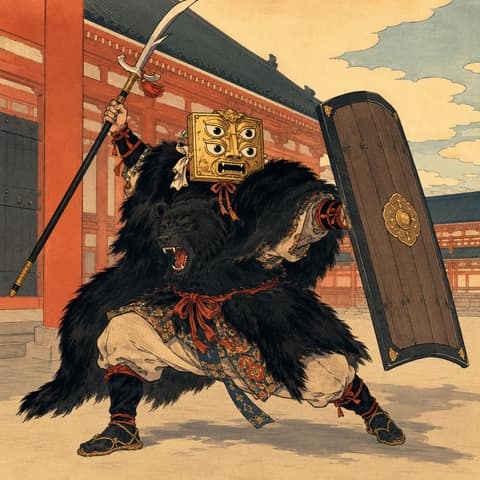
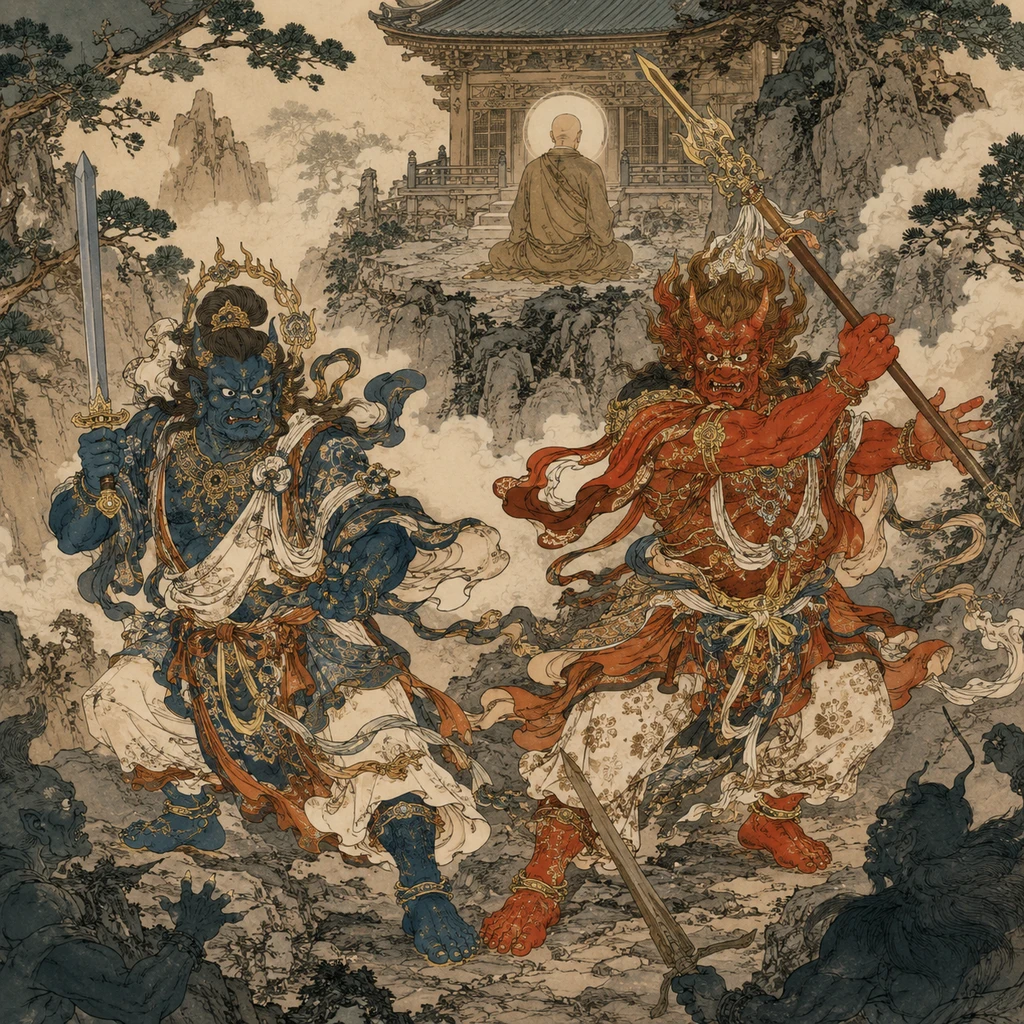
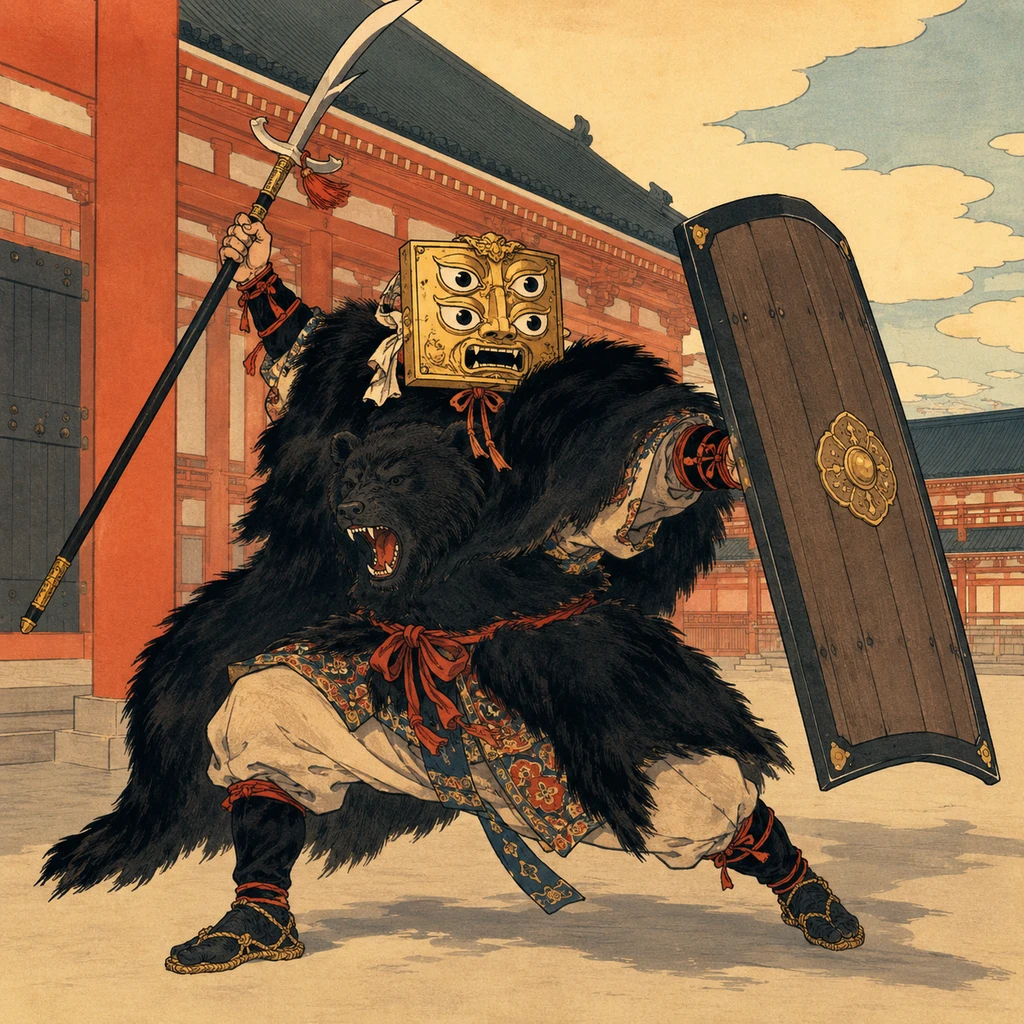
Hōsōshi—the figure who drove demons from the court
The Hōsōshi wore a great mask and carried weapons in the tsuina ceremony, where he drove out the demons blamed for epidemics. In later periods, the terrifying appearance of the demon-chaser could itself be read as demonic, revealing how narrow the boundary could be between a protector and a frightening monster. The Hōsōshi was not an onmyōji’s shikigami, but a figure of an annual court rite derived from China.
Hakutaku and Shōki—warding off calamity through knowledge and images
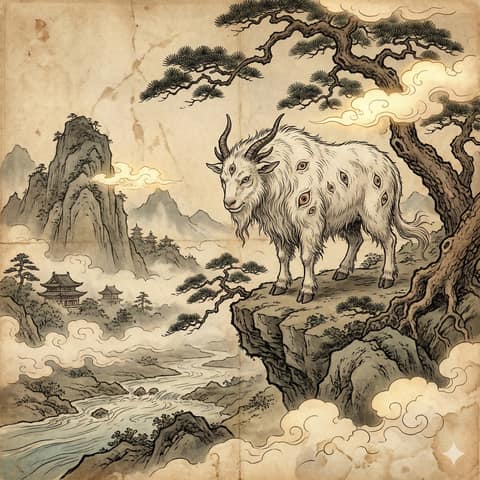
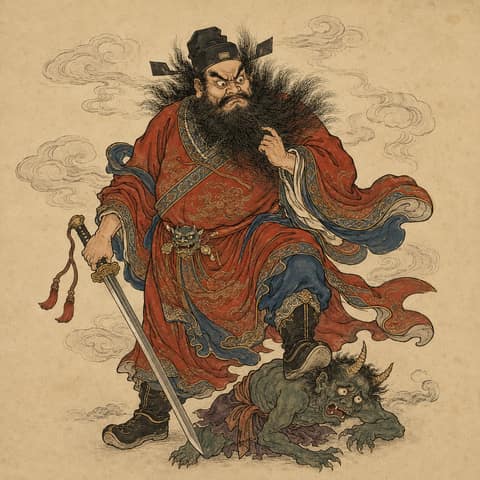
Hakutaku is a spirit beast of Chinese origin said to know all the strange beings and spirits under heaven; images of it were used to guard against disease. Shōki likewise came from Chinese legend. His demon-catching form appeared on Boys’ Day banners and in paintings intended to repel evil. Neither figure belonged exclusively to Onmyōdō, yet both entered Japanese protective culture through the belief that unseen danger could be understood, pictured and kept at bay.

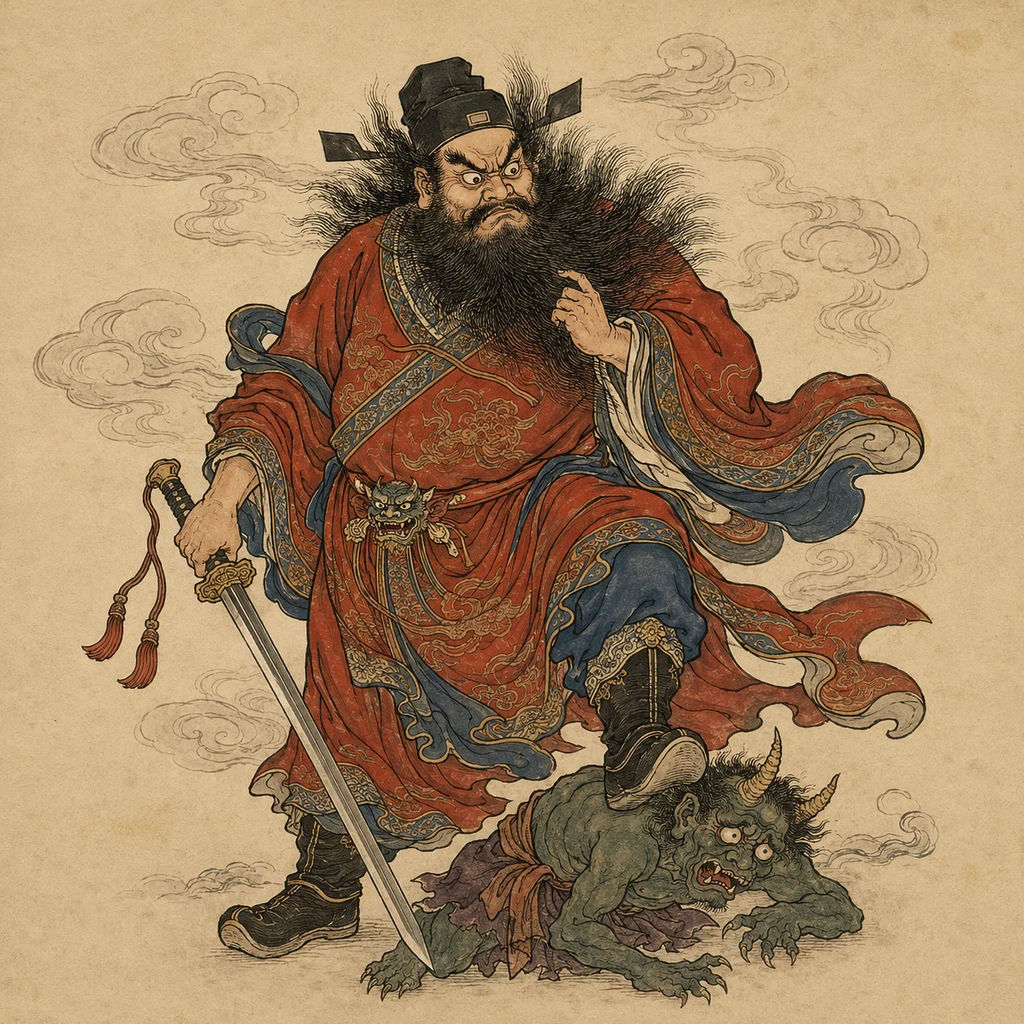
If everything that “repels evil” is assigned to Onmyōdō, the differences among medical knowledge, Buddhism, Daoist-inflected legend and annual custom disappear. This collection includes both the historical centre and the neighbouring traditions, while marking the boundary between them.
Three distinctions that clarify Onmyōdō
First, distinguish the historical court office from the sorcerer of fiction. Second, distinguish cosmological ideas adopted from China from the institutions and rites that developed in Japan. Third, do not collapse Onmyōdō, Buddhist guardianship, the court tsuina ceremony and popular practices for warding off evil into one tradition.
Making these distinctions does not shrink the subject. It brings into focus the points where calendar-making, the politics of reading the stars, tales of shikigami, guardian beasts of the four directions and demon-expelling rites met. Continue to “Figures in this collection” below to follow each of those histories.