YOKAI.JP

Hakutaku (White Marsh)

hah-koo-TAH-koo

Hakutaku (White Marsh)

Hakutaku (White Marsh)

This form can walk with you as your companion. Pick a portrait and make it your icon.

Basic Description

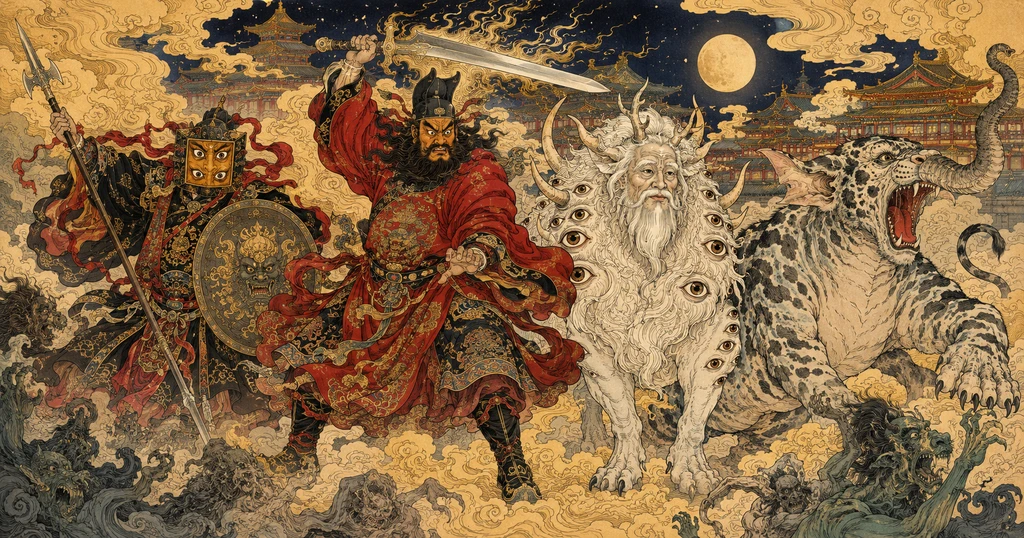
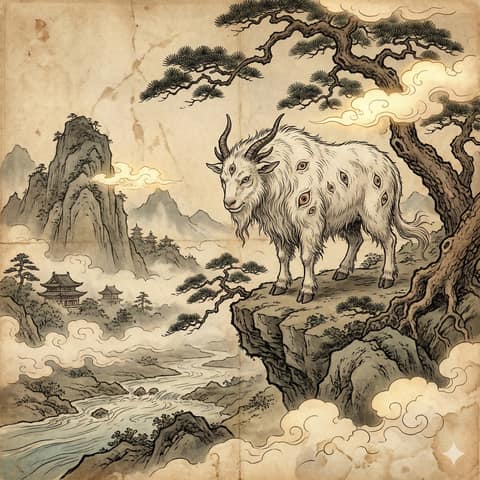
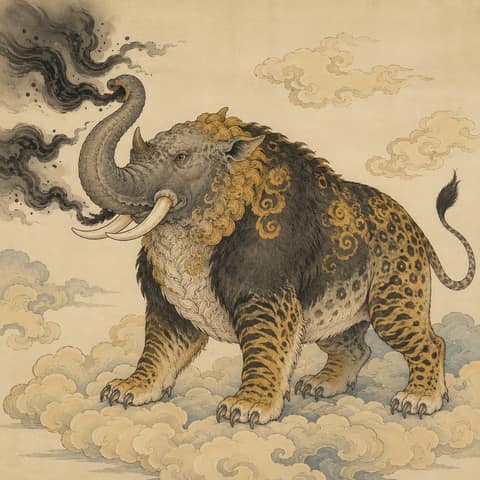
Hakutaku is an auspicious beast from ancient Chinese lore said to understand human speech and to know all manner of monsters, demons, and calamities. It appears in eras of virtuous rulership, and the famed Hakutaku Chart records creatures of anomaly and methods to counter them. In Japan, such images spread in the Edo period as talismans against misfortune, carried for safe travel and protection from illness. Depictions show a white beast, with features varying by period.

Folklore & Legends

According to old accounts, the Yellow Emperor encountered the Hakutaku during an imperial tour and compiled a book from its teachings on the world’s spirits, monsters, and remedies. Illustrations appear in the Sancai Tuhui and the Wakan Sansai Zue, and fragments of the now-lost Hakutaku Chart are said to have survived into the Song dynasty. In Japan, Hakutaku images served as warding charts for travelers and against disease, and were sometimes painted on temple and shrine doors. Local traditions exist across regions with differing details.

Yokai Cards2

Hakutaku (White Marsh) across multiple art-style decks

Card gallery

Maya Calendar Guardian KINs

Displaying the Maya calendar KINs that Hakutaku (White Marsh) protects.

Detailed Analysis

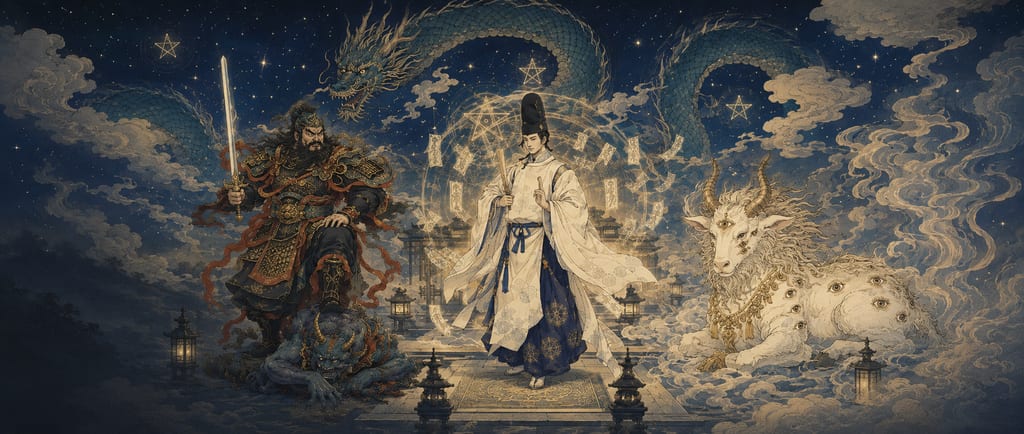
The image of the Hakutaku varies across eras and texts. In the Sancai Tuhui and the Wakan Sansai Zue it appears as a white lion-like auspicious beast symbolizing lucid and orderly governance. Edo painter Toriyama Sekien employed multi-eyed motifs, adding an eye on the brow to heighten its power to perceive calamities, though older depictions sometimes show only two eyes. Prints of the Hakutaku served as apotropaic images posted on doors or carried as charms, invoked for protection during travel and epidemics. The design also appeared on imperial procession flags and on temple and shrine door panels as talismanic emblems of authority and sanctity, examples of which can be seen at the shrines and temples of Nikkō in Japan. The tradition is sometimes read as a personification of ethics and disaster lore, venerated as a being that classifies anomalies and teaches countermeasures.

Character Profile

This section is our own creative profile for storytelling. It is not historical fact or scholarship.

Rarity
Divine
Personality
erudite, taciturn, friendly only to the virtuous
Compatibility
well matched with those who value virtue and uphold the right path
Abilities
understands human speech and offers instruction, reveals the nature of yokai and plagues and how to counter them, works effectively as a talisman to ward off calamity, appears as an auspicious omen during virtuous rule
Weaknesses
rarely manifests under rulers lacking virtue, efficacy is uncertain when images lack a clear provenance
Habitat
classical texts and iconographic traditions, painted door panels in temples and shrines, apotropaic hangings and woodblock prints

🔮YBTI: Yokai Boundary Type Indicator

🔮Yokai Compatibility Test

For more detailed information and diagnosis results about Iconographic Tradition Conformant, please click here.

Interested in this type of yokai?

Discover the yokai most similar to your personality with our yokai diagnosis

Start Yokai Diagnosis

Meet your guardian yokai at the shrine

Draw an omikuji fortune and discover the yokai watching over you today.