YOKAI.JP
Hyakkai Zukan (Illustrated Scroll of a Hundred Apparitions)

Hyakkai Zukan (Illustrated Scroll of a Hundred Apparitions)

32 yokai
Thematic

Hyakkai Zukan (Illustrated Scroll of a Hundred Apparitions) is a yokai picture scroll painted in 1737 (Genbun 2) by the mid-Edo artist Sawaki Suushi, a pupil of Hanabusa Itchō. It is prized not only as a rare emakimono devoted entirely to yokai, but also because both its date and authorship are clearly documented. The scroll presents 30 yokai in total, arranged with a catalog-like clarity. Its careful brushwork and polished finish, along with the existence of closely related works, suggest it became a standard reference repeatedly copied and consulted by later generations. According to the colophon, Suushi based this work on an older manuscript then attributed to Kano Motonobu, effectively tracing how yokai imagery was transmitted from the medieval period into the Edo era. Now housed in the Fukuoka City Museum, the scroll is regarded as a benchmark in yokai-emaki studies. Many of the creatures depicted here reappear in later works such as Gazu Hyakki Yagyō, making it essential for understanding the origins of Edo-period yokai representation.

Updated: 1/16/2026
yokaiJapanese folkloreHyakkai ZukanSawaki SuushiEdo periodyokai scrollGazu Hyakki YagyoemakimonoJapanese artsupernatural creatures

Included Yokai

32 yokai are included

These yokai also have art cards

44 cards — ukiyo-e, modern Japan & more

Mikoshi-nyūdō (Looming Priest)

Mikoshi-nyūdō (Looming Priest)

Epic

mee-KOH-shee nyoo-DOH

見上げて伸びる入道・見越入道

Demons & GiantsTokyoSaitama

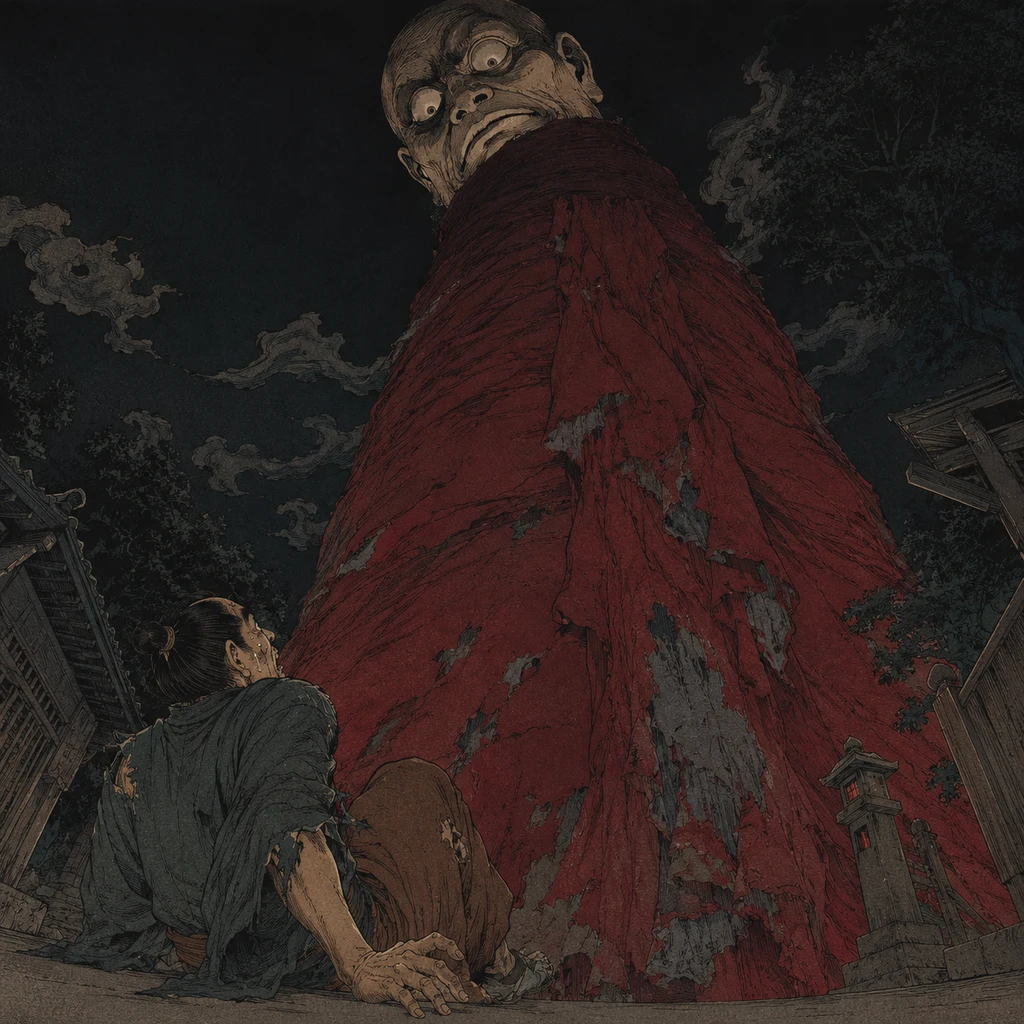
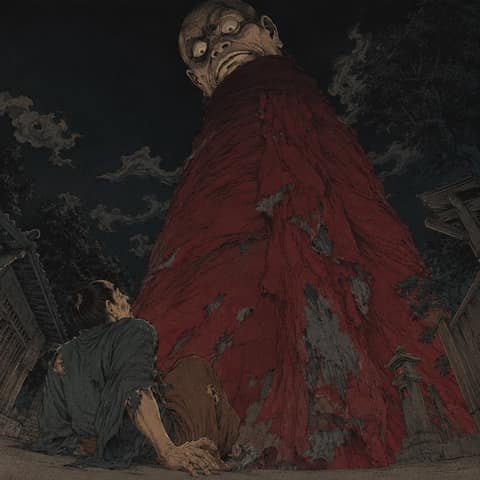
A towering monk-like apparition that appears on night roads, at the end of slopes, crossroads, stone bridges, or atop trees. The more you look up at it, the larger it grows, terrifying those who give in to fear. Common countermeasures include saying “I’ve seen through you” or calmly looking down at it. Its true nature varies by region and may be a shapeshifted tanuki, fox, weasel, or badger. It is a well-known type found in Edo-period ghost tales and essays.

Shōkera

Shōkera

Epic

SHOH-keh-rah

庚申待の天窓覗き・しょうけら

霊・亡霊Japanese folklore

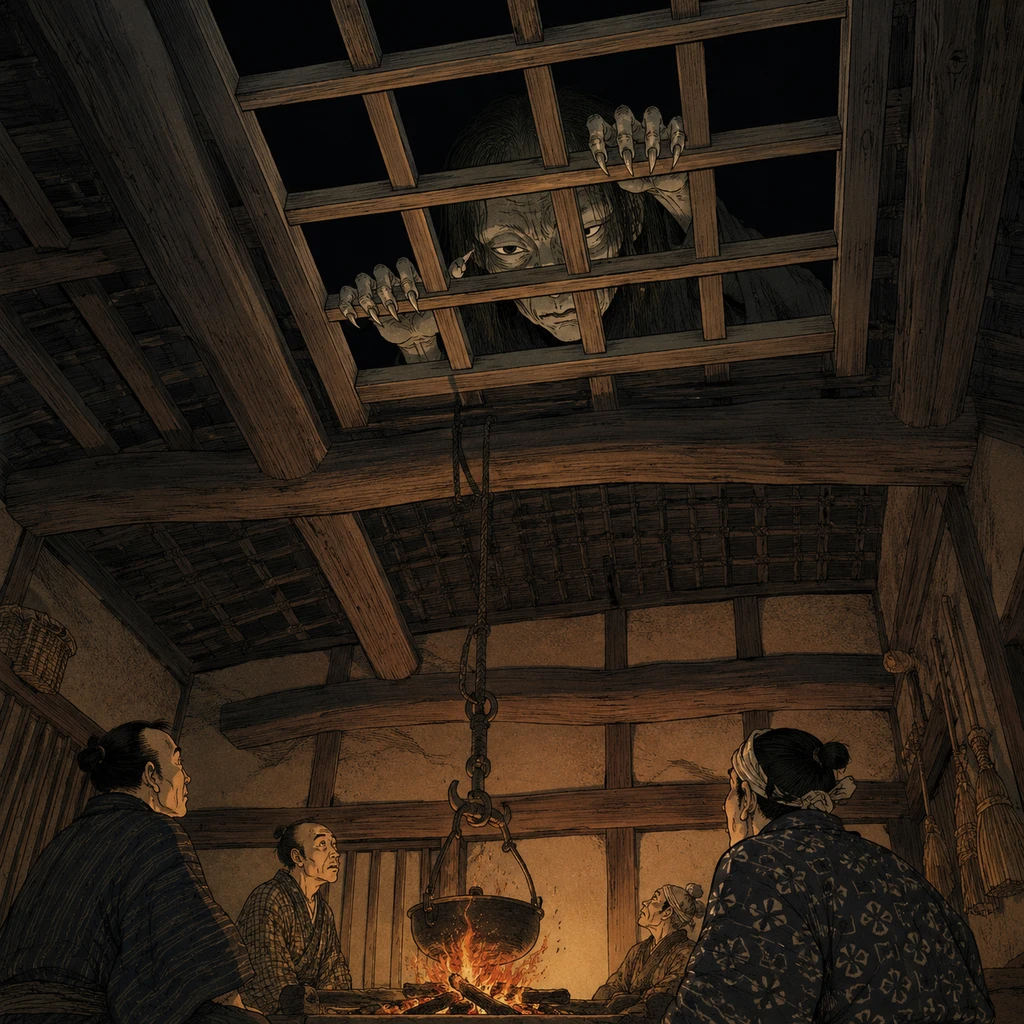
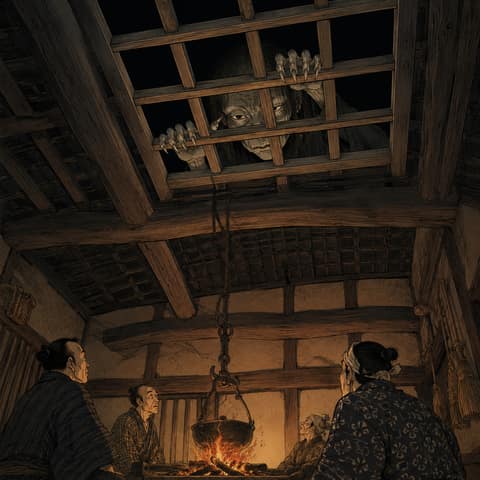
A yokai depicted in Edo-period picture scrolls such as Hyakki Zukan and Gazu Hyakki Yagyō. The texts offer no in-story explanation, but scholars link it to the folk observance of Kōshin night. On Kōshin nights, it was believed the Three Corpses (sanshi) left a sleeper’s body to report their sins to heaven; early sleep was feared to invite misfortune. Shōkera is understood as a harmful presence on that night—or the sanshi themselves—embodying a role of surveillance and punishment.

Hyōsube

Hyōsube

Uncommon

hyō-su-be

九州川辺の毛河童・へうすへ

Water spiritSagaKumamoto

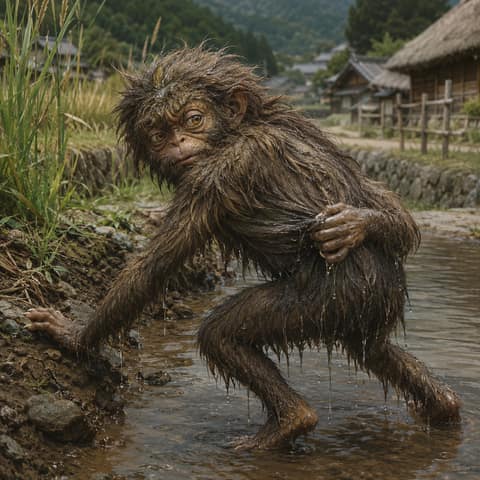
Hyōsube is a hairy, water-dwelling yokai found throughout the Kyushu region. Counted as kin to the kappa—or at least a close relative—it is said to move back and forth between the rivers and the mountains around the equinox. Its name is traced to its birdlike cry of "hyō-hyō." It is fond of eggplant, and in some areas the custom of offering the season's first eggplant still survives. The best-known stories tell of it slipping into a household bath to soak, leaving the water afterward thick with floating body hair; anyone who lays eyes on it, they say, falls ill with fever.

Kappa

Kappa

Legendary

KAH-pah

川辺の皿頭・河童

Water SpiritsKumamotoFukuoka

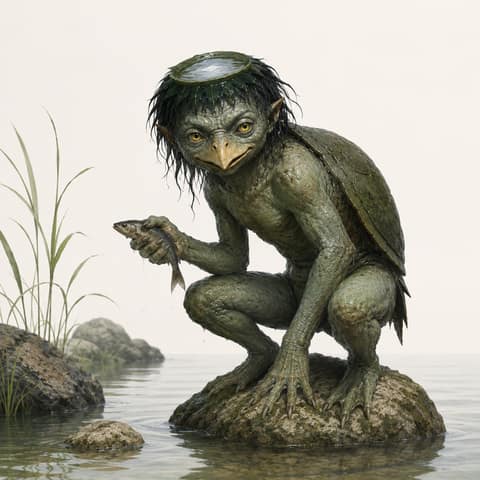
The kappa is among the most famous of all Japanese yokai, said to dwell wherever there is water—rivers, ponds, and marshes alike. It stands about the height of a four- or five-year-old child, with a water-filled dish (sara) set into the crown of its head, a shell on its back, a beak for a mouth, and webbed hands and feet. Its body is greenish or reddish in hue and is sometimes described as smelling fishy. That dish on its head is the very source of its power: should the water spill or dry out, the kappa is believed to lose its strength at once. From this came the well-known trick of bowing deeply to a kappa so that, returning the courtesy, it tips the water from its dish and can be caught. The kappa has two faces. One is fearsome—dragging people and horses into the water and taking their lives. The other is dutiful—keeping its promises faithfully, delighting in sumo, and sometimes passing on miraculous bone-setting remedies. Found across the whole country, it goes by more than eighty regional names: Garappa, Medochi, Enko, Hyosube, and many more. Among all the yokai of Japan, few are so deeply rooted in local life.
Nure-onna

Nure-onna

Epic

NOO-reh-OHN-nah

磯浜の濡髪女・濡女

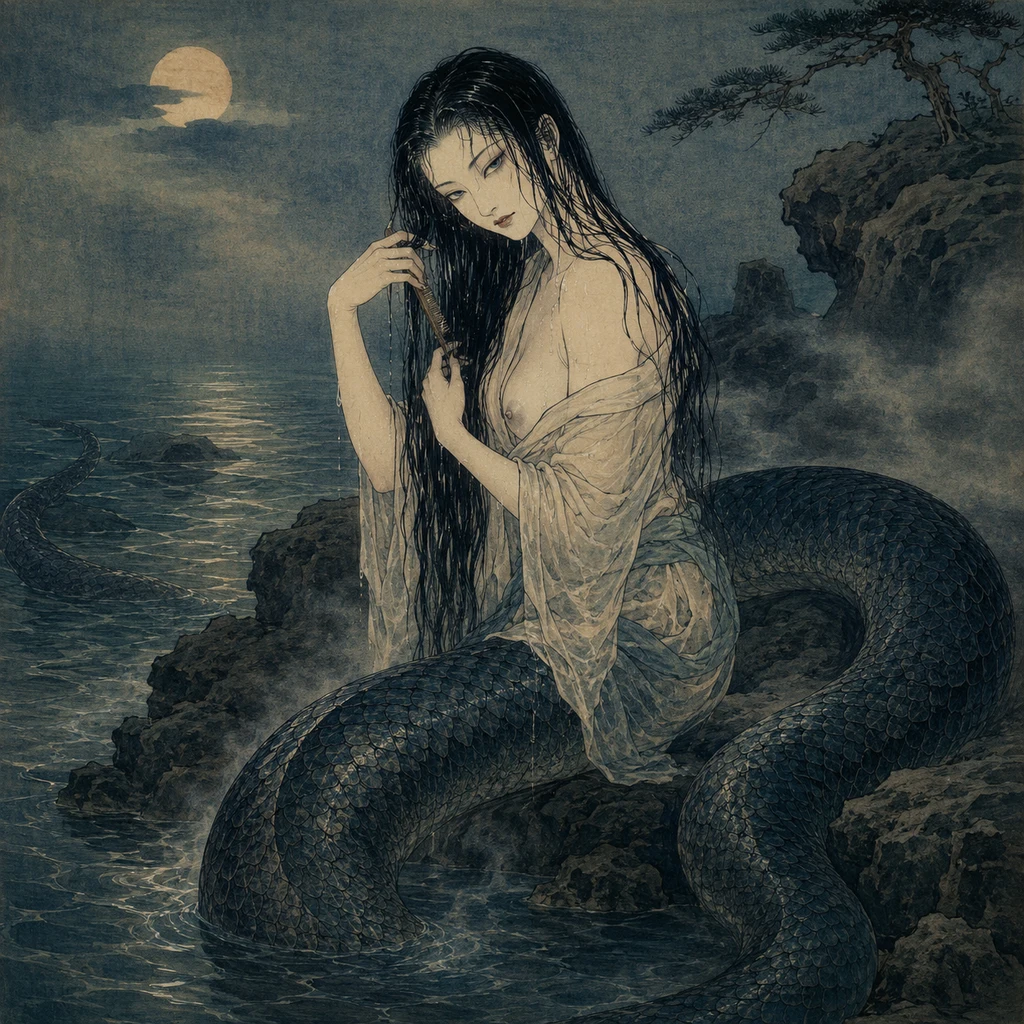
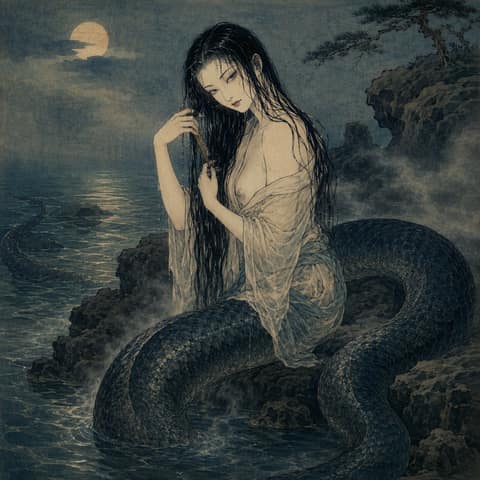
A female yokai that appears by the water, named for her perpetually wet hair and body. Edo-period picture scrolls often depict her as a woman with a serpent’s body, luring people at sea or along rivers. She is closely associated with the Iso-onna and is sometimes said to be a sea-snake incarnation, though firsthand descriptions in classical sources are scarce. Traits vary by region, from tales where she forces a baby into a passerby’s arms to accounts of a vast-tailed water monster.

Oni of Gango-ji

Oni of Gango-ji

Epic

GAHN-goh-jee no OH-nee

奈良元興寺の鐘楼鬼

Ghosts & SpiritsNara

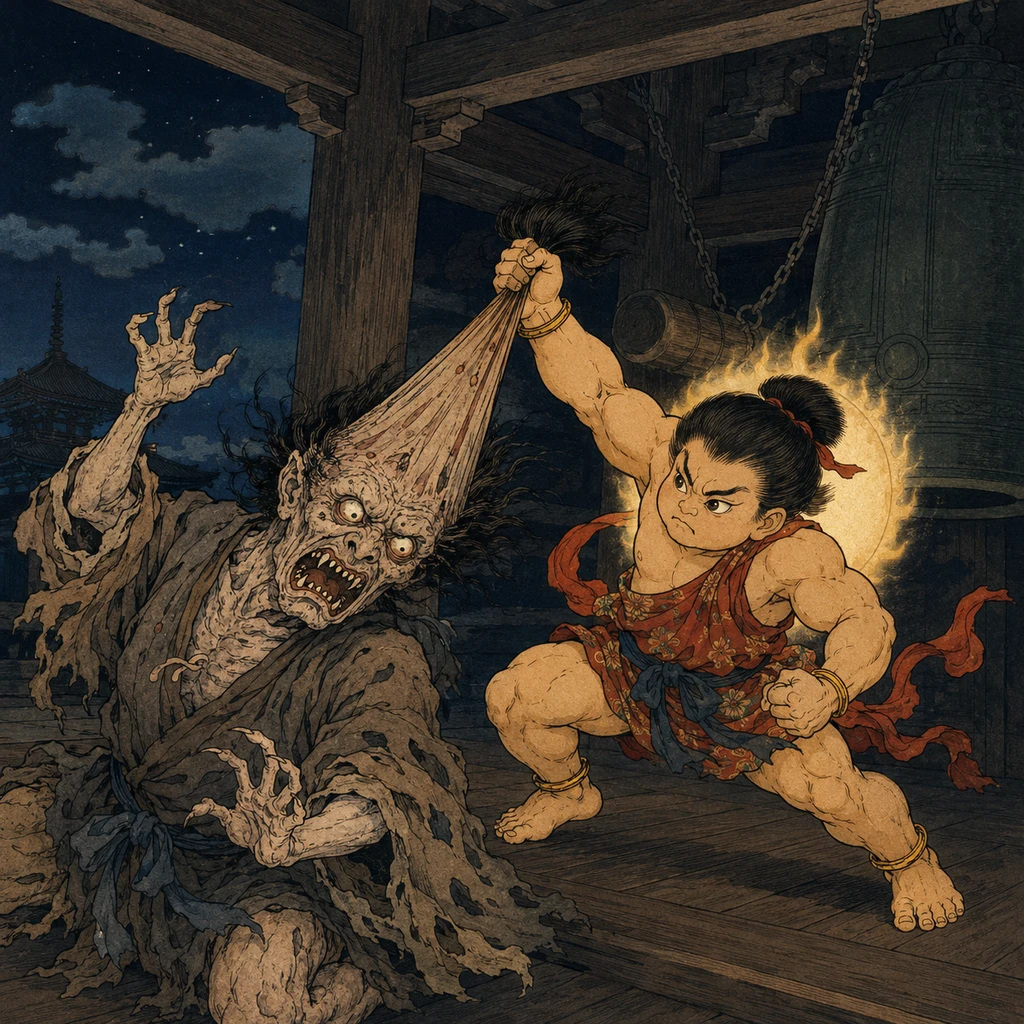
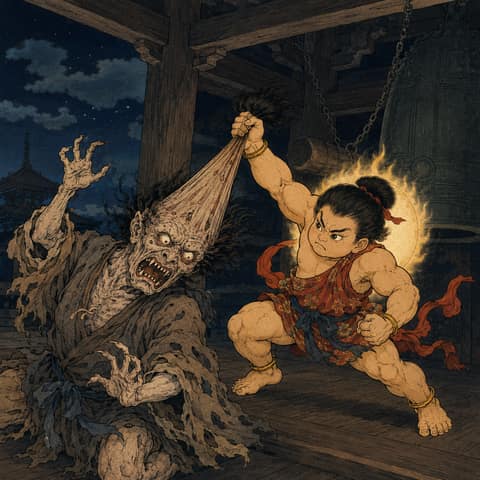
The Oni of Gango-ji is a vengeful spirit said to have appeared at Gango-ji Temple in Nara. When temple pages stationed at the belfry died mysteriously, a strong-armed boy lay in wait, seized the oni’s hair, and dragged it around until dawn. Following the blood trail led to the grave of a former temple servant of ill repute; his restless spirit had become an oni. The plucked hair was kept as a temple treasure. Old texts and yokai art depict the creature as a monk-shaped demon.

Nurarihyon

Nurarihyon

Legendary

Nurarihyon

妖怪総大将のぬらりひょん

Half-Human YokaiOkayama

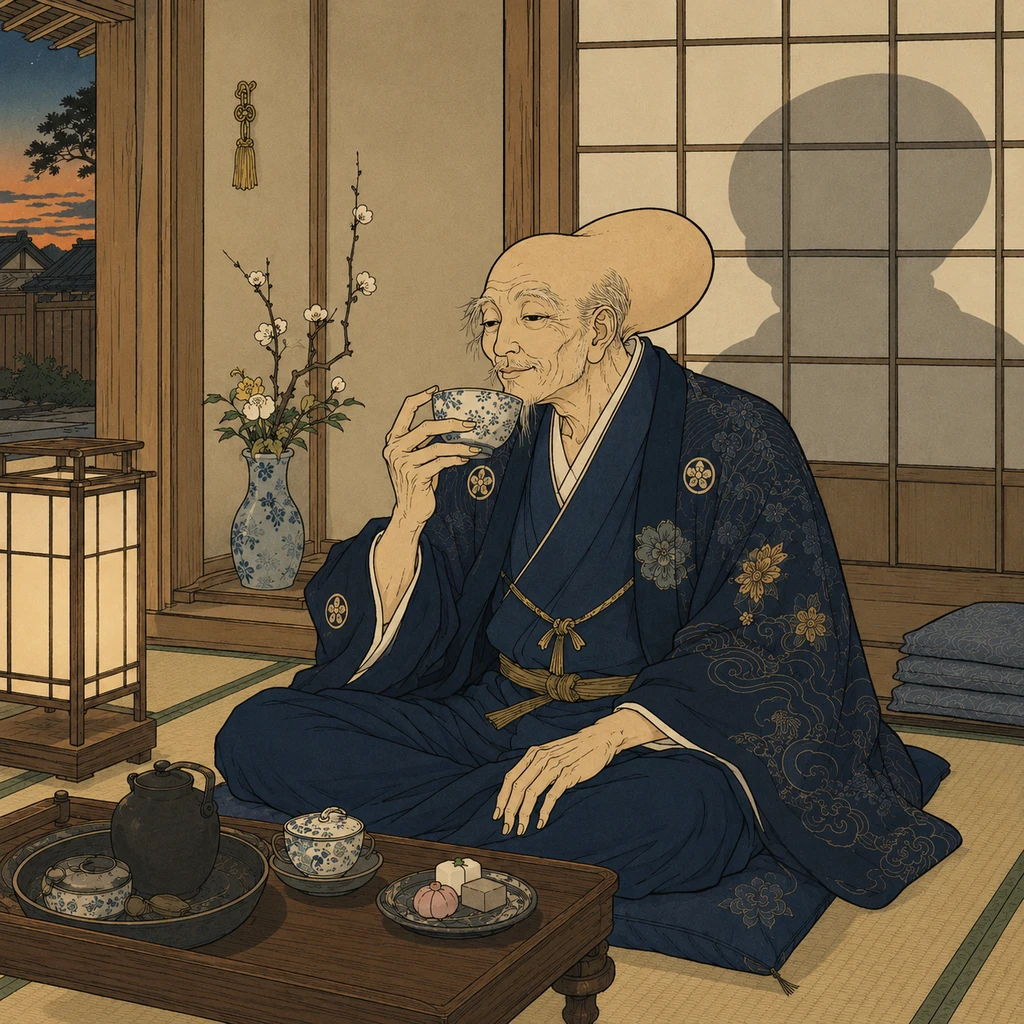
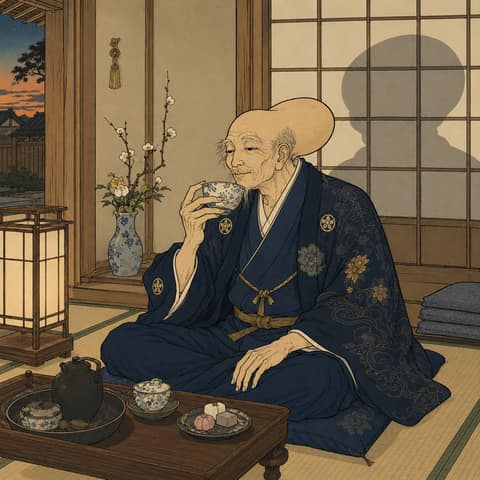
Nurarihyon is a yokai commonly depicted as a bald old man with a large, elongated head, dressed elegantly in a refined kimono or haori jacket. While widely recognized today as the "Supreme Commander of Yokai" (Yokai no Sodaisyo), this persona was actually established through modern media and anime from the Showa to Heisei eras, rather than being rooted in classical folklore. Originally appearing merely as a name and an illustration in Edo-period yokai scrolls, he remained a mysterious entity for a long time, with his true nature, abilities, and actions entirely unknown. Meanwhile, along the Seto Inland Sea coast in Okayama Prefecture (Bisan Seto), there exists an unrelated folk legend of an unidentifiable, spherical sea yokai (a type of Umi-bozu) called "Nuurihyon" . It is generally believed that an Edo-period artist borrowed the comical-sounding name of this local yokai and attached it to the completely unrelated drawing of the "mysterious old man," forming the roots of the modern Nurarihyon. Thus, his name was born in Okayama, while his visual form was crafted by Kyoto and Edo artists—a true hybrid origin. Adapting to the changing times and media landscapes, Nurarihyon underwent arguably the most dramatic evolution and "promotion" in yokai history: from an "unexplained old man," to an "audacious intruder," and ultimately to the "mighty leader of all yokai."

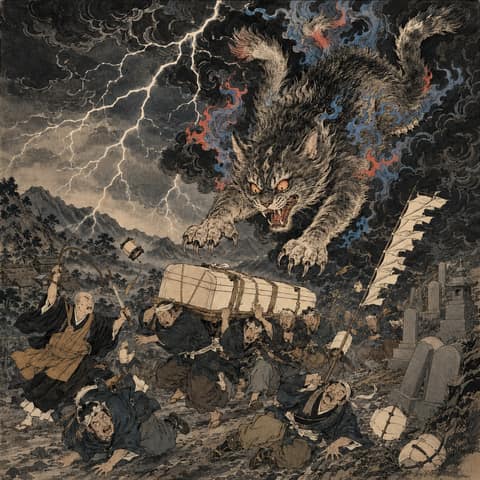
Kasha (Corpse-Dragging Fiend)

Kasha (Corpse-Dragging Fiend)

Epic

KAH-shah

葬列を襲う化け猫・火車

Ghosts & SpiritsIwateGunma

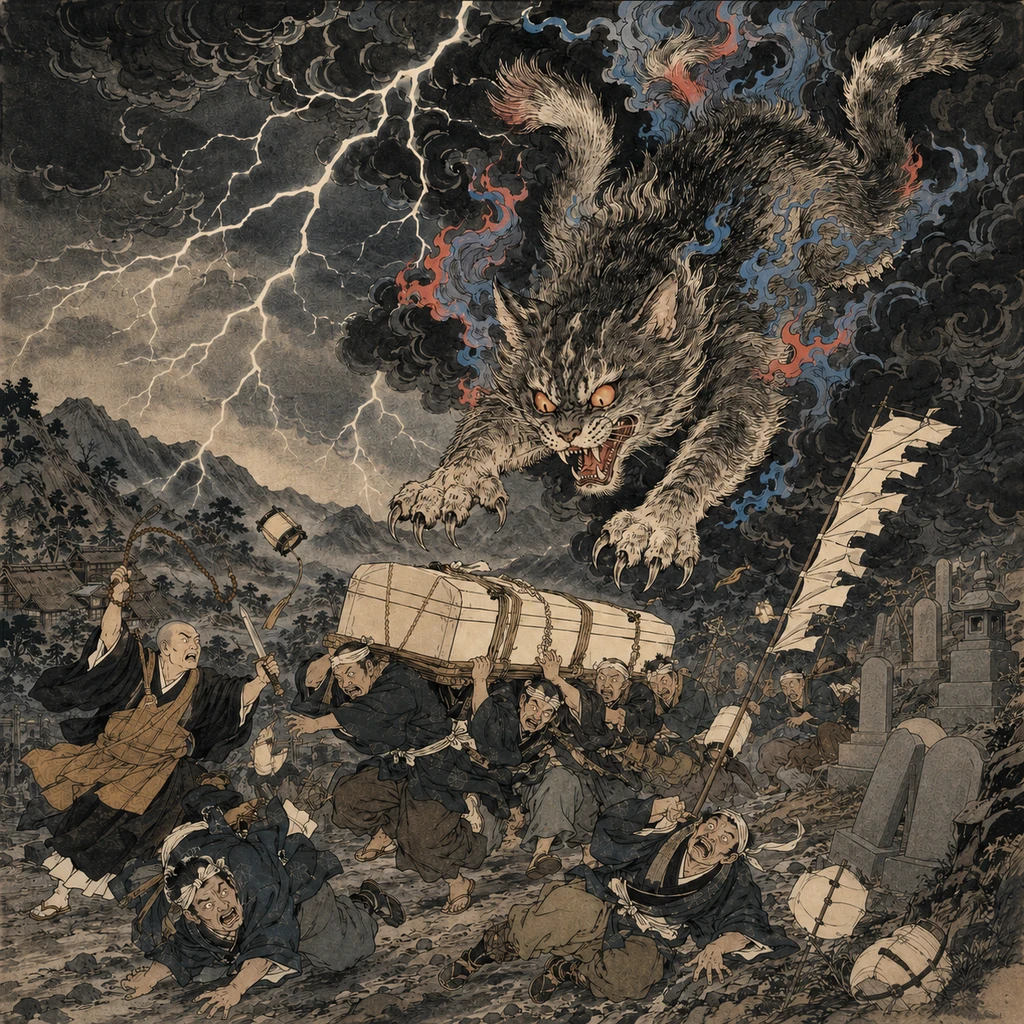
A yokai said to appear at funerals, funeral processions, and graveyards to snatch coffins and corpses. In the early modern period it was told as a hellish jailer or thunder god’s doing, stealing bodies amid black clouds and lightning. Later it merged with bakeneko lore, spreading the belief that an aged cat becomes a kasha and preys on the dead. Reports occur nationwide and are not strictly framed as moral retribution. Traditional countermeasures include blades, prayer beads, mounded earth, and constant vigil.

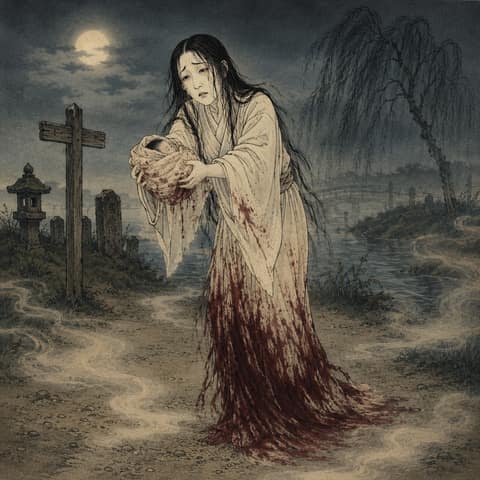
Ubume (Ghost of a Dead Mother)

Ubume (Ghost of a Dead Mother)

Epic

OO-boo-meh

赤子を抱く産死女・産女

Ghosts & SpiritsVarious regions of Japan (especially Tōhoku, Kantō, and Kyūshū)

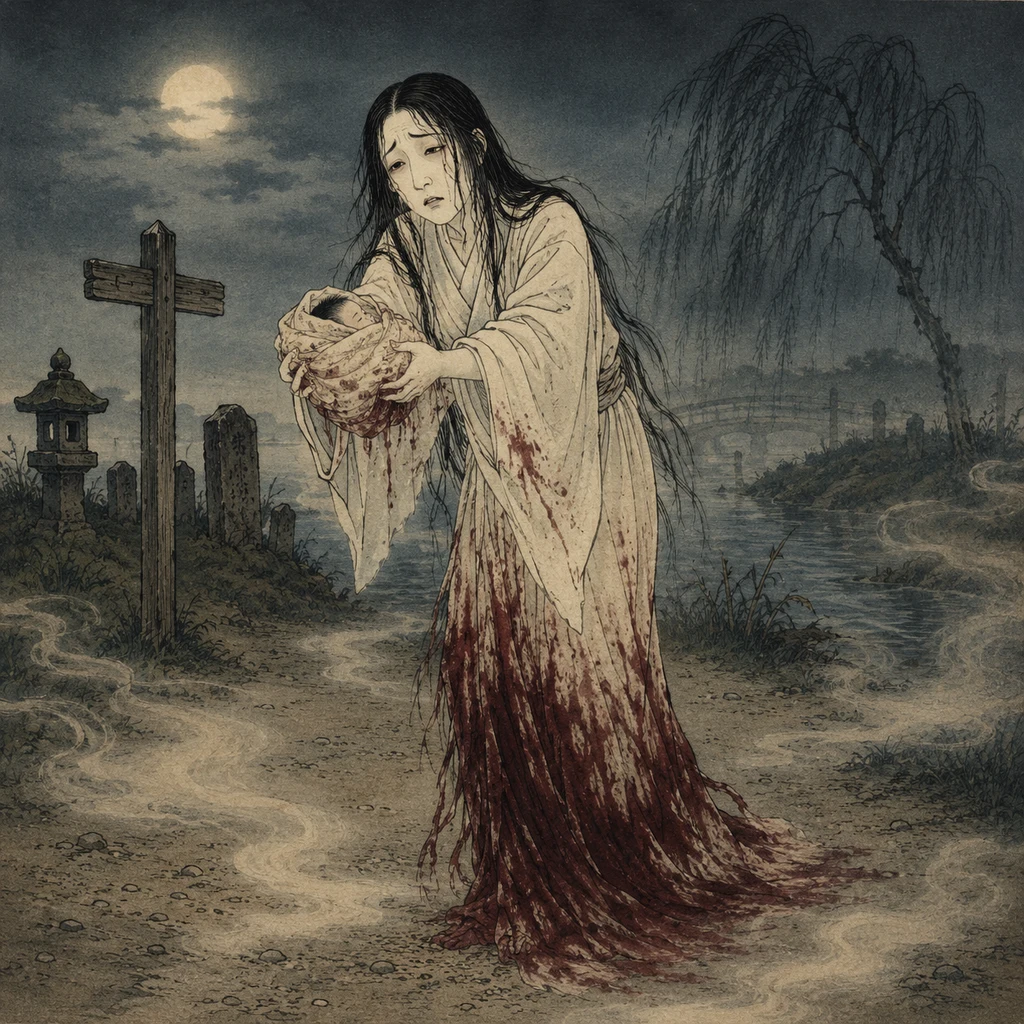
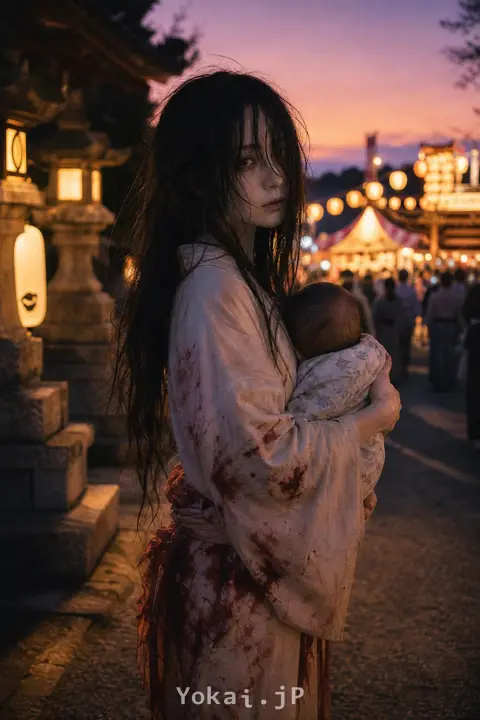
Ubume is the ghost of a woman who died in childbirth or from puerperal fever. She appears at night wearing a blood-stained waist cloth, cradling an infant, and stands along dark roads. She is said to press the baby into the arms of passersby and then vanish—or pursue them. Related tales appear as early as Konjaku Monogatari, and later in Edo-period works like Hyaku Monogatari Hyōban, Kii Zōdanshū, and Wakan Sansai Zue. Ubume also merged with child-granting and safe-delivery cults, becoming embedded in temple and shrine legends.

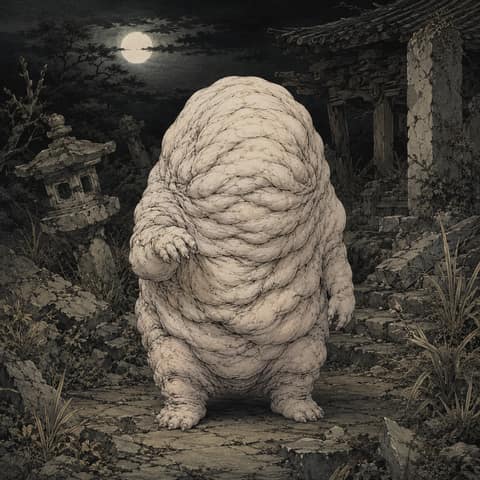
Nuppefuhofu

Nuppefuhofu

Epic

NOOP-peh-FOH-hoh-foo

一頭身の皺肉塊・ぬっぺふほふ

General ClassificationsJapanese folklore

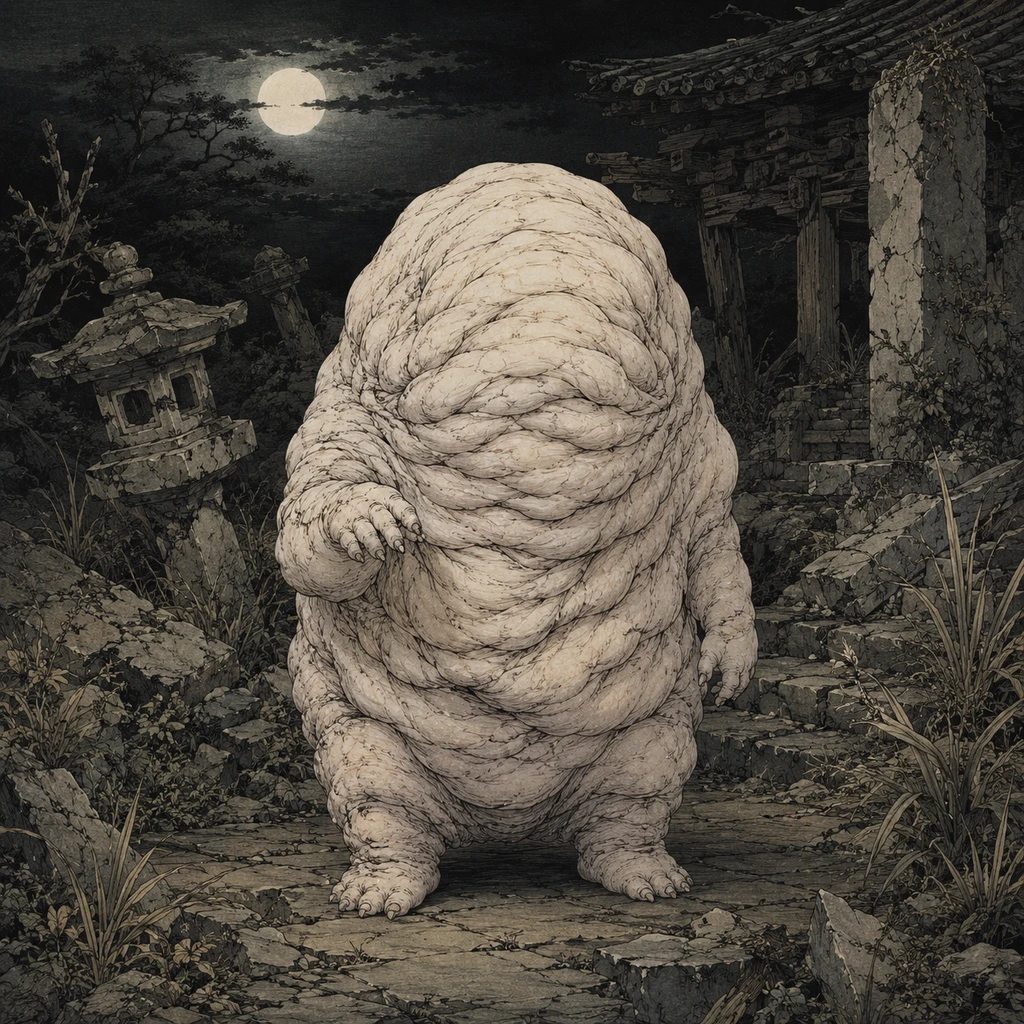
A yokai depicted in Edo-period picture scrolls such as Gazu Hyakki Yagyō and Hyakkai Zukan as a one-headed, sagging mass of flesh. Its face and body blur together, sometimes shown without eyes, nose, or ears. Owing to the name and descriptions, it is often mentioned as an archaic form or kin of the faceless noppera-bō, but its nature and origins remain unclear. The scrolls provide a name and image with little to no commentary.

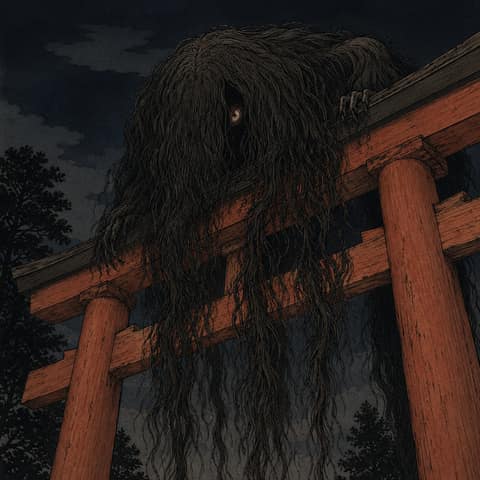
Otoroshi

Otoroshi

Epic

oh-toh-ROH-shee

前髪に顔覆う・おとろし

総称・汎称Unknown

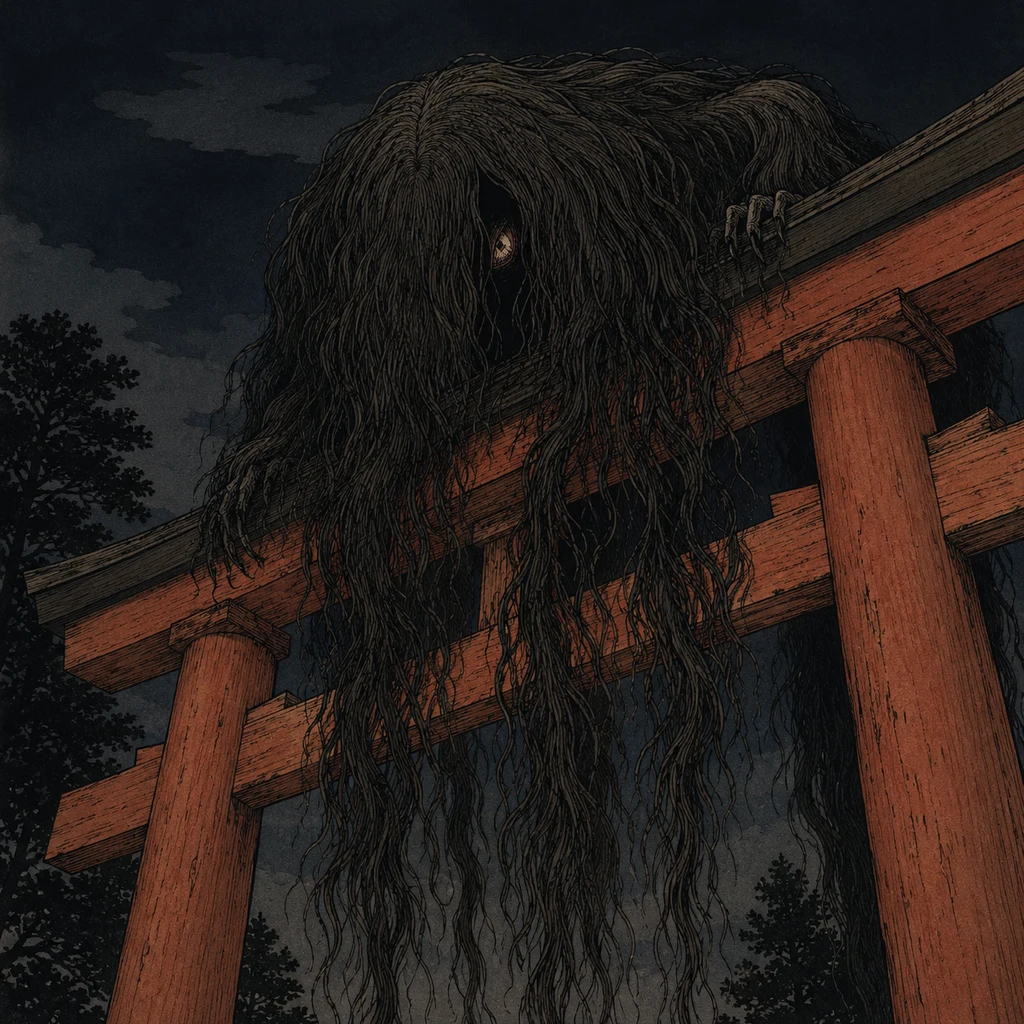
A name found in Edo-period yokai picture scrolls, depicted as a figure shrouded in long hair with its face hidden by bangs. It appears in works like Sawaki Suushi’s Hyakkai Zukan and Toriyama Sekien’s Gazu Hyakki Yagyo, but offers virtually no accompanying text; its nature and origins remain unclear. Spellings vary—such as “Odoro-odoro” or “Ke-ippai”—suggesting a play on the sense of dread and wild, disheveled hair.

Waira

Waira

Uncommon

WAH-ee-rah

牛似の鉤爪獣・わいら

山野の怪Ibaraki

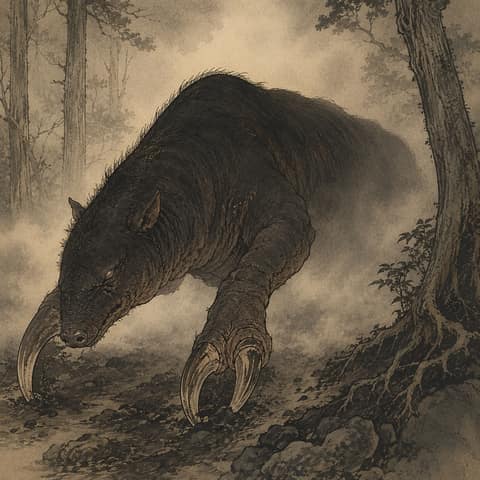
A mysterious yokai named only in Edo-period picture scrolls, with no surviving explanation. It is depicted with an immense, ox-like upper body and a single thick hooked claw on each forelimb. It appears in works like Hyakkai Zukan and Gazu Hyakki Yagyo; its lower body is unknown. Beyond its name and image, little is recorded, so its nature and origin are unclear. It is often paired with Otoroshi and treated as an embodiment of fear.

Yamabiko

Yamabiko

Epic

yah-mah-BEE-koh

山中で声を返す・山彦

自然現象・自然霊Nagano

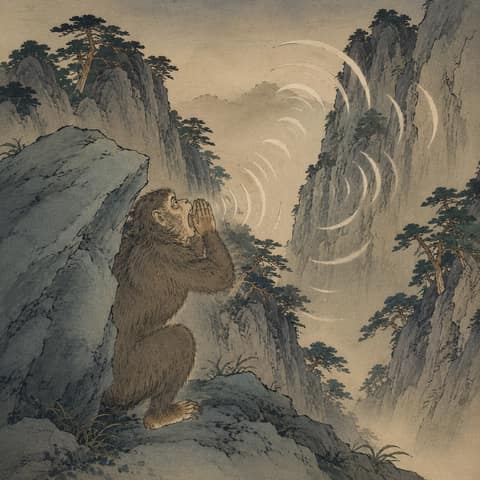
The echo heard in mountains and valleys is personified as Yamabiko—literally “mount echo.” While recognized as a natural acoustic reflection, it’s also told as a mountain spirit, a retainer of mountain gods, a tree spirit (kodama), or a mysterious creature of the deep woods. Picture scrolls sometimes show it with beastlike features. Responding with the exact words it hears, it inspired both awe and caution.

Painted Buddha

Painted Buddha

Epic

NOO-ree-boh-TOH-keh

仏壇より出る垂目僧・塗仏

Household SpiritsJapanese folklore

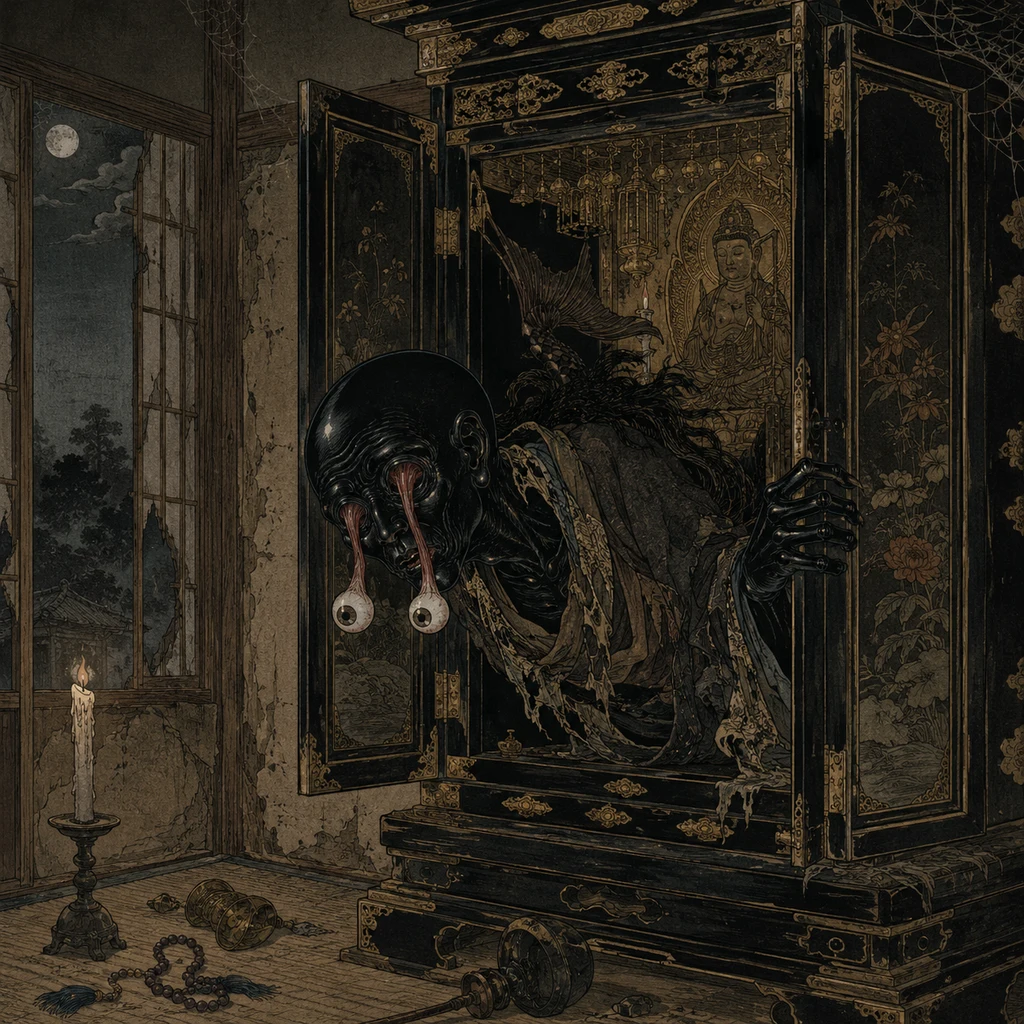
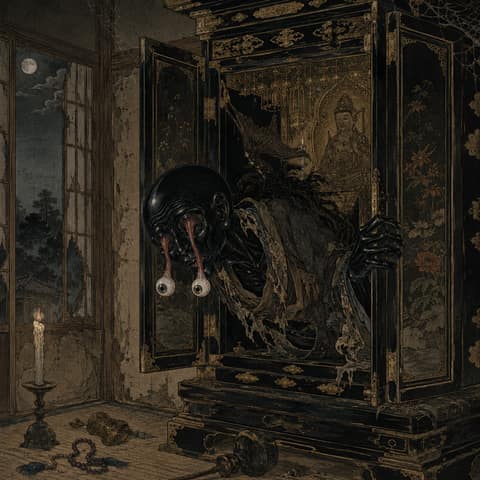
A black, monk-shaped apparition from Edo-period yokai picture scrolls, shown with protruding eyes drooping downward. Examples appear in Sawaki Suushi’s Hyakkai Zukan and Toriyama Sekien’s Gazu Hyakki Yagyo. These sources provide no captions, so its origins and traits are unknown. In Sekien’s version it emerges from a household Buddhist altar (butsudan), leading later writers to interpret it as a spirit of altars or ritual implements, though historical proof is lacking.

Oni of Hemp Fiber (O-uni)

Oni of Hemp Fiber (O-uni)

Rare

OH-oo-NEE

山の苧束毛の鬼女・苧うに

Mountain & Wilderness SpiritsUncertain (derived from an Edo-period picture scroll)

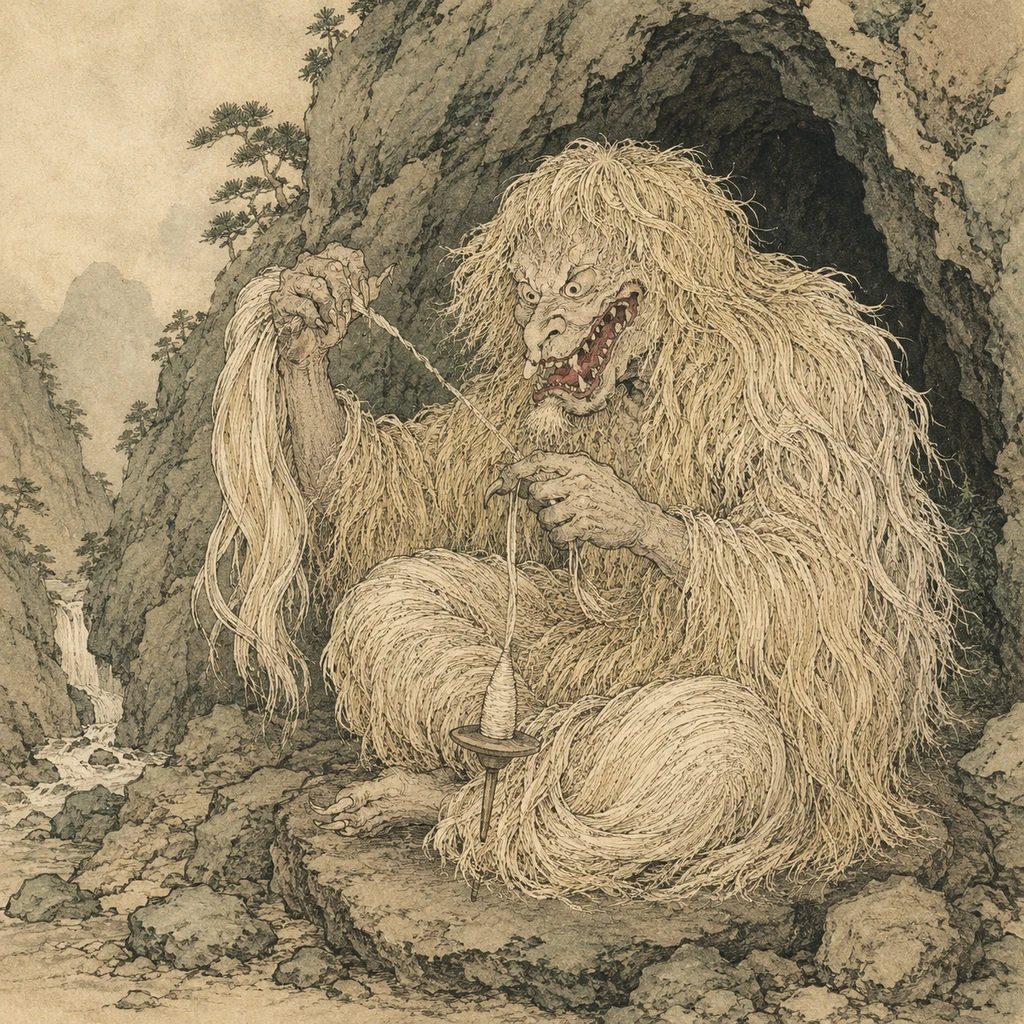
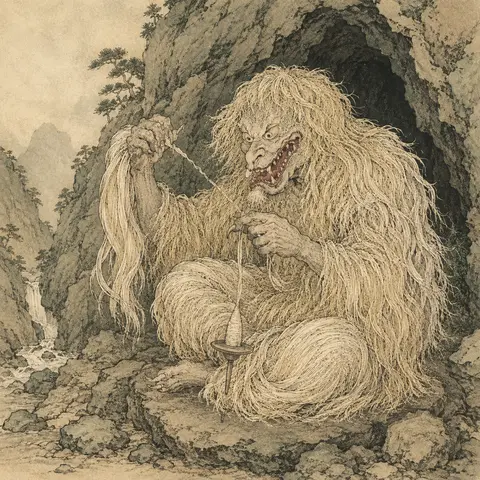
A hairy, ogress-like yokai depicted by Toriyama Sekien in Gazu Hyakki Yagyo. Its mouth is split to the ears, and its entire coat of hair evokes bundles of o (fiber from ramie or hemp), which is thought to be the source of its name. Sekien provided no caption, so its nature is unknown. Similar images appear in earlier scrolls like Hyakkai Zukan under labels such as “wōwō” or “uwan-uwan,” placing it within a visual lineage of related creatures.

Spirit of Dreams

Spirit of Dreams

Uncommon

YOO-meh no say-RAY-ee

寝所に夢運ぶ・夢のせいれい

自然現象・自然霊Japanese folklore

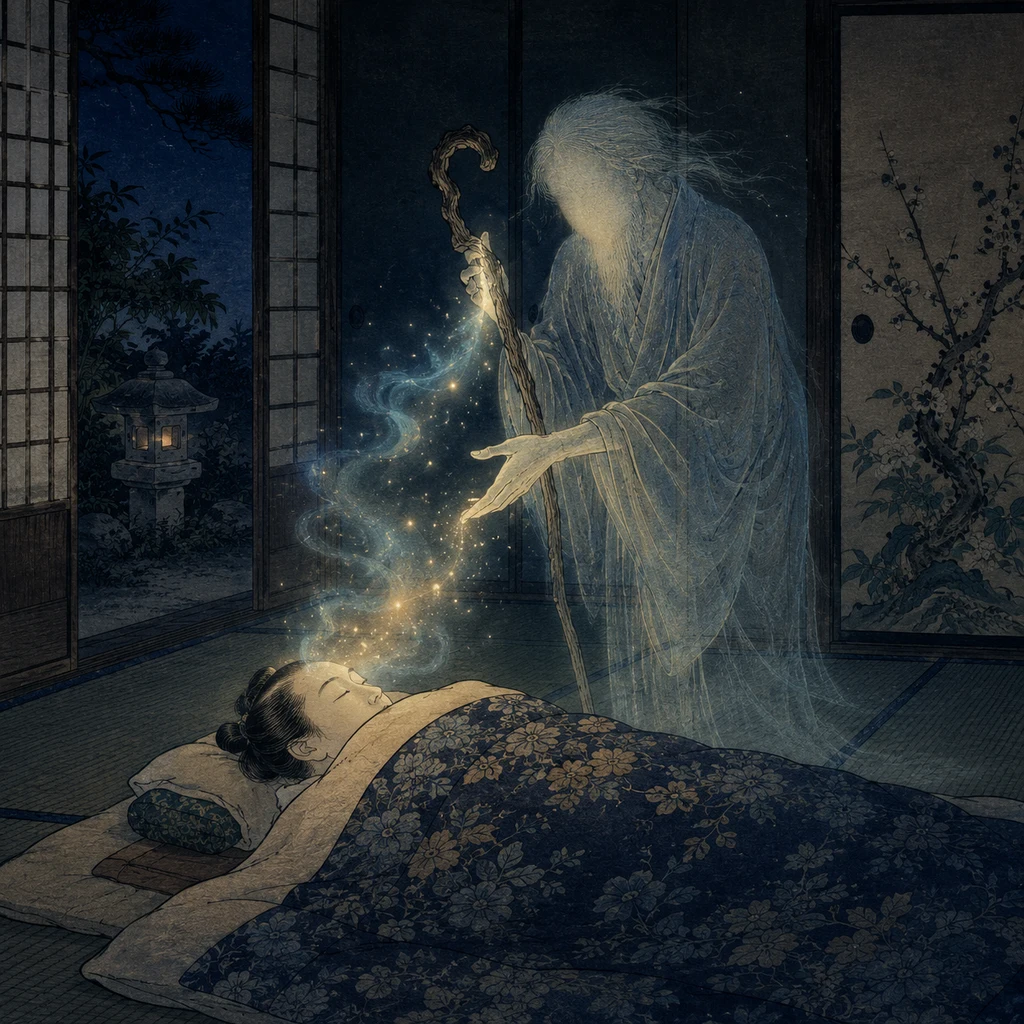
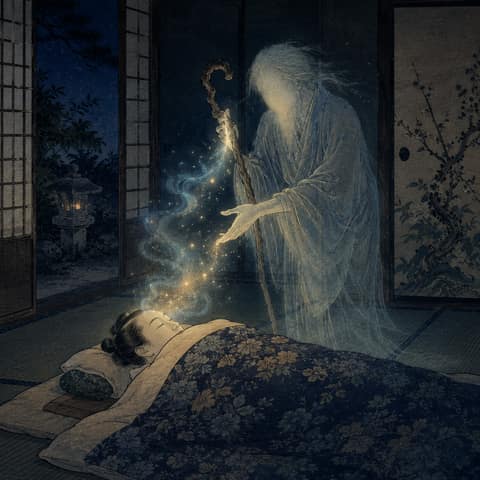
Understood as a spirit linked to dreams, it approaches sleepers at night and brings visions that portend good or ill. Some accounts depict it beckoning with a staff, but its name and character are not fixed; it is often treated as the personification of dreams themselves. It is said to be named in an Edo-period picture scroll, but no definitive image is identified, records are sparse, and its origins are unknown.

Yamauba

Yamauba

Legendary

yah-mah-OO-bah

深山の老婆・山姥

Mountain & Wilderness SpiritsKanagawa

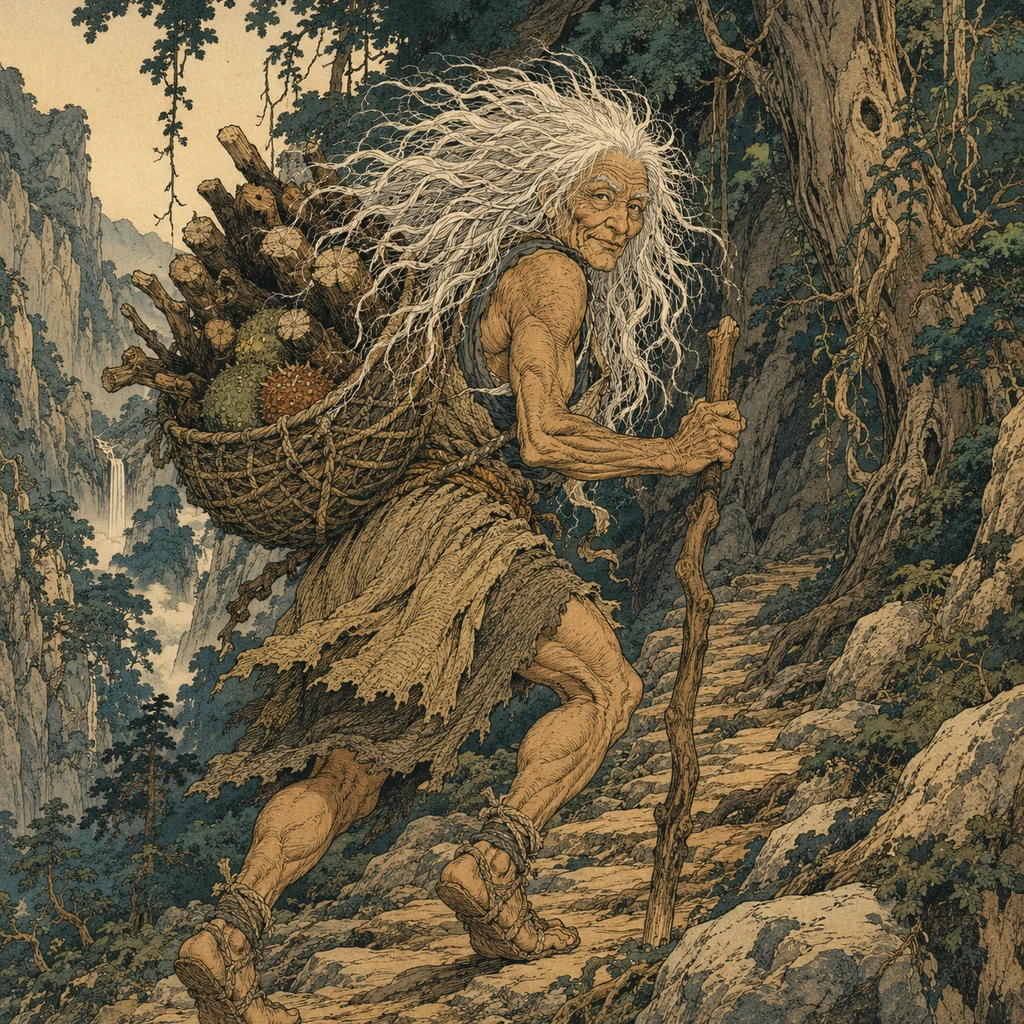
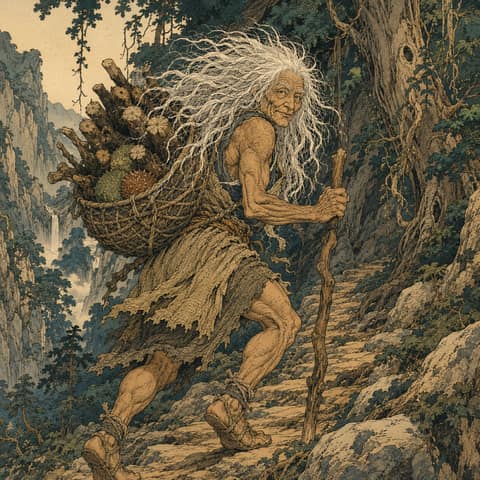
An old witch-like yokai who dwells deep in the mountains. She is also known as the foster mother of the folk hero Kintaro.

Inugami

Inugami

Legendary

EE-noo-GAH-mee

憑物筋の犬神

Animal ShapeshiftersTokushimaKochi

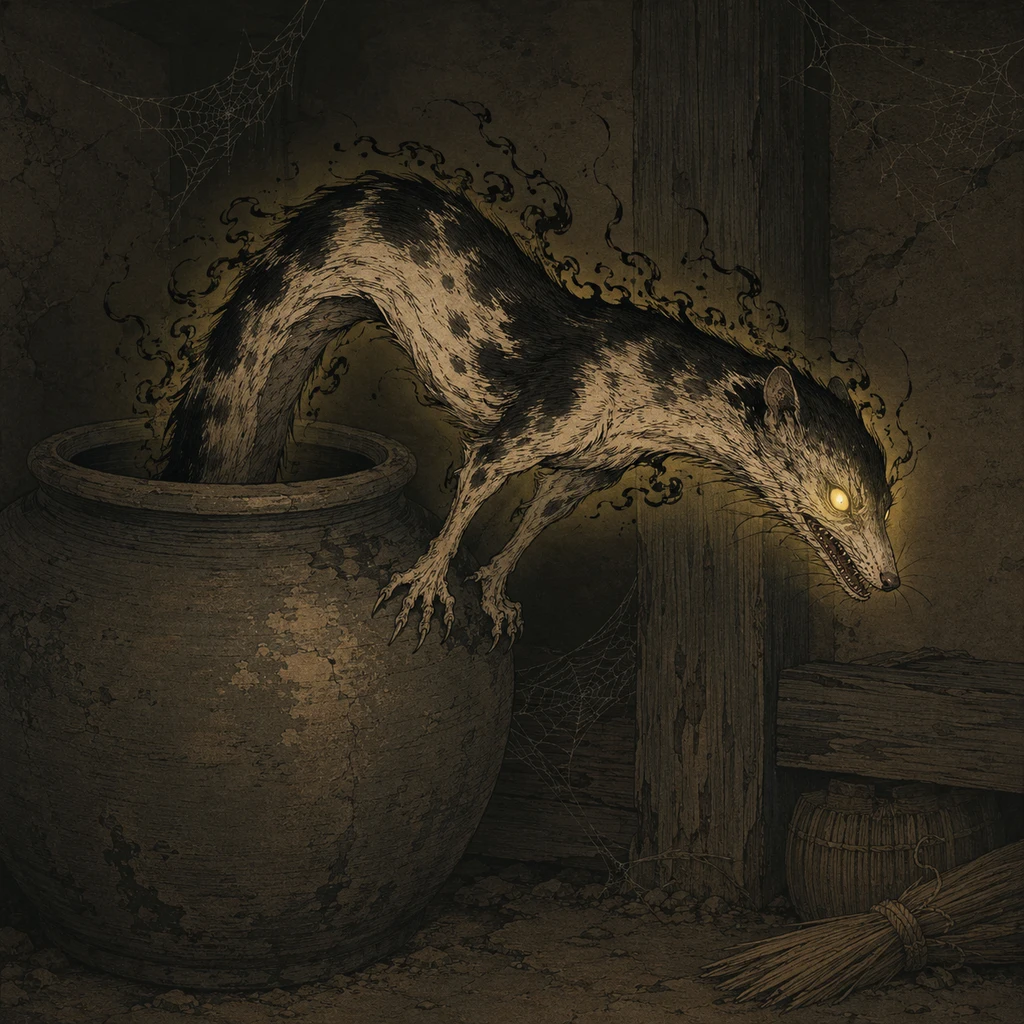
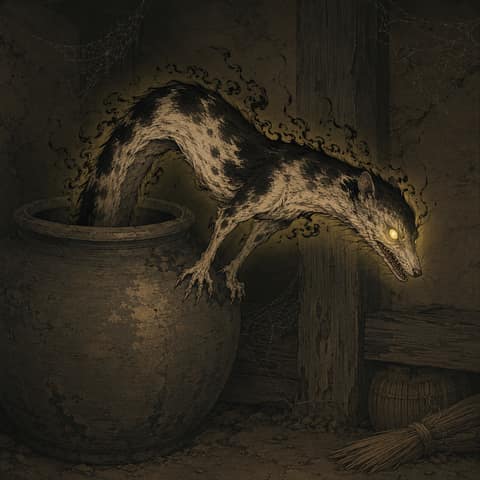
Inugami are possessing dog-spirits found mainly in western Japan, counted alongside fox possession and kuda-gitsune as a powerful occult force. Shikoku—especially Tokushima, Kochi, and Ehime—is regarded as their heartland, with traces reported from Shimane and Yamaguchi down through Kyushu to the Satsunan Islands and Okinawa. Families believed to host hereditary Inugami—called “Inugami bloodlines”—were stigmatized, leading to marriage taboos and social discrimination. Their form and temperament vary widely by locale, with traditions describing them as mouse-like, weasel-like, or bat-like, among other shapes.

Rokurokubi

Rokurokubi

Legendary

ROH-koh-ROH-koo-bee

飛頭蛮・抜け首(小泉八雲解釈版)

Human-Yokai / Half-Human Half-YokaiAll over Japan -- A human village apparition without a specific location

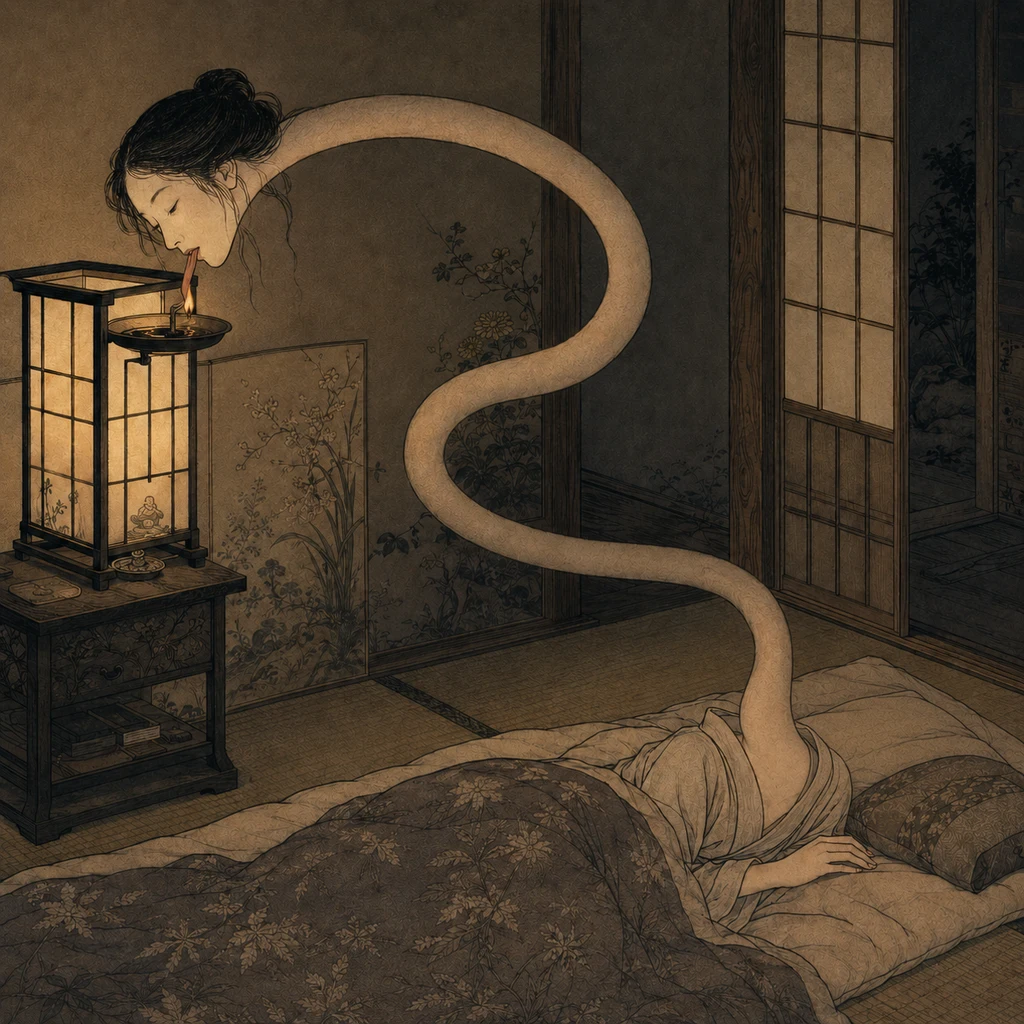
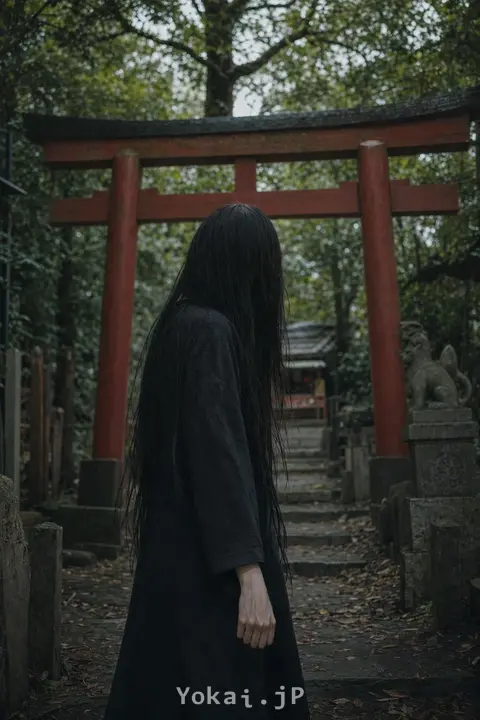
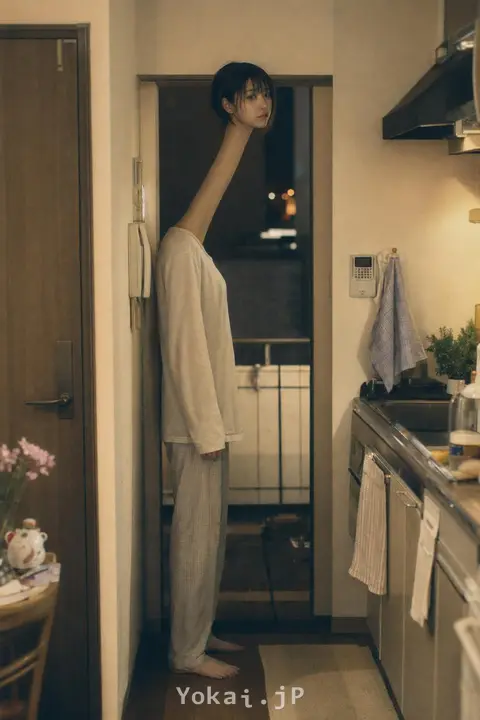
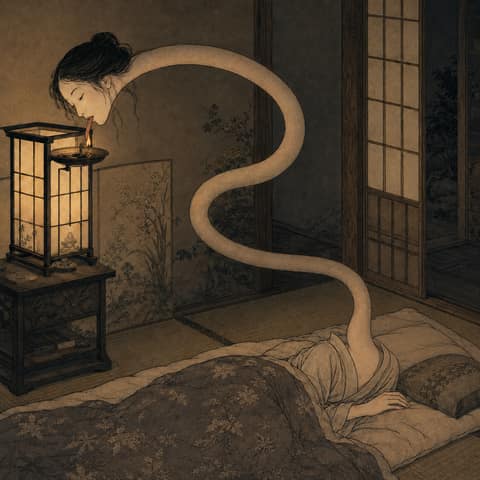
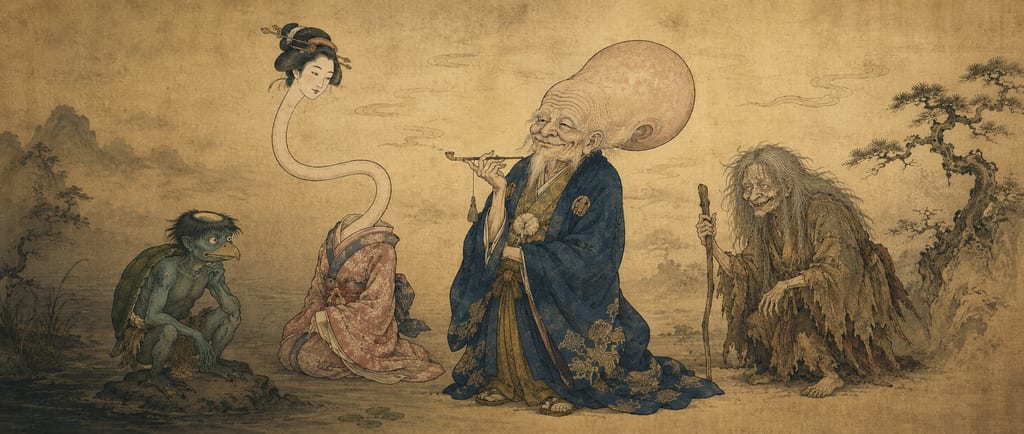
The Rokurokubi is one of Japan's most famous representative yokai, characterized by a neck that stretches to abnormal lengths during sleep at night, or a head that detaches completely from the body to fly through the air. While the modern image firmly establishes 'Rokurokubi = neck-stretching yokai', from a folkloric perspective, the 'nukekubi' (detaching head), where the head separates from the body and flies, is considered its true original form. This prototype originated when a foreign monster known as the 'Hitouban' (Flying Head Barbarian), recorded in ancient Chinese strange tales like the 'Soushinki' (In Search of the Supernatural), was introduced to Japan. The greatest point of interest in yokai research is why it changed from 'flying' to 'stretching'. A prevalent theory suggests that when Edo-period picture scrolls depicted a 'thin spiritual thread' connecting the detached head and the body, the masses visually misinterpreted it as the 'elongated neck itself', which served as the decisive catalyst for the birth of the 'neck-stretching Rokurokubi'. In many legends, the Rokurokubi is not born a monster, but is told as a tragic apparition unconsciously caused by human women due to an 'illness of separating souls' or the depth of their karma.

Yamawaro (Mountain Child)

Yamawaro (Mountain Child)

Epic

ya-ma-wa-ro

西日本山中の童子・山童

Mountain & Wilderness SpiritsKyushu (yamawaro; mountains of western Japan)

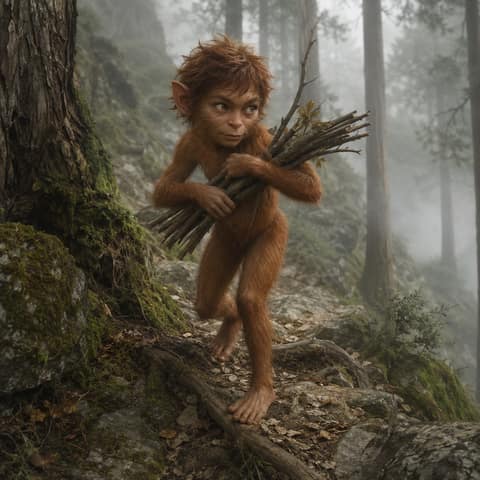
The yamawaro is a yokai of the mountains of western Japan, often said to be the form a kappa takes when it climbs into the hills in autumn. About the height of a child, it has long legs, a body covered in fine hair, and is said to understand human speech. The *Wakan Sansai Zue* records it with long reddish-brown hair, a round face, pointed ears like a dog's, and a single eye above the nose. It is said to lend a ready hand with mountain work, yet it also loves sumo, plays tricks on cattle and horses, and even climbs into people's homes to soak in the bath. In Kumamoto it is told that the creature dislikes the inked line of a carpenter's ink pot, and that drawing such a line keeps it away.

Uwan

Uwan

Epic

OO-wahn

廃屋でうわんと叫ぶ・うわん

Household SpiritsJapanese folklore

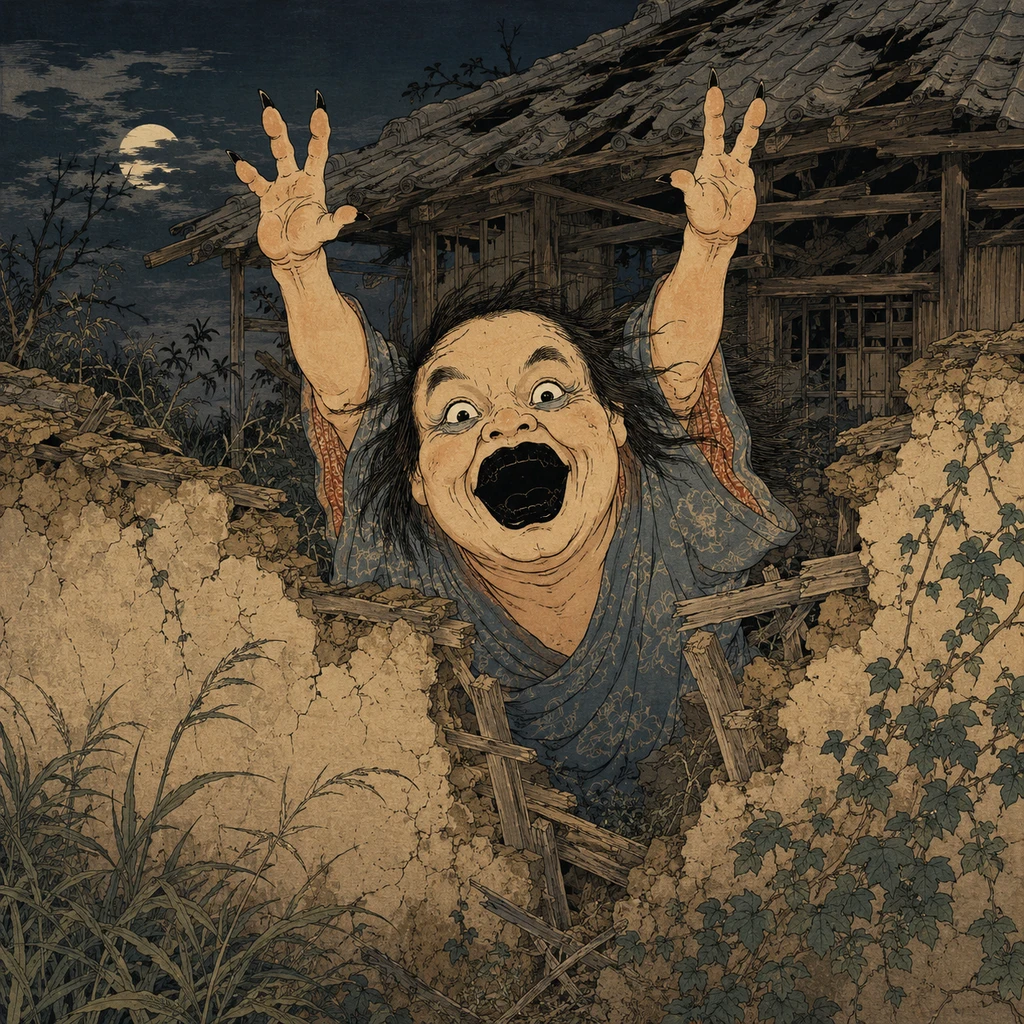
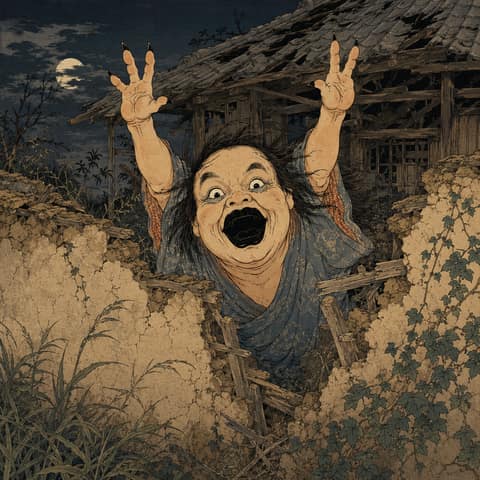
The Uwan is a yokai of uncertain identity found in Edo-period yokai art. In works like Sawaki Suushi’s Hyakkai Zukan and Toriyama Sekien’s Gazu Hyakki Yagyō, it appears as a humanlike figure with blackened teeth, both hands raised, startling people with its voice. With no attached notes, its origins are unknown, but backgrounds of estate walls or ruined houses suggest it haunts residences. Some point to its three-fingered hands as hinting at demonic nature, though this is not established.

Red Tongue

Red Tongue

Epic

AH-kah-shah

水門上の黒雲大舌・赤舌

General ClassificationsVarious regions of Japan (sources uncertain)

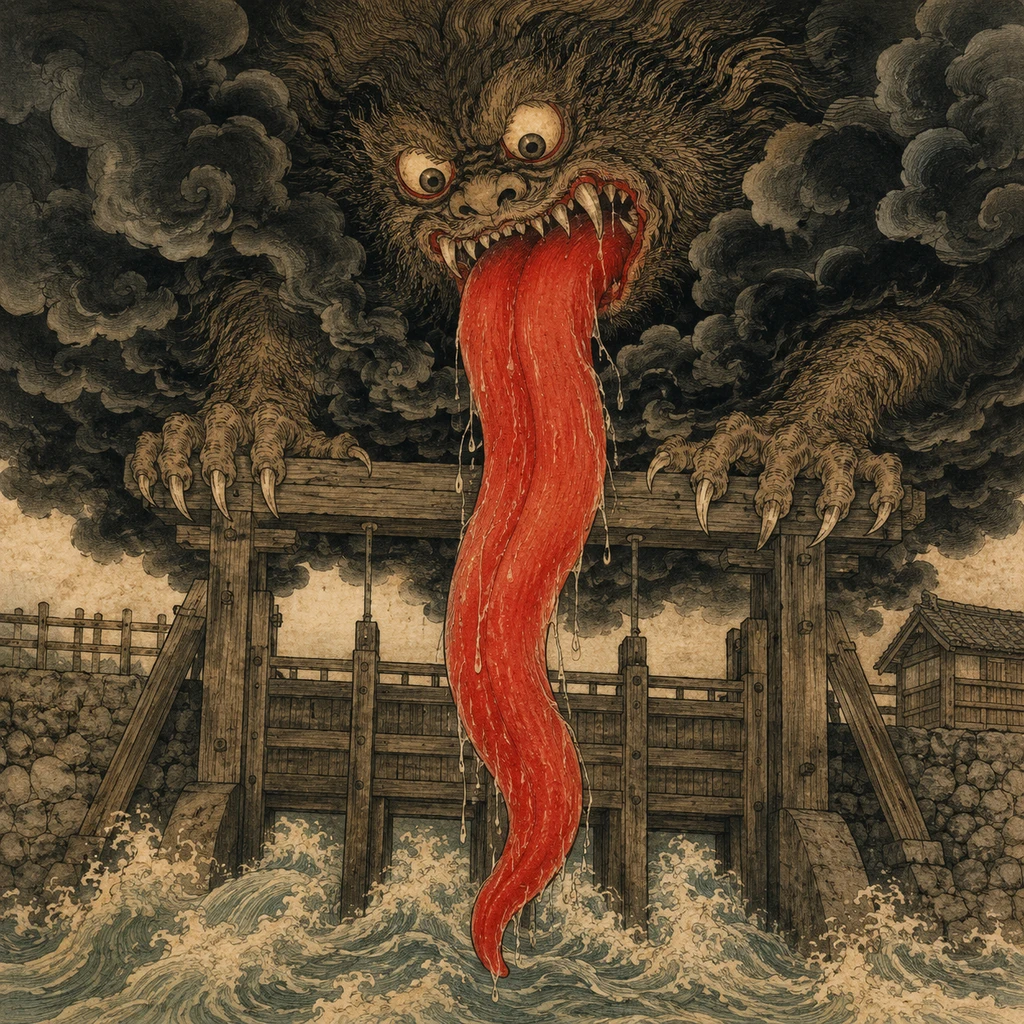
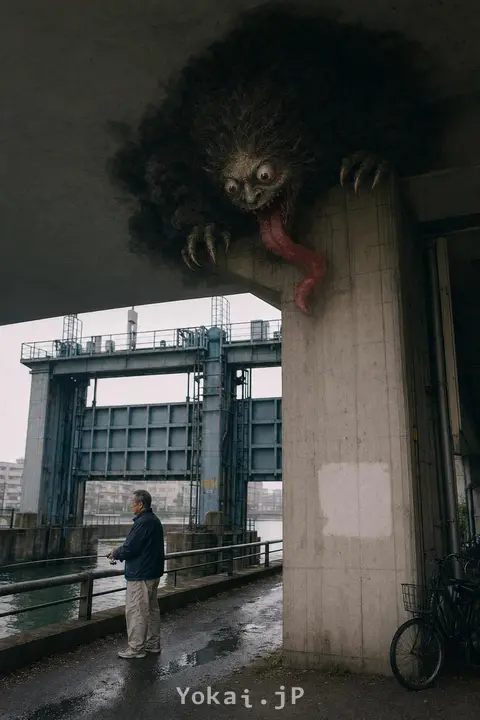
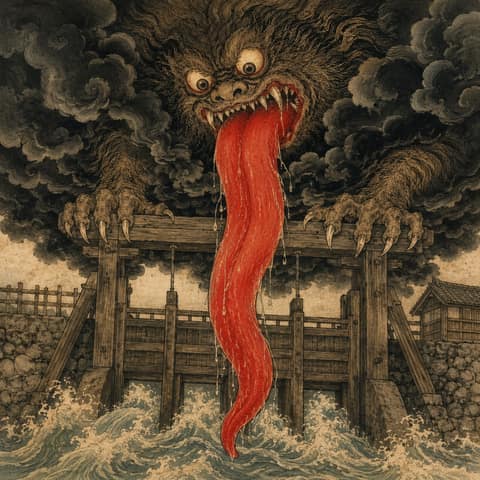
A yokai name found in Edo-period picture scrolls and board games. It is typically depicted as a hairy face emerging from dark clouds, with a huge tongue and clawed hands. Full-body depictions and clear traits are not recorded. In Toriyama Sekien’s Gazu Hyakki Yagyō it appears above a sluice gate, but without commentary. The name also occurs in contemporary picture-sugoroku like Jikkai Sugoroku and in Hyakki Yagyō emaki. A similar motif titled “Red Mouth” appears in various scrolls. Scholars have suggested links to Onmyodo deities Akashita or the calendrical Akashita day, but no proof exists.

Ushioni

Ushioni

Legendary

OO-shee OH-nee

牛頭蜘蛛体の海鬼・牛鬼

Animal ShapeshifterEhimeKochi

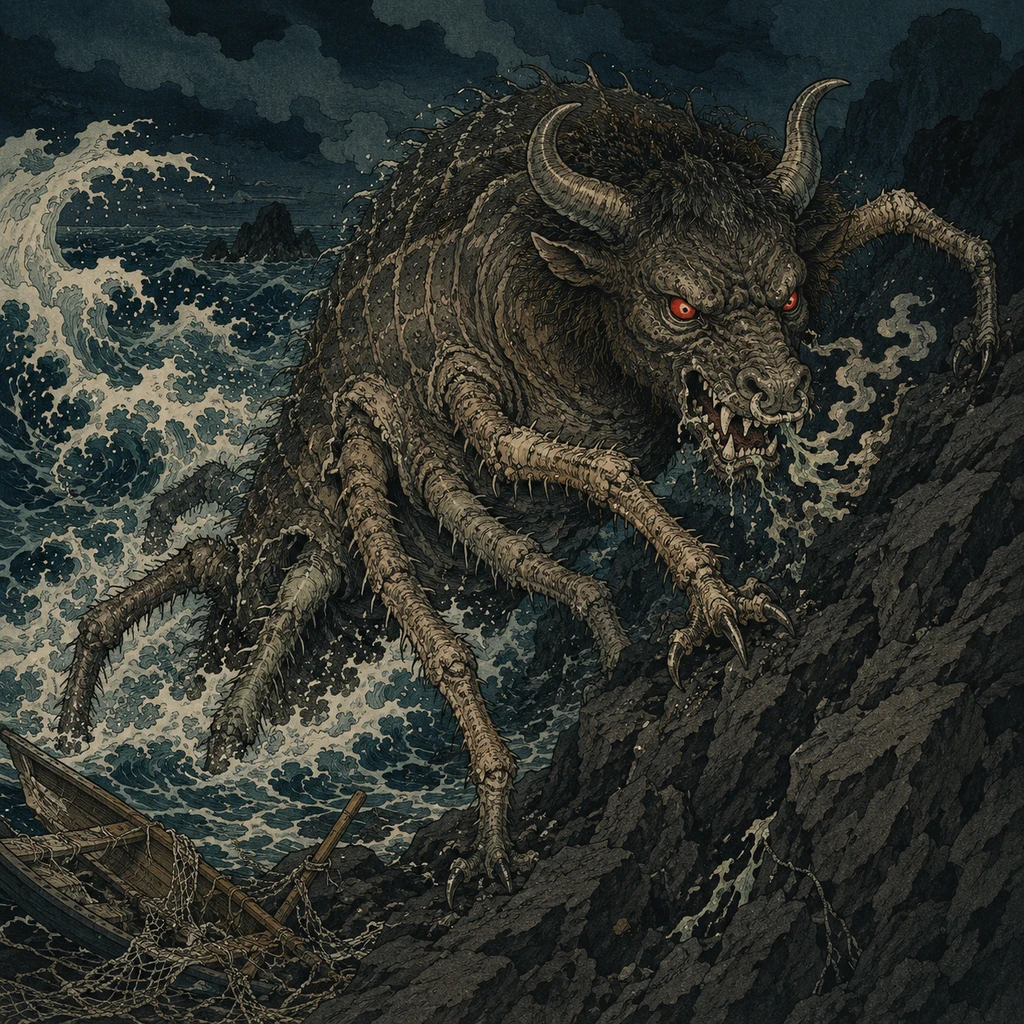
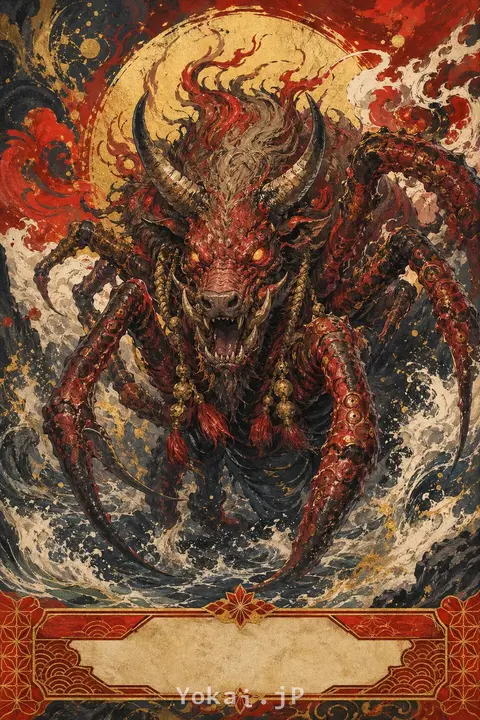
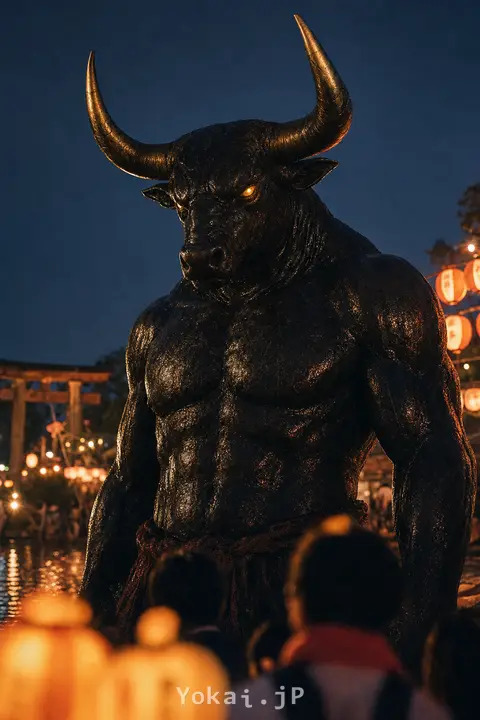
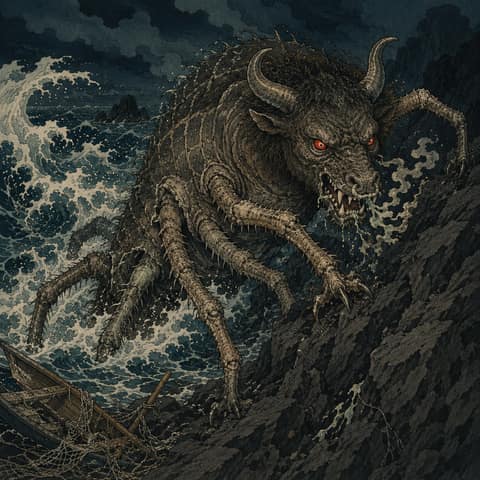
Ushioni (牛鬼) is a highly ferocious yokai with immense spiritual status, primarily said to appear on the coasts, in deep pools, and in the mountainous regions of western Japan. Its appearance is depicted in various grotesque forms, such as "a demon's body with a cow's head" or "a spider's body with a cow's head." Long ago, it was singled out as a "terrifying thing" in the Heian-period *The Pillow Book* (Makura no Sōshi), and has been deeply feared by people since ancient times. Its true nature lies in its extreme duality (the two-sidedness of good and evil): on one hand, it is a "cruel evil demon and god of plague" that indiscriminately devours humans and scatters poisonous miasma; on the other hand, it acts as a "powerful guardian deity" that leads portable shrines in festivals to exorcise evil spirits. It is an extremely important yokai in folklore studies, having evolved from a supernatural anomaly in literature to an object of regional folk belief and performing arts.

Furari-bi (Wandering Flame)

Furari-bi (Wandering Flame)

Rare

foo-RAH-ree-bee

無縁仏の炎鳥・ふらり火

Natural Phenomena SpiritsJapanese folklore

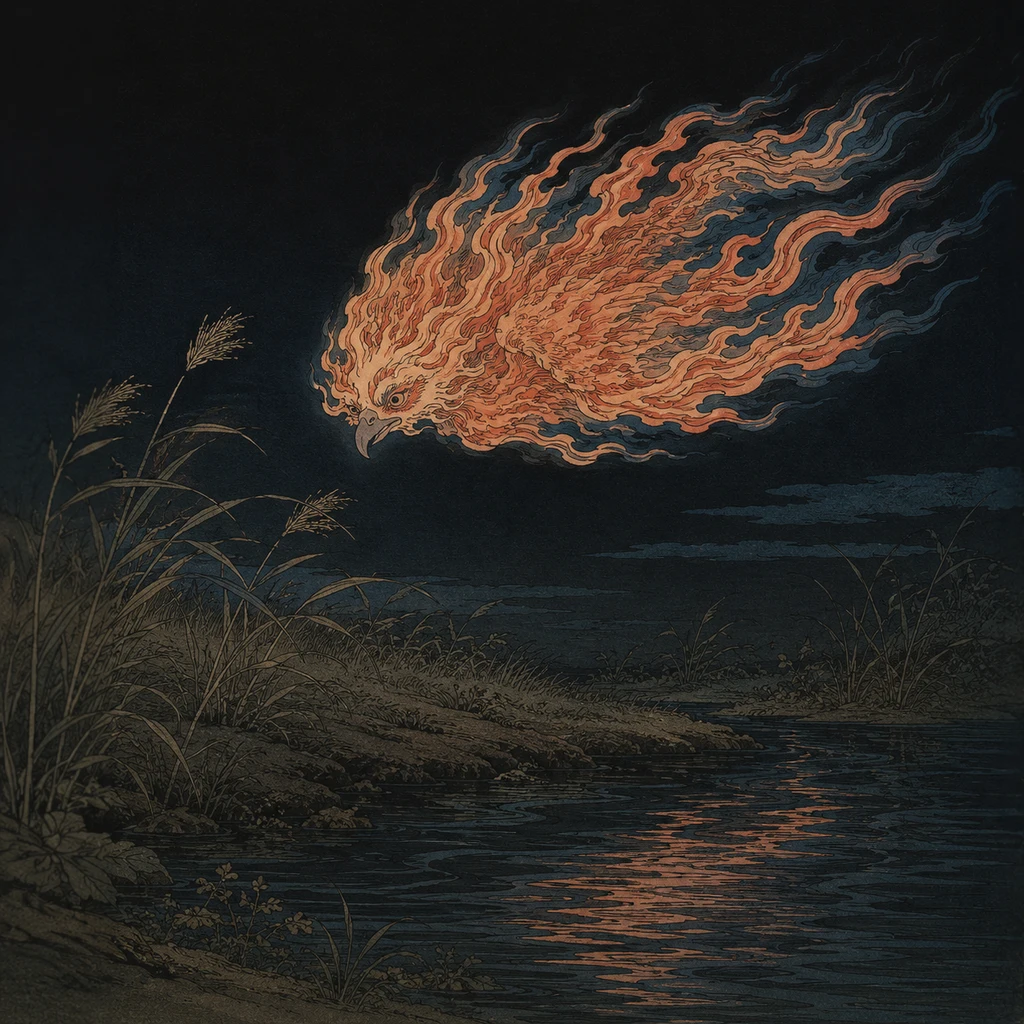
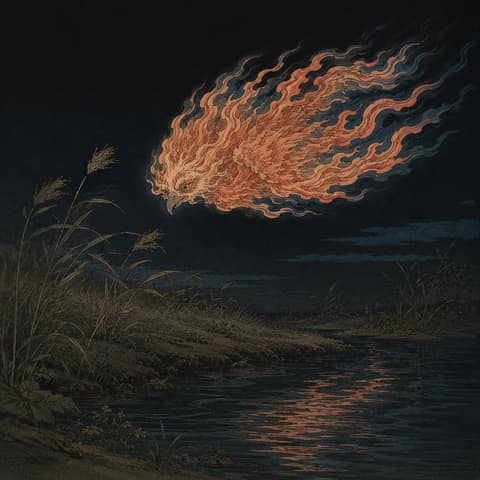
Furari-bi is a strange fire depicted in Edo-period yokai art, often shown as a bird wreathed in flames. Examples appear in Toriyama Sekien’s Gazu Hyakki Yagyo, Sawaki Suushi’s Hyakkai Zukan, and the anonymous Bakemono-zukushi. Explanatory notes are scarce, so its nature is unclear. Generally it is understood as a manifestation of unappeased spirits wandering as fire, with the birdlike visage serving as a symbolic form.

One-Eyed Boy Monk

One-Eyed Boy Monk

Epic

hee-TOH-tsu-meh koh-ZOH

額の単眼坊主・一つ目小僧

山野の怪Across Japan (Edo, Aizu, Tanba, Bizen, etc.)

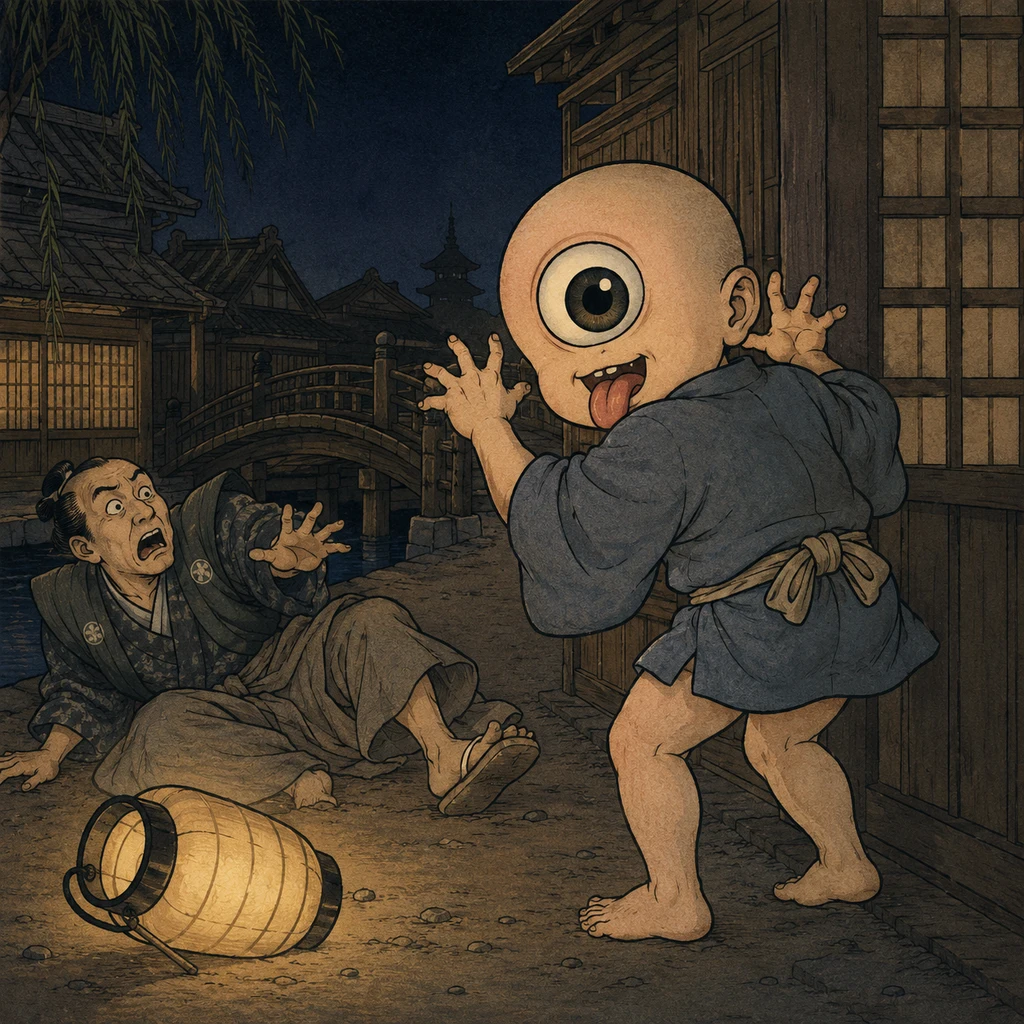
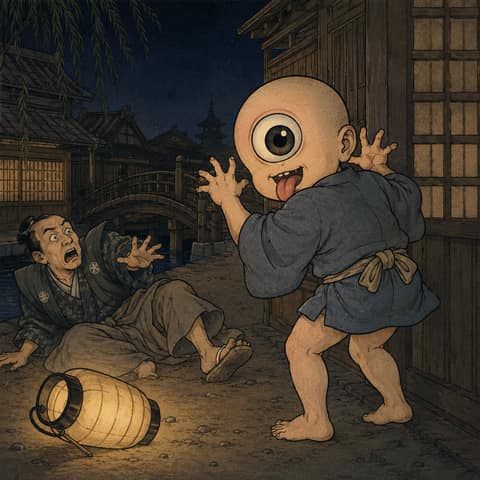
A yokai appearing as a shaven-headed boy with a single large eye in the center of his forehead. More prankster than predator, it startles people by popping up suddenly and is often portrayed with humor. A folk pun led to the belief it dislikes beans, which later shifted into depictions of it favoring tofu. It appears in Edo-period picture scrolls and essays, and is often encountered outdoors or by the roadside.

Yuki-onna

Yuki-onna

Legendary

Yuki-onna (the Snow Woman)

雪国の夜の白霊・雪女

Natural Phenomena & Nature SpiritsIwate

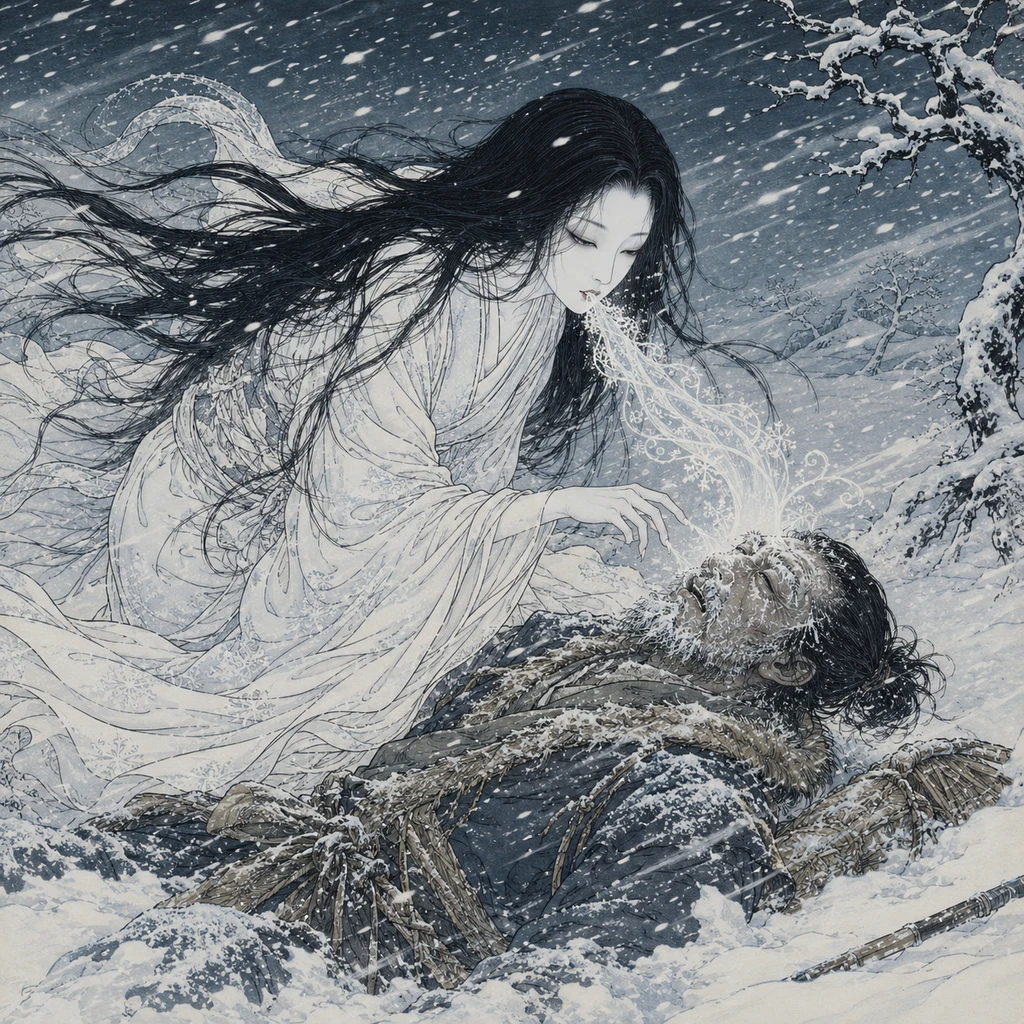
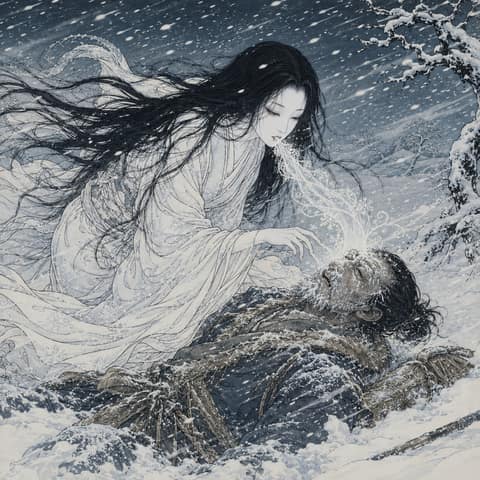
The Yuki-onna is the spirit of a tall, pale woman in white who appears with the blizzard on deep snowy nights. Trailing the white hem of her robe across the snow, she is said to breathe upon travelers to freeze them solid, or to drain away their life-force. She is described variously as the very snow given spirit-form, or as the ghost of someone who perished of cold in the mountains, and she is known across most of Honshū, above all in the heavy-snow country. From region to region her names shift — yuki-jorō, yuki-nyōbō, tsurara-onna, shigama-nyōbō — and she is called Yukion in Toyama and Yukinba in Yoshida, Ehime. Born of the dread and the beauty of the snow country, she is the most renowned of all snow apparitions.

Yūrei (Ghost)

Yūrei (Ghost)

Legendary

YOO-ray

柳下に立つ亡霊・幽霊

霊・亡霊Across Japan

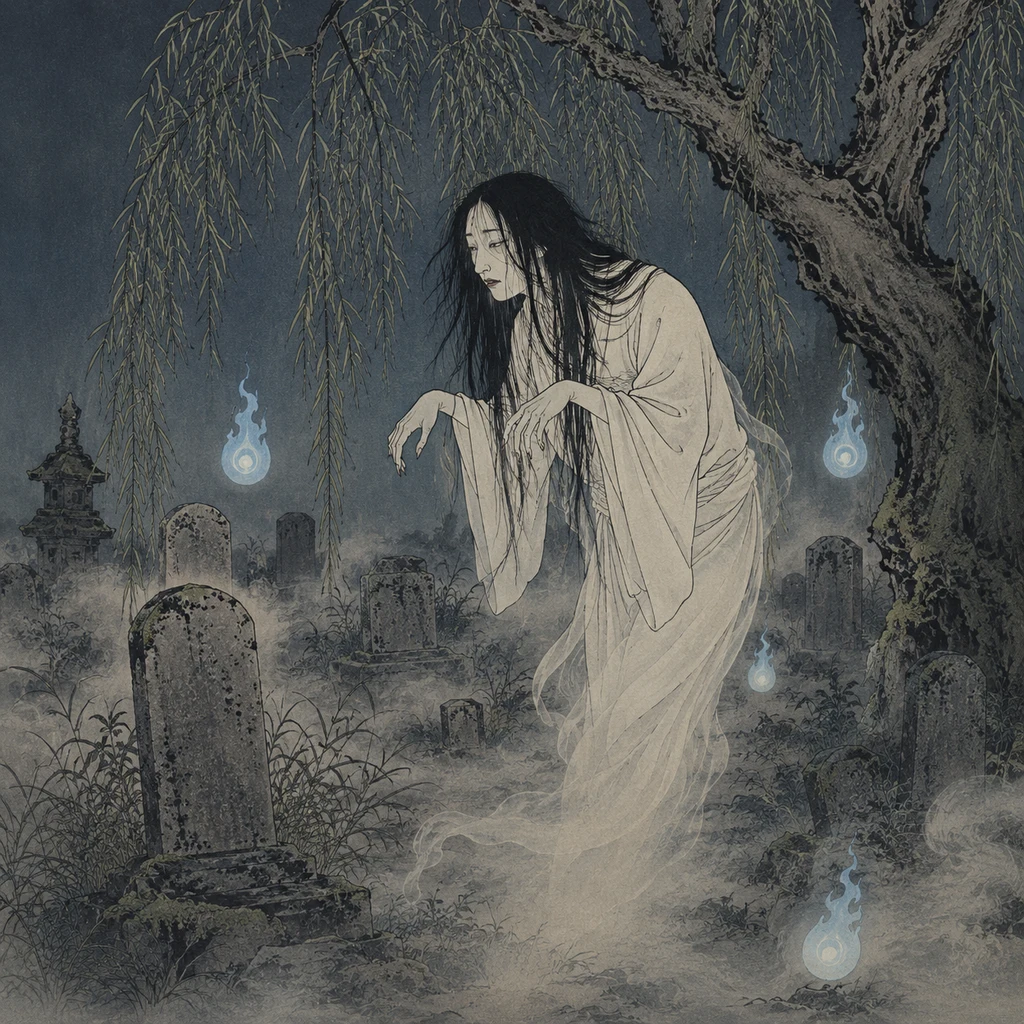
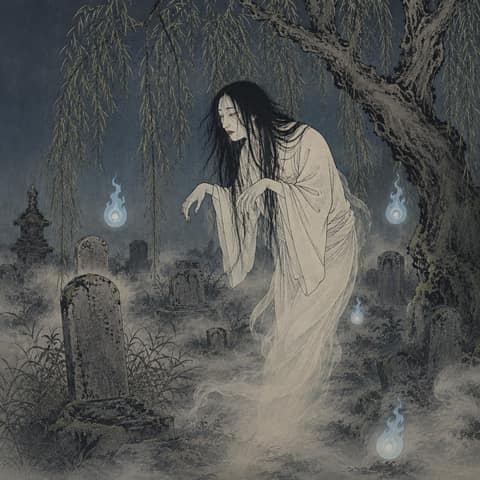
Yūrei are the spirits of the dead who remain in the living world, appearing at night or in places tied to them. They are said to manifest due to lingering attachments, grudges, or insufficient memorial rites. Their now-classic image—white burial robes, inverted or missing feet—became standardized in later periods. They appear at graves, bedside, or former homes, pleading through voice or vision. Buddhist memorial services can pacify them, though powerful resentment is believed to prolong hauntings.

Nekomata

Nekomata

Legendary

neh-koh-MAH-tah

古猫変化の二股尾・猫又

Animal TransformationTochigi

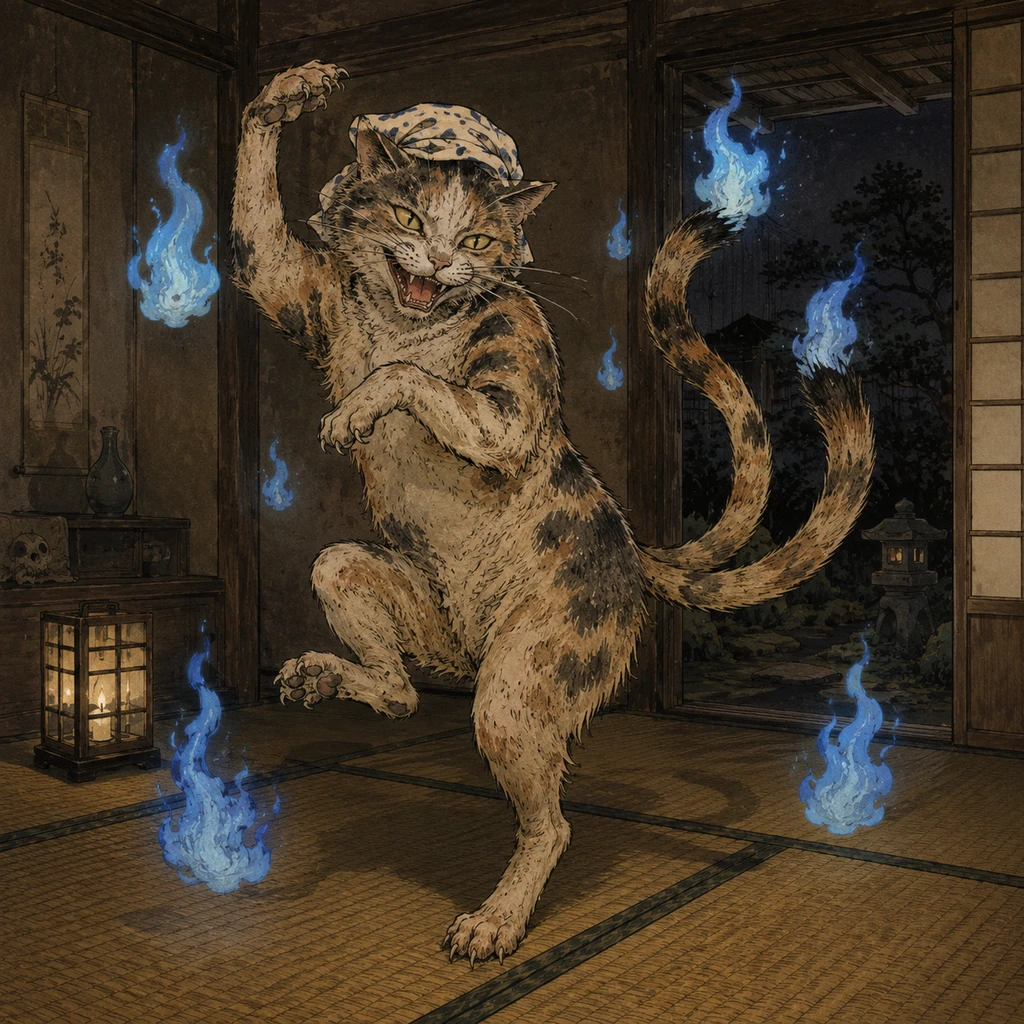
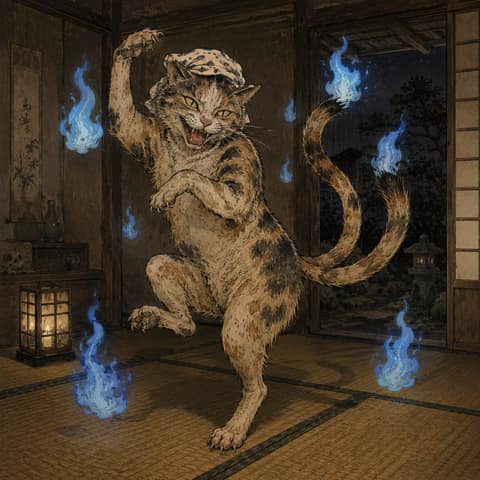
Nekomata is one of the most widely known and complexly evolved supernatural beings in Japanese folklore. Its form is depicted either as a beast that has grown gigantic over the years, or as a monstrous cat with a tail split into two. There are two distinct lineages for the concept of this yokai: one is the "terrifying beast Nekomata living in the mountains," seen in Kamakura period literature, and the other is the "Nekomata as a house yokai, an old cat kept in a home for many years that transforms," which became established from the Edo period onward. In Japanese folk belief, cats are often seen as entities concealing demonic or spiritual powers, and the awe of a creature crossing that boundary crystallized into the image of this two-tailed yokai.

Yako (Field Fox)

Yako (Field Fox)

Uncommon

ya-ko

九州群行の下位狐・野狐

Animal ShapeshiftersNorthern Kyushu, Izumi, and elsewhere (a low-ranking fox spirit)

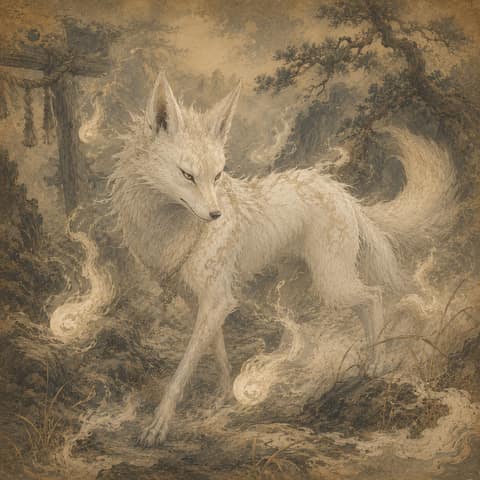
The Yako (also read nogitsune) is held to be the lowest in rank among fox yokai, set at the opposite pole from the white foxes—the benevolent foxes revered as messengers of the god Inari. It is an ordinary wild fox of the hills and fields that, with age, has come to deceive and possess people; in the Edo-period hierarchy of foxes (Tenko, Kūko, Kiko, Yako) it was counted at the very bottom. Whereas the higher foxes are regarded as formless spiritual beings, the Yako is distinctive as the one rank thought to keep a visible body of flesh. That much closer to the human world, it has long been known for near-at-hand, tangible mischief: leading travelers astray, taking on disguises to startle them, and possessing people. It is also written as yakan, a word that originally referred to the jackal in the Buddhist scriptures but came in Japan to be confused with the fox.

Hair-Cutter

Hair-Cutter

Uncommon

KAH-mee-KEE-ree

江戸夜の頭髪切り・髪切り

山野の怪MieTokyo

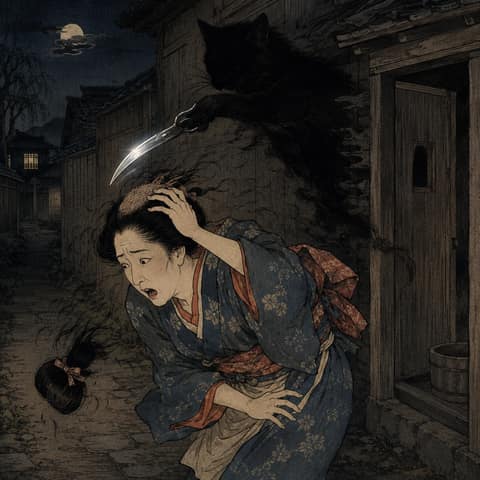
Kamikiri is a catch-all term for a phenomenon said to snip off a person’s hair before they notice. Rumors spread through Edo-period cities, with victims of any gender. Attacks came suddenly in dark places or on the way to the privy; accounts say the topknot or hair tie would drop to the ground several yards away, still bound. Sightings were rare and inconsistent—described as a “jet-black thing” or “catlike.” Its motive and nature are unknown, often treated as an invisible haunting.