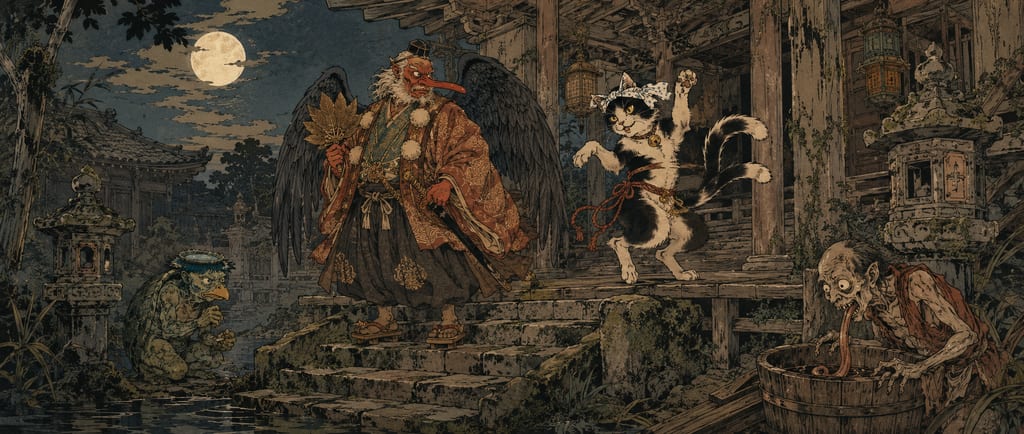
The Illustrated Night Parade of a Hundred Demons

The Illustrated Night Parade of a Hundred Demons

50 yokai
Thematic

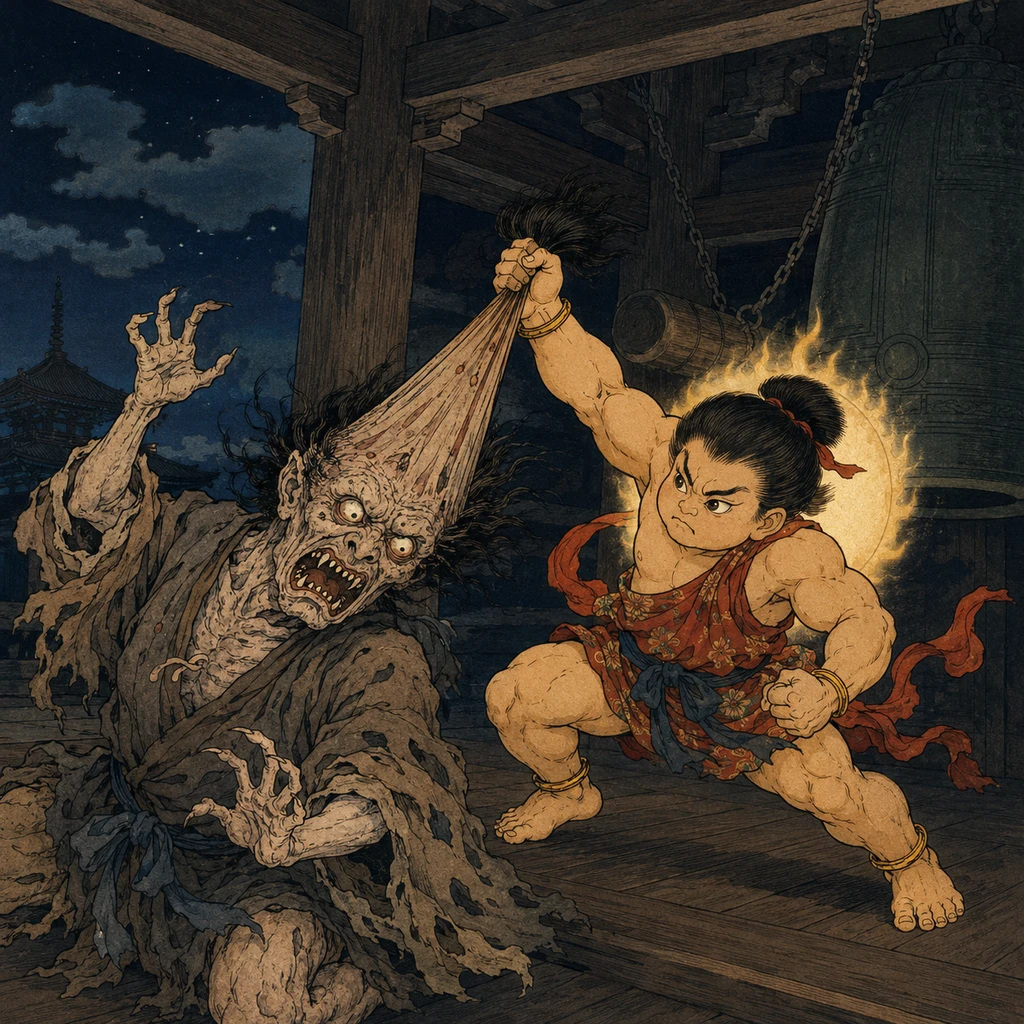
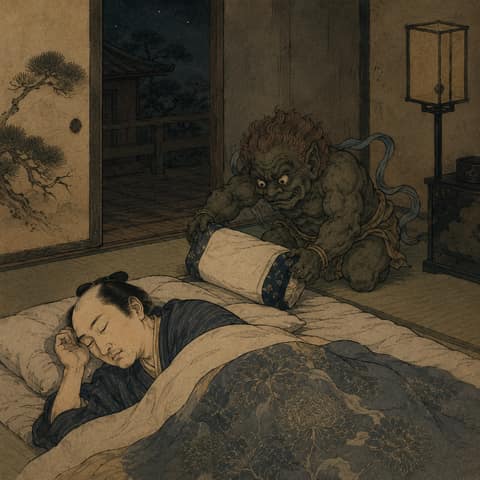
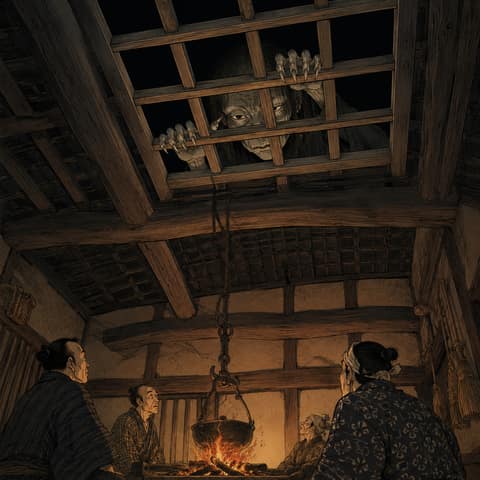
An illustrated compendium of yokai published in 1776 (An’ei 5) by Toriyama Sekien. Issued in three parts—Yin, Yang, and Wind—it is regarded as the first work to bear the name “Hyakki Yagyo” (Night Parade of a Hundred Demons). Each leaf presents a single yokai with its name, giving the book the feel of a field guide rather than a crowd scene like earlier Hyakki Yagyo scrolls. This individualized format was innovative for its time. Alongside famous figures such as kappa, tengu, nekomata, tanuki, and foxes, the book includes Tesso, the demon hag of Kurozuka, and creatures from Kokon Hyakumonogatari Hyoban (1686) like Akaname, Tsurube-oi, and Kamaitachi. Sekien also distinguishes ghosts, living spirits, and vengeful dead in separate compositions. He likely drew on prior picture scrolls such as Bakemono-zukushi and Hyakkai Zukan. The first of Sekien’s four yokai anthologies (Illustrated Night Parade of a Hundred Demons; The Illustrated One Hundred Demons from the Present and the Past, Continued; Supplement to One Hundred Demons from the Present and the Past; and The Bag of One Hundred Random Household Apparitions), it later lent its name to the collective “Gazu Hyakki Yagyo series.” Although the colophon advertises a “later volume” that never appeared, the subsequent Illustrated One Hundred Demons from the Present and the Past, Continued is generally considered its de facto sequel.
Updated: 1/12/2026
yokaiJapanese folkloreHyakki YagyoToriyama SekienEdo periodkappatenguJapanese ghostsyokai artsupernatural creatures

Included Yokai

50 yokai are included

These yokai also have art cards

57 cards — ukiyo-e, modern Japan & more

Kodama (Japanese Tree Spirit)

Kodama (Japanese Tree Spirit)

Epic

kodama

山原のキーヌシー・木霊

Mountain and Forest SpiritsTokyoOkinawa

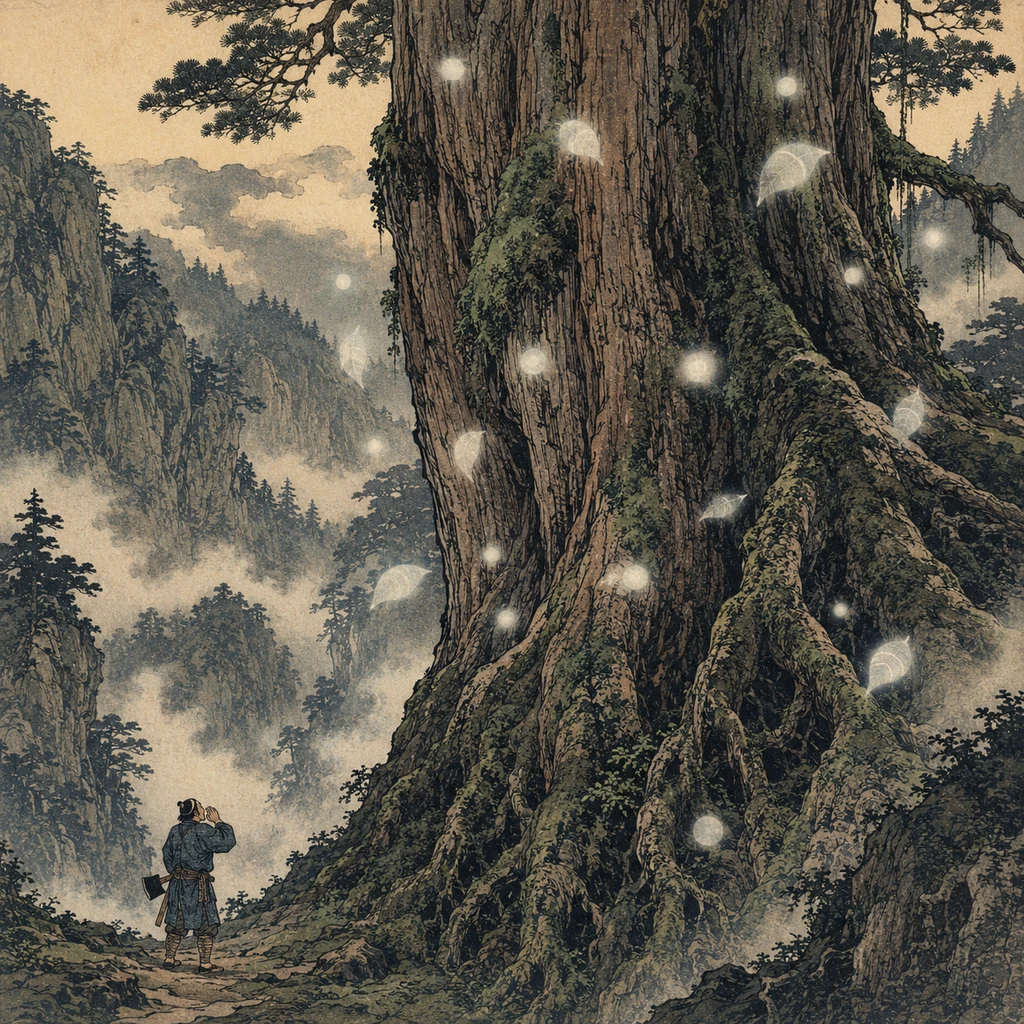
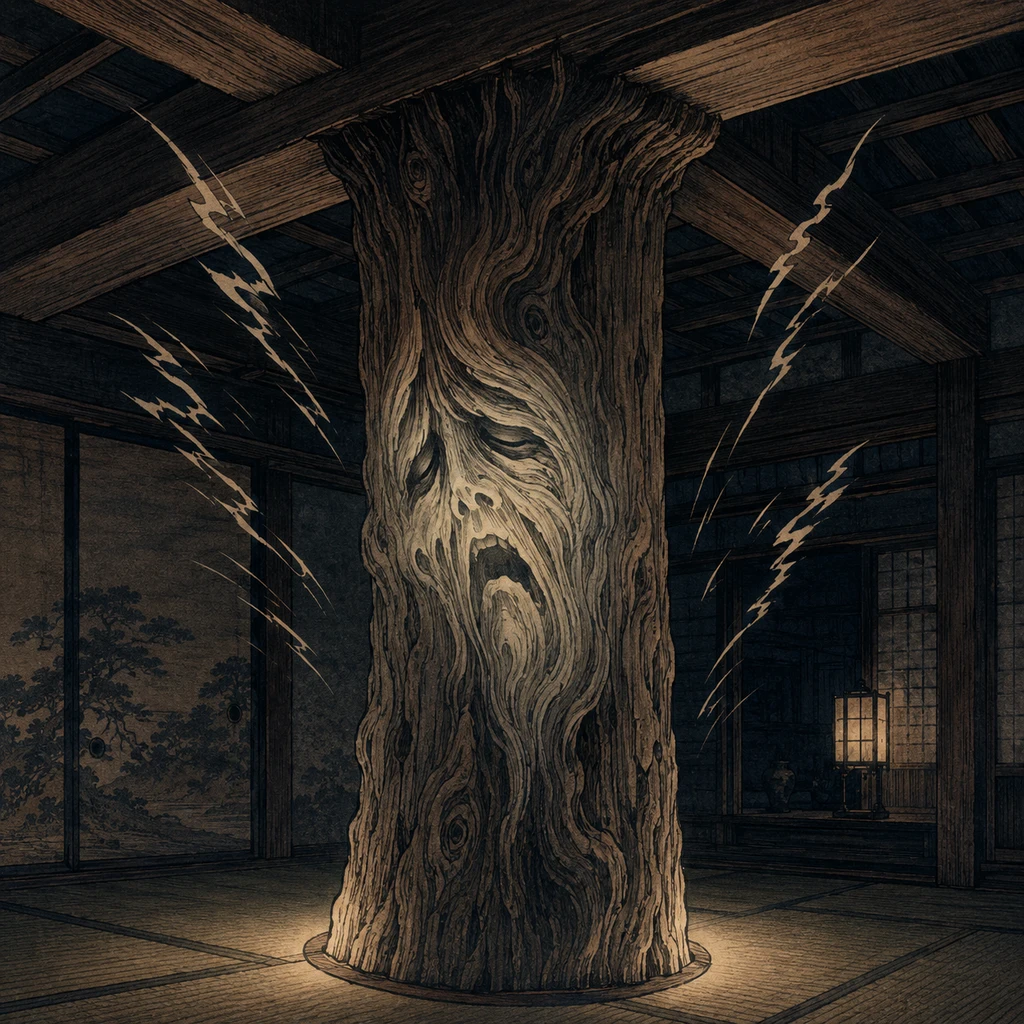
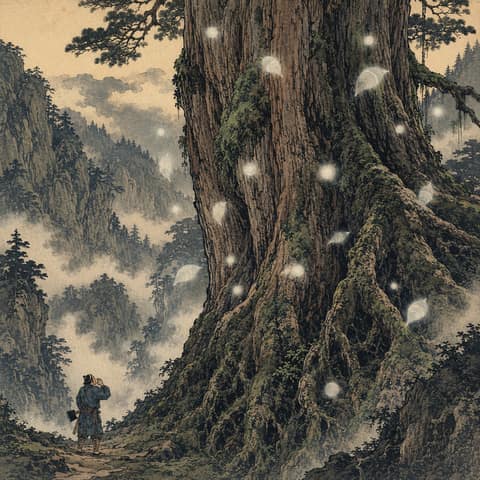
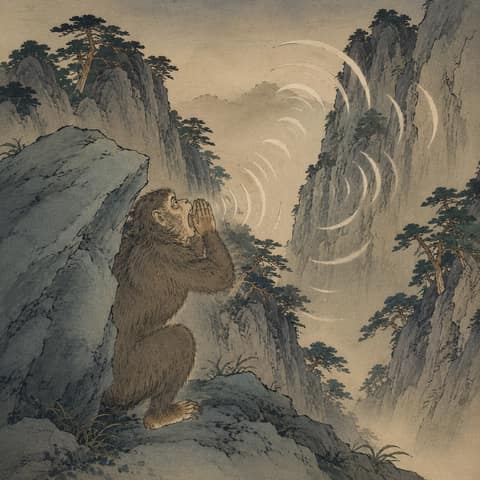
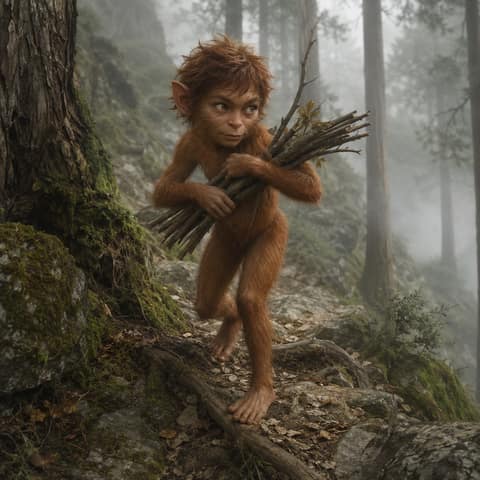
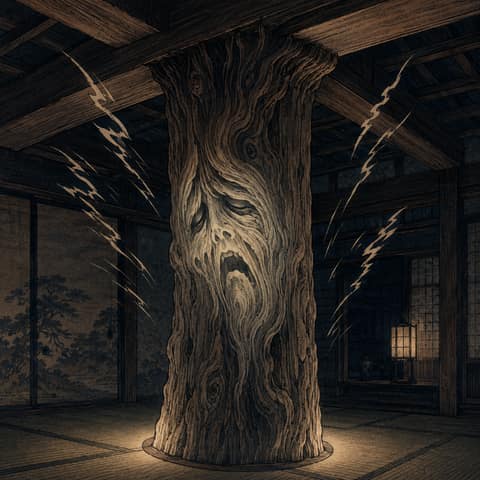
Kodama, often searched in English as “kodamas,” are Japanese tree spirits: presences believed to dwell in old trees, or sometimes in the trees themselves. In older belief, a tree that had lived for many generations could hold a sacred presence, and the delayed voice that returns from a mountain or valley, known as yamabiko, was also understood as a reply from the kodama. The idea reaches back toward Japanese tree divinity: some interpretations connect kodama with Kukunochi, the tree deity named in the Kojiki, while the Heian-period dictionary Wamyo Ruijusho records “Kotama” as a Japanese name for a tree god. Genji monogatari also places kodama among beings that are hard to separate cleanly from oni, kami, or fox spirits, showing that the word already carried an uncanny, yokai-like edge in the Heian imagination. A kodama usually does not look like a separate monster; it may be indistinguishable from an ordinary tree, yet the tree is feared as charged with spirit, and careless felling could bring misfortune. Toriyama Sekien’s Gazu Hyakki Yagyo illustrates this under the title Mokumi, explaining that a god appears in a tree more than a hundred years old and drawing aged human figures beside an ancient trunk. Written as 木霊, 木魂, 木魅, or 谺, kodama sits at the meeting point of tree soul and echo: the forest speaks back, and the tree is imagined as the one answering.

Tengu

Tengu

Legendary

Tengu

天狗とは何か――類型と図像の総論

Mountain & Wilderness SpiritsKyotoShiga

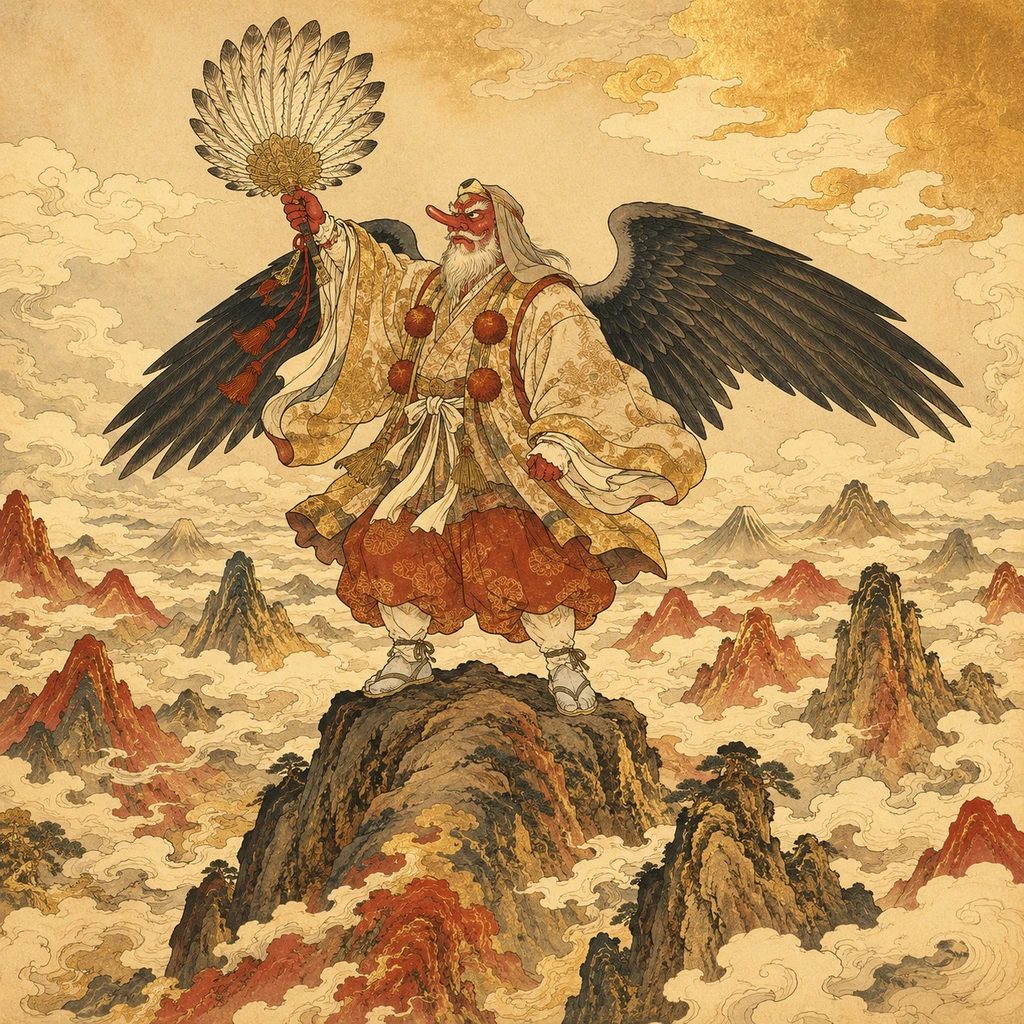
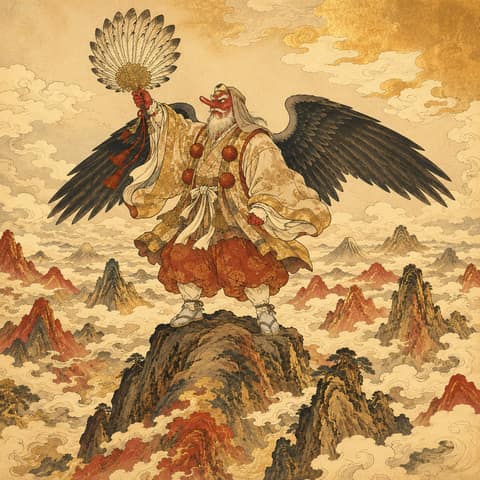
The tengu is a yokai and quasi-divine being said to dwell in the mountains of Japan, a lord of the heights inseparably bound to the yamabushi ascetics of Shugendō. Its forms fall broadly into two lineages. One is the long-nosed tengu, with a ruddy face and high nose, clad in the garb of a mountain ascetic, bearing a feather fan and one-toothed high clogs; the other is the crow tengu, with a crow's beak and wings, and beneath them follow lesser kin such as the leaf tengu and the wood-chip tengu. What was once conceived as a bird like a black kite hardened, over the medieval period, into the image of the long-nosed mountain ascetic. The tengu is at once a demon that obstructs the Buddhist Law and, once subdued, a guardian deity who protects it—this dual nature is the essence of the tengu. The notion that an arrogant high monk falls and becomes a tengu was bound to the Buddhist "way of the tengu," and was depicted as satire in late-Kamakura picture scrolls. Within mountain worship, on the other hand, the tengu was revered as guardian of the mountain and master of martial and magical arts, a being that tests or guides the practitioner. From Mount Kurama and Mount Atago in Kyoto onward, each of the sacred mountains of the realm was said to have its own great tengu, and the early-modern Tengu Sutra counts their number at forty-eight.

Yamauba

Yamauba

Legendary

yah-mah-OO-bah

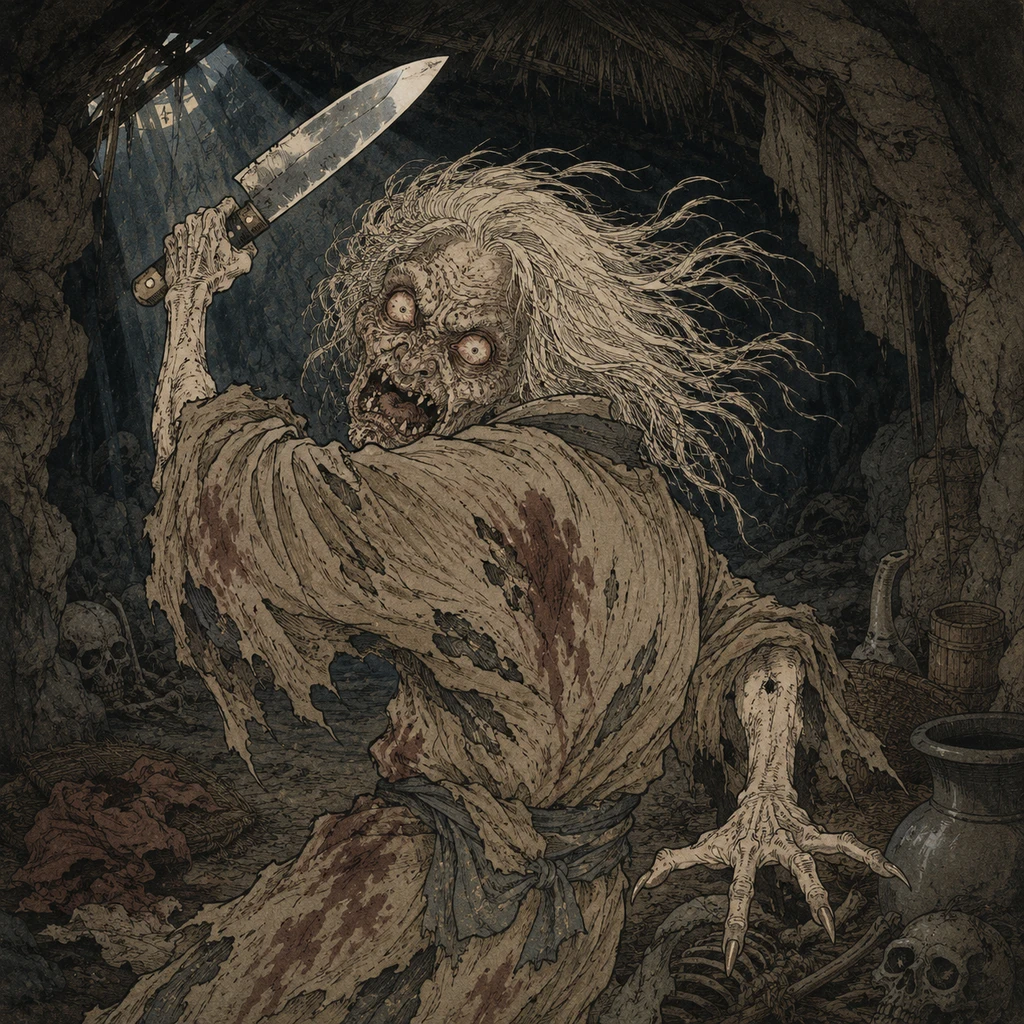
深山の老婆・山姥

Mountain & Wilderness SpiritsKanagawa

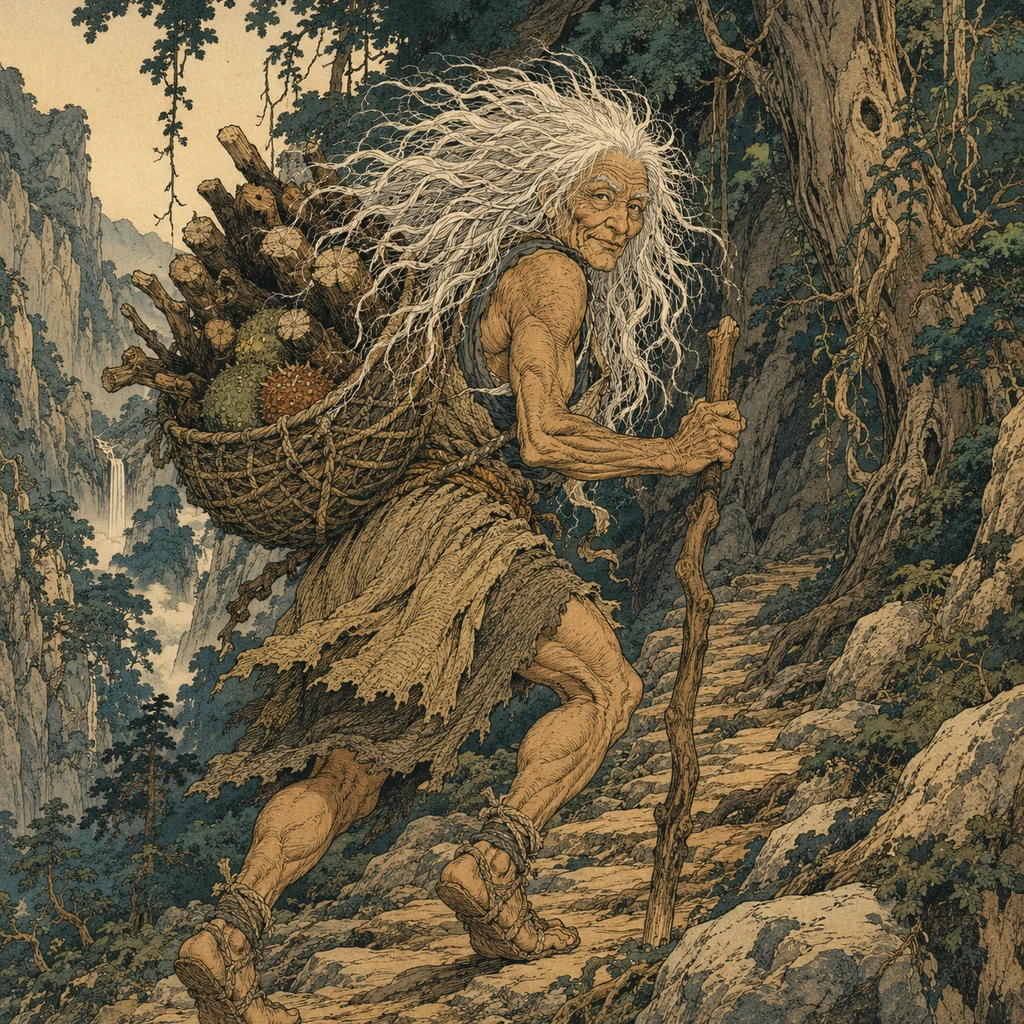
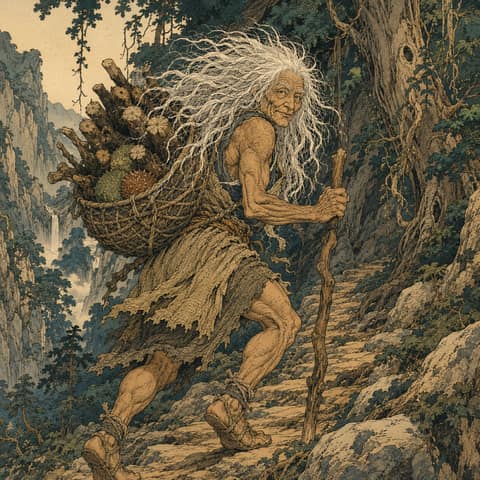
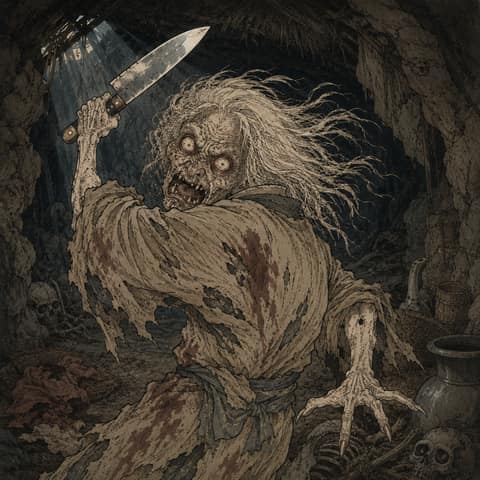
An old witch-like yokai who dwells deep in the mountains. She is also known as the foster mother of the folk hero Kintaro.

Inugami

Inugami

Legendary

EE-noo-GAH-mee

憑物筋の犬神

Animal ShapeshiftersTokushimaKochi

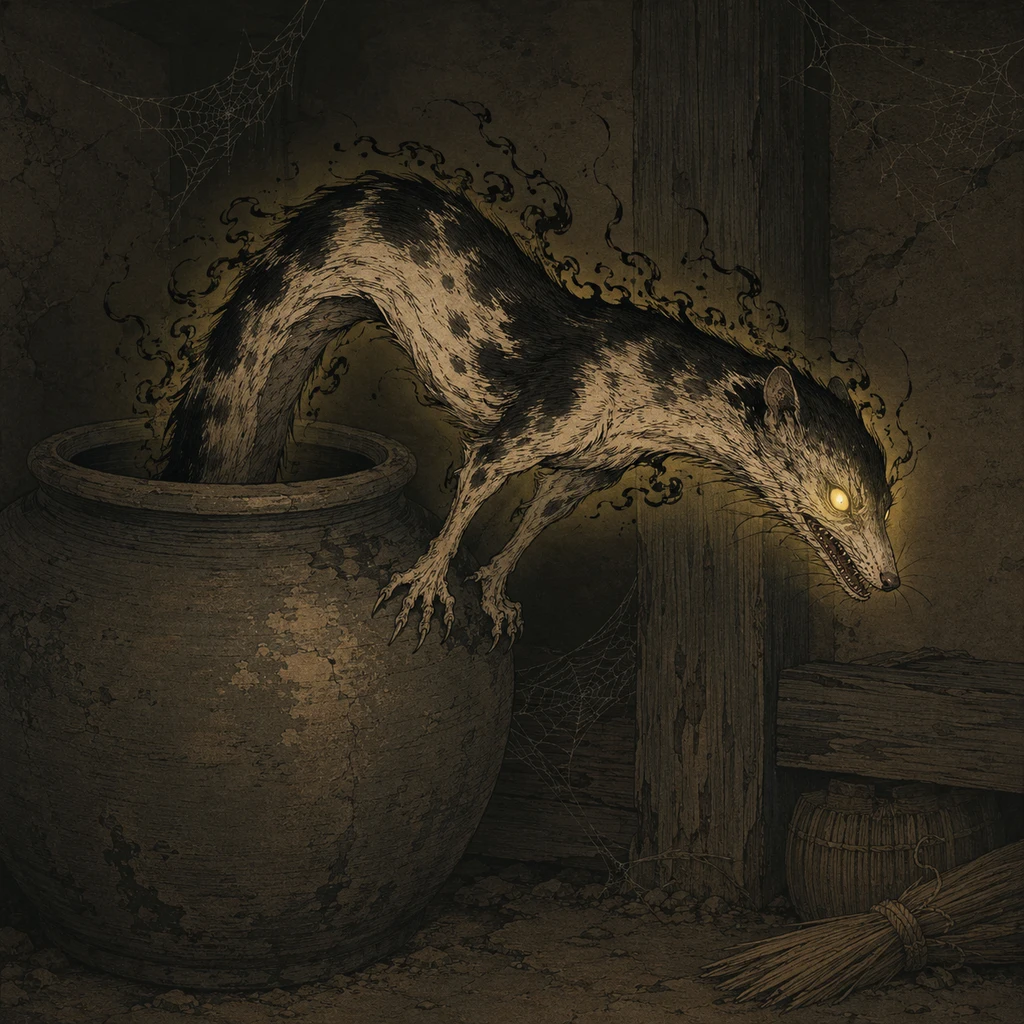
Inugami are possessing dog-spirits found mainly in western Japan, counted alongside fox possession and kuda-gitsune as a powerful occult force. Shikoku—especially Tokushima, Kochi, and Ehime—is regarded as their heartland, with traces reported from Shimane and Yamaguchi down through Kyushu to the Satsunan Islands and Okinawa. Families believed to host hereditary Inugami—called “Inugami bloodlines”—were stigmatized, leading to marriage taboos and social discrimination. Their form and temperament vary widely by locale, with traditions describing them as mouse-like, weasel-like, or bat-like, among other shapes.

Nekomata

Nekomata

Legendary

neh-koh-MAH-tah

古猫変化の二股尾・猫又

Animal TransformationTochigi

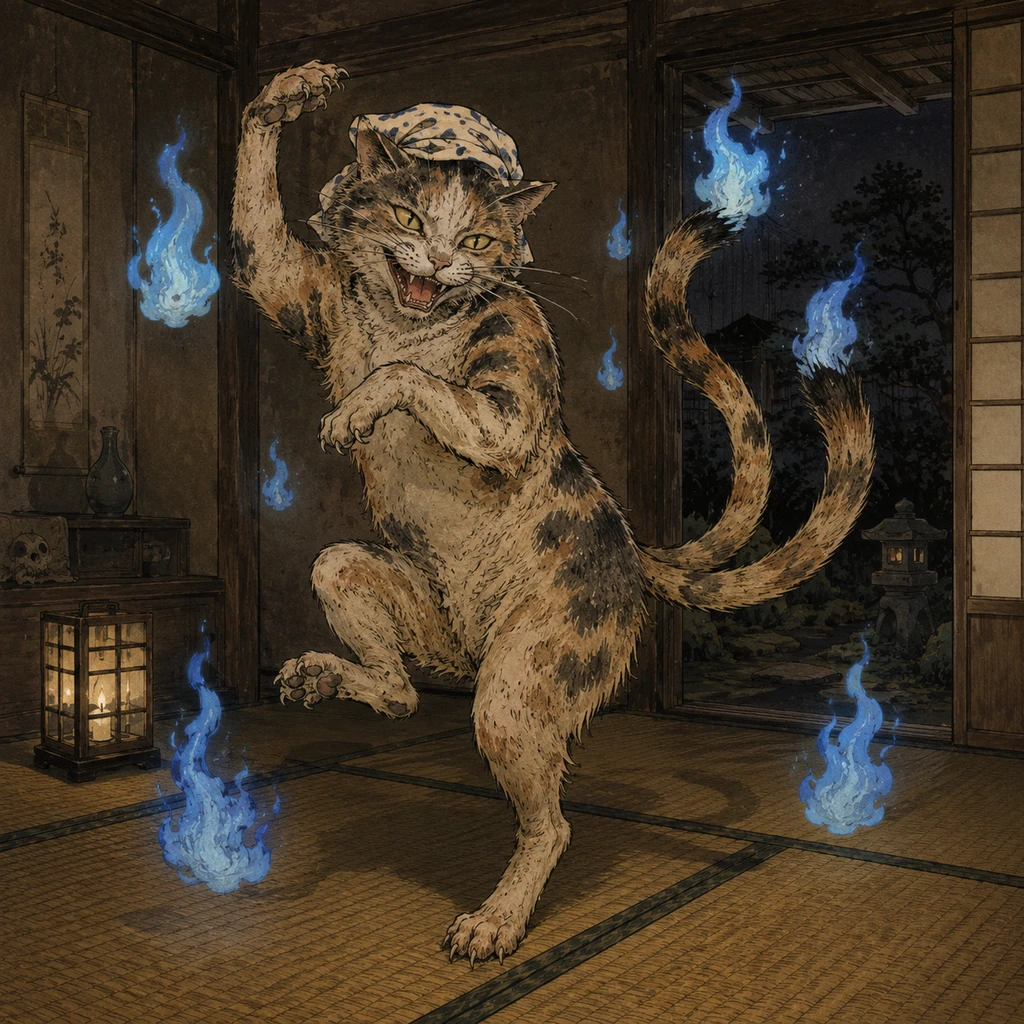
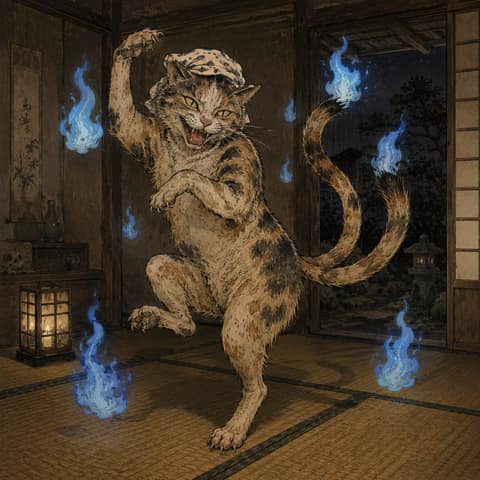
Nekomata is one of the most widely known and complexly evolved supernatural beings in Japanese folklore. Its form is depicted either as a beast that has grown gigantic over the years, or as a monstrous cat with a tail split into two. There are two distinct lineages for the concept of this yokai: one is the "terrifying beast Nekomata living in the mountains," seen in Kamakura period literature, and the other is the "Nekomata as a house yokai, an old cat kept in a home for many years that transforms," which became established from the Edo period onward. In Japanese folk belief, cats are often seen as entities concealing demonic or spiritual powers, and the awe of a creature crossing that boundary crystallized into the image of this two-tailed yokai.

Kappa

Kappa

Legendary

KAH-pah

川辺の皿頭・河童

Water SpiritsKumamotoFukuoka

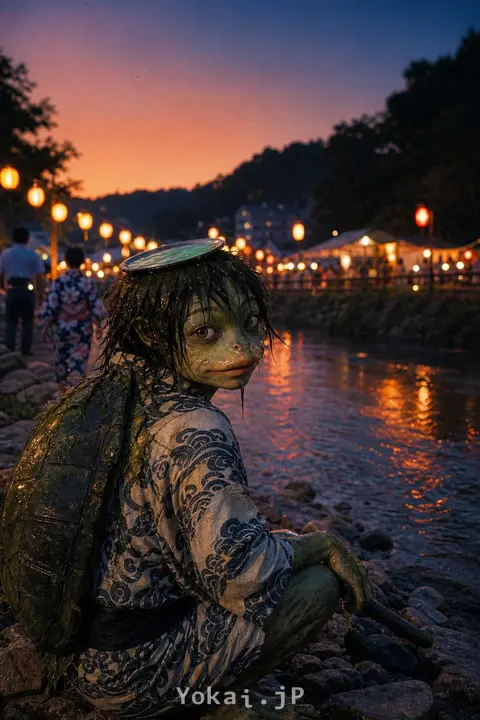
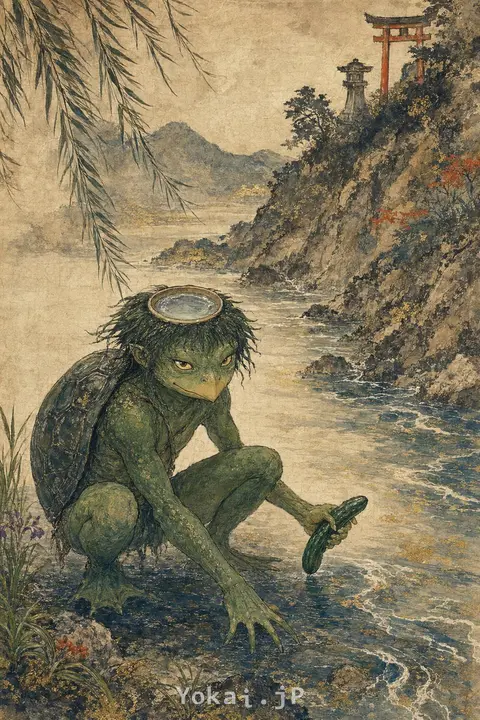
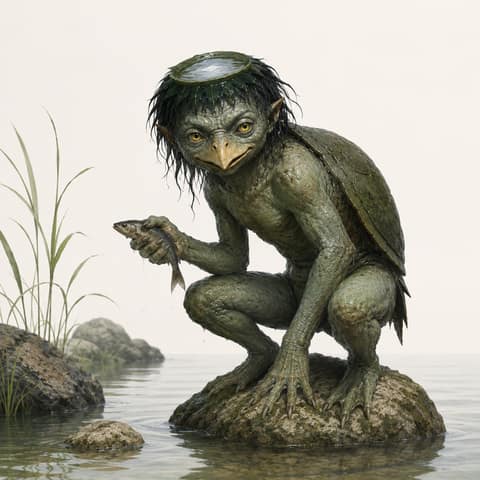
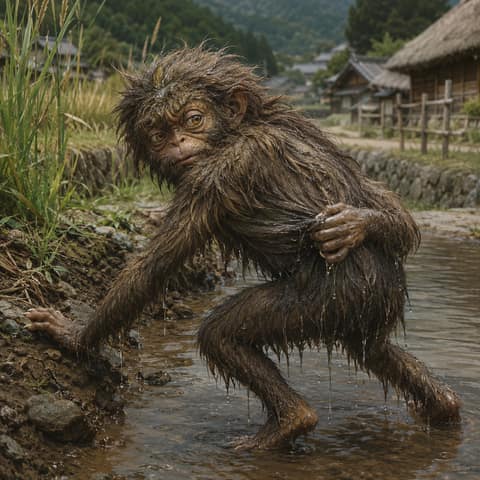
The kappa is among the most famous of all Japanese yokai, said to dwell wherever there is water—rivers, ponds, and marshes alike. It stands about the height of a four- or five-year-old child, with a water-filled dish (sara) set into the crown of its head, a shell on its back, a beak for a mouth, and webbed hands and feet. Its body is greenish or reddish in hue and is sometimes described as smelling fishy. That dish on its head is the very source of its power: should the water spill or dry out, the kappa is believed to lose its strength at once. From this came the well-known trick of bowing deeply to a kappa so that, returning the courtesy, it tips the water from its dish and can be caught. The kappa has two faces. One is fearsome—dragging people and horses into the water and taking their lives. The other is dutiful—keeping its promises faithfully, delighting in sumo, and sometimes passing on miraculous bone-setting remedies. Found across the whole country, it goes by more than eighty regional names: Garappa, Medochi, Enko, Hyosube, and many more. Among all the yokai of Japan, few are so deeply rooted in local life.

Kawauso (Otter Yokai)

Kawauso (Otter Yokai)

Epic

kah-wah-OO-soh

夜道で火消す化け獺・カワウソ

Animal ShapeshiftersKochiTokushima

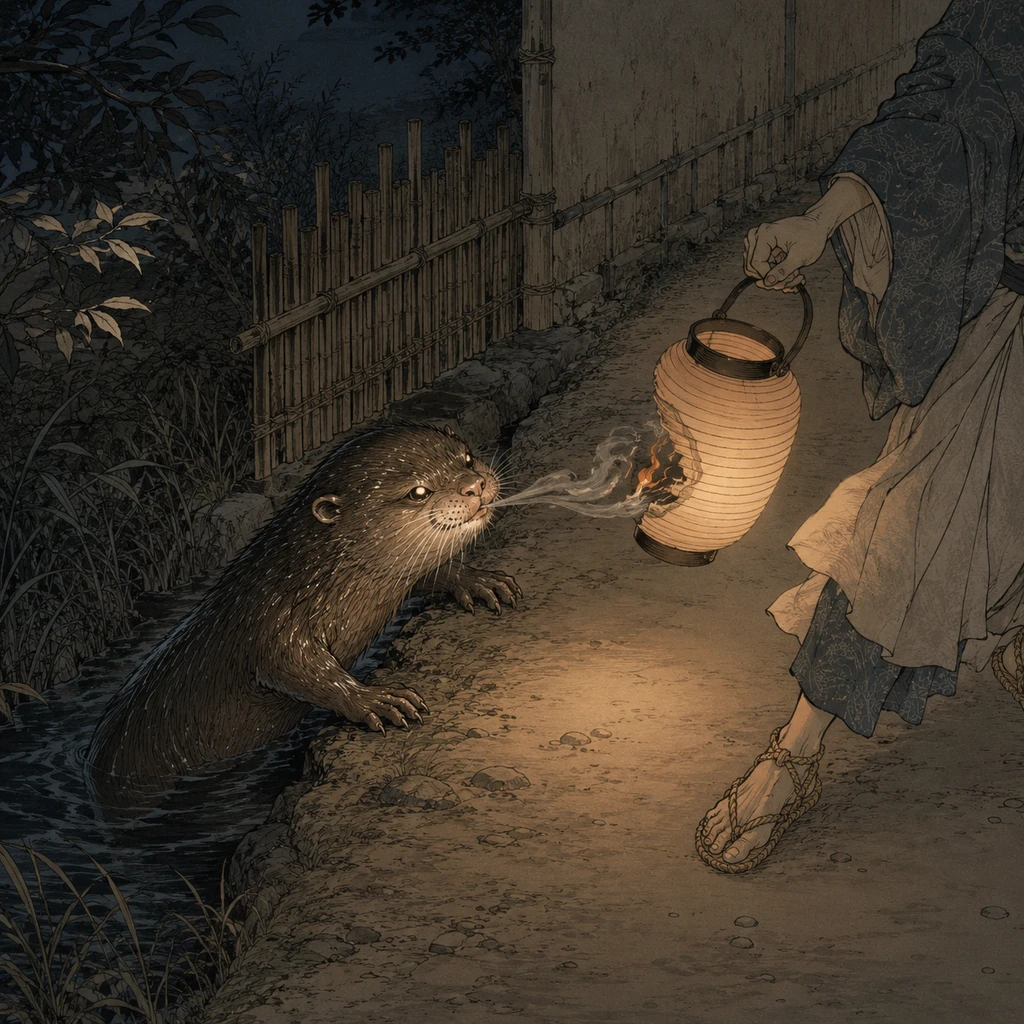
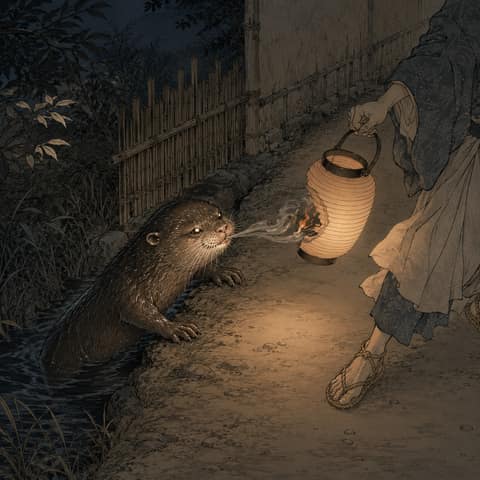
Kawauso are otters that, after many years, become yokai. They understand human speech and excel at shapeshifting. They delight in mischief such as snuffing out lanterns on night roads to lead travelers astray. Many tales describe them luring people while disguised as a beautiful woman, a child, or a monk. Old dictionaries even note, “An aged otter becomes a kappa,” and in some regions they are treated as the same being or close kin to kappa.

Akaname

Akaname

Epic

ah-kah-nah-meh

夜の風呂場に潜む垢嘗

Household SpiritsVarious regions of Japan (especially Edo traditions)

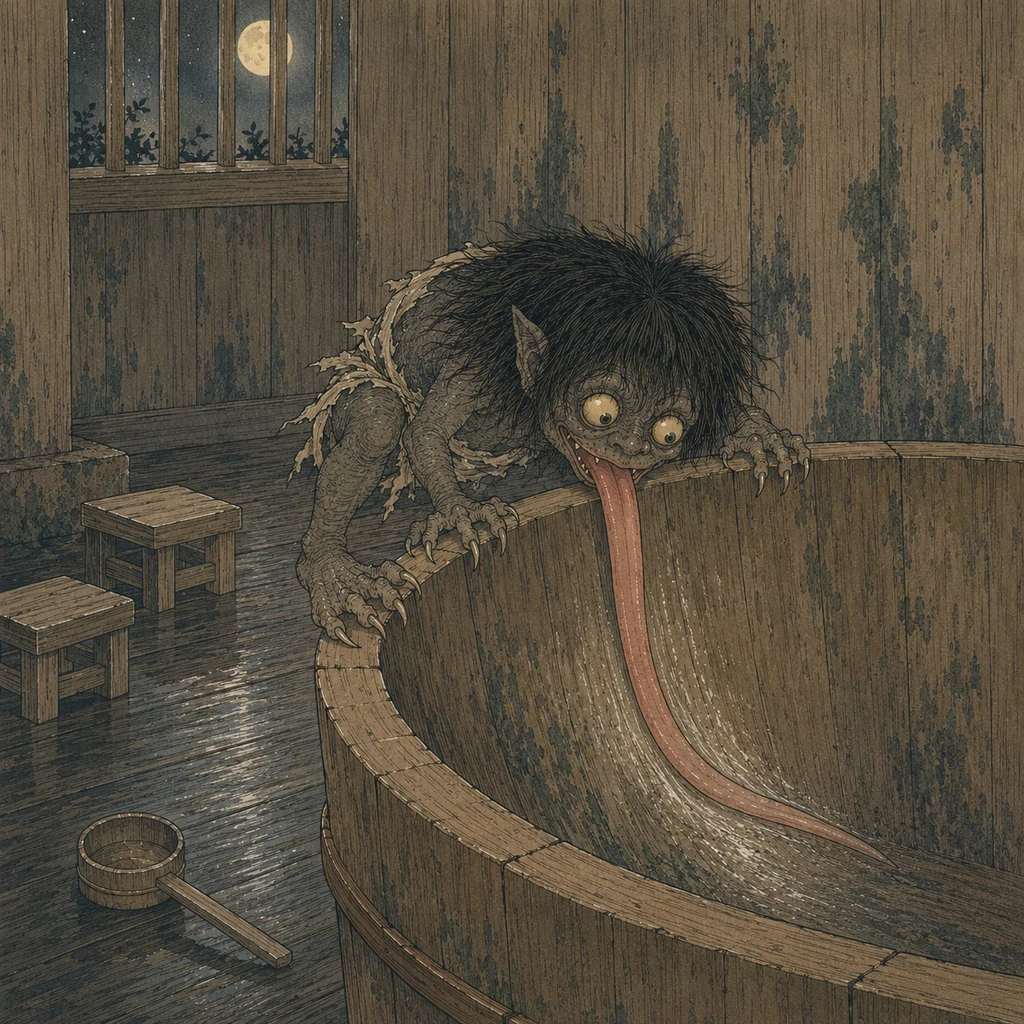
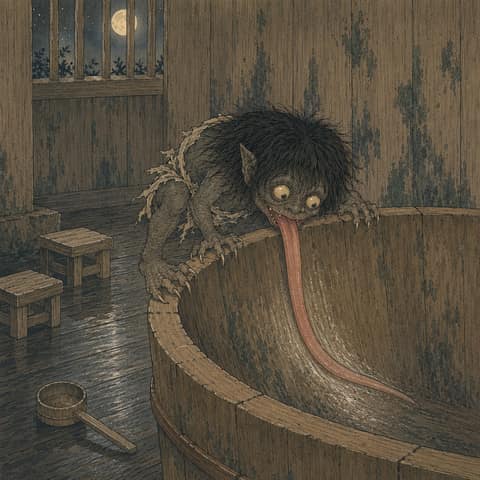
Akaname is a yokai said to appear in old bathhouses or abandoned bathrooms. It is usually depicted as an impish child with a long tongue, sneaking in during the night to lick the grime, mold, and scum stuck to tubs and walls. Although rarely described as harming humans directly, its very appearance was regarded as an omen of uncleanness and served as a cautionary tale to keep the bath area clean. Alternate names include Akaneburi and Aka-neburi.

Kama-itachi

Kama-itachi

Legendary

kah-mah-ee-TAH-chee

辻風に裂く鎌鼬

Animal ShapeshiftersNiigataNagano

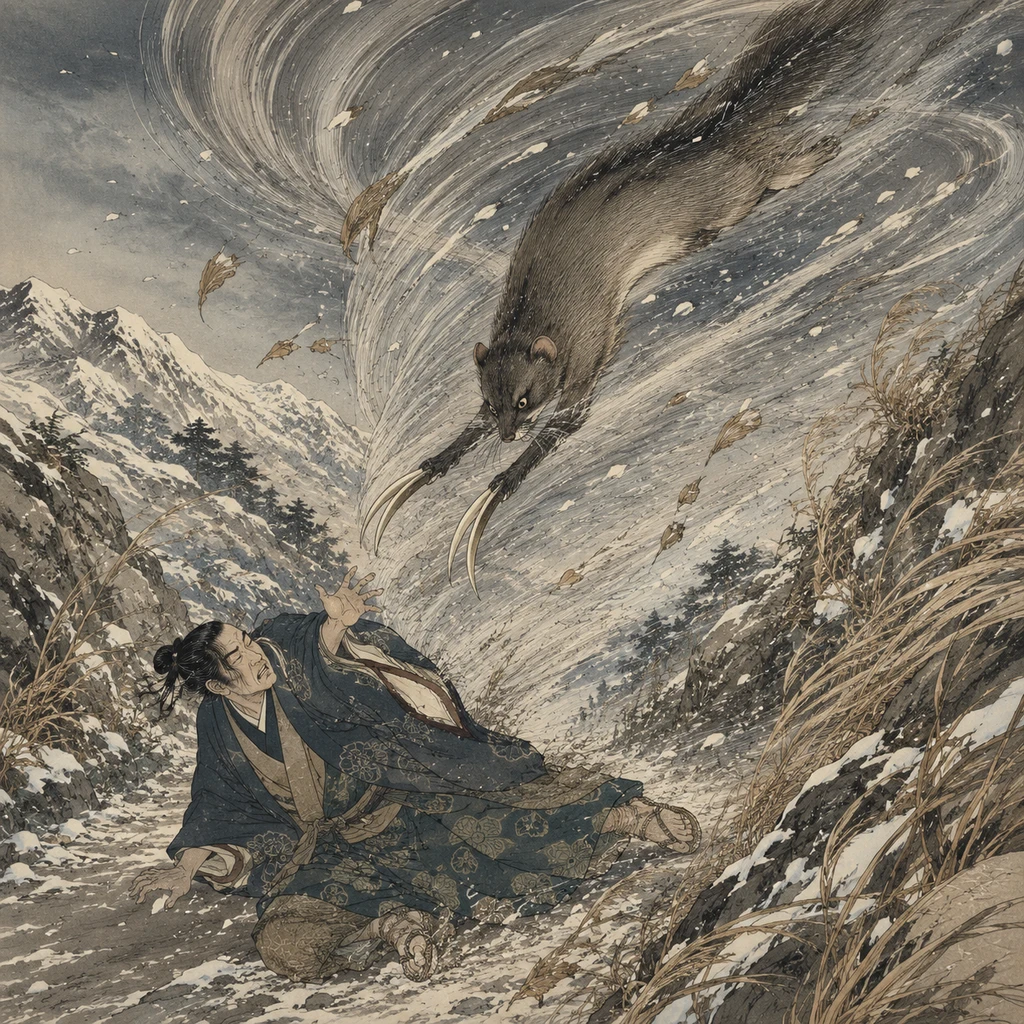
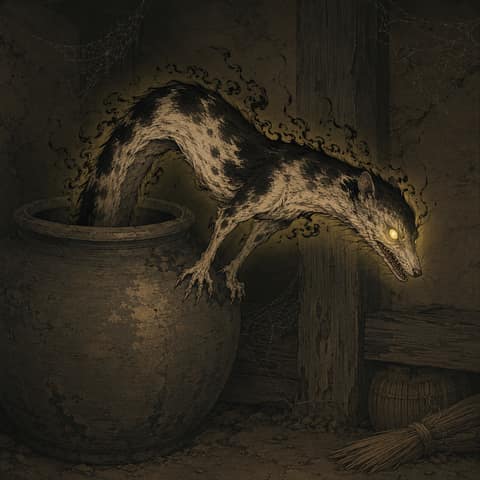
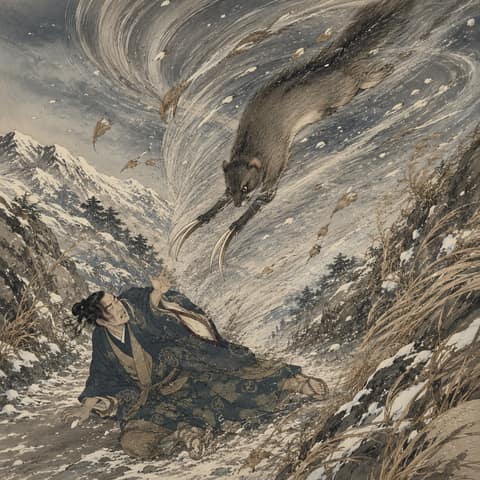
Kama-itachi are yokai said to ride dust devils or sudden whirlwinds, slicing human skin as if by a blade. Victims often feel little pain at first and may not bleed until later. From the Edo period on, they’re depicted as weasels with sickle-like claws, though explanations vary by region—some attribute the cuts to the phenomenon itself, to wind deities, or to minor spirits. The term is also a classical winter seasonal word.

Net-Cutter

Net-Cutter

Rare

AH-mee-kee-ree

蚊帳を切る鋏手・網切

General ClassificationsJapanese folklore

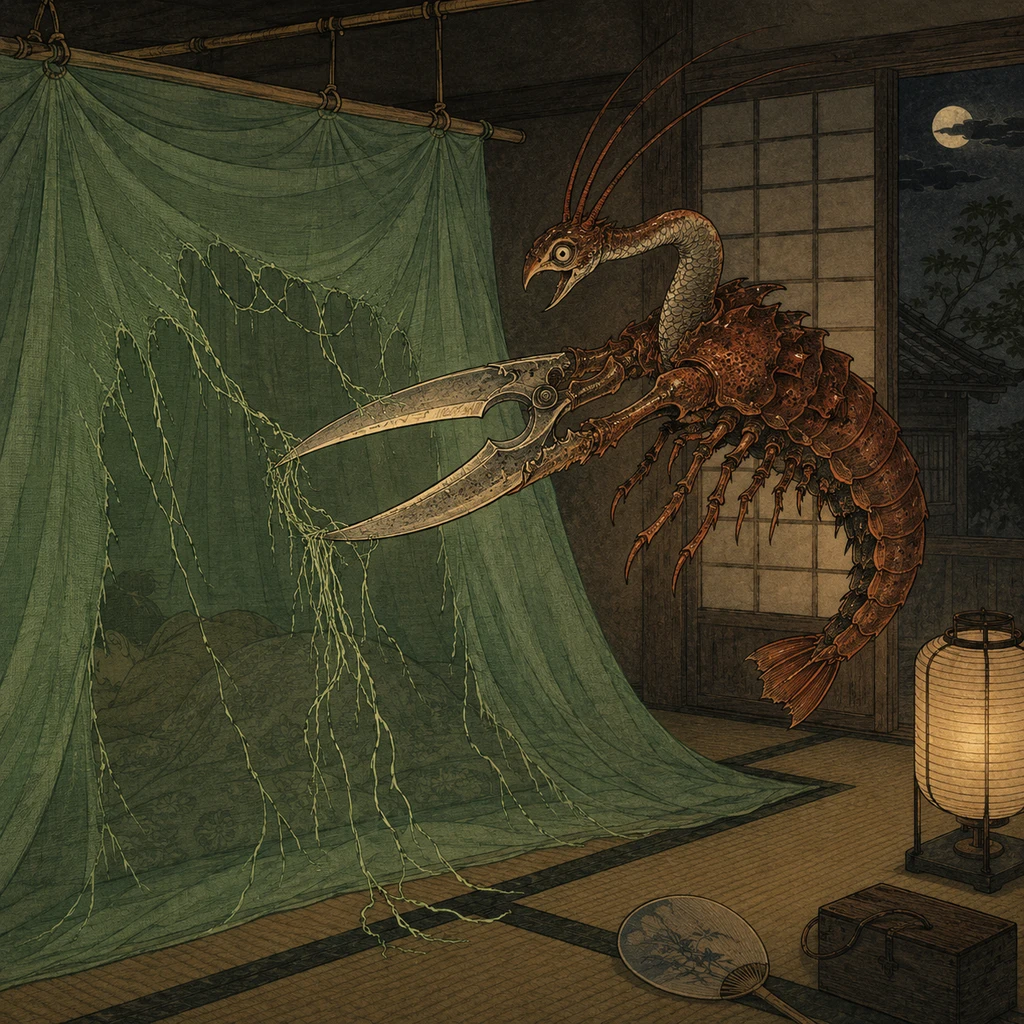
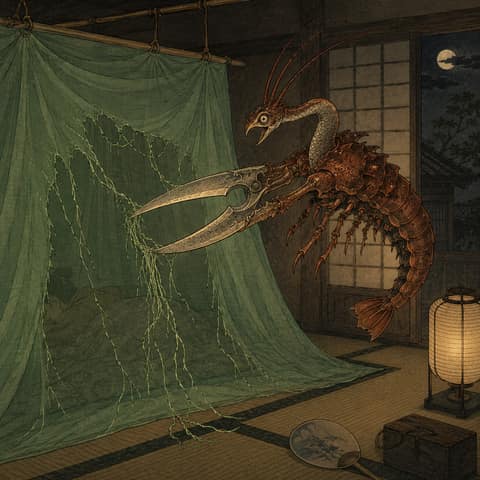
A yokai depicted only as an image in Toriyama Sekien’s Edo-period Gazu Hyakki Yagyō. It appears with scissor-like claws resembling those of a crab or scorpion, but the book gives no explanation, and its nature remains unknown. Some link it to the hair-cutting yokai “Kamikiri” seen in earlier picture scrolls, or read it as a visual pun connecting fishing nets and small crustaceans. Later writers often describe it as snipping mosquito nets or fishing nets, though historical evidence for this is limited.

Tsurube-bi (Bucket Fire)

Tsurube-bi (Bucket Fire)

Uncommon

TSOO-roo-beh-bee

樹上に下る怪火・釣瓶火

Natural Phenomena SpiritsKyoto

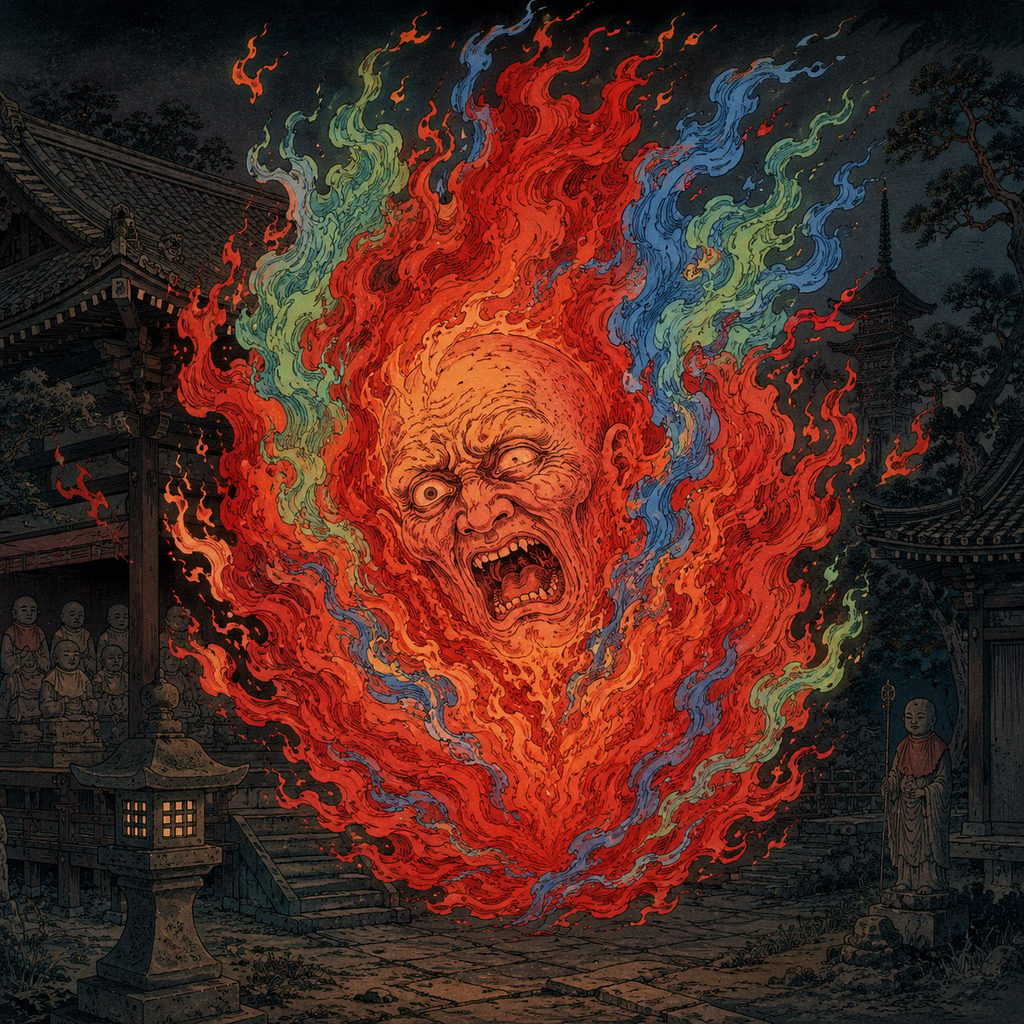
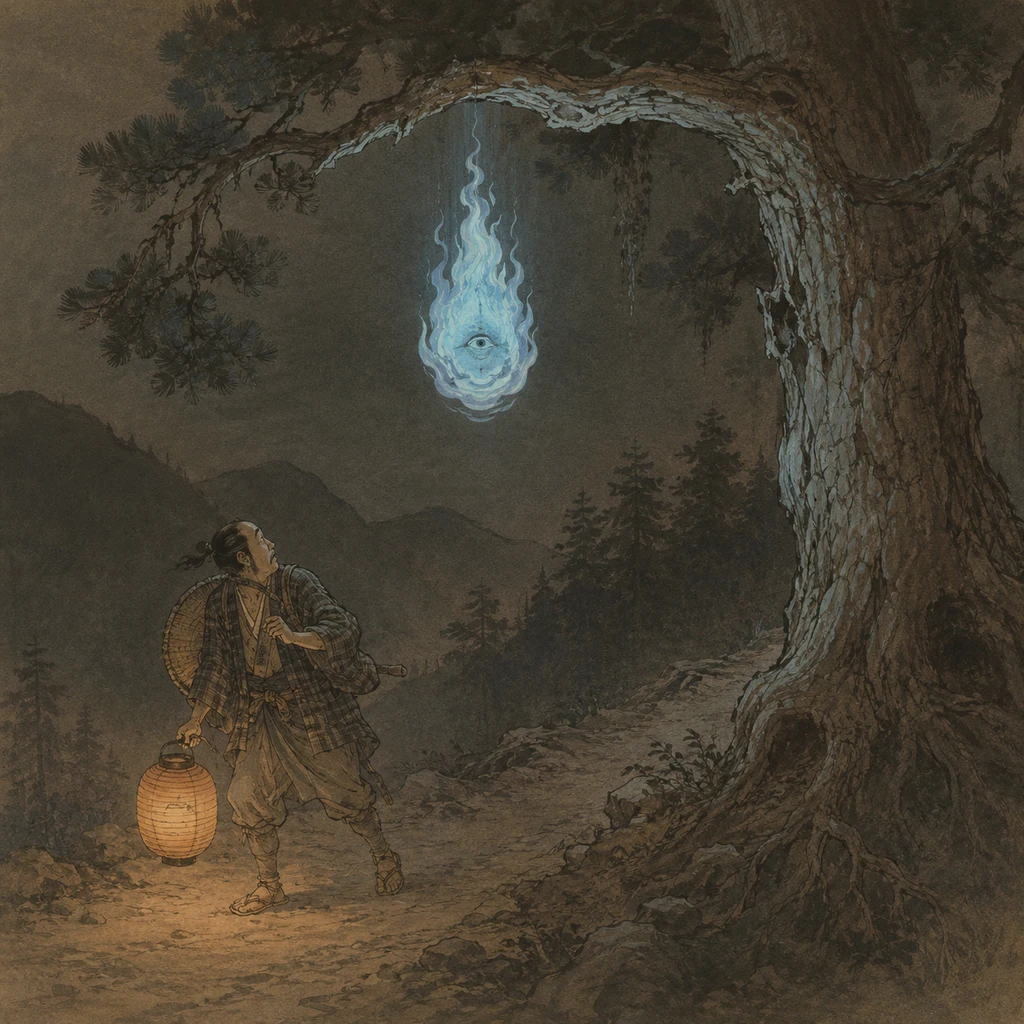
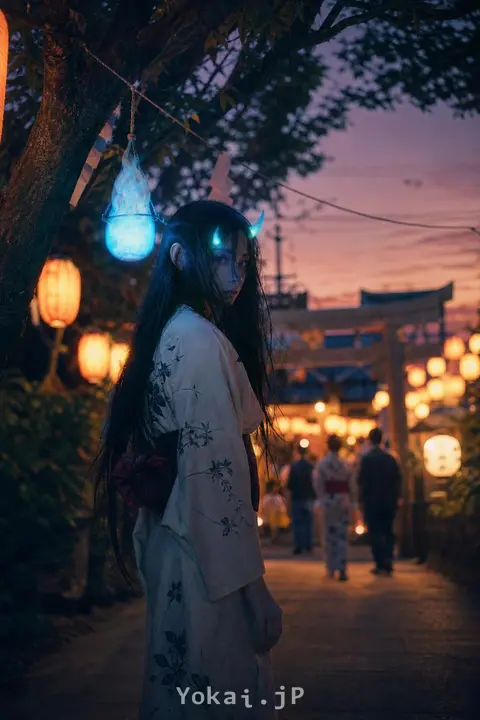
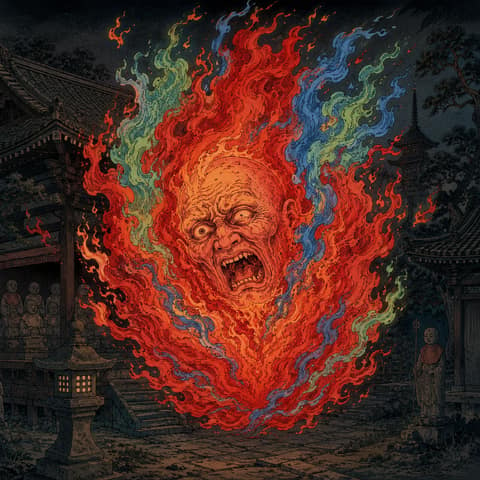
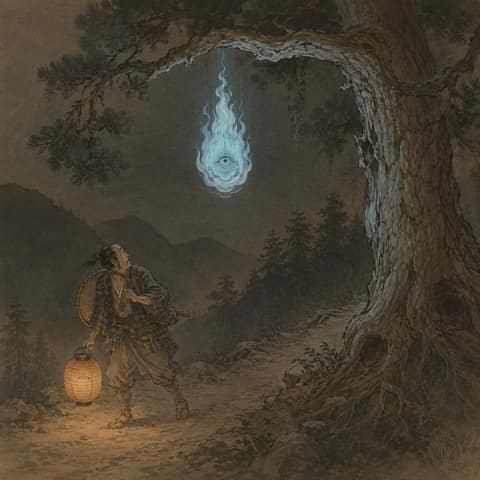
Tsurube-bi is a mysterious fire that moves up and down from treetops at night like a hanging bucket. It appears in Toriyama Sekien’s Gazu Hyakki Yagyō, interpreted as the fiery apparition from Kyoto’s Saiin noted in Edo-period ghost tales. In Shikoku and Kyushu, it’s said to be a wood spirit turning into a bluish-white fireball that dangles from branches. The flames do not burn things, and faces of people or animals sometimes appear within. Considered a type of will-o’-the-wisp, it’s often reported on quiet mountain paths.

Furari-bi (Wandering Flame)

Furari-bi (Wandering Flame)

Rare

foo-RAH-ree-bee

無縁仏の炎鳥・ふらり火

Natural Phenomena SpiritsJapanese folklore

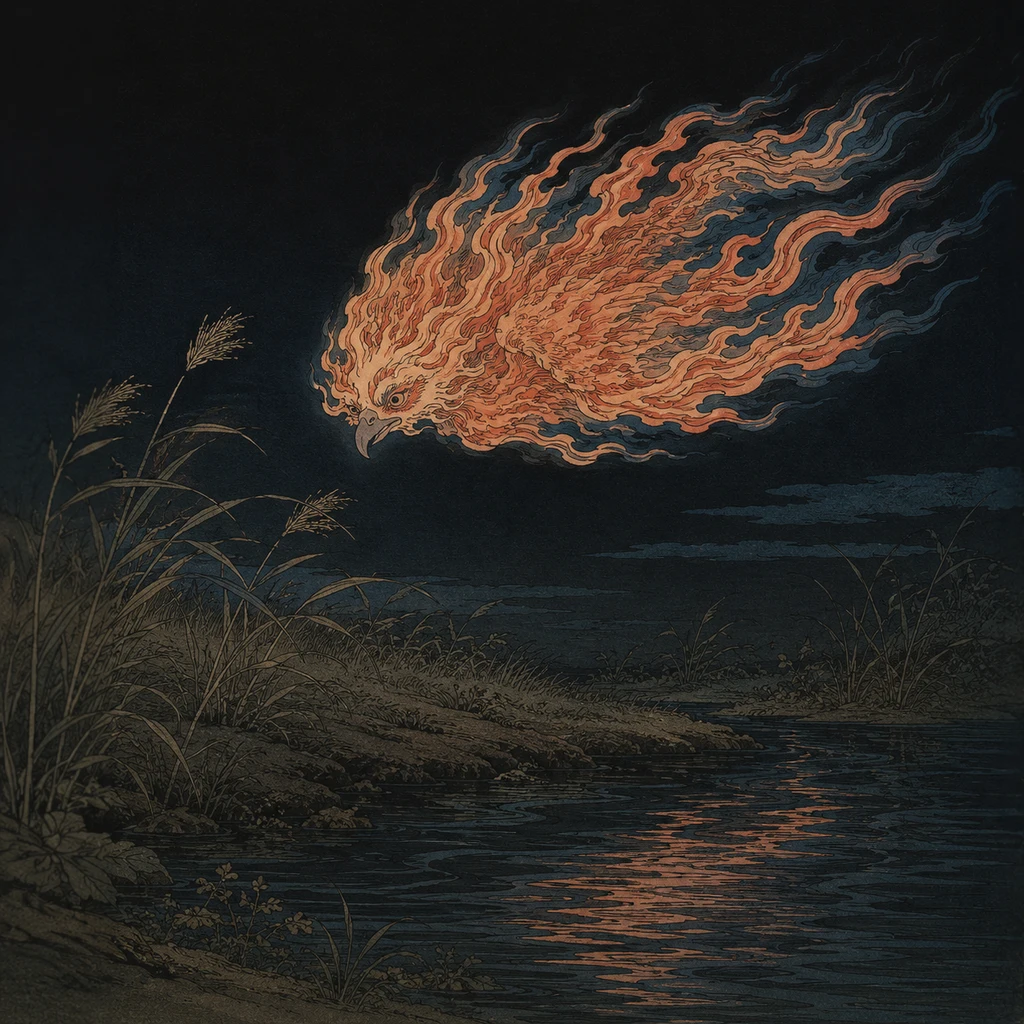
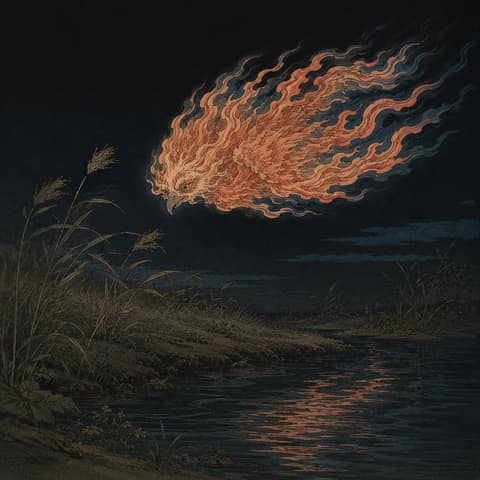
Furari-bi is a strange fire depicted in Edo-period yokai art, often shown as a bird wreathed in flames. Examples appear in Toriyama Sekien’s Gazu Hyakki Yagyo, Sawaki Suushi’s Hyakkai Zukan, and the anonymous Bakemono-zukushi. Explanatory notes are scarce, so its nature is unclear. Generally it is understood as a manifestation of unappeased spirits wandering as fire, with the birdlike visage serving as a symbolic form.

Ubagabi (Old Woman’s Fire)

Ubagabi (Old Woman’s Fire)

Epic

OO-bah-gah-bee

枚岡の油盗み怪火・姥ヶ火

Natural Phenomena SpiritsOsakaKyoto

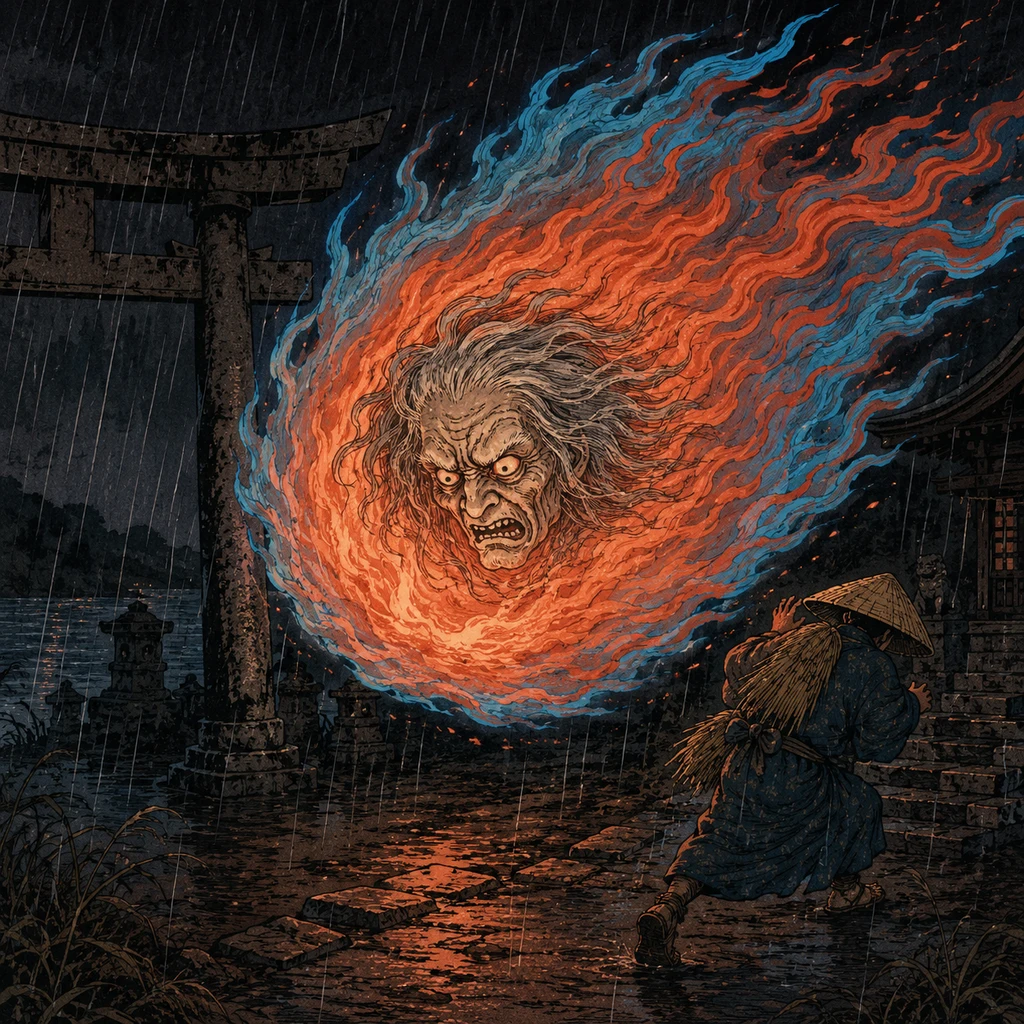
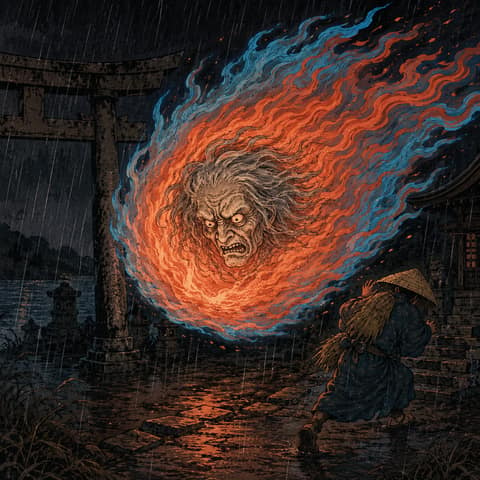
Ubagabi is a will-o’-the-wisp that appears on rainy nights, with traditions centered around Hiraoka in Kawachi and along the Hozu River in Tanba. It flies as a fireball about a foot across and is said to sometimes show the face of an old woman or the shape of a bird. Explanations tie it to the curse of an old woman who stole lamp oil from Hiraoka Shrine, or divine punishment upon a woman who drowned after discarding her child; the phenomenon is noted in old books and picture scrolls. Contact is considered a dire omen.

Kasha (Corpse-Dragging Fiend)

Kasha (Corpse-Dragging Fiend)

Epic

KAH-shah

葬列を襲う化け猫・火車

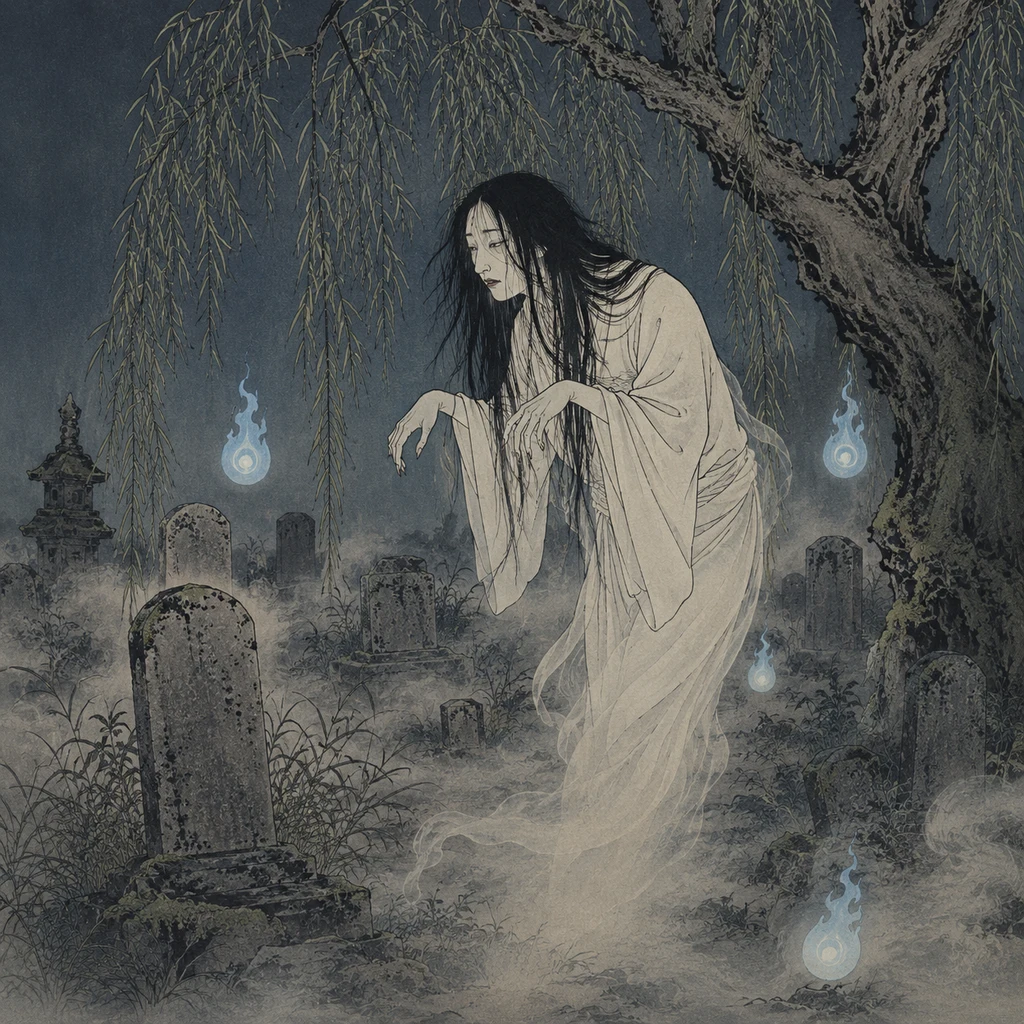
Ghosts & SpiritsIwateGunma

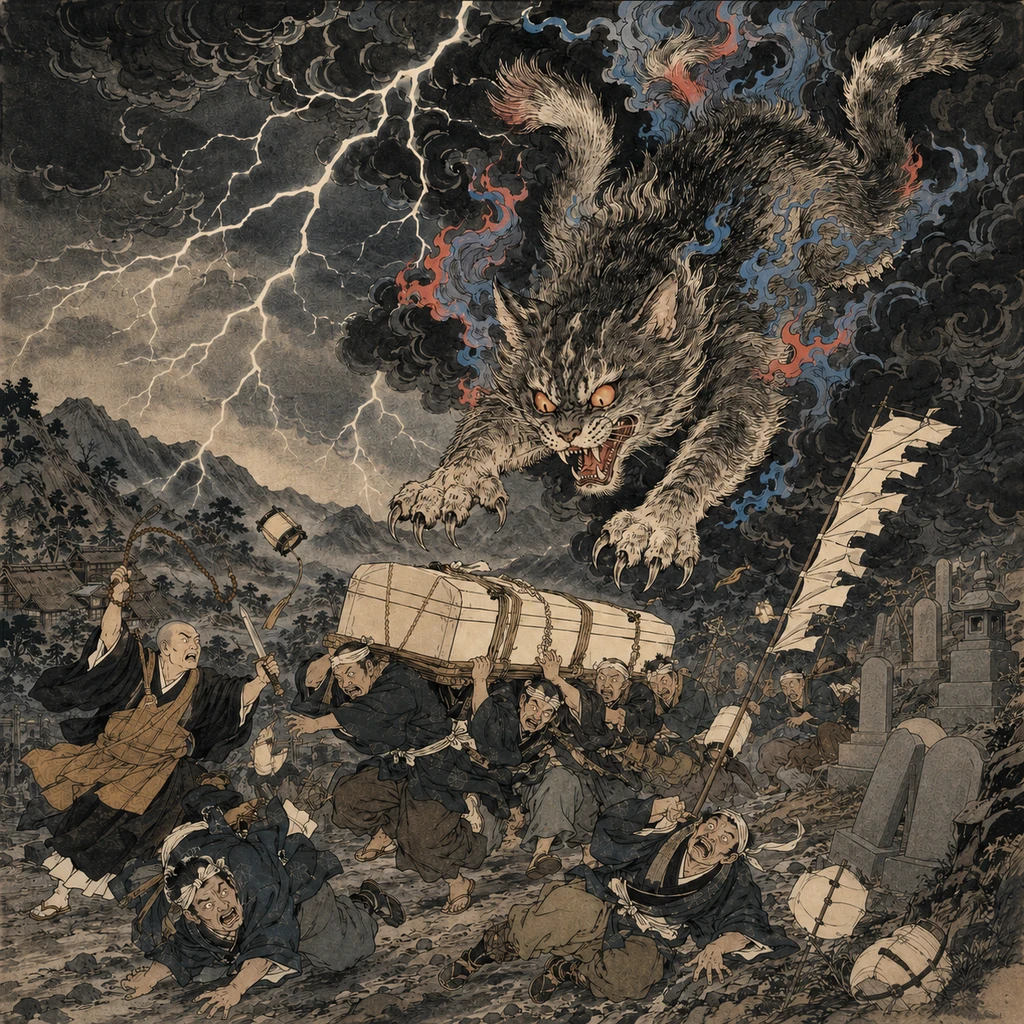
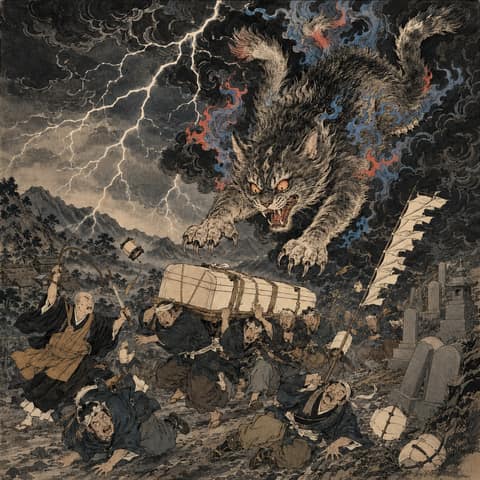
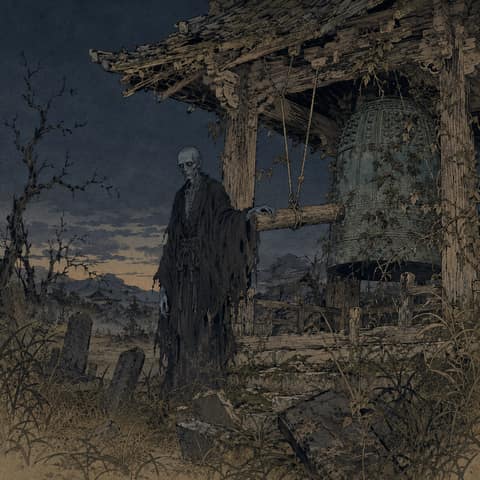
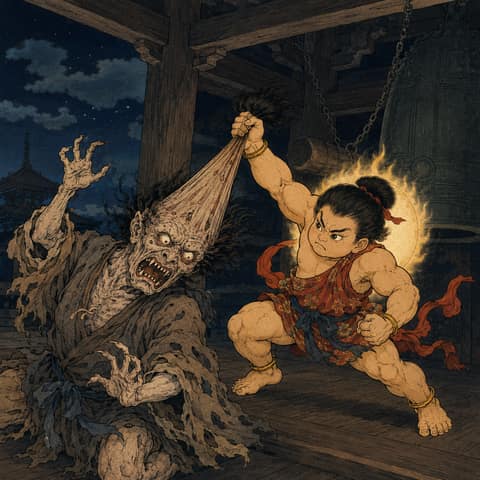
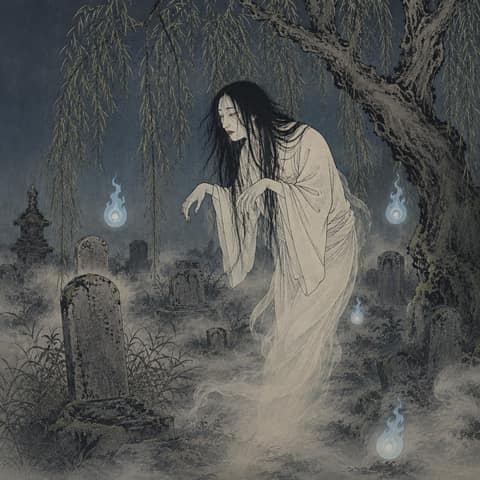
A yokai said to appear at funerals, funeral processions, and graveyards to snatch coffins and corpses. In the early modern period it was told as a hellish jailer or thunder god’s doing, stealing bodies amid black clouds and lightning. Later it merged with bakeneko lore, spreading the belief that an aged cat becomes a kasha and preys on the dead. Reports occur nationwide and are not strictly framed as moral retribution. Traditional countermeasures include blades, prayer beads, mounded earth, and constant vigil.

Sea Zato (Blind Lute Priest of the Sea)

Sea Zato (Blind Lute Priest of the Sea)

Rare

OO-mee-zah-TOH

波上に立つ琵琶座頭・海座頭

Aquatic SpiritsJapanese folklore

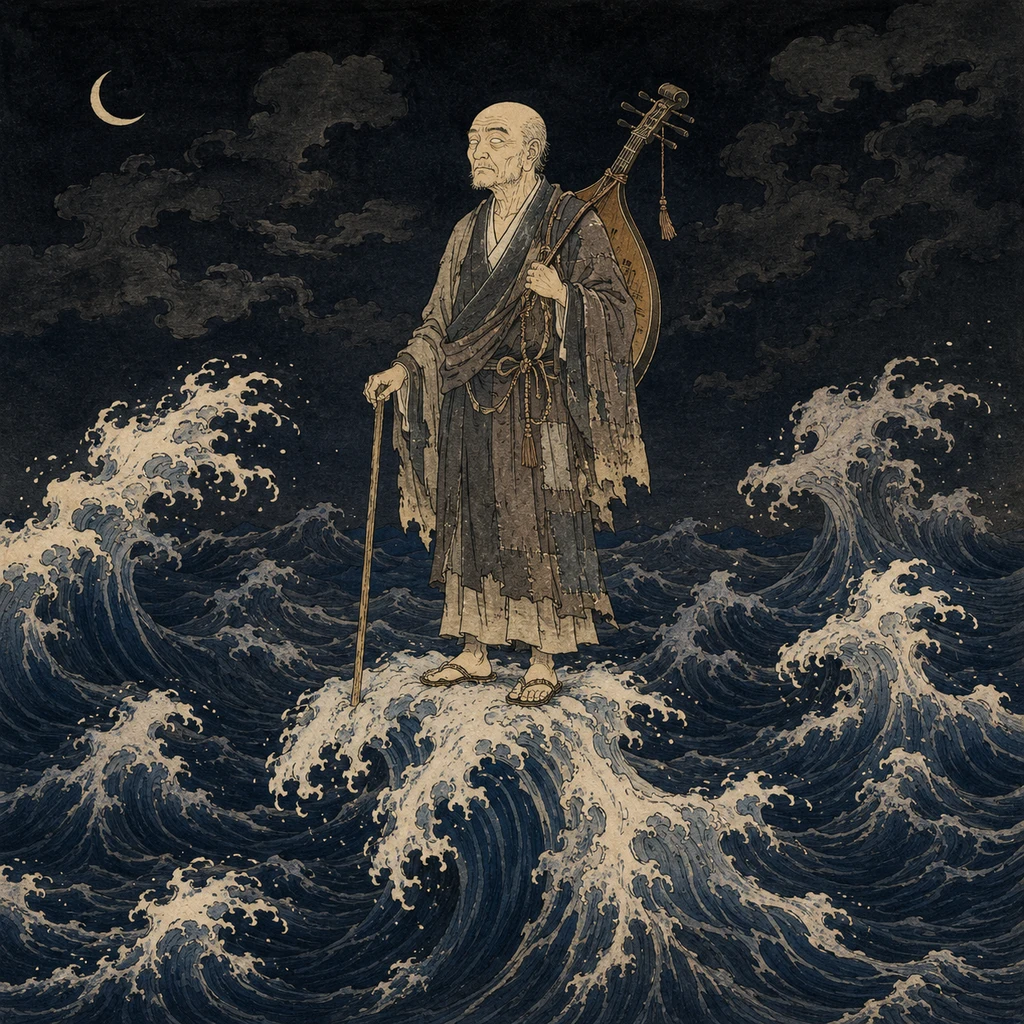
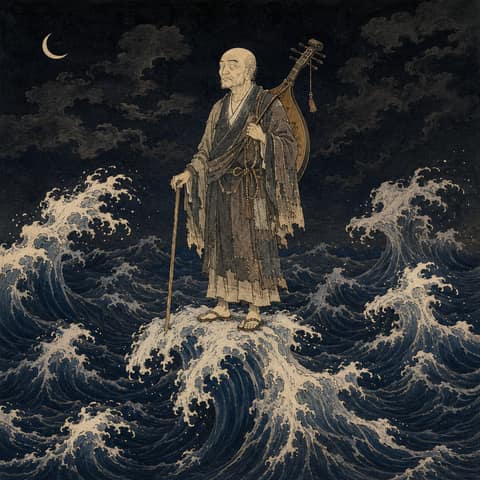
A yokai depicted in Edo-period art as a blind biwa-playing priest appearing at sea. Examples appear in Toriyama Sekien’s Gazu Hyakki Yagyō and the Hyakki Yagyō Emaki held in the Matsui Bunko (Kumamoto). None include explanatory text, so its nature and origins remain unclear. It bears a biwa and a staff and is shown standing upon the waves. Some interpret it as akin to the sea monk (umibōzu), but details are unknown.

Tall Woman

Tall Woman

Epic

tah-kah-OHN-nah

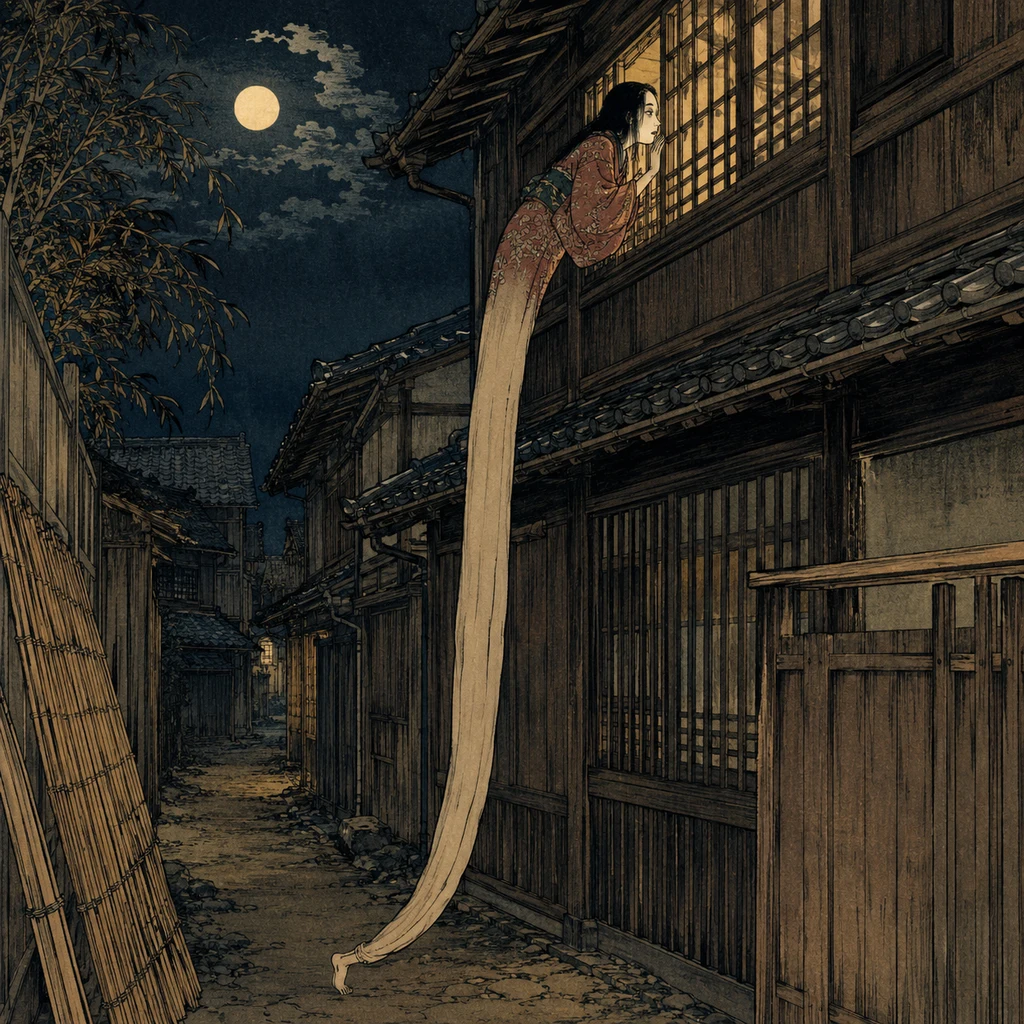
二階窓を覗く伸び女・高女

Household SpiritsJapanese folklore

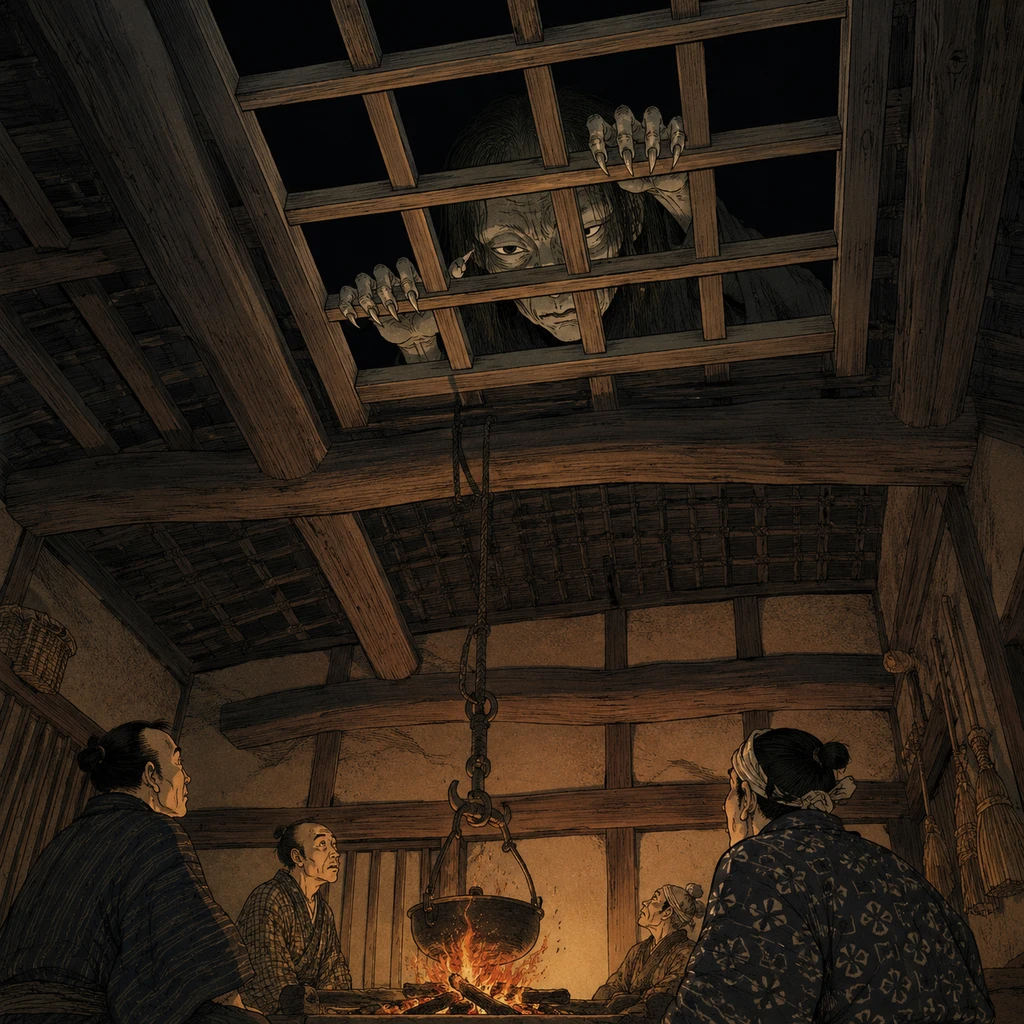
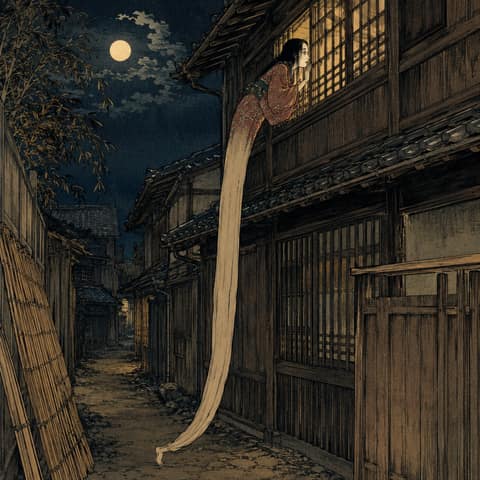
A female yokai depicted by Toriyama Sekien in Gazu Hyakki Yagyo. She is known for stretching her lower body up to the height of a building’s second floor to peer through windows. Sekien’s original print includes no notes, so her nature and identity remain uncertain. Later writers imagined her startling patrons on the upper floors of brothels, but historical sources mostly present her as a visual motif without fixed tales or a settled etymology—an emblem of a strange figure that peers from high places.

Hand-Eyes

Hand-Eyes

Uncommon

TEH-no-meh

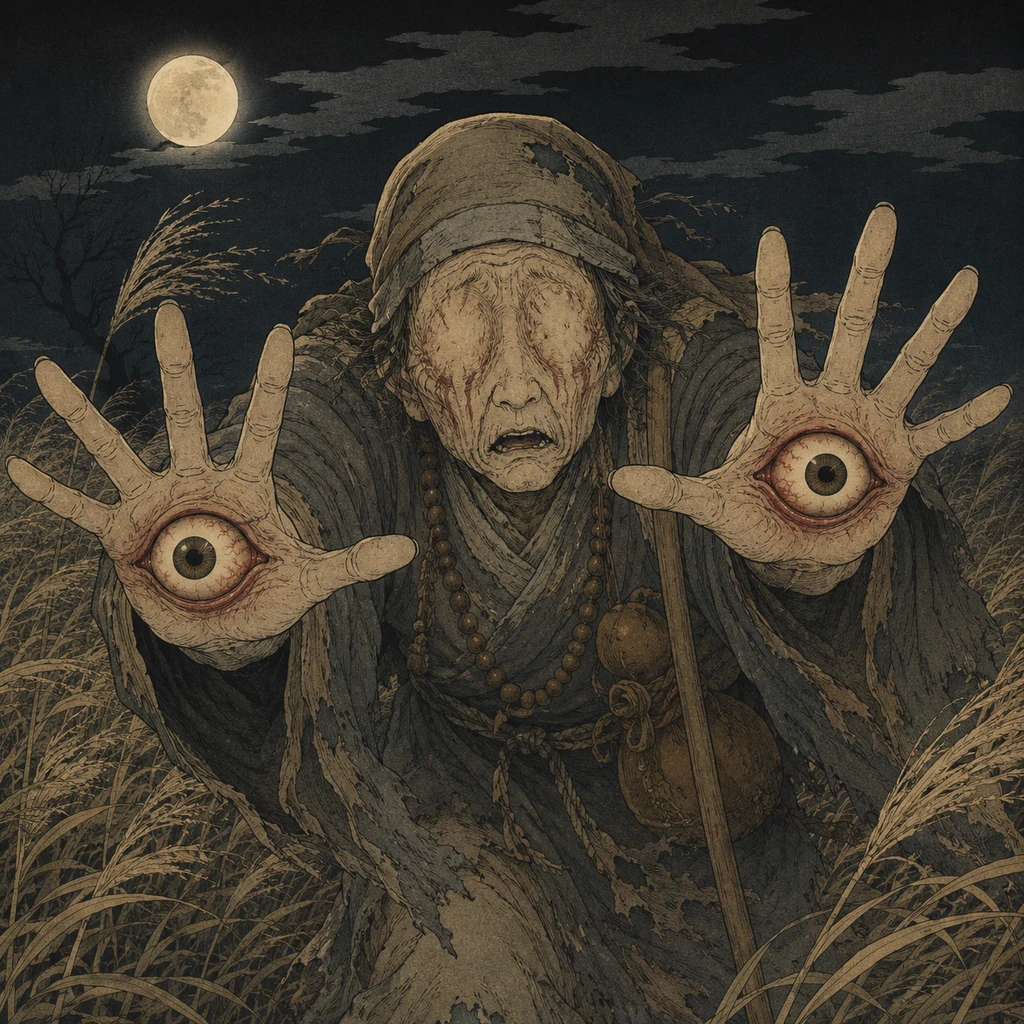
両掌に眼ある座頭・手の目

Mountain & Wilderness SpiritsKyoto

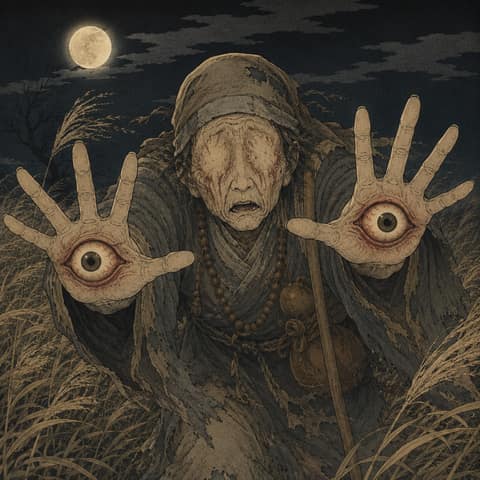
A yokai depicted by Toriyama Sekien in Gazu Hyakki Yagyo: a blind monk-like figure whose eyes are set in the palms of his hands rather than on his face. Sekien gives no commentary, and its origins are unknown. Similar images appear in a Tenpo-era Hyakki Yagyo scroll as “Teme-bozu” and in Bakemono-zukushi. Often shown in desolate fields under the moon, it is symbolically portrayed as a being that watches its surroundings through the eyes on its palms.

Rokurokubi

Rokurokubi

Legendary

ROH-koh-ROH-koo-bee

飛頭蛮・抜け首(小泉八雲解釈版)

Human-Yokai / Half-Human Half-YokaiAll over Japan -- A human village apparition without a specific location

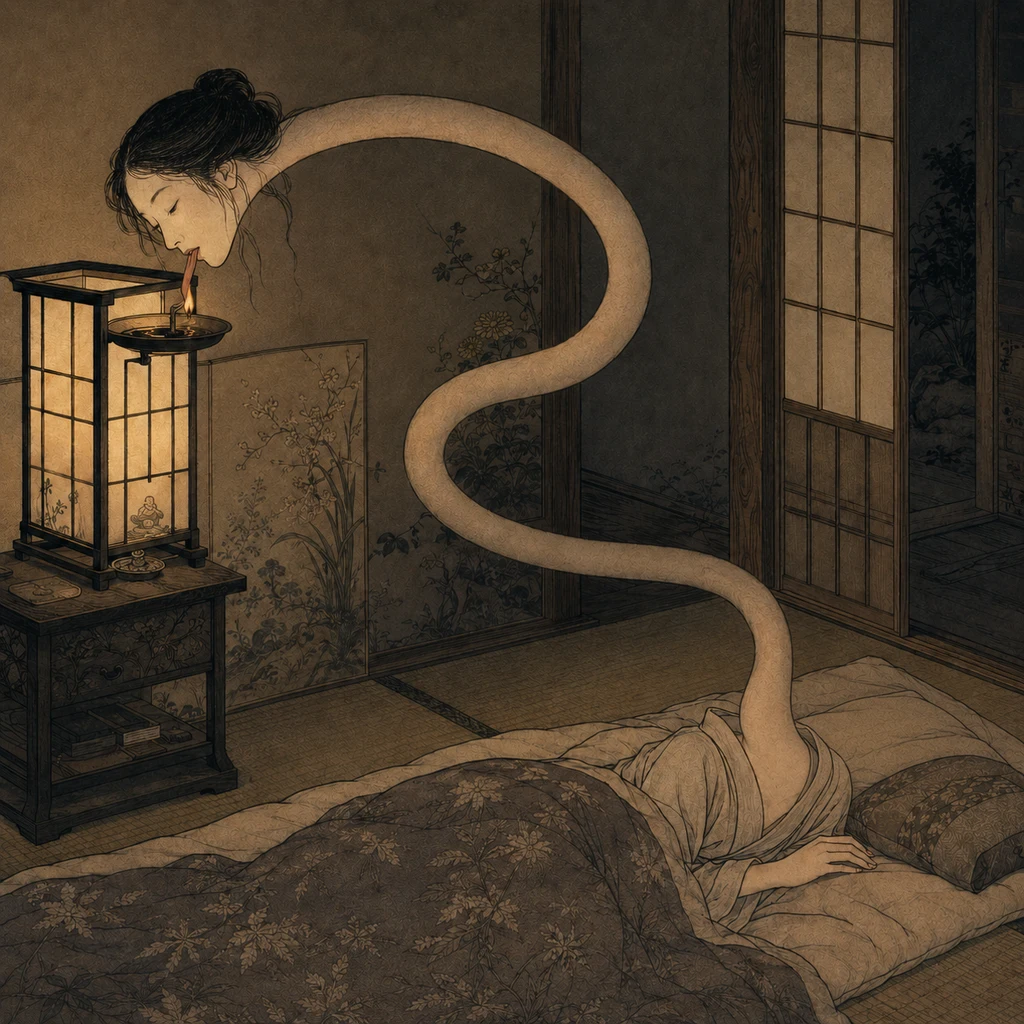
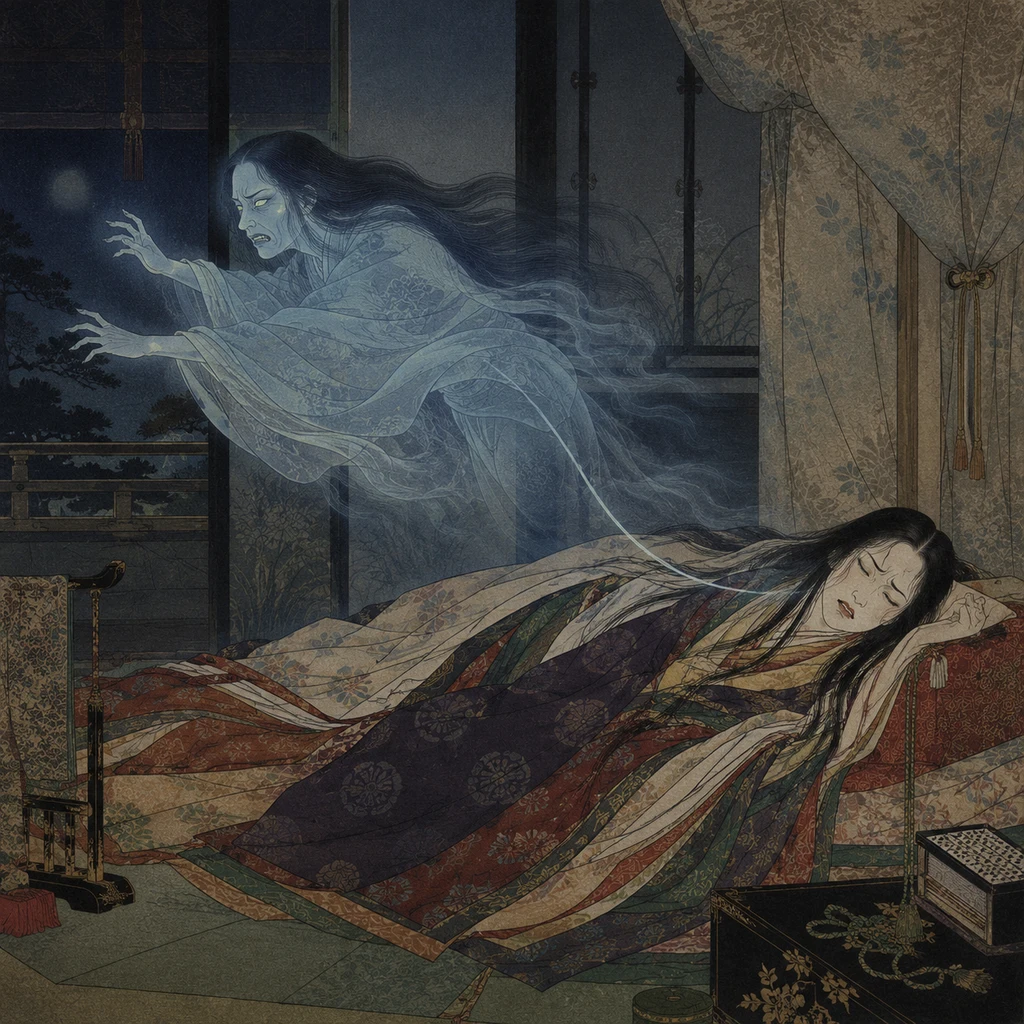
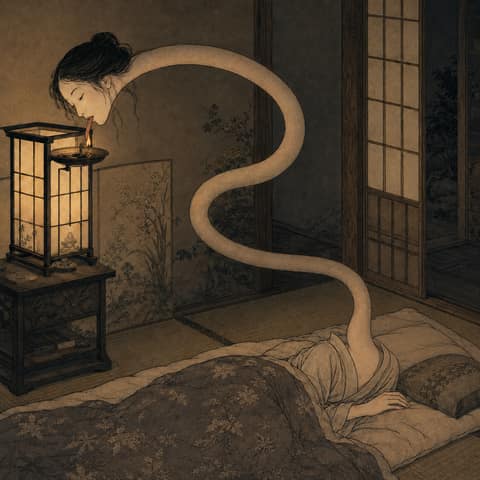
The Rokurokubi is one of Japan's most famous representative yokai, characterized by a neck that stretches to abnormal lengths during sleep at night, or a head that detaches completely from the body to fly through the air. While the modern image firmly establishes 'Rokurokubi = neck-stretching yokai', from a folkloric perspective, the 'nukekubi' (detaching head), where the head separates from the body and flies, is considered its true original form. This prototype originated when a foreign monster known as the 'Hitouban' (Flying Head Barbarian), recorded in ancient Chinese strange tales like the 'Soushinki' (In Search of the Supernatural), was introduced to Japan. The greatest point of interest in yokai research is why it changed from 'flying' to 'stretching'. A prevalent theory suggests that when Edo-period picture scrolls depicted a 'thin spiritual thread' connecting the detached head and the body, the masses visually misinterpreted it as the 'elongated neck itself', which served as the decisive catalyst for the birth of the 'neck-stretching Rokurokubi'. In many legends, the Rokurokubi is not born a monster, but is told as a tragic apparition unconsciously caused by human women due to an 'illness of separating souls' or the depth of their karma.

Yuki-onna

Yuki-onna

Legendary

Yuki-onna (the Snow Woman)

雪国の夜の白霊・雪女

Natural Phenomena & Nature SpiritsIwate

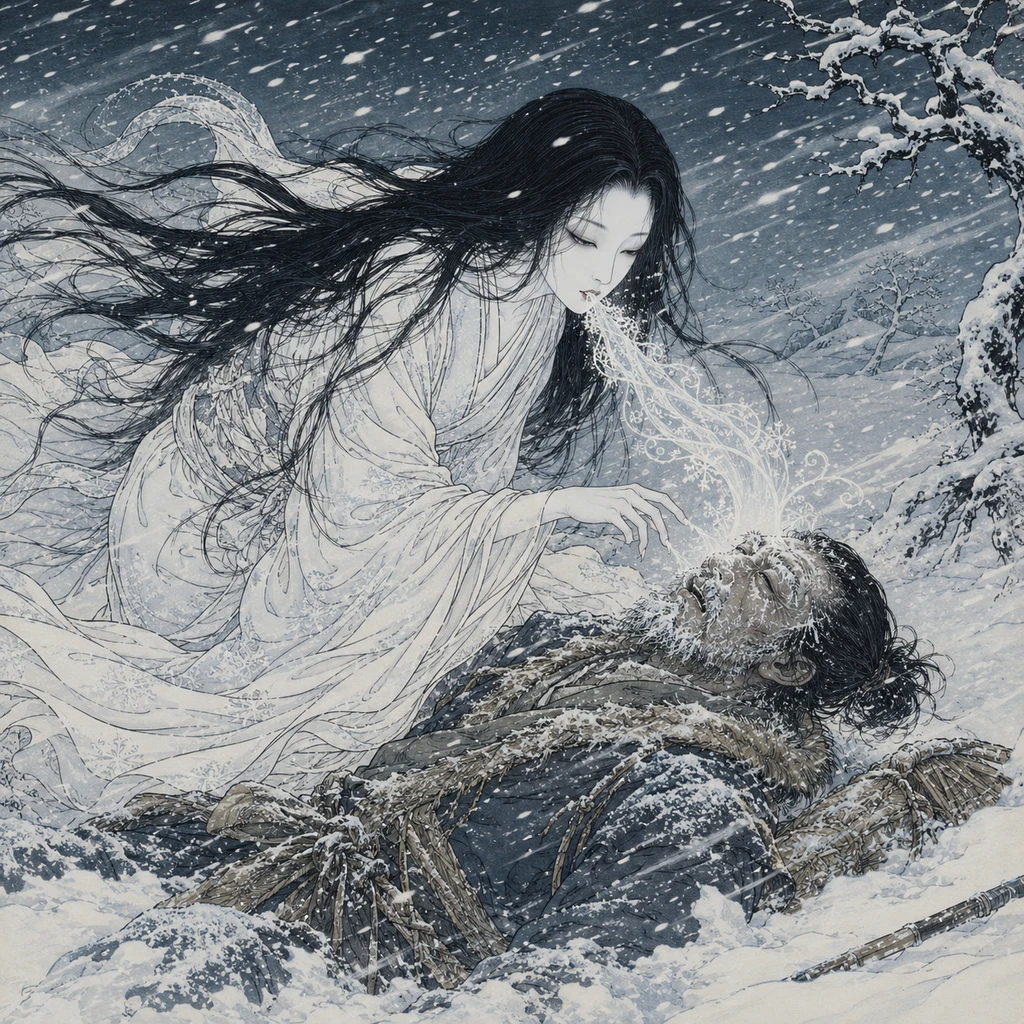
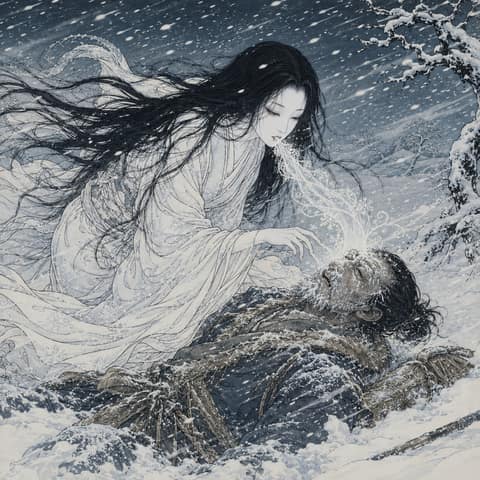
The Yuki-onna is the spirit of a tall, pale woman in white who appears with the blizzard on deep snowy nights. Trailing the white hem of her robe across the snow, she is said to breathe upon travelers to freeze them solid, or to drain away their life-force. She is described variously as the very snow given spirit-form, or as the ghost of someone who perished of cold in the mountains, and she is known across most of Honshū, above all in the heavy-snow country. From region to region her names shift — yuki-jorō, yuki-nyōbō, tsurara-onna, shigama-nyōbō — and she is called Yukion in Toyama and Yukinba in Yoshida, Ehime. Born of the dread and the beauty of the snow country, she is the most renowned of all snow apparitions.
Ikiryō (Living Spirit)

Ikiryō (Living Spirit)

Legendary

ee-kee-RYOH

嫉妬離魂の生霊

Ghosts & SpiritsAcross Japan

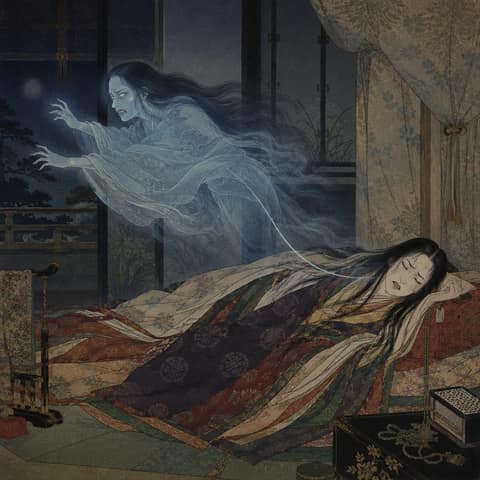
Ikiryō refers to a living person’s soul separating from the body and roaming abroad. Spurred by intense grudge, obsessive love, or deathbed yearning, it was believed to possess a target and cause illness or misfortune. Accounts span from Heian aristocratic circles to early modern popular belief. It may appear as a person’s shadow-double. Besides unintended separation, some tales describe sending one’s spirit deliberately through curses.

Mikoshi-nyūdō (Looming Priest)

Mikoshi-nyūdō (Looming Priest)

Epic

mee-KOH-shee nyoo-DOH

見上げて伸びる入道・見越入道

Demons & GiantsTokyoSaitama

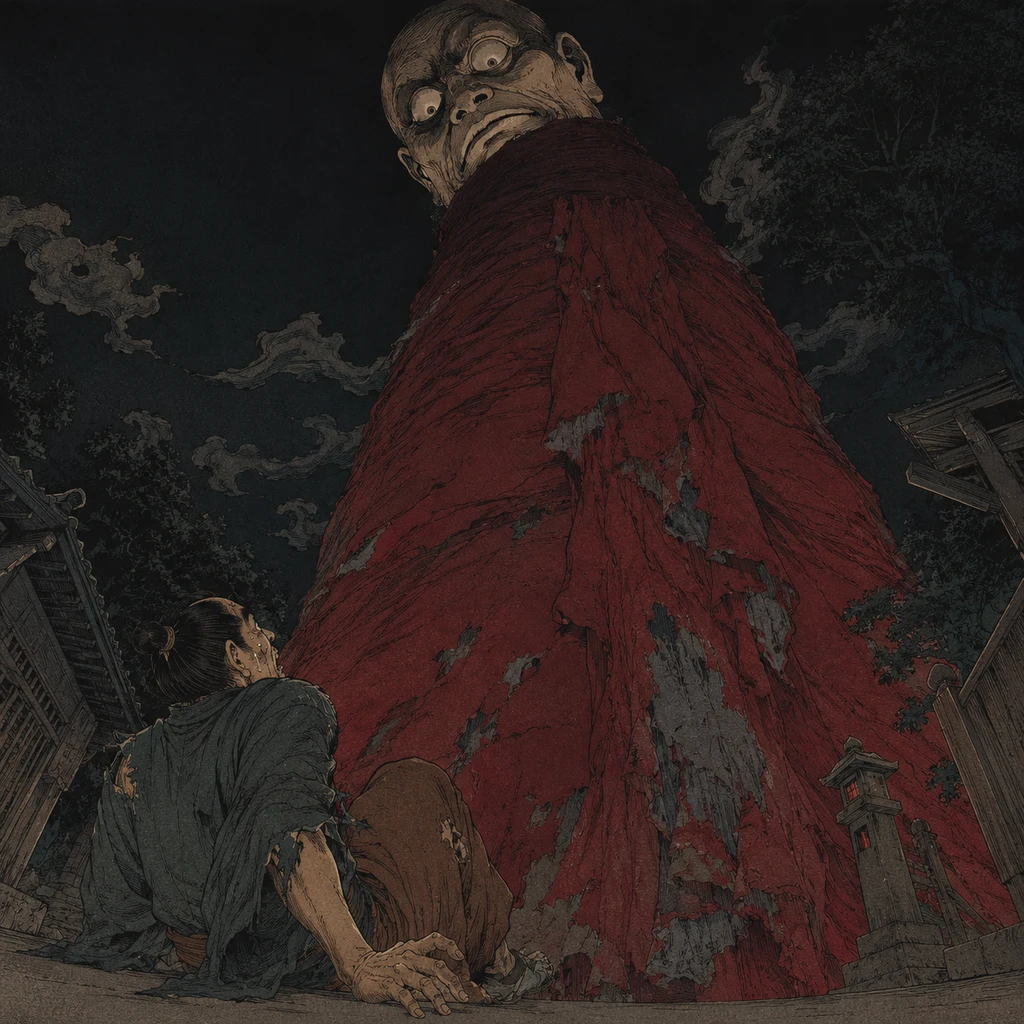
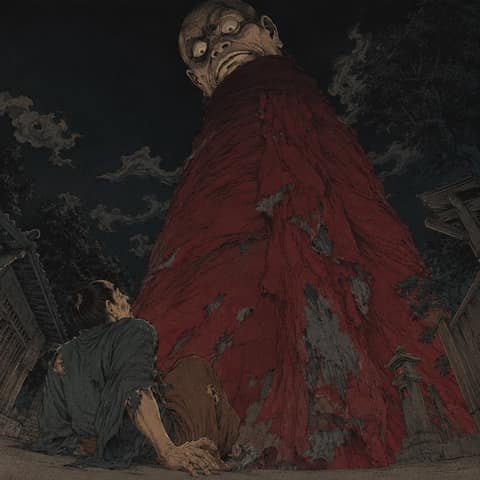
A towering monk-like apparition that appears on night roads, at the end of slopes, crossroads, stone bridges, or atop trees. The more you look up at it, the larger it grows, terrifying those who give in to fear. Common countermeasures include saying “I’ve seen through you” or calmly looking down at it. Its true nature varies by region and may be a shapeshifted tanuki, fox, weasel, or badger. It is a well-known type found in Edo-period ghost tales and essays.

Painted Buddha

Painted Buddha

Epic

NOO-ree-boh-TOH-keh

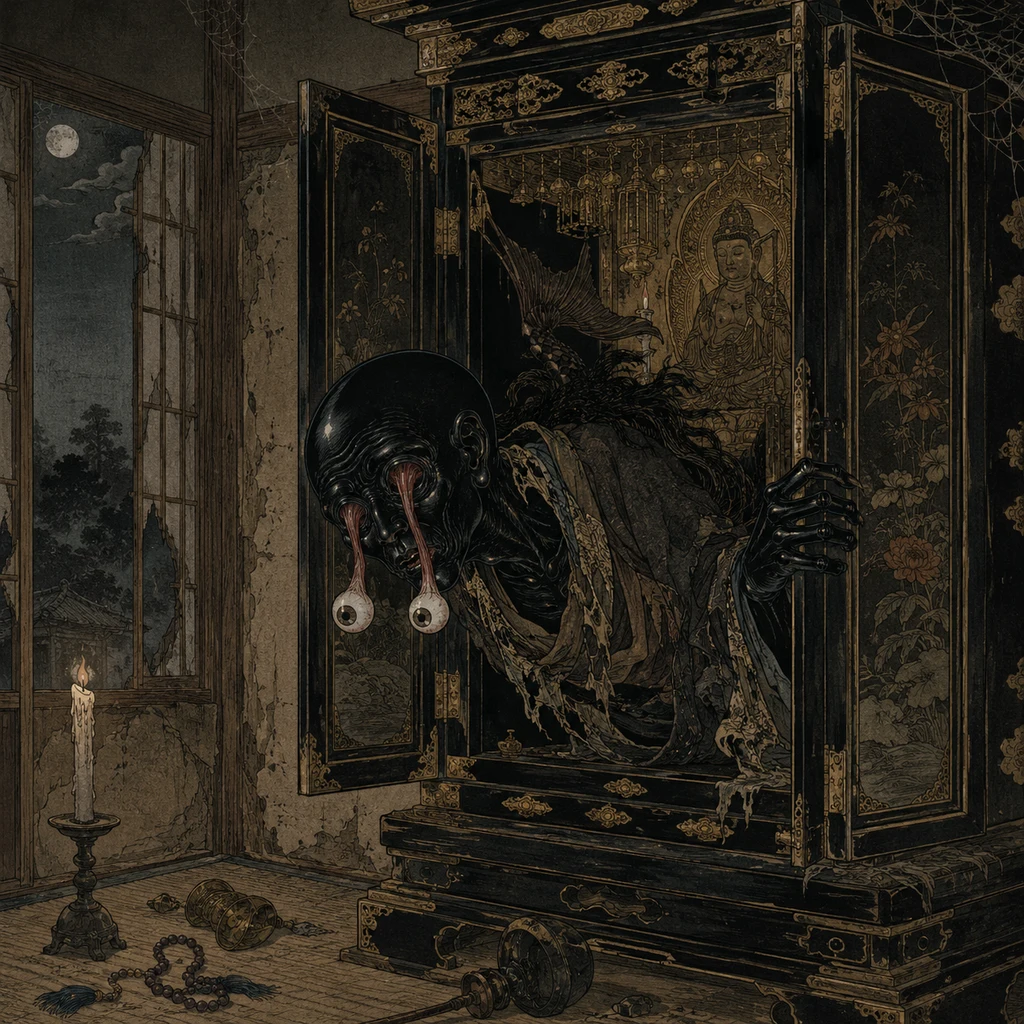
仏壇より出る垂目僧・塗仏

Household SpiritsJapanese folklore

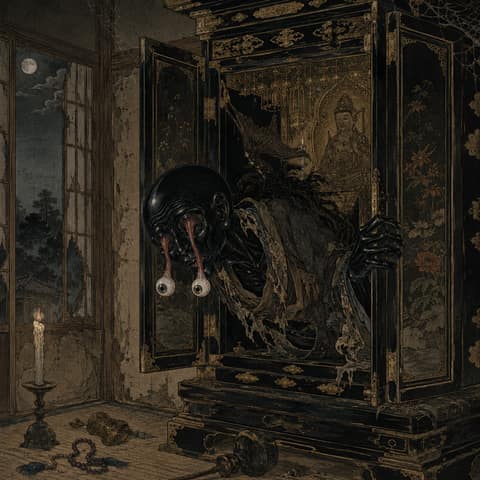
A black, monk-shaped apparition from Edo-period yokai picture scrolls, shown with protruding eyes drooping downward. Examples appear in Sawaki Suushi’s Hyakkai Zukan and Toriyama Sekien’s Gazu Hyakki Yagyo. These sources provide no captions, so its origins and traits are unknown. In Sekien’s version it emerges from a household Buddhist altar (butsudan), leading later writers to interpret it as a spirit of altars or ritual implements, though historical proof is lacking.

Iso-onna (Shore Woman)

Iso-onna (Shore Woman)

Epic

EE-soh-OHN-nah

凪戒めのヨロヅナセノ・磯女

Aquatic SpiritsKumamotoNagasaki

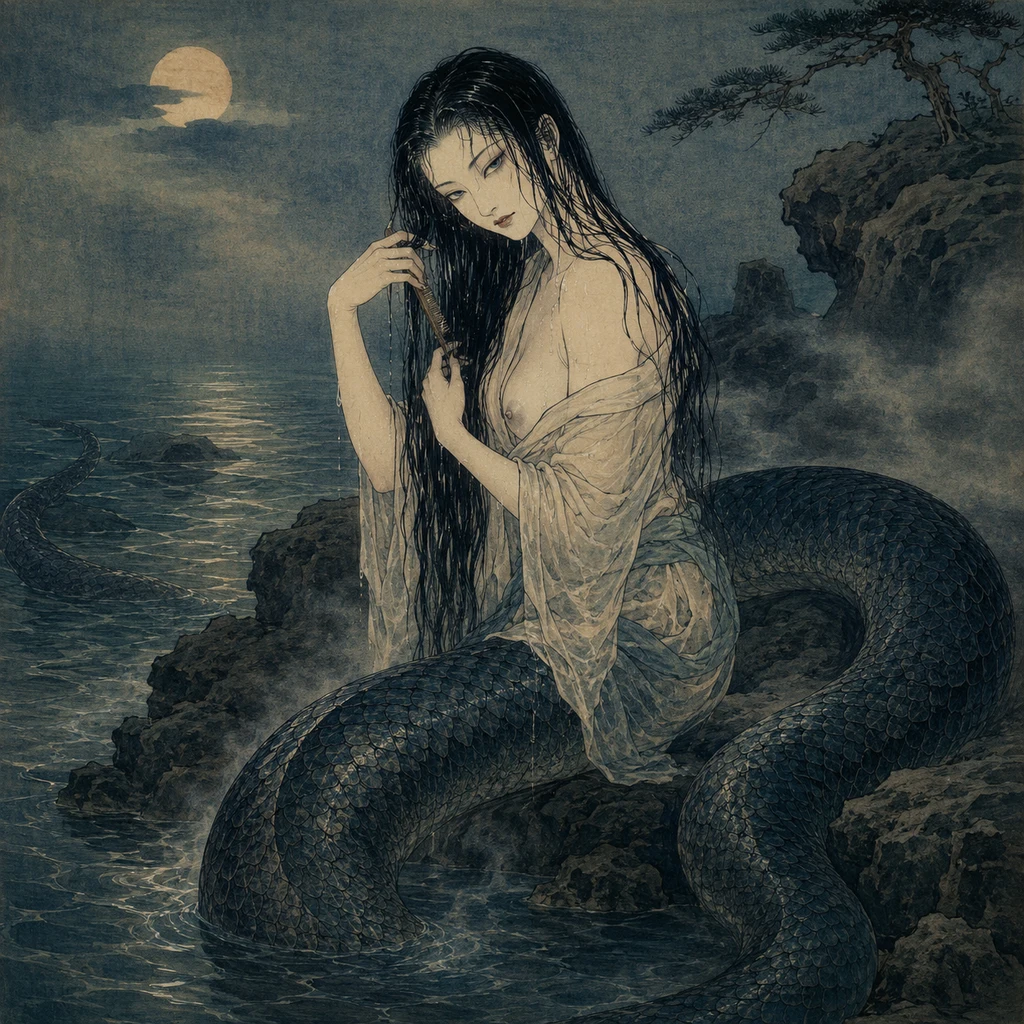
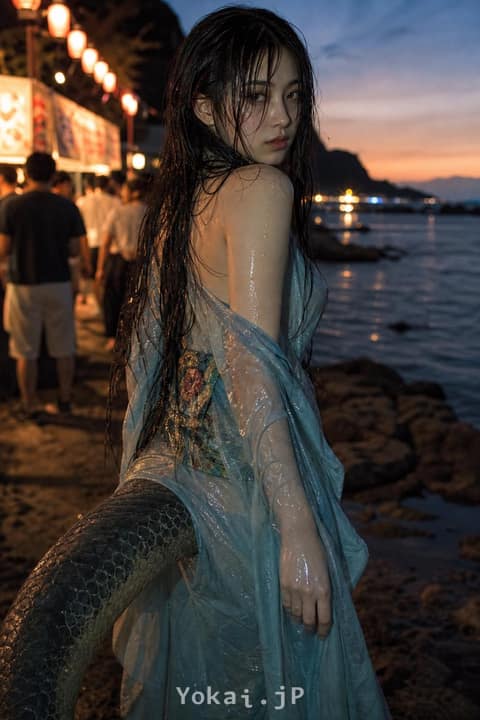
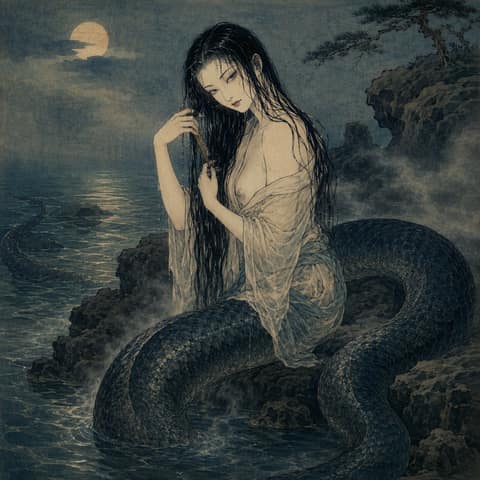
The Iso-onna is a female yokai said to haunt beaches and rocky shores around Kyushu. She approaches sands, tidepools, and moored boats, ensnaring people with her long hair to drink their blood. Her upper body resembles a beautiful woman, while her lower half is indistinct, sometimes serpent-like; from behind she may appear as a boulder. Names vary by region—Iso-onna, Nure-onna, Ama, Umi-hime—and she often appears during calm seas. In some areas she is linked to the vengeful spirits of the drowned.

Nurarihyon

Nurarihyon

Legendary

Nurarihyon

妖怪総大将のぬらりひょん

Half-Human YokaiOkayama

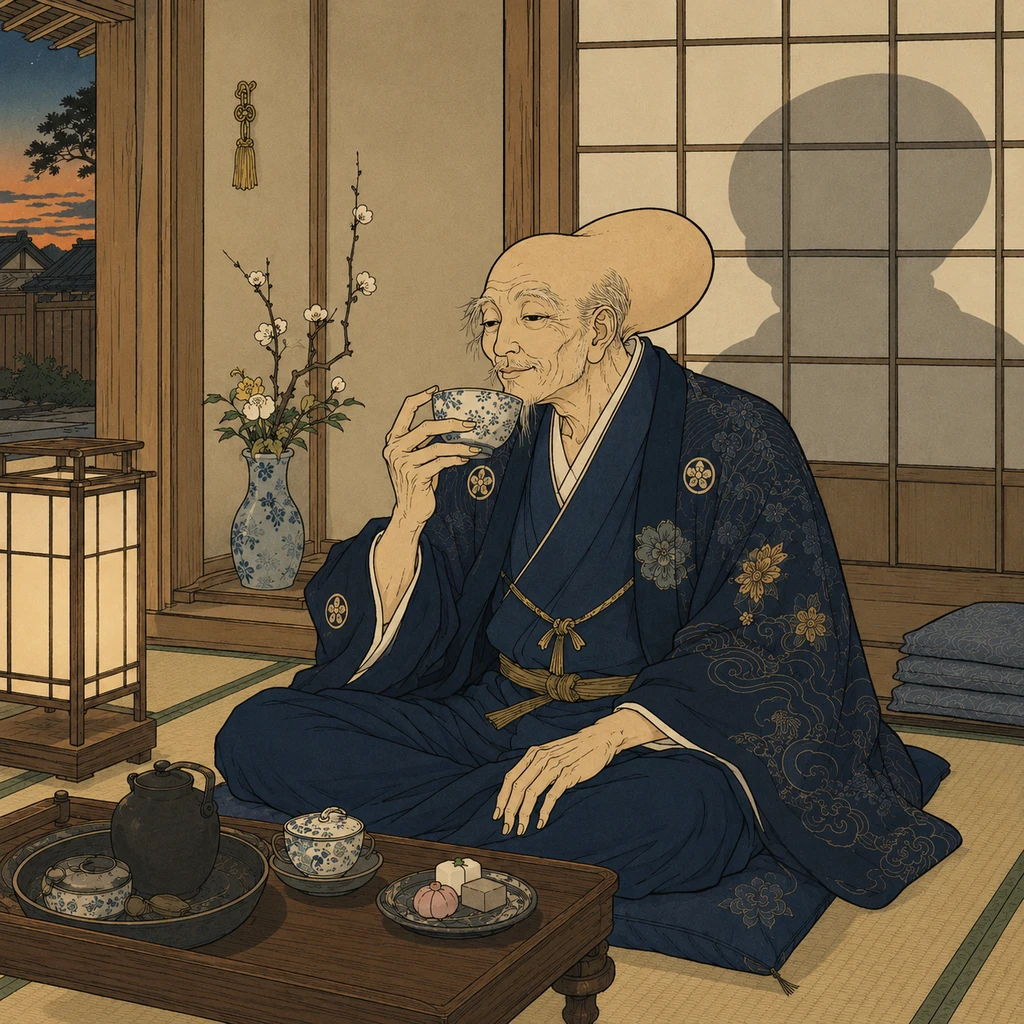
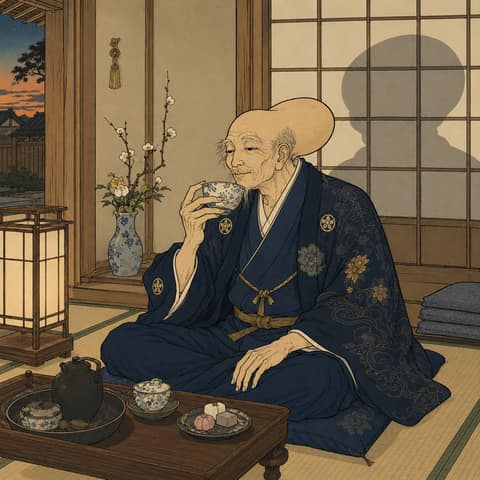
Nurarihyon is a yokai commonly depicted as a bald old man with a large, elongated head, dressed elegantly in a refined kimono or haori jacket. While widely recognized today as the "Supreme Commander of Yokai" (Yokai no Sodaisyo), this persona was actually established through modern media and anime from the Showa to Heisei eras, rather than being rooted in classical folklore. Originally appearing merely as a name and an illustration in Edo-period yokai scrolls, he remained a mysterious entity for a long time, with his true nature, abilities, and actions entirely unknown. Meanwhile, along the Seto Inland Sea coast in Okayama Prefecture (Bisan Seto), there exists an unrelated folk legend of an unidentifiable, spherical sea yokai (a type of Umi-bozu) called "Nuurihyon" . It is generally believed that an Edo-period artist borrowed the comical-sounding name of this local yokai and attached it to the completely unrelated drawing of the "mysterious old man," forming the roots of the modern Nurarihyon. Thus, his name was born in Okayama, while his visual form was crafted by Kyoto and Edo artists—a true hybrid origin. Adapting to the changing times and media landscapes, Nurarihyon underwent arguably the most dramatic evolution and "promotion" in yokai history: from an "unexplained old man," to an "audacious intruder," and ultimately to the "mighty leader of all yokai."

Oni of Hemp Fiber (O-uni)

Oni of Hemp Fiber (O-uni)

Rare

OH-oo-NEE

山の苧束毛の鬼女・苧うに

Mountain & Wilderness SpiritsUncertain (derived from an Edo-period picture scroll)

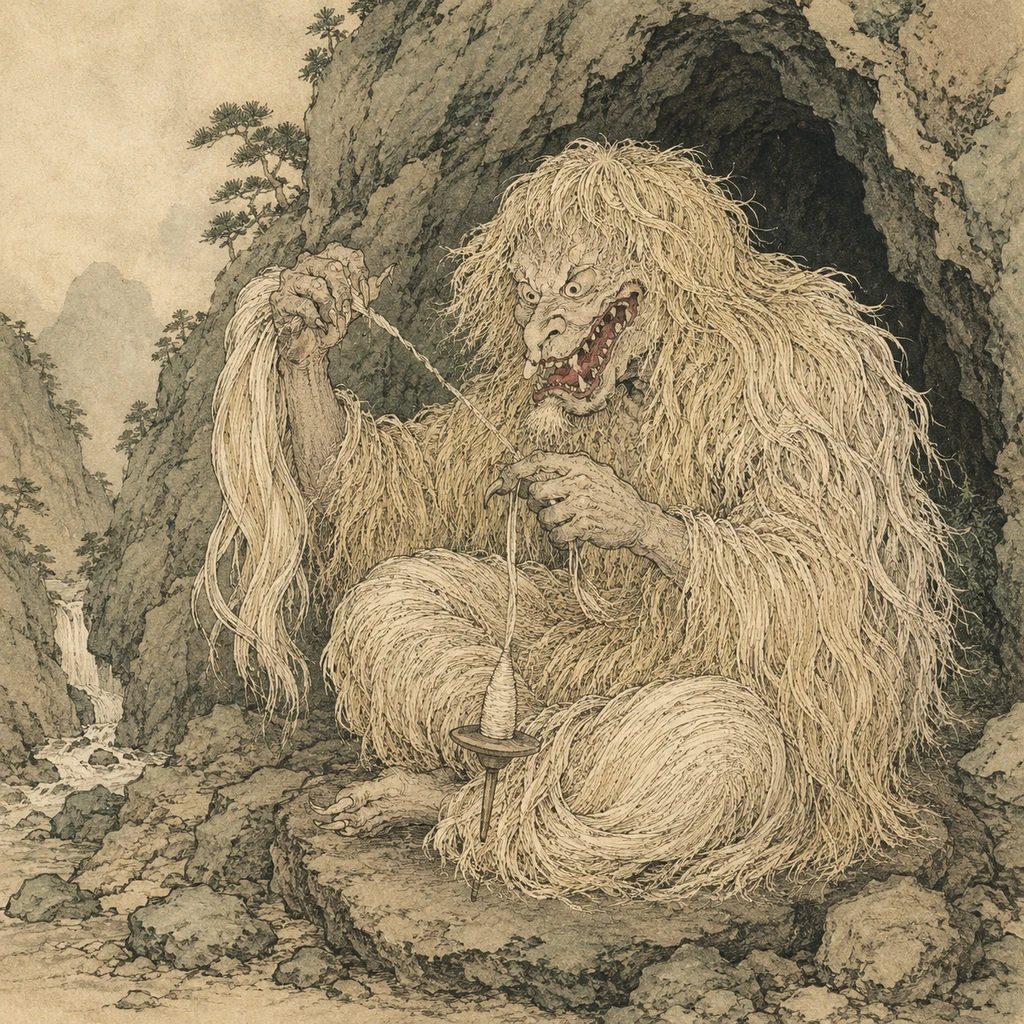
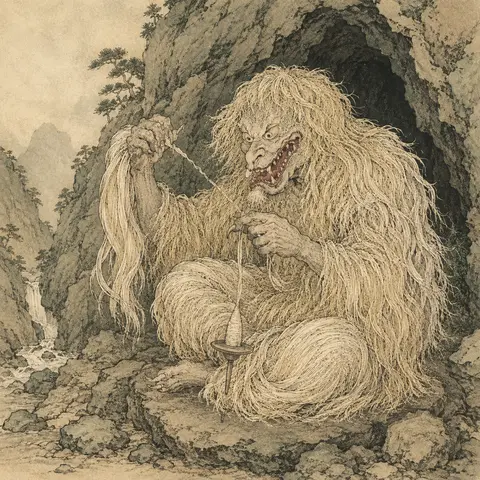
A hairy, ogress-like yokai depicted by Toriyama Sekien in Gazu Hyakki Yagyo. Its mouth is split to the ears, and its entire coat of hair evokes bundles of o (fiber from ramie or hemp), which is thought to be the source of its name. Sekien provided no caption, so its nature is unknown. Similar images appear in earlier scrolls like Hyakkai Zukan under labels such as “wōwō” or “uwan-uwan,” placing it within a visual lineage of related creatures.

Aobōzu (Blue Monk)

Aobōzu (Blue Monk)

Rare

ah-oh-BOH-zoo

山野の一つ目法師・青坊主

General ClassificationsNagano

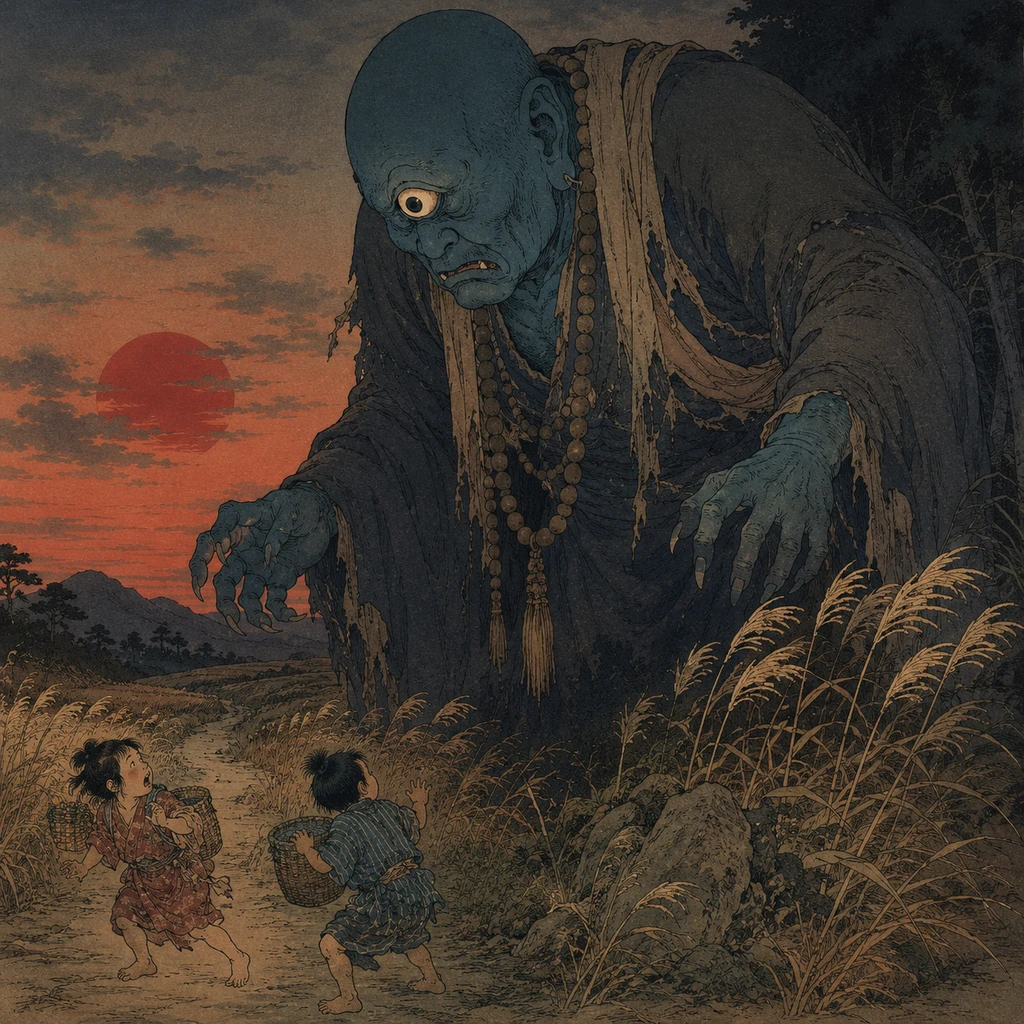
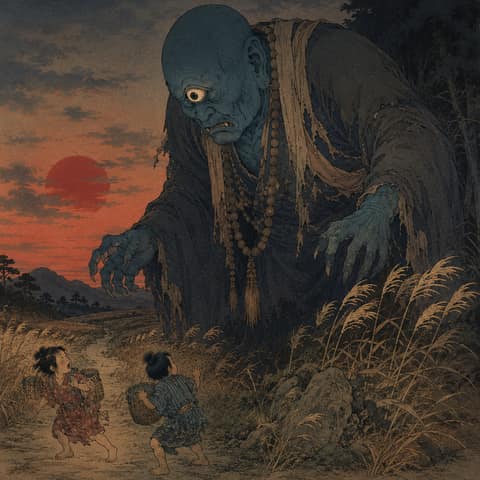
Aobōzu is a catch-all name recorded across Japan for several kinds of yokai; its appearance and nature vary by region. It is often described as a large monk-like figure, a blue-skinned priest, or a one-eyed monk. Toriyama Sekien depicts it in Gazu Hyakki Yagyō without commentary, leaving details uncertain. Traditions range widely, including animal shapeshifters, beings linked to mountain deities, and figures used to warn or discipline children.

Red Tongue

Red Tongue

Epic

AH-kah-shah

水門上の黒雲大舌・赤舌

General ClassificationsVarious regions of Japan (sources uncertain)

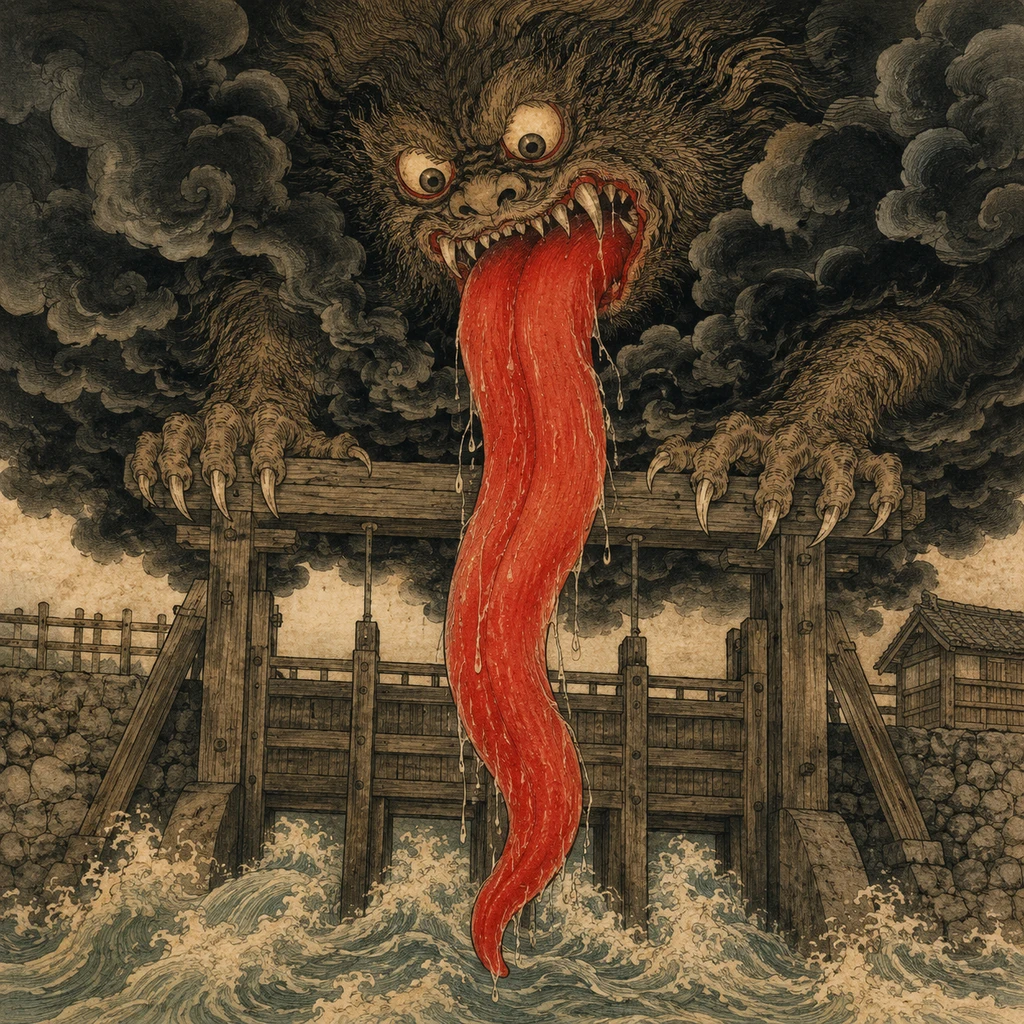
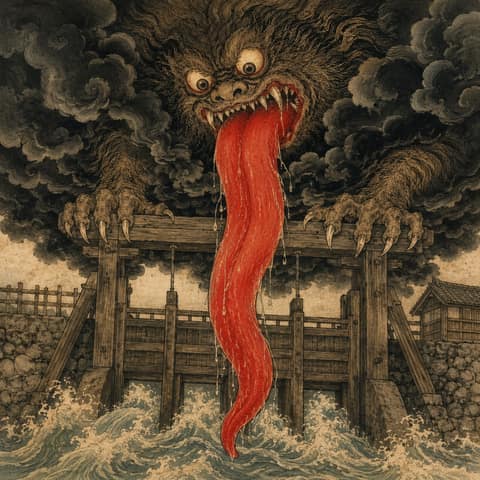
A yokai name found in Edo-period picture scrolls and board games. It is typically depicted as a hairy face emerging from dark clouds, with a huge tongue and clawed hands. Full-body depictions and clear traits are not recorded. In Toriyama Sekien’s Gazu Hyakki Yagyō it appears above a sluice gate, but without commentary. The name also occurs in contemporary picture-sugoroku like Jikkai Sugoroku and in Hyakki Yagyō emaki. A similar motif titled “Red Mouth” appears in various scrolls. Scholars have suggested links to Onmyodo deities Akashita or the calendrical Akashita day, but no proof exists.

Nuppefuhofu

Nuppefuhofu

Epic

NOOP-peh-FOH-hoh-foo

一頭身の皺肉塊・ぬっぺふほふ

General ClassificationsJapanese folklore

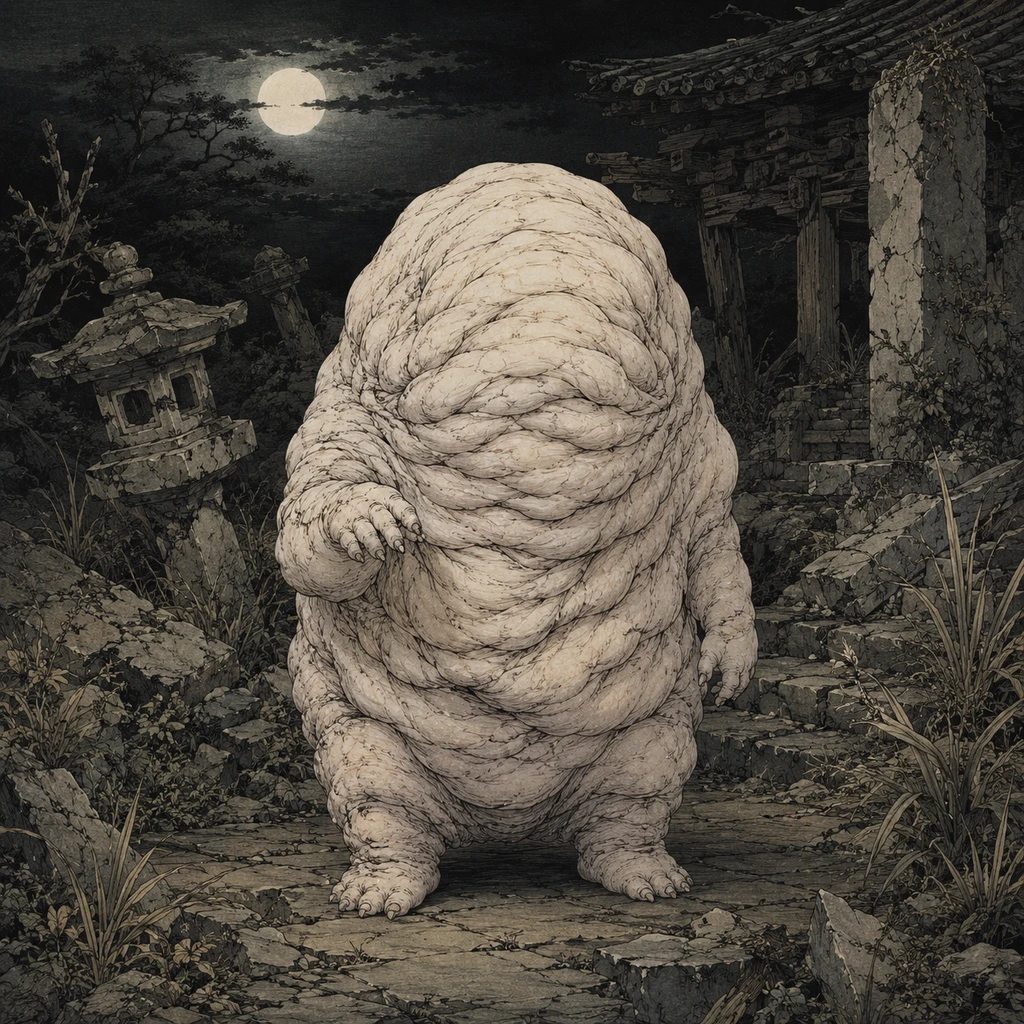
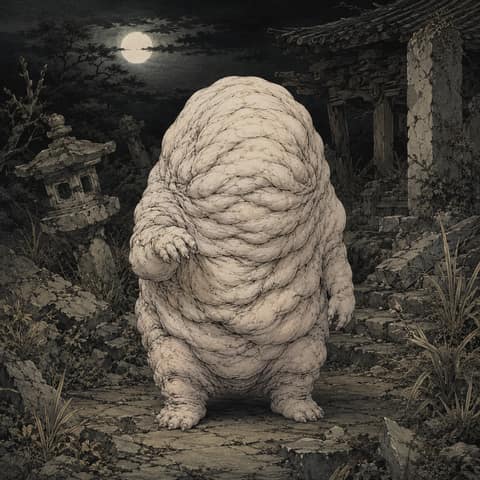
A yokai depicted in Edo-period picture scrolls such as Gazu Hyakki Yagyō and Hyakkai Zukan as a one-headed, sagging mass of flesh. Its face and body blur together, sometimes shown without eyes, nose, or ears. Owing to the name and descriptions, it is often mentioned as an archaic form or kin of the faceless noppera-bō, but its nature and origins remain unclear. The scrolls provide a name and image with little to no commentary.

Ushioni

Ushioni

Legendary

OO-shee OH-nee

牛頭蜘蛛体の海鬼・牛鬼

Animal ShapeshifterEhimeKochi

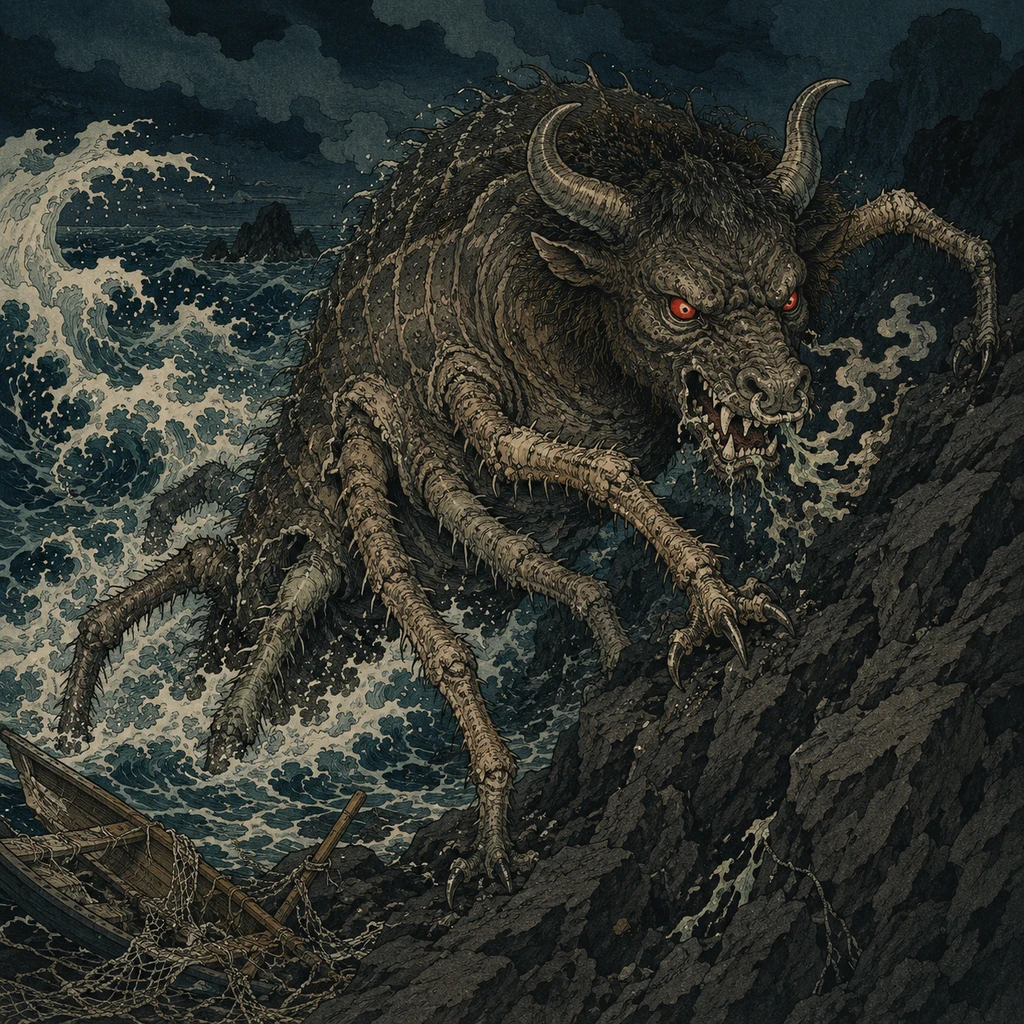
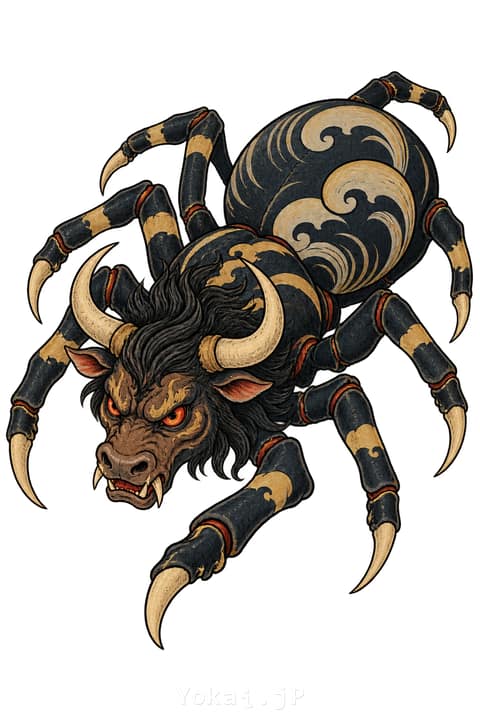
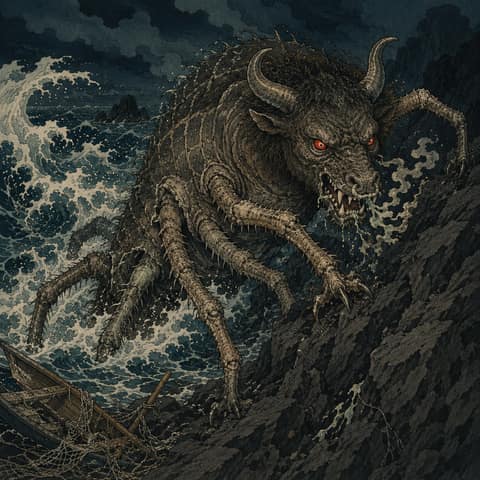
Ushioni (牛鬼) is a highly ferocious yokai with immense spiritual status, primarily said to appear on the coasts, in deep pools, and in the mountainous regions of western Japan. Its appearance is depicted in various grotesque forms, such as "a demon's body with a cow's head" or "a spider's body with a cow's head." Long ago, it was singled out as a "terrifying thing" in the Heian-period *The Pillow Book* (Makura no Sōshi), and has been deeply feared by people since ancient times. Its true nature lies in its extreme duality (the two-sidedness of good and evil): on one hand, it is a "cruel evil demon and god of plague" that indiscriminately devours humans and scatters poisonous miasma; on the other hand, it acts as a "powerful guardian deity" that leads portable shrines in festivals to exorcise evil spirits. It is an extremely important yokai in folklore studies, having evolved from a supernatural anomaly in literature to an object of regional folk belief and performing arts.

Uwan

Uwan

Epic

OO-wahn

廃屋でうわんと叫ぶ・うわん

Household SpiritsJapanese folklore

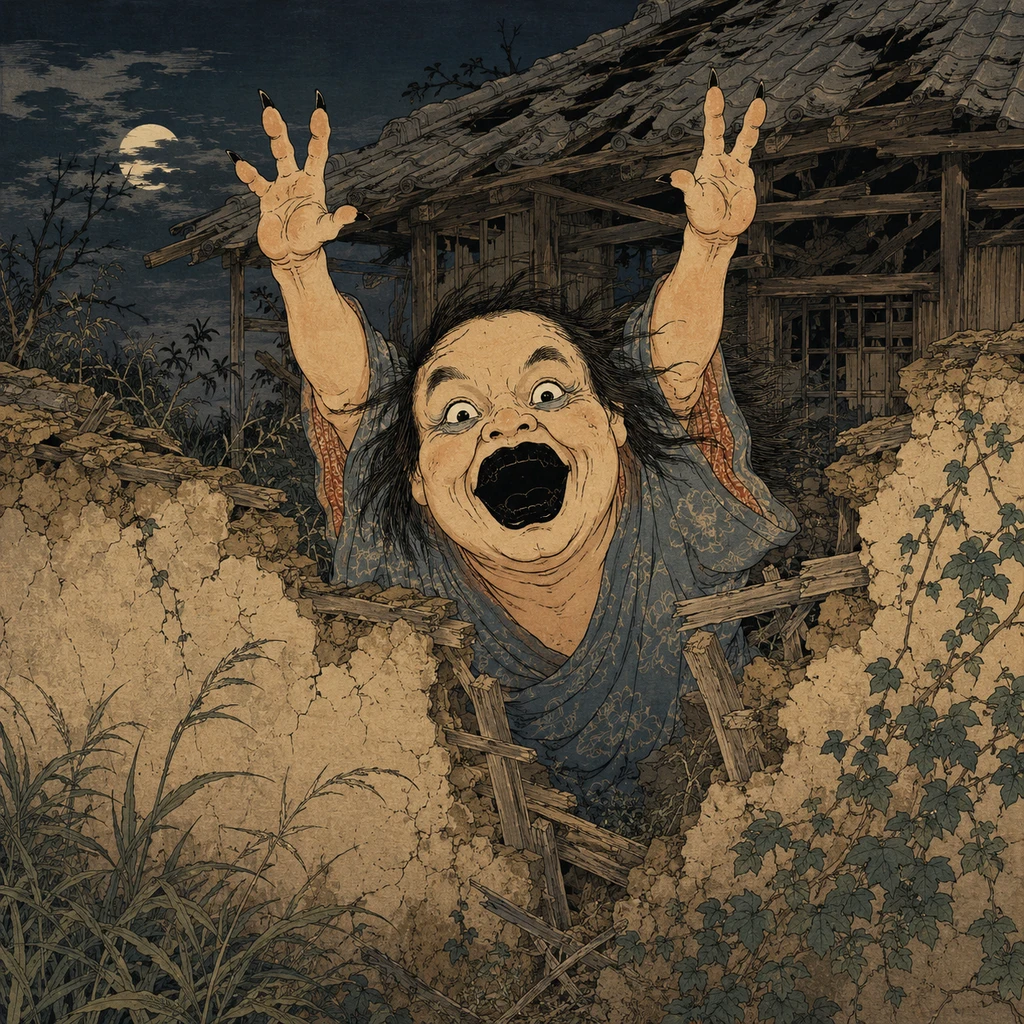
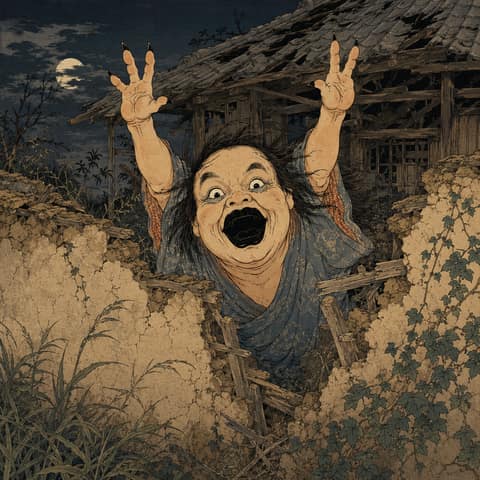
The Uwan is a yokai of uncertain identity found in Edo-period yokai art. In works like Sawaki Suushi’s Hyakkai Zukan and Toriyama Sekien’s Gazu Hyakki Yagyō, it appears as a humanlike figure with blackened teeth, both hands raised, startling people with its voice. With no attached notes, its origins are unknown, but backgrounds of estate walls or ruined houses suggest it haunts residences. Some point to its three-fingered hands as hinting at demonic nature, though this is not established.

Ubume (Ghost of a Dead Mother)

Ubume (Ghost of a Dead Mother)

Epic

OO-boo-meh

赤子を抱く産死女・産女

Ghosts & SpiritsVarious regions of Japan (especially Tōhoku, Kantō, and Kyūshū)

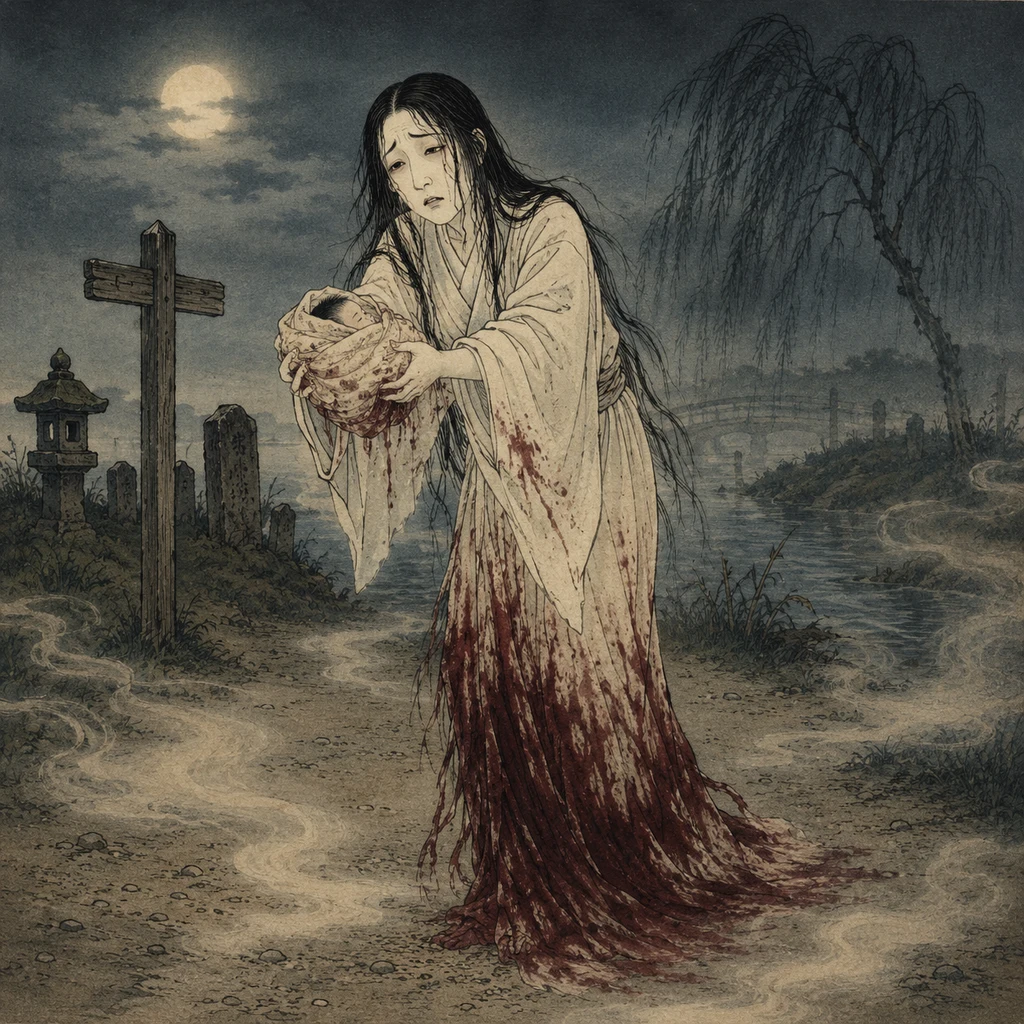
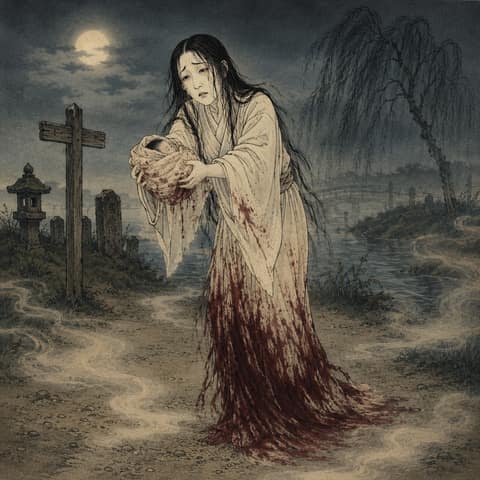
Ubume is the ghost of a woman who died in childbirth or from puerperal fever. She appears at night wearing a blood-stained waist cloth, cradling an infant, and stands along dark roads. She is said to press the baby into the arms of passersby and then vanish—or pursue them. Related tales appear as early as Konjaku Monogatari, and later in Edo-period works like Hyaku Monogatari Hyōban, Kii Zōdanshū, and Wakan Sansai Zue. Ubume also merged with child-granting and safe-delivery cults, becoming embedded in temple and shrine legends.

House Groans (Yanari)

House Groans (Yanari)

Epic

yah-NAH-ree

家鳴る屋内の怪・家鳴

Household SpiritsVarious regions of Japan

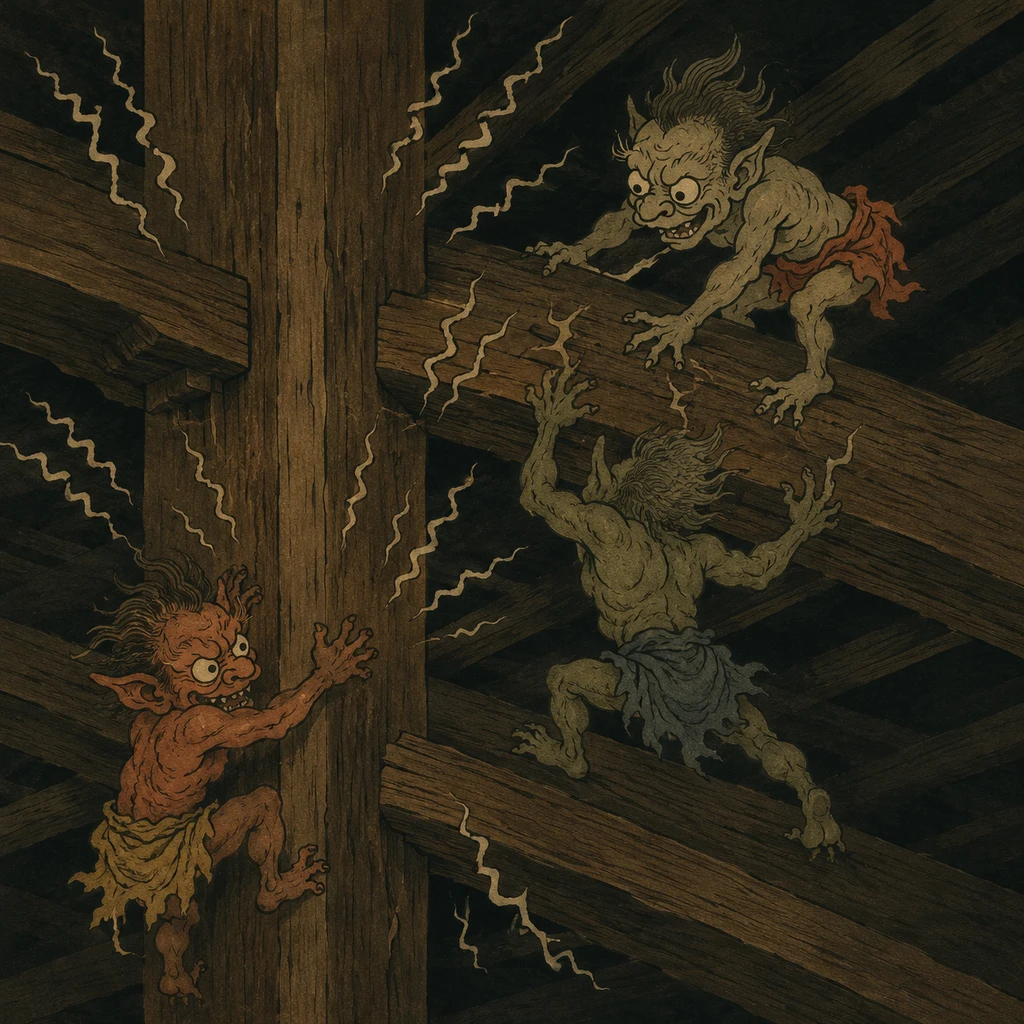
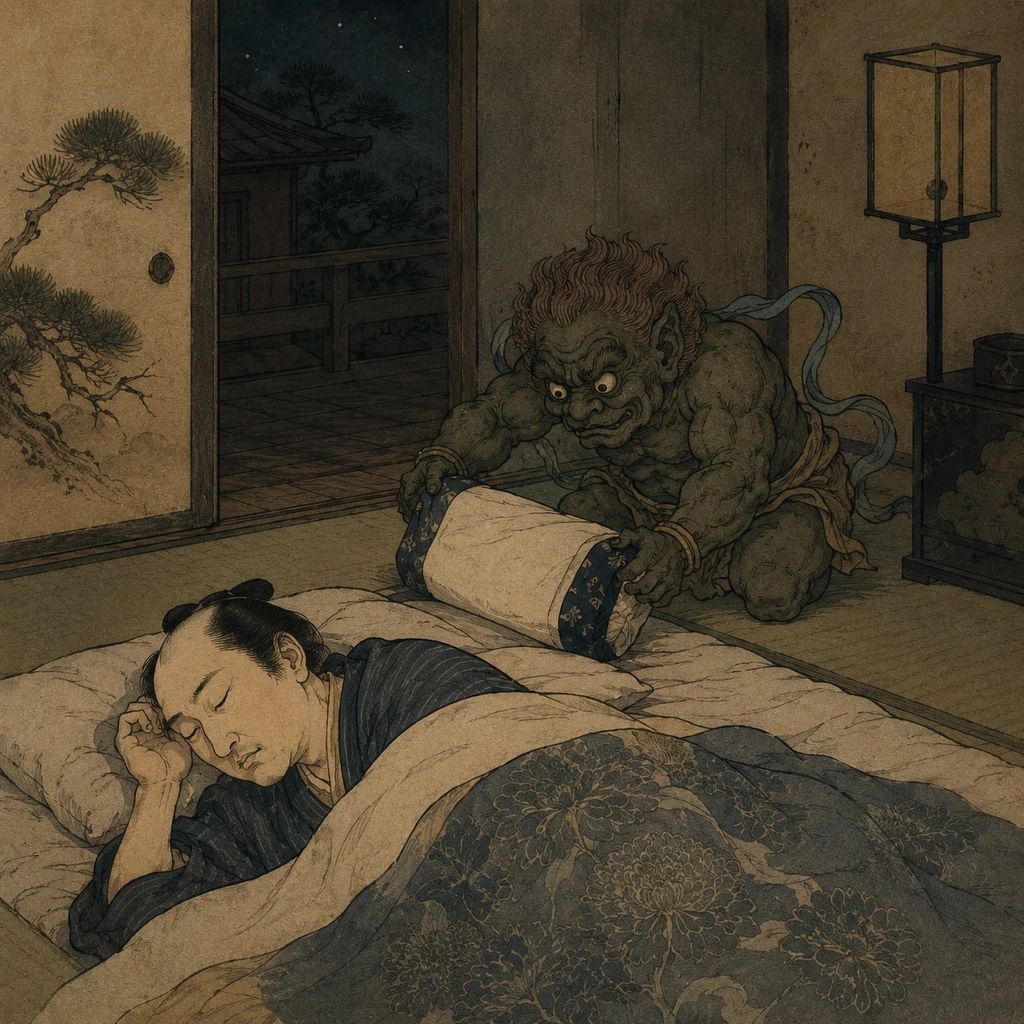
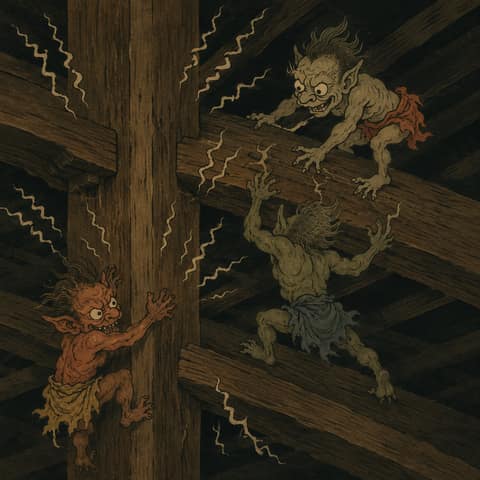
Yanari is a catchall term for uncanny creaks, tremors, and noises that seem to come from houses and furnishings for no apparent reason. Older records note ominous rumblings from hearths, storehouses, and armories, often read as ill omens. Picture scrolls personify it as little goblins shaking a house, but lore usually leaves the cause unexplained. Explanations vary by region—angry spirits, beast spirits, or a house deity’s mood—and it is said to occur most often around midnight to the Hour of the Ox.
Tesso

Tesso

Uncommon

TEH-soh

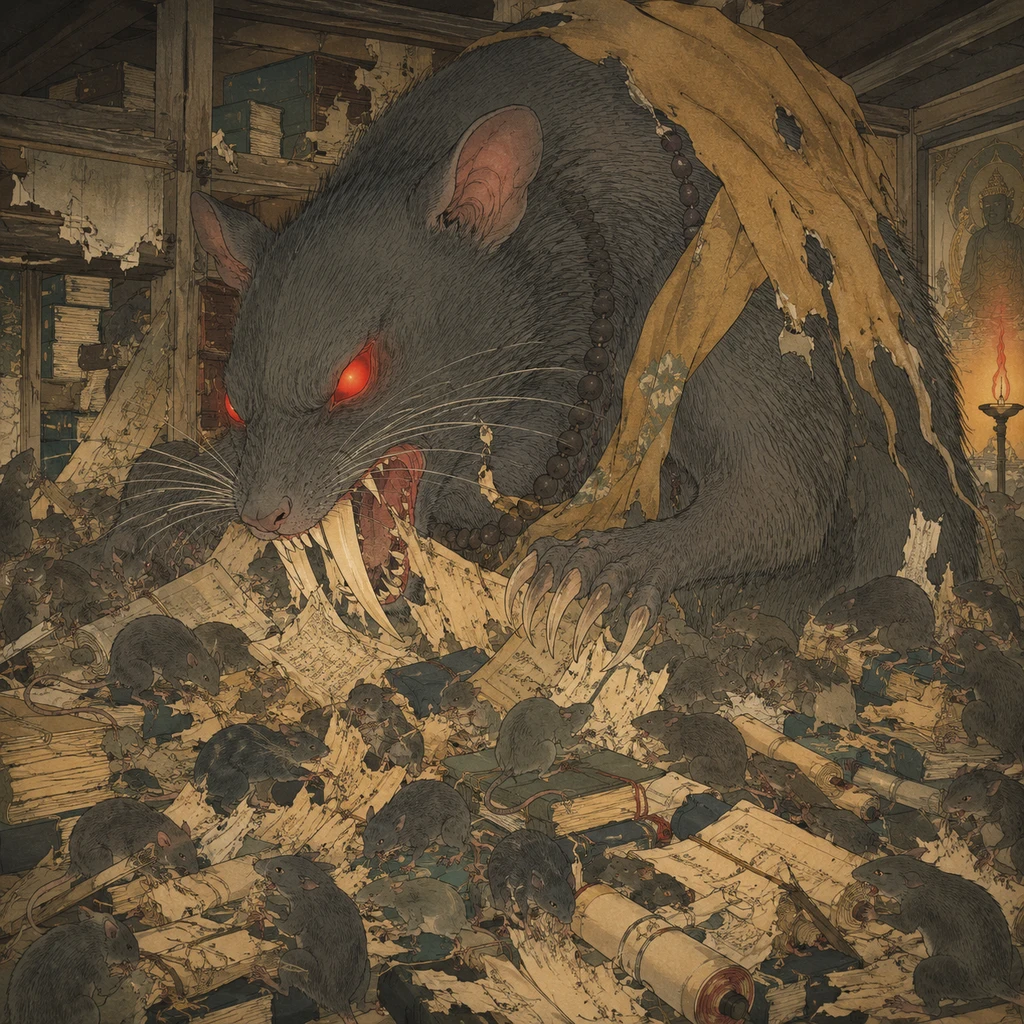
三井寺の経食む大鼠・鉄鼠

Ghosts & SpiritsShiga

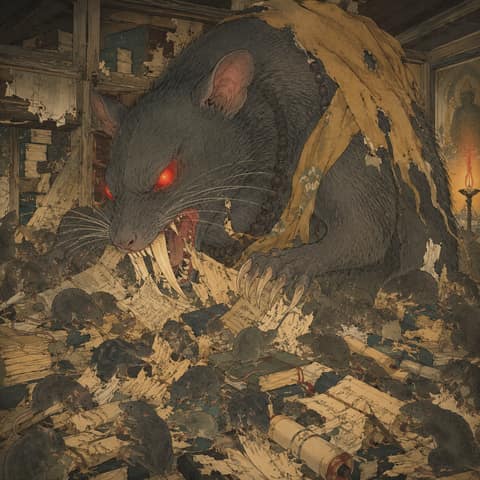
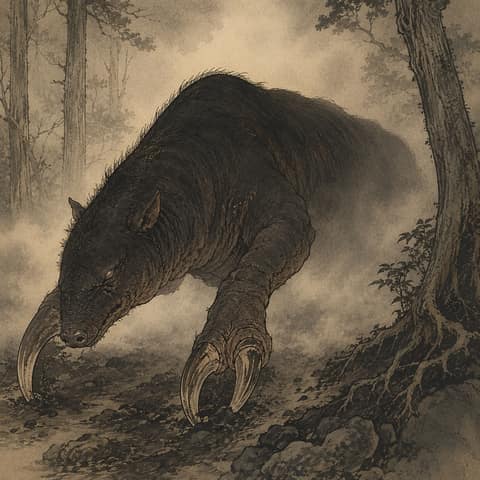
Tesso is a yokai said to be the vengeful spirit of the monk Raiyō from Onjōji (Miidera), which took the form of a giant rat. Framed by the rivalry between Enryakuji and Miidera, it is depicted as a massive rat that gnaws through sutras and Buddhist images. The name “Tesso” comes from Toriyama Sekien’s Illustrated Night Parade of a Hundred Demons; older sources call it Raiyō’s Rat or the Miidera Rat. The tale blends a grudge-ghost narrative with folk fears of rat damage, and memorial rites linger at shrines and temples around Mount Hiei and Ōtsu.
Jorōgumo (Enchanting Spider)

Jorōgumo (Enchanting Spider)

Legendary

jo-ROH-goo-moh

滝壷の美女・絡新婦

Animal ShapeshiftersShizuokaNagano

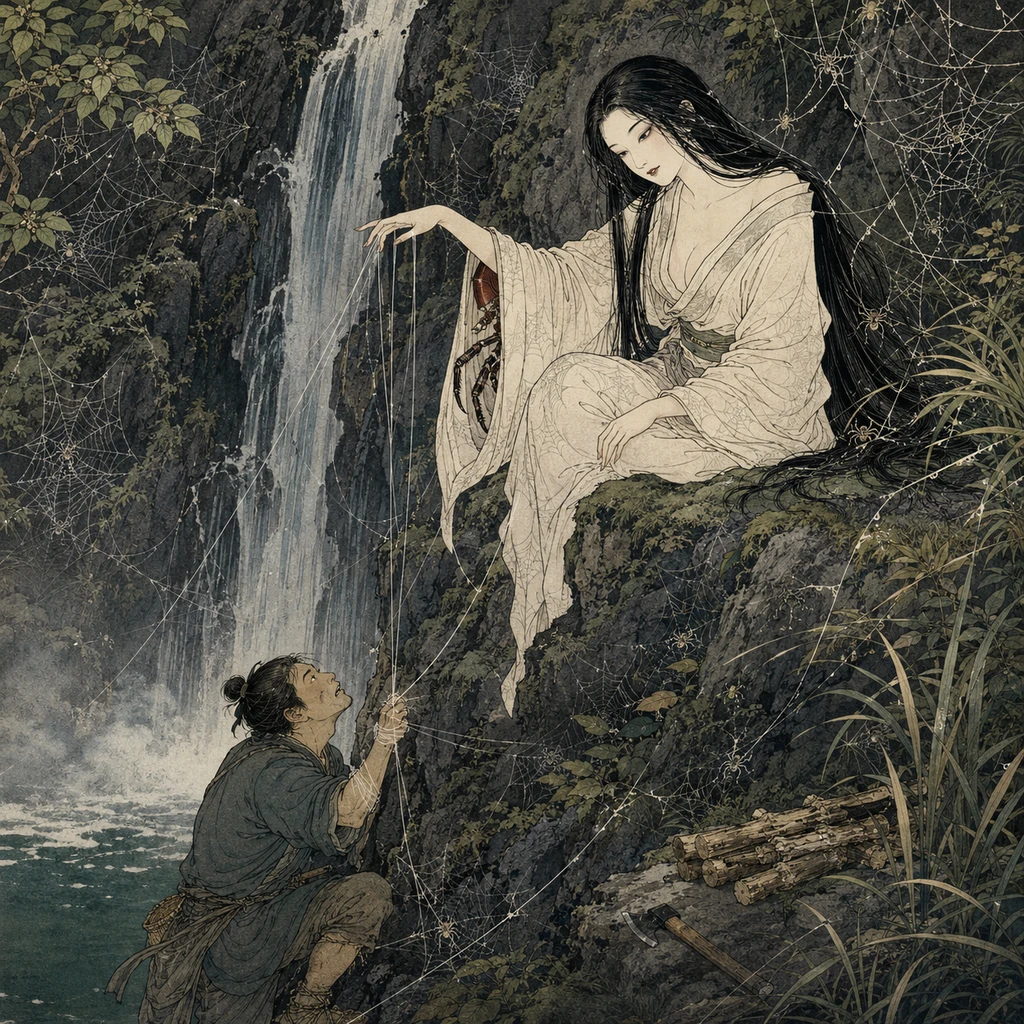
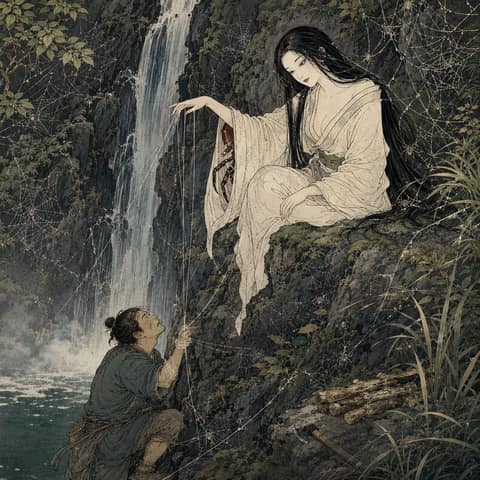
Jorōgumo is a giant spider yokai that takes the form of a beautiful woman to lure victims. The name appears in Edo-period curiosities and picture scrolls; Toriyama Sekien depicts her as a woman attended by spiderlings. She entices people back to her lair, ensnares them with silk, weakens them, and devours them. Many tales unfold at liminal places—waterfalls, pools, and abandoned houses on the edge of villages—and when unmasked, she flees into rafters or crevices in the rocks.

Otoroshi

Otoroshi

Epic

oh-toh-ROH-shee

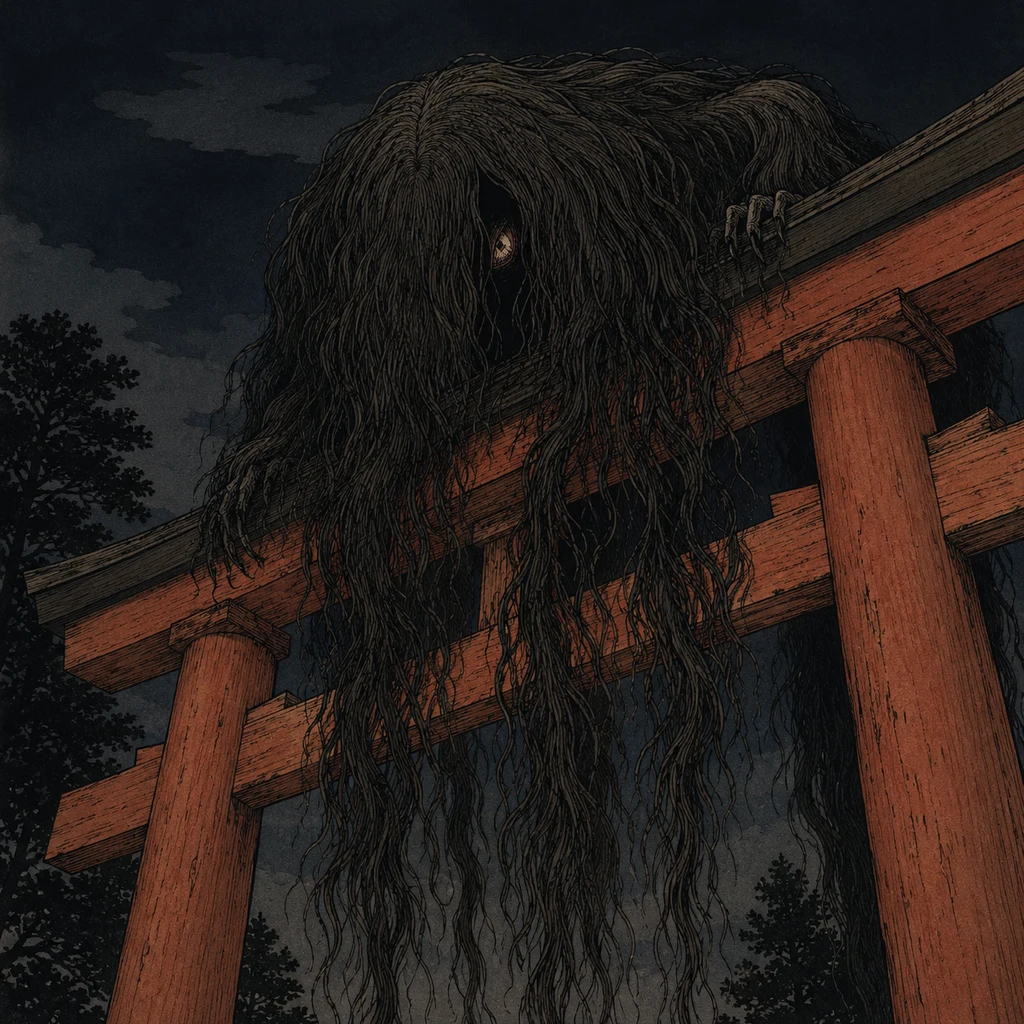
前髪に顔覆う・おとろし

総称・汎称Unknown

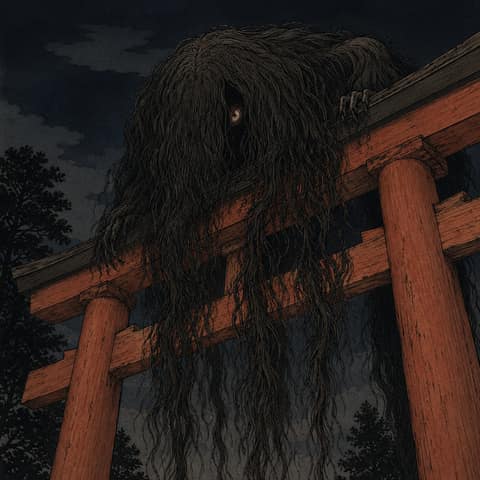
A name found in Edo-period yokai picture scrolls, depicted as a figure shrouded in long hair with its face hidden by bangs. It appears in works like Sawaki Suushi’s Hyakkai Zukan and Toriyama Sekien’s Gazu Hyakki Yagyo, but offers virtually no accompanying text; its nature and origins remain unclear. Spellings vary—such as “Odoro-odoro” or “Ke-ippai”—suggesting a play on the sense of dread and wild, disheveled hair.