Foxes: Animals Before Yōkai
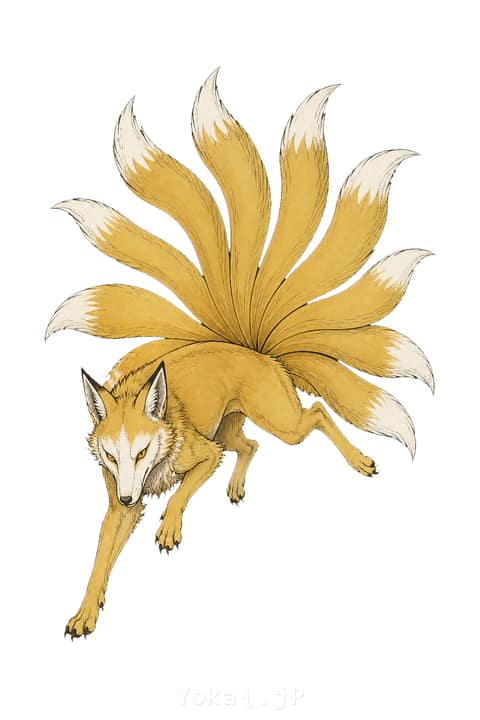
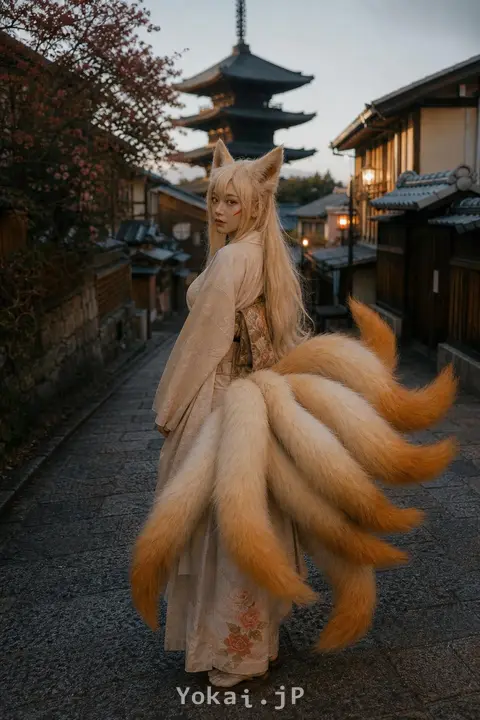
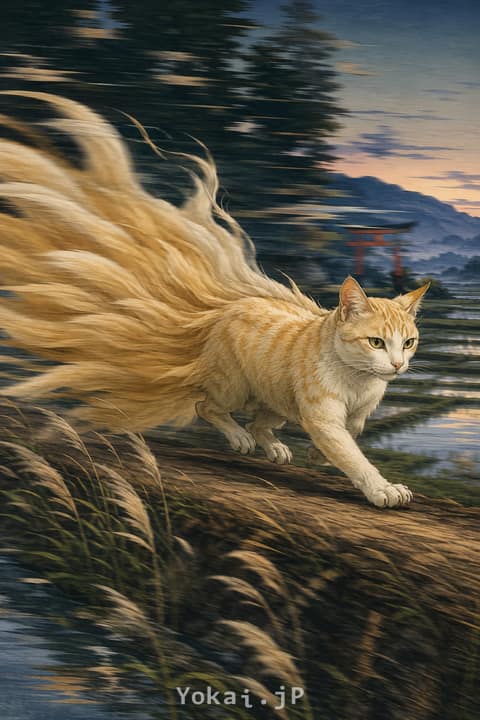
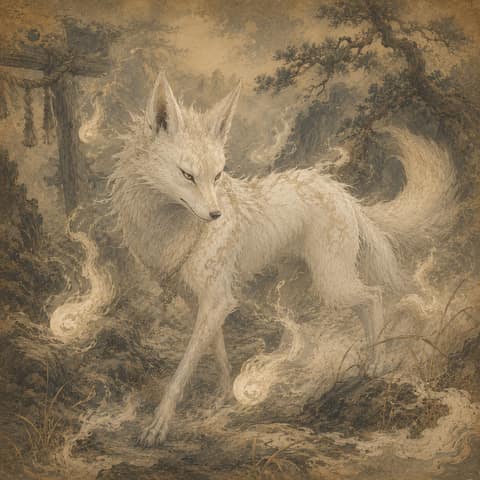
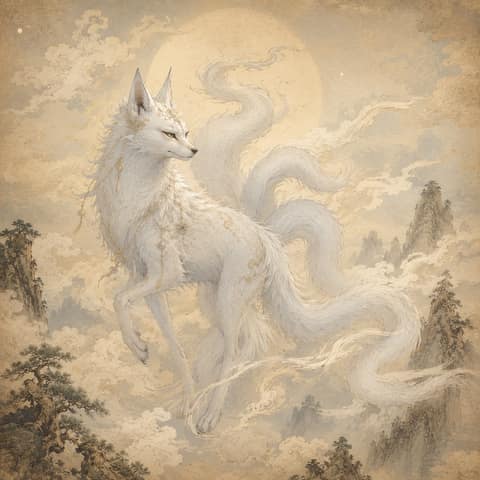
Foxes live in fields and at the foothills of mountains. They cry out in the night and vanish into the brush almost as soon as they are seen. Because they live so close to human settlements yet remain elusive, tales emerged of their mystical abilities to take human form, cast illusions, and foresee the future. The enduring appeal of fox folklore does not come from a single, unified "fox yōkai" archetype, but rather from the overlapping layers of their identities: as wild animals, devoted family members, divine messengers, possessing spirits, and theatrical characters.
On this page, we will not rank all foxes into a rigid hierarchy leading up to the Nine-Tailed Fox. Titles like "Tenko" (Heavenly Fox) or "Kūko" (Void Fox) were not universal ranks fixed since ancient times; rather, their meanings shifted across various essays and religious texts in the early modern period. By examining the origins and local contexts, we will explore how foxes wove their way into the human world.
Yako: The Tricksters of the Fields, Foxfire, and Phantom Processions
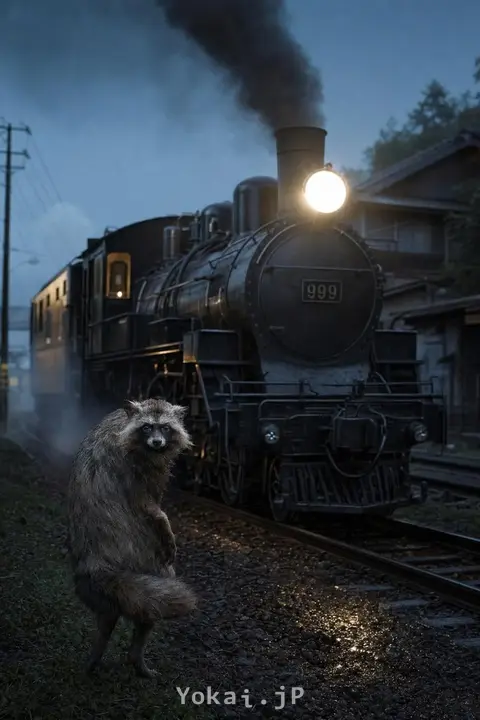
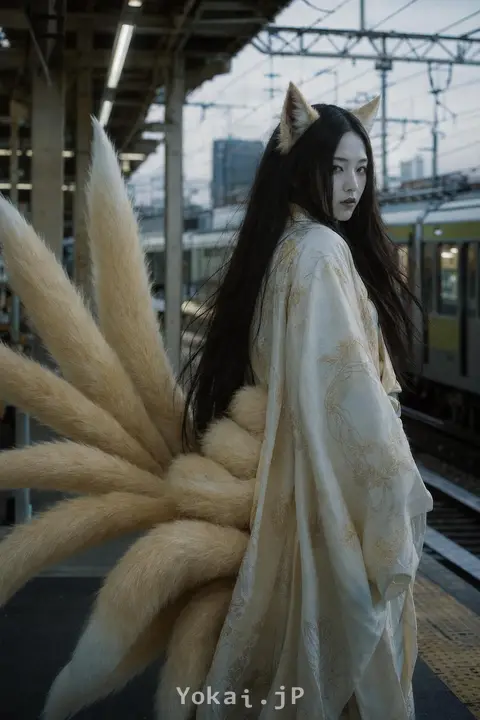
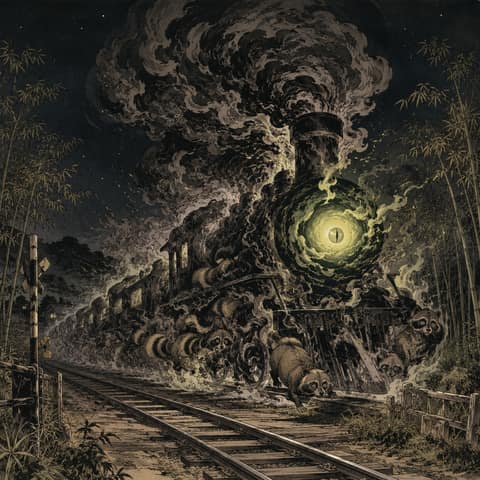
"Yako" (field foxes) is a term used for foxes that trick humans near villages. Tales of foxes leading travelers astray, borrowing the faces of acquaintances, or manifesting ghostly lights resembling wedding processions are found across Japan, often overlapping with the shapeshifting lore of tanuki (raccoon dogs). Even modern rumors of phantom trains appearing on night roads are examples of how the ancient shapeshifting abilities of foxes and tanuki were adapted to explain the arrival of the railway.

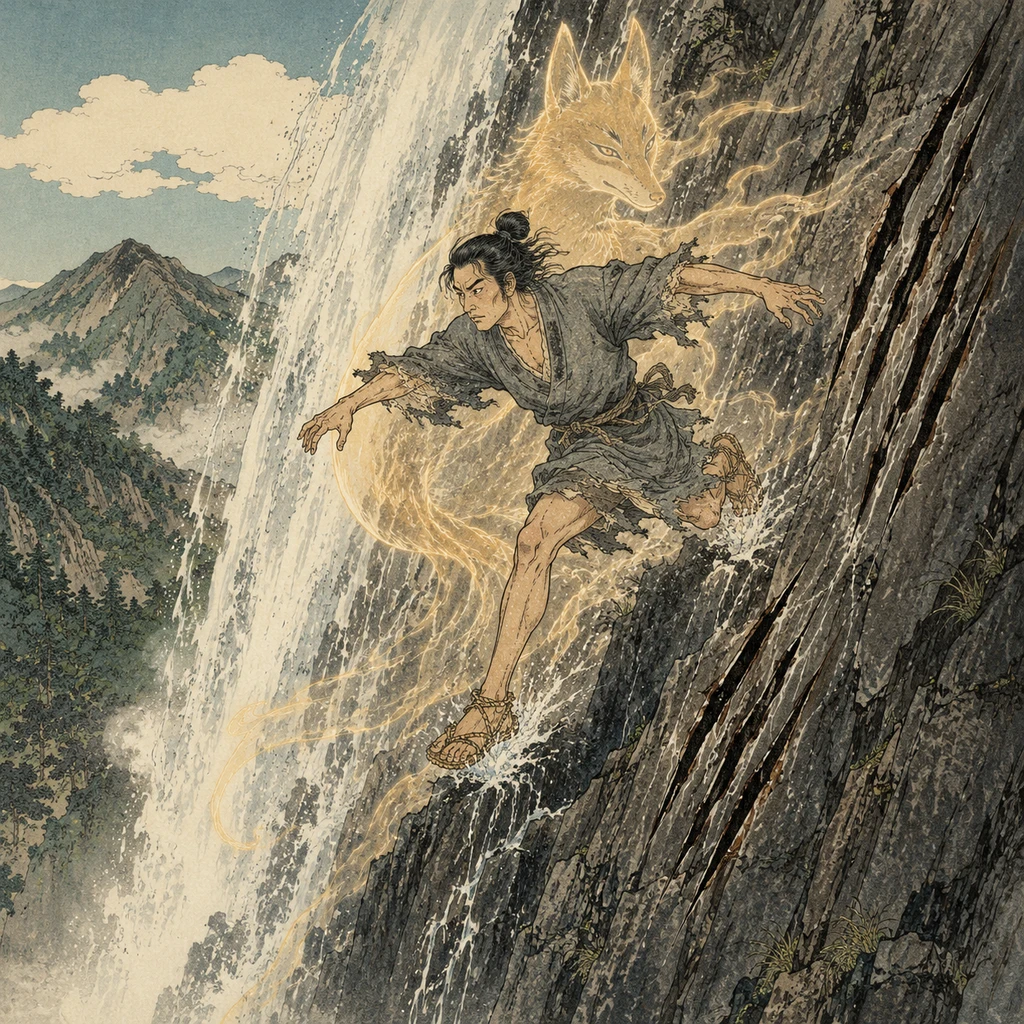
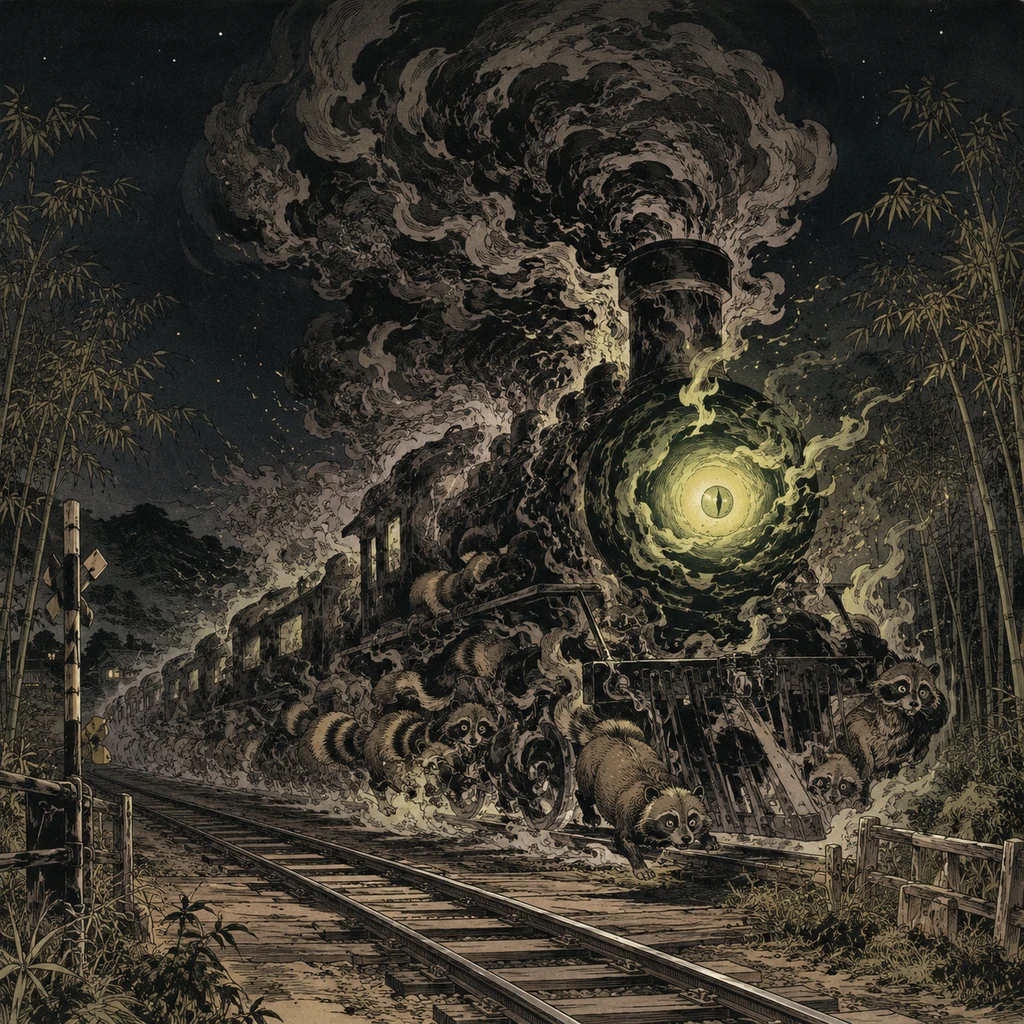
A regionally specific name like the "Tamehachi-gitsune" cannot be applied to the nature of all foxes nationwide. As seen in regional folklore records[1], the strange phenomena caused by foxes, the methods to counter them, and how they are perceived vary greatly from place to place.
The Fox Wife: Kuzunoha and Tales of Interspecies Marriage
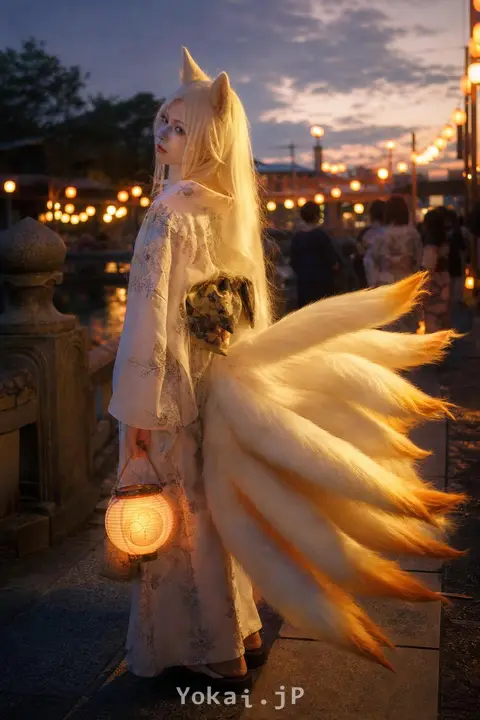
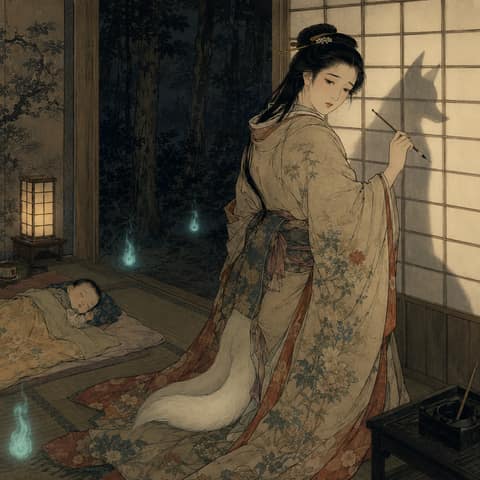
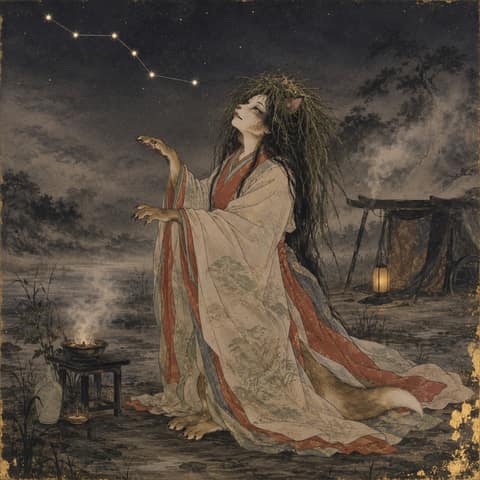
Kuzunoha is famous from a widely known tale: a rescued fox transforms into a woman, becomes the wife of Abe no Yasuna, and bears him a child. After her true identity is revealed, she leaves behind a poignant poem—"If you love me, come and seek me in the Shinoda woods of Izumi, the sorrowful Kuzunoha"—before returning to the forest. This scene became deeply beloved in Jōruri (puppet theater) and Kabuki.
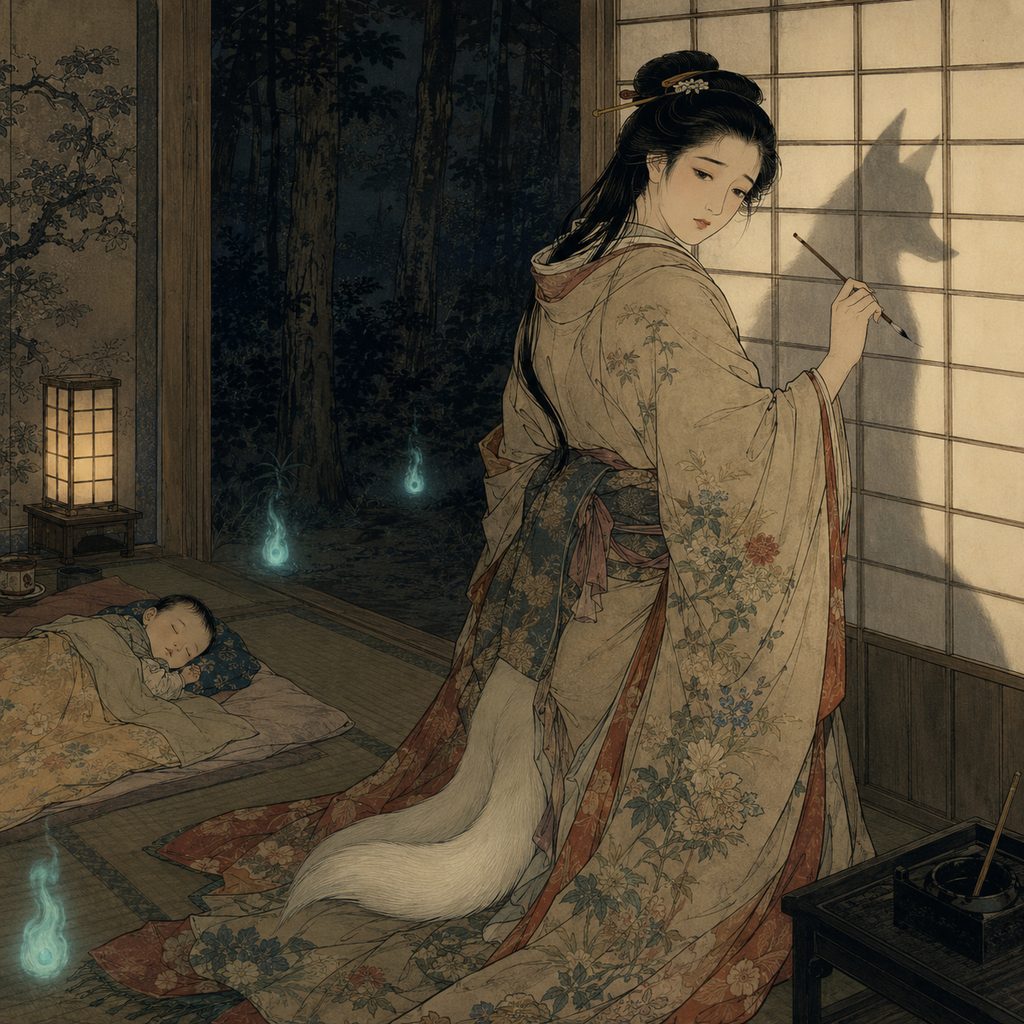

The fox wife is not always a seductress destined to ruin men. She supports the household and loves her child, yet must ultimately face separation because the boundary between human and beast cannot be bridged. Her shapeshifting is a deception, but it is also the necessary guise for an otherworldly being to live among humans.
The Demonic Fox of the Court: Tamamo-no-Mae and the Nine-Tailed Fox
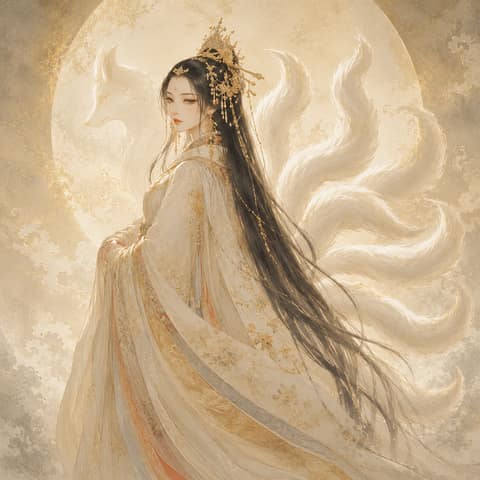
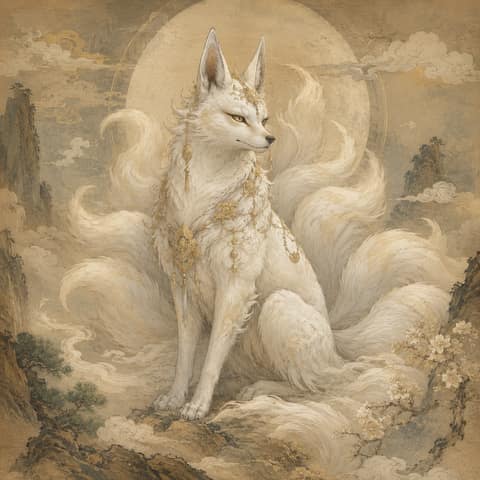
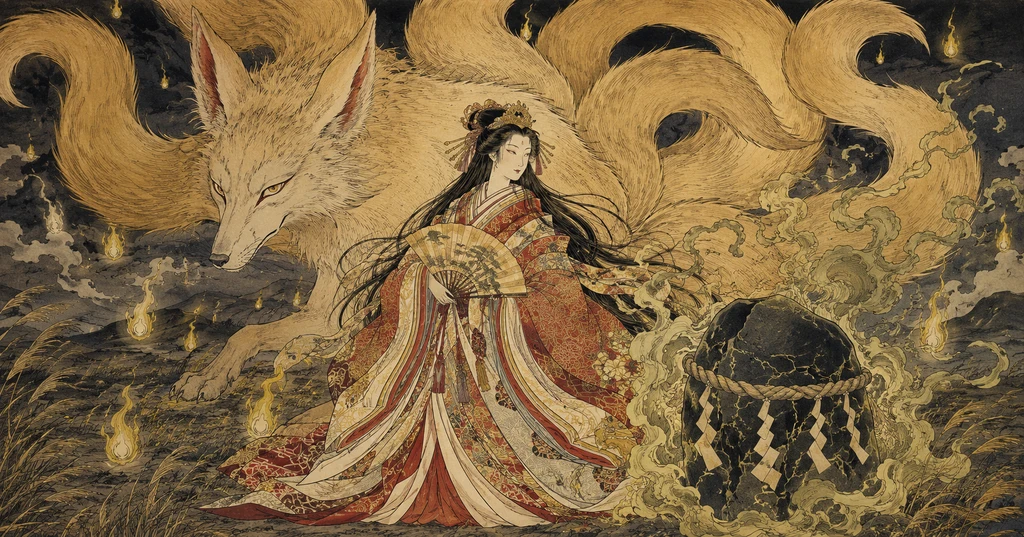
Tamamo-no-Mae appeared as a woman of unparalleled beauty and intellect, favored by Emperor Toba, before her true form was exposed by an Onmyōji. She was hunted down in Nasuno and transformed into the Sesshō-seki (Killing Stone). However, she was not always explicitly described as "nine-tailed" in the early stages of the legend. As shown by research tracing the evolution of her image[2], her current, widely recognized form was shaped over time, heavily influenced by Chinese nine-tailed fox imagery, theater, and literature.


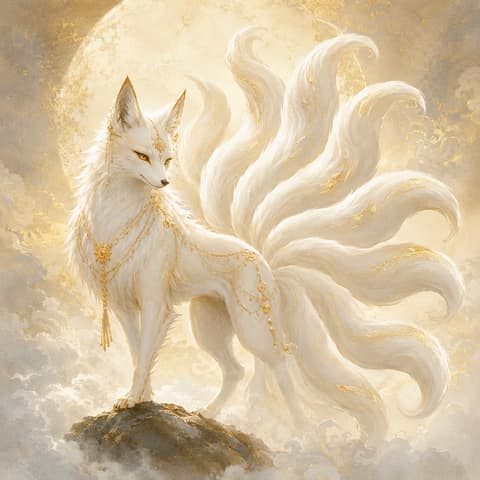
The Nine-Tailed Fox also appears in Chinese classics, possessing both auspicious and calamitous aspects. The idea that all Japanese foxes evolve to gain nine tails over time is a modern synthesis, not an ancient, unified system.
The Fox Disguised as a Monk: Hakuzōsu and the Play 'Tsurigitsune'
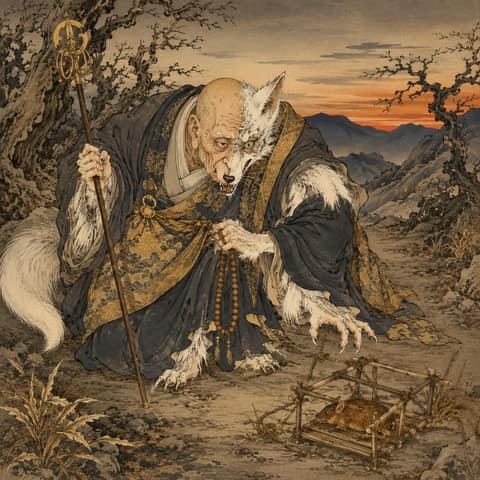
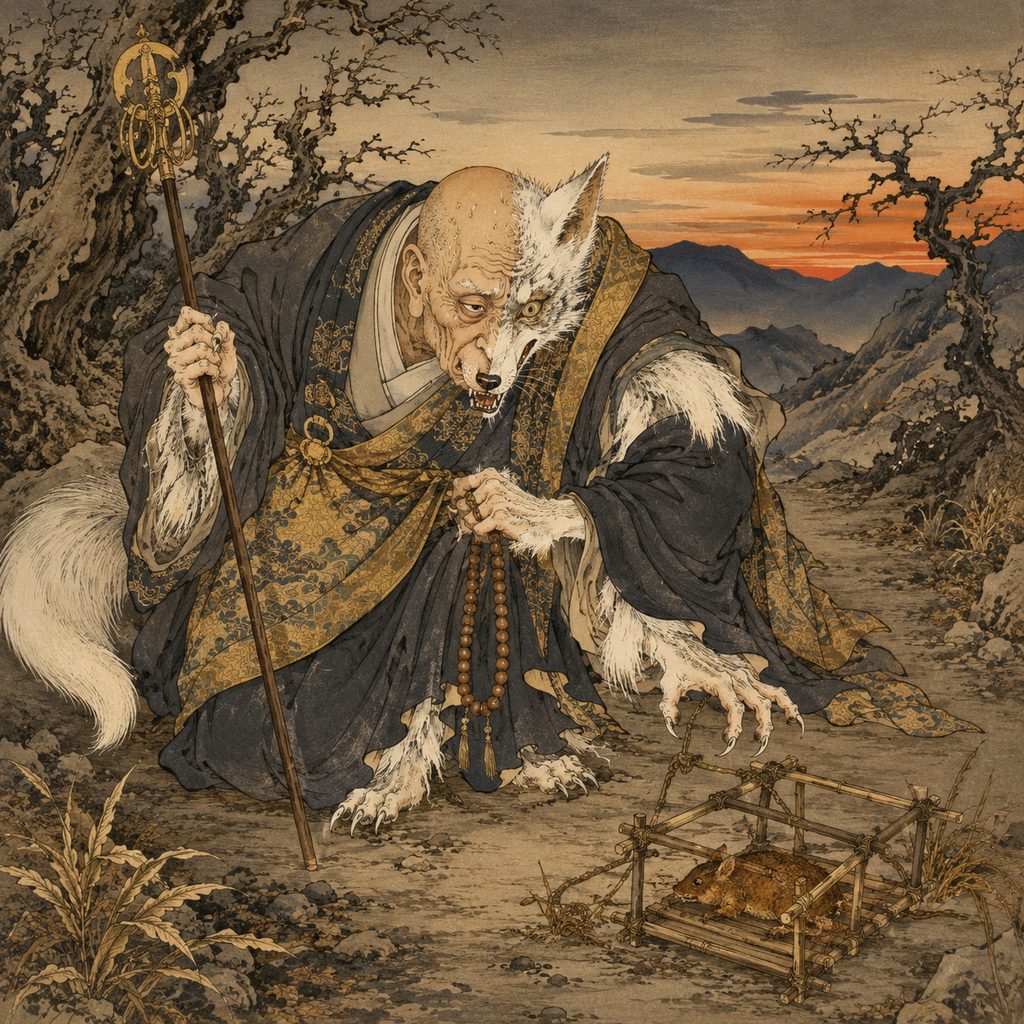
Hakuzōsu is an old fox who disguises himself as a monk to persuade a hunter to stop killing foxes. Believing his sermon was successful, he lowers his guard and pounces on a rat used as bait, revealing his true nature. This plot drives the tension and humor in the Kyōgen play *Tsurigitsune* (Fox Trapping). As noted in the Cultural Digital Library's play commentary[3], the boundary between human and fox is masterfully expressed on stage through masks, posture, and movement.

The "Bake-no-kawagoromo" (Shapeshifting Fur Robe) is a tsukumogami (tool yōkai) drawn by Toriyama Sekien, depicting a robe made of fox fur that has become a monster. While its origins differ from legends of living foxes, it serves as a strong visual metaphor for the core themes of fox lore: "wearing a skin" and "changing one's identity."
Tiny Familiars: Kuda-gitsune and Osaki-gitsune
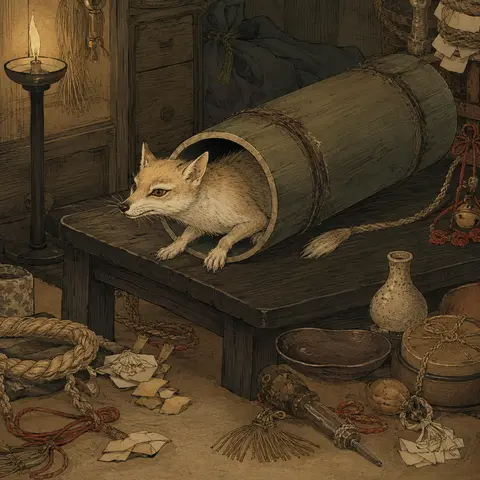
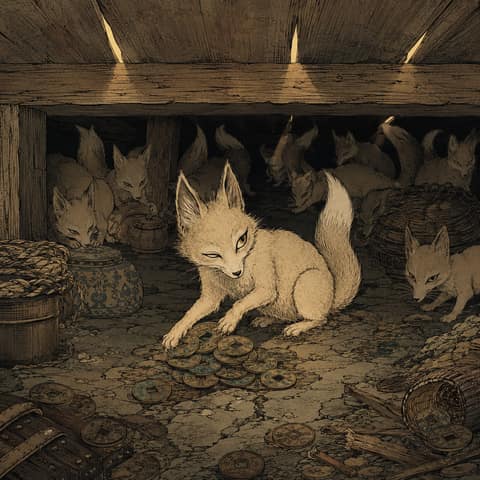
The Kuda-gitsune (Pipe Fox) is described as a tiny fox-like creature, small enough to fit inside a bamboo tube, and is often featured in tales of sorcerers who command them. The Osaki-gitsune is a possessing spirit known in the Kantō and Chūbu regions, but its appearance, origins, and relationship with family lineages vary by locality. While they bring wealth, they are also inherited within families, leading to a history of discrimination against households deemed "fox-possessed."
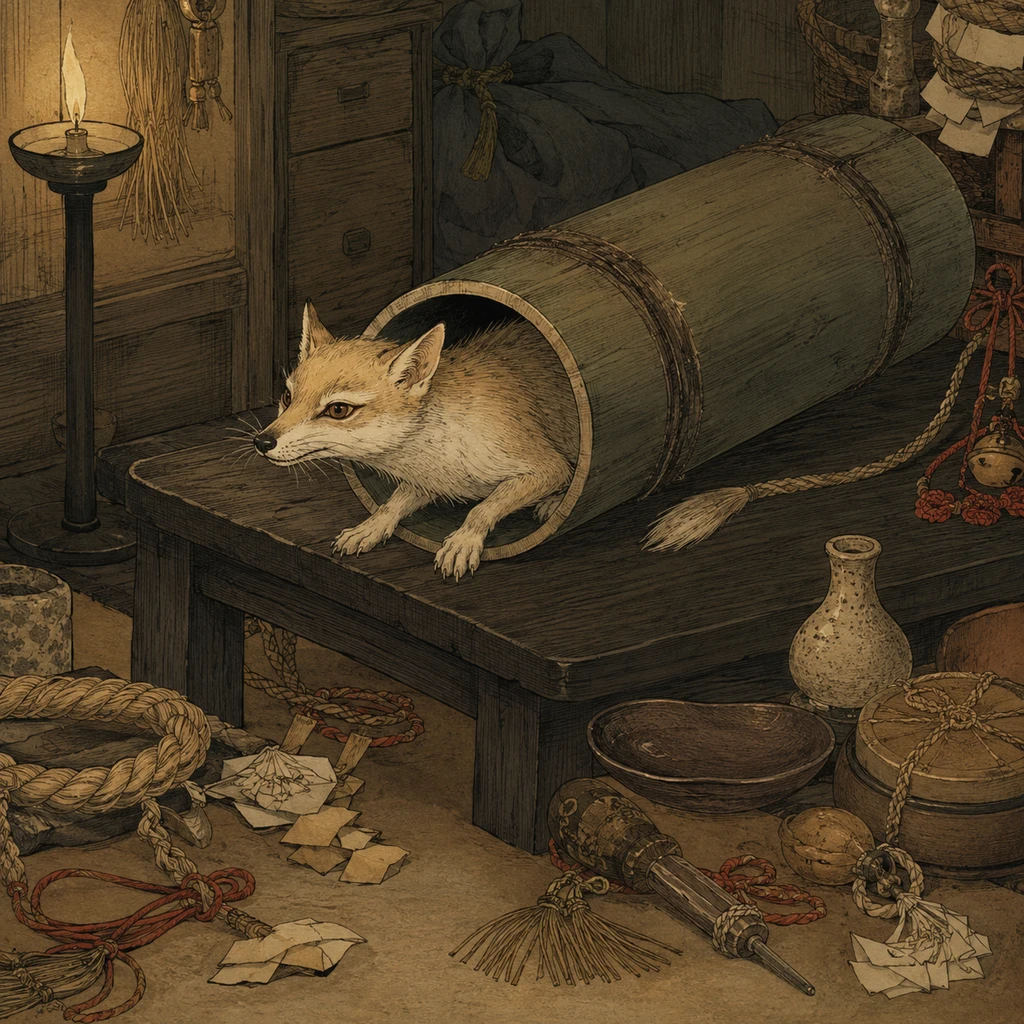
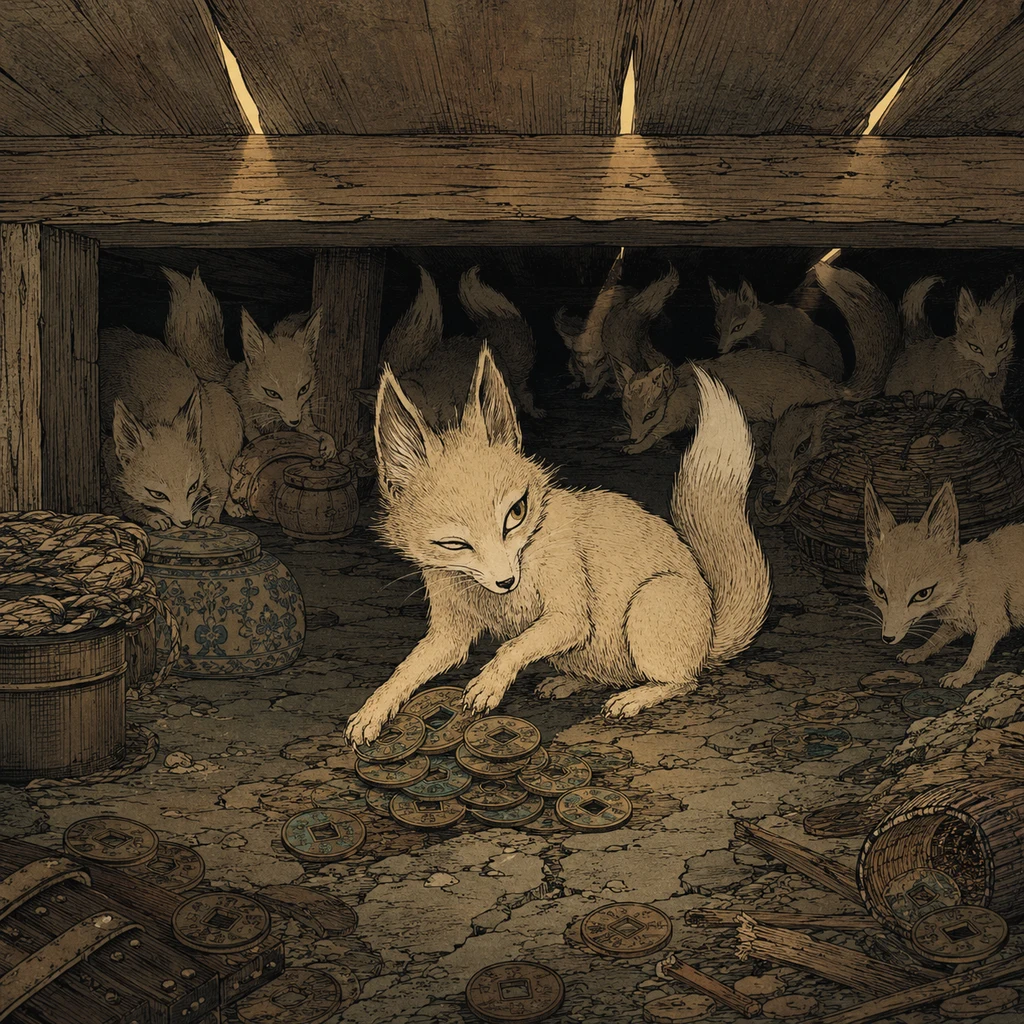
Possession lore should never be taken as evidence of literal supernatural powers, nor should it be used to characterize the nature of people from specific regions. Instead, it must be understood as a folkloric phenomenon—a projection of communal anxieties regarding illness, family status, wealth, and marriage onto the image of the fox.
Tenko, Kūko, Kiko: Where Were These Names Organized?
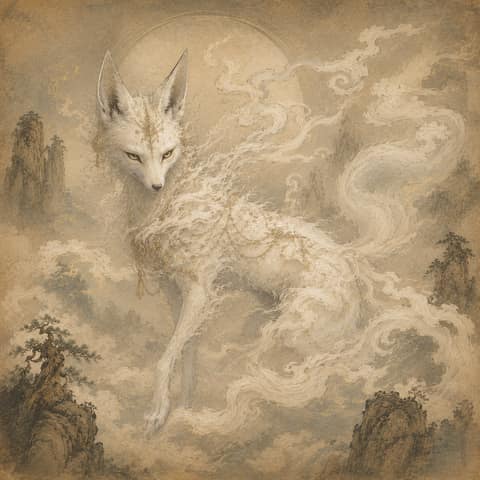
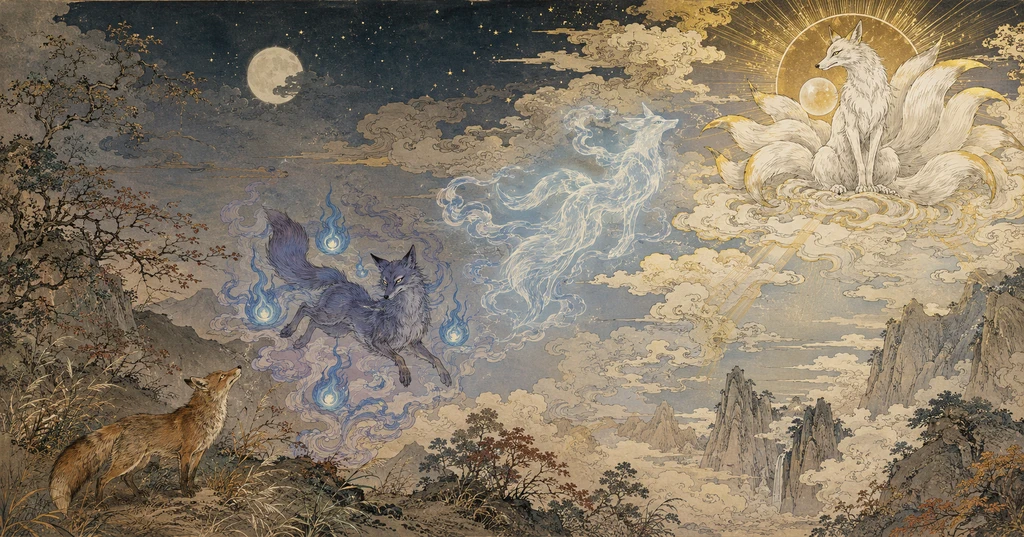
Names like Tenko (Heavenly Fox), Kūko (Void Fox), and Kiko (Spirit Fox) appear in texts from the early modern period onward to explain foxes of great age or high spiritual power. The characters used, their hierarchical order, and their meanings vary across different sources, though modern fiction often streamlines them into an easily understandable ranking system. Rather than a universal progression from a common field fox up to a nine-tailed fox, these terms offer clues to how different texts sought to codify the spiritual nature of foxes.


Inari Ōkami is Not a Fox: Distinguishing Deity from Messenger
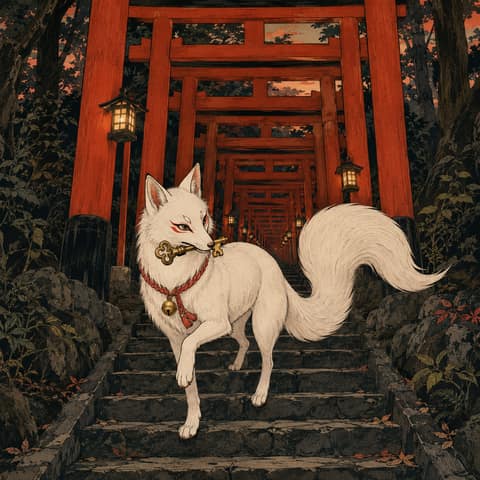
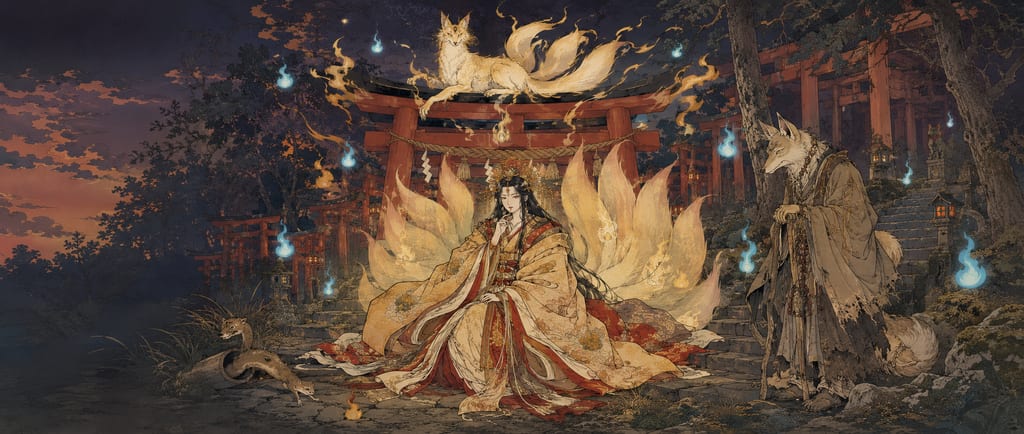
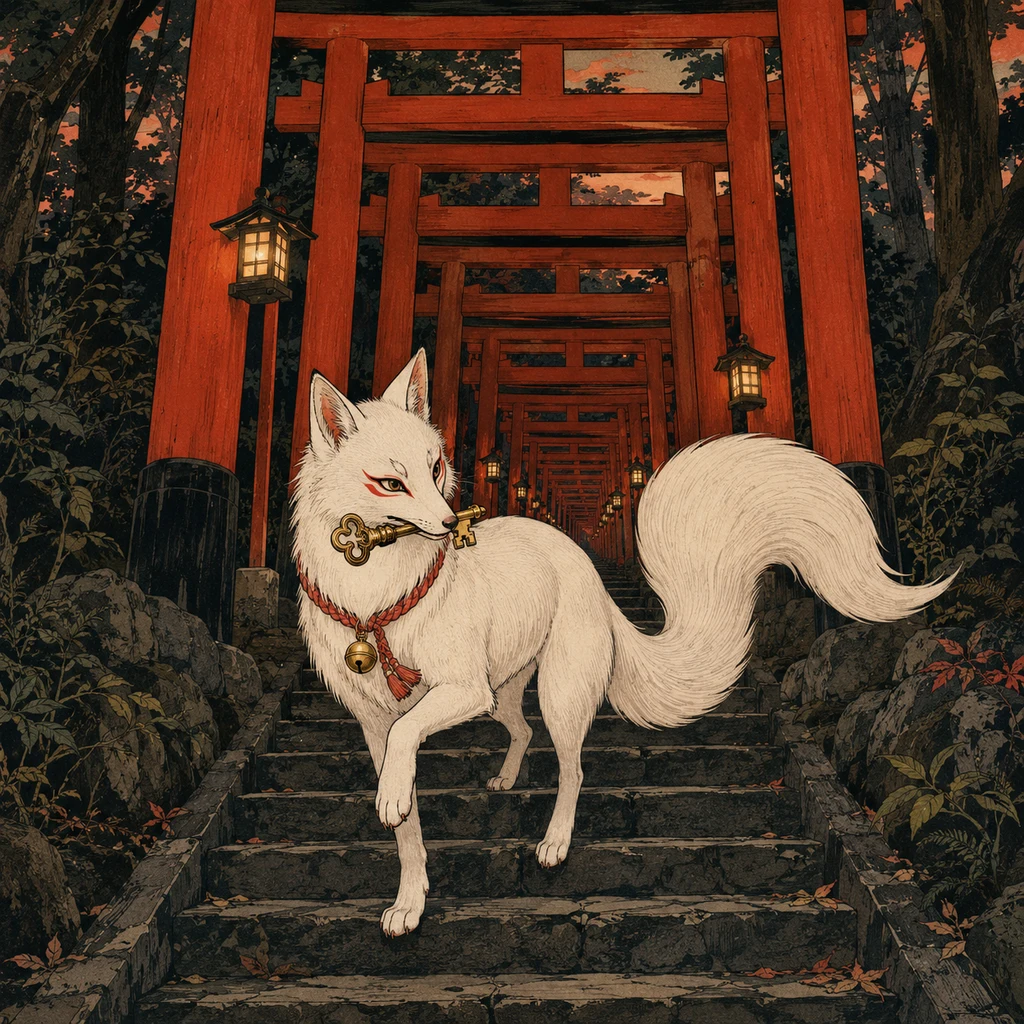
Inari Ōkami is a deity prayed to for abundant harvests, business prosperity, and family safety—not a fox itself. Fushimi Inari Taisha officially explains that the white foxes are the deity's "kin" or messengers. Confirming the history of Fushimi Inari Taisha[4] makes it clear how important it is not to confuse the enshrined deity with the fox statues on the grounds.
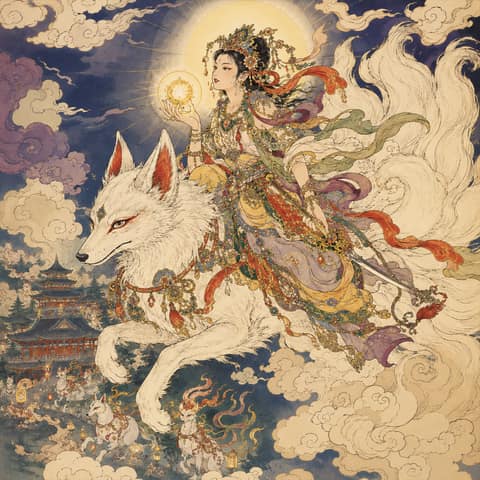
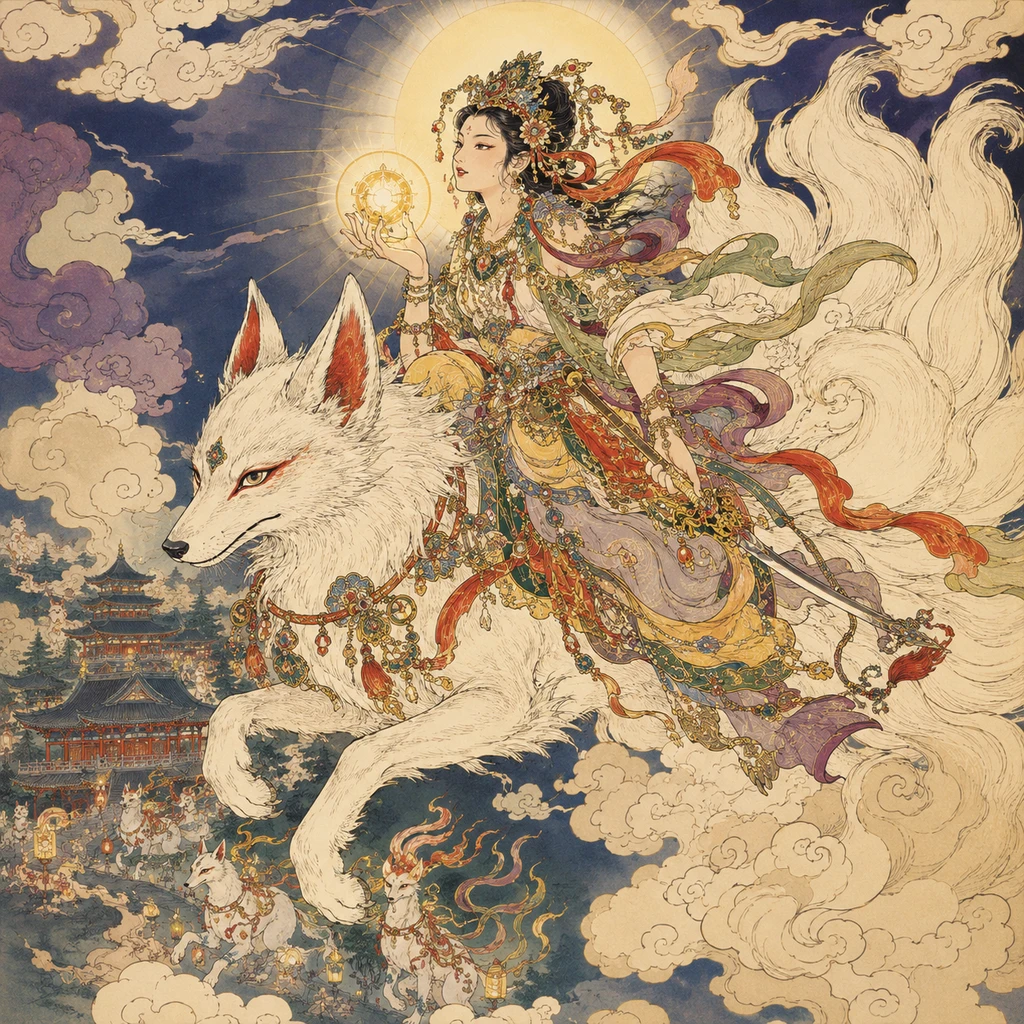
Dakiniten is a Buddhist deity often depicted in Japan riding a white fox, reflecting a syncretism with Inari worship. Here too, the fox is distinguished not as a "yōkai," but as a religious entity accompanying the deity.
How to Properly Enjoy Fox Tales
Foxes cannot be simply categorized as entirely good or evil, nor strictly as gods or yōkai. They are wild animals that ruin crops, strange beings that bewitch humans, devoted wives who love their families, divine messengers, and comedic figures on the stage. Refraining from forcing these seemingly contradictory images into a single mold is the best way to preserve the richness of fox folklore.
In the "Included Yōkai" section below, we have gathered entities related to shapeshifting, interspecies marriage, court legends, possession, spiritual fox hierarchies, and Inari worship. We invite you to start with whichever one catches your interest and explore the lands and texts where its name was recorded.