YOKAI.JP

Nyūbachibō

nyoo-bah-chee-BOH

Nyūbachibō

Nyūbachibō

Their soul is listening — speak, and they will answer.

Basic Description

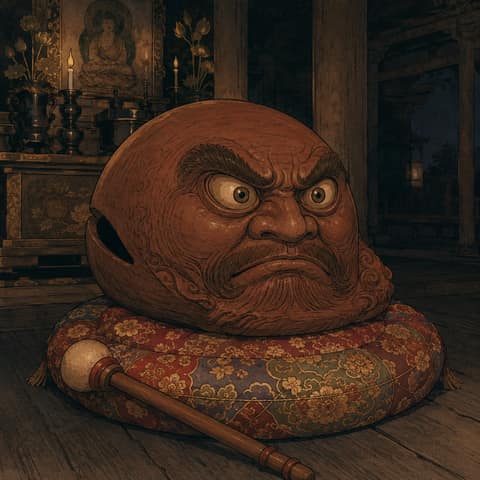
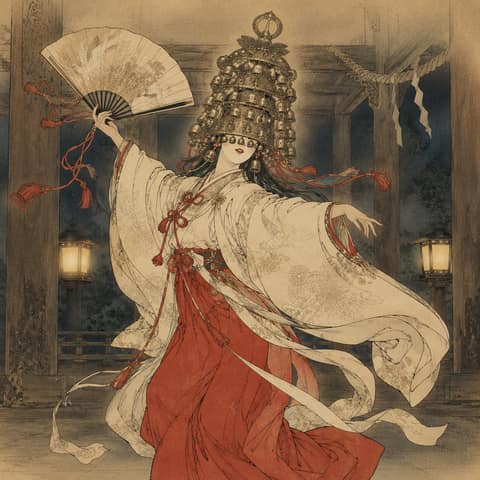
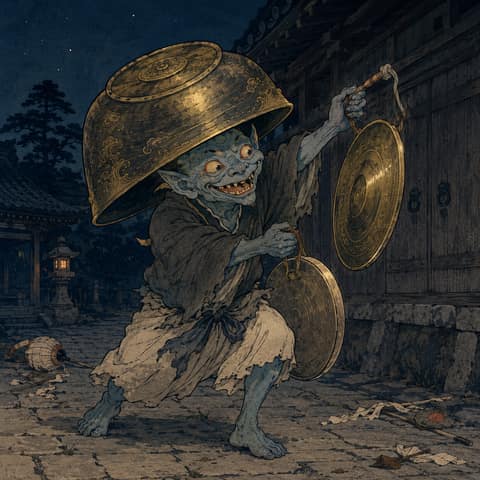
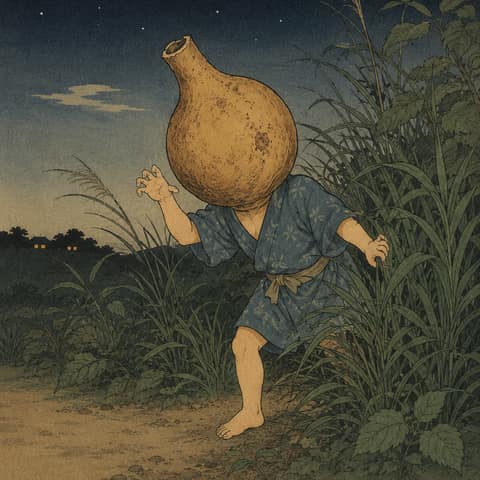
A utensil yokai depicted by Toriyama Sekien in Hyakki Tsurezure Bukuro. It resembles a human figure wearing a bronze gong or cymbals on its head and is often shown beside the Hyōtan Kozō. Similar imagery appears in Muromachi-period Night Parade of One Hundred Demons scrolls, suggesting Sekien named it from that tradition. Its specific traits aren’t stated in the source, but later writers often interpret it as a spirit of noisemaking instruments.

Folklore & Legends

It appears in early modern picture scrolls and illustrated compendia, but lacks localized oral tales. It is thought to derive from metal percussion used in temples and theaters, sometimes identified with the small hand gong (surigane). Post-1990s descriptions frequently call it a yokai that startles people with loud nighttime sounds, though the originals give no clear functions or anecdotes. Scholars note influence from the Hyakki Yagyō scroll tradition in both name and image.

Yokai Cards1

Nyūbachibō across multiple art-style decks

Card gallery
Tsukumogami
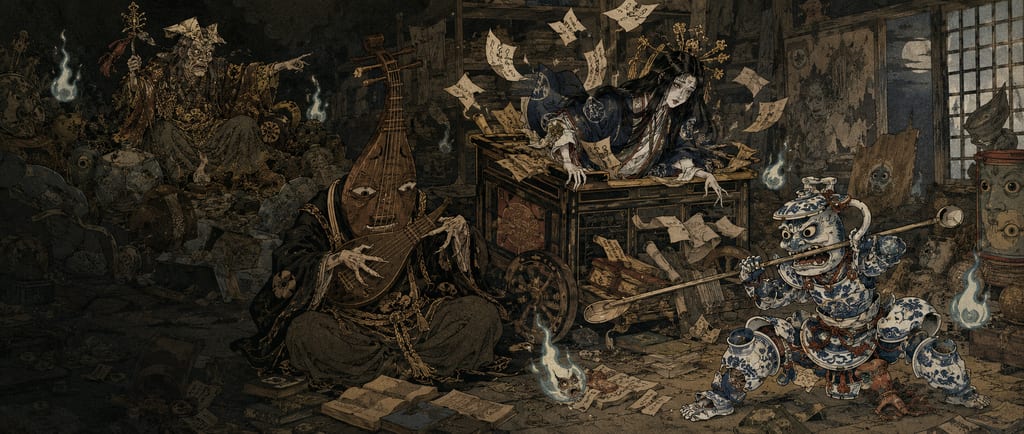
Centennial tools possessed by spirits ── the artifact yokai depicted in Sekien's Hyakki Tsurezure Bukuro

Tsukumogami

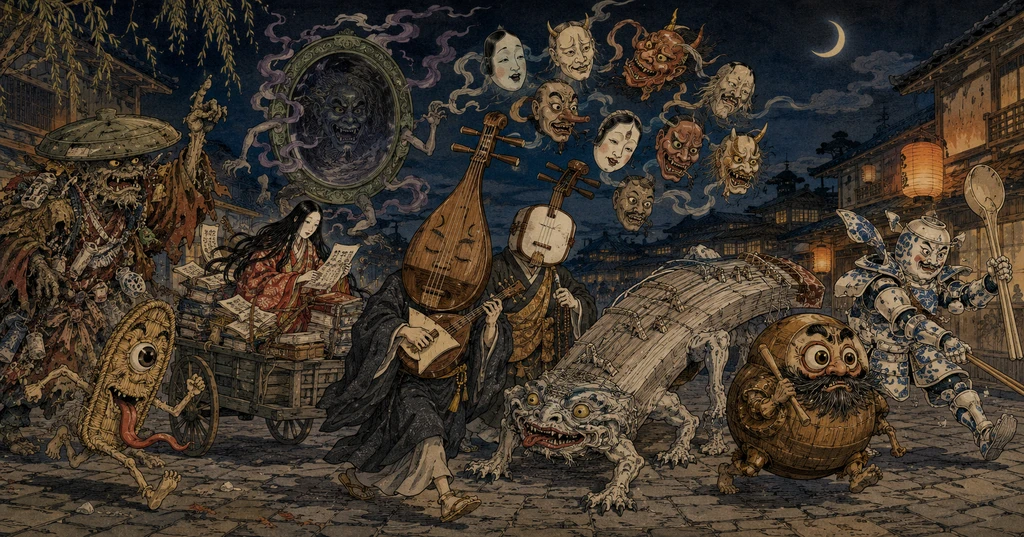
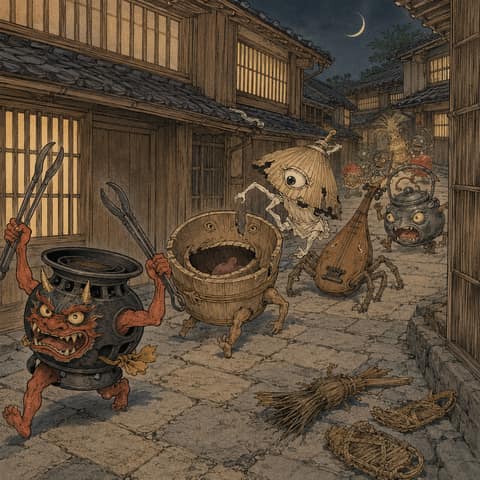
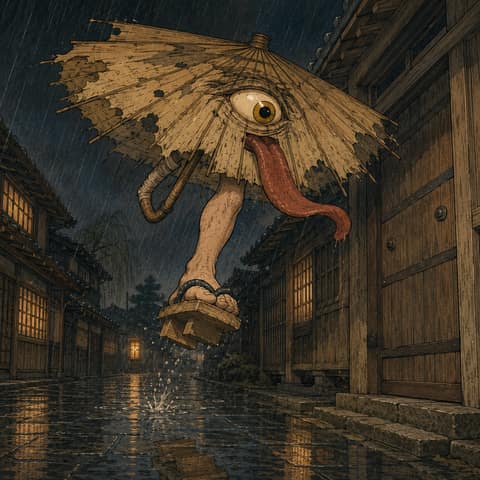
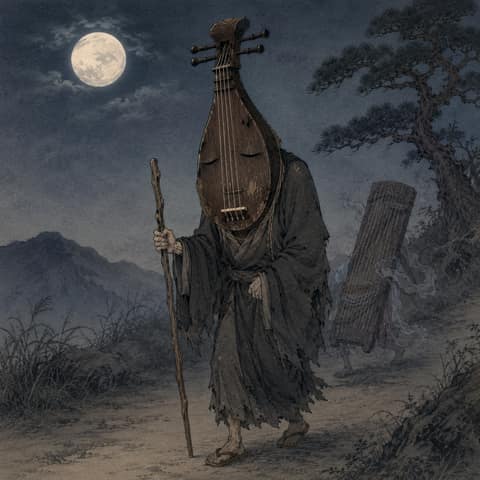
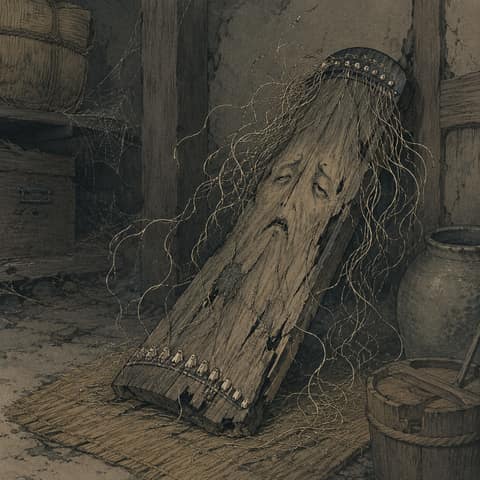
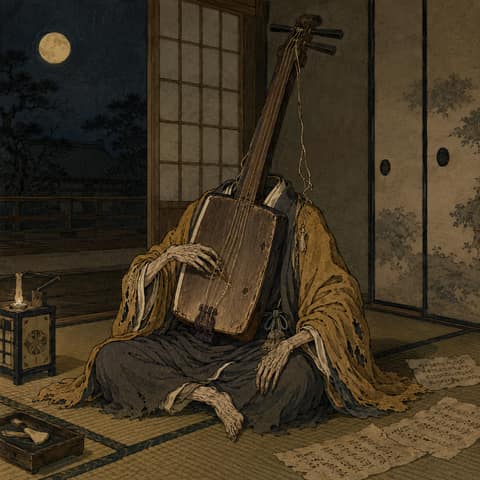
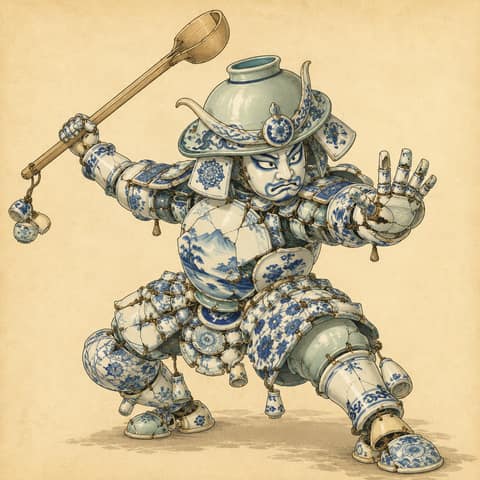
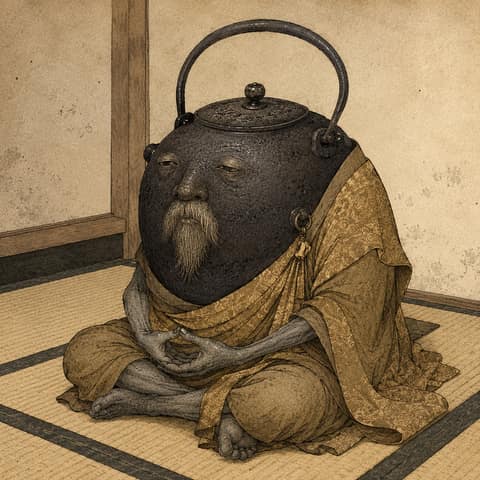
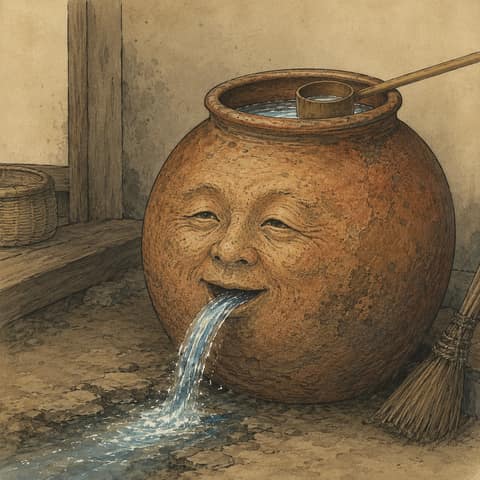
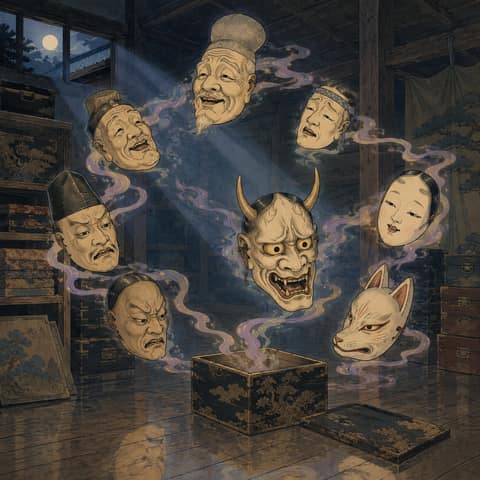
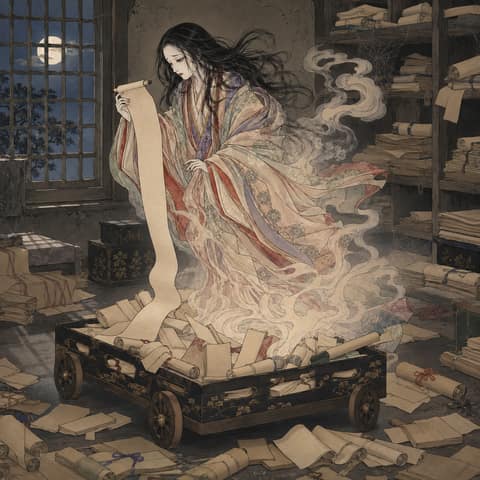
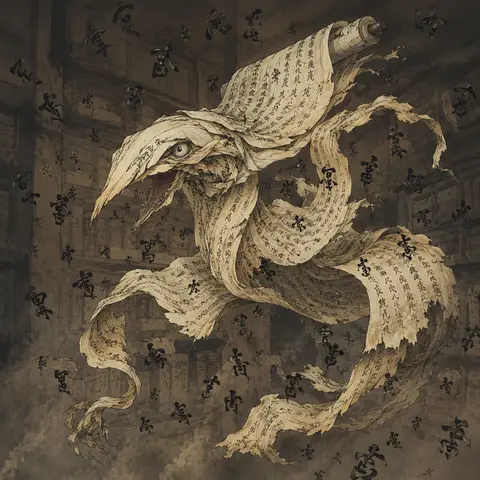
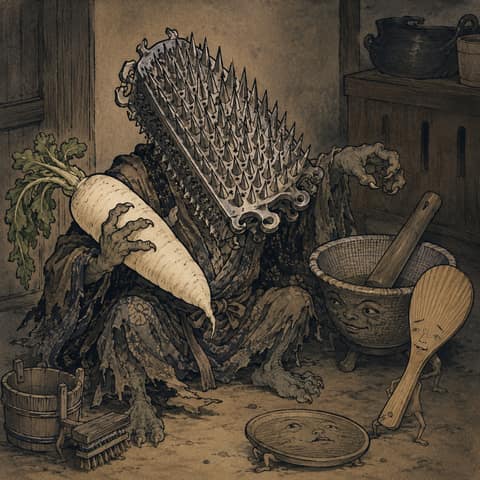
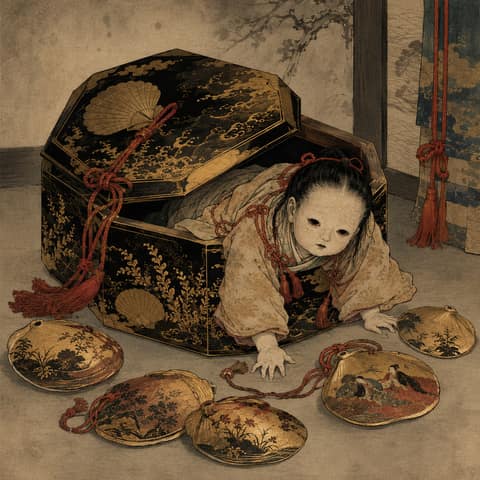
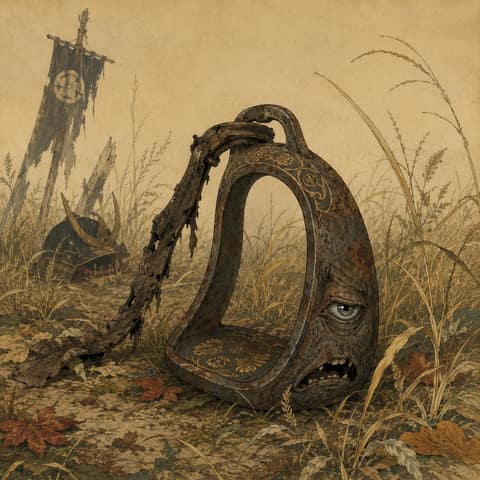
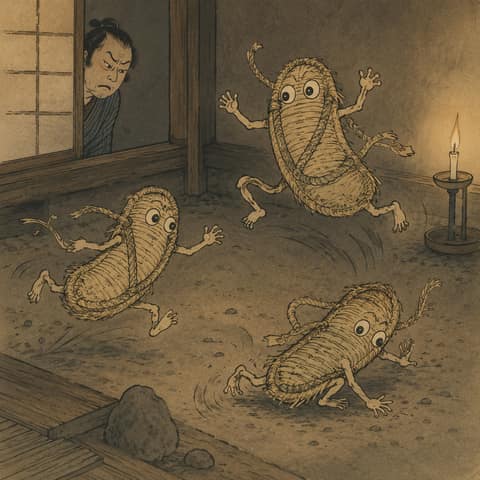
Tools and vessels used over long years are said to acquire spiritual life and transform when discarded and neglected, becoming beings known as tsukumogami. In the Muromachi-period "Tsukumogami Emaki", it was preached that tools transformed after a hundred years; the scroll depicted old implements, thrown away during house-cleaning, marching in a procession on the night of Setsubun holding grudges against humans. In the Edo period, Toriyama Sekien synthesized this worldview in his "Hyakki Tsurezure Bukuro" (The Illustrated Bag of One Hundred Random Demons), bestowing charming yokai forms upon individual objects such as biwa lutes, shamisen, koto, tea kettles, sutra scrolls, masks, and book carts, woven together with wordplay and historical anecdotes. Gathered here are the souls inhabiting tools, reflecting human sentiments—used, forgotten, yet impossible to fully discard.

Detailed Analysis

Taking as precedent the disc-like apparition found in Muromachi-period Night Parade of One Hundred Demons scrolls, the Edo artist Toriyama Sekien shaped it in Hyakki Tsurezure Bukuro as a human figure bearing a bronze plate. Sekien frequently depicted utensils turned yokai, and Nyūchibō is one of these, yet the textual notes are brief and its conduct remains undefined. Amid overlapping names and forms—nao-bachi, dōbachi, and surigane used in temple rites and theater orchestration—later commentators supplied the trait of startling people by sounding. No specific regional lore is attached; it is recognized iconographically within the broader class of utensil-spirits. Its qualities today largely reflect fragments of folk materials and modern reinterpretations in yokai handbooks.

Character Profile

This section is our own creative profile for storytelling. It is not historical fact or scholarship.

Rarity
Rare
Personality
taciturn, expressionless
Compatibility
appears where silence is broken
Abilities
startling those nearby with metallic clangor, appearing as part of the Night Parade of One Hundred Demons, resounding like a signal that shatters silence
Weaknesses
details unknown, said to be ineffective where no sound can be made
Habitat
around temple and shrine rites, behind theater stages, night thoroughfares
🔮Yokai Compatibility Test

For more detailed information and diagnosis results about Emaki Seigan Iconography Version, please click here.

Interested in this type of yokai?

Discover the yokai most similar to your personality with our yokai diagnosis

Start Yokai Diagnosis

Meet your guardian yokai at the shrine

Draw an omikuji fortune and discover the yokai watching over you today.