
YOKAI.JP

Dust-Heap Demon King

chee-ree-ZOO-kah KAI-oh

Dust-Heap Demon King

Dust-Heap Demon King

Their soul is listening — speak, and they will answer.

Basic Description

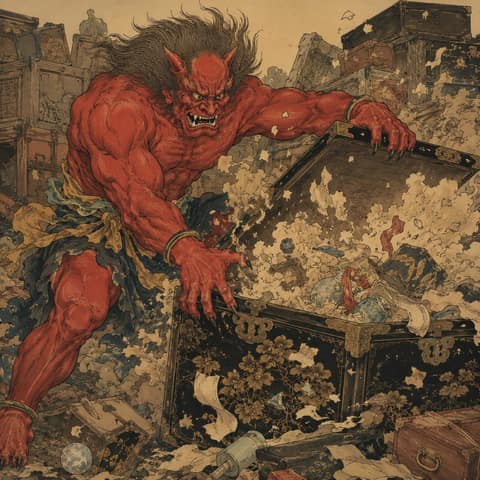
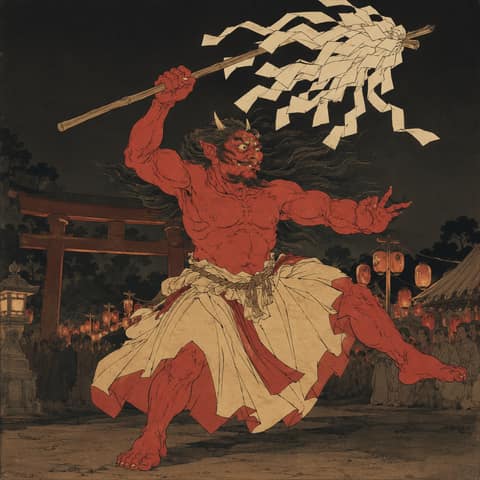
A yokai depicted by Toriyama Sekien in his art book Hyakki Tsurezure Bukuro. Shown as a monstrous ogre prying open a karabitsu (Chinese-style chest), it appears to stylize earlier images of a red oni splitting such chests in Night Parade scrolls and echoes the word chinzuka (“dust heap”) from Essays in Idleness. Although one note hints at a link to the yamamba (mountain crone), no direct tales survive, and its nature and origins remain unclear. Later readers sometimes interpret it as the lord of dust and discarded things.

Folklore & Legends

The motif likely derives from medieval Hyakki Yagyō picture scrolls that show a red oni forcing open a karabitsu. Sekien seems to have adapted that image into the figure he titled Chinzuka Kaio in Hyakki Tsurezure Bukuro. The term “chinzuka” from Essays in Idleness and lines from the Noh play Yamamba are commonly cited, but there are no known oral traditions or local legends about the being itself. From the modern era onward, multiple copies and derivatives spread its name and image.

Yokai Cards1

Dust-Heap Demon King across multiple art-style decks

Card gallery
Tsukumogami
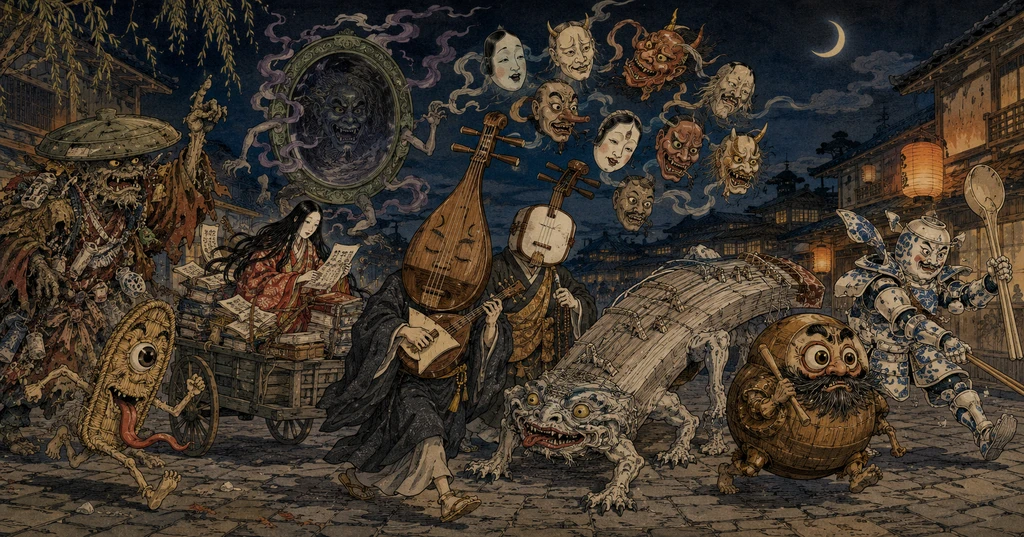
Centennial tools possessed by spirits ── the artifact yokai depicted in Sekien's Hyakki Tsurezure Bukuro

Tsukumogami

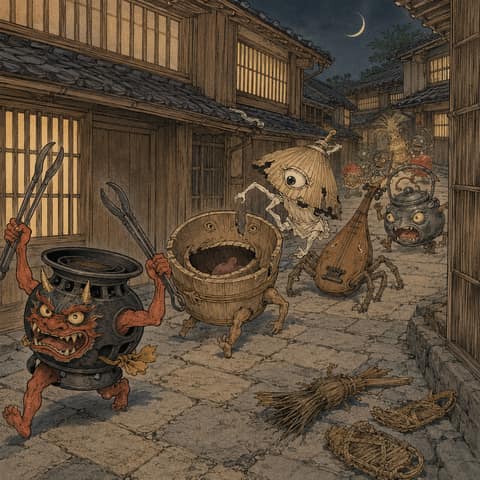
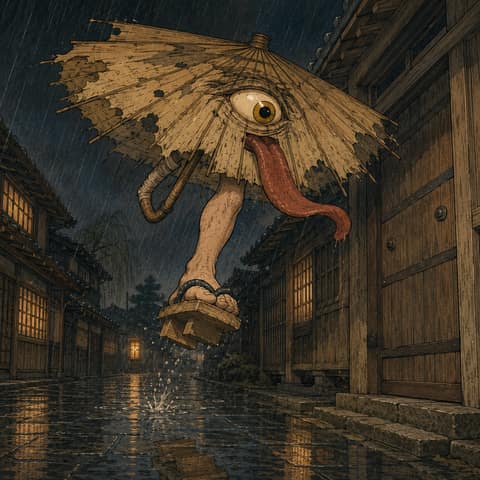
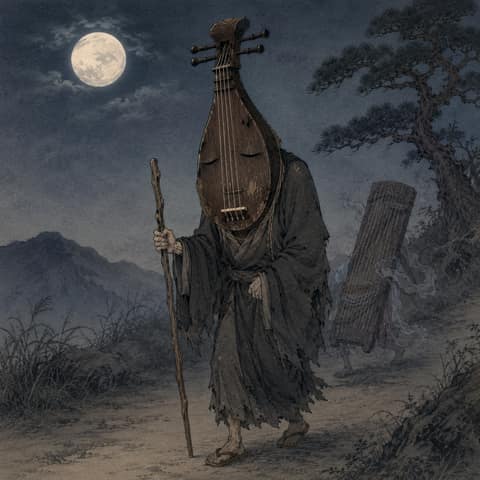
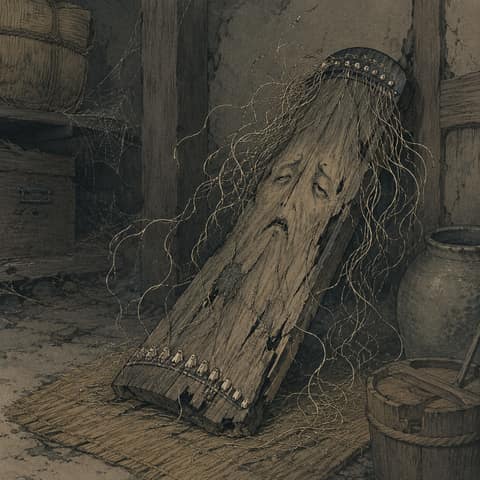
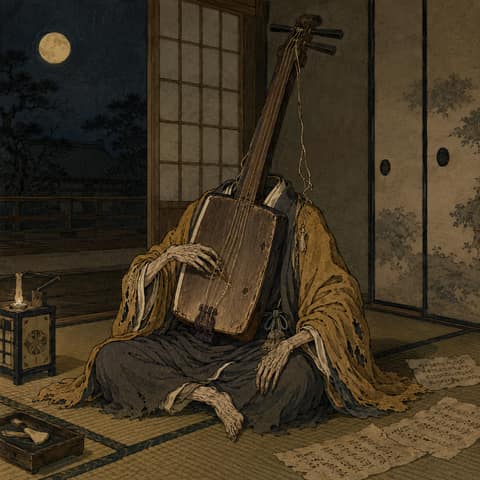
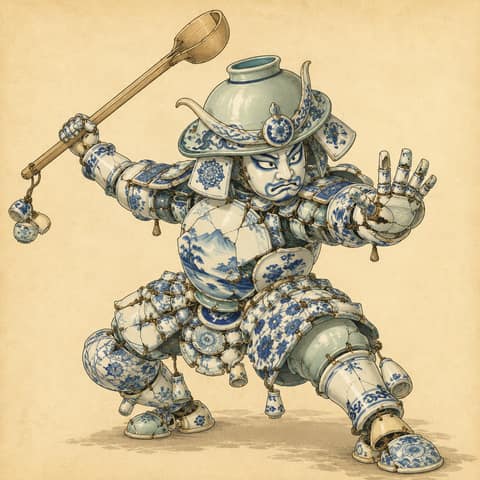
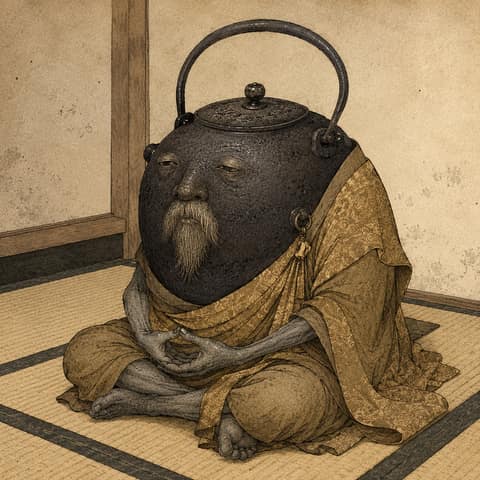
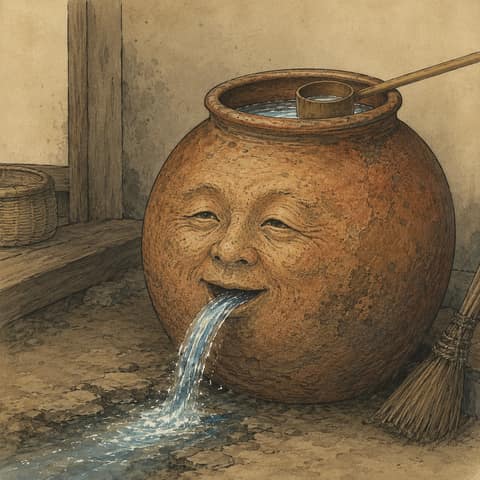
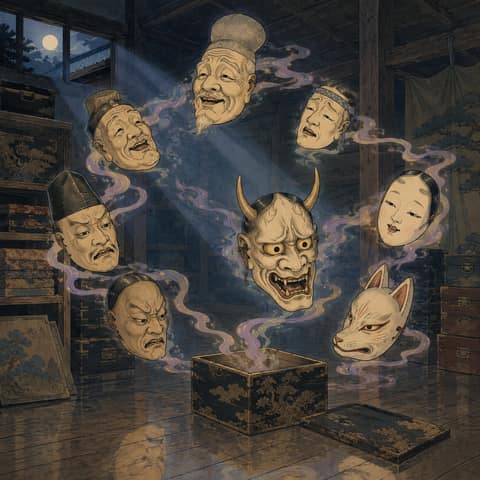
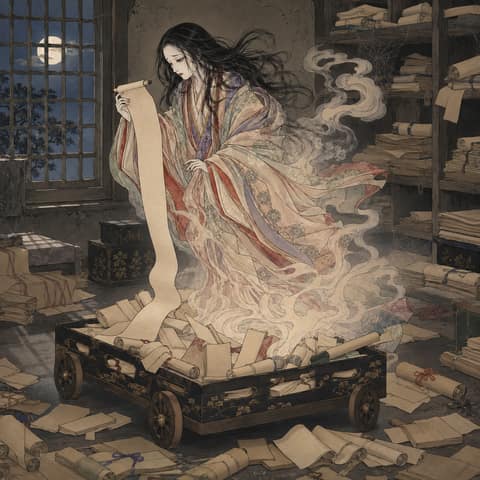
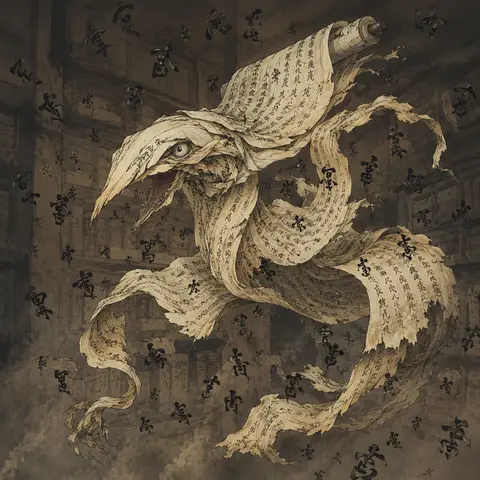
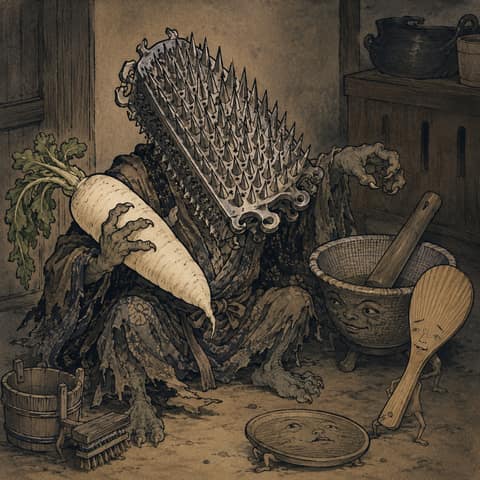
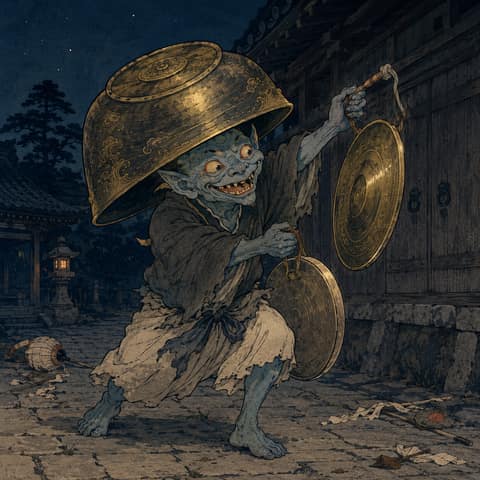
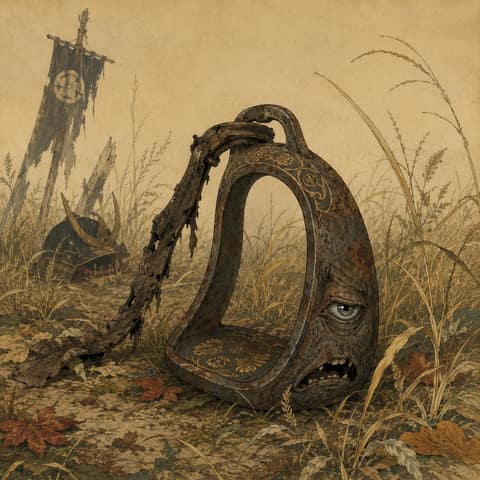
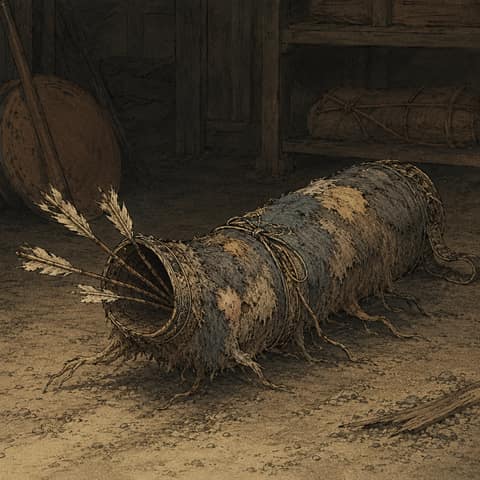
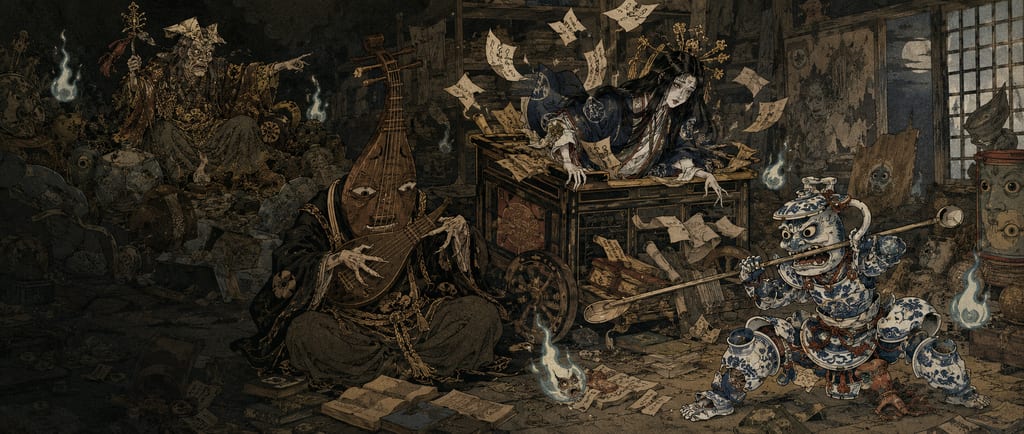
Tools and vessels used over long years are said to acquire spiritual life and transform when discarded and neglected, becoming beings known as tsukumogami. In the Muromachi-period "Tsukumogami Emaki", it was preached that tools transformed after a hundred years; the scroll depicted old implements, thrown away during house-cleaning, marching in a procession on the night of Setsubun holding grudges against humans. In the Edo period, Toriyama Sekien synthesized this worldview in his "Hyakki Tsurezure Bukuro" (The Illustrated Bag of One Hundred Random Demons), bestowing charming yokai forms upon individual objects such as biwa lutes, shamisen, koto, tea kettles, sutra scrolls, masks, and book carts, woven together with wordplay and historical anecdotes. Gathered here are the souls inhabiting tools, reflecting human sentiments—used, forgotten, yet impossible to fully discard.

Maya Calendar Guardian KINs

Displaying the Maya calendar KINs that Dust-Heap Demon King protects.

Detailed Analysis

In literature, Chinzuka Kaiō is known chiefly from Toriyama Sekien’s Hyakki Tsurezurebukuro image, with no concrete deeds or sayings recorded. The painting shows a strongly muscled, red-hued oni prying open a kara-bitsu chest as dust and paper scraps swirl. Sekien appended a note calling it the “chief of the mountain hags formed from piled-up dust,” echoing the Noh play Yamanba’s line “clouds’ dust piles up and becomes a mountain hag.” However, no tradition directly links this yokai to Yamanba, leaving its placement ambiguous. Similar images appear in Meiji-era copies and anonymous picture scrolls, sometimes renamed as “kaiki” (monstrous oni). Since the Heisei era, some explain it as “king of dust and garbage tsukumogami,” but this is a later interpretation without proof in older sources. Iconographically, it is viewed as an early modern creation merging the “splitting the treasure chest” motif from Night Parade of One Hundred Demons scrolls with phrasing quoted from Essays in Idleness.

Character Profile

This section is our own creative profile for storytelling. It is not historical fact or scholarship.

Rarity
Rare
Personality
unknown
Compatibility
unknown
Abilities
forcing open kara-bitsu and storage chests, summoning dust and paper scraps as some interpret it (source uncertain)
Weaknesses
unknown
Habitat
confined to depictions in pictorial sources, unknown
🔮Yokai Compatibility Test

For more detailed information and diagnosis results about Iconographic Origin – Sekien Edition, please click here.

Interested in this type of yokai?

Discover the yokai most similar to your personality with our yokai diagnosis

Start Yokai Diagnosis

Meet your guardian yokai at the shrine

Draw an omikuji fortune and discover the yokai watching over you today.