YOKAI.JP

Shell Child(KAI-chee-go)

Basic Description

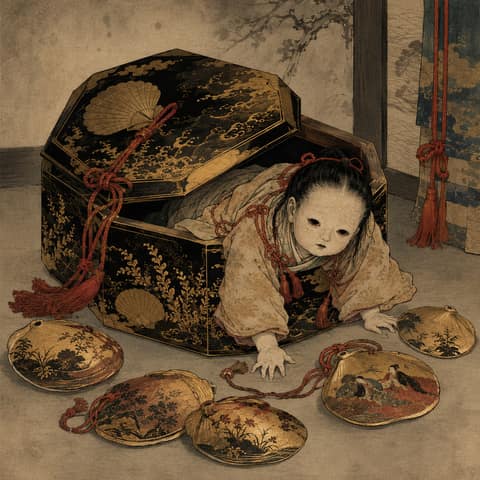
Shell Child is a tsukumogami-like object spirit illustrated by Edo-period artist Toriyama Sekien in Hyakki Tsurezure Bukuro. It depicts a toddler-like figure crawling out of a shell bucket used for the game of kai-awase (matching shells). Sekien glossed it with the remark, “Is it a sibling of the crawling doll?” likening it to the infant doll known as haiko. No concrete sighting tales survive; it is generally read as a shell bucket, or the clam shells themselves, gaining a soul through long years of use and turning uncanny.

Folklore & Legends

This yokai derives from early modern pictorial sources and has no independent appearing legends. Kai-awase was a courtly and samurai pastime since the medieval period, and shell buckets were heirloom bridal trousseau items passed from mother to daughter. In line with the belief that tools acquire spirits over time (tsukumogami), Shell Child is understood as the transformed form of an aged shell bucket or shells. Modern references, including Shigeru Mizuki and encyclopedias, present it as an imaginative yokai created by Sekien.

Tsukumogami
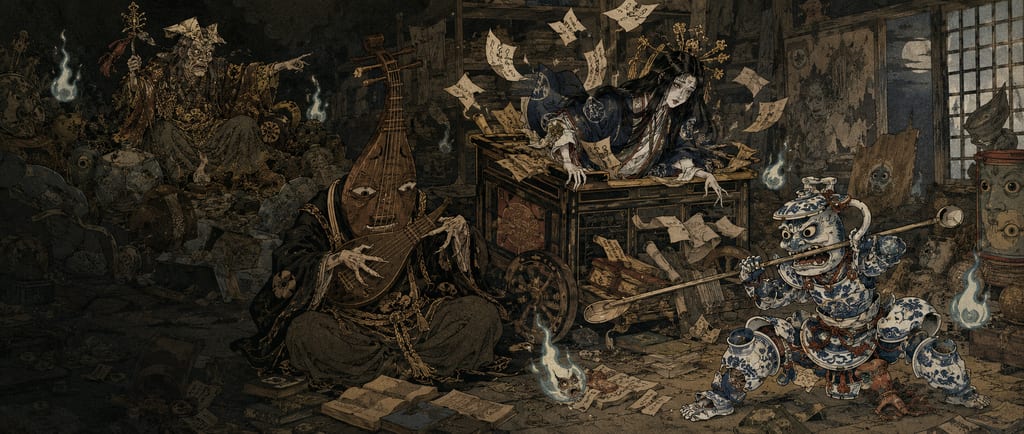
Centennial tools possessed by spirits ── the artifact yokai depicted in Sekien's Hyakki Tsurezure Bukuro

Tsukumogami

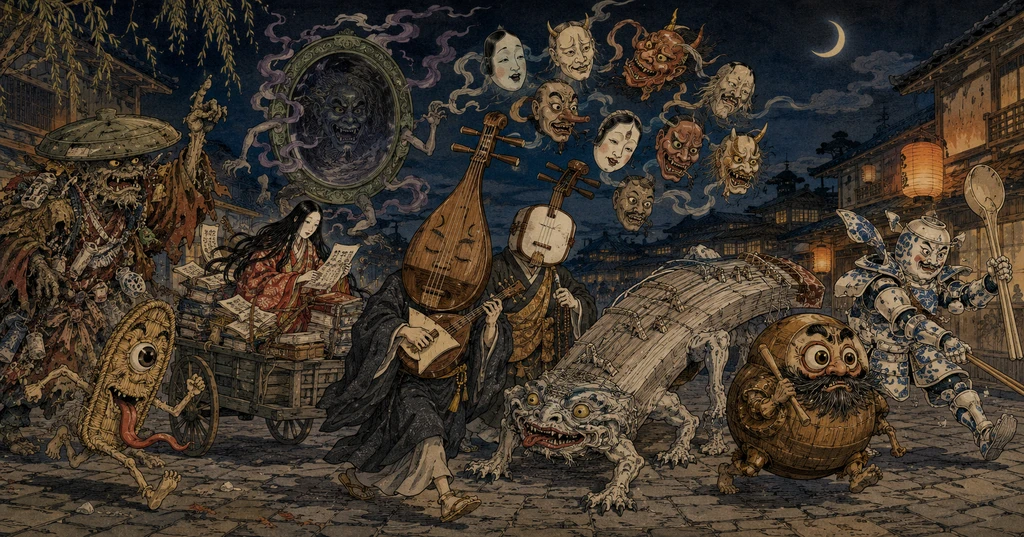
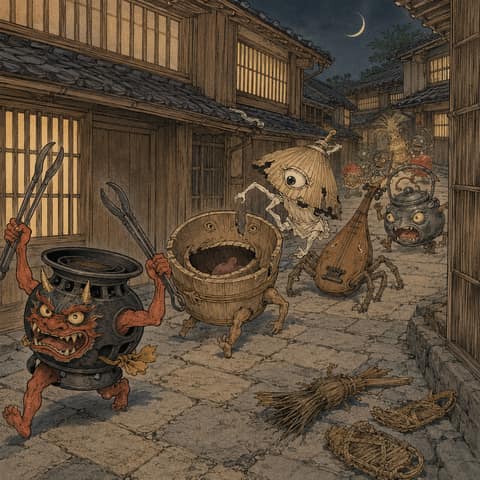
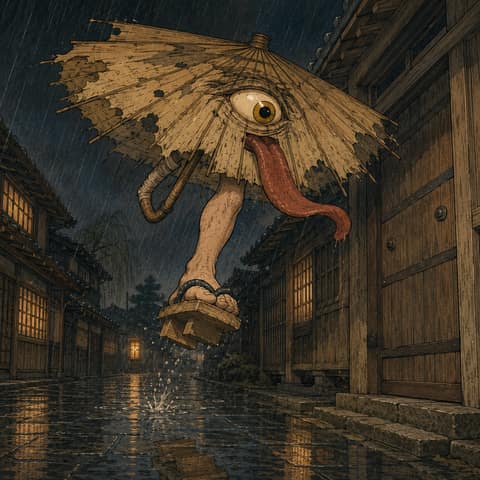
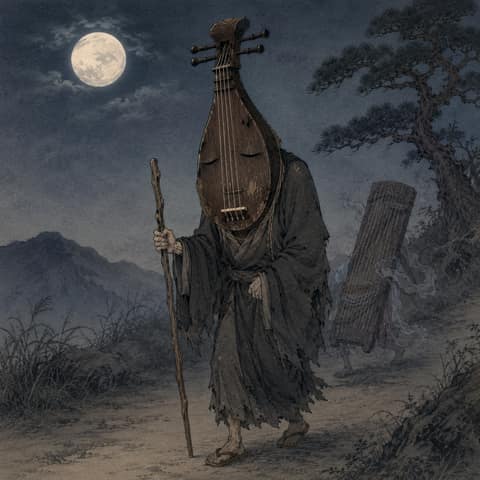
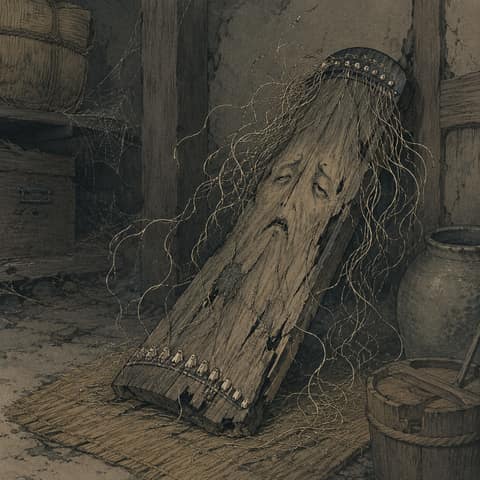
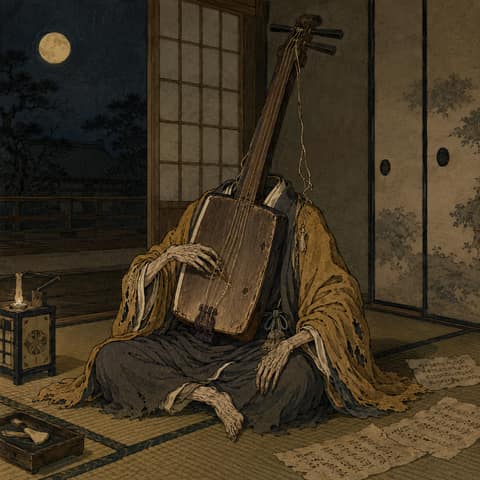
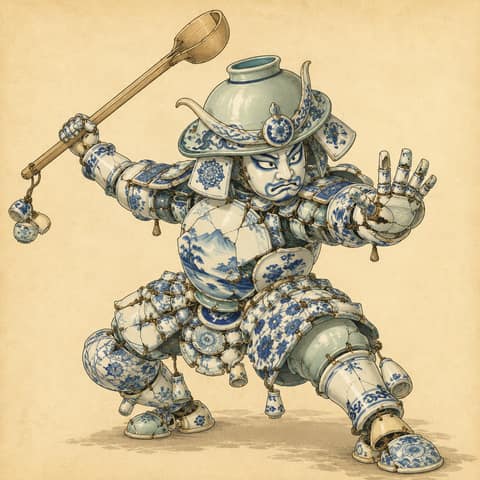
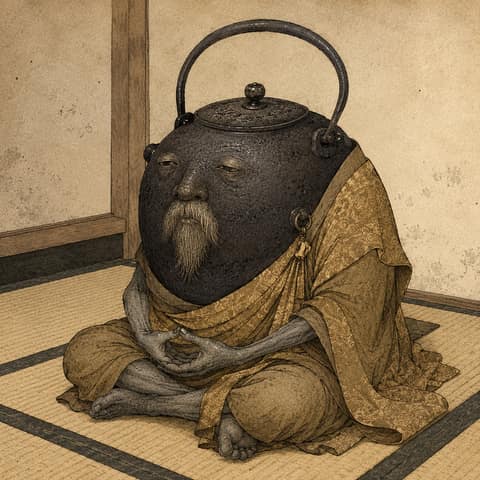
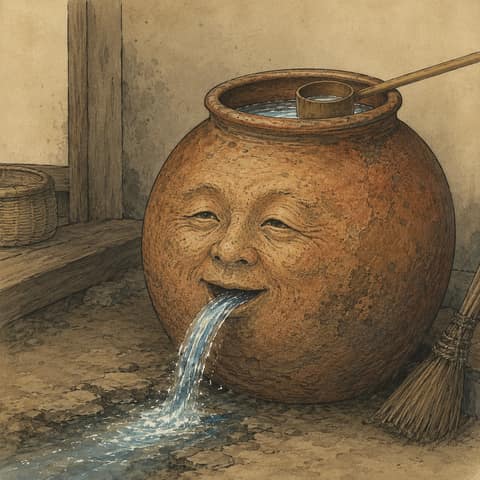
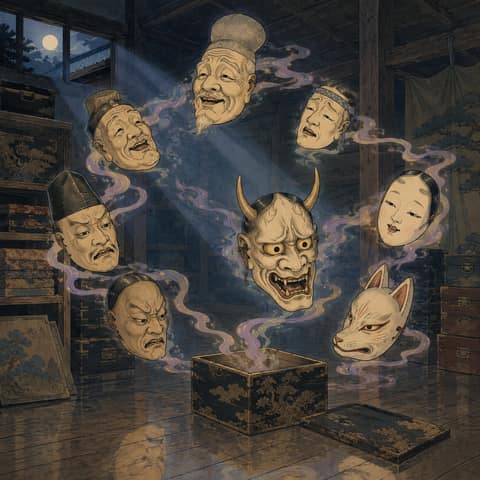
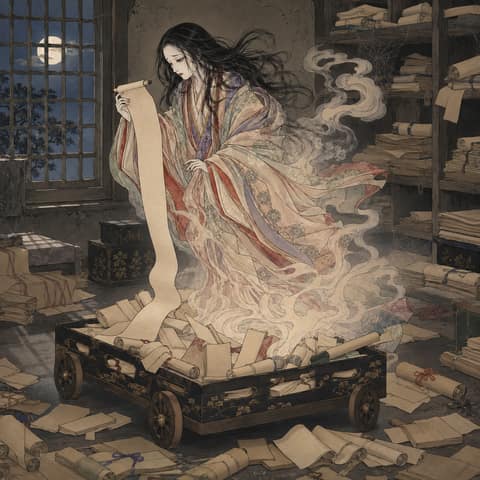
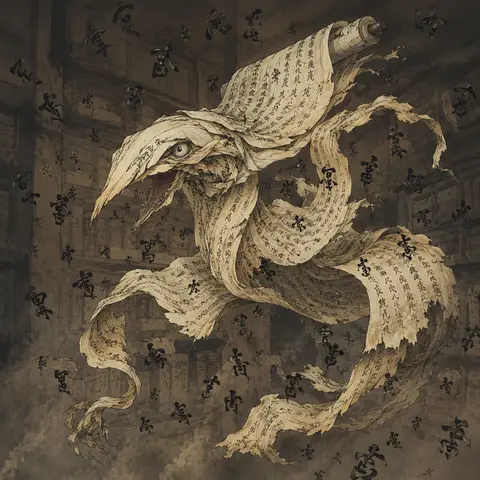
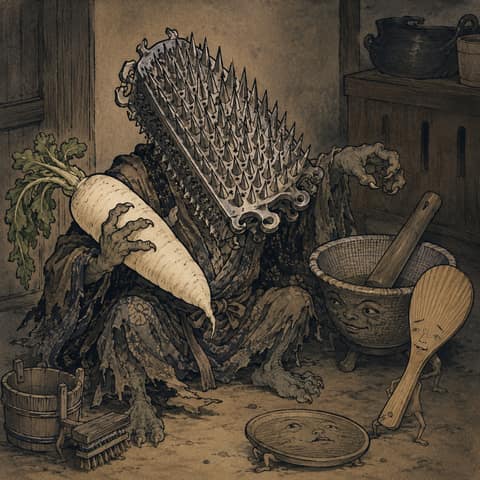
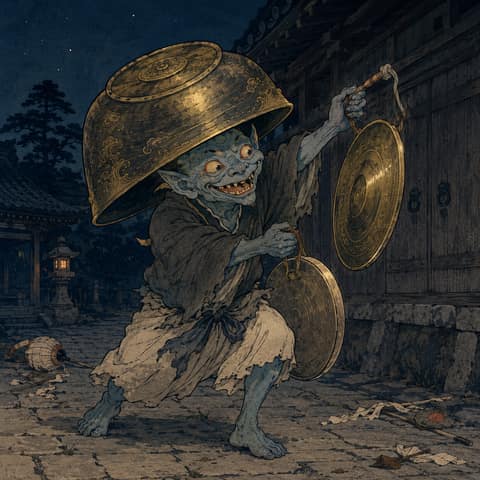
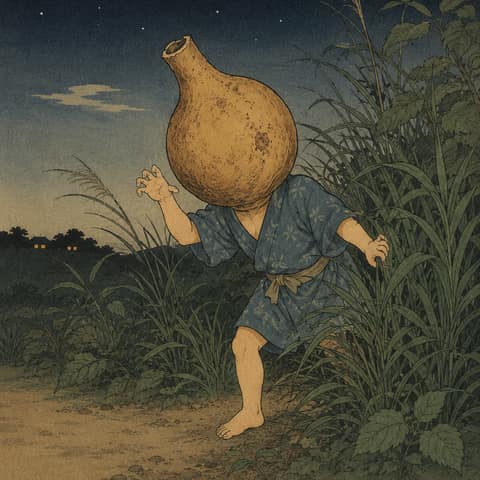
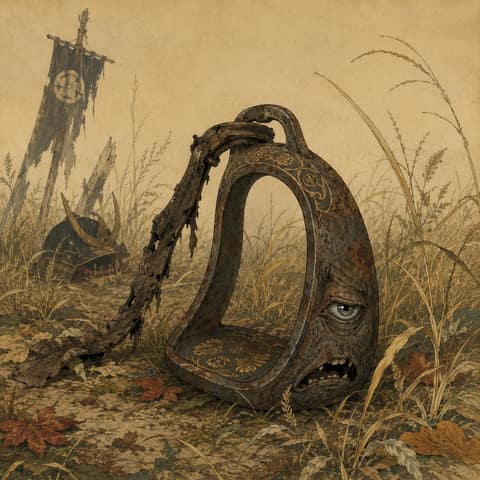
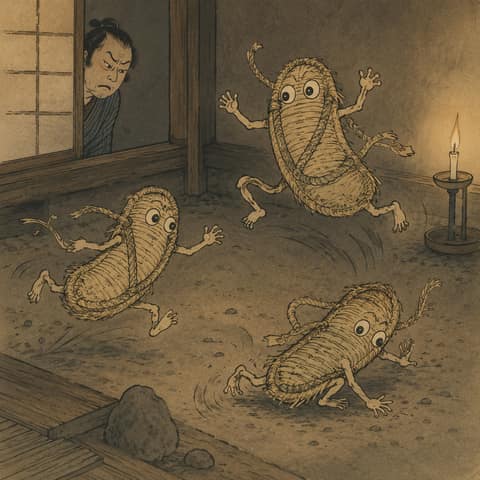
Tools and vessels used over long years are said to acquire spiritual life and transform when discarded and neglected, becoming beings known as tsukumogami. In the Muromachi-period "Tsukumogami Emaki", it was preached that tools transformed after a hundred years; the scroll depicted old implements, thrown away during house-cleaning, marching in a procession on the night of Setsubun holding grudges against humans. In the Edo period, Toriyama Sekien synthesized this worldview in his "Hyakki Tsurezure Bukuro" (The Illustrated Bag of One Hundred Random Demons), bestowing charming yokai forms upon individual objects such as biwa lutes, shamisen, koto, tea kettles, sutra scrolls, masks, and book carts, woven together with wordplay and historical anecdotes. Gathered here are the souls inhabiting tools, reflecting human sentiments—used, forgotten, yet impossible to fully discard.

Detailed Analysis

Rooted in Toriyama Sekien’s illustration and brief caption, this lineage reads the shell box through the history of kaiawase shells and bridal trousseau chests. Lacking firsthand anecdotes, it stays within the general tsukumogami frame, overlaying the folk view that long-serving objects acquire feeling. Its form is childlike, with a key association to crawling baby dolls. Late at night in a silent tatami room, the lid of the shell box is said to open slightly, and a small childlike figure peeks out. It causes little harm, and is said to vanish when household goods are treated carelessly.

Character Profile

This section is our own creative profile for storytelling. It is not historical fact or scholarship.

Rarity
Rare
Personality
quiet, shy with strangers
Compatibility
deep affinity with tools long cherished and used
Abilities
lurking in shadowssignaling its presence with faint soundsarranging the shells for kaiawase
Weaknesses
rough handling, dampness or damage, strong light
Habitat
tatami rooms, storerooms, bridal trousseau chests
Interested in this type of yokai?

Discover the yokai most similar to your personality with our yokai diagnosis

Start Yokai Diagnosis

Yokai Compatibility Test

The diagram below is a diagnostic evaluation chart for Iconographic and Encyclopedic Interpretation. The higher the value of each item, the stronger that characteristic is expressed.

Meet your guardian yokai at the shrine

Draw an omikuji fortune and discover the yokai watching over you today.