
YOKAI.JP

Hyōtan Kozō (Gourd Boy)

HYOH-tahn koh-ZOH

Hyōtan Kozō (Gourd Boy)

Hyōtan Kozō (Gourd Boy)

Their soul is listening — speak, and they will answer.

Basic Description

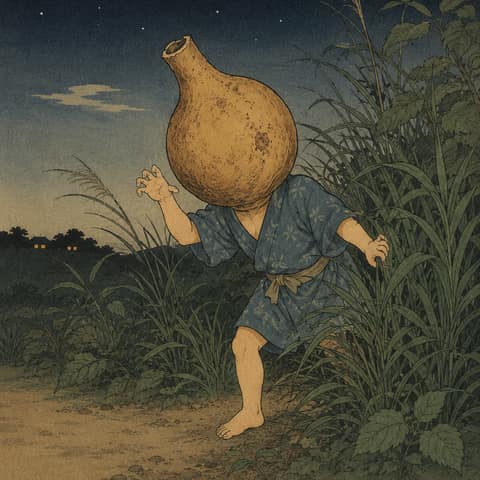
A yokai based on a gourd, depicted by Toriyama Sekien in Hyakki Tsurezurebukuro. It appears as a boy with a gourd for a head and is often paired with Nyūhai-bō. Beyond Sekien’s illustration, little is recorded about its traits. It is generally interpreted as a tsukumogami—an elaborately prepared and long-used gourd (fukube or hisago) that has acquired spirit power. The name and design likely draw on earlier gourd monsters in Hyakki Yagyō picture scrolls.

Folklore & Legends

An image-born yokai originating in early modern picture scrolls and yokai art, with no clear ties to specific local traditions. Since the Heisei era, summaries often claim it emerges from thickets to startle people. A folk belief holds that hollow vessels are prone to housing spirits; some later accounts say a malign spirit can possess a gourd and become a monster. However, concrete anecdotes or oral tales are not widely attested.

Yokai Cards1

Hyōtan Kozō (Gourd Boy) across multiple art-style decks

Card gallery
Tsukumogami
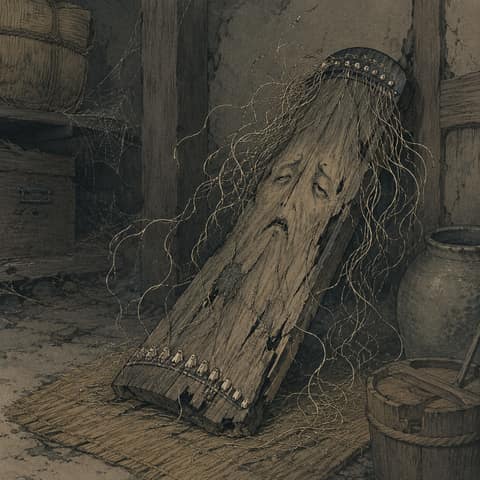
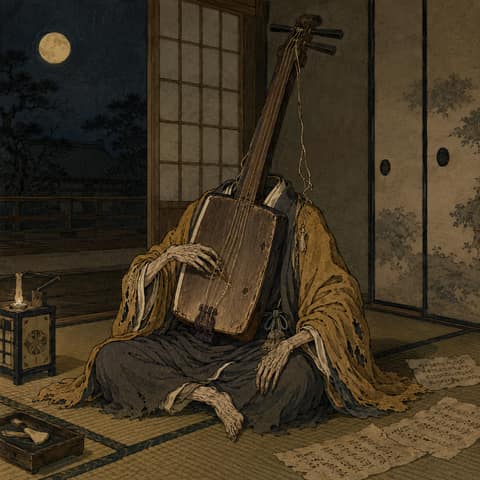
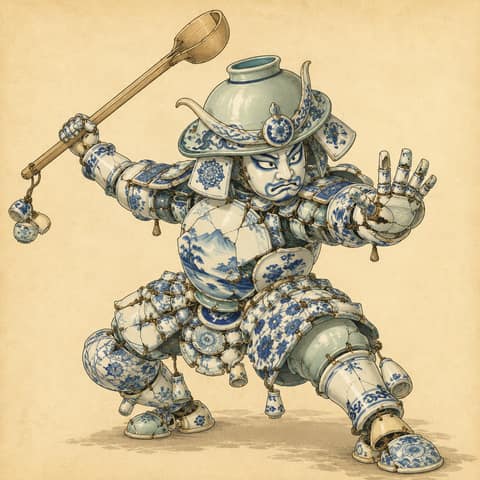
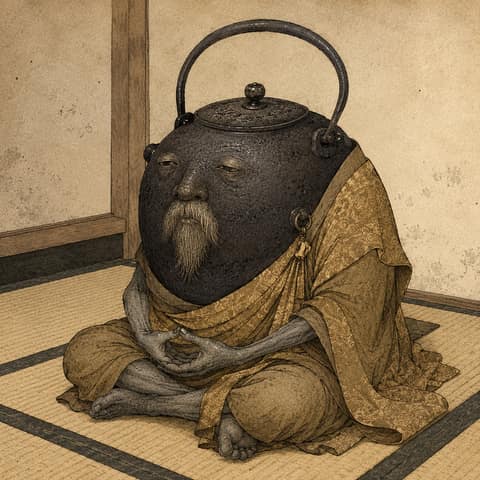
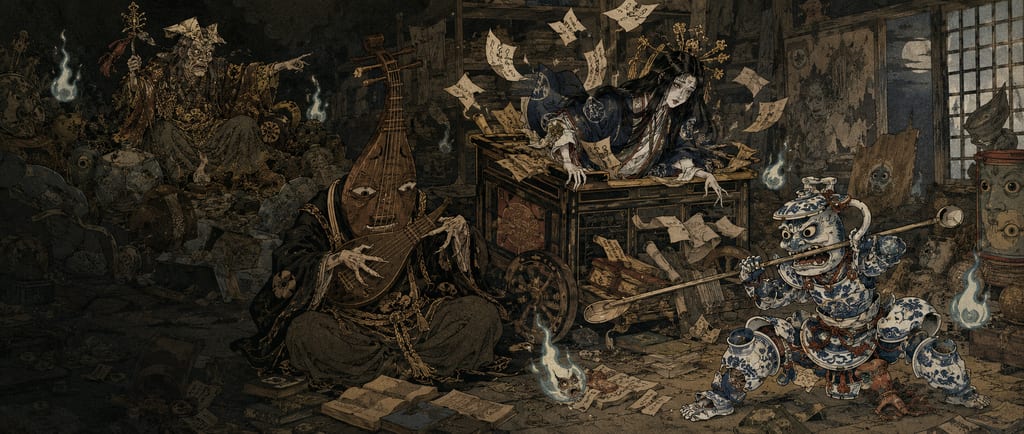
Centennial tools possessed by spirits ── the artifact yokai depicted in Sekien's Hyakki Tsurezure Bukuro

Tsukumogami

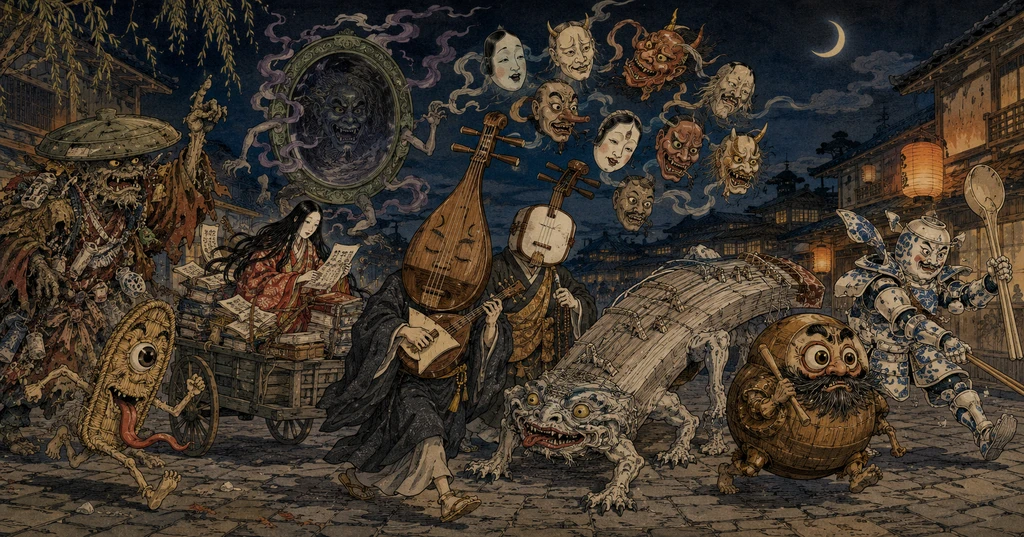
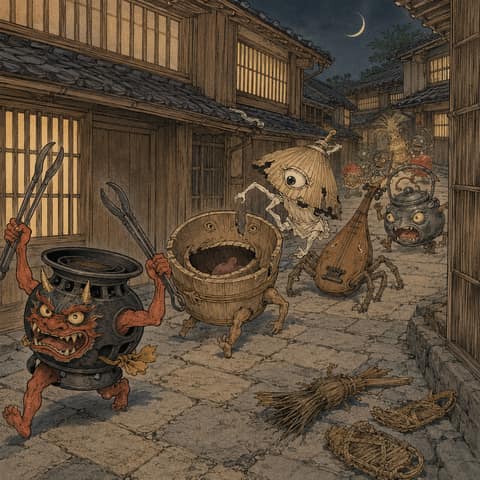
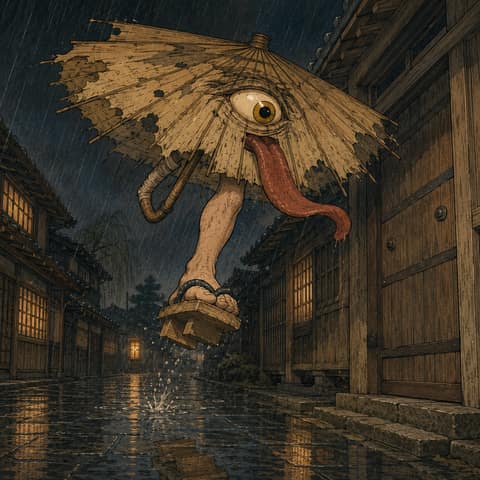
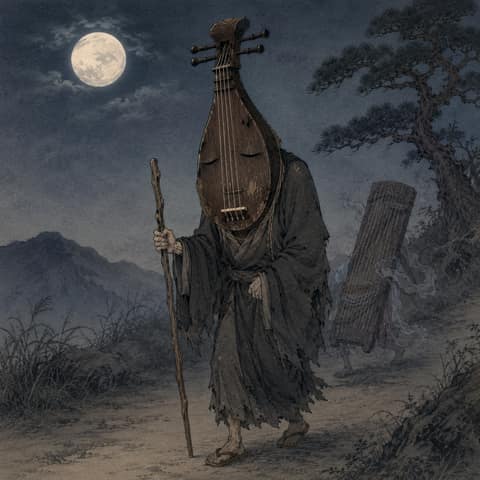
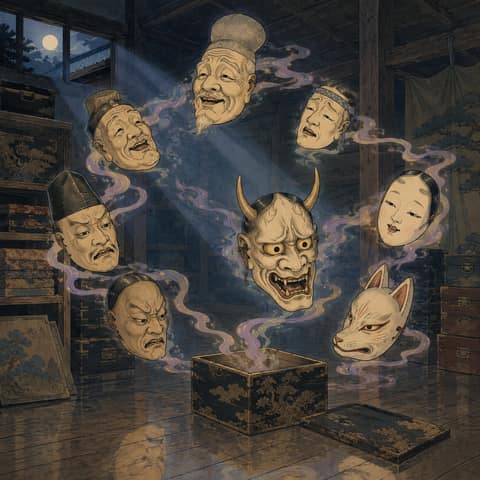
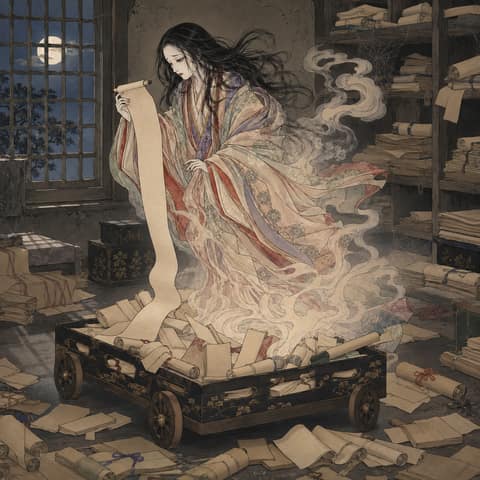
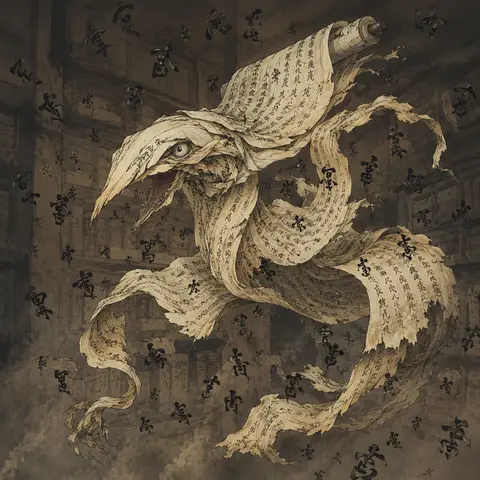
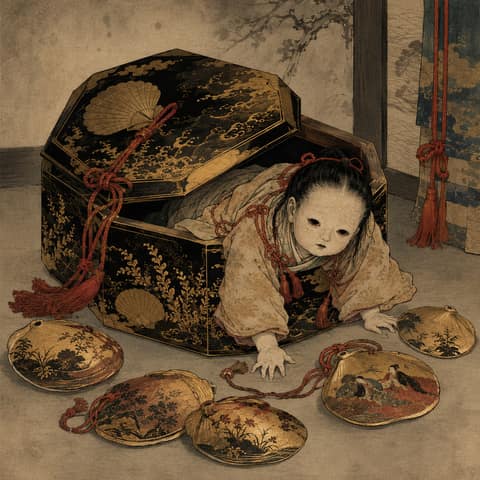
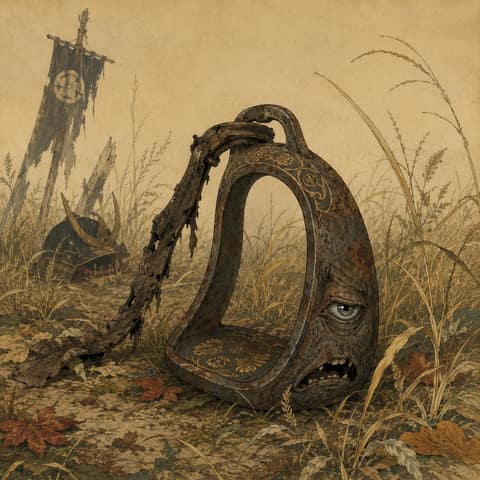
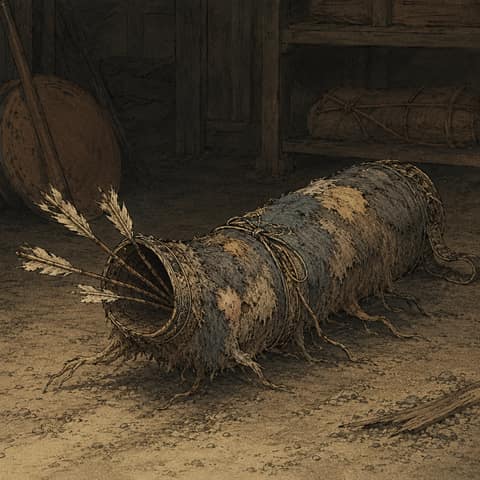
Tools and vessels used over long years are said to acquire spiritual life and transform when discarded and neglected, becoming beings known as tsukumogami. In the Muromachi-period "Tsukumogami Emaki", it was preached that tools transformed after a hundred years; the scroll depicted old implements, thrown away during house-cleaning, marching in a procession on the night of Setsubun holding grudges against humans. In the Edo period, Toriyama Sekien synthesized this worldview in his "Hyakki Tsurezure Bukuro" (The Illustrated Bag of One Hundred Random Demons), bestowing charming yokai forms upon individual objects such as biwa lutes, shamisen, koto, tea kettles, sutra scrolls, masks, and book carts, woven together with wordplay and historical anecdotes. Gathered here are the souls inhabiting tools, reflecting human sentiments—used, forgotten, yet impossible to fully discard.

Detailed Analysis

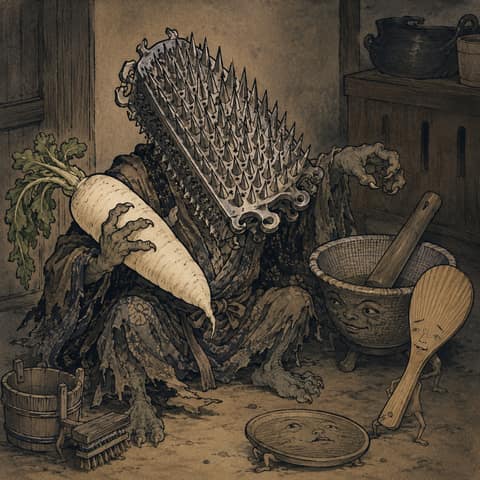
An interpretation based on Toriyama Sekien’s Hyakki Tsurezure Bukuro and related Hyakki Yagyō iconography. Gourds served as containers for water or sake and as percussion in festivals, and after long use were believed to acquire spirit in line with the tsukumogami view. The Gourd Boy appears as a human figure with a gourd for a head, briefly emerging from a night path or from grass to make passersby flinch, and little more. Its nature, name, and any definite harm are not fixed in sources, and alongside utensil-yokai like the Mortar Monk it is read as an allegorical old tool given life. Local oral lore is scant, with paintings and later commentaries as the main sources.

Character Profile

This section is our own creative profile for storytelling. It is not historical fact or scholarship.

Rarity
Rare
Personality
startles people but is not relentless
Compatibility
suits quiet places, suits households that cherish old tools
Abilities
approaches with its presence concealed and reveals itself suddenly, makes small sounds to draw attention, sometimes regarded as having a minor apotropaic quality as a tsukumogami to avert small misfortunes
Weaknesses
being replaced by newly purified implements, purification with salt or fresh water, said to dislike strong light
Habitat
storehouses, kitchens, shrine families’ sheds, thickets and field brush
🔮Yokai Compatibility Test

For more detailed information and diagnosis results about Iconographic Tradition–Tsukumogami Interpretation, please click here.

Interested in this type of yokai?

Discover the yokai most similar to your personality with our yokai diagnosis

Start Yokai Diagnosis

Meet your guardian yokai at the shrine

Draw an omikuji fortune and discover the yokai watching over you today.