月の兎は、
いつから餅を搗いたのか
満月の中で兎が杵を振り上げる姿は、日本では説明を要しないほど親しまれている。それでも、兎が最初から餅を搗いていたわけではない。杵と臼を備えた古い月兎像が示すのは、中国の仙薬である。日本の餅搗き像は、その図が海を渡り、別の道具文化と季節感の中で読み替えられた結果として現れた。
この変化を読み解く鍵は、月面そのものではなく、兎の手元にある。月の暗部は、玄武岩質の平原と明るい高地がつくる模様[1]であり、そこに杵や臼の輪郭までが実在するわけではない。人々は兎の姿を見いだしたうえで、さらに何をしているのかを物語と絵の中で補った。兎が搗くものが薬にも餅にもなり得たのは、月面の形が変わったからではなく、絵を見る側の知識と暮らしが変わったからである。
中国の月宮で搗かれていた仙薬
中国の月兎は、不死をめぐる月宮世界の一員として姿を整えた。唐初の類書『藝文類聚』に引かれた傅咸「擬天問」[2]は、月中の白兎が薬を搗くと記す。ここでの杵と臼は調理具ではなく、長寿や不死を願う仙薬を作る道具である。
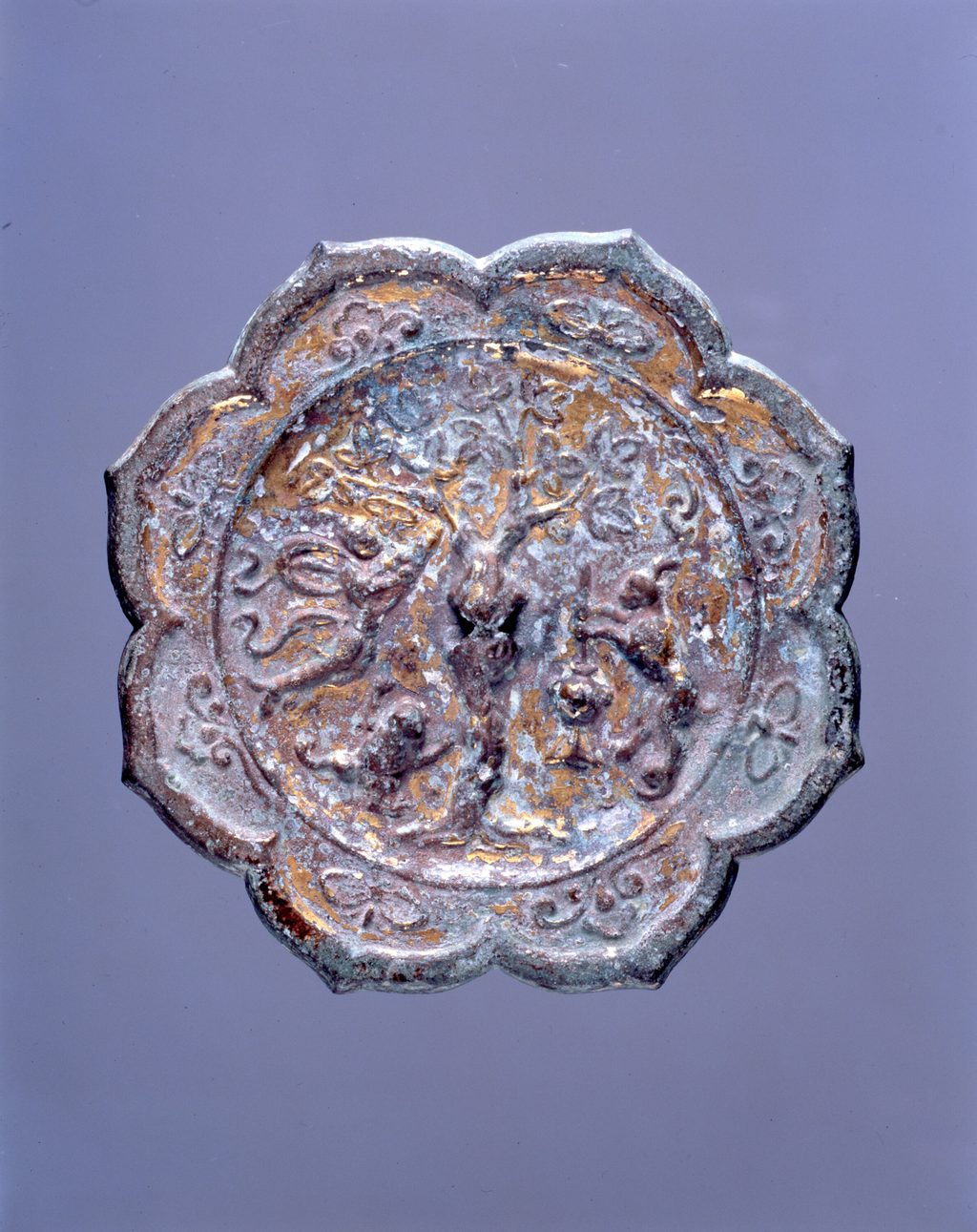
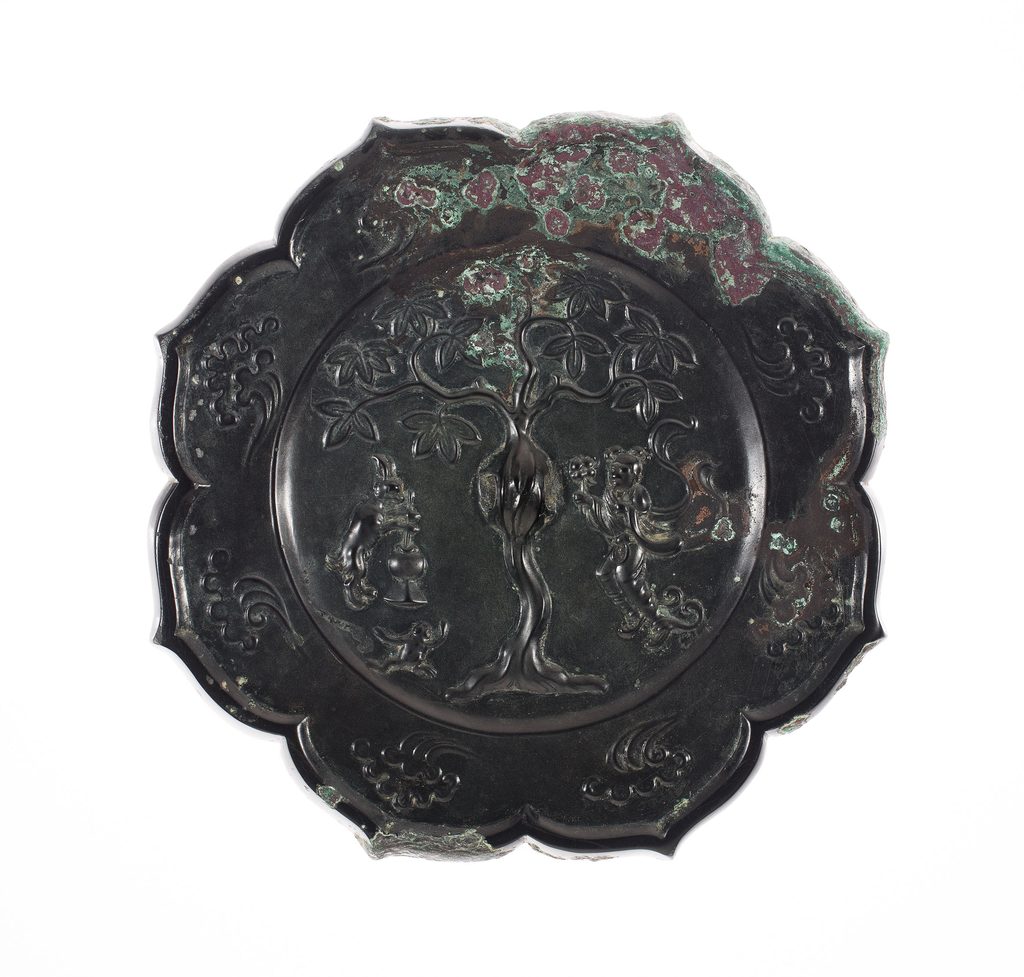
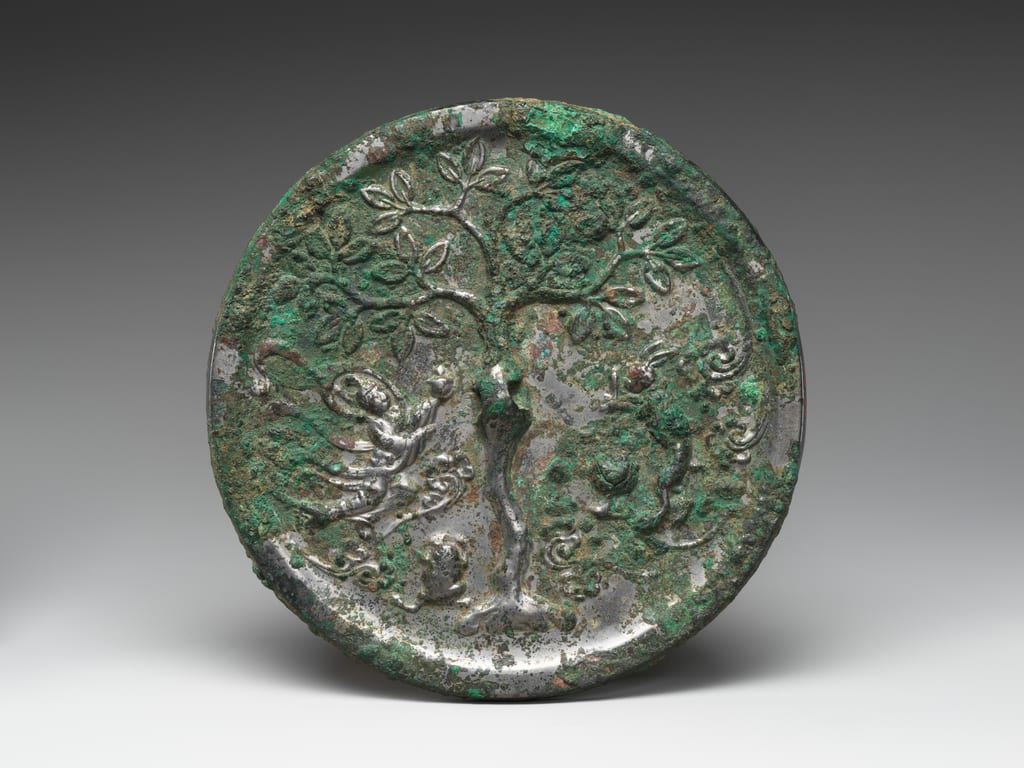
唐代の鏡は、その場面を文字よりも具体的に見せる。メトロポリタン美術館所蔵の8~9世紀「Mirror with moon goddess and rabbit」[3]では、鏡背の樹を挟み、月の女神と杵を持つ兎が向かい合う。兎の周囲には月宮に属する人物や植物が組み合わされ、単独の動物図ではなく、不死の世界を凝縮した画面になっている。兎の動作だけを日本の餅搗きとして見ると、この鏡が持つ仙界の文脈が失われてしまう。
日本の月天像に見える小さな兎
日本で月兎が受容された早い図像を考えるとき、大治2年(1127)の国宝「十二天像 月天」[4]が重要な基準となる。月天の脇侍が掲げる半月の中に、小さな兎が描かれている。しかし、この兎は画面の主人公ではなく、月を月として示すしるしである。後世の餅搗き兎のように、杵と臼を大きく見せる構図でもない。
この違いから、日本の月兎史には少なくとも二つの受容経路が見えてくる。一つは仏教の月天や捨身説話に組み込まれた兎、もう一つは中国の書物と工芸から伝わった搗薬の兎である。後代には同じ「月の兎」として親しまれるが、宗教画の小さなしるしと、月宮で薬を作る霊獣は、もともと同じ役割を担ってはいない。
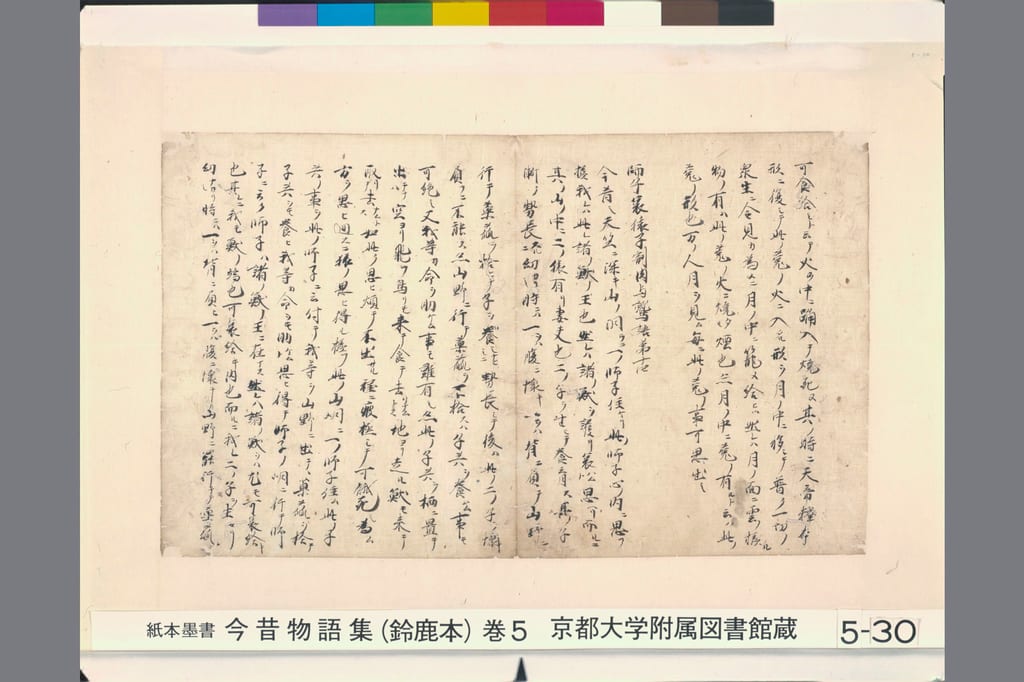
版本が運んだ杵と臼
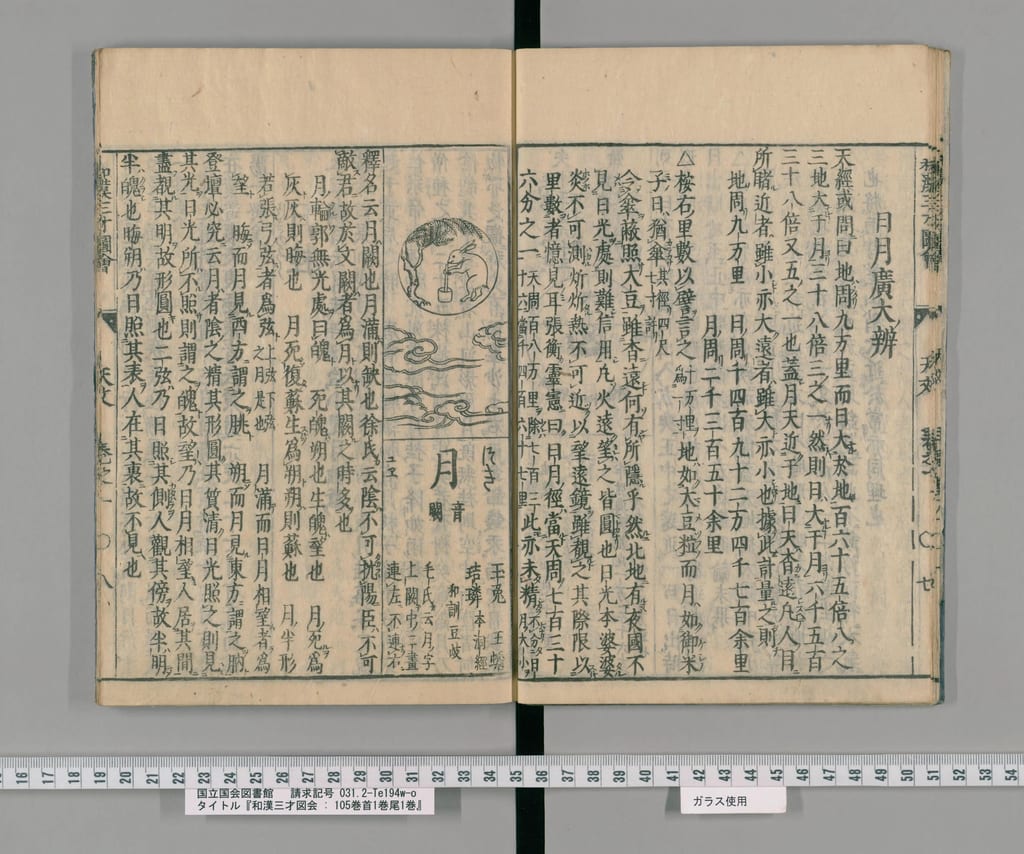
江戸時代に入ると、中国の図入り書物が日本の出版文化へ深く取り込まれ、月兎の杵と臼も版本の中で繰り返し描かれるようになった。寺島良安『和漢三才図会』巻1「天文」の月図[5]では、月輪の兎が長い杵を持ち、小さな筒形の臼へ向かっている。国立国会図書館所蔵本の第3冊、画面10では、見開き左頁の上部にその小図が置かれ、本文には中国の月兎知識が記される。
この画面を現代の目で見ると、餅を搗いているようにも見える。けれども、絵の由来と同書の知識体系をたどれば、まず搗薬像として読むのが自然である。杵と臼が描かれていることと、その中身が餅であることは同じではない。何を搗いているかは、器具の形、説明文、同時代の用語、読者が知る日常の作業を重ねて初めて判断できる。
臼の形が変えた物語
日本で餅搗きの理解が広がる過程を、文字の「初出」だけで追うのは難しい。そこで有力な手掛かりになるのが、臼の形である。庄司大悟の研究を紹介したJAXA宇宙科学研究所の記事[6]は、17世紀から18世紀の版本を比較し、中国風の直線的な筒形の臼が、日本の餅搗きに馴染み深い、側面のくびれた臼へ近づく変化を指摘する。その変化から、18世紀前半頃には兎の動作が餅搗きとして理解されやすくなった可能性が示されている。
図を作る側が餅搗きを意図したから臼を変えたのか、読者が餅搗きとして読むようになったため図が変わったのかは、一本の資料だけでは決められない。出版物が広がり、杵と臼の図を見る人が増えれば、中国の仙薬を知らない読者が日常の餅搗きを連想する機会も増える。道具の輪郭と読者の経験が互いに作用し、月兎の仕事を少しずつ変えていったと考える方が、突然の「発明」を想定するより史料に合う。
「望月」と「餅」は魅力的だが、
起源の証拠ではない
満月を表す「望月」と「餅つき」の音が似ているため、兎が餅を搗くようになったという説明は覚えやすい。だが、同じJAXAの研究紹介[6]は、この語呂を歴史的起源として裏づける資料が確認されていないことも明記する。
語呂合わせが無意味なのではない。成立後のイメージを広め、子どもにも覚えやすくする働きはあり得る。しかし、後世に親しまれた説明と、図像を最初に生み出した理由は別である。薬を搗く玉兎の知識も近世以後に消えたわけではなく、同じ杵と臼を知識人は仙薬として、別の読者は餅として見るような重なりが続いた。
十五夜の兎は、
異なる歴史が出会った姿
現代の十五夜では、満月、兎、すすき、月見団子が一組の季節記号として使われる。ところが、農林水産省の十五夜解説[7]が示す月見団子は、満月を表し、収穫への感謝を込めて供えるものとされる。兎の捨身を祀る供物とは説明されていない。
月見団子と餅搗き兎は、今日の感覚ではよく似合う。それでも、似合うことと同じ起源を持つことは異なる。月を眺める行事、丸い団子、秋の意匠、餅を搗く兎が長い時間をかけて寄り集まり、現在の親しみ深い場面を作ったのである。
同じ兎が、
薬と餅の両方を搗く
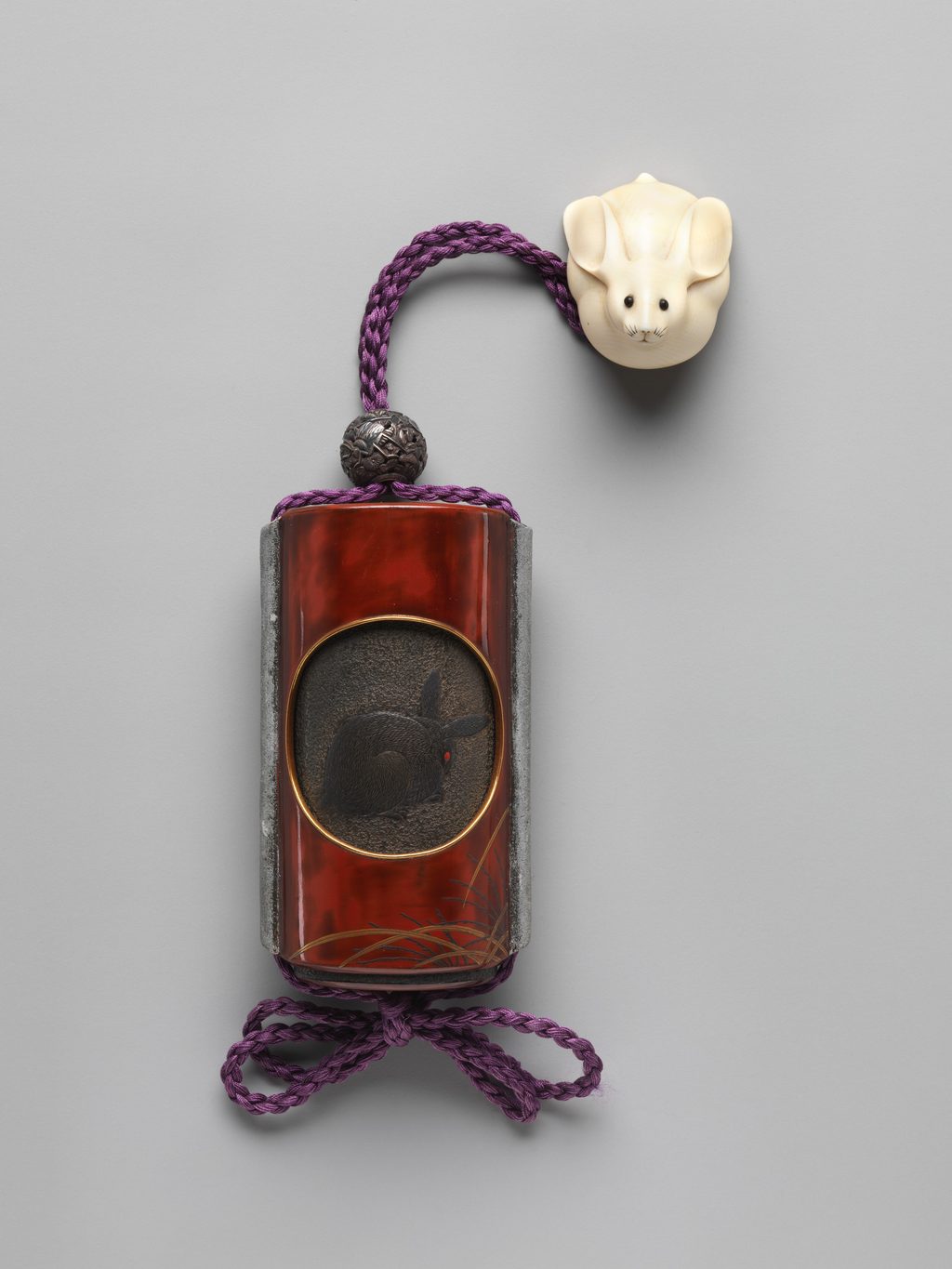
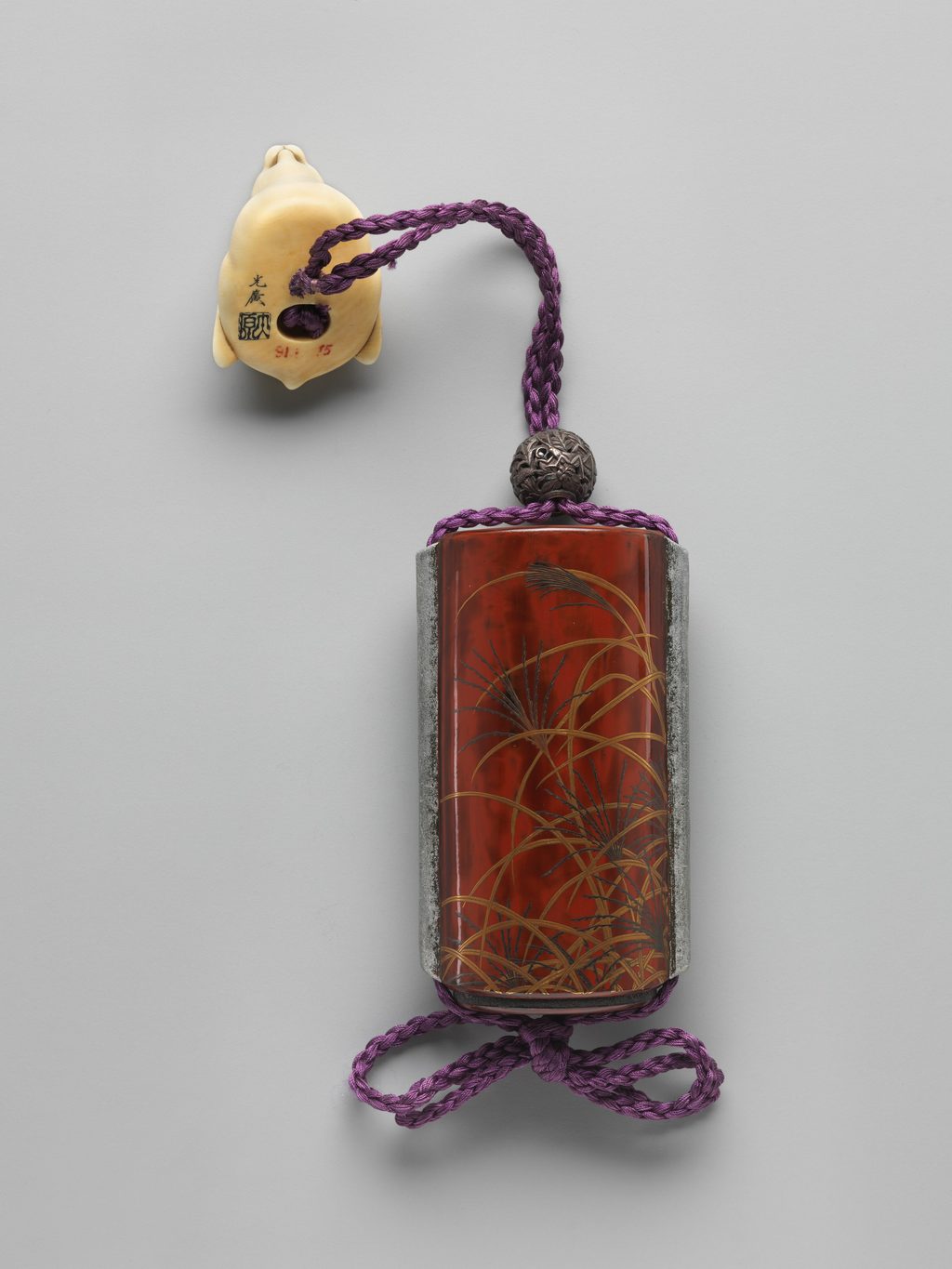
19世紀前半の「兎月秋草蒔絵鞘印籠」[8]では、月の兎と秋草が小さな工芸品の中に組み合わされる。月兎は宗教説話や仙界の住人にとどまらず、秋の風情、吉祥、機知、かわいらしさを帯びた意匠へ広がっていた。ここまで来ると、兎が何を搗くかだけでなく、月と兎の組合せ自体が季節を呼び起こす。
月の兎の面白さは、薬が餅に完全に置き換わったという単純な交代にはない。インドの捨身兎、中国の搗薬玉兎、日本の餅搗き兎は、それぞれの由来を残しながら同じ満月の中で重なった。夜空の模様は変わらないのに、そこへ託された仕事と価値は、慈悲、不死、食、季節へと変わり続けた。月の兎を見ることは、月面の影だけでなく、その影を読み替えてきた人間の歴史を見ることでもある。
Character Profile
This section is our own creative profile for storytelling. It is not historical fact or scholarship.
Yokai Type - Traditional Yokai
Category - Natural Phenomena Spirits
Rarity - Common
Personality - gentle, compassionate
Compatibility - attuned to purity, harmonious with moon‐vigil rites
Abilities - portends good fortune as an auspice of moonlightbears the symbolism of pounding mochi with mortar and pestleinspires human virtues of self‑sacrifice and compassion
Weaknesses - unknown, no concrete vulnerabilities described as it is bound to a celestial phenomenon
Habitat - the moon, the full moon’s face, religious devotion, picture scrolls, Buddhist paintings