肥後国は、いまの熊本県にあたる旧国である。上位の熊本県の妖怪事典では、球磨川の河童、九千坊、八代海の不知火、天草の磯女、阿蘇の鬼八までを、水と火の大きな地形の中で扱っている。このページでは、肥後国に直接結びつく二つの怪へ絞る。ひとつは、弘化三年の瓦版に「肥後国海中」から現れたと記されたアマビエ。もうひとつは、川のガラッパが山へ入って姿を変える山童である。
肥後は「火の国」と呼ばれるが、妖怪を読むときには水の国でもある。海は疫病と豊作を告げる予言獣を浮かべ、川は河童を生み、山はその河童を山童として受け取る。アマビエと山童は、姿も時代も違う。しかしどちらも、水から現れ、水から別の場所へ動く存在である。肥後国の妖怪文化は、その移動の感覚に宿っている。
火の国の奥に、
水の怪を見る
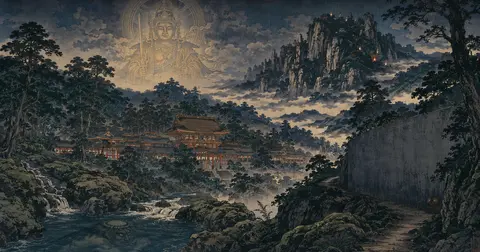
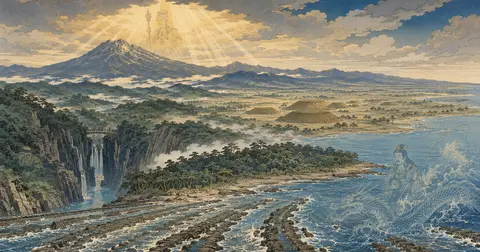
肥後国は「火の国」の名で語られやすい。阿蘇の火山、八代海に現れる不知火、霜を降らせる鬼八の祟り。だが、肥後の妖怪を細かく見ると、火の背後にはいつも水がある。球磨川が峡谷を刻み、有明海と八代海が干潟を広げ、阿蘇の伏流水が平野を潤す。火の国は、同時に水の国だった。
県全体の記事では、河童渡来、九千坊、阿蘇の鬼八、天草の海の怪まで広く扱った。旧国としての肥後では、その大きな物語のうち、直接この旧国に結びつく二つの点を読む。海中から現れて「写して見せよ」と告げるアマビエ。川のガラッパが山へ入って変じる山童。この二つは、肥後の水がどのように人間の不安と暦を形にしたかをよく示している。
アマビエ、
肥後国海中の一枚
アマビエの原典は、実はとても少ない。京都大学附属図書館が所蔵する瓦版「肥後国海中の怪(アマビエの図)」一点が、ほぼ唯一の確実な出発点である[1]。京都大学貴重資料デジタルアーカイブの当該レコードは、合綴名として「肥後国海中の怪(アマビエの図)」を掲げ、所蔵を京都大学附属図書館とする[1]。
Amabie
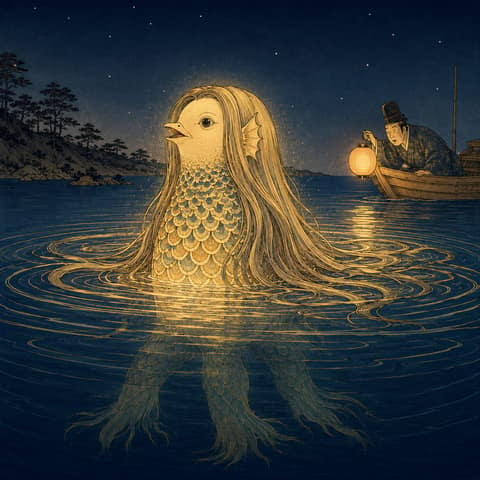
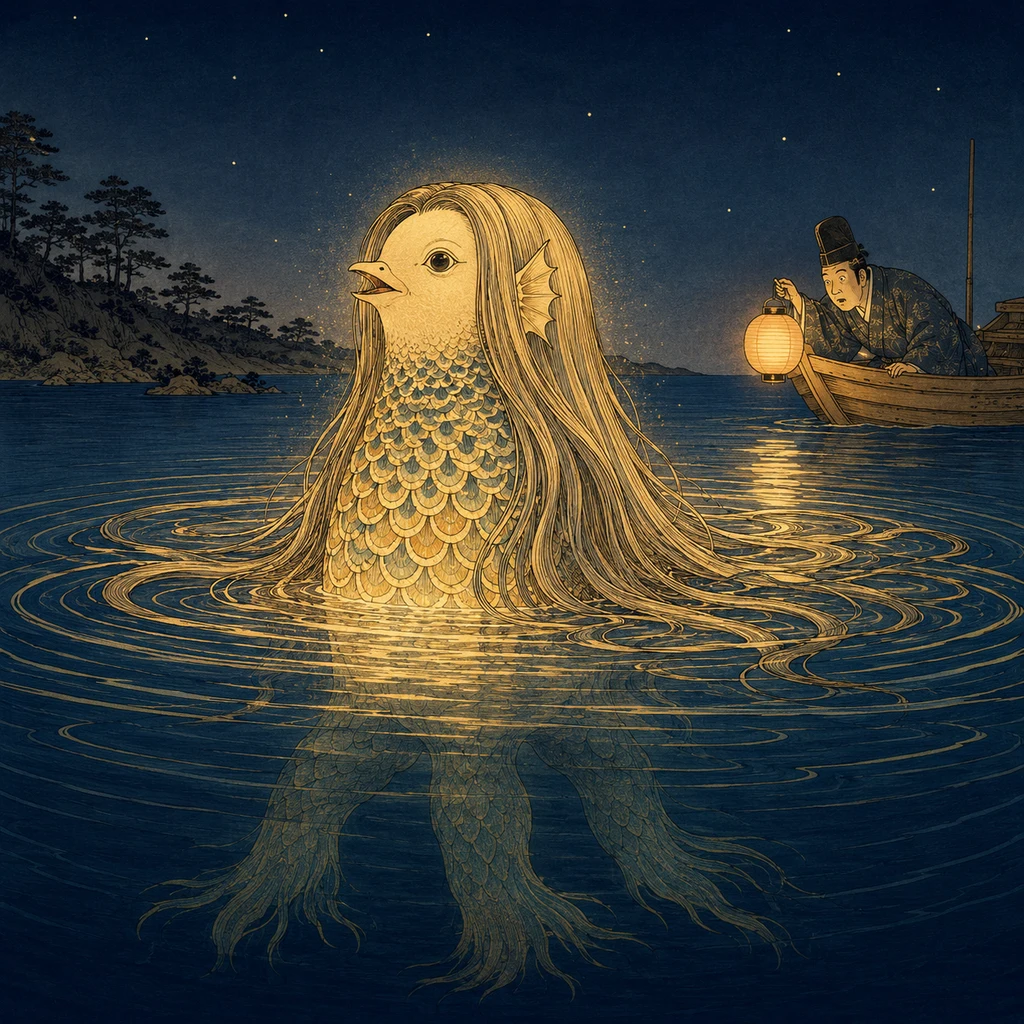
Amabie is a prophetic yokai said to have appeared in the sea off Higo Province in mid-April 1846. Its only known contemporary source is a single kawaraban held by Kyoto University Library; no parallel account from the period has been confirmed. According to the sheet, something shone in the sea night after night. When an official went to investigate, a creature appeared and announced, 'I am Amabie, a being who lives in the sea.' It foretold six years of abundant harvests across the provinces, together with an epidemic, and instructed people to copy its form and show it to others at once before disappearing beneath the water. The text describes its appearance only as 'like the picture.' In the accompanying image it has long hair, a beak, scales, and three leg- or fin-like appendages.
Read more瓦版によれば、弘化三年四月中旬、肥後国の海中に毎夜光るものが現れた。役人が赴くと怪が姿を見せ、「私は海中に住むアマビヱ」と名乗り、当年から六年のあいだ諸国は豊作になるが疫病も流行する、早く自分の姿を写して人々に見せよ、と告げて海へ消えたという。添えられた図は、長い髪、嘴のような口、鱗のある体、三本の足を持つ姿で、文字よりもむしろ絵が記憶を運んだ。
ここで大事なのは、出現地が「肥後国海中」としか記されないことである。宇土沖、八代海、不知火海などの比定は後世の想像としては魅力的だが、瓦版そのものはそこまで細かい地名を言わない。だから肥後国の記事では、アマビエを特定の浜や港へ無理に固定しないほうがよい。むしろ「肥後の海」という曖昧さこそ、この怪の力である。どこかの海で光るものが見え、そこから未来を告げる声が来る。その不確かさが、予言獣を広く流通させた。
「肥後国海中」という言葉は、地図上の一点ではなく、海を向いた国全体を指すように響く。肥後の西側には有明海と八代海があり、潮の満ち引き、干潟、蜃気楼めいた光、遠くの船火が暮らしの中にあった。アマビエの瓦版が描いた「毎夜光るもの」は、そうした海の経験と結びついて読まれたはずである。予言は天から降りるのではなく、海の底から上がってくる。肥後では、未来を告げる声さえ水をまとっていた。
予言獣としてのアマビエ
アマビエは孤立した妖怪ではない。近世後期には、海や山から現れて豊作や疫病を予言し、自分の姿を写せと命じる怪がいくつも流布した。神社姫、姫魚、件、アマビコ。こうした予言獣の系譜のなかで、アマビエは「アマビコ」の誤写ではないかとも考えられている[2]。つまり、アマビエは古くから大量の物語を持っていた妖怪というより、予言獣文化の中で一枚の瓦版として残った特異な個体である。
それでも、アマビエが肥後の妖怪として強い理由は明らかだ。肥後は、水の縁が濃い土地である。海から見慣れない光が上がり、役人がそれを確かめに行く。怪は海の中に住む者と名乗り、病と豊作を同時に告げる。これは、海が恵みと災いを同時にもたらすという感覚そのものだ。漁、交易、疫病、風聞。海は物と人だけでなく、噂も病も運ぶ。アマビエは、その海の不安を、見せるべき絵姿へ変えた妖怪だった。
山童、
川から山へ入る
肥後国のもう一体、山童は、アマビエとは反対に陸の奥へ入っていく。山童は九州の山地に伝わる小さな山の怪で、寺島良安『和漢三才図会』は筑前国や五島列島を生息地として挙げるが、肥後ではガラッパ、つまり河童との季節的な去来がとくに重要になる[3]。
Yamawaro
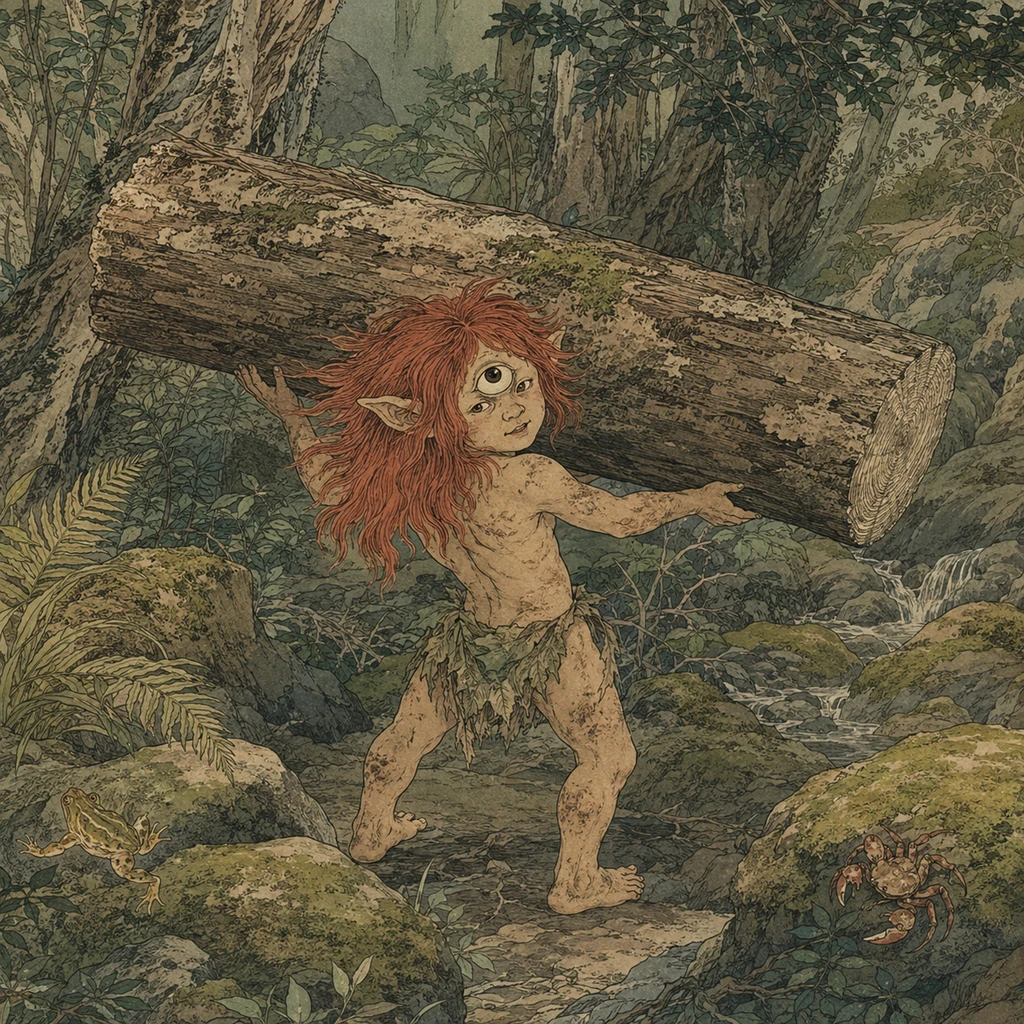
The *Yamawaro* (Mountain Child) is a mountain monster, sometimes said to have one eye and one leg, passed down as dwelling in the mountains of Kyushu. Terajima Ryoan's *Wakan Sansai Zue* (1712) records that *Yamawaro* exist in Chikuzen Province (Fukuoka Prefecture) and the Goto Islands, describing them as resembling humans with round faces, long red hair covering their eyes, pointed dog-like ears, and a single eye on their nose. Said to be about the height of a ten-year-old child, they appear in mountain huts to steal salt and are fond of eating crabs and frogs. While they help with woodcutting and charcoal-making, demanding sake or rice balls in return, they are also known for their mischievous nature—challenging people to sumo wrestling, playing tricks on livestock, and entering baths without permission. The tradition that kappa move to the mountains and transform into Yamawaro is widely distributed across Kyushu.
Read more肥後では、川のガラッパが秋の彼岸に山へ入り、山童となり、春の彼岸にまた川へ戻ると語られる。国際日本文化研究センターの怪異・妖怪伝承データベースにも、ガラッパ・河童・山童の関係を示す採集例が見える[4]。柳田國男『山島民譚集』も、河童が水辺と山を移る信仰を「河童の渡り」として考えた[5]。
この去来は、単なる妖怪の移動ではない。川の神と山の神が季節によって入れ替わるという、農耕の暦と深く関わる考え方である。水田の季節には水辺にいて、山の季節には山へ帰る。人間が稲作の一年を川と山の往復として感じていたからこそ、河童もまた川と山を往復した。山童は、河童が消えた後の山に残る、水の気配なのである。
山童の伝承が面白いのは、怪が人間と完全に断絶していない点である。山仕事を手伝うこともあれば、報酬の握り飯や酒を求め、約束を違えれば怒る。これは、山をただ怖い異界と見るのではなく、人間が交渉しながら入る場所として捉えていたことを示している。肥後の山では、怪は退治されるだけではない。礼を尽くし、呼び名を選び、取り決めを守る相手でもあった。
海から現れるもの、
山へ帰るもの
アマビエと山童を並べると、肥後国の水の想像力がよく見える。アマビエは海から現れる。山童は川から山へ帰る。どちらも水の怪だが、方向が違う。アマビエは外から来る不安を告げ、山童は内陸の季節をめぐる。ひとつは瓦版という紙に写されて広まり、もうひとつは山仕事や川辺の口承として語られた。
この差は、肥後の地形にも対応している。西には有明海と八代海があり、外から来るものを受け止める。内陸には球磨川と山地があり、水が山と里を往復する。海の怪は予言を運び、山の怪は暦を運ぶ。アマビエと山童は、肥後の水が外へ開く力と、内側で循環する力を、それぞれ違う姿で示している。
結び
肥後国の妖怪は、火の国という名だけでは見えてこない。アマビエは「肥後国海中」という曖昧な海から現れ、病と豊作を告げ、自分の姿を写せと言った。山童は、川のガラッパが山へ入り、季節のめぐりとともに姿を変える怪である。どちらも、人が水に向けて抱いた期待と恐れから生まれている。
アマビエは、見えない病への不安を絵に変える。山童は、川と山を往復する季節感を小さな童の姿に変える。肥後国を読むとは、海に浮かぶ光と、山へ消える水の気配を読むことでもある。火の国の奥で、水の妖怪は静かに動き続けている。