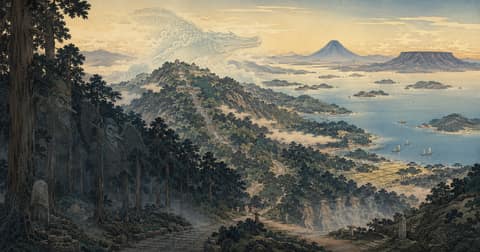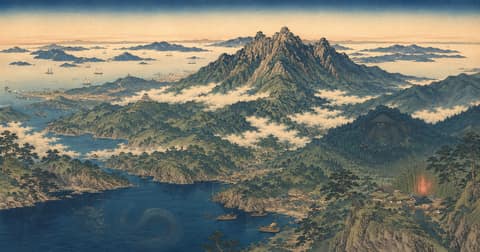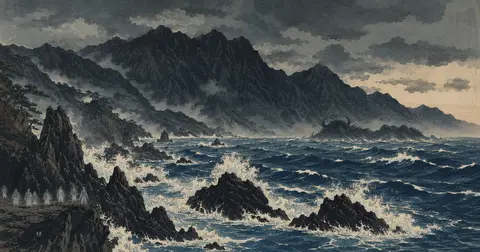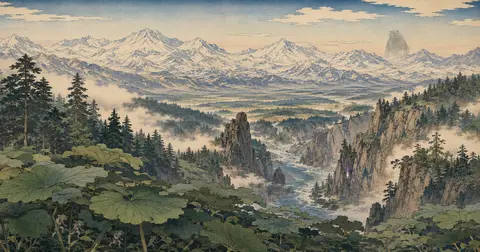
太平洋へ大きく突き出した四国の南面、いまの高知県にあたる古い国を、人は土佐国と呼んだ。律令の世に南海道[1]へ編まれたこの国は、北を四国山地の険しい尾根に閉ざされ、南は黒潮の流れる外洋へどこまでも開ける ── 都から見れば、山にも海にも隔てられた「南海の果て」であった。
この遠さこそが、土佐という国の性格を決めた。奈良の都から望めば、土佐は届きにくく帰りにくい辺境であり、それゆえ古代から貴人を流す国として選ばれてきた。同時にそれは、京の文化が一度たどり着けば外へ漏れにくく、土地の中で熟成される器でもあった。流された者の嘆き、四年の任を終えて帰る国司の旅、そして外洋の死と隣り合わせの暮らし ── そうした「遠さ」の記憶が、土佐の怪異の底に流れている。
この記事は、現代の高知県の妖怪事典が束ねる宏観 ── 黒潮と山の闇、犬神筋の憑きもの、七人ミサキの御霊信仰 ── を踏まえつつ、その古代・中世の地層に焦点を絞る。都佐国造に始まる国の成り立ち、紀貫之『土佐日記』が渡った海、そして近世土佐に残された在地の妖怪絵巻『土佐お化け草紙』。流刑と黒潮の遠国という一本の軸から、土佐の妖怪 ── カワウソ・赤頭・馬骨・夜雀 ── を読み解いていきたい。なお、犬神や七人ミサキの深い掘り下げは現代県の記事に譲り、ここでは古国としての土佐の貌を描く。
黒潮の果ての流刑の国
土佐という国の輪郭は、古代に二つの勢力を束ねるかたちで結ばれた。『先代旧事本紀』「国造本紀」の伝えるところでは、東部を都佐国造(とさのくにのみやつこ)[2]が、西部の幡多(はた)を波多国造が治めたとされ、令制国の土佐はこの両者の領域を合わせて成った。『日本書紀』には「土左」の表記が見え、和銅六年(713)の好字令で「土佐」と改められたと伝わる。国府は長岡郡 ── いまの南国市比江[1]に置かれ、その地には今も「土佐国衙跡」が残る。一宮は高知市の土佐神社で、国の鎮守として古代より崇敬を集めた。
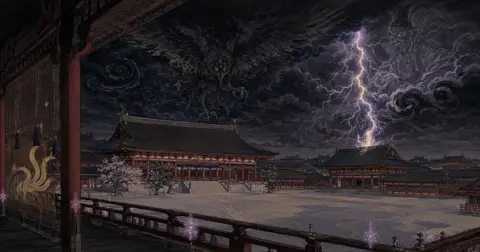
この国を語るうえで欠かせないのが、流刑の地としての歴史である。土佐は南海道のなかでも都から最も遠い国のひとつで、罪人を流す三等級(近流・中流・遠流)のうち最も重い遠流(おんる)の国に数えられた。『日本書紀』には早くも天武天皇五年(676)に屋垣王(やがきのおおきみ)が土佐へ流された記録があり、以後この国は、中央政争に敗れた貴人たちの行き着く先となる。平安末から中世にかけては、頼朝の弟・源希義(みなもとのまれよし)[1]が平治の乱の後に土佐へ配流されて挙兵し討たれ、承久の乱に連座した土御門上皇[1]や尊良親王もこの地へ送られた。京で罪を得た者が、山と海に二重に隔てられた南海の遠国で生涯を閉じる ── この「流される国」という記憶は、土佐に「都から来た非業の魂」という主題を深く刻みつけた。非業の死を遂げた者が祟り、やがて祀られて鎮められる御霊(ごりょう)信仰が土佐で濃く育った背景には、こうした遠流の地としての歴史がある。
中世には一条家が西部の幡多荘を支配し、室町期は細川氏が守護を務めた。戦国の世に長宗我部元親が一国を統一して四国制覇に手を伸ばすが、豊臣秀吉の四国攻めで土佐一国に押し戻される。関ヶ原で西軍に与した長宗我部氏は改易され、代わって山内一豊[1]が入部して土佐藩を立てた。以後、山内氏の統治と四国山地の高い壁のもと、土佐は他国との往来を制限された半ば閉じた国として、独自の方言・気質・信仰を深く醸成していく。閉じた風土は村落の論理を凝縮させ、外から来る災いと内に潜む祟りの双方を妖怪として語らせた ── これが、現代高知県の記事で見た憑きもの・御霊文化の母胎である。
土佐日記が渡った海
遠流の国・土佐に都の文学が一筋の航跡を残したのが、紀貫之の『土佐日記』である。
紀貫之(きのつらゆき)[3]は『古今和歌集』の撰者として知られる歌人だが、晩年に土佐守として赴任し、四年の任を終えて京へ帰る船旅をしたためた。承平四年(934)十二月二十一日、貫之は土佐の国府を発ち、翌承平五年(935)二月十六日に京へ帰り着くまでのおよそ五十五日間を、日々の記録として書きとめた。これが日本最古の仮名日記文学とされる『土佐日記』[3]で、成立は承平五年(935)頃とみられる。
この作品が画期的だったのは、男である貫之が「女もすなる日記といふものを、をのこもしてみむとてするなり」と書き起こし、女性に仮託して仮名で綴った点にある。漢文の公的記録ではなく、仮名のやわらかな文体で、船旅の不安、土佐で亡くした娘への尽きせぬ哀傷、海の荒れや海賊への怯えを率直に記した。とりわけ任地の土佐で幼い娘を亡くした悲しみは全篇に通奏低音のように流れ、帰京の喜びと喪失の痛みが交錯する。
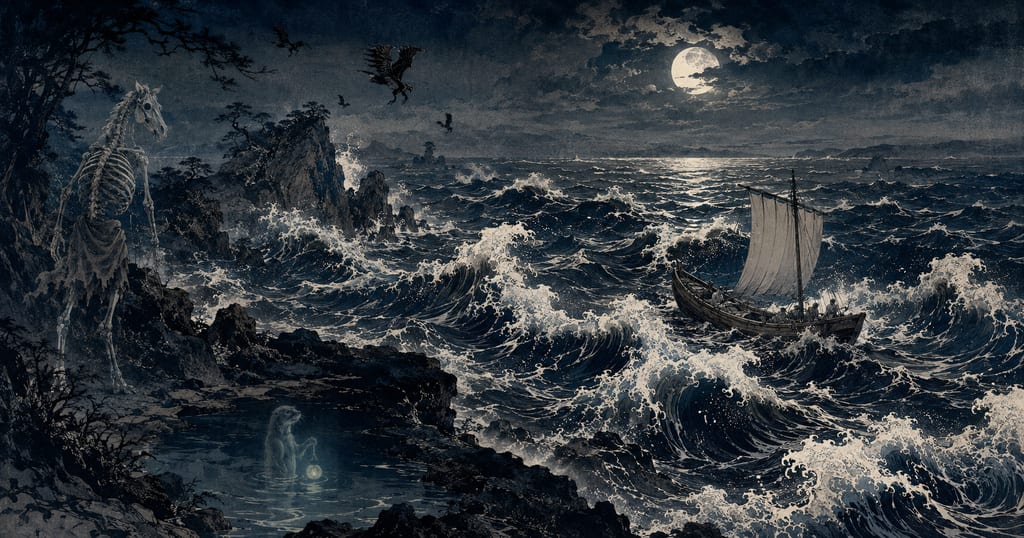
『土佐日記』が描くのは、まさに「遠さ」の体験である。室戸・足摺の二つの岬に挟まれた土佐の海は、当時の航海者にとって難所だった。日記には、風待ちで幾日も船を出せぬ焦り、夜の海への恐れ、海賊の噂への怯えが繰り返し記される。都から見れば、土佐は海路の彼方に隔てられた遠国であり、そこから帰る船旅は命がけだった。この海の遠さと荒さの感覚は、のちに土佐の海の妖怪 ── 黒潮の沖に出る牛鬼や、水難死者の群霊である船幽霊 ── を生む土壌と地続きである。それらの海の怪については高知県の妖怪事典で詳しく語っているので、ここでは土佐日記が渡った海そのものの恐ろしさを、妖怪文化の前史として記しておきたい。流された貴人の嘆きと、帰る国司の哀傷 ── 都と土佐を結ぶ航路には、いつも「遠さ」がもたらす死の影が差していた。
四万十のカワウソ
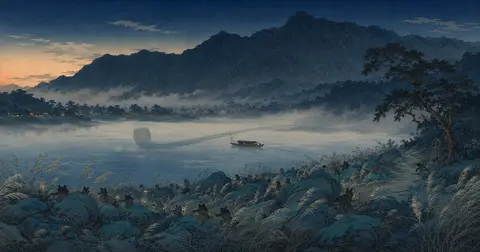
国府や海路から、土佐の川と山へ目を移そう。土佐国の脊梁をなす四国山地からは、最後の清流と謳われる四万十川や、屈指の透明度を誇る仁淀川が流れ出す。これらの川と、その源をなす人を寄せつけぬ深山が、それぞれの怪を育てた。なかでも土佐の川を象徴する妖怪が、化け獺(だ) ── カワウソである。
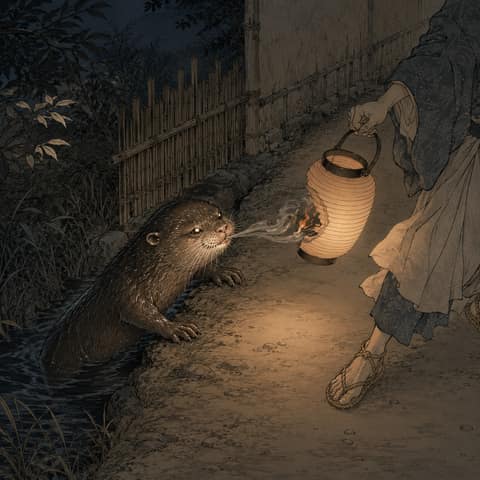
Kawauso (Otter Yokai)
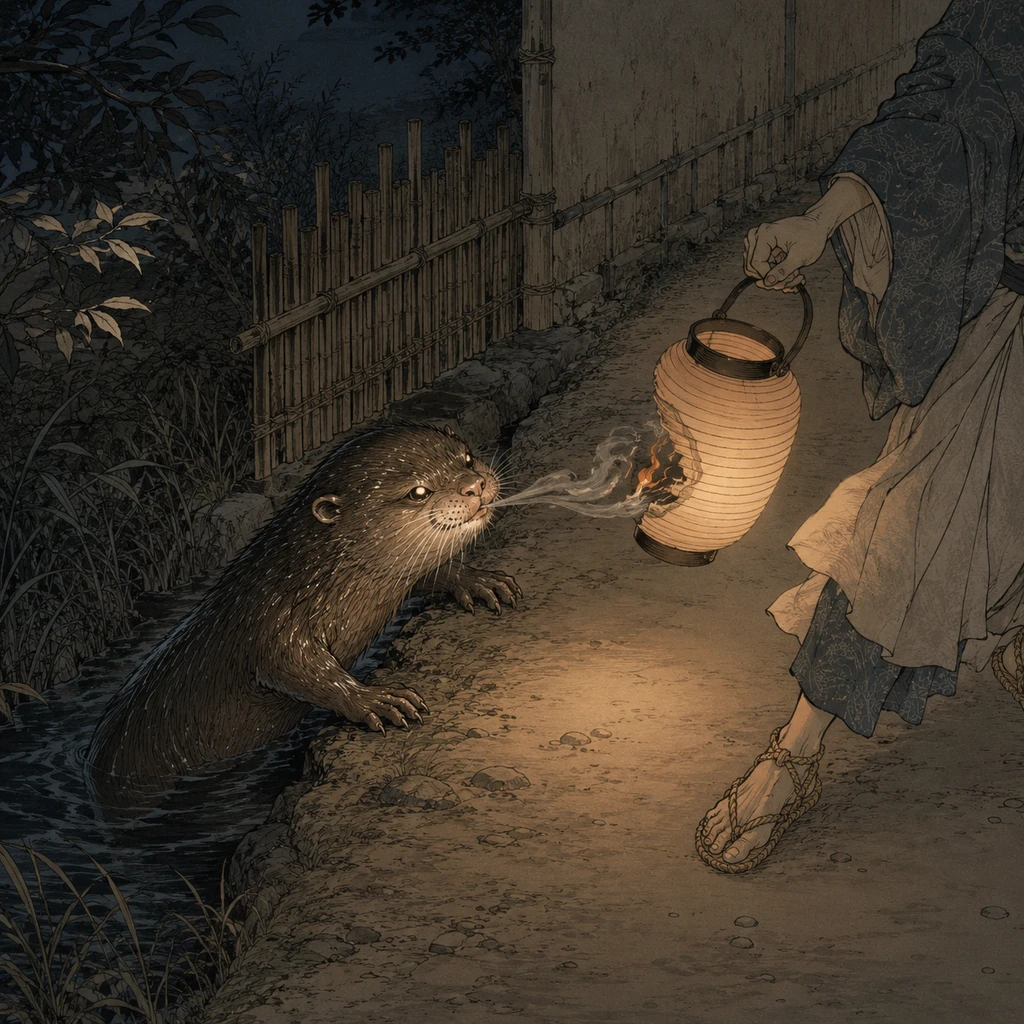
Kawauso are otters that, after many years, become yokai. They understand human speech and excel at shapeshifting. They delight in mischief such as snuffing out lanterns on night roads to lead travelers astray. Many tales describe them luring people while disguised as a beautiful woman, a child, or a monk. Old dictionaries even note, “An aged otter becomes a kappa,” and in some regions they are treated as the same being or close kin to kappa.
Read moreカワウソ(獺)は、川や沼の獺が年を経て妖力を得たものとされ、狐狸と並ぶ「化け獣」として全国で語られた。室町期の国語辞書『下学集』[4](文安元年・1444)には「獺老いて河童となる」とあり、四国でもカワウソを河童の一種とみる伝承が広く分布する。夜道で提灯の火を消し、美女や子ども、僧に化けて人を惑わすが、その変化はどこか抜けたところがあり、問答の訛りや言葉のずれから正体が露見する話型が各地に共通する。恐れられる一方で、間の抜けた応答ゆえに愛嬌ある妖怪としても語られた。北陸や四国では、河童同様にカワウソが人に相撲を挑む話も伝わる。江戸期の本草書『和漢三才図会』[5]も獺を水辺の知略ある獣として載せ、人智に近い知恵をもつ獣という古来のイメージが、化け獺の伝承の土台にあったことをうかがわせる。
土佐のカワウソには、妖怪譚を超えた切実な後日譚がある。妖怪話を生むほど身近だったニホンカワウソは、明治以降の乱獲と河川環境の悪化で激減し、その最後の生きた姿が確認されたのが、ほかならぬ土佐の地だった。昭和五十四年(1979)六月、須崎市の新荘川[6]で目撃された個体を最後に、ニホンカワウソは公式の生存記録を絶ち、平成二十四年(2012)に環境省が絶滅種に指定した。化け獺の伝承を残した当の獣が、いまや伝承の中にしか姿をとどめない ── 妖怪の数奇な来歴として、これほど象徴的な例は少ない。四万十・新荘川の清らかな水が育んだ怪が、その水の濁りとともに姿を消したことは、土佐の自然史そのものを映す鏡でもある。
土佐お化け草紙の怪 ── 赤頭と馬骨
ここからは、土佐ならではの妖怪資料を見ておきたい。江戸期の土佐には、京・江戸の商業出版で流通した鳥山石燕らの妖怪画とは別系統の、在地の妖怪絵巻が伝来した。
その代表が『土佐お化け草紙』[7] ── 土佐国(現·高知県)を舞台とした全十六話の妖怪譚を収めた絵巻で、作者は田舎に住んだ無名の絵師とされる。巻頭で各地の妖怪が土佐に集結し、夜明けとともに退散するという構成をとる。現存本には二系統が知られ、ひとつは土佐藩筆頭家老・深尾家に仕えた吉本家(三代栄助正成が拝領)に伝来した個人蔵本、もうひとつは佐川町教育委員会が所蔵する安政六年(1859)の写本である。京・江戸の有名絵師による妖怪画が「都市の教養としての妖怪」だったとすれば、この絵巻は江戸時代の土佐の農村部で実際に囁かれた素朴で生々しい俗信を掬い取った記録であり、その絵は「稚拙だが、妖怪としての恐ろしさよりむしろ親しみを感じさせる」と評される。けち火や山父(やまちち)といった地方色の濃い妖怪が登場する点に、地方妖怪研究の一次資料としての価値がある。
もうひとつの絵巻『土佐化物絵本』には、後述する「勝賀瀬の赤頭」が「山北の笑い女」「本山の白姥」と並ぶ土佐三大妖怪の一として記される。これら近世土佐の妖怪資料は、郷土史家・寺石正路(てらいしまさみち)ら土佐の研究者の関心を集め、地方に固有の妖怪像を今に伝えてきた。
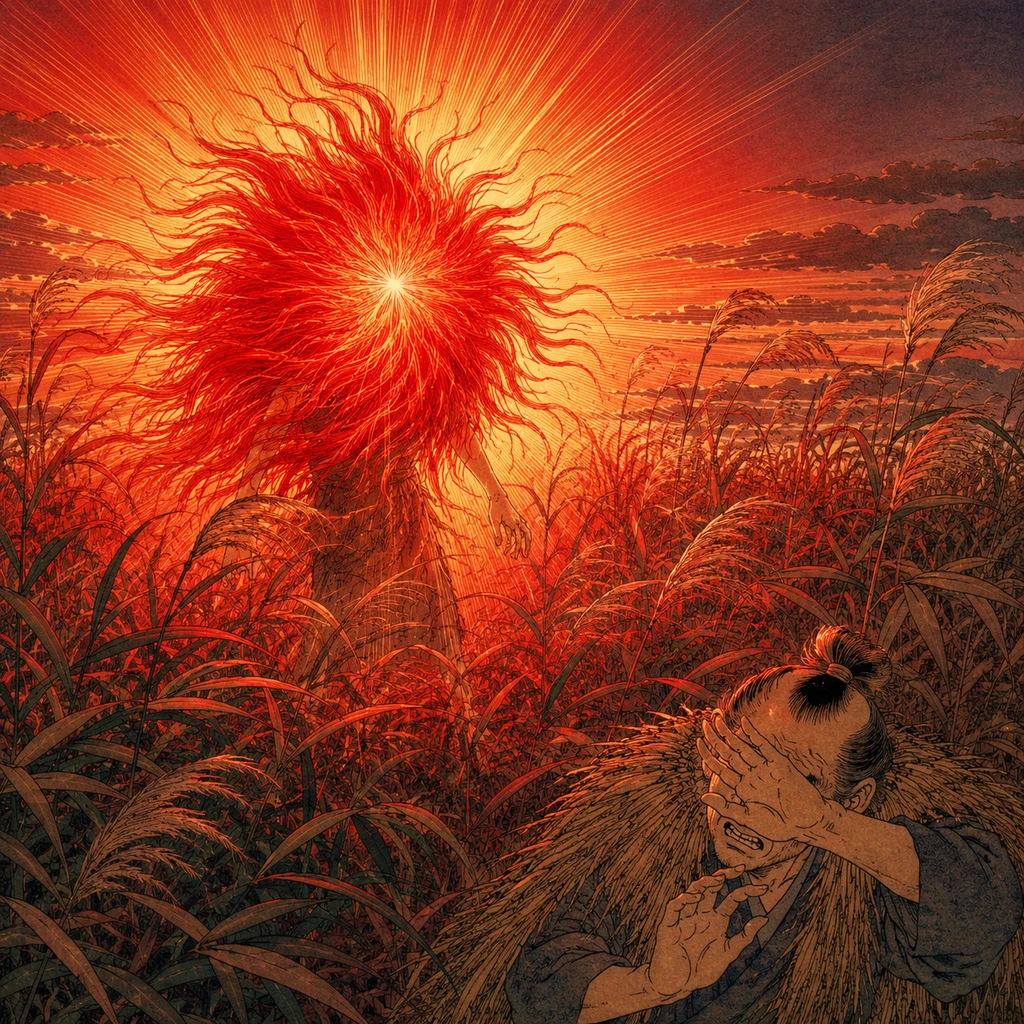
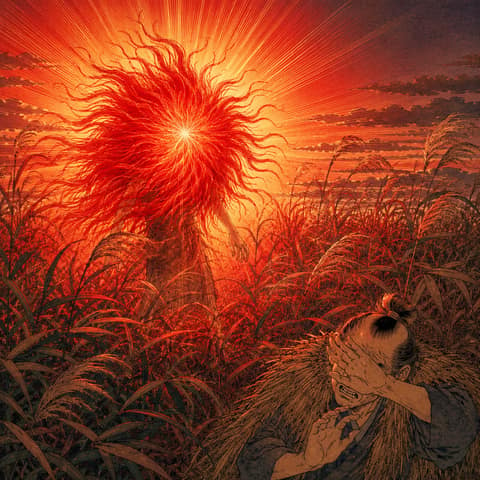
赤頭(あかがしら)は、吾川郡勝賀瀬(かつがせ、現·いの町)に伝わる山野の怪である。赤い髪が陽光のように輝き、直視できぬほど眩しいという。二本足で歩むが草むらに紛れて足もとは見えにくく、人を襲う性質はない。ある者が遭遇して朝日を直視したように目が眩み、去った後に眼病を患って失明しかけたが、手当てで快復した ── と伝わる。眩しさで人を惑わす光の怪というのは珍しく、土佐の山の妖怪らしい飄逸(ひょういつ)さがある。なお『百鬼夜行絵巻』にも「赤がしら」の名が見えるが、土佐の赤頭と同一かは不詳で、赤い髪という共通点が指摘されるにとどまる。三大妖怪に並ぶ「山北の笑い女」「本山の白姥」とともに、勝賀瀬・山北・本山という特定の在地地名に結びついて語られる点に、土佐の妖怪の土着性がよく表れている。
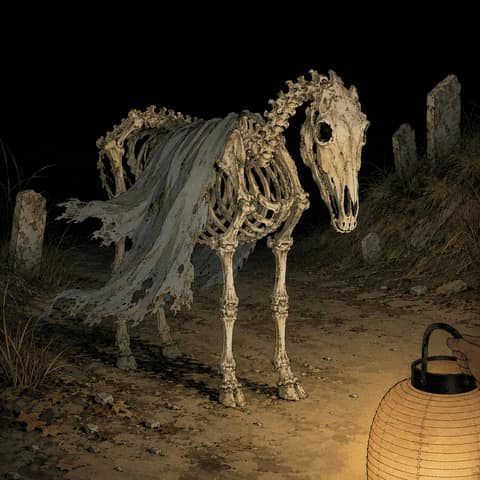
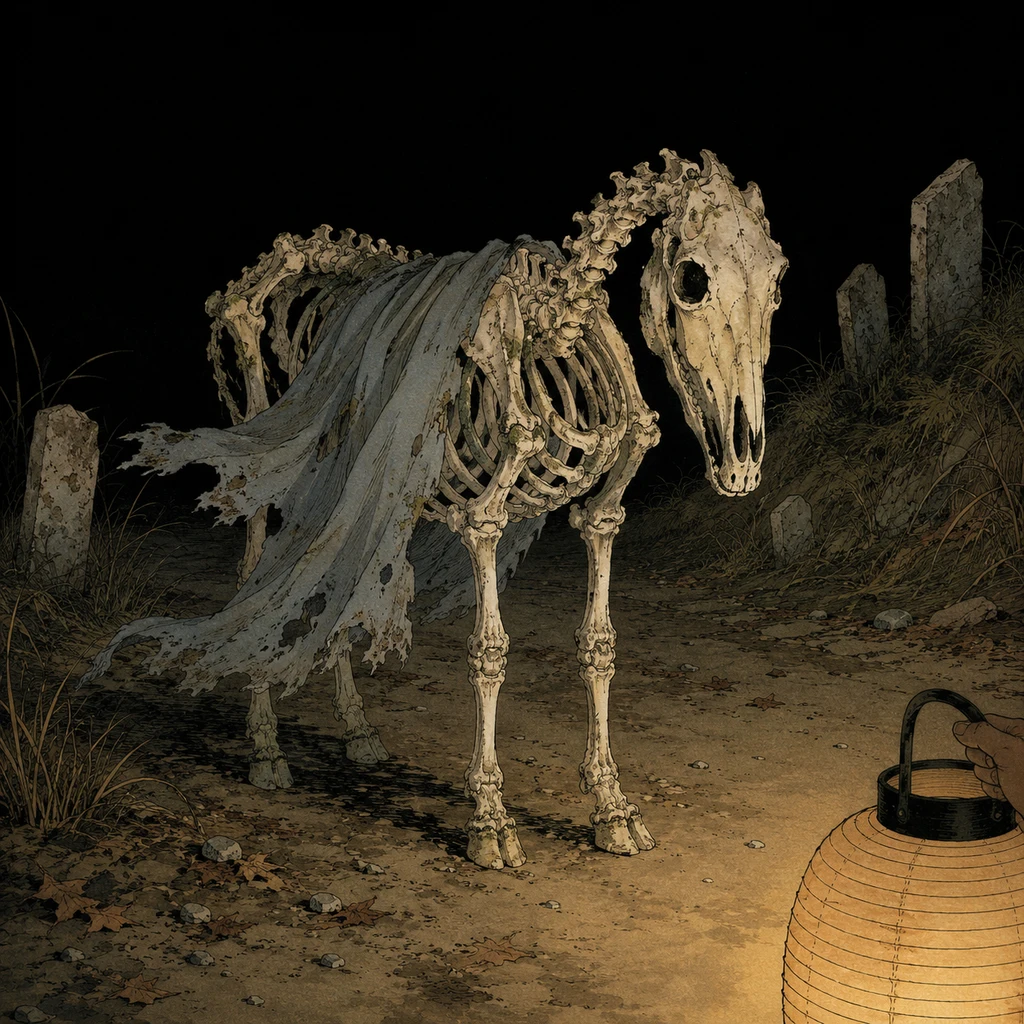
馬骨(ばこつ)は、火事で焼け死んだ馬の遺骸が妖気を帯びて化したとされる骸怪(むくろの妖怪)である。馬骨という妖怪は鳥山石燕の画集には見えず、その姿を今に伝えるのは『土佐お化け草紙』[7]のみで、土佐に固有の在地妖怪といってよい。絵巻では、蚊帳を隔てて宿守(やどもり)という蟇蛙(ひきがえる)に似た妖怪と語らう場面に描かれる。白骨化した巨大な馬の骨格が、擦り切れた古衣を腰にまとい、人のように二本足で直立する異形だ。江戸期の農村において、馬や牛は農耕を支える絶対の労働力であり、家族同然に飼われた。死んだ牛馬を勝手に埋めることは禁じられ、火事で焼け焦げて使えなくなった骨は路傍に打ち捨てられることもあった。村人が路傍に馬頭観音の石塔を建てて死んだ牛馬を弔った心性の延長に、使役され尽くして捨てられた畜生の悲哀を具現する馬骨は立っている。積極的に人を害する記録はなく、命を最後まで敬えという畜生供養の倫理を説く、教訓的な妖怪である。
夜道を送る雀 ── 夜雀
土佐の妖怪の最後に、夜の山道に潜む鳥の怪を挙げておきたい。
Night Sparrow
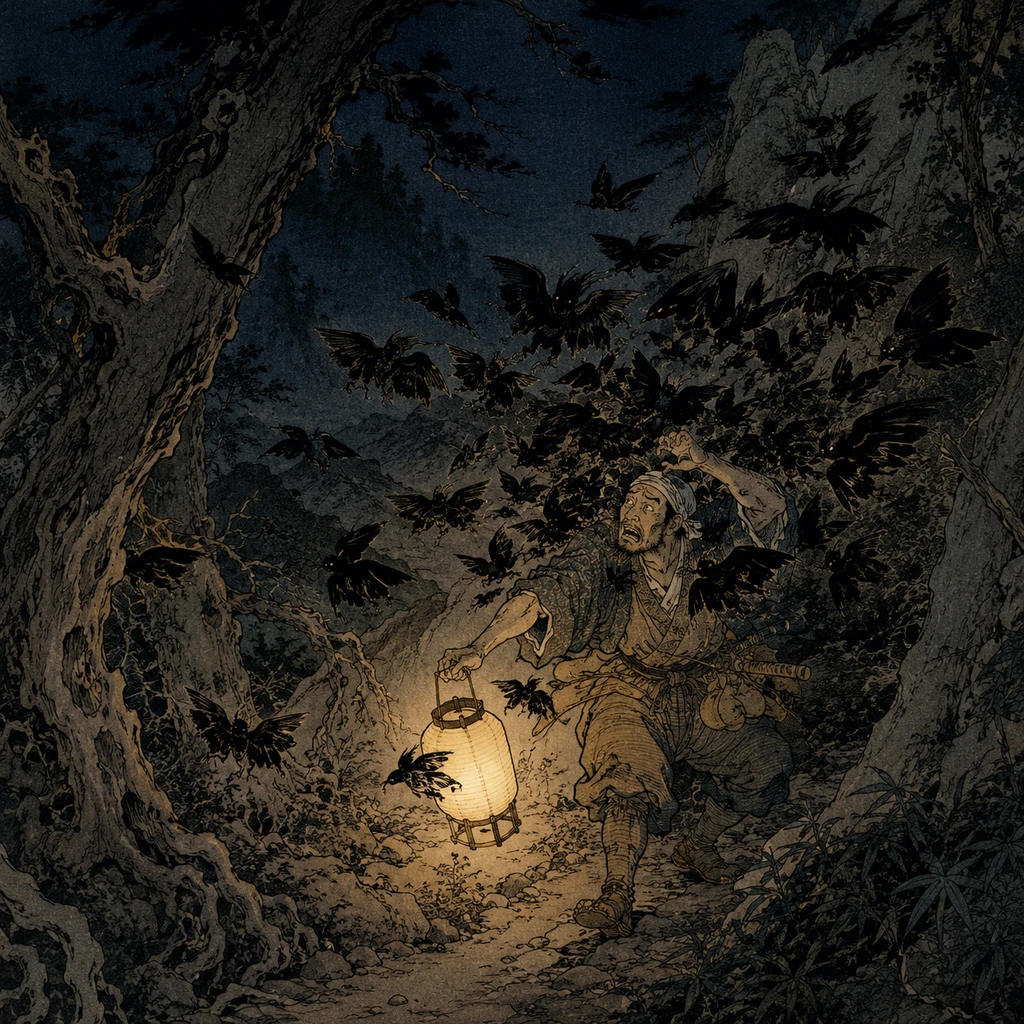
The Night Sparrow is a bird yokai that tails travelers on mountain paths after dark, chirping “chit, chit” as it hovers before and behind them. Tales center on Kochi, Ehime, and Wakayama. It is often unseen, or appears as a sparrow-like small bird, or even like a black butterfly or moth. Some regions deem it ill-omened and obstructive, while others take it as a protective sign that wolves (mountain dogs) are near. It can be warded off with set phrases or by clutching one’s sleeve.
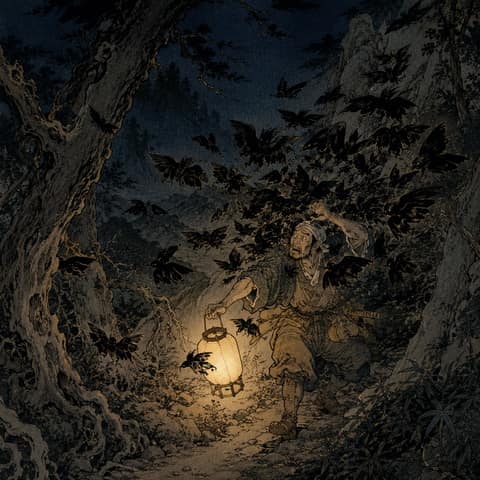
Read more夜雀(よすずめ)は、山道で夜に「チッ、チッ」と鳴きながら人の前後につきまとう鳥の妖怪で、高知・愛媛・和歌山を中心に西日本に伝承がある。姿は見えないことが多く、スズメに似た小鳥とも、黒い蝶や蛾のようともいう。土佐ではこの夜雀の採録に、戦後の高知で民俗研究に取り組んだ郷土の民俗学者・桂井和雄(かつらいかずお)が大きな役割を果たした。高知の幡多郡では夜道で人に随い、憑かれるのを不吉とした。北川村では黒い蝶のようなものが「チャッ、チャッ」と鳴いて懐や傘に入り騒がしいが、静まれば消えるという。富山村では「チッチッチと鳴く鳥は…」と唱えると退くとも伝える。
この夜雀が興味深いのは、送り狼の先触れとしての側面である。西日本では、夜雀が鳴いて飛び交った後に山犬(狼)が現れるとされ、夜雀を送り雀(おくりすずめ)[8]・袂雀(たもとすずめ)と同一視する地域がある。和歌山では、夜道で「チチチチ……」と鳴く雀の声の後に狼や送り狼が現れ、転ぶとすぐに襲われると恐れられた。愛媛南宇和では蛾とされ、山犬出現の前触れとして群れ飛ぶという。ただし、つきまとう狼は必ずしも凶兆ではない。山中で人を最後まで送り届け、無事に里へ帰れば去るという「送り狼」の守護的な側面もあり、夜雀はその到来を告げる徴ともされた。袂を握る作法や呪言で避けると伝える地もある。
姿の見えぬ鳴き声が背後から追ってくるという即物的な恐怖と、それが狼という大いなるものの先触れであるという畏れ ── 夜雀は、深山に分け入る者が抱いた山への根源的な緊張を、ごく小さな鳥の声に凝縮した妖怪である。四国山地の険しい尾根に閉ざされた土佐において、夜の山道はそれ自体が異界への入り口だった。
結び ── 遠さが生んだ古国の怪
土佐国の妖怪を貫くのは、「遠さ」である。都から最も遠い遠流の国であり、黒潮の外洋と四国山地に二重に隔てられた南海の果て ── その遠さが、流された貴人の非業の魂を御霊信仰へ、海路の死の影を海の怪へ、閉じた山村の論理を山野の怪へと結晶させた。
紀貫之が『土佐日記』に綴った帰京の旅の不安、四万十・新荘川に最後の姿を消したカワウソ、土佐お化け草紙が掬い取った赤頭と馬骨、夜の尾根に狼の到来を告げる夜雀 ── これらはみな、京の文化が一度たどり着けば外へ漏れにくい、閉じた古国だからこそ濃く熟した怪異である。土佐国という古い器に注がれた「遠さ」の記憶は、やがて犬神筋の憑きものや七人ミサキの怨霊へと受け継がれ、現代の高知県の妖怪事典が語る豊かな妖怪文化の地層をなしている。