都の北西、山城国と境を接する内陸の盆地に、丹波という古い国があった。現在の京都府中部(亀岡・南丹・福知山)と兵庫県東部(丹波篠山・丹波市)にまたがる山々と河谷の国である。「たには」と訓まれたこの地名は、『和名類聚抄』に「太迩波」と記され、その語源を『諸国名義考』は「田庭」(平らで広い耕地)に求める[1]。律令制以前の旧丹波はさらに広く但馬・丹後を抱え込んでおり、713年(和銅6)に北方五郡が丹後国として分立して、都に近い諸郡が丹波国となった。
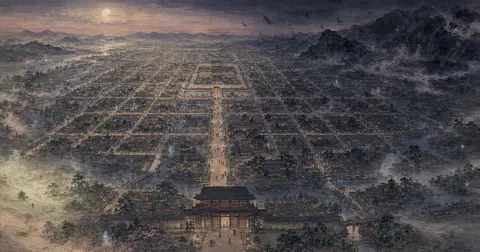
平安京から見れば、丹波は北西に開く裏口であった。鬼門(北東)を比叡山が、裏鬼門(南西)を石清水八幡が固める一方で、丹波へ抜ける老ノ坂の峠道は、都の結界が最も薄くなる方角に当たる。だからこそ、この境の国には鬼が住んだ。

Shuten-dōji
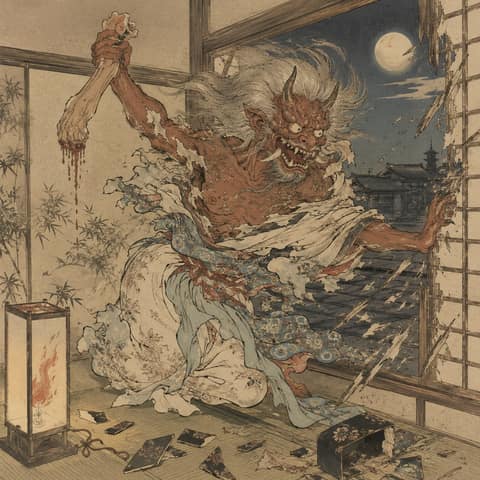
Shuten-dōji is the central figure in medieval oni-slaying tales that pit an oni king, who carries people away from the capital, against warriors sent into the mountains by imperial command. The stories are set in the reign of Emperor Ichijō and include the historical commanders Minamoto no Yorimitsu and Fujiwara no Yasumasa, but they are not contemporary Heian-period records. The Important Cultural Property *Ōeyama Ekotoba*, held by the Itsuō Art Museum, is the oldest surviving picture scroll of the Ōeyama tradition; it was made in the fourteenth century, during the Northern and Southern Courts period. Reading the Heian setting separately from the work's medieval creation prevents the tale from being mistaken for a record of an actual bandit suppression. Instead, it reflects the world later audiences imagined through Heian warriors and an oni king. His name, too, has never had a single spelling. *Ōeyama Ekotoba* chiefly writes 酒天童子, and the dōji himself says that his retainers call him Shuten-dōji because of his deep love of drink. Other spellings include 酒伝童子 and 酒顛童子 (酒顚童子); 酒呑童子 is now the most widely used. The word *dōji* alone does not establish a particular age, hairstyle, or clerical status. In the Noh play *Ōeyama*, the first-half shite appears in the guise of a youth, while *Ōeyama Ekotoba* portrays his daytime form as a dignified figure about one *jō* tall. The tale broadly divides into a tradition that places the oni king at Ōeyama and another that places him at Mount Ibuki in Ōmi Province. The *Shuten-dōji Emaki* (酒伝童子絵巻) at the Suntory Museum of Art, made in 1522, is considered the oldest surviving example of the Mount Ibuki tradition. These are not simply the same story with one mountain name substituted for another: the cast of characters, the name of the sake, and the oni king's appearance and past all differ among copies. Accounts of Ōeyama, Mount Ibuki, Echigo, and Oinosaka therefore cannot be joined into one certain biography for a single Shuten-dōji. In the oldest text of the Ōeyama tradition, disappearances continue in the capital until Abe no Seimei's divination points to the oni king of Ōeyama. Imperial orders go to the two commanders Yorimitsu and Yasumasa, who head for the mountain with their retainers. Reducing the story to the later, familiar tale of Yorimitsu and his Four Heavenly Kings obscures the structure of the early copies. In the mountains the party receives yamabushi dress and special sake from manifestations of deities and buddhas, enters the oni castle, and joins the dōji's banquet. By day the oni king takes the form of a dōji about one *jō* tall, displaying dignity and wisdom; at night he becomes an oni roughly five *jō* tall. His head and torso are red, his left foot black, right hand yellow, right foot white, and left hand blue; he has fifteen eyes and five horns. Once he has grown drunk and fallen asleep, the divine manifestations hold him down and Yorimitsu, Yasumasa, and their followers cut off his head. The head still flies through the air and bites the three helmets Yorimitsu wears one over another. Shuten-dōji is not merely a straightforward evil oni overcome by drink. He receives guests as the master of a splendid oni castle and tells of his own wanderings, even as he uses his captives for food. Courtesy toward guests and cruelty, intelligence and an immense oni body, defeat and the flying head stand together in the same story. Noh, *otogi-zōshi*, picture scrolls, printed books, jōruri, and kabuki each circulated different images of Shuten-dōji. Toriyama Sekien also depicted Shuten-dōji, under the spelling 酒顛童子, in his 1779 *Konjaku Gazu Zoku Hyakki*, placing the drunken, reclining dōji and other oni on a page of his yōkai picture book. Rather than a monster fixed in a single form, Shuten-dōji is one of Japan's best-known oni kings, retold through manuscripts, performing arts, and the memories of particular places.
Read more丹波の妖怪を辿ることは、都が「外」をどう想像したかを辿ることでもある。湖を拓いた神の伝承、一宮に祀られた出雲の神、保津川に立つ怪火、峠道の古木から落ちてくる生首 ── そのどれもが、盆地と河谷と国境という丹波固有の地理に根を張っている。本記事は都の妖怪事典である京都府の妖怪事典の北西を補う一篇として、丹波国の四体の怪を地に即して読み解く。
湖を拓いた神の国 ── 亀岡盆地と出雲大神宮
丹波の中心は、古代には桑田郡、いまの亀岡市あたりにあった。丹波国府の所在は確定していないが、桑田郡(亀岡)に置かれた[1]とみるのが通説で、保津川と園部川が集まるこの盆地が、国の政治と祭祀の核であった。
この盆地には、神話的な地形伝承が伝わる。かつて亀岡盆地は一面の湖であり、その水面が美しく赤く照り映えたことから「丹の湖」「丹波」と呼ばれた ── そして出雲の神・大国主命がこの湖の縁を蹴り裂き、保津峡を開いて水を流し、現れた肥沃な土地を人の住む国に拓いた、という。京都府埋蔵文化財調査研究センターの研究は、この「亀岡湖伝説」(蹴裂伝説)が盆地内の桑田神社・請田神社などの社伝や口承として伝えられてきたもので、統一された一つの物語ではなく、各社が少しずつ異なる形で語り継いできたと整理している[2]。学術的な裏づけは乏しく、あくまで伝承の域を出ない ── だが、盆地という閉じた地形が「もとは湖だった」という想像を呼ぶこと自体が、丹波の地の記憶のかたちである。
水を拓いた神が大国主であることは、偶然ではない。亀岡市千歳には、大国主命を主祭神とする出雲大神宮[3]が鎮座する。御蔭山を神体山とするこの古社は丹波国一宮であり、和銅2年(709)の創建と伝える。注目すべきは、社伝が「出雲大社のほうが当社から勧請を受けた」と語り、「元出雲」を通称とする点である。史実としての先後は措くとしても、山陰の出雲神話の圏が、都の北西の盆地にまで一つの大国主信仰として伸びていたことは確かで、湖を拓く神の伝承はその信仰の地層の上に立っている。
境の鬼 ── 大江山と酒呑童子
丹波の妖怪を語るとき、避けて通れないのが鬼である。都の女房を攫い、酒を好み、源頼光と四天王に討たれた鬼の頭領・酒呑童子。その住処として最も名高いのが、丹波(と丹後の境)の大江山であった。
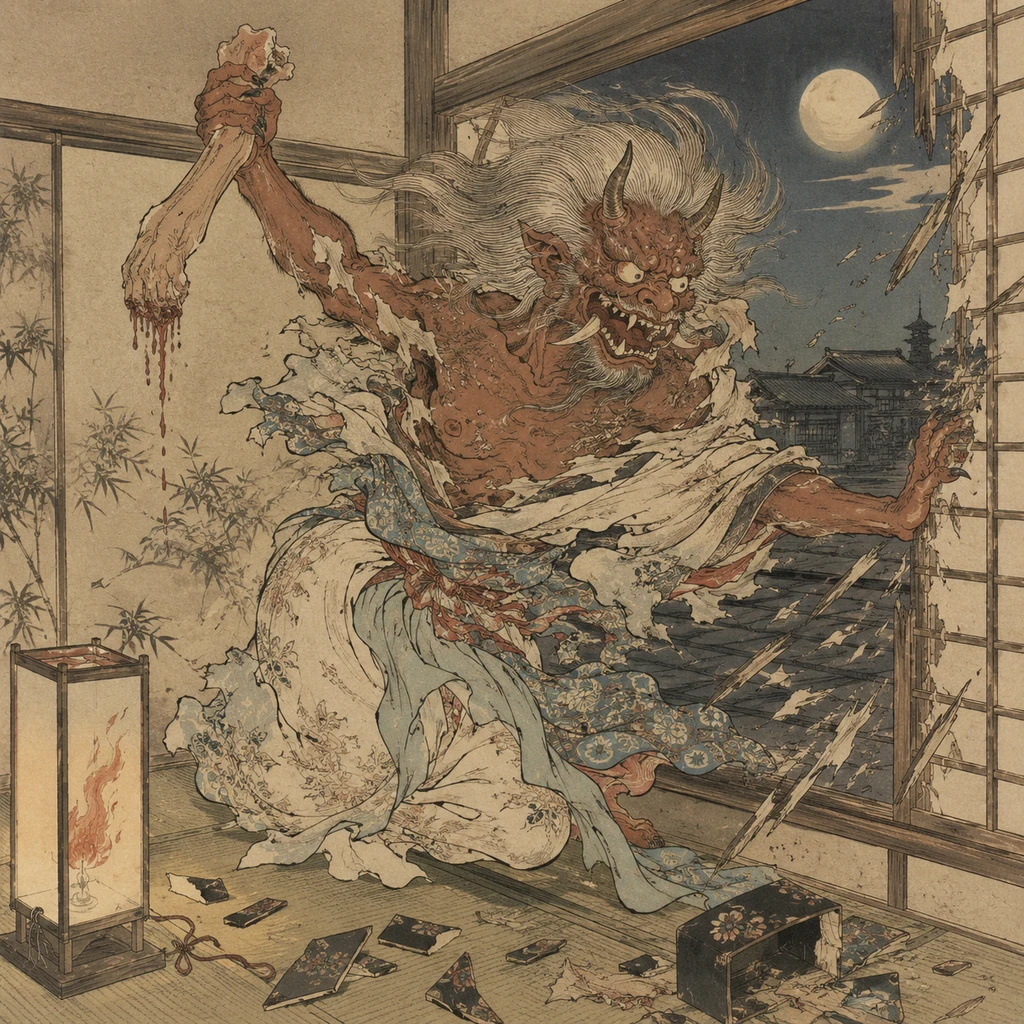
Ibaraki-dōji
A demon (oni) of the Heian period, famed as the right-hand of Shuten-dōji. Accounts place Ibaraki-dōji’s birth either in Settsu (Tomatsu/Ibaraki) or Echigo (Koshi District, Karuizawa). From childhood the figure showed an uncanny appearance and prodigious strength. Joining the bandits of Mount Ōe, Ibaraki-dōji helped terrorize the capital until Minamoto no Yorimitsu (Raikō) and his retainers crushed the gang, whereupon Ibaraki narrowly escaped. Later, the warrior Watanabe no Tsuna cut off the demon’s arm; in later tales, the demon disguises itself and steals the arm back—episodes retold across medieval setsuwa, Noh, and Kabuki.
Read moreただし「大江山」がどの山を指すかは、時代によって揺れている。今日では京都府福知山市・与謝野町・宮津市にまたがる千丈ヶ嶽(大江山連峰)を舞台とするのが通説だが、平安から鎌倉にかけての都人にとって「おおえやま」といえば、山城と丹波の国境にある老ノ坂(大枝山)[4]を連想するほうが自然だった。老ノ坂は都から山陰道へ抜ける最初の峠であり、まさに都の北西の境である。頼光が討ち取った酒呑童子の首を埋めたとされる首塚(首塚大明神)も、この峠に残る。鬼が都に最も近づける道、そして首が都に入れず葬られた境界 ── 老ノ坂は二重に「境の地」であった。
現存最古の絵巻である『大江山絵詞』(逸翁美術館蔵、南北朝末-室町初期)[5]は、鬼の住処が陰陽師の占によって突き止められ、頼光らが山伏に身をやつして分け入り、神々から授かった神便鬼毒酒で酒呑童子を酩酊させて討つ筋を伝える。御伽草子[6]系ではさらに出生譚や住処の異伝が増補された。大江山の鬼退治譚そのものは landmark としての大江山の頁に深く譲るとして、ここで丹波の地理から見ておきたいのは、この鬼が「都の北西の山に拠って都を脅かした」という構造である。
酒呑童子の副将格として名を連ねるのが、茨木童子である。その出生は摂津国(富松・茨木の里)[7]説と越後説があり、丹波の生まれではない。にもかかわらず茨木童子が丹波に結びつくのは、大江山の賊徒として酒呑童子の片腕とされたからにほかならない。最もよく知られる説話は、『平家物語』剣巻[8]系に基づく。渡辺綱が一条戻橋で美女に出会い馬に乗せたところ、女は鬼と化して綱の髻を掴み愛宕山へ攫おうとする。綱は名刀髭切で鬼の片腕を斬り落とし、以後この刀は鬼切と呼ばれた。綱が持ち帰った腕は、のちに伯母(養母)に化けた鬼が奪い返して飛び去る ── この鬼を茨木童子と同定するのは後世の付会で、剣巻そのものは鬼の名を明示しない。腕を斬られた場所(一条戻橋)も腕を取り返す場所も都(山城)であって、丹波そのものではない。それでも茨木童子が丹波の名簿に並ぶのは、大江山という拠点が酒呑童子と茨木童子を一つの説話圏へ束ねたからである。境の鬼の物語は、摂津・越後・山城・丹波を一本の鎖でつないでいる。
河の怪火 ── 保津川に立つ姥ヶ火
盆地を拓いた大国主が水を流した先が、保津峡であり保津川である。亀岡盆地から嵐山へと深い峡谷を刻んで流れ下るこの川は、丹波の物資を都へ運ぶ筏と舟運の道であると同時に、怪火の現れる場所として語られた。
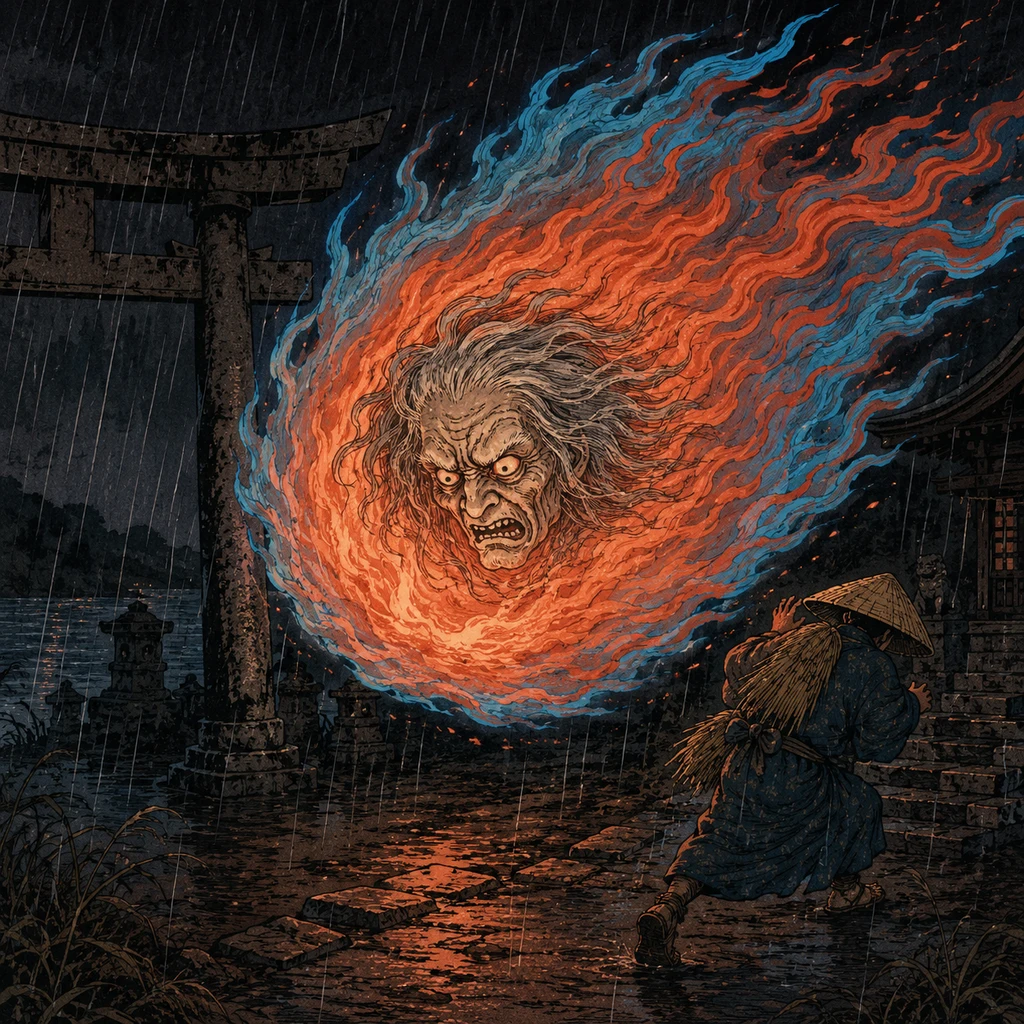
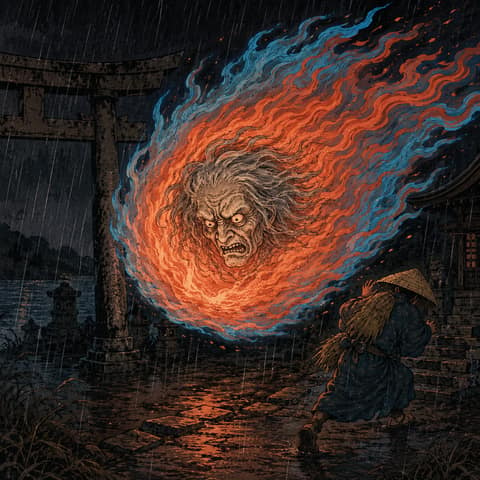
Ubagabi (Old Woman’s Fire)
Ubagabi is a will-o’-the-wisp that appears on rainy nights, with traditions centered around Hiraoka in Kawachi and along the Hozu River in Tanba. It flies as a fireball about a foot across and is said to sometimes show the face of an old woman or the shape of a bird. Explanations tie it to the curse of an old woman who stole lamp oil from Hiraoka Shrine, or divine punishment upon a woman who drowned after discarding her child; the phenomenon is noted in old books and picture scrolls. Contact is considered a dire omen.
Read more姥ヶ火は、雨夜などに現れる一尺ほどの火の玉である。飛ぶうちに老女の顔や鳥の姿を見せ、人の肩をかすめると不吉をもたらすという。この怪火が最もよく知られるのは河内国の枚岡(現・大阪府東大阪市)で、『諸国里人談』[9]は枚岡神社の灯油を盗んだ老女の祟りが怪火となったと記し、『西鶴諸国ばなし』の「身を捨て油壷」[10]は、一里を瞬く間に飛ぶこの火が「油さし」と唱えると消えると伝える。鳥山石燕も『画図百鬼夜行』に図像を残した、近世にはよく知られた怪火である。
丹波における姥ヶ火の独自性は、その出自譚にある。山岡元隣『古今百物語評判』(天和3年・1686刊)[11]は、丹波の保津川で子を捨てた老女が溺死し、それ以後、川面に怪火が立つようになったと語る。河内の枚岡が「油盗みの祟り」であるのに対し、丹波の保津川では「子を捨てた母の溺死」という、河と母性をめぐる重い悔恨が怪火の核に置かれている。同じ姥ヶ火の名でも、土地が変われば物語の罪も変わる。深く狭い峡谷を流れる保津川の水音と暗さが、この川辺の母の火を呼んだのだろう。怪火は枚岡から山城を経て丹波へと往還しながら、その土地ごとの記憶を吸い込んでいった。
古木から落ちる怪 ── 釣瓶落としの故地
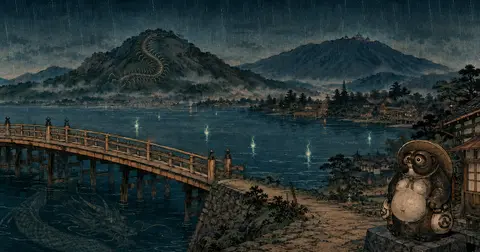
丹波が日本の妖怪史において持つもう一つの重みは、釣瓶落としの主要な伝承地であるという点にある。秋の日没のように、暗い梢からいきなり落ちてくるこの怪は、亀岡を含む丹波の山間の街道に色濃く伝わってきた。
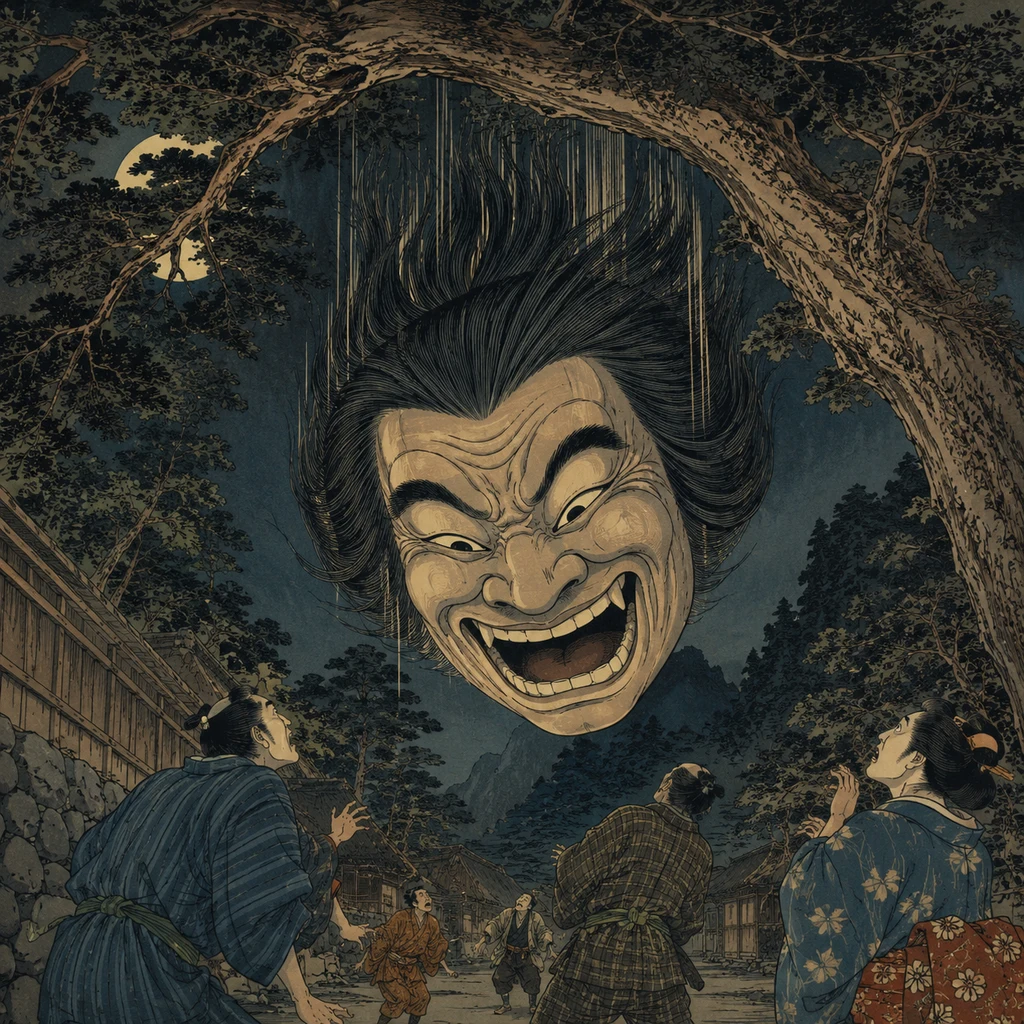
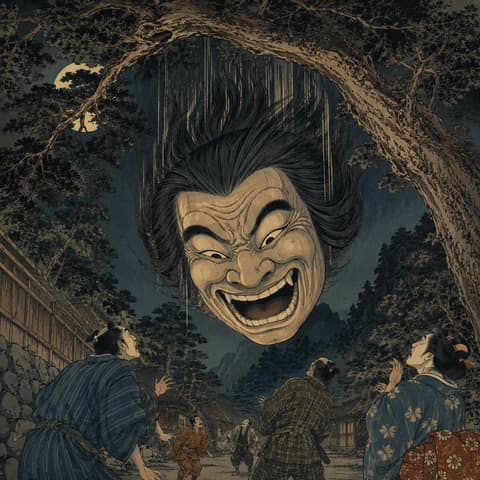
Tsurube-otoshi
Tsurube-otoshi, also called Tsurube-oroshi, is a yokai said to descend without warning from old treetops or the darkness above a night road. Its shape and behavior vary from place to place. In the Sogabe area of Tanba Province, it lurks in kaya and pine trees, sometimes laughing from the branches and sometimes attacking in the form of a severed head. In Kuze, Mino Province, and across Hokuriku, stories describe a well bucket dropped from a tree to frighten travelers, or a disembodied voice that stops them and demands an answer. Although these beings share a name, what falls, how much harm it causes, and whether the yokai has a visible body are far from consistent. Their common source of terror is the same: the shadow beneath an old tree and a sudden descent from overhead. Tsurube-otoshi is often confused with Tsurube-bi. Yamaoka Genrin's *Kokon Hyaku Monogatari Hyōban* contains a tale of a tree-born uncanny fire titled “The Tsurube-oroshi of Nishi-no-oka,” and Toriyama Sekien later depicted this fire as Tsurube-bi in *Gazu Hyakki Yagyō*.The early-modern Tsurube-oroshi and the later local traditions of falling buckets, voices, severed heads, and man-eating monsters overlap in both name and the motif of descending from a tree. Modern yokai encyclopedias commonly present the fire apparition Tsurube-bi and the falling, frightening Tsurube-otoshi as separate entries. Yet it is more faithful to the surviving material to see them as overlapping traditions that developed different forms in different periods and regions, rather than declaring them wholly unrelated.
Read moreまず、根強い誤解を正しておく必要がある。鳥山石燕が描いたとしばしば言われるが、『今昔画図続百鬼』(1779)に釣瓶落としは収録されていない[12]。石燕が描いたのは類縁の「釣瓶火」で、こちらは前作『画図百鬼夜行』(1776)所収である。釣瓶火の原典は、まさに丹波と縁の深い『古今百物語評判』(1686)の「西の岡の釣瓶おろし」譚であり[13]、大木の精霊が雨夜に火の玉となって木から降りる怪を、元隣が五行説(木は火を生む)で理論づけたものだった。江戸期に「釣瓶落とし」という名で図像化された一次史料は確認できず、この妖怪はもっぱら明治から大正期の郷土誌・口承採集に登場する在地伝承である。釣瓶落としを掲げるなら、その故地は石燕の絵筆ではなく、丹波の街道筋の語りの中にこそ求めねばならない。
その語りの宝庫が、丹波である。大正期の郷土研究『口丹波口碑集』[14]は、亀岡周辺の釣瓶落としを具体的な字(あざ)の名とともに記録している。南桑田郡曽我部村字法貴(現・亀岡市曽我部町)では、カヤの木から落ちてきて「夜業すんだか、釣瓶下ろそか、ぎいぎい」とゲラゲラ笑いながら再び上っていったという。同じ曽我部村字寺では、古松から生首が降りて人を喰らい、飽食すると2、3日は現れなかったと伝わる。船井郡富本村(現・南丹市八木町)ではツタの絡まる松に、大井村字土田(現・亀岡市大井町)では人を食う怪として語られた。古松・カヤ・杉といった峠道や寺社境内の古木に宿る怪 ── これが丹波の釣瓶落としの素顔である。
この妖怪は、地域によって性格を大きく変える。京都(丹波)系は人を喰らう捕食型で、岐阜・滋賀系は釣瓶(井戸の桶)を木の上から落として驚かすだけの脅嚇型[15]である。丹波の釣瓶落としが「飽食した日は2、3日現れない」という捕食のリズムまで備えた殺害妖怪として恐れられたのに対し、隣接圏の同名の怪は実害の少ない物笑いに近い。釣瓶落としの分布は京都・岐阜・滋賀・和歌山・兵庫(丹波篠山)・愛知の中部・近畿に集中し[16]、その中で丹波は最も凶暴な捕食型の核心をなしている。なお、現代に広く流通する「赤ら顔の生首」の像は水木しげるの作画系統に由来するもので、在地伝承本来の標準形ではない ── 丹波の語りでは、生首・声を伴う精霊・無形の桶へと、その姿は一様ではなかった。
結び ── 都の北西を守る、
語りの境
丹波の四体を並べると、この国の妖怪が一本の地理に貫かれていることが見えてくる。盆地を拓いた大国主の蹴裂、その水が流れ下る保津川の母の火、都へ抜ける老ノ坂の鬼、街道の古木から落ちる生首 ── すべてが「湖と河と峠」という丹波の地形そのものに根を張っている。
- Shuten-dōjiShuten-dōji
- Ibaraki-dōjiee-bah-RAH-kee DOH-jee
- Ubagabi (Old Woman’s Fire)OO-bah-gah-bee
- Tsurube-otoshitsurube-otoshi
そして四体に共通するのは、丹波が「境の国」であるという位相だ。酒呑童子と茨木童子は都と山陰を分かつ大江山・老ノ坂の鬼であり、姥ヶ火は河内から山城を経て保津川へ流れ着いた怪火であり、釣瓶落としは中部・近畿の山間街道を渡り歩いた怪である。いずれも一つの土地に閉じず、境を越えて往還しながら、丹波という結節点で固有の語りを結んだ。都が鬼門と裏鬼門を結界で固めたその裏側で、北西に開いた丹波の峠と河谷は、怪が都へ通い、また都から押し出される通り道であり続けた。
千年の都の妖怪を知りたければ、その北西の境に立つ丹波を見なければならない。鬼の都・大江山の深部、そして京都全体の妖怪文化の宏観については京都府の妖怪事典に譲るが、その都を都たらしめた「外」の最初の一歩が、この丹波国だったのである。