金毘羅·厳魂彦命·金毘羅坊·崇徳院。ガンジスの鰐神から大魔縁まで

海の神と山の天狗が一座に集う。象頭山·金刀比羅宮の妖怪事典

Kotohiragu·ことひらぐう
View on map

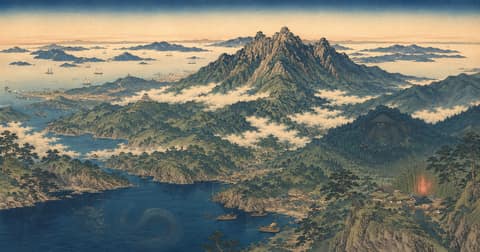
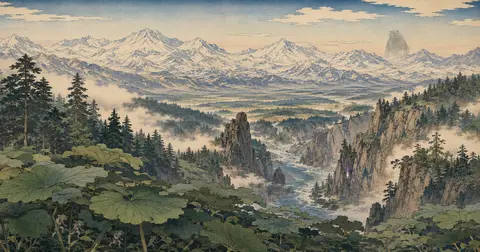
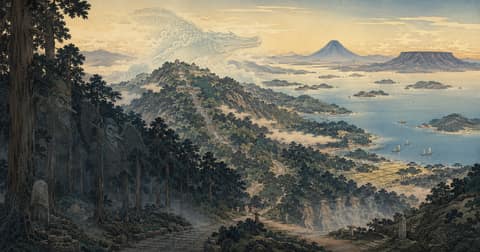
讃岐平野の南、丸亀から琴平へと続く街道のゆくてに、ひとつの山が横たわっている。象頭山(ぞうずさん)。その名のとおり、街道から望むと山容がまさしく象の頭の形に見え、 目にあたる中腹に金刀比羅宮の社殿が抱かれている。歌川広重の錦絵「讃岐象頭山遠望」も、ちょうど象の目の位置に宮を描いた。標高五二四メートルの琴平山(別名·象頭山)、その中腹二五一メートルに本宮、さらに上方四二一メートルの山上に奥社が鎮まる。本宮まで石段七八五段、奥社まで一三六八段 ── 日本屈指の長石段参道として知られる「こんぴらさん」である。

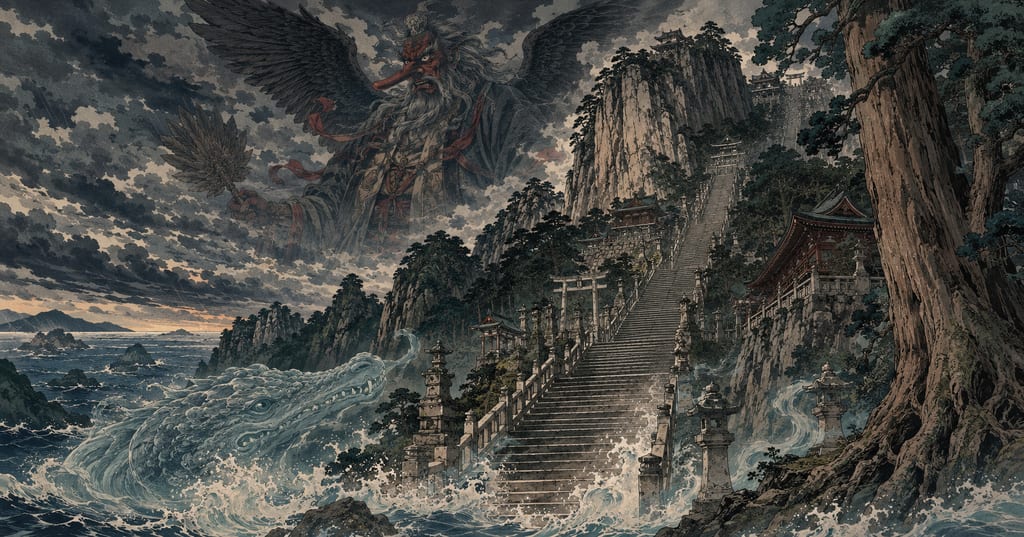
この一座には、本来まったく別の系統に属する三つの霊異が、不思議な調和をなして同居している。海を渡ってきた渡来の神、山に化身した修験者の天狗、そして海の彼方に流された廃帝の怨霊。 金毘羅という海上守護神を主神に戴きながら、その奥には 厳魂彦命金毘羅坊 という天狗信仰が脈打ち、相殿には 崇徳院 の御霊が祀られる。海の信仰と山の天狗信仰と御霊信仰が、一つの霊山に幾重にも折り重なる ── これが象頭山·金刀比羅宮という聖地の比類なき重層性である。

讃岐(香川県)全体の霊異の見取り図は 香川県の妖怪事典 に譲り、本稿では象頭山という一座に絞って、その三層の妖異を奥まで辿る。

海を渡ってきた神 ── ガンジスの鰐から讃岐の海神へ

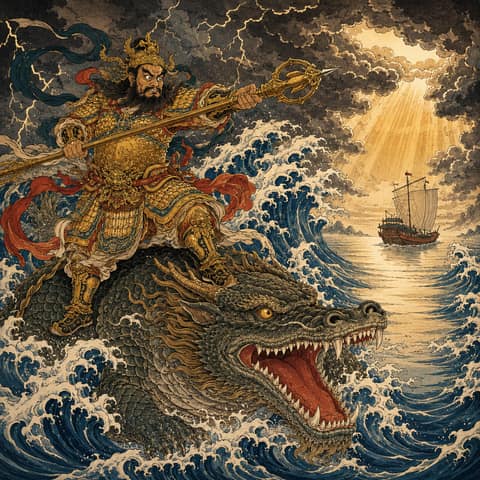
「こんぴら」の音をたどると、はるばるガンジス川にゆきつく。 金毘羅(こんぴら)の原語はサンスクリットの Kumbhīra(クンビーラ)、古代インドのガンジス川に棲む鰐(わに)を神格化した水神である。ヒンドゥー教では川の女神ガンガーの乗り物(ヴァーハナ)とされ、仏教に取り込まれて薬師如来を守る十二神将の筆頭·宮毘羅大将(くびら)となった。漢訳仏典では「金毘羅」「宮毘羅」「金比羅」「倶毘羅」などと音写され、中国を経て日本に渡来する。日本では平安·中世以降、しばしば蛇身の姿で描かれた。鰐から蛇へ、水神から護法善神へ ── 一柱の神格が、信仰の地層を越えてかたちを変えてゆく。
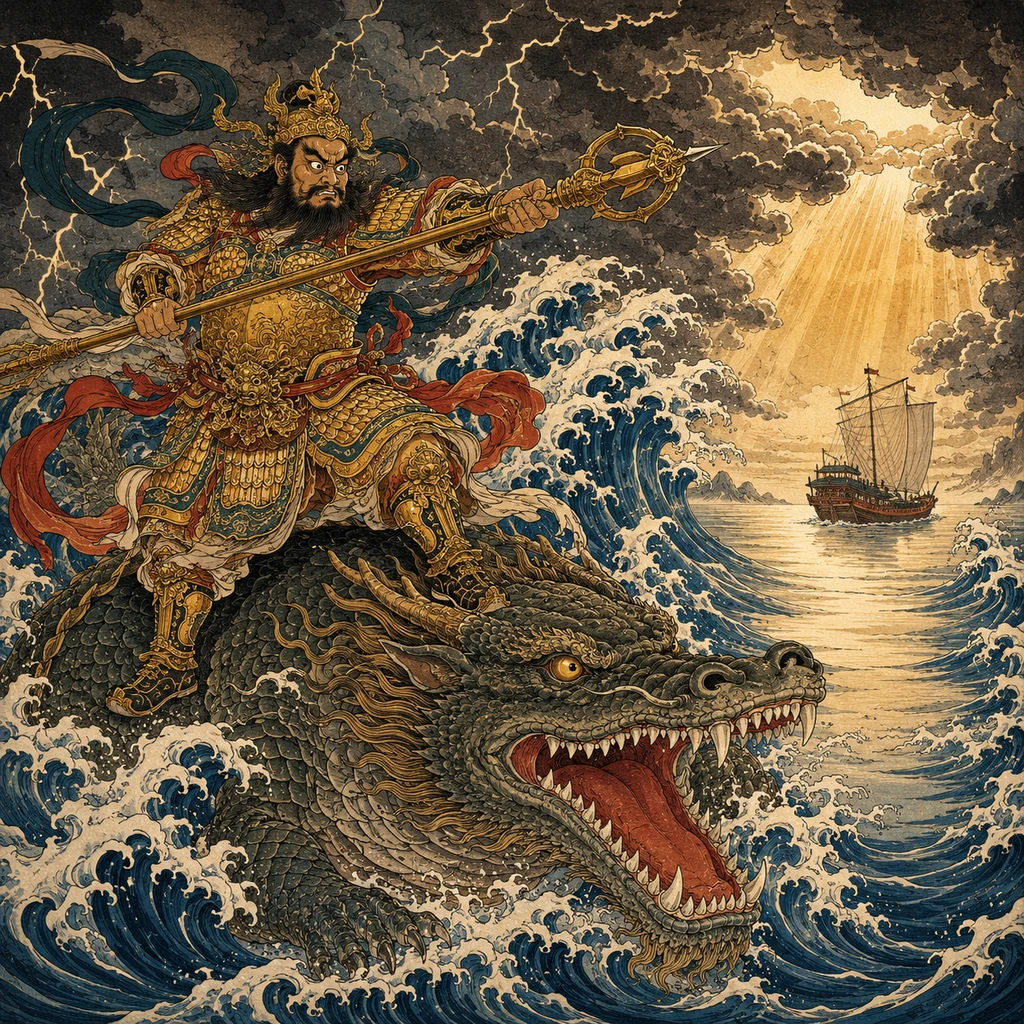
Konpira

こんぴら

Originating from the Sanskrit Kumbhīra (a crocodile deity of the Ganges River), its divine nature is three-layered: integrated as Kumbhira, leader of the Twelve Heavenly Generals in Buddhism, and syncretized with Omononushi-no-Kami in Japan. By the late medieval period, it became unified as "Zozusan Konpira Daigongen," widely revered as the guardian deity of the sea. The head shrine, Kotohira-gu (located in Kotohira-cho, halfway up Mount Zozu), enshrines Omononushi-no-Mikoto, and Emperor Sutoku (1119-1164) as a secondary deity. During the Edo period, it formed the second largest pilgrimage boom nationwide, giving birth to cultures such as the folk song "Konpira Funefune" and Konpira dogs. With the Shinbutsu Bunri in 1868, it was renamed "Kotohira-gu," confirming Omononushi-no-Kami as the main deity. It is the symbolic deity of Sanuki, attracting immense faith from sailors for maritime protection.

Read more

その渡来神が讃岐の地神と結ばれたのが、象頭山であった。中世の本地垂迹のもとで、 松尾寺の鎮守として祀られていた宮毘羅大将と、在地の大物主神(大国主神の和魂で、海と農の神)が習合し、「象頭山金毘羅大権現」として一体化した。本地仏には不動明王·千手観音·十一面観音など諸説が併存する。ガンジスの鰐(水神)、仏教の護法善神、神道の神 ── この三層構造をそなえた神格は、日本宗教史における習合の典型例として、いまも研究者の注目を集める。

象頭山の縁起もまた一筋縄ではいかない。 大物主命がこの山に行宮を営んだ跡を祀ったとする説、大宝元年(七〇一)に旗が舞い降りたとする伝承、修験道の祖·役小角(えんのおづの)が象頭山に登り護法善神·金毘羅の神験を得たという開山縁起など、複数の起源譚が重なり合う上古不詳の社である。役小角の名がここに現れることが、後に語る天狗信仰への伏線となる。

#

こんぴら参りとこんぴら狗

江戸期に入ると、金毘羅はクンビーラ譲りの水神性と大物主神の海上信仰とを兼ねた「海上守護·航海安全の絶大神」へと飛躍した。商船·廻船·漁師·船員の信仰を集め、各船が仕立てた参詣船は「金毘羅船」と呼ばれた。 江戸庶民の参拝熱は「お伊勢参り」に次ぐ全国第二位の規模に達し、各地で金毘羅講が結ばれ、講員の積立金で代表を送り出す代参制度が機能した。奉納が爆発的に増えた結果、もとは直線だった参道を曲げて配置せざるを得なくなったほどである。

こんぴら船々 ── 追手に帆かけて ── シュラシュシュシュ ── まわれば四国は讃州那珂の郡 ── 象頭山·金毘羅大権現 ── 一度まわれば

「金毘羅船々(こんぴらふねふね)」は元禄期(一六八八〜一七〇四)頃から金毘羅参道唄として歌われ、幕末から明治初期に全国へ大流行した騒ぎ唄である。「追手」は追風、「シュラシュシュシュ」は帆を受けて船が滑走する擬音で、「一度まわれば」で冒頭に戻る循環構造をもつ。発祥は金毘羅参詣船の起点·大阪港とも伝わる。

この参詣熱が生んだ稀有な民俗が「こんぴら狗(いぬ)」である。 自分が参りに行けない者が飼い犬を代参させた江戸後期の習俗で、犬の首には「金毘羅参り」と記した袋が下げられ、中には飼い主の名と住所を記した木札·初穂料·道中の食費が納められた。犬は街道筋の旅人から旅人へと託され、沿道の人々が世話をしながら琴平まで送り届けた。江戸から金毘羅までおよそ一三〇〇キロ、四十日ほどの旅程である。社に着くと神職が袋から初穂料と願文を取り出し、代わりに神札を納めて犬を江戸へ帰した。半野生の地域犬(里犬)文化と、犬を旅させてもよいという当時の感覚が、この優しい習俗を支えていた。

#

神仏分離という断層

近代、この習合神格は一度引き裂かれる。 明治元年(一八六八)の神仏分離令を受け、第十九代金光院別当·琴陵宥常(ことおかひろつね)は、神仏混淆の「象頭山金毘羅大権現」を「琴平山金刀比羅宮」と改め、神道神社化を断行した。主祭神を大物主神に確定し(「金毘羅権現は大物主と同体」とする論理による)、相殿に崇徳天皇を据えた。明治四年(一八七一)に「事比羅宮」へ一時改表記、明治二十二年(一八八九)に「金刀比羅宮」へ復称して今日に至る。社名は「ことひら」、信仰の名は「こんぴら」 ── この読み分けの慣例そのものが、鰐神から神社祭神までの長い往復を物語っている。

山に化身した修験者 ── 天狗となった奥社の神

本宮からさらに一三六八段、峻険な石段を登りつめた山上に、奥社·厳魂神社(いづたまじんじゃ)が鎮まる。その祭神 厳魂彦命(いづたまひこのみこと) の正体は、神話の神ではない。戦国末から江戸初期に金毘羅信仰を中興した、実在の修験者·金剛坊宥盛(こんごうぼうゆうせい)である。

金光院第四代院主であった宥盛は、和漢の神仏の学を早くから修め、高野山で修行を積んだ学僧でもあり、神仏習合と修験道の体系のもとで金毘羅大権現の祭祀を整備し、信仰中興の祖と仰がれた。その宥盛が、 慶長十一年(一六〇六)に自らの像を造って本殿の脇に祀らせ、慶長十八年(一六一三)、臨終に際して「死して永く当山を守護せん」と誓い、 天狗となって忽然と姿を消したと伝えられる。実在の高僧が死後に天狗·護法神となり、山の守護神へ昇華する ── 日本の神格生成史でも稀な経路を、この奥社の神はたどっている。

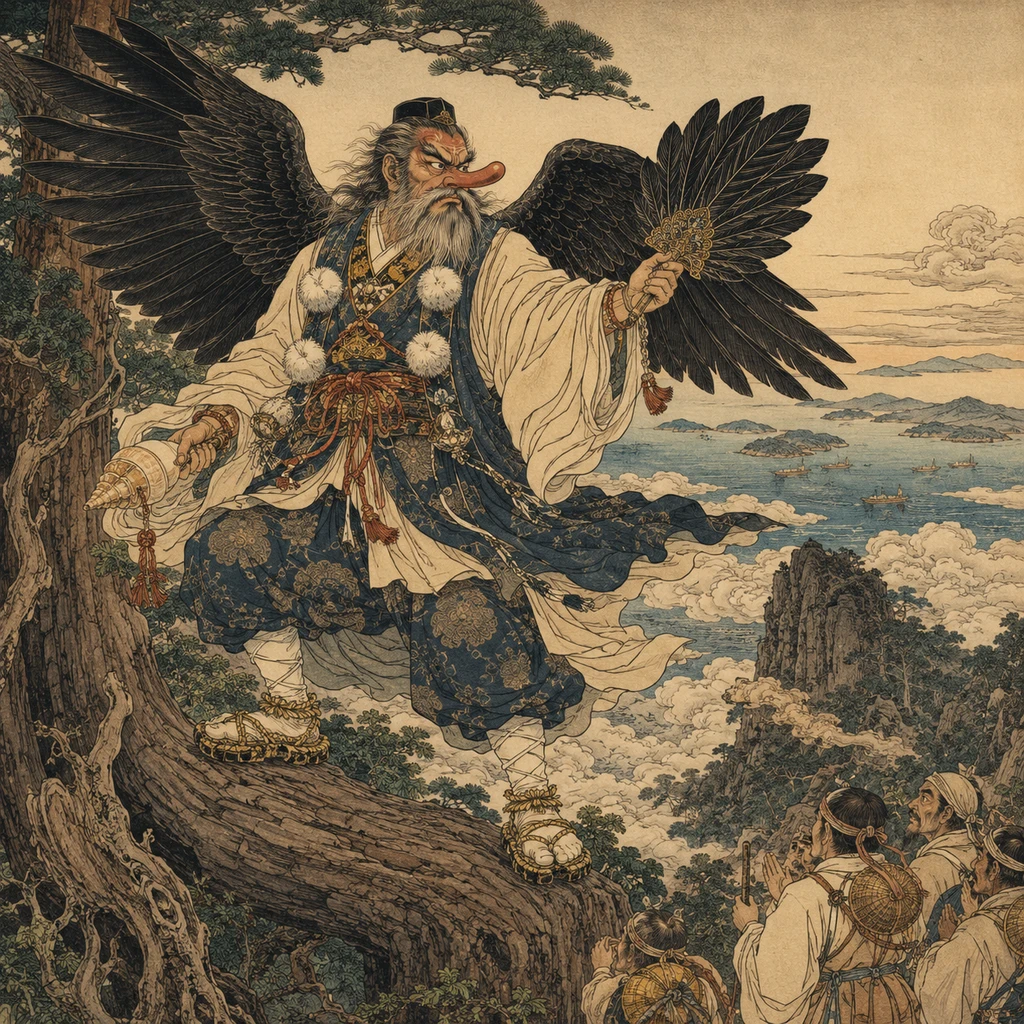
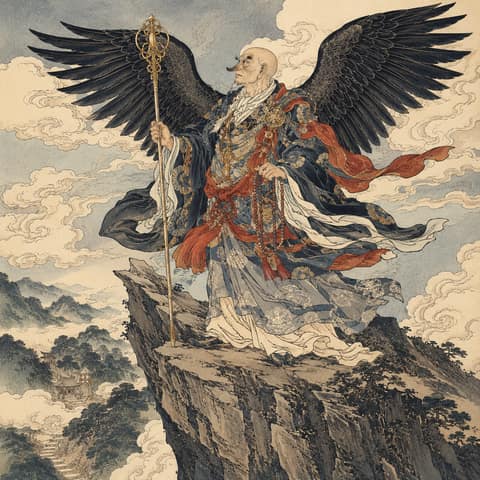
明治の神仏分離を経て、護法神·金剛坊宥盛は神道神格「厳魂彦命」として再定義され、奥社は「厳魂神社」と称された。 奥社の背後にそびえる断崖「威徳巖(いとくのいわ)」は、宥盛が参籠した旧跡と伝えられ、崇徳上皇もここで参籠したとの伝承もある。断崖の上方には、いまも天狗と烏天狗の彫物が刻まれている。社頭では天狗·烏天狗を意匠した「天狗御守」が授与され、宥盛が天狗と化した伝承を今に伝えている。

#

象頭山の大天狗·金毘羅坊と讃岐三大天狗

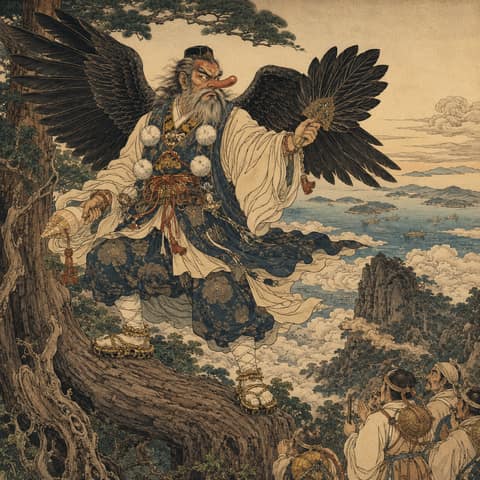
この天狗信仰の総帥として名指されるのが 金毘羅坊(こんぴらぼう) である。 江戸期の百科事典『和漢三才図会』(寺島良安·一七一二)は、象頭山の項に「当山ノ天狗ヲ金比羅坊ト名ヅク」と明記し、この山の天狗をこの名で呼んだ。天狗は中世以降、霊山に座す護法善神·眷属神として各地の山岳信仰に組み込まれた存在で、象頭山では金毘羅大権現の威光を体現する使いとされ、その筆頭がこの金毘羅坊と観念された。先に触れた役小角の開山縁起や、松尾寺·金光院を中心とする修験集団の活動が、その天狗信仰の母胎であった。

金毘羅信仰を全国へ広めた先達(せんだつ·修験者)は、白衣をまとい背に天狗面を負って諸国を巡り、参詣者もまた天狗面を身につけて山に登った。象頭山と天狗の結びつきは、こうして庶民の参詣文化に深く根を張った。 この金毘羅坊(奥社の金剛坊と同一視される)は、白峯山の相模坊·屋島寺の中将坊と並んで「讃岐三大天狗」の一に数えられる。三者はいずれも瀬戸内·讃岐の霊山に座す大天狗であり、讃岐の山岳信仰の厚みを物語る。
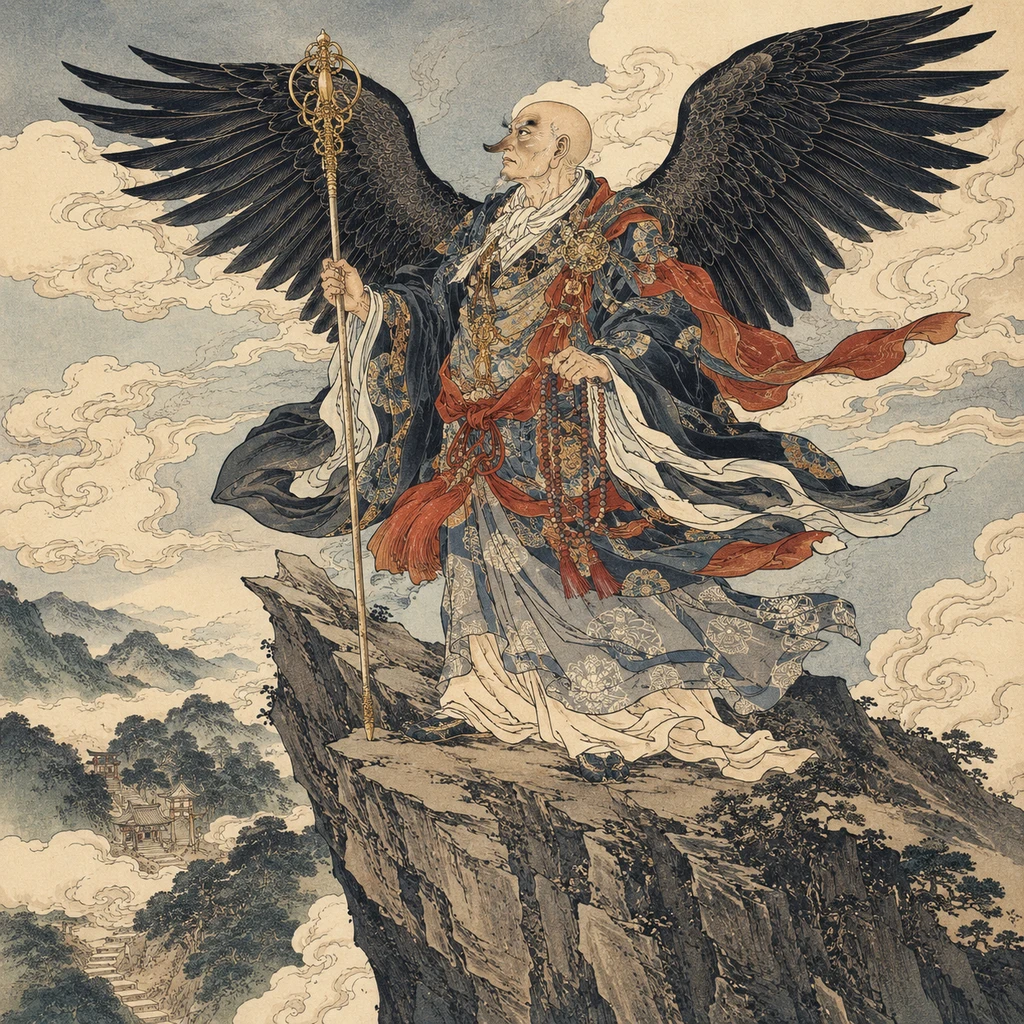
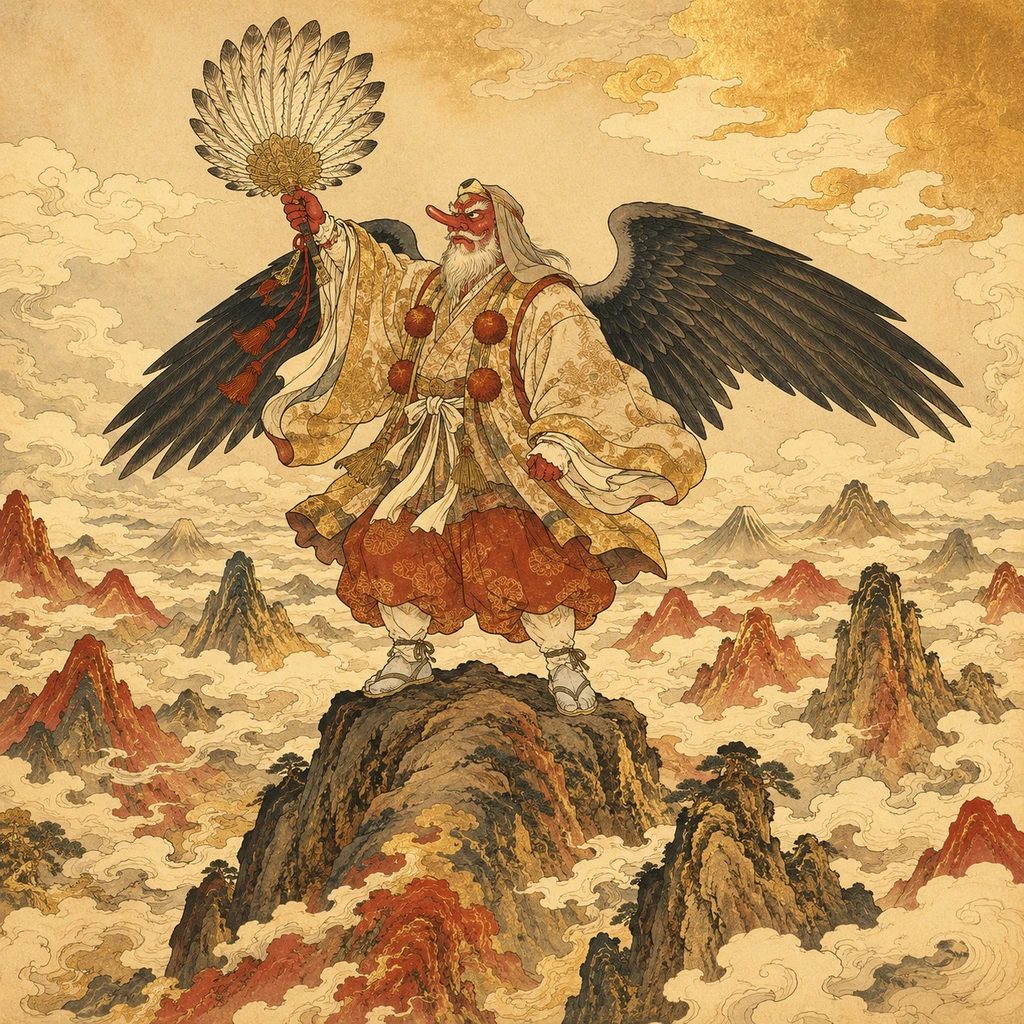
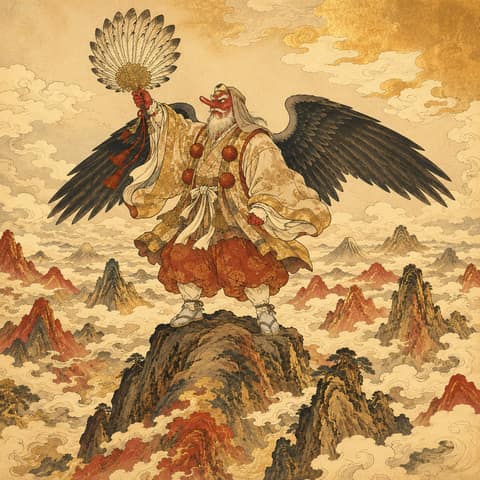
天狗とは、そもそも何か。 赤ら顔に高い鼻、山伏の装束に羽団扇と一本歯の高下駄を具えた鼻高天狗と、鴉のくちばしと翼をもつ烏天狗という二系統を軸に、仏法を妨げる魔でありながら調伏されれば仏法を護る護法神に転じる ── この両義性こそ天狗の本質である。 愛宕山太郎坊·比良山次郎坊·鞍馬山僧正坊らを束ねる「八大天狗」の枠組みは、室町期の謡曲『鞍馬天狗』に既にその名が列ねられ、讃岐の相模坊もその一に数えられる。象頭山の金毘羅坊·金剛坊は、この全国的な天狗信仰の系譜のなかに讃岐独自の枝を伸ばしたものといえる。海上守護の金毘羅信仰と修験の天狗信仰が一山に重層する ── 海の神と山の天狗が同じ霊山に同居する点に、この地の信仰のかけがえのない独自性がある。

海に流された廃帝 ── 相殿に祀られた大魔縁

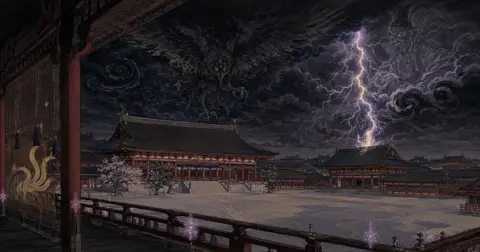
象頭山の三層目は、海の彼方から流れ着いた怨霊である。金刀比羅宮の本宮には、主祭神·大物主神の相殿に 崇徳天皇 が祀られている。菅原道真·平将門と並んで「日本三大怨霊」に数えられ、しばしばその最強と語られる人物である。

崇徳は鳥羽天皇の子として生まれたが、実は祖父白河法皇の子だという「叔父子(おじご)」の噂につきまとわれて鳥羽院に疎まれ、三歳で即位するも院政の権を握れぬまま二十三歳で譲位を強いられた。 保元元年(一一五六)、弟の後白河天皇との対立が保元の乱として武力衝突に至り、源為義·平忠正らを擁した崇徳方は、平清盛·源義朝を擁する後白河方に夜襲で敗れる。崇徳はこうして讃岐へ配流された。

讃岐における崇徳と金毘羅の縁は深い。 配流中の崇徳上皇は金毘羅大権現を深く崇敬し、境内の「古籠所(こもりしょ)」に参籠、近隣の「御所之尾」を行宮としたと伝わる(長寛元年·一一六三頃)。長寛二年(一一六四)、帰京を許されぬまま讃岐で崩御。その翌年の永万元年(一一六五)、崇徳の御霊は金毘羅大権現の相殿に合祀された ── これは明治の神仏分離より約七百年も前、御霊信仰による怨霊鎮魂の典型例である。坂出の白峯陵に眠る崇徳が、生前に祈りを捧げた象頭山に神として祀られるという、海と山を結ぶ鎮魂の構図がここにある。

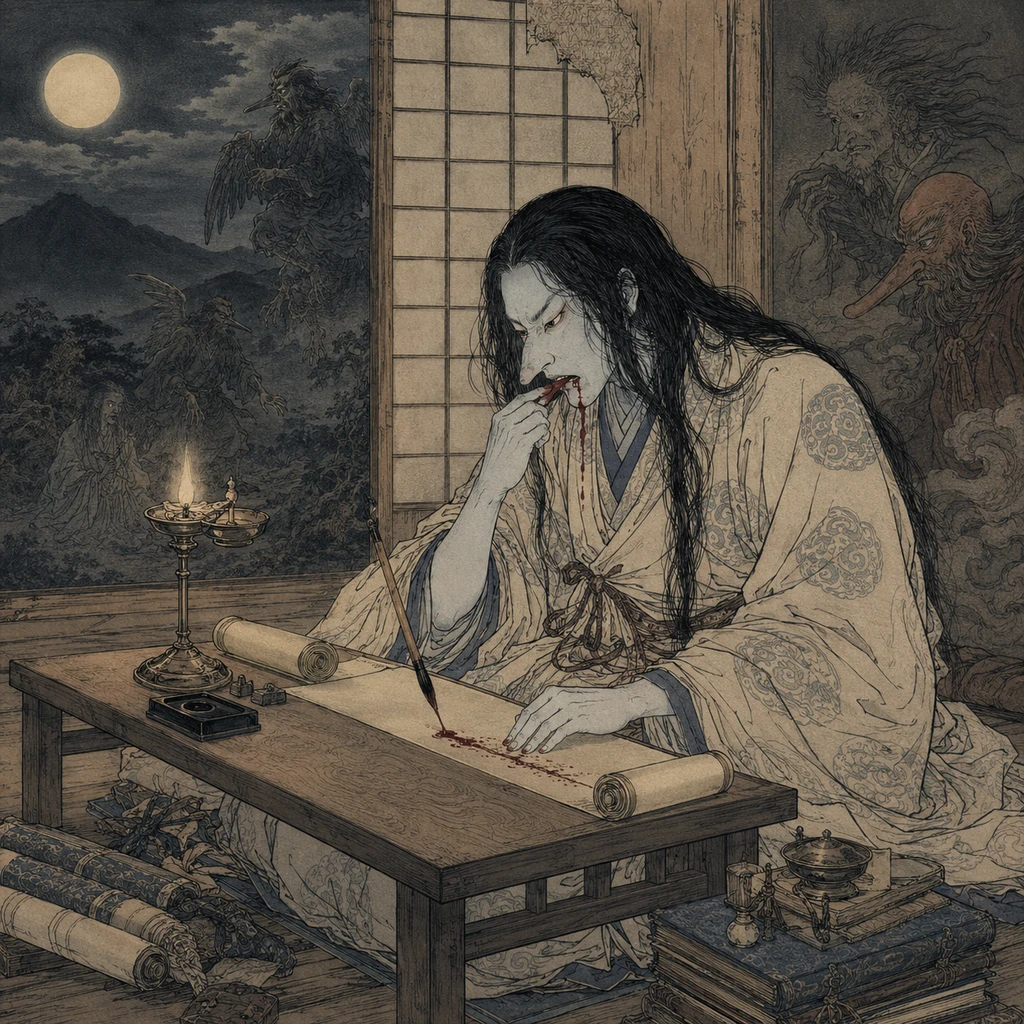
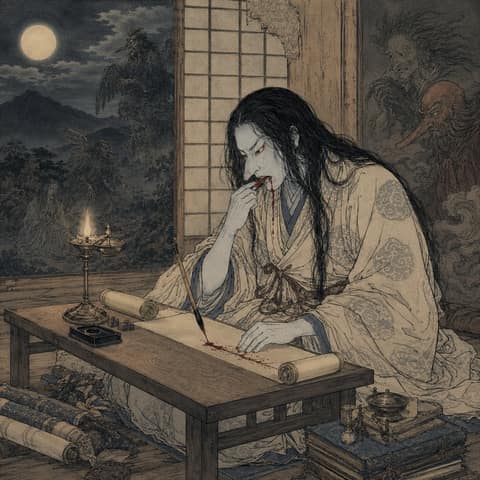
崇徳を怨霊たらしめた核心の物語は、軍記『保元物語』が伝える血書の呪詛である。 配流地で写した五部大乗経を都の寺に納めるよう願ったが後白河院に突き返され、激怒した崇徳は舌を噛み切り、流れる血で「日本国の大魔縁となり、皇を取って民とし、民を皇となさん」と書きつけ、以後は爪も髪も切らず、生きながら天狗と化したと伝わる。大魔縁とは人の心を惑わす魔の一類を指す仏教語である。死後に世が乱れるたびその祟りとされ、 『太平記』の系譜のなかで、崇徳はやがて天狗界·魔界を統べる日本一の大天狗とみなされていった

その怨霊を最も鮮やかに描いたのが文学である。 上田秋成『雨月物語』巻頭の「白峯(しらみね)」は、歌僧西行が讃岐の白峯陵に崇徳の霊を弔いに訪れると、怒れる崇徳院が金色の鳶(とび)の姿で現れて対話する物語である。執心を捨てよと諭す西行に対し、崇徳は易姓革命の理を説いて反逆を正当化し、すでに天狗·魔王として世の乱れを操っていることを明かす。鎮魂は近代まで続き、 明治元年(一八六八)、讃岐に眠る崇徳の神霊を京へ迎えて祀ったのが白峯神宮である。新たな世が始まる明治維新の前夜になお祟りを恐れて鎮めたこの一事は、 怨霊研究の山田雄司が日本史上最大の怨霊と評するその畏怖の長さを物語る。

ここで見過ごせないのは、崇徳もまた「天狗と化した」と語られることである。修験者·金剛坊宥盛が天狗となって奥社の神になり、廃帝·崇徳院が大天狗となって相殿に鎮まる ── 象頭山では、天狗という両義の存在が、護法神としても怨霊としても一座に重なり合っている。

一座に折り重なる三層の霊異

象頭山·金刀比羅宮は、起源を異にする三つの信仰が一つの霊山に折り重なった、稀有な聖地である。ガンジス川の鰐神に発し大物主神と習合した海上守護神·金毘羅。天狗と化した実在の修験者を祀る奥社の厳魂彦命と、その総帥たる象頭山の大天狗·金毘羅坊。そして讃岐に流され大魔縁·大天狗となって相殿に祀られた崇徳院。海を渡ってきた神、山に化身した天狗、海に流された廃帝の怨霊 ── 由来も系統もまったく違う霊異が、象の頭の形をした一座のなかで、互いに排斥することなく共存している。

七八五段、そして一三六八段の石段を登る参詣者は、知らずしてこの三層を踏みしめている。本宮で海の神に手を合わせ、奥社で天狗の守りを受け、相殿に廃帝の御霊を拝む。海上守護·航海安全の祈りと、山岳修験·天狗信仰の畏れと、怨霊鎮魂の祈念とが、一つの石段の上で出会う場所。これが「こんぴらさん」という名で全国に親しまれてきた、讃岐·象頭山の比類なき妖異の風景である。讃岐全体に渦巻く霊異の全容は 香川県の妖怪事典 を参照されたい。
All yokai of Kotohiragu5

Complete list of yokai linked to Kotohiragu, including those not featured in the article above.

  • Konpira

    Konpira

    Divine

    こんぴら

    Konpira Daigongen

    kamiKagawa Prefecture (Sanuki Province) / Ganges River, India

    The original term for Konpira is the Sanskrit Kumbhīra, a deification of crocodiles inhabiting the Ganges River. In Hinduism, it is the mount of Gaṅgā. It was incorporated into Buddhism as Kumbhira, chief of the Twelve Heavenly Generals. Through Honji Suijaku, it syncretized with the local deity Omononushi-no-Kami into "Zozusan Konpira Daigongen." Kotohira-gu is situated halfway up Mount Zozu. The approach consists of 1368 stone steps. The main deity is Omononushi-no-Mikoto, with Emperor Sutoku enshrined alongside. The enshrinement of Emperor Sutoku is a typical example of Goryo (vengeful spirit) worship. Exiled to Sanuki after the Hogen Rebellion, he deeply revered Konpira Daigongen. The renaming due to the Meiji Shinbutsu Bunri marked the greatest turning point in its history. It was transformed into the Shinto "Kotohirasan Kotohira-gu." Its rise during the Edo period was a massive leap forward as a guardian of the sea. It became the "supreme deity of maritime protection." The folk song "Konpira Funefune" became a nationwide hit. The Konpira dog is a rare folk custom of the Edo proxy pilgrimage culture. Those unable to make the pilgrimage sent their pet dogs as proxies. The phonetic transcription path originates from Sanskrit Kumbhīra → Chinese transliteration → Japanese "Konpira."

  • Izutamahiko no Mikoto

    Izutamahiko no Mikoto

    Divine

    izutamahiko

    Guardian Deity of Mount Zozu, Izutamahiko no Mikoto

    Divine Spirit/DeityMount Zozu / Okusha Izutama Shrine of Kotohira-gu (Present-day Kotohira-cho, Nakatado District, Kagawa Prefecture)

    Izutamahiko no Mikoto is a rare deity whose existence traces three stages of elevation: originally a real high-ranking monk, Kongobo Yusei (the fourth head of Konkoin, died 1613), who became a tengu and guardian spirit after death, and was finally redefined as a Shinto deity during the Meiji era's separation of Shinto and Buddhism. While the principal deity Konpira (Omononushi) originates from a foreign water god (Kumbhira) and presides over "maritime protection," Izutamahiko no Mikoto embodies the lineage of "mountain asceticism and tengu worship." The dual structure of the Mount Zozu faith—where a god of the sea and a tengu of the mountain reside together—is demonstrated through the relationship between the principal deity and the deity of the Okusha (Inner Shrine), making this deity highly significant in religious history. The Okusha, Izutama Shrine, sits at an altitude of 421 meters, 1,368 steps away from the main shrine, and is considered the second holiest site of Kotohira-gu.

  • Tengu

    Tengu

    Legendary

    Tengu

    What Is a Tengu? An Overview of Types and Iconography

    Mountain & Wilderness SpiritsKyoto, Shiga, and Wakayama Prefectures (the seats of the great tengu on the various sacred mountains)

    This edition is not about a single seat on a particular sacred mountain, but a general treatise that thoroughly unravels "what a tengu is" from the history of its iconography and types. The individual traditions of each seat are left to the page of each great tengu. The form of the tengu is not uniform. The first type is the long-nosed tengu—ruddy face and high nose, clad in the ascetic's headcloth (tokin) and the suzukake robe, a feather fan in hand and one-toothed high clogs on the feet. The second is the crow tengu, with a crow's beak and wings, grasping a sword or a vajra staff. The third are the lesser tengu called leaf tengu and wood-chip tengu, held to be weak and numerous kin. Rather than a fixed classification, these reflect the breadth of the tengu image across eras and regions. The iconography shifted over time. The Heian-period tengu was first conceived as a bird like a black kite, and the image of the crow tengu retains that vestige. The long nose grows prominent only from the late Kamakura period; the Zegaibō Emaki depicts a scene in which a tengu that had disguised itself as a human has its nose lengthen as it returns to bird form. As for the origin of the long nose, there are theories that derive it from the high-nosed Jidō mask of gigaku and link the crow tengu to the Karura (Garuda) mask, and a view that sees the long nose as an iconographic vestige of a bird's beak—but none can be called settled doctrine. It was overlaid with the god Sarutahiko, described in the Nihon Shoki as having a nose seven hand-spans long, and the custom arose of using a tengu mask for the role of Sarutahiko in festivals. The tengu's dual nature is rooted in the Buddhist notion of the way of the tengu. Because it studies the Buddhist path it does not fall into hell, and because it handles heterodox arts it cannot reach paradise either—an intermediate state, and the one who falls there was held to be the arrogant monk. The Tengu Zōshi depicts this notion as satire of the monks of the seven great temples, yet Chigiri Kōsai too warns that the simplification "only arrogant monks become tengu" goes too far. Demon though it is, once subdued it turns to guardianship, and it was held that if a Shugendō practitioner recites the Tengu Sutra he may summon the tengu of the various provinces to grant his wishes—this amplitude between guardian and demon is the very core of the tengu. The certain medieval source for the grouping called the "Eight Great Tengu" lies in the libretto of the Muromachi-period Noh play Kurama Tengu. The passage in which the great tengu calls up the tengu of the provinces he commands in geographical order—"In Tsukushi, Buzenbō of Hiko-san; in the four provinces of Shikoku, Sagamibō of Shiramine; Hōkibō of Ōyama; Saburō of Iizuna… the host of Zenki of Ōmine, Takama of Katsuragi"—shows that the Eight Great Tengu were rooted in medieval belief and performing arts, not an Edo invention. Still, the composition wavers by source, with a variant that adds Hōkibō of Ishizuchi-san; it is no fixed roster.

  • Konpira-bo

    Konpira-bo

    Epic

    konpira-bo

    The Forty-Eight Tengu Guarding Mount Zozu, Konpira-bo

    TenguMount Zozu (Present-day Kotohira-cho, Nakatado District, Kagawa Prefecture) / Kotohira-gu

    Konpira-bo is a yokai that embodies the history of Kotohira-gu (Matsuo-dera Konpira Daigongen) as a sacred mountain of Shugendo during the era of Shinto-Buddhist syncretism. Listed as one of the "Forty-Eight Tengu," he is revered as the great tengu commanding Mount Zozu in Sanuki. His true form is either a yamabushi who accumulated harsh austerities and transformed into a tengu, or a familiar (guardian deity) of Konpira Daigongen. This duality represents a typical structure of tengu legends in mountain beliefs across Japan. Particularly within the Konpira faith, which holds aspects of a maritime guardian and water deity, he assumes the role of warding off evil and dispensing divine punishment while enshrined in the deep mountains behind the shrine. Although Kotohira-gu is a Shinto shrine today, ascending the stone steps to the inner shrine and walking along the approach lined with ancient trees still profoundly conveys the majesty of the forest once believed to be the domain of Konpira-bo, imbued with the atmosphere of Shugendo.

  • Emperor Sutoku

    Emperor Sutoku

    Epic

    Emperor Sutoku

    Emperor Sutoku, the Vengeful Spirit Exiled to Sanuki

    Spirits & GhostsSakaide (Kagawa Prefecture) and Kyoto (place of exile and death; shrines of pacification)

    This edition follows in close detail—discerning the boundary between history and the legend that runs from the Hōgen Monogatari onward—how a single deposed emperor turned into the Great Tengu and Great Demon-Bond called the greatest in Japanese history. First, the history must be grasped. Sutoku's misfortune lay in the political exclusion of being shunned by the cloistered emperor Toba as an "uncle-child" and being made to abdicate without ever holding the power of cloistered rule. After the early death of Emperor Konoe, that his younger brother Go-Shirakawa, rather than his own son Prince Shigehito, was set up became the trigger for the Hōgen Rebellion (1156). On the defeated Sutoku's side, Minamoto no Tameyoshi and Taira no Tadamasa were put to public execution for the first time in roughly four hundred years, and Sutoku himself was exiled to Sanuki. Up to here it is history grounded in records. The uncanny is born beyond that, in the stratum of legend. Both the curse said to have been written in blood—"I shall become the Great Demon-Bond"—after biting off his tongue, and the figure of him turning into a tengu with nails and hair grown long, are stories transmitted not by contemporary records but by the Kamakura-period Hōgen Monogatari. Yet this legend spread with great persuasive force, and the great fires, forceful appeals, and upheavals that struck the capital from the Angen years onward—indeed, the Jishō-Juei War leading to the fall of the Taira—came to be read as Sutoku's curse. The events themselves are history; the interpretation that ascribes them to Sutoku's rancor is goryō belief—the two must be seen as sharply distinct. What fixed Sutoku's tengu image was literature. "Unkei Miraiki," book twenty-seven of the Taiheiki, depicts Sutoku as a demon-king ruling the throngs of tengu and demon-bonds, and in the early-modern era "Shiramine" in Ueda Akinari's Ugetsu Monogatari gave vivid form to Sutoku's vengeful spirit confronting Saigyō—not as a long-nosed tengu but as a golden kite. The image of Sutoku told of as "the foremost Great Tengu of Japan" and "the greatest vengeful spirit in Japanese history" stands upon this accumulation of literature. What deserves attention is that his pacification reached even into the modern era. In the first year of Meiji (1868), the Meiji government welcomed Sutoku's divine spirit, resting in Sanuki, to the capital and enshrined it at Shiramine Jingū. That at the outset of a new reign they still feared the curse of a deposed emperor seven hundred years past tells how deep-rooted the dread of Sutoku's vengeful spirit was. A poet who left a famous verse in the Hyakunin Isshu, and a great demon-king who curses the throne—this very gulf is what pushed Retired Emperor Sutoku to the apex of goryō belief.

Read on ── other regions