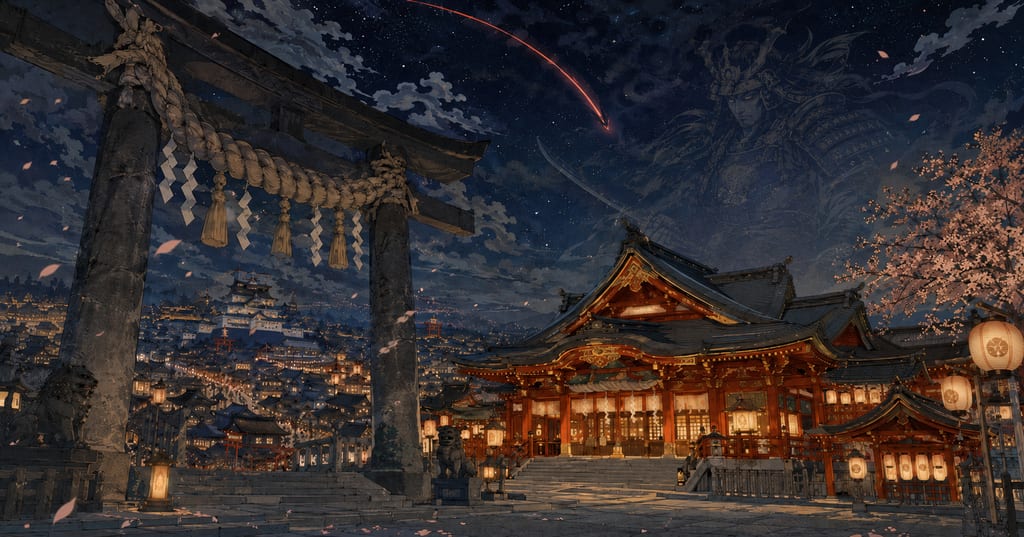
YOKAI.JP
Kanda Myojin 江戸を守る逆賊の神 ── 神田明神と平将門

将門·首塚·総鎮守。逆賊から江戸の守り神へ

江戸を守る逆賊の神 ── 神田明神と平将門

Kanda Myojin · かんだみょうじん

View on map

東京·大手町、高層ビルの谷間に、ぽっかりと「将門の首塚」がある。日本有数の金融街の一等地でありながら、撤去や移転を試みるたびに事故や不幸が続いたと噂され、今もなお丁重に祀られている。千年以上前に死んだ一人の武将の首が、現代の東京の一角を、動かしがたい聖地にしているのである。

平将門。朝廷に「逆賊」と断じられて討たれながら、関東では英雄として慕われ、やがて江戸の総鎮守·神田明神に祀られた男。逆賊とされた者が、なぜ都市を守る神になったのか。本稿は、将門と神田明神の物語をたどる。

新皇を称した男

平将門は、平安中期に関東で勢力を張った武将である。一族の所領争いに端を発した争乱は、やがて関東一円を巻きこむ大乱へと発展した。承平·天慶年間(九三五年頃から)に起きたこの「平将門の乱」で、将門は関東の国々を制圧し、ついには「新皇」を自称して、京の朝廷から独立した東国の王たらんとした

Taira no Masakado

Taira no Masakado

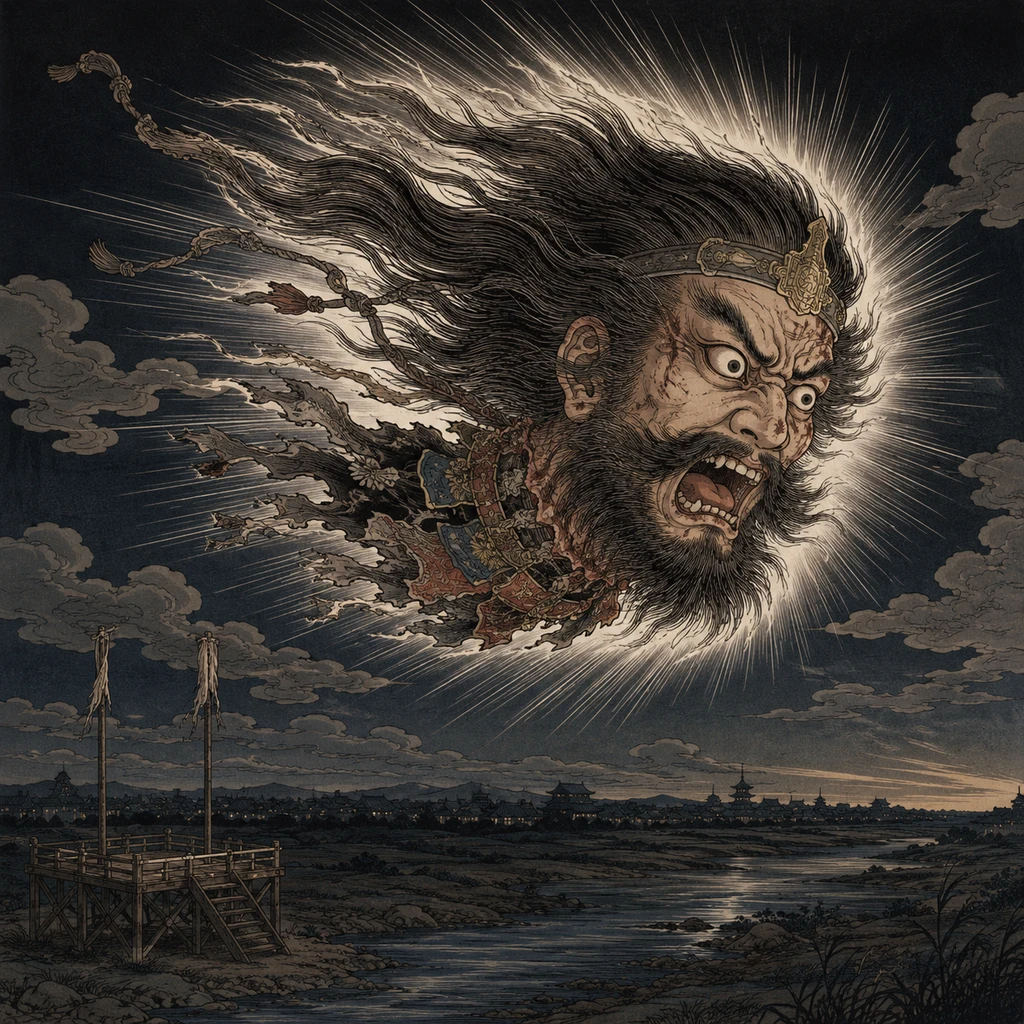
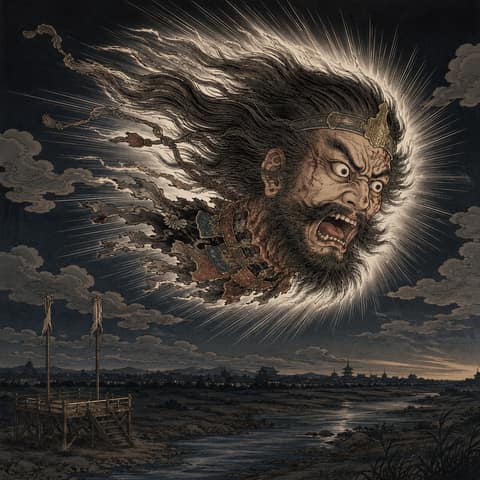
Taira no Masakado was a warrior of the Kanmu-Taira line who held sway over the Bandō region in the mid-Heian period, a man who raised the banner of revolt against the court, styled himself "New Emperor" (Shinnō), and was struck down. After his death, the uncanny tales surrounding his severed head made him one of the most dreaded vengeful spirits in Japan, and in time he was enshrined as a guardian deity of the Kantō and a goryō god at shrines such as Kanda Myōjin. In the Jōhei and Tengyō years, Masakado rose from private feuds within his own clan, and in the second year of Tengyō (939) he overran the provincial seats of Hitachi and other Kantō provinces to subjugate the eastern lands, proclaiming an oracle of Hachiman Daibosatsu and styling himself New Emperor . But the following year, the third of Tengyō (940), he was shot in the forehead and killed in battle by the punitive army of Taira no Sadamori and Fujiwara no Hidesato (Tawara Tōda). His life is recounted in detail in the contemporary war chronicle Shōmonki. What made Masakado a yokai and a vengeful spirit was less the historical revolt itself than the legend of the head, told in later ages. The story that his head, exposed in the capital, would not rot and cried out night after night before flying off to the east is bound up with the dread of the Masakado Grave-Mound (the "Head Mound") at Ōtemachi in Tokyo, and transmits to this day the belief that to move it brings a curse. At Kanda Myōjin, by contrast, he is fervently revered as the great tutelary of Edo and a god of martial fortune and thriving commerce—embodying the two faces of a goryō god: curse and protection.

Read more

将門の乱の背景には、関東という土地の特殊な事情があった。都から遠く離れた東国は、中央から派遣される国司による収奪に苦しみ、在地の武士たちは不満を募らせていた。一族間の私闘から身を起こした将門は、やがて国府を襲い、関東諸国の国司を追放して、独自の政権を打ち立てようとする。「新皇」── 新しい天皇を名乗ったその行為は、もはや所領争いの域を超え、京の朝廷の権威そのものへの正面からの挑戦であった。

朝廷にとって、これは前代未聞の反逆であった。追討の命がくだり、天慶三年(九四〇)、将門は藤原秀郷·平貞盛らの軍に討たれて果てる。新皇の都はわずかな期間で潰え、将門の首は京へと運ばれた。

飛んだ首、
祟る霊

将門の首は京都で晒された。だが、物語はそこで終わらない。晒された首は、関東を恋うて夜空を飛び、東国へと帰っていったという伝説が生まれた。その首が落ちた地が、現在の東京·大手町に残る「将門の首塚」だと伝えられる。

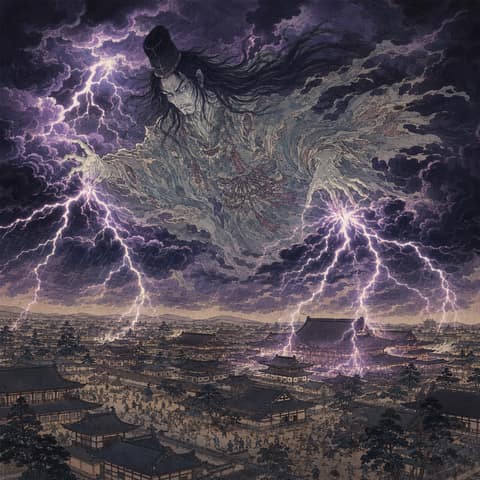
以後、将門は祟りをなす怨霊として畏れられた。首塚をめぐっては、これを軽んじた者に災いが及ぶと語りつがれ、近代以降も、塚の撤去や移転を試みた際に事故や急死が相次いだと噂された。真偽はともあれ、人々が将門の霊を本気で畏れ、丁重に扱いつづけてきたことは確かである。将門は菅原道真·崇徳天皇とならび、「日本三大怨霊」の一に数えられる

江戸総鎮守 ── 神田明神

その将門を祀るのが、東京都千代田区外神田に鎮まる神田明神(正式には神田神社)である。

社伝では、天平二年(七三〇)に出雲系の氏族が大己貴命(だいこく様)を祖神として祀ったのが始まりとされる。将門との結びつきは後のことで、討たれた将門は当初その首塚の近くに祀られ、のちに神田明神へ正式に合祀された。現在の祭神は三柱 ──縁結びの大己貴命(だいこく様)、商売繁昌の少彦名命(えびす様)、そして除災厄除の平将門命(まさかど様)である

神田明神は「江戸総鎮守」として、江戸の町とそこに暮らす人々を守る社と位置づけられた。徳川の世にあって、かつて朝廷に弓引いた逆賊が、将軍のお膝元·江戸を守る神とされたのは、考えてみれば不思議な逆転である。

この逆転には、立地も関わっている。神田明神は、江戸時代のはじめに、江戸城の表鬼門 ── 北東の方角にあたる現在地へと遷されたとされる。陰陽道では、鬼門は邪気の出入りする方位とされ、その方角を社寺で固めるのは、平安京が比叡山に都の鬼門を守らせたのと同じ発想である。かつて朝廷に背いた逆賊の霊を、城の鬼門を守る最強の守護神として据える ── 徳川の都市づくりは、将門の強大な霊力を、いわば逆手にとったのである。

逆賊か、
英雄か

将門ほど、評価が割れた人物もいない。中央の記録は彼を朝廷に背いた逆賊と断じたが、関東の人々は、重い負担を強いる中央権力に立ち向かった英雄と見た。一つの国のなかに、まったく逆の将門像が並び立ったのである。

この二重性こそ、将門が強烈な怨霊となり、同時に篤く祀られた理由でもある。無念の死を遂げた強い霊を、祓うのではなく神として祀りあげ、その力を守護へと転じる ── 菅原道真と同じく、将門もまた御霊信仰の枠組みのなかで、祟り神から守り神へと姿を変えていった。逆賊であったからこそ、その怨念は強く、祀られたのちの加護もまた大きいと信じられたのである。

福の神と、
武の神と

神田明神の祭神三柱の取り合わせは、よく見ると江戸という都市そのものの願いを映している。縁結びの大己貴命(だいこく様)、商売繁昌の少彦名命(えびす様)、そして除災厄除の平将門命(まさかど様)── 縁と富をもたらす二柱の福の神に、災いを退ける武の神が加わる。恋も、商いも、厄除けも、この一社で願える。

だいこく様·えびす様は、商人の町として栄えた江戸で篤く信仰された福の神である。そこへ、武勇に秀で、強い霊力をもつ将門が「除災厄除」の神として並んだ。福を招く神と、災いを祓う武神 ── 攻めと守りのそろったこの顔ぶれが、江戸総鎮守としての神田明神の懐の深さを形づくっている。商人も、職人も、武士も、それぞれの切実な願いを携えて、この社の石段をのぼった。逆賊として討たれた将門が、町人たちの暮らしを守る親しみ深い「まさかど様」になっていたのである。

首塚は、
今も

将門の首塚は、今も大手町にある。周囲を巨大なオフィスビルに囲まれながら、その一画だけは手厚く守られ、線香の煙が絶えない。ビジネスマンが手を合わせ、訪れる人があとを絶たない ── 千年前の逆賊の霊は、今や東京の守り神の一柱として、静かに都市を見つめている。

神田明神の例大祭·神田祭は、江戸三大祭の一つに数えられ、「天下祭」と呼ばれた。近年ではアニメの舞台としても親しまれ、新たな参拝者を集めている。逆賊から江戸総鎮守へ、そして現代の聖地へ ── 平将門と神田明神の物語は、いまも更新されつづけている。東京全体の妖怪文化については、東京都の妖怪事典も併せて読まれたい。
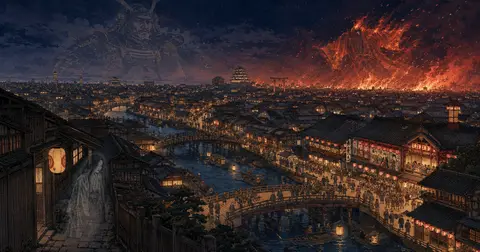
All yokai of Kanda Myojin2

Complete list of yokai linked to Kanda Myojin, including those not featured in the article above.

  • Taira no Masakado

    Taira no Masakado

    Divine

    Taira no Masakado

    Masakado, Goryō God of the Kantō

    Divine Spirits & DeitiesThe Kantō region (the Masakado Grave-Mound at Chiyoda, Kanda Myōjin, and the old Bandō homelands)

    This edition follows in close detail—while fixing the boundary between history and legend—how a single Bandō warrior became the uncanny "flying head" and then turned into a god who guards Edo. First, history and the uncanny must be separated. The revolt itself is conveyed by the near-contemporary Shōmonki, which records in classical Chinese the private feud beginning in 935, the subjugation of the Kantō provincial seats, the proclamation as New Emperor, and the death in battle in 940. But here there is no marvel of a flying head. The supernatural story of a head that would not rot, cried out, and flew appears only centuries later, in the Nanboku-chō-period Taiheiki, with anecdotal relays such as the Konjaku Monogatari-shū in between. It is in this later stratum of legend that Masakado is told as a "yokai." The story of the curse around his head mound is newer still. The dread transmitted at the Masakado Grave-Mound at Ōtemachi—"move it and it curses"—is a modern urban legend, layered onto events that occurred in the heart of the city in the Taishō and Shōwa eras: the deaths of those involved in building the Ministry of Finance's temporary office after the Great Kantō Earthquake, and the bulldozer accident during the Occupation. The factual events and the interpretation that attributes them to Masakado's curse must be carefully separated. The path of deification, on the other hand, reaches back into the medieval age. In the second year of Enkyō (1309), the Ji-sect holy man Shinkyō Shōnin, who attributed a plague to Masakado's curse, pacified the spirit and added it to the enshrined deities of Kanda Myōjin. This, like Michizane, is the textbook goryō belief of enshrining a raging vengeful spirit and turning it into a protecting god. The ups and downs—drawing the reverence of the people as the great tutelary of Edo, being removed from the enshrined deities as a traitor in the Meiji era, and being restored at the end of Shōwa—also reflect well the duality of the image of Masakado as a hero who rebelled against the throne. In later ages, the story of his daughter Princess Takiyasha commanding a giant skeleton won popularity in kabuki and popular fiction and was depicted in Utagawa Kuniyoshi's "The Old Palace at Sōma"; it should be noted that this is a derivative starring the daughter, not Masakado himself.

  • Onryō (Vengeful Spirit)

    Onryō (Vengeful Spirit)

    Legendary

    ohn-RYOH

    Goryo Cult

    Ghosts & SpiritsAcross Japan

    A framework that enshrines vengeful spirits as goryo to pacify their curses and turn them into sources of blessing. Epidemics and natural disasters were seen as manifestations of resentment, and reconciliation was sought through founding shrines, conferring divinity, and institutionalizing festivals. Curse deities bear a dual aspect of fear and veneration, and their wild power was believed to transform into communal guardianship through proper requiem rites. Practices ranged from state rituals to village memorials, including era name changes, imperial envoys, Goryo-e, and Hojō-e. For individuals, memorial offerings, sutra copying, nenbutsu, and esoteric prayers were performed, while restoring honor and granting divine ranks were means to ease a spirit’s grievances. Narratives and origin legends explained why resentment arose, giving social memory to causes such as false accusation, untimely death, and broken lineages. A vengeful spirit’s power was not indiscriminate but signaled its intent according to causes, believed to speak through dreams, oracles, thunder and fire, and plague. Pacification was not a one-time act but continued through annual festivals and shrine upkeep, with warnings that neglect would invite resurgence.

Read on ── other regions