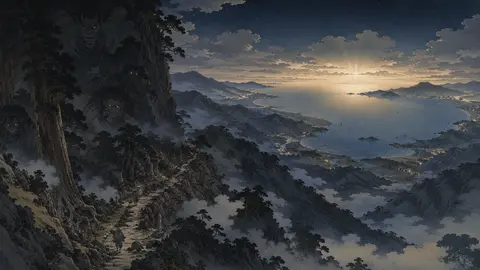
京都の北東にそびえる比叡山。延暦寺を擁し、最澄をはじめ日本仏教の主要な祖師を育てた「日本仏教の母山」である。だが妖怪と魔除けの視点から眺めると、この聖山は二重の意味で「鬼」と深く関わっている。
ひとつは、都の鬼門 ── 北東の方角を守る山であること。もうひとつは、鬼の姿をした護符「角大師」で、魔を祓う山であること。鬼の侵入を防ぎ、鬼の力で鬼を祓う ── 比叡山と鬼の、分かちがたい因縁をたどる。
都の鬼門を守る山
比叡山延暦寺は、最澄が延暦七年(七八八)に開いた、天台宗の総本山である[1]。のちに法然·親鸞·道元·日蓮ら、日本仏教の主要な宗祖がこの山に学んだことから、「母山」とも称される。
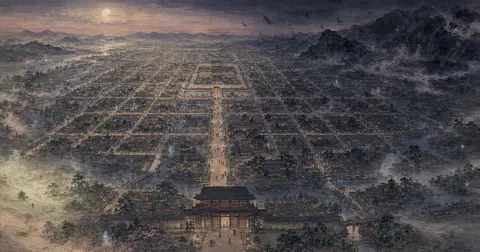
だが比叡山の役割は、学問と修行の場にとどまらなかった。この山は、平安京の真北東 ── すなわち鬼門の方角にそびえている。陰陽道において鬼門は、邪気や魔の出入りする凶の方位とされた。都を開いた朝廷は、その鬼門を仏法の山で押さえることで、災いの侵入を防ごうとした。延暦寺は「鎮護国家」「王城鎮護」の山[1]── すなわち都そのものを守る結界として位置づけられたのである。平安京の鬼門を比叡山が守るというこの構図は、のちに江戸城の鬼門に寛永寺(東叡山)が置かれる先例ともなった。
比叡山による鬼門封じは、単独ではなかった。山麓には円仁ゆかりの赤山禅院が置かれ、八瀬の里がその守りを補ったとも伝わり、京都の鬼門は幾重もの結界で固められた。この発想は、のちの世にも受け継がれていく。徳川家康に重用された天海は、江戸城の鬼門にあたる上野に寛永寺を開き、その山号を「東叡山」── 東の比叡山と名づけた。比叡山が平安京を守ったように、東叡山が江戸を守る。都市の鬼門を仏法の山で押さえるという思想は、古代から近世まで、一本の線で貫かれている。
鬼の姿で、
鬼を祓う ── 元三大師と角大師
比叡山が「鬼を祓う山」であることを、もっとも鮮やかに示すのが、元三大師の伝説である。
元三大師(がんざんだいし)とは、平安中期の僧·良源(九一二〜九八五)のこと。第十八代天台座主をつとめ、衰えていた延暦寺を立て直した「中興の祖」であり、正月三日に没したことから元三大師と呼ばれる[2]。この高僧をめぐって、強烈な魔除けの信仰が生まれた。
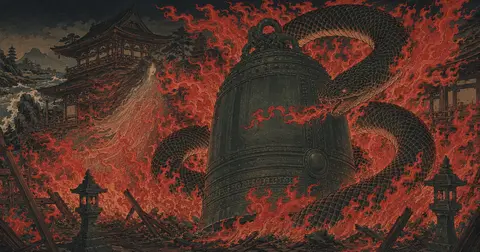
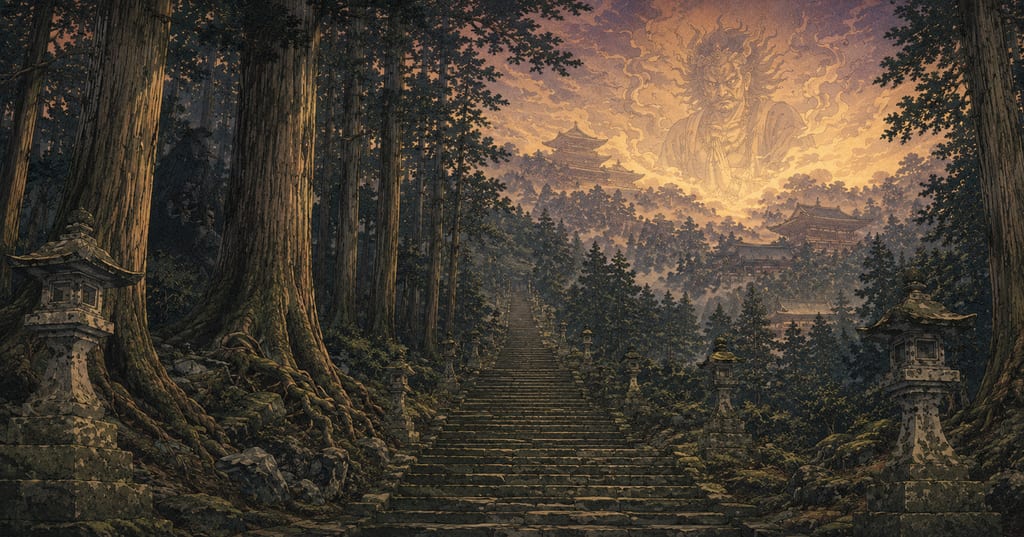
角大師(つのだいし)である。良源が、二本の角を生やし骨と皮にやせさらばえた夜叉の姿に化身して、疫病神を退けたという伝説にもとづく[2]。その鬼のような姿を写した護符を戸口に貼ると、魔除け·疫病除けになると信じられた[2]。今も京都·近江の旧家の玄関には、この角大師の札を見かける。鬼を祓うために、みずから鬼の姿となる ── 節分に鬼を演じて豆を撒き、災いを追い払う追儺の心性と、角大師は深く通じている。同じ良源は、三十三体の小さな大師像を描いた「豆大師」の護符でも知られ、おみくじの創始者ともされる[2]。そのおみくじの発祥は、比叡山横川の四季講堂と伝わる。吉凶を占って先を読み、角大師の札を戸口に貼って魔を防ぐ ── 今に続く身近な信仰の作法のいくつかに、この高僧の影は色濃く落ちている。
天狗の棲む山
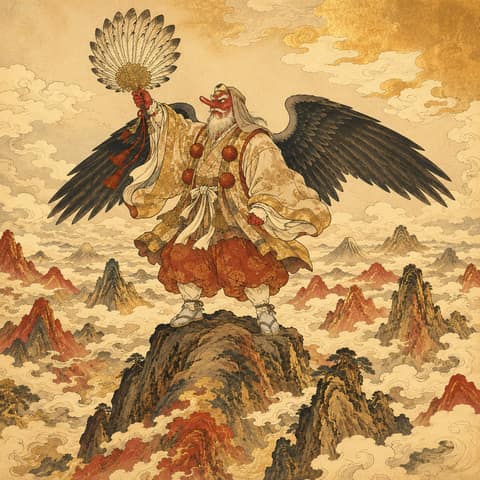
聖なる山は、同時に魔の棲む山でもあった。比叡山は古来、天狗の住処として語られてきた。
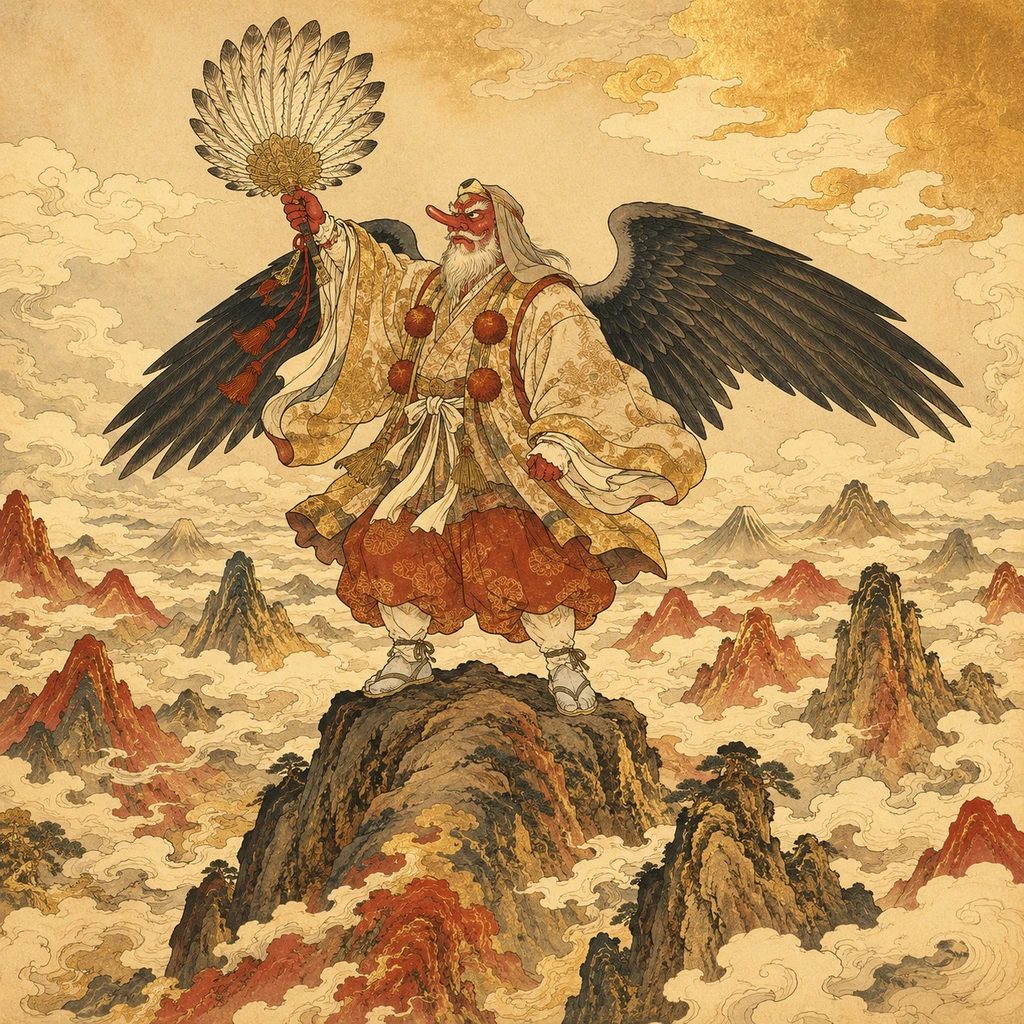
Tengu
The tengu is a yokai and quasi-divine being said to dwell in the mountains of Japan, a lord of the heights inseparably bound to the yamabushi ascetics of Shugendō. Its forms fall broadly into two lineages. One is the long-nosed tengu, with a ruddy face and high nose, clad in the garb of a mountain ascetic, bearing a feather fan and one-toothed high clogs; the other is the crow tengu, with a crow's beak and wings, and beneath them follow lesser kin such as the leaf tengu and the wood-chip tengu. What was once conceived as a bird like a black kite hardened, over the medieval period, into the image of the long-nosed mountain ascetic. The tengu is at once a demon that obstructs the Buddhist Law and, once subdued, a guardian deity who protects it—this dual nature is the essence of the tengu. The notion that an arrogant high monk falls and becomes a tengu was bound to the Buddhist "way of the tengu," and was depicted as satire in late-Kamakura picture scrolls. Within mountain worship, on the other hand, the tengu was revered as guardian of the mountain and master of martial and magical arts, a being that tests or guides the practitioner. From Mount Kurama and Mount Atago in Kyoto onward, each of the sacred mountains of the realm was said to have its own great tengu, and the early-modern Tengu Sutra counts their number at forty-eight.
Read more天狗は、しばしば仏道の慢心と結びつけられる。きびしい修行を積みながら、おごり高ぶった僧は、死して天狗道に堕ちる ── そう信じられた。学問と法力の山·比叡山が、同時に天狗の山とされたのは偶然ではない。高い境地をめざす者ほど、慢心という魔に近づく。比叡山の天狗は、修行者の心に潜む魔の影でもあったのである。法力と魔、聖と俗が背中合わせに同居する ── それもまた、巨大な宗教都市であった比叡山の一面であった。
比叡山の天狗は、説話や絵巻にもしばしば姿を見せる。高僧と法力を競い、あるいは修行僧をたぶらかして山中をさまよわせる ── そうした天狗譚は、修行の厳しさと、慢心という心の隙を戒める寓意でもあった。聖なる山であればこそ、そこに巣くう魔もまた強大であると考えられたのである。
鬼を追われた者たち
比叡山は、鬼を追い出す山でもあった。日本でもっとも名高い鬼·酒呑童子の伝説に、その一端がうかがえる。
酒呑童子の出自を語る御伽草子には、彼がもとは比叡山にいたが、最澄(伝教大師)に山を追われ、流転のすえに丹波の大江山へ拠ったと伝える一説がある。仏法の山が、鬼を都の外へと押し出す ── 比叡山は、都の鬼門を守るだけでなく、都に害をなす鬼そのものを境界の外へ追いやる力をもつと観念されていた。鬼を防ぎ、鬼を祓い、鬼を追う。比叡山は、あらゆる意味で「鬼を制する山」だったのである。
焼き討ち、
そして再興
強大な宗教都市·比叡山は、やがて世俗の権力とも衝突する。平安期には数千の僧兵を擁し、白河法皇でさえ「賀茂河の水、双六の賽、山法師(比叡山の僧兵)は意のままにならぬ」と嘆いたほどの力をもった[1]。
その力は、戦国の世に悲劇を招く。元亀二年(一五七一)、織田信長による焼き討ちで、堂塔伽藍の多くが灰燼に帰した[1]。しかし比叡山は滅びなかった。江戸期に再興され、千日回峰行をはじめとする峻烈な修行の伝統は、今も受け継がれている。延暦寺は、京都の文化財として世界遺産にも登録されている。今日も東塔·西塔·横川の三塔に堂宇が連なり、根本中堂の「不滅の法灯」は、最澄以来千二百年、一度も絶やされることなく灯りつづけていると伝わる。
鬼門の山、
ふたたび
比叡山は、鬼をめぐる日本人の想像力が幾重にも折り重なった山である。都の鬼門を守る結界として、鬼の姿の護符で魔を祓う元三大師の山として、天狗の棲む山として、そして鬼を境界の外へ追う山として ── この一つの山に、鬼を防ぎ、鬼を祓い、鬼を追うすべての観念が集まっている。
節分に「鬼は外」と豆を撒き、戸口に鬼の姿の角大師を貼って魔を防ぐ ── そうした魔除けの心性の源流の一つが、この鬼門の山にあった。滋賀県全体の妖怪文化については、滋賀県の妖怪事典も併せて読まれたい。