YOKAI.JP
Echigo Province 高志の国の雪と鬼。越後国の妖怪事典

茨木童子・鎌鼬・異獣。北越雪譜が描いた雪国の怪

高志の国の雪と鬼。
越後国の妖怪事典

Echigo Province · えちご

View on map

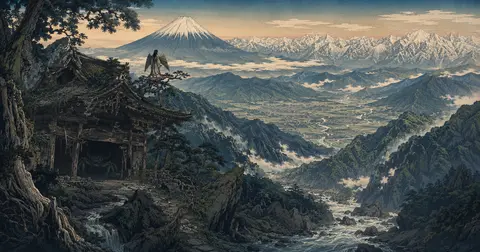
本州の日本海側を南北に長く占める越後国は、雪とともに語られる国である。古代、北陸の広域は「高志(こし)の国」と呼ばれ、のちに高志道前・道中・道後に分かたれて越前・越中・越後となった。越後国はそのもっとも奥、頸城(くびき)・古志(こし)・魚沼(うおぬま)・蒲原(かんばら)・岩船(いわふね)などの郡からなる広大な雪の国であった。本事典が扱うのは、その本州側の越後 ── 海を隔てた佐渡国は狸の王国として別の物語を持つため、ここでは雪に閉ざされた山里の怪を主役に据える。

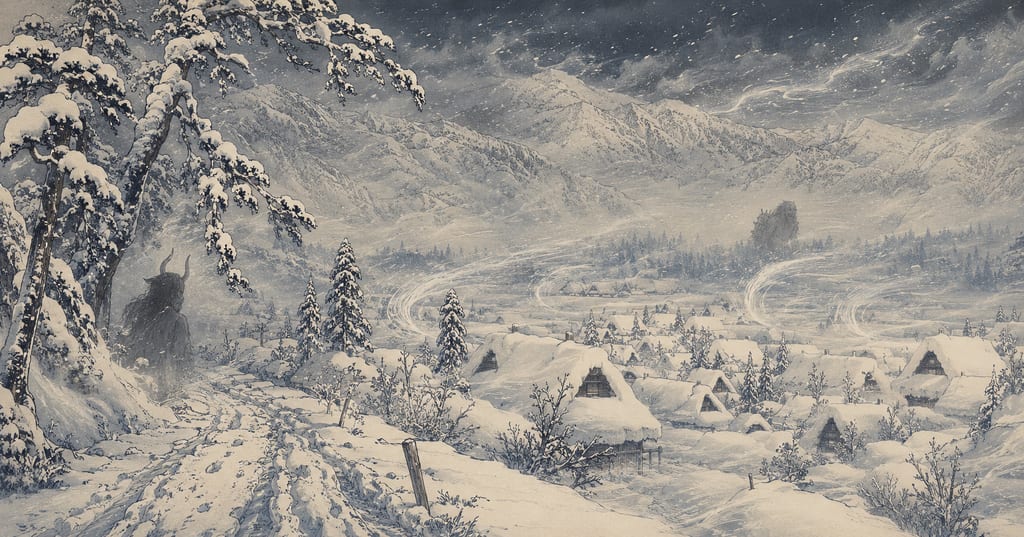
冬の半年を雪に埋もれる越後では、雪と風そのものが怪を生んだ。視界を奪う吹雪、谷を渡る辻風、雪に閉じこめられた家のなかで語り継がれる長い夜 ── そこに鎌鼬や雪童子、そして山中の異獣が姿を見せる。雪国の暮らしを克明に記した鈴木牧之『北越雪譜』(天保8年〔1837〕)は、この国の怪異を知るうえで欠かせない宝庫である。一方で越後の山里は、大江山の酒呑童子伝説と結びついて「鬼の生誕地」の記憶をも抱えた。本事典は、この古き雪国に伝わる妖怪を「高志の国という古代」「越後生まれの鬼」「北越雪譜の雪の怪」「水辺と里の怪」の四つの位相で辿る。県全体を束ねる宏観は新潟県の妖怪事典に譲り、ここでは令制国としての越後 ── 雪と鬼の古層に降りていく。

高志の国という古代 ── 越後国の地誌と信仰

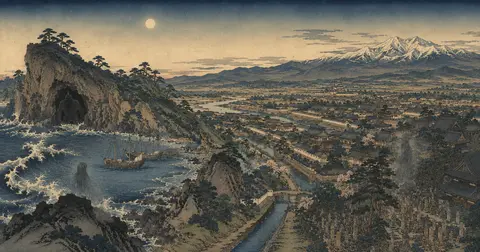
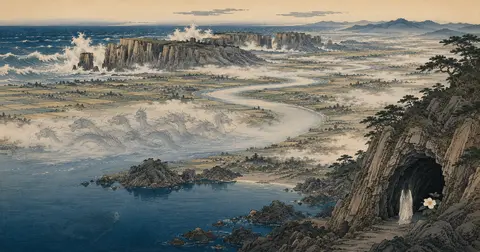
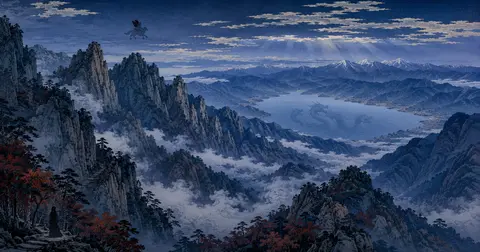
越後の妖怪を語るには、まずこの国の成り立ちと地形を押さえておきたい。越後国は、7世紀末から8世紀にかけて古代の高志国が分割される過程で成立した。はじめ岩船(いわふね)・渟足(ぬたり)の地に柵(き)が置かれ、大宝2年(702)に越中国から頸城・古志・魚沼・蒲原の四郡を受けて、石船・三島・古志・蒲原・沼垂・魚沼・頸城の諸郡からなる広域の国となった。国府は頸城郡に置かれたと伝わるが、その正確な位置は今も定まらず、十世紀ごろは居多(こた)付近、十一・十二世紀以降は直江津のあたりとする説がある。日本海に沿って細長く伸び、背後に三国山脈・越後山脈を負うこの地形こそ、豪雪と隔絶を生み、独自の怪異文化を育てた土壌である。

古代から中世にかけて、越後を縦に貫いたのは北陸道であり、近世にはそこから直江津で分かれて関川宿へ至る北国街道が整えられた。この街道は、佐渡金山の金を江戸へ運ぶ要路として重んじられた。峠と宿場を結ぶこの道筋は、後に見る桐一兵衛のような「夜の峠道の怪」が語られる舞台でもある。人が雪を越えて行き来する道のあるところに、怪は宿るのである。

信仰の中心に立つのが、越後国一宮の彌彦(やひこ)神社である。弥彦山を神体とし、祭神は天香山命(あめのかぐやまのみこと)、伊夜日子(いやひこ)大神とも称される。『万葉集』にも歌われた古社で、越後人の篤い信仰を集めてきた。後述するように、越後の鬼・茨木童子が幼少時に預けられたと語られるのも、この弥彦である ── 国の聖地が、鬼の物語の起点としても記憶されている点に、越後の信仰の奥行きがある。

中世末、この国の名を天下に轟かせたのが上杉謙信であった。謙信は頸城郡の春日山城を居城とし、自らを毘沙門天の化身と称して、出陣前には城内の毘沙門堂に籠って祈念したという。標高約180mの山に二kmに及ぶ城域を持つ春日山城は、軍神の信仰と一体であった。雪に閉ざされる国から最強の戦国大名が立ったことと、その武威を毘沙門天という異界の力に託したことは、越後という土地の心性 ── 厳しい自然と隣り合わせに神異を感じる感性 ── を象徴している。

越後生まれの鬼 ── 茨木童子

越後の妖怪を語るうえで外せないのが、大江山の酒呑童子伝説とつながる「鬼の生誕地」の記憶である。その代表が、酒呑童子の片腕とされる茨木童子だ。
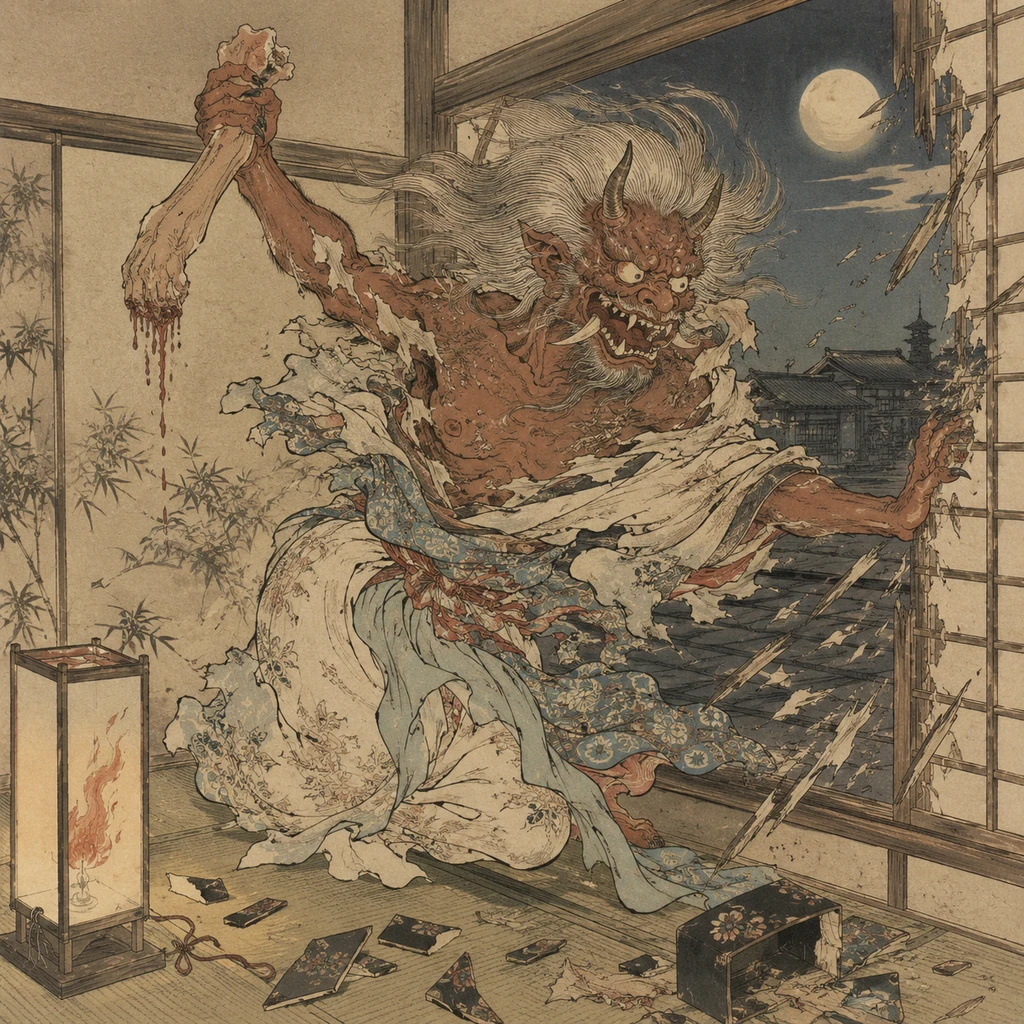
Ibaraki-dōji

ee-bah-RAH-kee DOH-jee

A demon (oni) of the Heian period, famed as the right-hand of Shuten-dōji. Accounts place Ibaraki-dōji’s birth either in Settsu (Tomatsu/Ibaraki) or Echigo (Koshi District, Karuizawa). From childhood the figure showed an uncanny appearance and prodigious strength. Joining the bandits of Mount Ōe, Ibaraki-dōji helped terrorize the capital until Minamoto no Yorimitsu (Raikō) and his retainers crushed the gang, whereupon Ibaraki narrowly escaped. Later, the warrior Watanabe no Tsuna cut off the demon’s arm; in later tales, the demon disguises itself and steals the arm back—episodes retold across medieval setsuwa, Noh, and Kabuki.

Read more

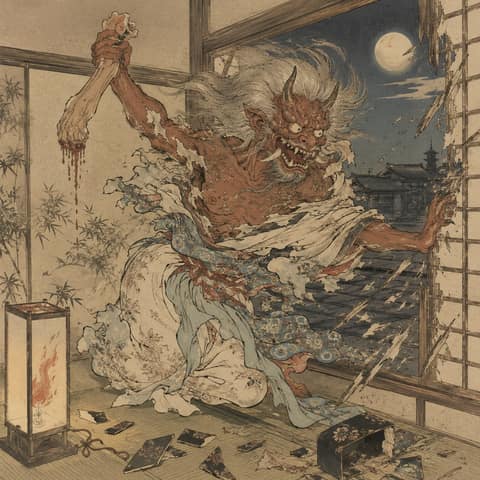
茨木童子は、酒呑童子の股肱(ここう)・副将格として大江山の賊徒に名を連ねたと伝わる鬼である。出生地には摂津国(富松・茨木の里)説と越後国説のふたつがあり、越後の伝承では古志郡軽井沢(現長岡市軽井沢)の生まれとし、幼少時に弥彦神社へ預けられたと語る。同じ越後出身説を持つ酒呑童子が蒲原郡砂子塚(現燕市)に生まれて国上(こくじょう)寺の稚児であったとされるのと対をなし、新潟県内には二人が相撲をとったと伝える場所や、茨木童子を祀る小祠まで残る。古志・蒲原という越後の中核の郡に二人の鬼の故郷が置かれていることは、この国が鬼の物語を強く引き寄せたことの証でもある。ただしいずれも近世以降の地域的脚色が大きく、史実の層と伝承の層は慎重に分けて見る必要がある。

この鬼が最もよく知られるのは、京で渡辺綱に腕を斬られる説話である。『平家物語』剣巻では、渡辺綱が一条戻橋で出会った美女を馬に乗せたところ、女は鬼と化して綱の髻(もとどり)を掴み愛宕山へ攫おうとする。綱は名刀髭切で鬼の片腕を斬り落とし、以後この刀は鬼切と呼ばれた。綱は腕を持ち帰って物忌みするが、訪ねてきた伯母(養母)を招き入れると、その正体は鬼で、腕を取り返して飛び去ったという。剣巻自体は鬼の名を明示せず、この鬼を茨木童子と同定するのは後世の付会である。地誌の『摂陽群談』には摂津の出生譚が記され、尼崎・茨木周辺に遺称地が残るとされる。能『羅生門』や歌舞伎・浄瑠璃で広く演じられ、越後と摂津という二つの故郷を背負った鬼として、今日まで語られている。雪国の山里から都の鬼へ ── その移動の物語そのものが、越後と中央を結ぶ古い回路を映している。

北越雪譜の雪の怪 ── 鎌鼬・異獣・雪童子

越後の妖怪のもうひとつの核は、雪である。冬の半年を雪に閉ざされる魚沼・頸城の山里では、雪と風そのものが怪の母胎となった。その記録の中心にあるのが、塩沢(現南魚沼市)で縮(ちぢみ)の仲買商を営んだ鈴木牧之の『北越雪譜』である。牧之は雪国の実情を世に伝えたいと願い、江戸の文人・山東京伝らに刊行を相談しながらも幾度も頓挫し、構想から実に40年の歳月をかけてこの随筆を成した。最終的に滝沢馬琴の門人・京山の助力を得て、天保8年(1837)に江戸の丁子屋文淵堂から初編三巻を刊行、のちに第二編四巻を加えて全七巻となった。雪の結晶の精密な写生から、雪下ろし・雪崩・方言・縮織りの産業、そして雪国に伝わる怪異までを克明に綴ったこの書は当時のベストセラーとなり、雪のない土地の人々が想像しえぬ雪国の実相を伝えた。好奇心本位の地方奇談ではなく、雪と共に生きる暮らしの内側から書かれた点に、この書の比類ない価値がある。

雪国の怪の筆頭が、辻風に乗って人を裂く鎌鼬である。
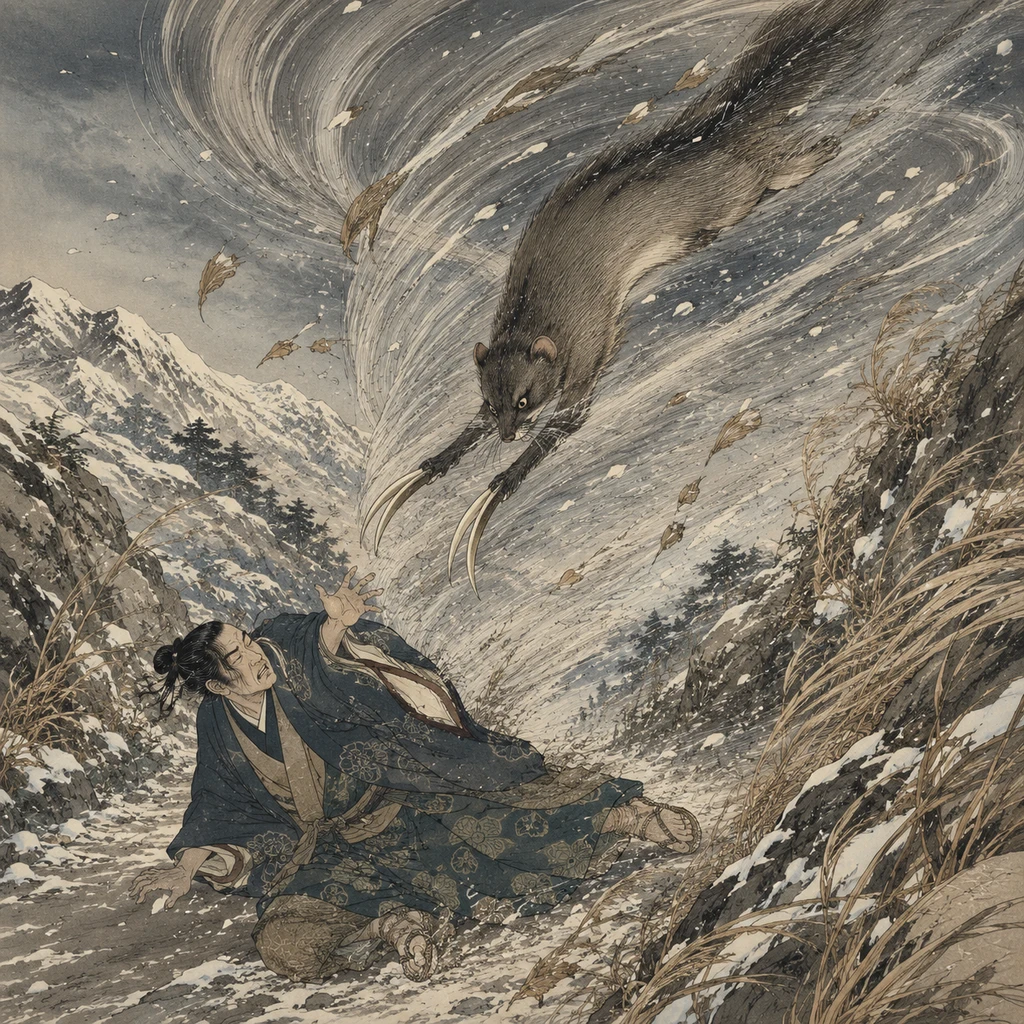
Kama-itachi

kah-mah-ee-TAH-chee

Kama-itachi are yokai said to ride dust devils or sudden whirlwinds, slicing human skin as if by a blade. Victims often feel little pain at first and may not bleed until later. From the Edo period on, they’re depicted as weasels with sickle-like claws, though explanations vary by region—some attribute the cuts to the phenomenon itself, to wind deities, or to minor spirits. The term is also a classical winter seasonal word.

Read more

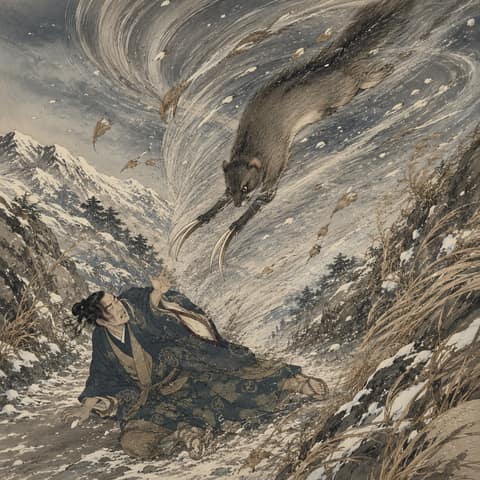
鎌鼬は、つむじ風の中心に現れて人の肌を刃物で払ったように切り裂く怪で、雪深い信越・北陸・東北を中心に伝わった。切られた直後は痛みも血も乏しいというのがこの怪の特徴である。各地に同類の解釈が残るが、なかでも飛騨では三体の神が連れ立って現れ、最初の者が人を転ばせ、次の者が刃物で斬り、最後の者が薬を塗っていくため、痛まず血も出ないと語られた。江戸期以降は鎌の爪を持つ鼬の姿で描かれ、鳥山石燕は中国の怪獣「窮奇(きゅうき)」の名に「かまいたち」の訓を当てている。信越の地ではこの怪を悪神の所業とし、暦(こよみ)を踏むと鎌鼬の災いに遭うと戒め、古い暦を黒焼きにして傷につけると治るとも伝えた。

しばしば鎌鼬の正体として語られる「真空説」── 旋風の中心に生じる低圧で皮膚が裂けるという解釈 ── は明治以降に唱えられた近代の説で、妖怪研究の先駆者・井上円了がこれを紹介したが、物理学者の寺田寅彦は随筆「化物の進化」のなかでこれを退け、強風による飛来物の衝突で生じる裂傷と説いた。今日では真空説は俗説とされ、鎌鼬はあくまで風の怪をめぐる民間信仰として理解される。冬の季語としても用いられるこの怪は、雪面を切り裂くように吹く越後の辻風の鋭さから、ひときわ生々しい像を結んだ自然の妖怪である。

雪国の山には、もうひとつ忘れがたい記録がある。異獣だ。
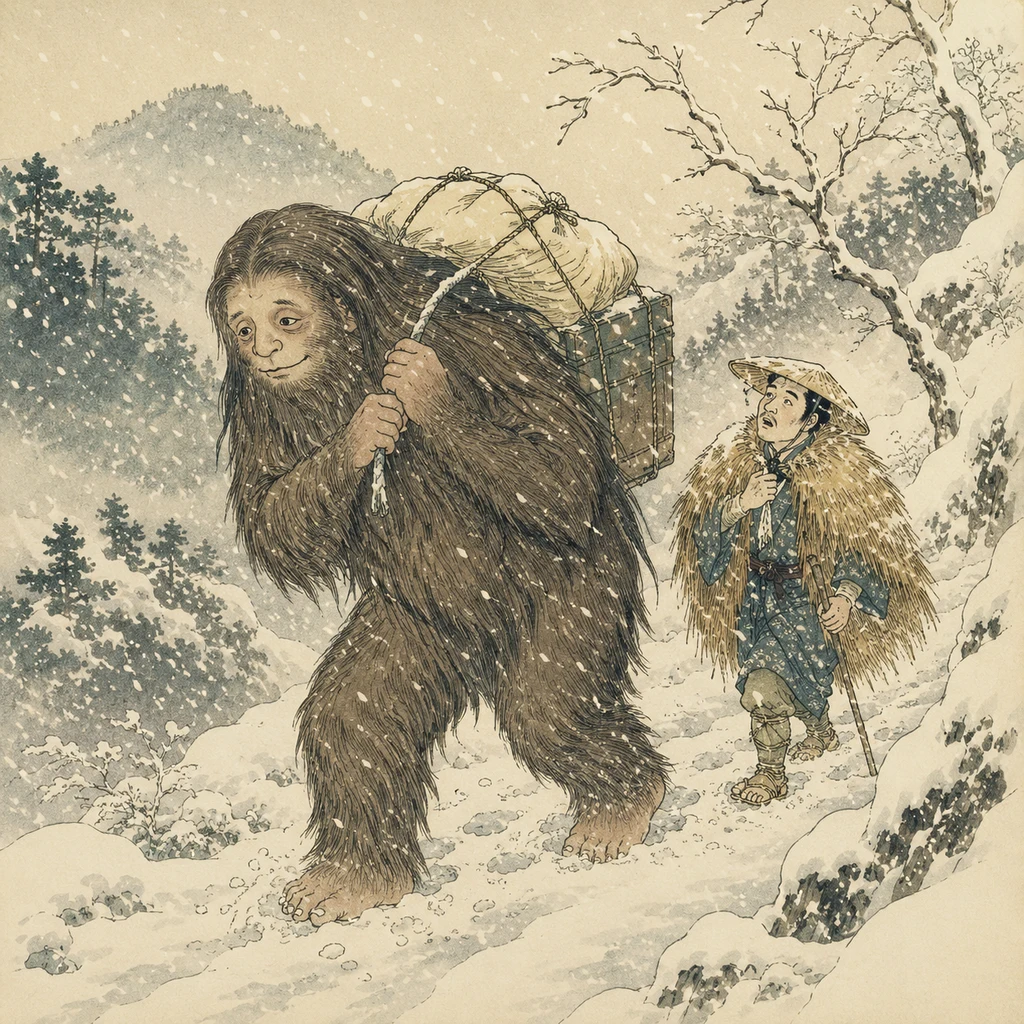
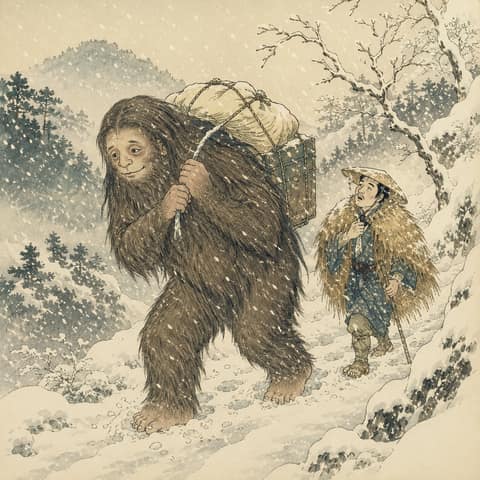
『北越雪譜』第二編巻四は、越後国魚沼郡の山中に出没した怪しき獣を「猿に似て猿に非ず」と記す。頭髪は長く背に垂れ、背丈は人より大きいという。堀内から十日町へ縮を届ける道中、問屋に仕える竹助という男が山中で休む折、この異獣が現れて食をねだったので飯を分けてやると、獣は大きな荷を自ら背負って先導し、池谷村の近くで荷を置いて山へ消えたという。また池谷の機織りの娘の家にもたびたび姿を見せ、急の注文に娘が難儀していた折に機を助け、無事に仕事を果たせたとも伝わる。人を害するよりは食を乞い、時に人の働きを助ける ── 雪山の労働と織物産地の暮らしに寄り添う、奇妙に温かな獣である。魚沼は越後縮の本場であり、機織りは女たちが雪の冬を越すための生業であった。その織物産地の口碑にこの獣がたびたび語られたことは、人と山との交渉が日常であった雪国の世界観を映している。異獣の正体は明かされず、山の精か稀なる獣の類と見なされた。今日の目には未知の霊長類めいた描写にも読めるが、牧之はこれを怪異としてではなく、雪国の山が抱えるひとつの不思議として淡々と書きとめている。

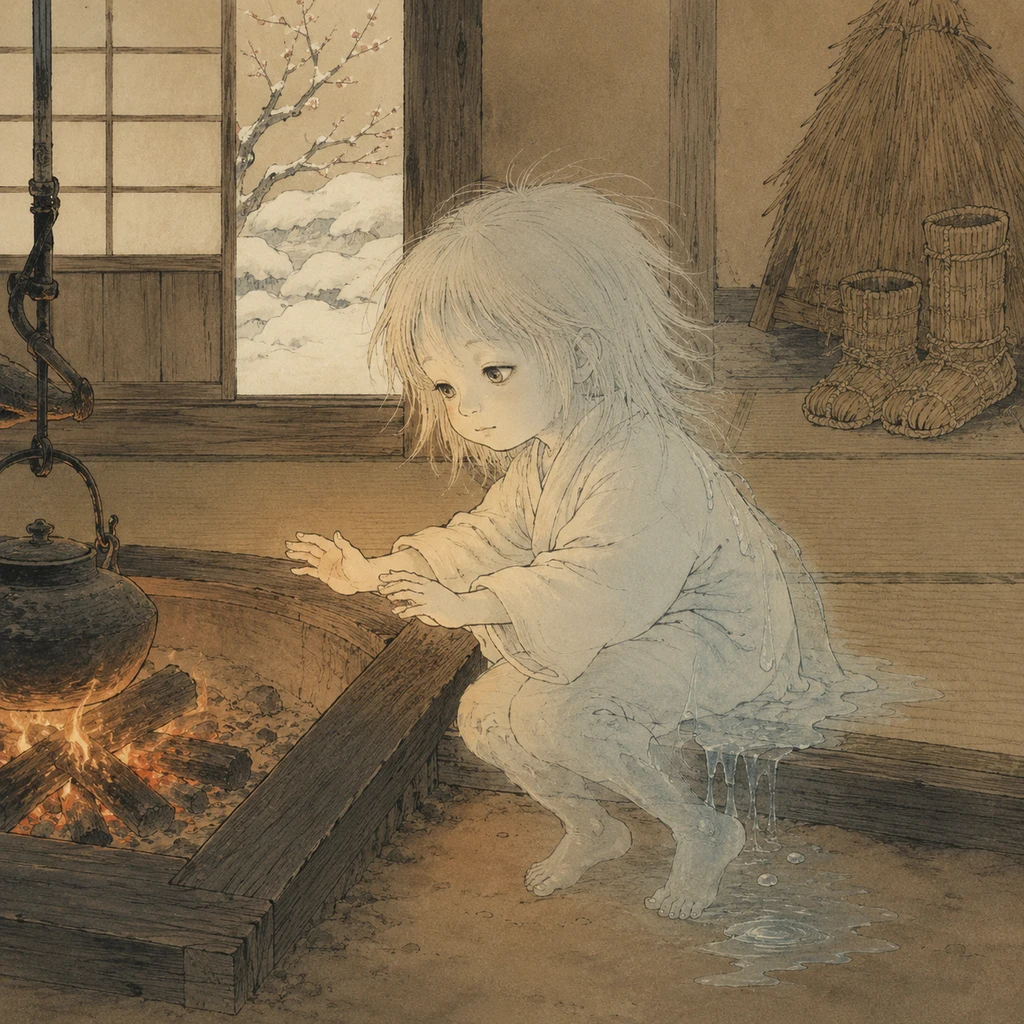
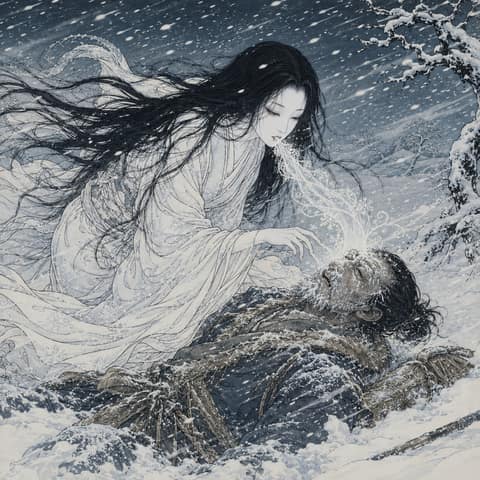
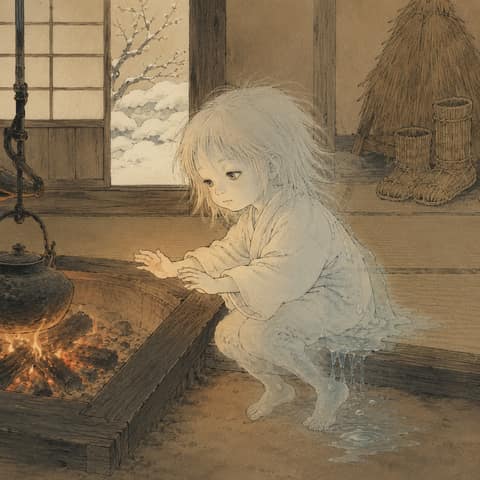
雪が生むのは、刃の怪や山の獣ばかりではない。吹雪の晩に訪れ、春とともに消える儚い童の精もまた、越後の雪に来た。雪童子は、深い降雪や吹雪とともに姿を見せる子供の形をした雪の精である。越後には、子に恵まれぬ老夫婦が雪の日に雪で人形を作ったところ、吹雪の晩に童が訪れ、我が子同然に育てたが、春が近づくにつれ次第にやせ細り、いつの間にか姿を消したと語る昔話が伝わる。以後、冬ごとに現れては春に失せ、数年ののち来なくなったという。この童は雪人形に宿った霊で、優しい老夫婦を慰めるために神が遣わしたものと解される。雪女の眷属あるいはその子と結びつけて語る地域もあるが、雪女ほど文献の裏づけは厚くなく、口承による異伝が主である。雪のはかなさをそのまま人の形にしたような、慰めの怪である。鎌鼬の鋭さ、異獣の温かさ、雪童子の儚さ ── 同じ雪が、これほど性格の異なる三つの怪を生んだところに、越後という雪国の懐の深さがある。

水辺と里の怪 ── 濡女・桐一兵衛

雪と鬼に加え、越後の水辺と里にも固有の怪が伝わる。性格の異なる二つの妖怪 ── 海辺に立つ女怪と、夜の峠で増殖する怪 ── を最後に見ておきたい。
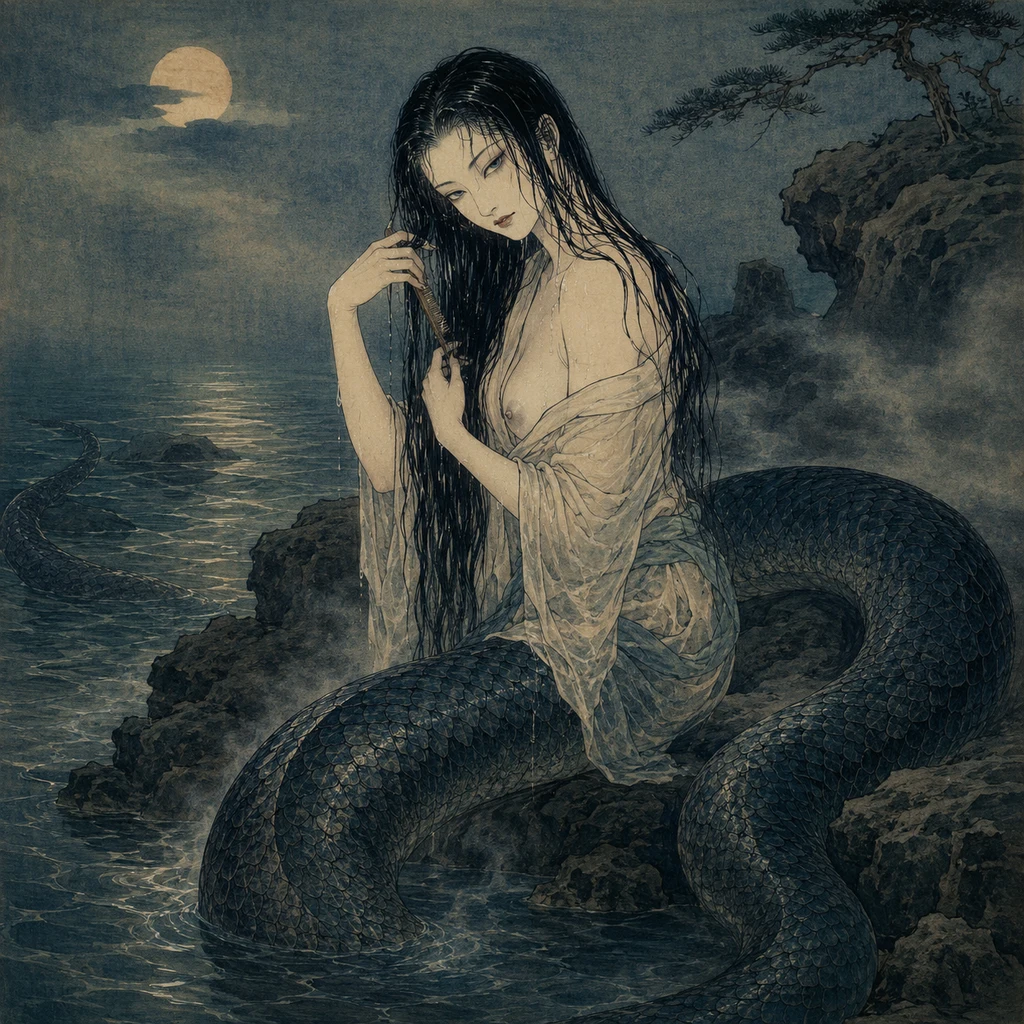
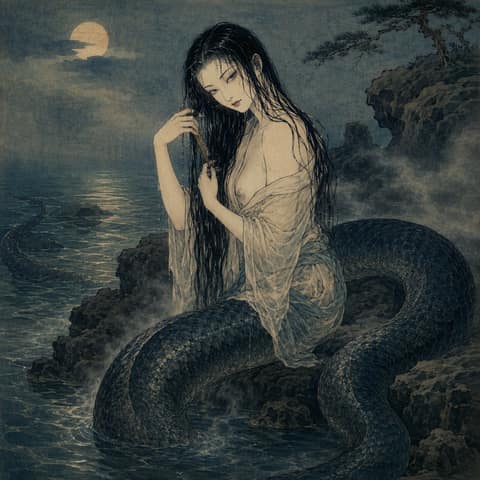
濡女は、海辺や川辺に現れる蛇身に女の頭をもつ怪である。腰から下は鱗に覆われた長大な蛇体で、いつも濡れたままの黒髪を垂らす。鳥山石燕『画図百鬼夜行』は風の巻に、長い髪を水に浸した女面の蛇体としてこれを描き、絵巻系統の濡女像を定着させた。越後との縁は、藤沢衛彦『妖怪画談全集日本篇』が文久年間の越後国の話として濡女を挙げる点にある。ただしその一次出典は明示されておらず、近代の妖怪研究が各地の断片を集成する過程で像が整えられた側面もうかがえる。西日本沿岸の磯女や濡女子と話型を共有する、水辺の女怪群の一類型でありながら、雪国の日本海に面した越後にもその影が伝わったところに、海を介した怪異の往来が見てとれる。

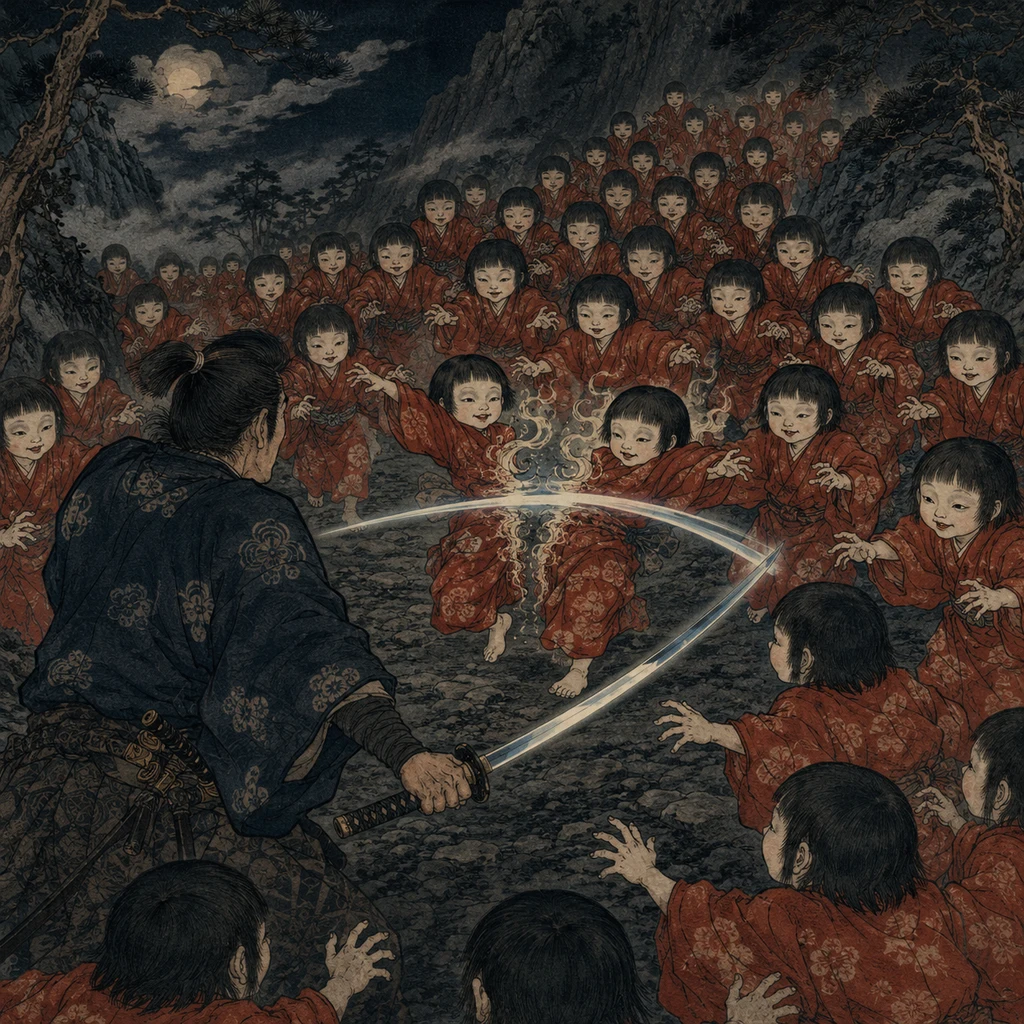
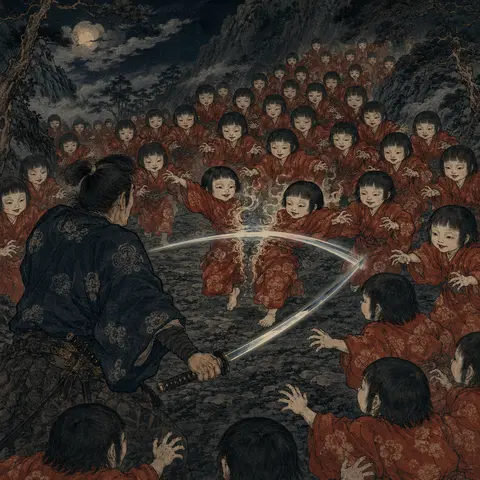
そしてもうひとつ、越後の山間に固有の語りを残すのが桐一兵衛である。新潟県の南魚沼・南蒲原に伝わるこの怪は、斬れば一倍ずつ増えることから「斬一倍」とも記される。ある侍が小峠を越える折、幼子が「早く歩いてお父様に抱かれ」と言いながら追ってきた。不審に思って斬ると、子は二つに割れ、それぞれがさらに増え、ついに群れとなって侍を取り囲んだ。万事休すと観念した時、一番鶏の鳴き声がして怪は「朝だ、帰ろう」と消えた。後で侍は、その鳴き声が自分の刀の目貫(めぬき)に彫られた鶏から発したものだと悟ったという。武器で斬るほどに増えてしまい、力では決して打ち倒せないが、夜明けを告げる鶏の声に祓われる ── この構造には、刃の通じぬ怪に対して暁と鶏鳴という古来の魔除けが効くという、日本の怪異観の典型がよく表れている。北国街道や山越えの道が縦横に走る越後で、夜の峠道の不気味さを「増殖」という独特の形に結晶させた、土地に深く根ざした怪である。

結び ── 雪と鬼の古層

越後国の妖怪文化は、雪と鬼という二つの古層の上に立っている。古代の高志国から分かれ、頸城・古志・蒲原・魚沼の雪深い郡からなるこの国では、雪と風そのものが鎌鼬や雪童子を生み、雪国の暮らしを記録した『北越雪譜』が異獣のような奇談まで書きとめた。大江山の酒呑童子伝説と結びついた茨木童子の生誕地伝承は、弥彦の聖地と古志の里に鬼の記憶を刻み、水辺と峠には濡女と桐一兵衛が伝わる。

雪が人を試すように閉じこめ、軍神を信じる武威が育ち、鬼が都へと旅立った国 ── そのいずれもが、厳しい自然と神異とを地続きに感じる越後の心性から生まれた。海を隔てた佐渡の狸の王国を含めた県全体の眺めは新潟県の妖怪事典に譲るが、本州側の越後だけを取り出してみても、雪国の妖怪文化はこれほど豊かなのである。
All yokai of Echigo Province7

Complete list of yokai linked to Echigo Province, including those not featured in the article above.

  • Ibaraki-dōji

    Ibaraki-dōji

    Legendary

    ee-bah-RAH-kee DOH-jee

    Ibaraki-dōji

    Half-Human BeingsSaid to be from Settsu Province or Echigo Province

    An interpretation shaped by medieval war tales, otogizōshi storybooks, and early modern theater. As Shuten-dōji’s foremost lieutenant, Ibaraki-dōji held Mount Ōe and was routed by Raikō’s ruse. Later tales tell of Watanabe no Tsuna cutting off and reclaiming an arm at Ichijō Modoribashi or at Rashōmon. Accounts vary on birthplace and even gender, with traces in Settsu and Echigo traditions. This version follows the most widely circulated storyline in the sources and avoids embellishment.

  • Kama-itachi

    Kama-itachi

    Legendary

    kah-mah-ee-TAH-chee

    Kama-itachi

    Animal ShapeshiftersCentral Japan, Kinki, and Shin’etsu regions (various locales)

    Kama-itachi is a name for a wind-borne anomaly found in Edo-period art, essays, and oral lore, referring both to the phenomenon and its alleged agent. It is tied to whirlwinds and chill gusts in northern and mountainous regions, noted for razor-like lacerations when one stumbles on the road, delayed pain or bleeding, and frequent injuries to the legs. Its true nature varies across sources: invisible minor spirits, beasts riding the wind, or acts of deities coexist as explanations. In Shin’etsu it is said to strike those who break calendrical taboos, and in Hida a three-stage action is told. In parts of Chubu and Kinki, the whirlwind itself is called kama-itachi, while Edo essays report beast tracks left after a dust devil. Under regional aliases like Tosa’s “Field Sickle,” funerary tools turned uncanny are blamed for similar wounds. In haiku it settled as a winter season word and a sign of wind-borne calamity. This version limits itself to attested sources, avoids overlinking to specific places or persons, and presents regional types side by side.

  • Nure-onna

    Nure-onna

    Epic

    NOO-reh-OHN-nah

    Nure-onna (Tradition-Faithful Version)

    水の怪Various regions (primarily the Sea of Japan coast and San’in area)

    Seen along seashores and riverbanks as a woman with long wet hair. Depending on the region, she either lures victims by making them hold a baby and then immobilizes them, or appears as a menacing aquatic entity evocative of a serpent’s body and a massive tail. Edo-period yokai art often depicts a serpentine woman, though narrative sources offer scant confirmation. In Iwami she is classed as a water spirit linked to the gyuki, with advice to never hold her burden barehanded. She is sometimes conflated with the iso-onna, and both name and traits vary by locale.

  • Ijū (Strange Beast)

    Ijū (Strange Beast)

    Uncommon

    ee-JOO

    Ijū (Hokuetsu Seppu Version)

    Animal ShapeshiftersUonuma District, Echigo Province (modern Uonuma region, Iketani area of Tōkamachi City, Niigata Prefecture)

    This version follows the figure recorded in the Tenpō-era compendium Hokuetsu Seppu. Its form is ape-like yet larger than a human, with long hair flowing from crown to back, appearing after parting the dwarf bamboo in mountain ravines. It shows no intent to attack homes, chiefly begs for cooked rice, and repays alms by carrying loads and similar deeds. It is closely tied to the weaving culture of Echigo-chijimi, and in tales of loom maidens it intervenes amid household work rules and notions of ritual purity, turning the tide so deadlines are met. Such accounts treat it as a mountain spirit observing human industry and bringing harmony to cycles of trade and production, akin to food offerings made to mountain deities or guest spirits. Later it was reportedly seen at times but returned to the mountains, leaving only its name. Though an unidentified beast, its refusal to harm and habit of repaying kindness place it on the boundary between uncanny and blessed in local lore.

  • Kiri Ichibē

    Kiri Ichibē

    Uncommon

    KEE-ree EE-chee-bay

    Traditional Lore Version

    Ghosts & SpiritsNiigata Prefecture (Minamiuonuma District; Minamikambara District)

    A multiplying apparition said to appear at night on mountain passes and bypaths in Niigata. It takes the form of a small child to lower one’s guard, then hounds its target into striking; each cut doubles its number, forcing flight. Its true nature is unstated—seen as a vengeful spirit or a mountain entity—but folklore stresses that its power fails at dawn or at the cock’s crow. The name “Ichibai” points to its doubling trait, and tales note chicken motifs on sword fittings acting as talismans. Its exact origin is unknown; encounter stories warn against night travel on mountain roads.

  • Yuki-warashi (Snow Child)

    Yuki-warashi (Snow Child)

    Uncommon

    YOO-kee WAH-rah-shee

    Echigo Traditions Type Snow Child

    Natural Phenomena SpiritsEchigo Province (modern Niigata Prefecture)

    Based on the Snow Child figure from Echigo Province. It appears as a small child on snowy days, visiting from the doorway on blizzard nights to warm itself by the hearth. When cared for, it comforts the household and may help with chores, yet with the first signs of spring it loses strength and fades. It shows no malice and instead bears the character of a guest deity, a seasonal visitor heralding winter’s presence. Its visits recur but never last, and finally cease, reflecting the impermanence of snow. It is also called “Yuki-warashi” or “Yukiko,” names that all link snow with a childlike form.

  • 舌長姥

    舌長姥

    Uncommon

    したながうば

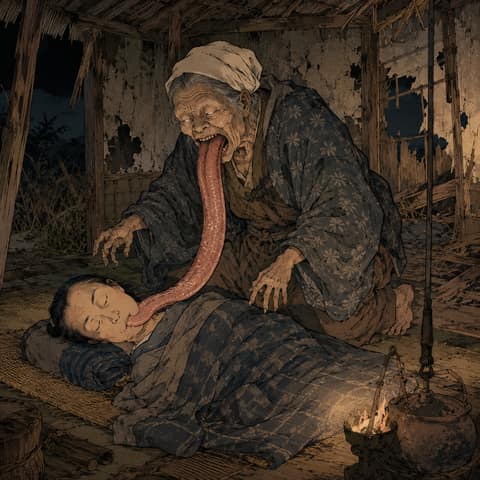
    荒野の破屋に舌を伸ばす姥・舌長姥

    人妖・半人半妖越後国から江戸への道中 / 出自不詳

    When viewed as a hag extending her tongue in a ruined shack in the wilderness, the terror of the Shitanaga-uba lies less in the monster's appearance itself and more in the moment hospitality flips into predation. The travelers, conditioned by nightfall, getting lost, and fatigue, search for a house and believe they are saved by the old woman's invitation. However, the night's lodging is not a safe zone of the human community, but a trap waiting in a closed room for them to fall asleep. In the scene where the tongue extends to the sleeper, the everyday and soft action of "licking"—rather than the use of blades or claws—transforms into the violence of obliterating the flesh, producing a tactile terror much closer than the red face of Shu-no-banbo. This hag monster's outline becomes clearest when working as a pair with Shu-no-banbo. In the setting of the journey from Echigo to Edo, the Shitanaga-uba is placed inside the house, while Shu-no-banbo acts as a voice from the outside. It is the Shitanaga-uba whose name is called first, and Shu-no-banbo appears saying, "Shall I help?" In other words, the Shitanaga-uba is not a mere servant, but one of the principal culprits moving in front of the prey. If Shu-no-banbo is a yokai of sight, the Shitanaga-uba is a yokai of touch, and the two terrors mesh seamlessly within the same night. While the story connects Echigo Province and Edo on the map, pinning the Shitanaga-uba down solely as a "yokai of Niigata Prefecture" misses the core of the tale. What is important is that an unnamed wasteland opens its jaws halfway between a known land and a known city. The ending, where the house vanishes, suggests the possibility that the anomaly's dwelling was not permanently there, but rose up for just one night to absorb the travelers. Thus, on this page, Echigo Province is listed as the story's starting point, Edo as the destination, and "Unknown" side-by-side as the limit of her origin. In later yokai culture, while Shu-no-banbo stands out by gaining the iconography of a red face and large mouth, the Shitanaga-uba is easily compressed into the short name "the old woman with the long tongue." Yet, that very compression is the strength of this yokai. The moment you hear her name, you know her shape, and the moment you know her shape, you know what she will do. She is not a flashy protagonist, but an anomaly that lingers in the reader's bodily senses through the minimal elements of an inn, sleep, and a tongue.

Read on ── other regions