YOKAI.JP
七尋女房。火山島と配流の記憶が抱く石化譚

女房ヶ石に残る巨女。
隠岐国の妖怪事典

Oki Province·おき
View on map

隠岐国は、島根半島の北、日本海に浮かぶ隠岐諸島にあたる旧国である。上位の島根県の妖怪事典では、出雲神話、石見の荒磯、隠岐の巨女までを大きく結んでいる。このページでは、その中でも隠岐だけに焦点を絞る。大陸、湖底、海底、火山島、孤島へと姿を変えてきた島々に、七尋女房という巨女の伝承が残る。

七尋女房は、出雲・隠岐・伯耆に分布する巨大な女の妖怪である。伯耆では青白い顔や歌、古木の下で伸びる首として語られるが、隠岐では物語がいっそう具体化する。海士町には、石を投げる怪女、斬られて石になった女、女房ヶ石という記憶が残る。隠岐国の妖怪文化は、ここで「見えた気がする怪」ではなく、「石としてそこにある怪」を語る。
Seven-Fathom Wife

NAH-nah-hee-roh NYOH-boh

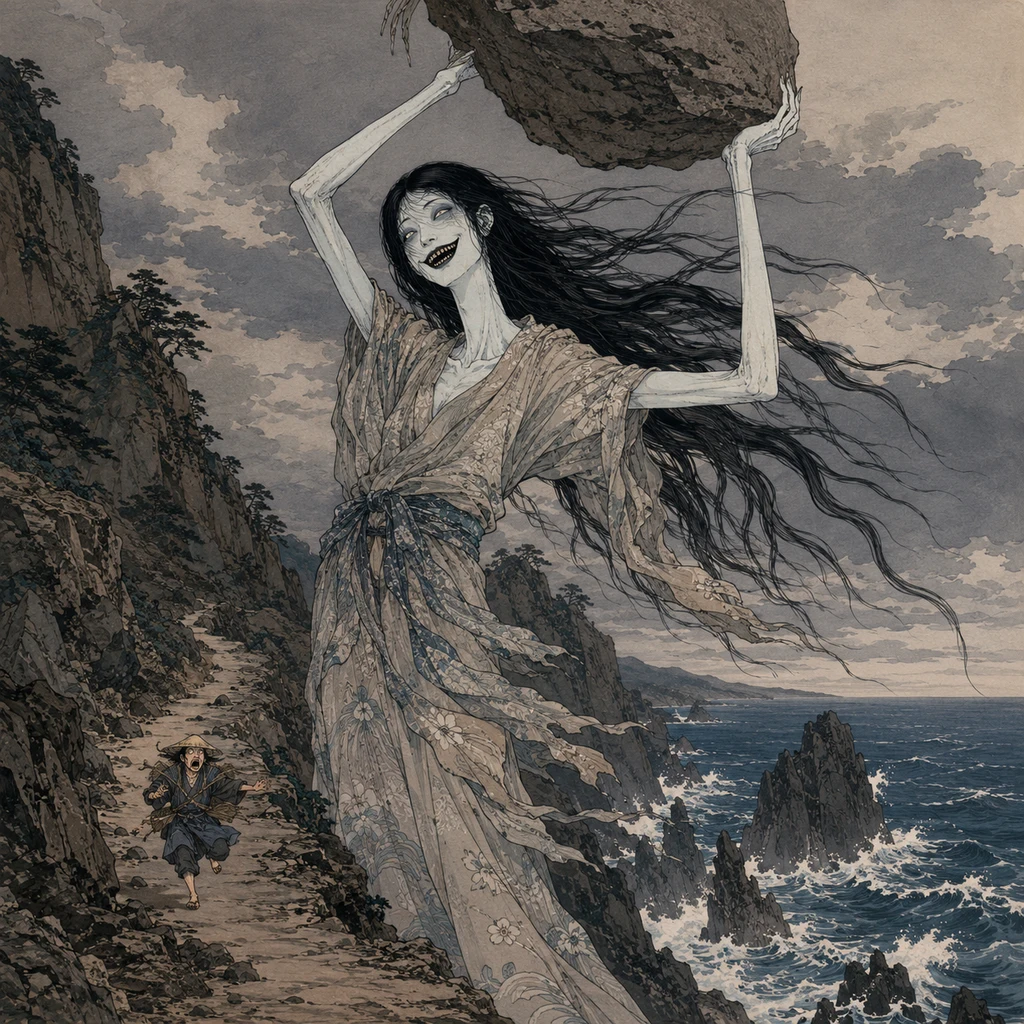
The Seven-Fathom Wife is a giant female yokai from eastern Shimane (Izumo), the Oki Islands, and Hōki in Tottori. The term “fathom” (hiro) is a unit of length, and her height—or in some tales her neck—reaches seven hiro. She appears on mountain paths or along the shore, smiling at travelers, throwing stones, or miming laundry to bewilder people. Her look and behavior vary by locale, ranging from a beggar of striking beauty to a fearsome woman with blackened teeth and disheveled hair.

Read more

隠岐は、
石が物語を覚える島である

隠岐諸島は、島根半島の北四十から八十キロの日本海に点在する島々で、四つの有人島と多数の無人島からなる。隠岐ユネスコ世界ジオパークは、この島々を、大地、生態系、人の営みが一つの物語として読める場所だと説明している[1]。七尋女房を隠岐で読む時、まず大切なのは、この「大地が物語を持つ」という感覚である。

同ジオパークの解説によれば、隠岐はかつて大陸の一部であり、日本海形成の時代には湖や海の底となり、その後の火山活動で火山島として生まれ、さらに本土から離れて現在の島々になった[2]。つまり隠岐の石は、単なる道端の石ではない。大陸、海、火山、孤島という長い時間を背負っている。

その土地で、怪女が斬られて石になったと語られることには、自然な重みがある。山里の古木や夜の声に寄る伯耆の七尋女房とは違い、隠岐の七尋女房は、石という物質に結びつく。人が忘れても、石は残る。伝承は、島の大地そのものに留められる。

配流の島の時間

隠岐は、ただ遠い島ではなかった。人の歴史の中では、都から遠ざけられた者が送られる島でもあった。隠岐ユネスコ世界ジオパークの紹介は、三万年前から続く黒曜石を介した交流、天皇の配流、北前船などを、隠岐ならではの歴史文化として挙げている[1]

とりわけ後鳥羽上皇の配流は、隠岐の記憶に深く刻まれている。隠岐神社の解説では、承久三年、承久の乱に敗れた後鳥羽上皇が隠岐へ配流され、当地の源福寺を行在所としたとされる[3]。政治史の出来事としての配流と、民俗の怪異は別物である。それでも、隠岐という土地には「人が本土から切り離される」感覚が長く残った。

七尋女房の話も、この島の時間の中で読むと見え方が変わる。巨大な女は、人里のすぐ外にいる。しかし彼女は人間の尺度には戻れない。斬られ、逃げ、石になる。人の世界から切り離され、島の物質へ移される。隠岐の怪異は、しばしば「遠くへ送られる」歴史と、「石へ残る」地質のあいだで響き合う。

女房ヶ石の七尋女房

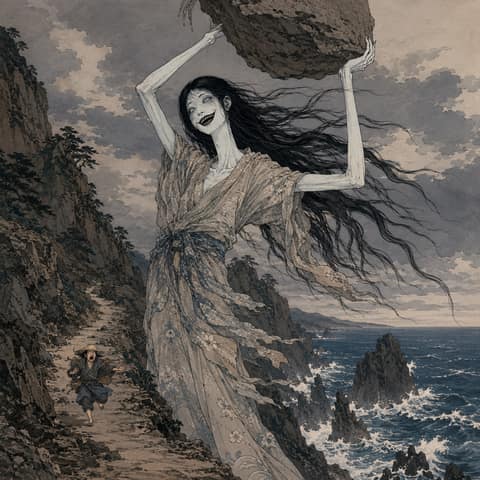
七尋女房の隠岐伝承で最も具体的なのが、海士町の女房ヶ石である。『ふるさとの伝説4鬼・妖怪』は、隠岐の七尋女房を、山道で人に石を投げる怪女として伝える[4]。騎馬の男が石を投げられ、相手を追っていくと、川辺で洗濯をしている大女に出会う。男が斬りつけると、女は逃げ、のちに石になったと語られる。

ここには、隠岐らしい要素がいくつも重なっている。まず山道である。島は海に囲まれているが、集落から集落へ、浜から山へ、細い道が通う。次に石投げである。巨女は叫び声や幻ではなく、物を投げて人に触れる。さらに洗濯の所作がある。怪女は完全な獣ではなく、人間の女房のしぐさを見せる。だがその身体は七尋で、人間の尺度を超えている。

村上健司『妖怪事典』も、七尋女房を島根県東部・隠岐・伯耆地方に伝わる巨女妖怪として整理している[5]。その中で隠岐の話は、石と結びつくため輪郭が鋭い。石を投げる。斬られる。石になる。行為がすべて硬く、重く、残るものへ向かっていく。

伯耆との違い

前の伯耆国の妖怪事典では、七尋女房を大山の影、山里の古木、米や小豆の気配から読んだ。伯耆の七尋女房は、青白い顔で歌う女、古木の下で首を伸ばす女として、生活のそばに現れる。そこでは怪異は音や影に近い。

隠岐では、同じ妖怪が石になる。これは単なる異伝の違いではない。伯耆が山の大きさを人の姿へ移すなら、隠岐は島の石へ怪異を固定する。旅人が通る山道、川辺の洗濯、投げられる石、斬撃、女房ヶ石。話の各場面が、目に見える地形と物質に接続している。

だから隠岐国の記事では、七尋女房を「大きな女」としてだけ扱わない。彼女は、島の地質と民俗を結ぶ媒介である。火山島の石があり、配流の歴史があり、海を越えて伝わった山陰の巨女譚がある。その三つが重なるところに、女房ヶ石は立っている。

また、石化譚は「怪異を終わらせる」装置でもある。山道で投げられた石は恐怖の始まりであり、最後に女自身が石になることで、物語は一つの場所に封じられる。隠岐のように海を越えなければ訪ねられない島では、伝承は流れていくだけでなく、強く一点へ留まる必要があった。女房ヶ石は、その留まり方を示している。

女房という近さ、
七尋という遠さ

七尋女房の名には、奇妙な二重性がある。「女房」は近い。家の内側にいる人、日常の言葉で呼べる人である。しかし「七尋」は遠い。両腕を広げた長さを単位にして、それが七つも重なるほど大きい。名の中だけで、家の内と、山の外がぶつかっている。

隠岐の話では、この二重性が洗濯の場面に凝縮される。洗濯は暮らしの行為であり、水辺にしゃがむ女の姿は、いかにも人間らしい。だが、その女が石を投げ、斬られて石になるとき、日常は一気に異界へ反転する。七尋女房は、人間に似ているから怖い。完全な怪物なら、最初から遠ざければよい。女房の名を持つからこそ、近づいた瞬間に尺度が狂う。

この怖さは、島の怖さにも似ている。隠岐は人が暮らし、田畑を作り、舟を出し、神社を祀る生活の島である。同時に、本土から海で隔てられ、古い岩が露出し、配流の記憶を持つ遠い島でもある。近い生活と、遠い歴史。七尋女房は、その二重性を人の形にした妖怪である。

結び

隠岐国の七尋女房は、山陰に広がる巨女譚の中でも、もっとも「残る」姿を持っている。出雲では海辺の笑い、伯耆では山里の歌や古木の影として現れる女が、隠岐では女房ヶ石と結びつく。石を投げ、斬られ、石になる。その変化は、隠岐という島そのものの記憶のあり方とよく重なる。

隠岐は、大陸の一部だった時代から火山島を経て孤島となり、人の歴史では配流と交流を同時に抱えた。そこでは、妖怪もまた、ただ通り過ぎる幻では終わらない。七尋女房は、島の石へ姿を移し、土地に留まる。だから隠岐国の妖怪事典の入口に立つのは、一体の巨女で十分なのである。彼女の大きさは、島の時間そのものの大きさだからだ。
All yokai of Oki Province2

Complete list of yokai linked to Oki Province, including those not featured in the article above.

  • 化け鯨

    化け鯨

    Epic

    ばけくじら

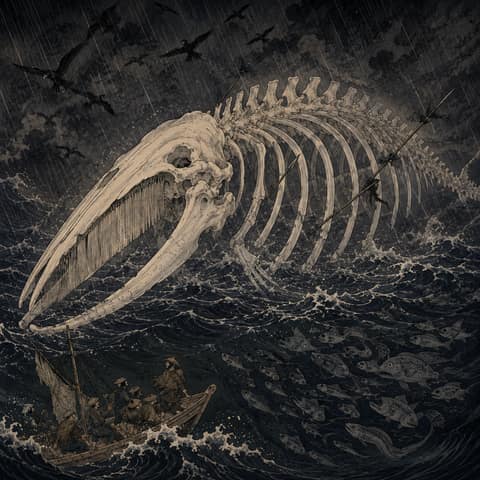
    雨夜に浮かぶ骨だけの鯨・化け鯨

    水の怪隠岐国(現・島根県隠岐諸島)/出雲国(現・島根県)

    Bake-kujira, as a skeletal whale appearing on rainy nights, is an unnervingly quiet entity even among sea apparitions. Many sea yokai sink ships, pull people into the ocean, and bewilder fishermen with voices and fire. Bake-kujira, however, first appears merely as a white shadow. Fishermen think it is prey, launch their boats, and throw their harpoons. But the harpoons do not harm the skeletal body; the whale is there as something devoid of physical flesh. This moment of "being unable to catch what should be catchable" creates the terror of Bake-kujira. The skeletal form is also the form of the whale after it has already been completely consumed by humans. The meat is consumed, the fat is used, and only the bones remain as memory. Bake-kujira looks as if those bones have returned to the sea. Therefore, this yokai is not a mere massive creature, but bears the coastal livelihood and the memories of taking life. The image of the skeletal whale appearing accompanied by fish and birds shows that the whale is tied to the very abundance of the sea. The arrival of a whale was also the arrival of schooling fish, the arrival of food, and sometimes, the arrival of a god. Placing Bake-kujira in the seas of Oki and Izumo also clarifies its meaning on the map. The issue here is not simply whether it is a "yokai of Shimane Prefecture." It is the small boat heading out to sea, the sea surface with poor visibility in the rain, the eyes of the fishermen viewing the whale as prey, and the moment those eyes are suddenly betrayed. Oki Province is a sea of islands, and Izumo Province holds the beaches and fishing grounds of the Honshu side. Bake-kujira, as a skeletal shadow drifting between them, gives shape to the awe of things coming from across the sea. Shigeru Mizuki's visual imagery deeply engraved this yokai into modern readers. Because there are reference points like "Illustrated Encyclopedia of Japanese Yokai" and "Shigeru Mizuki's World Encyclopedia of Phantom Beasts", Bake-kujira transformed from a "sea monster that might have appeared only once" into a skeletal whale whose form anyone can imagine. Here we can see the process by which yokai increase their power not just through old records, but by being shared as pictures. When placed alongside Funayurei and Umibozu, the differences of Bake-kujira stand out. Funayurei are human dead, and Umibozu is a massive shadow rising on the sea surface. Bake-kujira is neither human nor shadow; it is the spirit of a massive animal that once lived and was once caught. That is exactly why memorial services suit it better than extermination, and awe suits it better than capture. When the hand throwing the harpoon cuts through the empty air, humans rotate for the first time from being the side catching the whale to the side being watched by the whale. Furthermore, Bake-kujira is a yokai possessing the power of the material "bone." While bone is evidence of death, it remains longer than flesh and supports the memories of the land and the seaside. Whale bones are massive and can become both tools and objects of prayer within a village. The image of a skeletal whale moving across the sea shows that what has died does not vanish completely, but continues to remain within the community's life. It can be said that the fishermen who saw Bake-kujira did not see a terrifying monster, but collided with their own marine history itself. Therefore, the charm of Bake-kujira lies not in the flashiness of its attacks, but in the weight of its silence. The massive skeletal body splitting the sea surface, the emptiness of the harpoons slipping through, the fish and birds filling the surroundings, and the otherworldly realm that suddenly vanishes. All of these simultaneously evoke the sensation of eating whales as a blessing and fearing whales as spirits. Bake-kujira is a massive question floating in the seas of the San'in region. This reading is important to avoid pushing Bake-kujira too close to "unidentified mysterious animals (UMA)" or mere giant monsters. Certainly, the form of a massive skeletal whale fits well with modern kaiju imagination. However, at the center of the folklore is not the surprise of seeing a rare creature, but the sensation of people living by the sea being stared back at by the whale that was supposed to be their prey. Bake-kujira is an animal, a spirit, and a memory seeking memorialization. Because of that overlapping, the white skeletal form is hard to forget once seen. If arranged in an encyclopedia, it is natural to place Bake-kujira in the position of "animal spirit" among sea monsters. By reading it in distinction from the formless awe of Umibozu, the predatory monstrous fish like Isonade, and the human ghosts like Funayurei, the outline of this skeletal whale becomes rather clear.

  • Seven-Fathom Wife

    Seven-Fathom Wife

    Uncommon

    NAH-nah-hee-roh NYOH-boh

    Composite Folklore Edition

    Half-Human BeingsIzumo region, Oki Islands, and Hōki region (western Japan)

    Shichihiro Nyōbō is a giant-woman tale widely told in Izumo, Oki, and Hōki, appearing at boundary places such as mountain paths, riverbanks, and shores. Her form shifts by locale: in Ama on Oki she is a wild-haired mocker who hurls stones, along the Shimane coast a sea-wind woman flashing blackened teeth, in Yasugi a beggar beauty trailing a long robe, and in Hōki a pallid grinder-woman who sharpens while singing grain songs. Common threads are excessive length of body or neck and the way laughter, gestures, or song serve as lures. In banishment tales, sword wounds link to petrification, with odd stones, mounds, or ancient trees named as origins, and some lineages claim heirloom swords or tack from these encounters. The cycle is not pure horror; beauty, begging for alms, and the humble fear tied to the sound of grinding grain mingle together, encoding folk lessons about handling boundary anxieties: do not meet the gaze, do not answer voices, avoid night roads. It is comparable to early modern long-faced demon-maidens, yet Shichihiro Nyōbō is marked by ties to local sacred landscapes of mountains and coasts.

Read on ── other regions