YOKAI.JP
Kiyomizu-dera 音羽の滝の霊水と鬼神退治。清水寺の妖怪事典

坂上田村麻呂・大嶽丸・鈴鹿御前・子育て幽霊。観音の霊場が結ぶ武神と鬼と亡霊

音羽の滝の霊水と鬼神退治。
清水寺の妖怪事典

Kiyomizu-dera · きよみずでら

Also known as: 音羽山清水寺
View on map

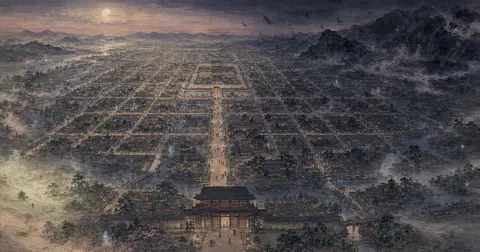
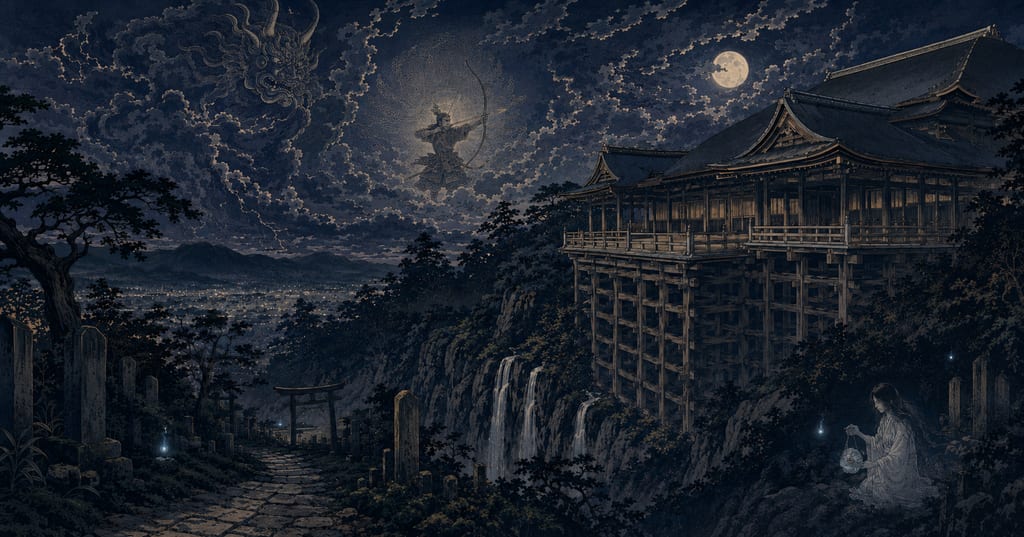
京都の東、音羽山の中腹に張り出した「清水の舞台」から見下ろすと、坂のふもとは鳥辺野へと続く。古代以来の葬送の地である。山上に観音の霊場があり、坂をくだれば死者を送る墓地が広がる ── この生と死がひと続きになった地形こそ、清水寺に妖異の物語が集まる理由である。

清水寺は宝亀九年(778)、奈良の僧賢心が霊夢にしたがって北へ向かい、音羽の滝のほとりで老仙人・行叡居士に出会ったことに始まると伝わる[1]。その滝へ鹿を追って踏み入った武人こそ、のちに王城鎮護の武神として祀られる男であった。
Sakanoue no Tamuramaro

さかのうえのたむらまろ

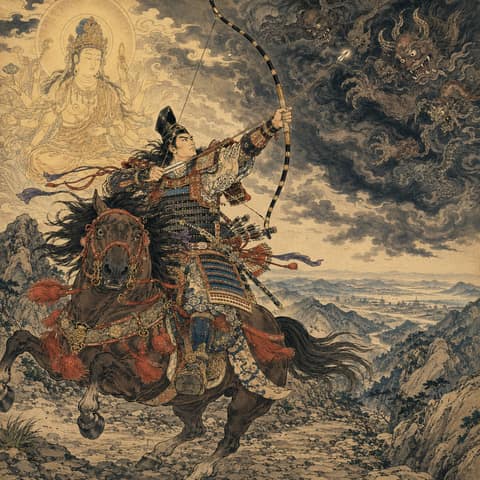
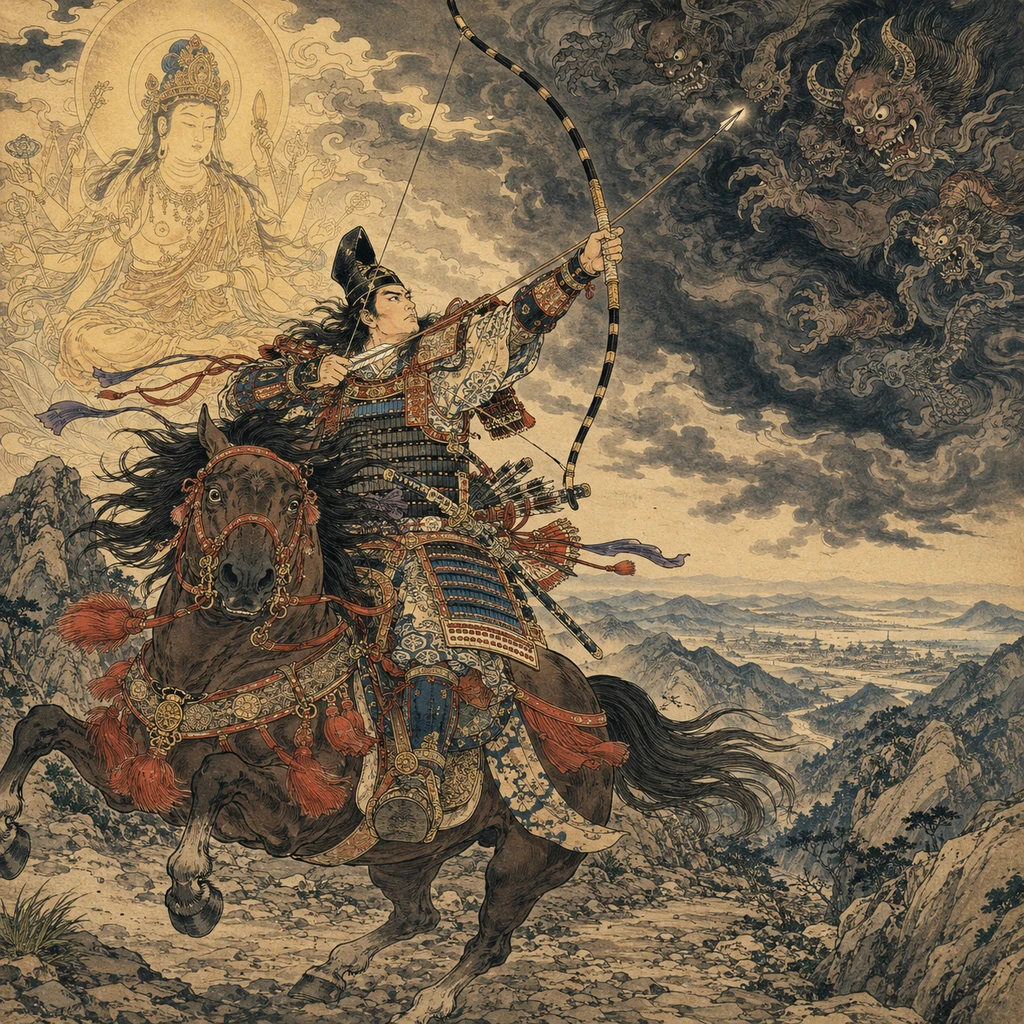
Sakanoue no Tamuramaro was a real military official who was active from the late Nara to the early Heian period, and after his death, he was enshrined as a divine general, Tamura Daimyojin, and a god of war to protect the capital. Historically, he served Emperors Kanmu, Heizei, and Saga, was involved in the Tohoku policy as Seii Taishogun (Commander-in-Chief of the Expeditionary Force Against the Barbarians), and was heavily relied upon during the Kusuko Incident. However, in the tales, war chronicles, and temple origins from the Middle Ages onwards, his figure departed from historical facts, transforming into Tamuramaru or General Tamura, who subjugates demons and ogres under the divine protection of Kiyomizu Kannon and Vaisravana (Bishamonten). Joined with Suzuka Gozen, he is the central figure of the "Tamura-gatari" (Tales of Tamura) that defeats Otakemaru, serving as the axis of heroic legends connecting Kyoto, Suzuka, and Tohoku.

Read more

この地は京都府の妖怪事典が描く結界都市・平安京の一翼を担いながら、府全体の宏観とは別の、ひとつの聖地に密着した物語の束を持つ。本記事は、観音の霊水が湧く音羽山という一点から、武神の創建縁起・鈴鹿山の鬼神退治・六道の辻の亡霊までを辿る。

観音の霊場として ── 778 年草創と 798 年創建

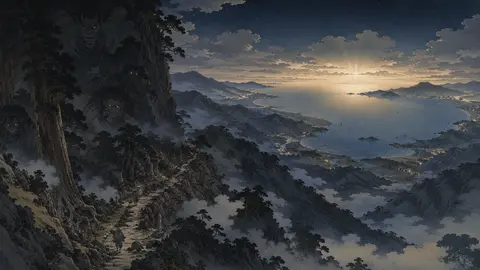
『清水寺縁起』が語る草創譚は、まず一人の僧から始まる。奈良で修行を積んだ賢心は、「南を去り北へ清泉を求めよ」という夢告を受けて北上し、京都東山の音羽山にたどり着いた。そこで彼は、清らかな水が三筋に分かれて落ちる滝のほとりで、長く修行を続ける老仙人・行叡居士に出会う。行叡は観音像を刻むにふさわしい霊木を授け、東国へ去ったと伝わる。賢心はのちに延鎮と改名し、この地に観音をまつる草庵を結んだ。これが宝亀九年(778)の草創とされる[1]

ここに武人が現れる。鹿を追って音羽山へ分け入った坂上田村麻呂は、滝のほとりで延鎮に出会い、殺生の戒めと観音の教えを受けたという。深く帰依した田村麻呂は、妻とともに十一面千手観音を本尊とする堂を建て、滝の清らかさにちなんで「清水寺」と名づけた。延暦十七年(798)、田村麻呂は本尊の脇侍として地蔵菩薩と毘沙門天を安置し、寺号の額を掲げた ── これが清水寺の創建である[1][2]

寺名の由来となった音羽の滝は、いまも本堂の崖下に三筋となって落ちている。古来「金色水」「延命水」とも呼ばれ、三本の流れにはそれぞれ学業・恋愛・延命のご利益が宿るとされて、参詣者が柄杓で受ける。観音の霊水という性格は、この寺が単なる伽藍ではなく、水の湧く聖地そのものへの信仰から立ち上がったことを示している。

史実の坂上田村麻呂は、奈良末から平安初めに生き、征夷大将軍として東北経営に関わった実在の武官である[3]。清水寺の境内には平成六年(1994)、田村麻呂が助命を嘆願したと伝わる蝦夷の長・阿弖流為と母禮の顕彰碑が建てられた。鬼退治の英雄譚の裏には、征討された側の歴史が確かに存在する。

清水の舞台と地主神社 ── 祈りの装置

清水寺を象徴する清水の舞台は、本堂前面に崖からせり出して組まれた懸造りである。崖下の音羽の滝と同じく、これも観音の霊場という性格と切り離せない。舞台は本来、本尊の観音へ芸能や祈りを奉納する場であり、断崖の上に立つこと自体が、現世と他界の境に身を置く所作であった。「清水の舞台から飛び降りる」という言い回しが生まれたのも、命を懸けて観音に願をかける身投げ祈願の記憶が背景にある[1]

本堂の北、舞台のすぐ脇には地主神社が建つ。大国主を主祭神とし、縁結びの神として今も篤く信仰される。地主神社は清水寺の地主神(その土地の神)を祀る社であり、能『田村』前場でも童子が「地主権現の桜」を語る ── 寺と地主神が一体となって音羽山の聖性を支えてきたことを示している[4]。観音の慈悲、地主神の縁結び、滝の霊水。清水寺は複数の祈りの装置が重なり合う、立体的な霊場なのである。

能『田村』── 清水観音の加護で鈴鹿山の鬼を討つ

清水寺の創建縁起が、やがて鈴鹿山の鬼神退治へと接続していく。その結び目を最も鮮やかに見せるのが、世阿弥の時代に成立した能『田村』である。

『田村』の前場では、清水寺を訪れた旅僧の前に童子が現れ、地主権現の桜や清水寺の縁起を語る。後場でその正体が坂上田村麻呂の霊と明かされ、彼は鈴鹿山の鬼神を征伐した合戦を再現する。軍勢は清水寺に参詣したのち近江から伊勢路へ向かい、千手観音の霊験 ── 千の手から放たれる千の矢 ── によって悪鬼を討ち果たす[5][6]。ここで重要なのは、勝利の主体が武力そのものではなく、清水観音の加護に置かれていることである。田村麻呂は「鎮護の武人」として、神仏の力を体現する英雄に描かれる。

この鈴鹿山の鬼退治を主題とする物語群が、御伽草子『田村の草子』『鈴鹿の草子』、奥浄瑠璃『田村三代記』として中世から近世に広く語られた田村語りである[5][7]。その敵役と助力者を、清水寺ゆかりの妖怪として見ていく。
鈴鹿山の魔王・大嶽丸

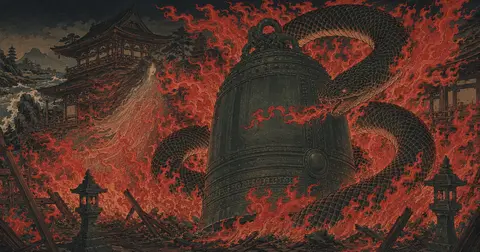
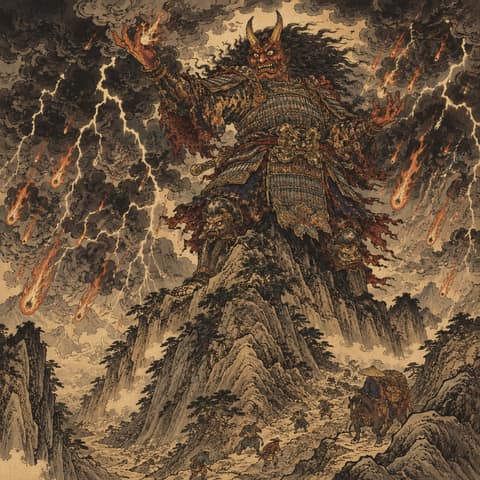
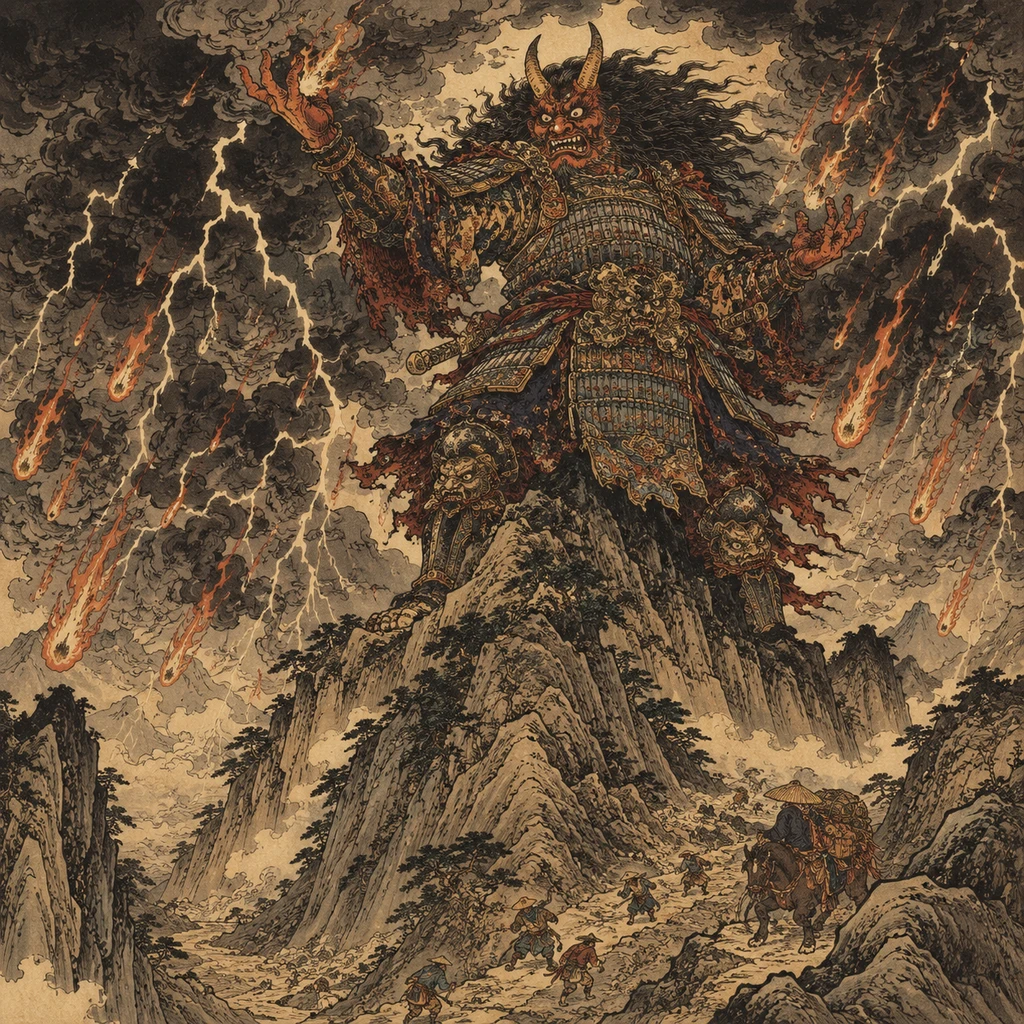
田村語りの最大の敵は大嶽丸である。伊勢国と近江国の境にある鈴鹿峠を根城とし、都へ運ばれる貢物を奪い、峠を行き交う人びとを悩ませた鬼神として語られる。『田村の草子』系では、討伐に向かう田村丸の軍勢に対し、大嶽丸は自在に飛行し、峰を黒雲で覆い、暴風雨・雷電・火の雨を起こして近づけない[5][8]

鈴鹿峠は伊勢と近江を分け、古代の関と東海道、山岳信仰が重なる交通の要衝であった。山田雄司は、鈴鹿峠の田村麻呂伝説を、薬子の変における交通遮断や鈴鹿山の賊徒、田村神社の縁起と結びつく地域伝承として整理している[9]。つまり大嶽丸は単なる「山奥の怪物」ではなく、都の秩序を外側から脅かす境界の魔王として立ち上がる。近代以降は酒呑童子・玉藻前と並ぶ「三大妖怪」の一説にも数えられ、京都の鵺・酒呑童子・玉藻前を擁する京都府の妖怪事典とも響き合う巨敵である[8]

峠を守る女神・鈴鹿御前

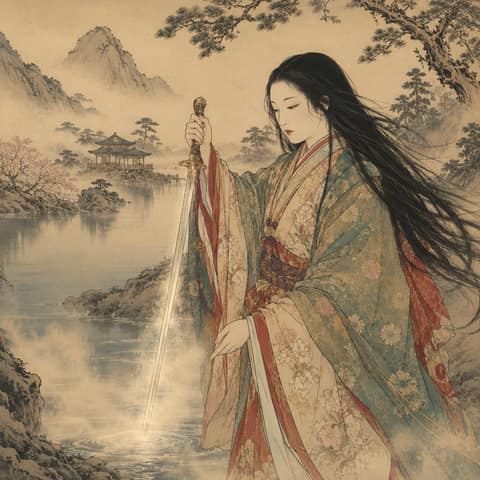
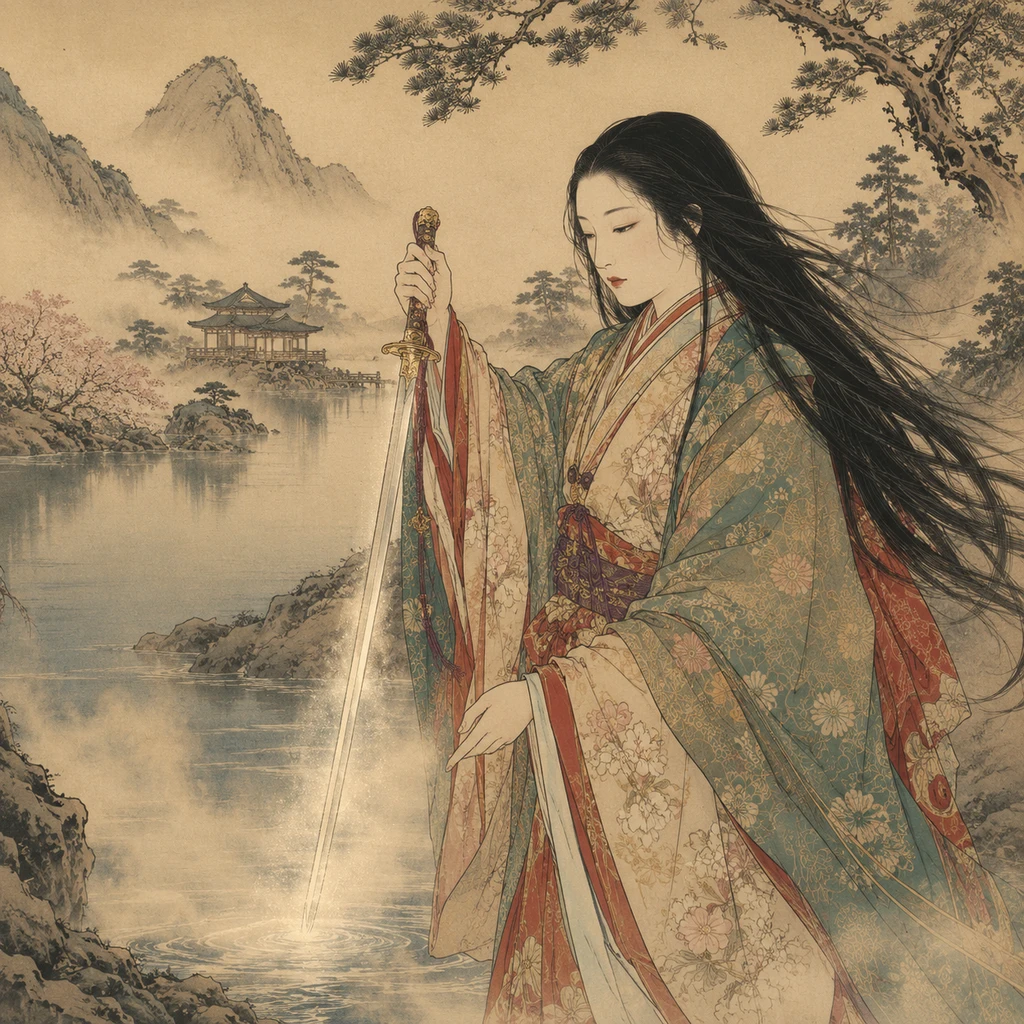
大嶽丸退治は、田村丸ひとりの武勇では完結しない。鍵を握るのが、鈴鹿山に住む鈴鹿御前である。鈴鹿姫、鈴鹿大明神とも呼ばれ、後世には鈴鹿山の立烏帽子と同一視された、女神・天女・女盗賊・鬼女の像を一身にまとう境界の女性霊である[9][5]

物語では、田村丸は神仏に祈り、夢告によって鈴鹿御前の助力を得る。彼女は大嶽丸の心を読み、田村丸へ策を授ける。古写本系では池中三島に御殿を構える女盗賊・立烏帽子として、流布本系では天より降る天女として現れるが、どちらの系統でも勝敗を決めるのは彼女の知略である[5][10]。田村丸は英雄であっても、鈴鹿山の内側を知る鈴鹿御前なしには鬼神へ届かない。歌川国芳『東海道五十三対』土山にも、田村麻呂と鈴鹿御前による鈴鹿山の鬼神退治が描かれ、この物語が江戸の庶民にまで広く知られていたことがわかる[7]

清水観音の加護(神仏)、鈴鹿御前の知略(境界の女性霊)、田村丸の武勇(英雄) ── この三者が組み合わさってはじめて鬼神は鎮められる。清水寺の創建縁起が能『田村』を経て鈴鹿山の退治譚へ伸びる軸は、まさにこの協働の構造を核としている[6]

鳥辺野の入口、
六道の辻 ── 子育て幽霊

音羽山の坂をくだると、東山区松原通に「六道の辻」がある。平安京の葬送地・鳥辺野の入口にあたり、現世と他界の境とされた場所である。すぐ上には清水寺が建ち、一帯には六道珍皇寺・西福寺など、死者を送る寺と地蔵信仰が密集する[11][12]。この死と隣り合う地形が、もうひとつの怪異 ── 母性の亡霊を生んだ。

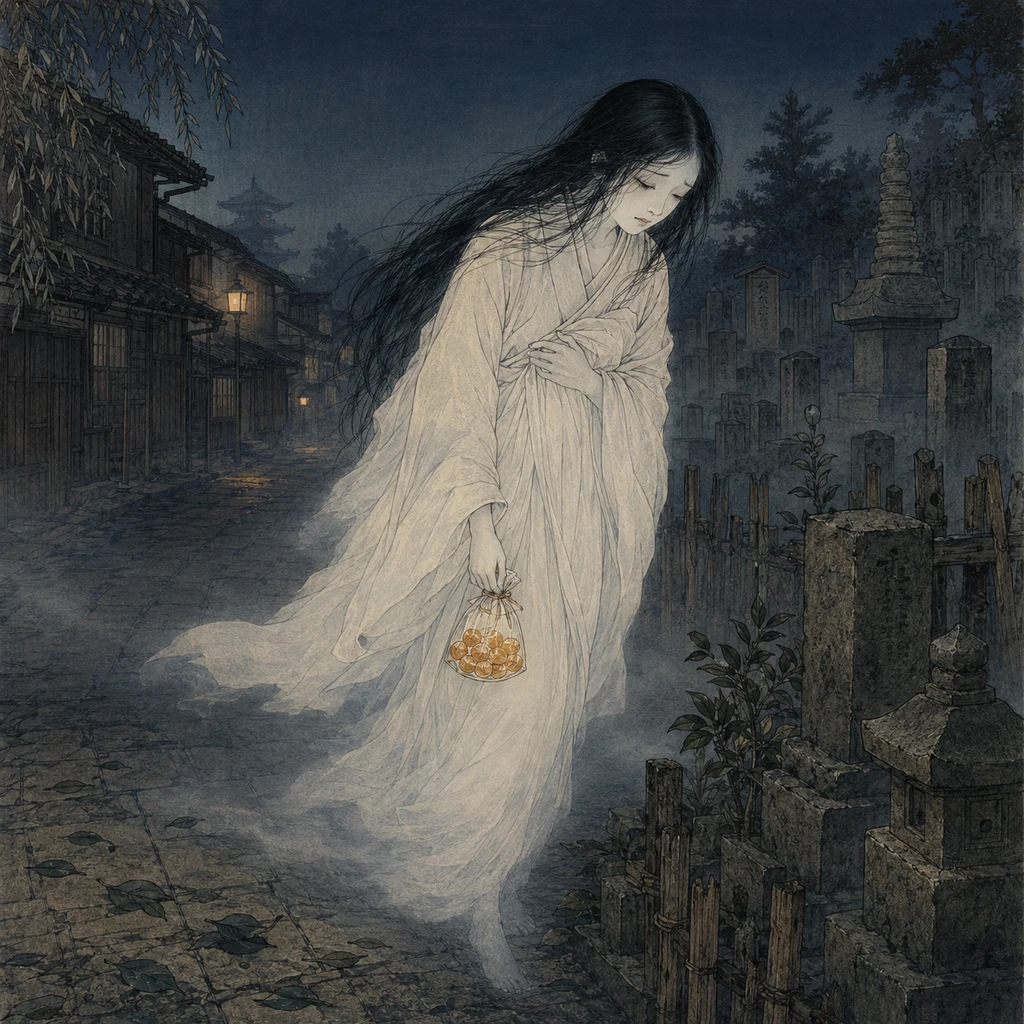
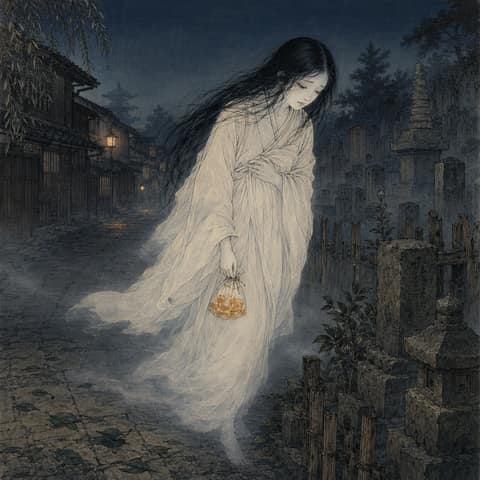
子育て幽霊の伝承は、慶長四年(1599)に結びつけて語られる。六道の辻の近くの飴屋へ、夜ごと一文銭を持って飴を買いに来る女があった。ある朝、銭箱を改めると銭が樒の葉に化けていた。不審に思った店主が女のあとを追うと、女は鳥辺野の墓地で姿を消し、土のなかから赤子の泣き声が聞こえる。墓を掘り返すと、亡くなった母の遺体のかたわらで、飴をしゃぶる赤子が生きていた ── 身ごもったまま死んで葬られた女が、墓のなかで産んだわが子を養うため、夜ごと飴を買いに通っていたのである。救われた子は寺で育てられ、長じて高名な僧になったと伝わる[4][13]

この話が東山のこの一画に根を張ったのは、墓地・葬送・地蔵という死生観の土壌があったからだと考えられる[12]。墓中出産と、幽霊が払った銭が木の葉に化けるという二つの怪異を核とし、恐怖よりも哀れを誘う。鬼神を討つ武神の物語と、墓のなかで子を養う母の物語が、同じ音羽山の表と裏で語られている ── これが清水寺という霊場の振幅である。

松原通の六道の辻には、創業約五百年と伝える「みなとや幽霊子育飴本舗」がいまも飴を商い、この伝承を伝えている。幽霊が子に与えたという「幽霊子育飴」は土産菓子として知られ、伝説と実在の店が結びついた珍しい例である[13]。墓中出産と子育てのモチーフは京都だけのものではなく全国に類話が分布し、水木しげるはこの幽霊の子を、鬼太郎の発想の源のひとつとして語っている[4]

音羽山が結ぶもの

清水寺をめぐる物語は、観音の霊水という一点から放射状に広がる。山上には観音の慈悲があり、その加護が坂上田村麻呂を鎮護の武神へと押し上げ、能『田村』を介して鈴鹿山の大嶽丸鈴鹿御前の退治譚に接続する。坂をくだれば鳥辺野の葬送地が広がり、その境界に子育て幽霊の哀切が宿る。

武神と鬼神、女神と亡霊。これほど性格の違う怪異が、ひとつの寺を中心に共存するのは、清水寺が「生と死の境に立つ観音の霊場」だからにほかならない。観音の霊水を求めて山へ登る祈りと、死者を送るために坂をくだる祈り ── その両方を一身に抱える地形こそが、千二百年にわたって妖異の物語を呼び寄せてきたのである。
All yokai of Kiyomizu-dera4

Complete list of yokai linked to Kiyomizu-dera, including those not featured in the article above.

  • Sakanoue no Tamuramaro

    Sakanoue no Tamuramaro

    Divine

    さかのうえのたむらまろ

    God of War Pacifying Demons, Tamura Daimyojin

    Divine Spirit / DeityYamashiro Province / Kiyomizu-dera (now Higashiyama Ward, Kyoto City, Kyoto Prefecture) / Mount Suzuka / Suzuka Pass (now around the border of Kameyama City, Mie Prefecture and Koka City, Shiga Prefecture) / Isawa in Mutsu Province / around Taga Castle

    This version of Sakanoue no Tamuramaro is not treated as the historical military official, but as the deified Tamura Daimyojin of later generations. He is told as a warrior receiving the protection of Kannon at Kiyomizu-dera, a paired husband-and-wife deity with Suzuka Gozen at Suzuka Pass, and as General Tamura subjugating Akuro-o and Otakemaru in Tohoku. A single person's name wandered through the temple origins of Kyoto, the mountain pass faith of Suzuka, and the shrine and temple origins of Tohoku, acquiring different faces in each land. The power of Tamuramaro is not the sword that slashes demons itself. Kiyomizu Kannon, Vaisravana, Suzuka Gozen, the sacred sword, and the gods of the passes support his story, transforming his martial prowess into "protection acknowledged by the gods and buddhas." Therefore, in the Tamura-gatari, rather than the scenes of defeating enemies, what matters more is which gods and buddhas took his side, in what land he was enshrined, and to which mounds or temples the memories were transferred. Sakanoue no Tamuramaro is a hero who defeats yokai, but at the same time, an axis to pass down yokai as stories to later generations.

  • Ootakemaru

    Ootakemaru

    Legendary

    おおたけまる

    Ootakemaru, the Demon King God Holed Up in Mount Suzuka

    Oni / Giant MonsterMount Suzuka / Suzuka Pass (Around the border of present-day Kameyama City, Mie Prefecture and Koka City, Shiga Prefecture) / Variant legends in the Tamura story, such as Mount Kiri in Mutsu Province

    This version's Ootakemaru is not treated as a game-like "strongest demon," but as a demon king god born from the boundary space of the Suzuka Mountains. His terror lies not only in his massive size or martial prowess. By blocking the pass connecting the capital and the eastern provinces, halting tributes and traffic, and stalling armies with black clouds, lightning, and rain of fire, he disrupts the very pathways of the state. That is why Tamuramaru's victory is told not just as a feat of individual swordsmanship, but as a tale of pacifying the deities of the pass through the protection of Kiyomizu Kannon, the cunning of Suzuka Gozen, and the spiritual power of the sacred sword. Furthermore, Ootakemaru is not confined solely to Suzuka. In the *Tamura Sandaiki* lineage, the story moves to the Tohoku region, resonating with names like Akuro-o, Ootakemaru, Mount Kiri, and Takkoku-no-Iwaya. Here, Ootakemaru becomes not so much a demon sleeping in one land, but a core for the Tamuramaro legend to travel while absorbing the origins of various regional shrines and temples. If Shuten-doji carries the burden of the feast and severed head at Mount Oe, and Tamamo-no-Mae carries the court and the Sessho-seki, then Ootakemaru is the yokai who bears the "path of subjugation tales" stretching from the Suzuka Pass to Tohoku.

  • Suzuka Gozen

    Suzuka Gozen

    Legendary

    すずかごぜん

    Suzuka Gozen, the Heavenly Maiden Guarding the Suzuka Pass

    Human-Yokai / Half-Human Half-YokaiMount Suzuka and Suzuka Pass (border of present-day Kameyama City, Mie Prefecture and Koka City, Shiga Prefecture) / Variant Tales of Tamura in the Tohoku Region

    In this interpretation, Suzuka Gozen is not treated as a mere sidekick beside Tamuramaru, but as the protagonist bearing the divine authority of the Suzuka Pass. Her true essence is not a binary choice between goddess or oni woman, heavenly maiden or bandit. On the pass leading from the capital to the eastern provinces, the god who protects travelers and the danger that attacks them dwell in the same mountain. Suzuka Gozen embodies this duality; that is precisely why, in the tale of subjugating Otakemaru, she can teach the outsider Tamuramaru the inner laws of the mountain. From the structural perspective of the Tamura tales, Suzuka Gozen is the key to victory. If Tamuramaru is the hero armed with martial prowess and divine protection, Suzuka Gozen possesses the intelligence of the mountain, the psychology of the demons, and the arts to traverse boundaries. Because of her presence, the demon-slaying ceases to be a mere subjugation and transforms into a narrative of pacifying the mountain by allying with the spirits of the pass. By standing in opposition to Otakemaru, Suzuka Gozen rises not as an 'evil to be defeated', but as 'the wisdom to understand and overcome evil'.

  • Kosodate Yurei

    Kosodate Yurei

    Rare

    kosodate-yurei

    The Mother's Ghost Raising Her Child in a Grave, Kosodate Yurei

    Yurei/WraithNationwide (Famous legend locations: Rokudo-no-Tsuji in Kyoto, Nagasaki, Wakayama, etc.)

    The Kosodate Yurei is a ghost of a woman who gives birth in a grave after death, or is buried with a child in her womb, and appears to raise that child. The core of the supernatural phenomenon involves, firstly, the "birth in the grave" where the child survives in the earth, and secondly, the "phantom money" where the coins paid by the ghost turn into shikimi leaves or tree leaves the next morning. In the story of Rokudo-no-Tsuji in Kyoto, the plot follows the woman to the candy store, sees her disappear into the Toribeno cemetery, and upon digging, finds a baby sucking on candy. Unlike ghost tales of terrifying curses and revenge, the center of this story is strictly maternal love. The woman holds no grudge against the living; she only seeks to keep her child alive. The epilogue, where the rescued child later becomes a monk and accumulates high virtue, takes the form of the deceased mother's affection being sublimated into a Buddhist connection, resonating with the Jizo and funeral beliefs of the Higashiyama area. As with the candy from Minatoya Yurei Kosodate-ame Honpo, the fact that the legend continues to live on in connection with a real object is also a characteristic of this ghost.

Read on ── other regions