YOKAI.JP
Kifune Shrine 水神の社に、なぜ鬼が立つのか ── 貴船神社の妖異

高龗神・絵馬発祥・丑の刻参り。水と呪詛が同居する聖地

水神の社に、
なぜ鬼が立つのか ── 貴船神社の妖異

Kifune Shrine · きふねじんじゃ

View on map

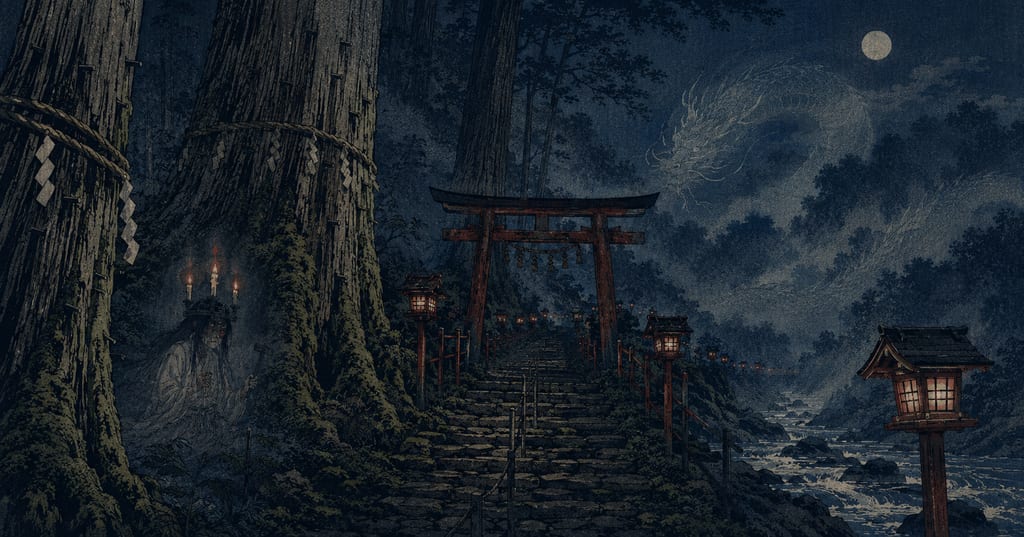
京都の北、鞍馬山を越えた先に貴船はある。杉木立の谷を貴船川が走り、夏には料理屋の川床が水面すれすれに張り出す ── 都の奥座敷として知られる避暑の地である。だがこの渓谷に鎮まる貴船神社は、ただ涼やかなだけの社ではない。ここは水を司る神の社であると同時に、日本で最も名高い「丑の刻参り」── 人を呪う夜の参詣 ── の本社でもある。

恵みの水と、闇の呪詛。相反する二つの顔が、なぜ一つの社に同居するのか。本稿は貴船の祭神と伝承を一次の伝えからたどり、この両義性の正体を読み解く。

水を司る神 ── 高龗神と「黄船」の伝承

貴船神社の主祭神は、本宮に祀られる高龗神(たかおかみのかみ)。雨を降らせ、また止ませる、水そのものを統べる神である。公式にも「万物の命の源である水の神を祀る」社と称する。その創建は極めて古く、社伝では反正天皇の代に遡るとされ、玉依姫命が黄色い船に乗って淀川・鴨川をさかのぼり、貴船川の上流に至って水神を祭ったのが始まりと伝わる。社名の「貴船」は、この「黄船(きふね)」に由来するという。確かな記録としても、すでに白鳳六年(六七七)に社殿を造り替えた記録が残り、千三百年をくだらぬ歴史をもつ。

貴船川は鴨川の水源の一つにあたる。すなわち貴船の水神は、平安京そのものの水を握る神であった。歴代の天皇が干天と長雨のたびにこの社へ祈りを捧げたのも、都の命脈が貴船の水に懸かっていたからにほかならない。
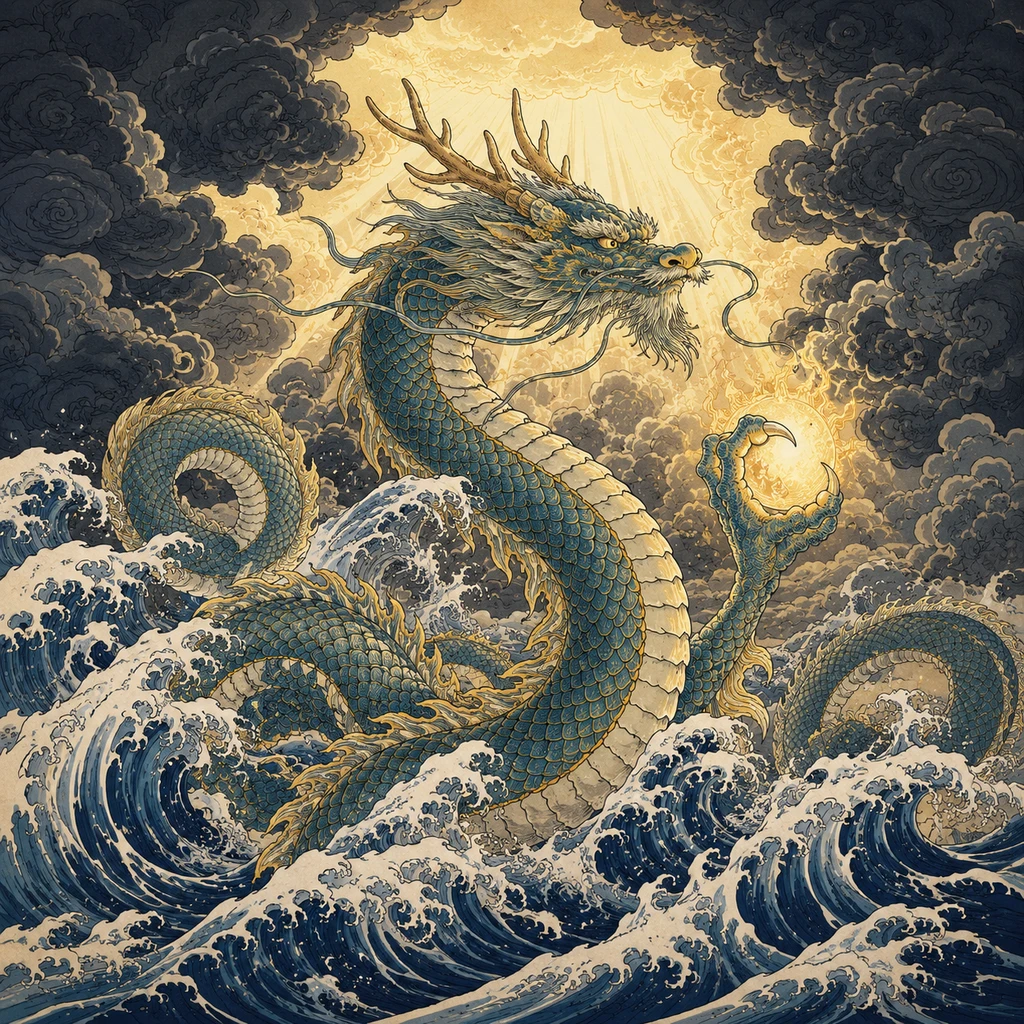
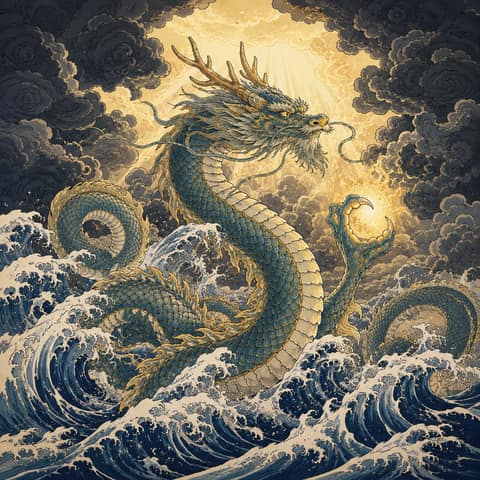
Ryūjin

Ryūjin (the Dragon God)

Ryūjin is the dragon-serpent deity who governs water, rain, and the sea. He is a composite divinity, formed as Japan's native belief in the serpent as a water-spirit was layered, again and again, with the Chinese dragon and the Buddhist nāga (the eight dragon kings). In the early chronicles he appears as Watatsumi, the god who rules the sea; in the Yamasachi-hiko myth of the Kojiki and the Nihon Shoki, the sea god's daughter Toyotama-hime reveals her true form — a wani (sea-monster) or a dragon — in the act of giving birth. Because he calls the rain and stills the waters, he is enshrined across the land as the god of rain in drought and of its ceasing in flood, and is depicted grasping the tide-ruling jewels (the shio-mitsu-tama and shio-hiru-tama) or a wish-granting gem. Claiming sea, lake, great river, and deep pool alike as his domain, he is the supreme deity of water.

Read more

水を司る神は、しばしば龍の姿で語られる。貴船の奥宮には、本殿の真下に誰も見てはならないという「龍穴(りゅうけつ)」があり、日本三大龍穴の一つに数えられる。龍は雨を呼び、淵に棲み、水源を守る ── 貴船の信仰の根には、この水と龍のかさなりが横たわっている。

絵馬は、
ここで生まれた

貴船神社は「絵馬発祥の社」を称する。その由来は、水神への祈りの作法にあった。歴代の天皇は、干ばつのときには黒い馬を、長雨のときには白い馬を奉納して祈願したと伝わる。馬は神の乗り物であり、雨を司る龍神とも古くから結びついていた。黒は雨雲を呼び、白は長雨を止める色だったという。

やがて、生きた馬を奉納しつづけることは難しくなる。そこで馬に代えて、馬の形を描いた板 ──「板立馬(いただてうま)」を奉納するようになった。これが今日、全国の社寺で願いを書きつける絵馬の原形になったとされる。願いを「馬」に託すという発想そのものが、貴船の水神信仰から芽生えたのである。

丑の刻、
貴船に鬼が立つ

だが貴船には、もう一つの夜の顔がある。

貴船明神は「丑の年の丑の月の丑の日の丑の刻」に貴船山へ降臨したと伝わる。この縁起から、丑の刻 ── 午前二時前後 ── に参拝して願をかけることが、心願成就の作法とされた。本来それは、人を呪うものではなかった。ところが時代がくだるにつれ、意味は裏返っていく。丑の刻に密かに社へ詣で、憎む相手の不幸を願う ──「丑の刻参り」は、日本で最も名高い呪詛の儀式へと変わっていった。
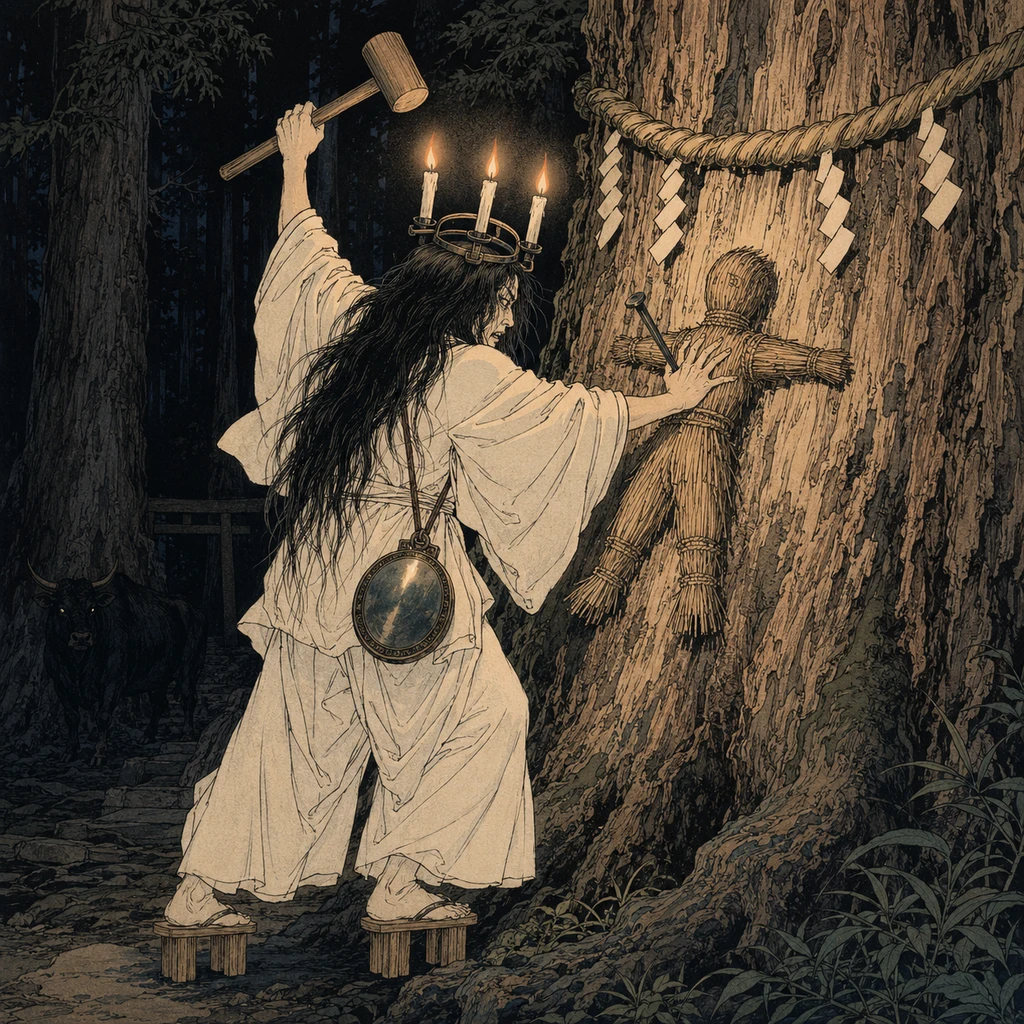
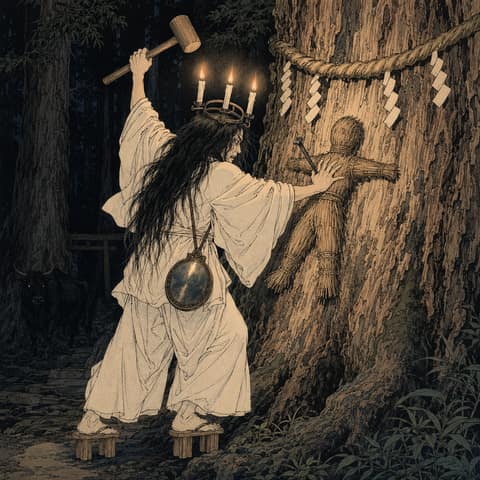
Ushi-no-koku Mairi (Cursing Rite at the Hour of the Ox)

OO-shee-noh-KOH-koo MY-ree

A nocturnal cursing ritual performed at the Hour of the Ox (around 1–3 a.m.). The practitioner nails a straw effigy modeled after the hated target to a shrine’s sacred tree, petitioning for a deadly curse. By the Edo period the rite had a fixed costume and toolkit: white funeral garb, an iron trivet (kanawa) with lit candles worn on the head, one-toothed clogs, a mirror, and five-inch nails. Completing seven consecutive nights was said to fulfill the vow. If witnessed, the spell fails; encountering a black ox promises success—if one mounts it. Scholars trace its roots to ancient doll-substitution curses and Onmyodo katashiro rites.

Read more

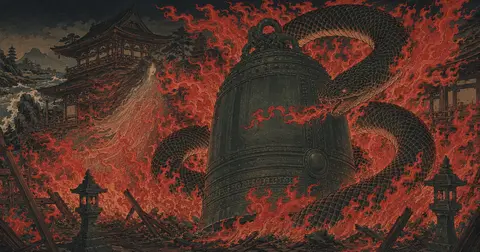
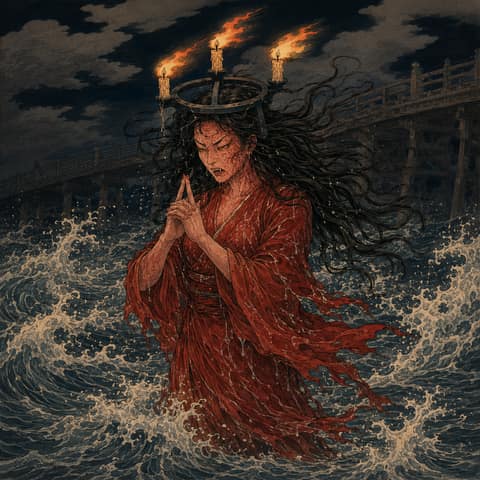
この変質を決定づけたのが、室町期の能《鉄輪(かなわ)》である。夫に捨てられた都の女が、貴船神社に丑の刻参りを重ねる。社人は「三つの脚に火を灯した五徳を頭に戴き、顔に丹を塗り、怒りの心を抱けば鬼になれる」と神託を告げ、女はその通りに身を変え、雷とともに鬼へと化す。後段では、女の呪いに苦しむ夫が陰陽師・安倍晴明に救いを求め、晴明の祈祷によって鬼は退けられる。

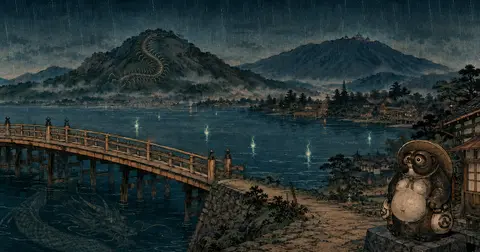
この鬼女は、宇治の橋姫と同じ系譜に連なる。嫉妬に身を焼かれた女が、貴船の水神の前で鬼へと変わる ── 水を恵む社が、人の心の闇を映す鏡にもなる。《鉄輪》は『平家物語』剣巻の橋姫譚を典拠とし、のちの丑の刻参りの姿そのものの原型となった。藁人形に釘を打つ、白衣に鉄輪を戴き蝋燭を灯す ── 今に伝わる呪いの図像は、この貴船の能に多くを負っている。

和泉式部、
蛍に魂を見る

呪詛とは裏腹に、貴船は切実な恋の祈りの地でもあった。平安の歌人・和泉式部は、夫・藤原保昌の心が離れたことを嘆き、貴船に参詣したと伝わる。社前を流れる御手洗川に乱れ飛ぶ蛍を見て、彼女はこう詠んだ。

ものおもへば沢の蛍もわが身よりあくがれいづる魂かとぞみる

物思いに沈んでいると、沢を飛ぶ蛍さえ、我が身から抜け出てさまよう魂のように見える ──。すると貴船明神が、男の声でこう返したという。「おく山にたぎりて落つる滝つ瀬の玉ちるばかりものな思ひそ」。奥山にたぎり落ちる滝のしぶきのように、そう思い乱れるな、と。この祈りののち、式部は夫と復縁したと伝えられる。同じ夜の社が、ある女には呪いの場となり、ある女には救いの場となった。

三社を詣でる ── 結びと龍穴

貴船神社は、本宮・結社(ゆいのやしろ)・奥宮の三社からなる。本宮には水神・高龗神を、奥宮には同じ神とされる闇龗神(くらおかみのかみ)を祀り、その本殿の真下に龍穴がある。そして両社の中ほどに鎮まる結社には、縁結びの神・磐長姫命(いわながひめのみこと)が祀られる。和泉式部の故事もあって、結社は古くから恋の成就を願う人々を集めてきた。本宮から奥宮へ、さらに結社へと詣でる「三社詣」が、貴船参拝の習わしとされる。

鞍馬は火、
貴船は水

貴船の谷をはさんだ東の尾根に、鞍馬山がある。牛若丸 ── のちの源義経が幼少を過ごし、天狗に兵法を授かったと伝わる山であり、毘沙門天を本尊とする鞍馬寺がひらける。秋には松明が夜空を焦がす鞍馬の火祭で知られ、鞍馬はいわば「火と天狗の山」である。

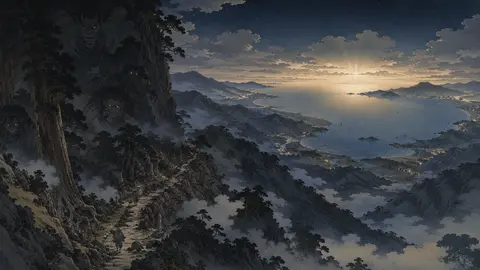
これに対して貴船は「水と龍の谷」。ひとつの尾根を隔てて、火の聖地と水の聖地が背中合わせに並ぶ。天狗の舞う峰と、龍の眠る淵。京の北のさらに奥に、相反する二つの霊地が対をなして鎮まっている。鞍馬から貴船へ抜ける山道をたどれば、火の山から水の谷へと、わずか一刻で霊地の相が入れ替わる ── この地理そのものが、貴船の両義性をいっそう際立たせている。

水に祈る、
今も

貴船の水神信仰は、千年を越えて今も生きている。夏には貴船川の上に川床が組まれ、人々は水の涼を求めて谷に集う ── 水の恵みを身体で味わう、現代の水詣でといってよい。結社は和泉式部の故事とともに縁結びの社として親しまれ、本宮では、水に浸すと文字の浮かび上がる「水占みくじ」が、水を司る社ならではの占いとして人気を集める。願いを書いて掛ける絵馬も、その源をたどればこの地の黒馬・白馬の奉納にたどりつく。

一方で、丑の刻参りの記憶もまた、消えてはいない。境内の杉には、かつて打ちつけられた釘の跡が残ると語られ、夜の貴船にはいまも、ひそやかな伝説がまとわりつく。恵みと呪い、その両方を抱えたまま、貴船は都の奥に、静かに水をたたえている。

水と闇が、
同居する理由

水を恵む神の社が、なぜ人を呪う丑の刻参りの本社になったのか。

その答えは、水神という存在の両義性にある。水は田を潤し、都を生かす。だが同じ水は、洪水となって人を呑み、深い淵となって命を奪う。生かす力と奪う力は、もともと一つの神のなかに同居している。貴船の高龗神が、雨を降らせることも止ませることも司る神であったように、その前で人は、恵みも祈れば、呪いも祈った。丑の刻に鬼となった女も、蛍に魂を見た歌人も、同じ水神の前に立っていたのである。

貴船は、京都の妖異を考えるうえで欠かせない一点である。都の水源という地理が水神信仰を育て、その信仰がもつ闇の側面が、丑の刻参りと鬼女の譚を生んだ。京都全体の妖怪文化については、京都府の妖怪事典も併せて読まれたい。
All yokai of Kifune Shrine3

Complete list of yokai linked to Kifune Shrine, including those not featured in the article above.

  • Ryūjin

    Ryūjin

    Divine

    Ryūjin (the Dragon God)

    Ryujin, Water-God Who Stills the Storm

    Divine Spirits & DeitiesAll across Japan (the deity who governs the seas, lakes, and great rivers)

    As the "water-god who stills the storm," Ryujin stands at the border of sea and sky holding the weather in his hands, and it was to him that fishermen, sailors, and the rice-growing folk of the villages prayed most urgently. His power cuts both ways. At times he grants the blessed rain that nourishes the paddies; at times he raises great waves and tempests that shatter ships. For this reason people approached him through many rites, hoping to calm his raging face and draw out his face of blessing. The greatest divine treasures the sea-dragon holds are the tide-flowing and tide-ebbing jewels that command the rise and fall of the tide. Hoori received these two jewels from the sea-god, drowning his elder brother with the flowing jewel and saving him with the ebbing jewel to force his submission. This power to govern the tide at will reveals the very essence of the dragon who rules the sea. At coastal shrines people prayed for storms to subside and for good catches; inland they prayed for rain, offering black horses in drought and sinking offerings into deep pools to court his favor. The legends of human sacrifice handed down at Lake Ashi and at ponds across the land share a single plot — a high priest subdues the raging dragon and turns it into a guardian — telling us that fear and reverence were two sides of one coin. His face as lord of the Dragon Palace is of a piece with this water-divinity. Beyond the sea, on the floor of the waters, the dragon's palace is an otherworld of riches and of time, and one who visits it either gains treasure or, like the one who opened the jeweled box, bears away years that can never be regained. Ryujin is no mere monster but a deity who embodies water itself — the very resource of life and death — and to still the storm was, in the end, to make people keep the fragile covenant drawn between humankind and nature.

  • Ushi-no-koku Mairi (Cursing Rite at the Hour of the Ox)

    Ushi-no-koku Mairi (Cursing Rite at the Hour of the Ox)

    Epic

    OO-shee-noh-KOH-koo MY-ree

    Ritual Icon of the Cursing Hour

    Ghosts & SpiritsKyoto Prefecture (Kifune shrine cult), and areas around shrines across Japan

    A codified image of the classic Ushi-no-koku mairi centered on Edo-period etiquette. Clad in white burial garb with disheveled long hair, the practitioner inverts an iron trivet as a crown with three candles lit, hangs a mirror on the chest, and moves toward the shrine on single-toothed geta to muffle steps. At the sacred tree, a doll bearing the target’s name is pinned and a five-inch nail is hammered in each night. The witching hour is strictly the third quarter of the Ox Hour, with fulfillment said to come on the seventh night. If witnessed, the rite loses its power, so silence and care to leave no tracks are prescribed. In art, a black ox sometimes accompanies the figure; lore holds that straddling it on the final night brings success, while shrinking back means failure. Straw-doll usage became common in the early modern era, with roots in ancient scapegoat effigy piercings and Onmyodo katashiro rites. Folklore often stops short of asserting curses as real, instead telling that breaking taboos or exposure nullifies the act.

  • Hashihime (Bridge Princess)

    Hashihime (Bridge Princess)

    Epic

    HAH-shee-HEE-meh

    Hashihime of Uji (Traditional Form)

    Half-Human BeingsYamashiro Province (Uji River, Uji Bridge)

    An integrated portrayal of Hashihime as a local divinity of Uji Bridge on the Uji River and as the jealous demon-woman of medieval war tales and Noh. As a local deity she was venerated at the bridgehead as a water and land guardian, protecting crossings and safe passage. Traditions forbid praising other regions or singing lines that stir jealousy upon the bridge, reflecting the belief that local gods dislike talk that exalts elsewhere. In the later tale, a woman visits Kifune, undergoes purificatory austerities in the Uji River, becomes a demon, and encounters a warrior at Ichijō Modori-bashi. Toriyama Sekien noted the shrine at Uji Bridge, and the Noh play Kanawa fixed the image of a demon-woman crowned with an iron trivet. Folklorically, bridges are liminal spaces, linked to water deities, female divinities, and warnings against jealousy, so ritual and storytelling long coexisted. While invented details vary by source, devotion to Uji Bridge, the Modori-bashi encounter, and the dual nature of taboo and protection form the core.

Read on ── other regions