YOKAI.JP
Kashima Jingu 地震を鎮める要石の社 ── 鹿島神宮

要石·大鯰·武甕槌大神。地震を封じる武神の宮

地震を鎮める要石の社 ── 鹿島神宮

Kashima Jingu · かしまじんぐう

View on map

茨城県鹿嶋市、常陸国の一宮として東国に重きをなす鹿島神宮(かしまじんぐう)。全国に数ある鹿島神社の総本社であり、武の神を祀る古社として知られる。

だがこの神宮の名を、武勇とはまた別のかたちで全国に知らしめているものがある ── 境内の一角に頭を出す、小さな霊石「要石(かなめいし)」である。地中深くに横たわる巨大な大鯰(おおなまず)を、この石が抑えこみ、地震を鎮めている ── そう信じられてきたのである。本稿は、武神と要石の社·鹿島神宮の信仰をたどる。

東国の大社、
鹿島神宮

鹿島神宮は、茨城県鹿嶋市宮中に鎮座する常陸国一宮で、全国の鹿島神社の総本社である。主祭神は、武神·軍神として名高い武甕槌大神(たけみかづちのおおかみ)。神武天皇の東征を助けたとされる霊剣の神でもあり、古来、朝廷や武家から篤い崇敬を受けてきた。「神宮」の称号は、古代には伊勢·鹿島·香取の三社にのみ許された格別のものであった。利根川をはさんで相対する香取神宮とともに、鹿島神宮は東国の守りの要とされ、ヤマト王権の東方経営の拠点でもあった。

また鹿島神宮は、鹿を神使とすることでも知られ、境内では今も三十数頭の日本鹿が飼われている。奈良の春日大社が、この鹿島の神を勧請して創建され、その際に神が白鹿に乗って旅したという伝承から、鹿が神の使いとされるようになった。東国の地にあって、国家鎮護の武神を祀る ── それが、鹿島神宮の本来の姿であった。

武神·武甕槌大神

鹿島神宮の主祭神·武甕槌大神は、日本神話のなかでも屈指の武勇を誇る神である。
Takemikazuchi

たけみかづちのかみ

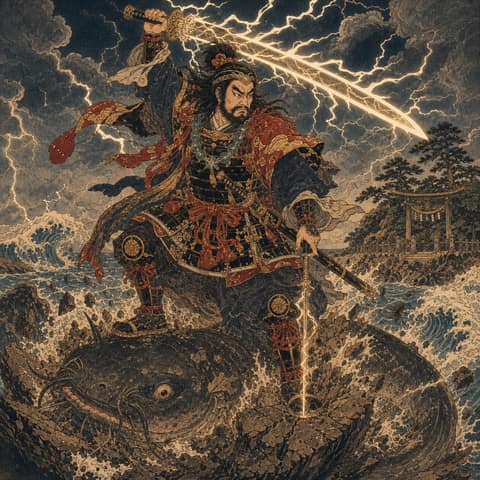
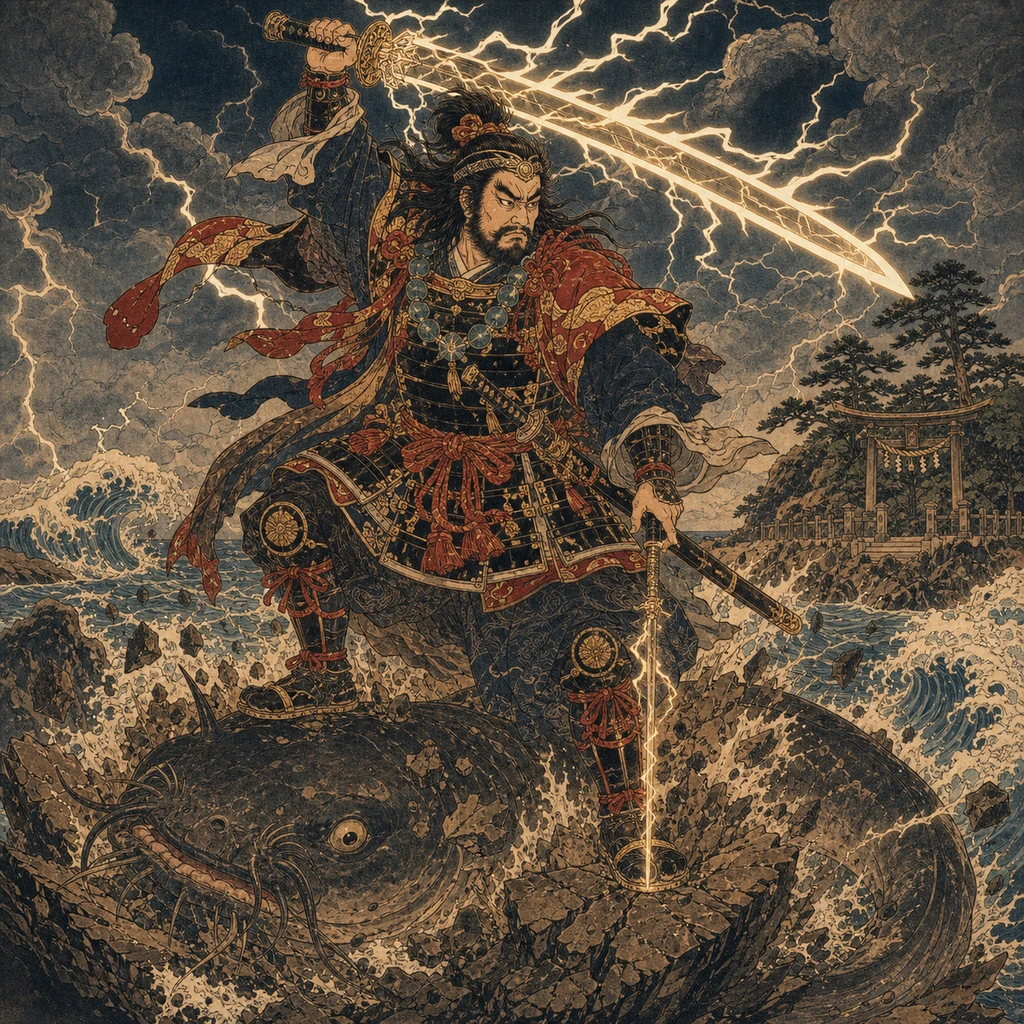
Takemikazuchi-no-Kami is a deity of thunder, swords, and martial arts appearing in the *Kojiki* and *Nihon Shoki*. When his father, Izanagi-no-Mikoto, slew the fire god Kagutsuchi with the Totsuka-no-Tsurugi sword, the blood from the base of the sword splashed onto a rock, giving birth to three deities, of which Takemikazuchi is one. As the main figure in the Kuniyuzuri (Transfer of the Land) myth, he descended from Takamagahara to Izumo Province, engaging in a test of strength with Takeminakata-no-Kami. Turning his hand into an icicle and then a sword, he crushed Takeminakata's hand and chased him to Suwa in Shinano Province. This test of strength is considered the origin of Japanese sumo. In the myth of Emperor Jimmu's Eastern Expedition, Takemikazuchi's sword, Futsu-no-Mitama, was presented to Emperor Jimmu, becoming a crucial artifact in pacifying evil deities. This sword is still enshrined as the sacred body of Isonokami Shrine. Revered as the main deity of Kashima Shrine, the Nakatomi (Fujiwara) clan historically worshipped him as their tutelary deity, later enshrining him at Kasuga Grand Shrine in 768. From antiquity to the present, he has been deeply venerated as the guardian deity of martial arts, sumo, kendo, and the pacification of earthquakes.

Read more

武甕槌大神は、葦原中国平定(国譲り)の神話において、経津主神(ふつぬしのかみ)とともに出雲へ遣わされ、大国主神に国譲りを迫る大役を果たした。このとき、抵抗する建御名方神(たけみなかたのかみ)と力比べをして打ち負かした逸話は、相撲の起源の一つともいわれる。武甕槌大神はまた、刀剣の威力を神格化した神でもある。神武天皇が東征の途上、熊野で危機に陥ったとき、この神が霊剣·韴霊(ふつのみたま)を授けて窮地を救ったと『古事記』は伝える。国譲りの神話は、神々の天上界高天原から地上へと連なる、壮大な物語の一部をなしている。武をもって国を平定したこの神話ゆえに、武甕槌大神は武人たちの守護神とされ、旅立ちにあたって武運を祈る「鹿島立ち(かしまだち)」という言葉も生まれた。東国から防人(さきもり)として遠く九州の守りへ赴く兵士たちが、旅の無事をこの神に祈ったことが、その語源の一つともいわれている。

地中の大鯰

鹿島神宮のもう一つの顔 ── それが、地震を鎮める神としての信仰である。その根底にあるのが、地中に棲む巨大な鯰の伝説である。
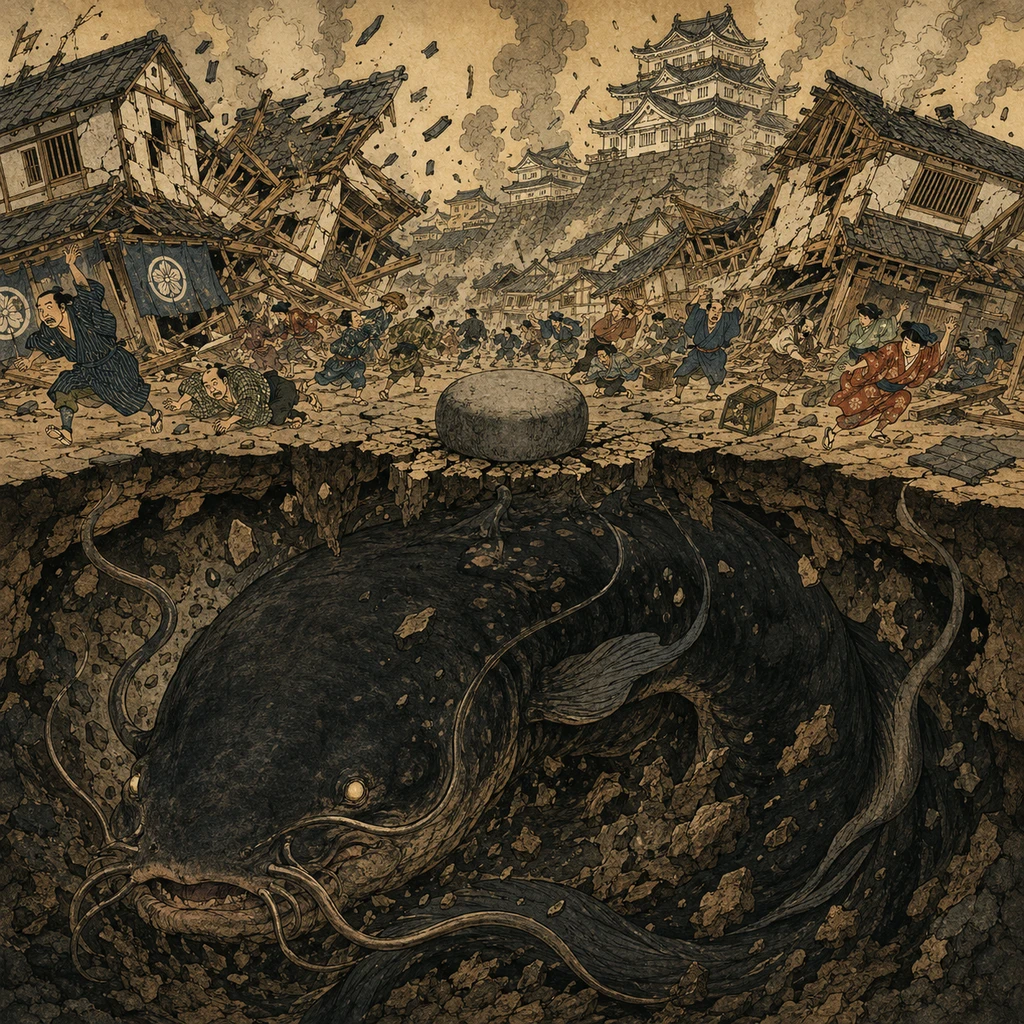
Great Catfish

oh-nah-MAH-zoo

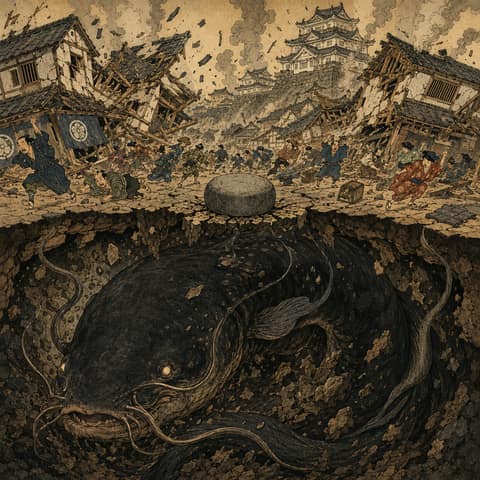
A colossal catfish believed to lurk underground, twisting its body to cause earthquakes. Earlier notions held that dragons or serpents beneath the earth triggered quakes, but by the Edo period the agent shifted in popular belief to a catfish. Faith spread that the keystones (kaname-ishi) of Kashima and Katori shrines pinned the creature in place. After the 1855 Ansei earthquake, woodblock “catfish prints” (namazu-e) proliferated, turning the catfish into an emblem of quake protection and social upheaval.

Read more

古来、日本では、地震は地中に棲む巨大な鯰が暴れることで起こると信じられてきた。日本列島の下には、途方もなく大きな大鯰が横たわっており、それが身をよじるたびに、大地が激しく揺れる ── 地震という、人の力ではどうにもならぬ天災を、人々はこの大鯰の姿に重ねて思い描いたのである。もっとも、鯰が地震を起こすという観念が広く定着したのは、おおむね中世以降のことと考えられている。それ以前は、地中の竜や、大地を支える存在が動くために地が揺れる、などとも語られた。やがて鯰のイメージが定着し、地震といえば鯰、という結びつきが、人々のあいだに深く根を下ろしていった。そして、その大鯰を抑えこむ役目を担うとされたのが、鹿島の神であった。

要石、
大鯰を抑える

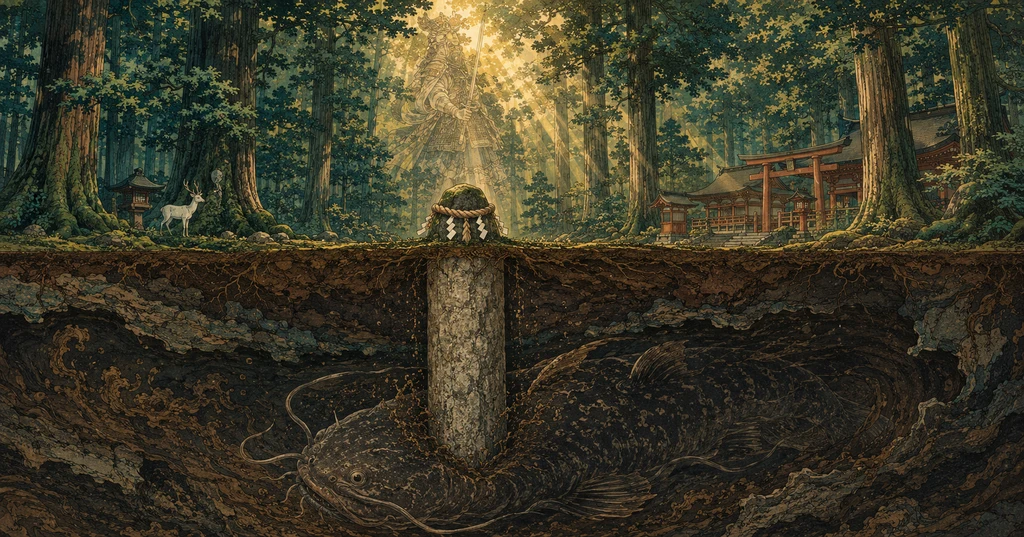
鹿島神宮の境内には「要石」と呼ばれる霊石があり、これが地中の大鯰の頭を抑えて、地震を鎮めていると伝えられる。隣国·下総の香取神宮にも要石があり、そちらは大鯰の尾を抑えるという。香取と鹿島の二神が、地中に深く石の棒をさし込み、大鯰の頭と尾を刺し通している、というのである

要石は、地表にはわずかな頭を出すばかりだが、その地中の部分は計り知れぬほど大きいとされる。寛文4年(1664年)、水戸藩主·徳川光圀(みつくに)が要石の正体を確かめようと、七日七晩にわたって掘らせたが、ついにその底には達しなかったと伝わる。地上に出た要石は、鹿島のものは中央がくぼんだ凹型、香取のものは凸型をなすとも伝えられ、両者あわせて、地中の大鯰の頭と尾を貫いているとされた。小さな石が、地の底で巨大な鯰を押さえつけている ── このイメージは、人知を超えた天災を、神の力が辛うじて封じているという、人々の畏れと祈りの形そのものであった。

鯰絵の流行

地中の大鯰と要石の信仰が、一気に全国へと広まる契機となったのが、幕末の大地震である。

安政2年(1855年)10月、江戸を襲った安政江戸地震ののち、鹿島神宮の鯰絵(なまずえ)を用いたお札が大流行した。これによって、要石が地震を鎮めるという信仰が、広く江戸の市民に知られるようになった

鯰絵には、暴れる大鯰を、鹿島の神や要石が懲らしめる様子が、しばしばユーモラスに描かれた。なかには、地震で焼け出された人々と鯰のやりとりを通じて、世の不公平を風刺する「世直し」の願いを込めたものもあった。災害の恐怖と、それを乗り越えようとする庶民のたくましさが、一枚の絵のなかに同居していたのである。鯰絵は、地震からわずか数か月のあいだに、数百種も刷られたといわれる。鯰を懲らしめる絵があるかと思えば、復興景気に沸く職人たちが、むしろ鯰を拝む絵さえあった。

要石、
今も

地震という、いつ襲うとも知れぬ災いを、地中の大鯰の仕業と見立て、その頭を一つの石が抑えている ── 鹿島神宮の要石信仰は、自然の猛威に対する、日本人ならではの向き合い方を映し出している。

地震列島に生きる人々にとって、要石は、目に見えぬ脅威を鎮める、心のよりどころであった。今日も鹿島神宮の境内には、その小さな要石が静かに頭をのぞかせ、武神の杜には神使の鹿が遊ぶ。武をもって国を鎮め、石をもって地を鎮める ── 東国の大社·鹿島神宮は、二重の意味で「鎮めの社」でありつづけている。茨城の妖怪と信仰の全体像は茨城県の妖怪事典も参照されたい。
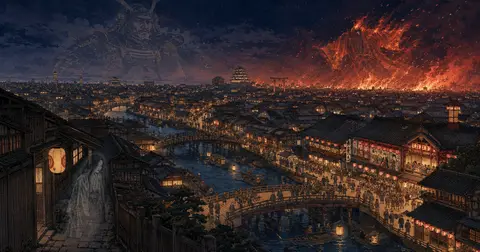
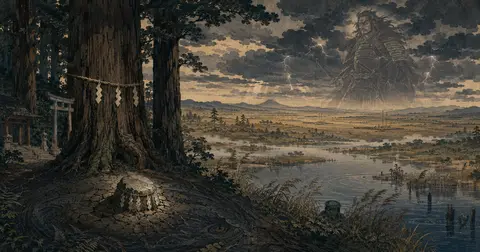
All yokai of Kashima Jingu2

Complete list of yokai linked to Kashima Jingu, including those not featured in the article above.

  • Takemikazuchi

    Takemikazuchi

    Legendary

    たけみかづちのかみ

    God of Thunder, Swords, Martial Arts, Sumo, and Earthquake Pacification

    Divine Spirit / DeityKashima Shrine (Kashima City, Ibaraki) / Kasuga Grand Shrine (Nara City, Nara, enshrined 768)

    The Unique Position of the 'God of War'. While many deities in ancient Japanese mythology center around agriculture and nature, Takemikazuchi uniquely symbolizes 'war, swords, power, and conquest' as a rare male war god. This reflects Japan's complex history of unification through military force, symbolizing the justification and sanctification of military power in ancient national mythology. The Kuniyuzuri Myth ── Mythologization of Ancient Political History. The test of strength with Takeminakata mythologically represents the political integration of the central Yamato court and the regional Izumo and Suwa factions. The narrative of deciding matters through a legitimate trial of strength rather than sheer oppression served to secure religious justification during this integration process. The Ancestral God of Ancient Military Clans. The Futsu-no-Mitama sword became the core of worship for the Mononobe clan, the ancient military clan of Japan. Takemikazuchi concurrently supported the tutelary worship of both the Nakatomi/Fujiwara and Mononobe clans, making him a central figure in ancient Japanese religion, politics, and military affairs. The Two Great Shrines of Kashima and Katori. Kashima Shrine and Katori Shrine have historically formed the core of ancient military worship in the Kanto region. They served as the highest religious authorities in eastern Japan, standing alongside Ise and Izumo in the ancient Shinto shrine system. Earthquake Pacification. The Kaname-ishi (Keystone) belief at Kashima Shrine added a new attribute to Takemikazuchi as a guardian against earthquakes. This represents a significant evolution of an ancient mythological deity into a figure of early modern disaster folklore. Two Thousand Years of Sumo. The religious essence of sumo, persisting from ancient court rituals to the modern Grand Sumo, stems from Takemikazuchi's mythological origins. Sumo remains a rare example of a globalized sport retaining its ancient mythological roots. Takemikazuchi in the 21st Century. Today, he is revered as a guardian of martial artists, the ancestral god of sumo, and a protector against disasters. As Japanese martial arts spread globally, his worship garners international attention as the religious origin of these disciplines.

  • Great Catfish

    Great Catfish

    Epic

    oh-nah-MAH-zoo

    Traditional Version: The Great Catfish Subdued by the Keystone

    Weather & Calamity SpiritsAcross Japan (traditions linked to Kashima, Katori, Aso, and Chikubu Island in Omi)

    An image based on the early modern belief that a great catfish causes earthquakes and is held down by the keystones of Kashima and Katori Shrines. The ancient notion of an underworld dragon-serpent was reworked in early modern urban society into imagery for interpreting disasters and critiquing the times. After the Ansei Earthquake, many namazu-e prints were published, adding allegories of recovery and debt relief. Here the great catfish lies in the subterranean mud, at times shuddering to cause quakes, yet is pacified when pressed by the keystone. Regional lore links it to origin tales of stones, landforms, and river courses, serving as markers of shrine-temple origins and local spiritual power. It appears in early modern documents, broadsides, and origin tales without fixed personal names or lineage, told as a symbolic personification of earthquakes rather than an observed creature, with a yokai framework for interpreting calamities at its core.

Read on ── other regions