Ichijo Modoribashi Bridge 鬼と式神が交わる橋 ── 一条戻橋

渡辺綱·茨木童子·安倍晴明·浄蔵。生死と異界の境

鬼と式神が交わる橋 ── 一条戻橋

Ichijo Modoribashi Bridge · いちじょうもどりばし

Also known as: 戻橋 / 万年橋
View on map

京都の中心、堀川(ほりかわ)にひっそりと架かる一条戻橋(いちじょうもどりばし)。何の変哲もない小さな橋に見えて、ここは古来、この世とあの世、人と鬼、現(うつつ)と幻 ── あらゆる「境界」が交わる場所として、数々の伝説を生んできた。

死者が一時よみがえり、陰陽師が式神を潜ませ、武者が鬼の腕を斬り落とす。たった一つの橋に、これほど濃密な異界の物語が積み重なった例は、ほかにない。本稿は、都の境界に架かるこの橋の伝説をたどる。

堀川に架かる、境の橋

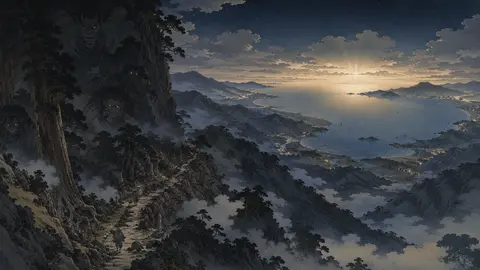
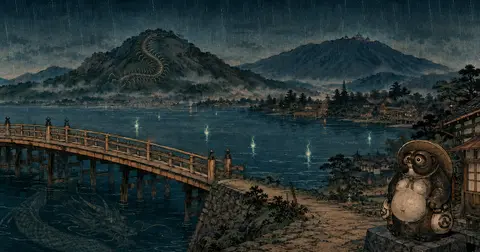
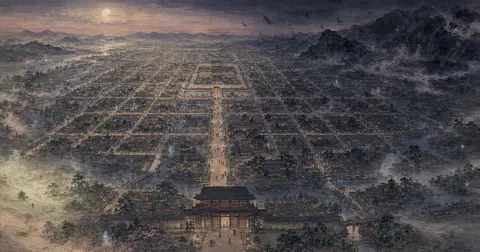
一条戻橋は、京都市上京区、平安京の一条大路が堀川を渡るところに架かる橋である。平安京において、一条大路は都の北限にあたり、堀川もまた都を画する流れであった。つまりこの橋は、都の「内」と「外」とを分ける、まさしく境界の上に架かっていたのである。

境界とは、性質の異なる二つの世界が触れあう場所であり、それゆえに、異界の力が漏れ出すと信じられた。一条戻橋に怪異の伝説が集中するのは、決して偶然ではない。都の人々にとって、この橋は、日常のすぐ隣にある異界への入口だったのである。平安の都では、深夜に鬼や妖怪の行列「百鬼夜行(ひゃっきやぎょう)」が大路を練り歩くと信じられていた。都の境に架かる一条戻橋は、そうした異界の者たちが行き交う通り道としても、人々に恐れられていた。

「戻橋」の名の由来

「戻橋」という不思議な名は、ある一つの蘇生譚に由来する。

『撰集抄(せんじゅうしょう)』によれば、延喜18年(918年)、漢学者·三善清行(みよしのきよゆき)が亡くなり、その葬列がこの橋にさしかかった。熊野で修行していた息子の浄蔵(じょうぞう)が、父の死を聞いて急ぎ帰り、橋上で棺にすがって祈ると、清行は雷鳴とともに一時生き返り、父子は抱き合ったという

死者がこの橋で「戻ってきた」 ── それが「戻橋」の名の由来である。浄蔵は、当代屈指の験力(げんりき)をもつ修行僧として知られた人物であった。父を一目見ようとするその一念が、いったん越えたはずの死の境から、清行をつかのま呼び戻したのだという。生と死の境さえ、この橋の上では揺らぐ。橋に宿る境界の力を、これほど鮮やかに語る話はない。一方でこの伝説ゆえに、後世には「戻る」を忌んで、嫁入りの行列はこの橋を渡らないという慣習も生まれた。

安倍晴明の十二神将

一条戻橋は、平安随一の陰陽師·安倍晴明(あべのせいめい)とも、深く結びついている。晴明の屋敷は、この橋のすぐ近く、現在の晴明神社の地にあったと伝わる。

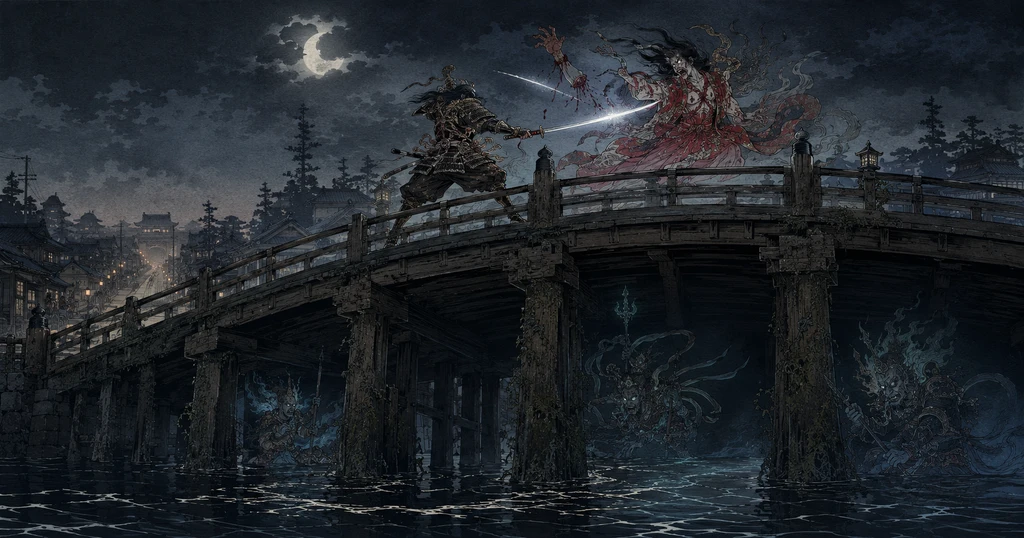
『源平盛衰記』によれば、晴明は十二神将(じゅうにしんしょう)を式神として自在に操っていたが、その姿を恐れた妻のために、ふだんは十二神将を一条戻橋の下に隠しておき、必要なときだけ呼び出して使役したという

橋の下に、目に見えぬ神将たちが潜んでいる ── この伝説は、戻橋を、人ならぬものが棲まう場所として人々に印象づけた。橋のたもとに鎮まる晴明神社は、晴明の没後、その邸宅跡に創建されたと伝わる。境内には戻橋を模した小さな橋が置かれ、式神を象(かたど)った石像が、いまも訪れる人を迎えている。陰陽師が異界の力を御す拠点として、都の境の橋ほどふさわしい場所はなかったのだろう。

渡辺綱、鬼の腕を斬る

そして、一条戻橋の名を最も高からしめているのが、源頼光の四天王·渡辺綱(わたなべのつな)による、鬼退治の伝説である。
Ibaraki-dōji

ee-bah-RAH-kee DOH-jee

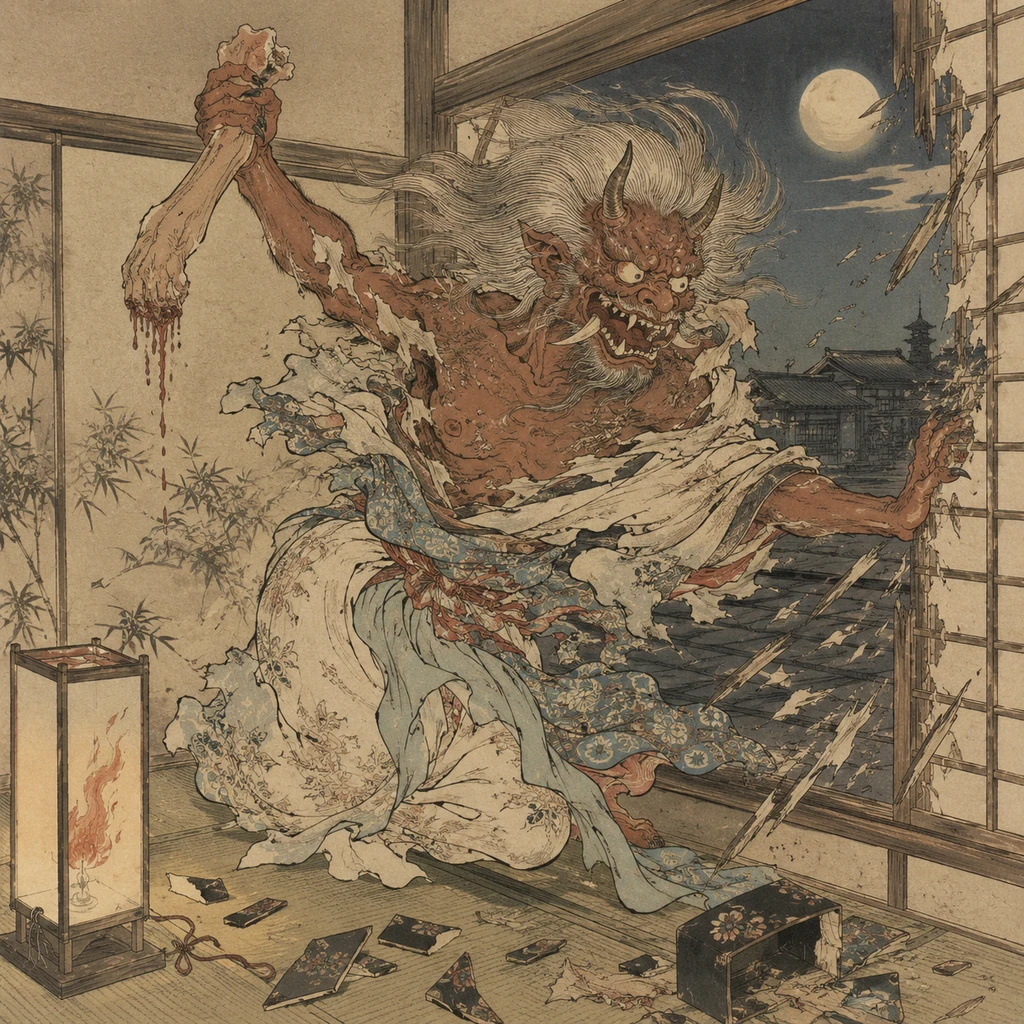
A demon (oni) of the Heian period, famed as the right-hand of Shuten-dōji. Accounts place Ibaraki-dōji’s birth either in Settsu (Tomatsu/Ibaraki) or Echigo (Koshi District, Karuizawa). From childhood the figure showed an uncanny appearance and prodigious strength. Joining the bandits of Mount Ōe, Ibaraki-dōji helped terrorize the capital until Minamoto no Yorimitsu (Raikō) and his retainers crushed the gang, whereupon Ibaraki narrowly escaped. Later, the warrior Watanabe no Tsuna cut off the demon’s arm; in later tales, the demon disguises itself and steals the arm back—episodes retold across medieval setsuwa, Noh, and Kabuki.

Read more

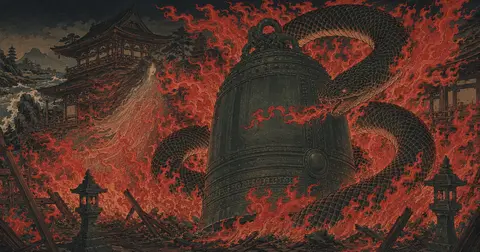
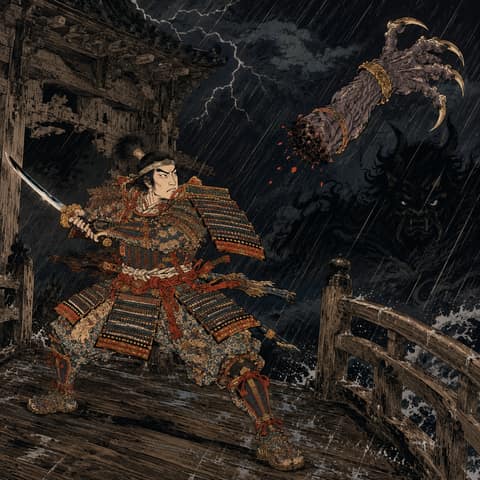
『平家物語』剣巻(つるぎのまき)によれば、ある夜、渡辺綱が一条戻橋を通りかかると、美しい女が現れ、家まで送ってほしいと頼んだ。綱が馬に乗せたところ、女はたちまち恐ろしい鬼の姿に変じ、綱の髪をつかんで愛宕山(あたごやま)の方へ飛び去ろうとした。とっさに綱は、源氏の名刀「髭切(ひげきり)」を抜き、鬼の腕を斬り落として難を逃れた。この鬼こそ、大江山の酒呑童子に仕える最強の配下·茨木童子(いばらきどうじ)であったとされる。渡辺綱は、源頼光に仕えた四天王の筆頭格で、その武勇をもって知られた。鬼の腕を斬ったこの「髭切」の太刀は、以後その武功にちなんで「鬼切(おにきり)」とも呼ばれるようになったと伝わる。

腕を取り返しに来た鬼

物語には、忘れがたい後日譚がある。

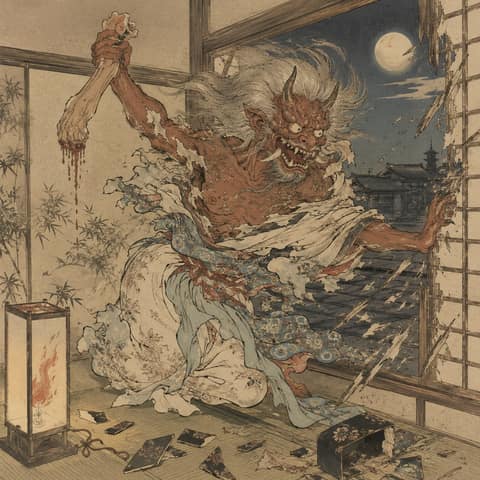
斬り落とした鬼の腕を、渡辺綱は厳重に封じて保管していた。ところがある日、綱の伯母(おば)が訪ねてくる。久々の対面に気を許した綱が、つい腕を見せたところ、伯母はたちまち茨木童子の正体を現し、自らの腕を奪い返すと、屋根の破風(はふ)を突き破って、空高く消え去った。一説には、綱は安倍晴明の勧めで、斬り取った腕を櫃(ひつ)に納め、仁王経(にんのうきょう)を読んで七日のあいだ固く物忌みしていたという。その満願の隙を、鬼は肉親に化けて突いたのである。

肉親に化けて懐に入り込み、奪われたものを取り返す ── この鮮烈な結末は、鬼の執念と知恵を強く印象づける。茨木童子は、のちに大江山で源頼光らが酒呑童子を討った際にも、ただ一人逃げのびたと伝わる、したたかな鬼であった。一条戻橋は、そんな鬼と都の英雄とが、はじめて刃を交えた因縁の地なのである。

境を越える橋、今も

死者がよみがえり、式神が潜み、鬼が腕を落とした一条戻橋。これらの伝説に共通するのは、いずれも「境界」をめぐる物語だという点である。生と死の境、人と鬼の境、現世と異界の境 ── そのすべてが、この小さな橋の上で交わってきた。

今日でも、この橋には「戻る」を忌む心が残り、嫁ぐ娘や受験生がこの橋を渡るのを避けるという風習が伝えられている。橋のかたわらにある晴明神社には、いまも多くの参拝者が訪れる。時代が下ると、一条戻橋は処刑や梟首(きょうしゅ)の場ともなり、いっそう陰惨な気配をまとうことになる。豊臣秀吉が千利休に切腹を命じたとき、その首がこの橋にさらされたことは、よく知られている。何気ない都の小橋が、千年を越えて人々の畏れと想像をかきたててきた ── それは、ここが日常と異界の触れあう「境」であることを、人々が今も無意識に感じとっているからなのかもしれない。なお、鬼が腕を斬られた場所を羅城門とする異伝もあり、これは羅城門跡の伝説とあわせて読むと興味深い。京都の妖怪と怪異の全体像は京都府の妖怪事典も参照されたい。
All yokai of Ichijo Modoribashi Bridge2

Complete list of yokai linked to Ichijo Modoribashi Bridge, including those not featured in the article above.

  • Ibaraki-dōji

    Ibaraki-dōji

    Legendary

    ee-bah-RAH-kee DOH-jee

    Ibaraki-dōji

    Half-Human BeingsSaid to be from Settsu Province or Echigo Province

    An interpretation shaped by medieval war tales, otogizōshi storybooks, and early modern theater. As Shuten-dōji’s foremost lieutenant, Ibaraki-dōji held Mount Ōe and was routed by Raikō’s ruse. Later tales tell of Watanabe no Tsuna cutting off and reclaiming an arm at Ichijō Modoribashi or at Rashōmon. Accounts vary on birthplace and even gender, with traces in Settsu and Echigo traditions. This version follows the most widely circulated storyline in the sources and avoids embellishment.

  • Watanabe no Tsuna

    Watanabe no Tsuna

    Epic

    watanabe-no-tsuna

    The Warrior Who Severed the Demon Arm of Rashomon: Watanabe no Tsuna

    Human/Half-YokaiWatanabe-tsu, Settsu Province (Present-day Chuo Ward, Osaka City) / Heian-kyo Ichijo Modoribashi and Rashomon Lore

    In this version, we read Watanabe no Tsuna as "the boundary warrior who severed the demon's arm." What etched Tsuna's name most strongly in history is the story of him encountering a demon at Rashomon or Ichijo Modoribashi and cutting off its arm. It is no coincidence that the location is a gate or a bridge. A gate divides the inside and outside of the capital, and a bridge connects this shore and the other shore. The demon appears precisely at that boundary. Tsuna's bravery does not completely erase the demon with a single stroke. He can sever the arm, but the demon itself escapes. The remaining arm is both a trophy and evidence that the anomaly has not yet ended. Here lies the fascination of the demon arm tale. The severed arm enters the mansion as an object and is placed under human management, but the demon returns to the human world to take it back. The revisit by the demon disguised as an old woman reveals Tsuna's weakness. He is excellent in martial force, but he finds it hard to lose courtesy toward an opponent taking the form of a relative. The demon strikes at that point. In yokai subjugation tales, the insight to see through anomalies is just as important as martial power. While Tsuna succeeded in cutting the arm, he cannot completely fend off the disguised demon. This imperfection makes him a human-like hero. As one of Yorimitsu's Four Heavenly Kings, Tsuna also occupies an important position in the Mt. Oe subjugation. In his solitary tale, he slashes the boundary demon; in the group tale, he heads for Shuten-doji under Yorimitsu's command. In other words, Tsuna is the figure who connects individual bravery with team demon subjugation. His blade participates in both one-on-one anomaly events and grand subjugation narratives. This version of Tsuna stands between victory and letting the enemy escape. The scene of cutting the demon arm is vivid, but the development of the demon reclaiming the arm shows that anomalies cannot be simply sealed away. Even if the monster is slashed at the boundary, the monster returns inside the house, into the form of a relative, into memories. Watanabe no Tsuna's story simultaneously tells of the exhilaration of demon subjugation and the tenacity with which demons still infiltrate the human world. The demon arm is an object that has crossed boundaries. The moment it is detached from the demon's body, it remains a part of the otherworld while being kept in a human mansion. Tsuna holds the arm as proof of victory, but that arm also serves as a beacon for the demon to return. The trophy is simultaneously a cursed object. The demon disguised as an old woman attacks Tsuna's humanity. A warrior is strong against demons, but cannot discard courtesy toward relatives. Here the story shifts from a contest of strength to a contest of perception. If he knows it is a demon, he can slash it. But when the demon borrows a family member's face, a person cannot easily swing a blade. This version of Tsuna is not a flawless subjugator, but a hero who wins at the boundary and wavers inside the house. That is exactly why the folklore gains depth. Demon subjugation does not end outside; it starts over once back in daily life because of what was brought back, the person trusted, and the seal that was opened. Tsuna's charm lies in his nature as a warrior that includes this wavering. If he were simply strong, the ghost story would end quickly. But he is strong, and at the same time, deceived. Therefore, the story moves from a single stroke of the sword to a conversation in the mansion, deepening from external demon subjugation to internal suspicion. That lingering resonance keeps Tsuna's martial valor from being just a simple victory tale.

Read on ── other regions