Seven Lucky Gods (Shichi-Fukujin)
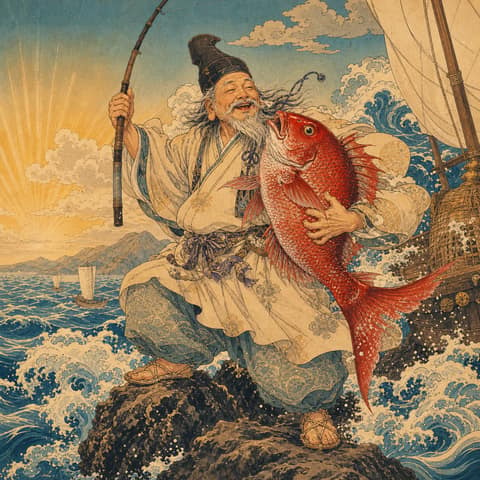
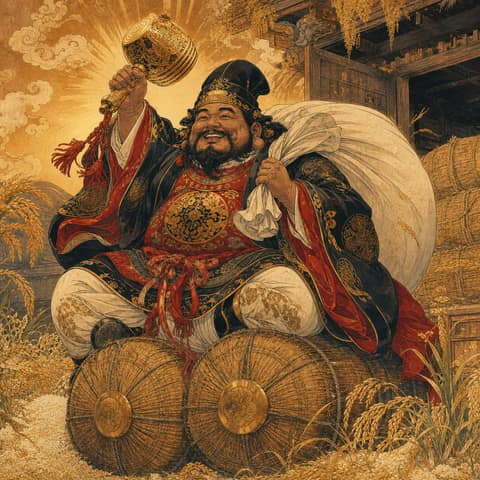
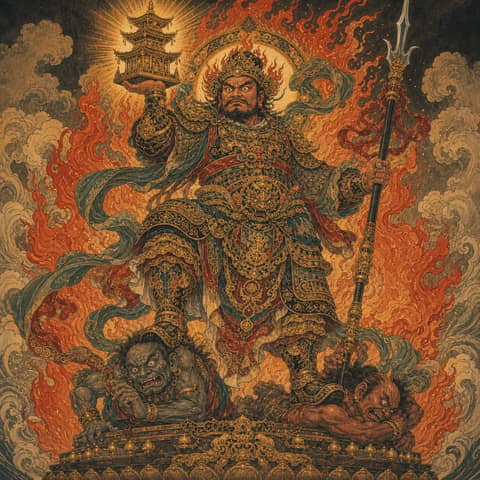
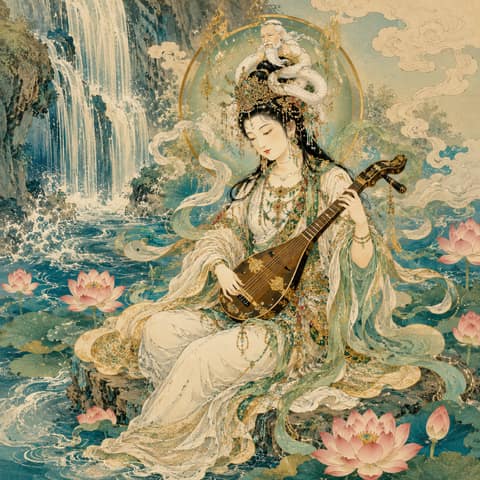
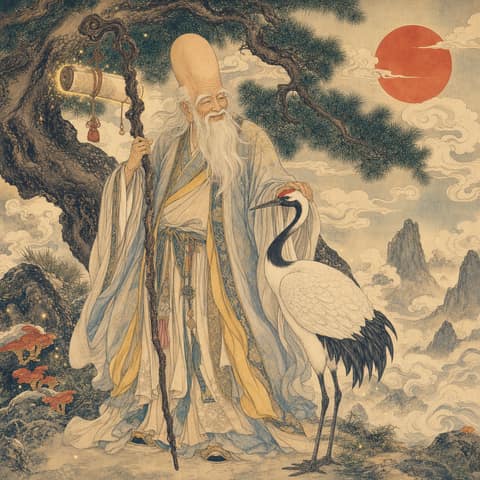
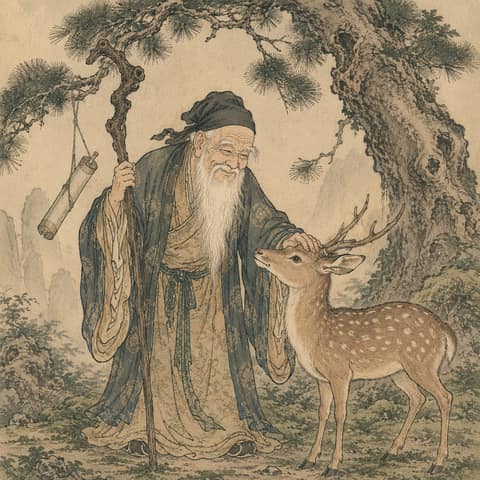
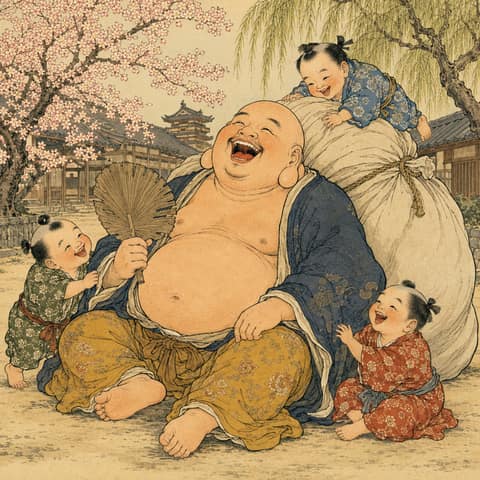
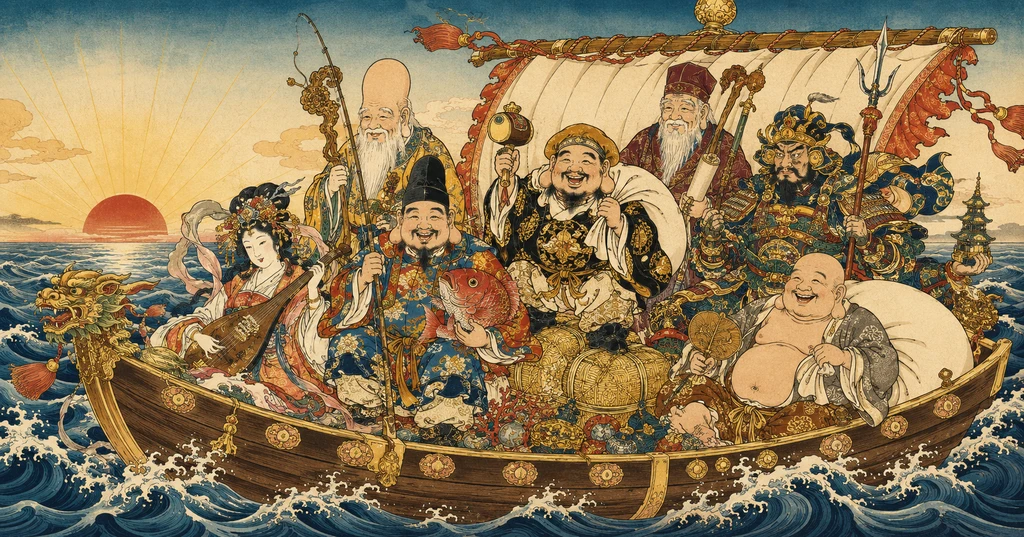
Formed in the late Muromachi period, when the Zen monks and painter-monks of the Higashiyama cultural circle bundled together seven deities of fortune: the locally enshrined Ebisu, the Indian-derived Daikoku, Bishamonten, and Benzaiten, and the continental newcomers Fukurokuju, Jurojin, and Hotei. The set's distinctive feature is that it gathers under one frame deities of utterly different origins ── a local fishing-and-commerce god, three deities transmitted via Buddhism from India, two Daoist astral personifications, and a Chan/Zen-monk turned bodhisattva-incarnation. Through Edo-period treasure-ship prints, first-dream prints, and the Seven Lucky Gods pilgrimages, this group became one of the most pervasive folk religious practices in Japan, and is still widely observed across the Kanto and Kansai regions during the New Year season.