国譲りの大国主、小さな相棒の少彦名命、海から来る龍蛇さま

縁を結ぶ国、神々の集う杜。出雲大社の妖怪事典

Izumo Taisha·いずもおおやしろ
View on map

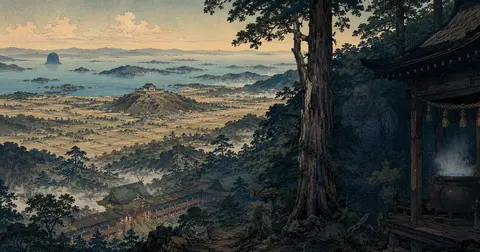
出雲大社の神々は、妖怪というより神そのものである。だがその神々は、天から降ってくるばかりではない ── 海の彼方から舟に乗って漂着し、季節を違えず波間から這い上がり、旧暦十月には全国八百万の眷属を引き連れて杜へ集う。出雲とは、神が「来る場所」なのだ。

国を譲った大国主神、ガガイモの莢の小舟で漂着した少彦名命、晩秋の海から迎えられる龍蛇神 ── この三柱はいずれも、海と他界の境を越えてくる存在である。出雲大社という聖地に密着して、その来訪の神話を順にたずねていきたい。より広い文脈は 島根県の妖怪事典 に譲り、ここでは大社の杜に立つ三柱を深く掘り下げる。

国を譲った神 ── 大国主神という巨きな影

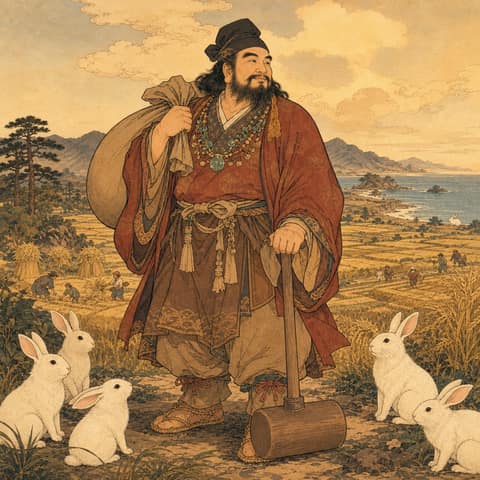
出雲大社の主祭神は、大国主神 (オオクニヌシ) である。古代日本最大の国津神 (クニツカミ) であり、葦原中国 (アシハラノナカツクニ·地上世界) を経営しながら、最後には天孫へとその国を譲り渡した神だ。古事記·日本書紀 が伝えるこの神は、ひとつの名に収まらない。大穴牟遅 (オオナムチ)、大己貴命、大物主神、葦原醜男、八千矛神、宇都志国玉神、大国魂神 ── 古代日本でも例外的に多い名乗りを持つ。

この多名は、偶然ではない。各地で独立に育った土地神·農耕神·武神·医薬神·蛇神の信仰が、出雲国造系の神道によって「大国主神」という一柱へ統合されていった、その吸収の痕跡なのである。大国主とは、古代日本の地方信仰が集約·体系化されていく過程そのものを体現した神格だといってよい。
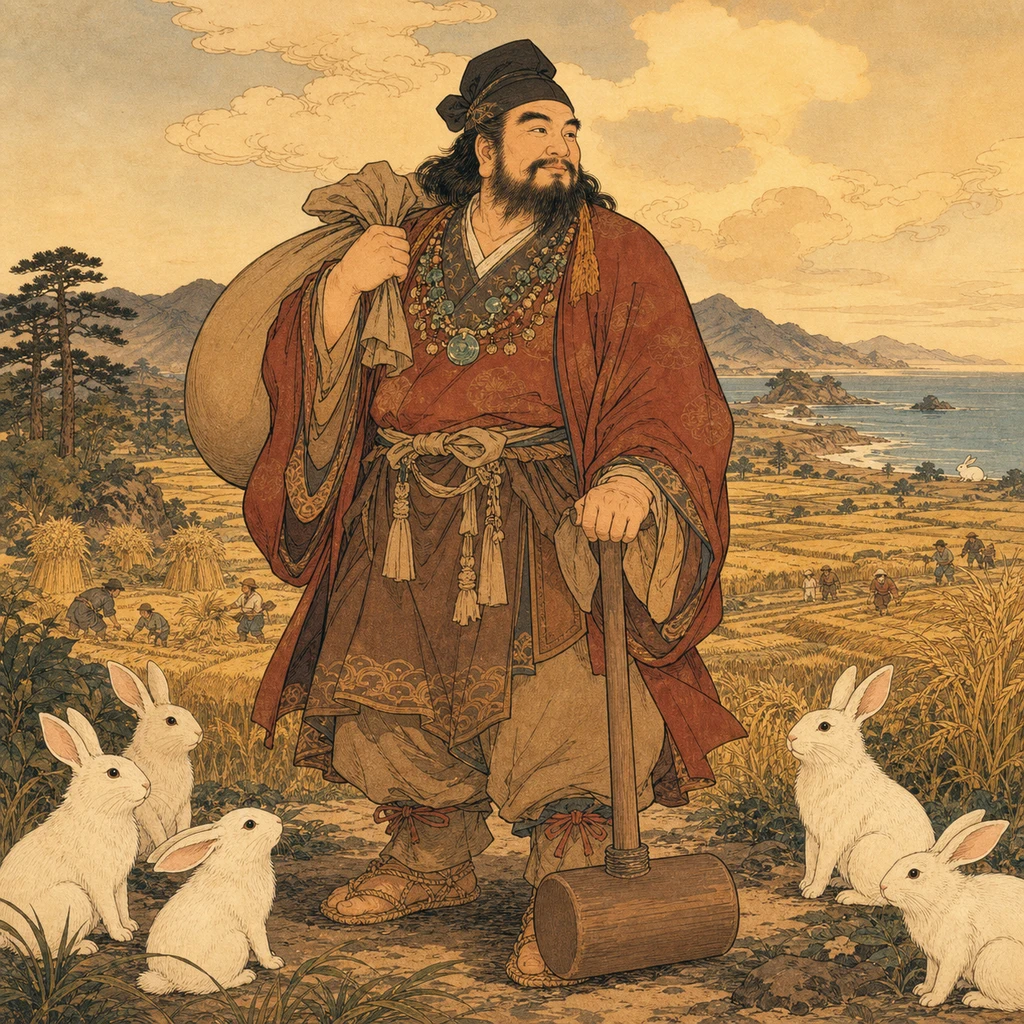
Okuninushi no Kami

Okuninushi no Kami

Okuninushi no Kami is the central deity of the Izumo myth cycle in the Kojiki and Nihon Shoki. Descended from the line of Susanoo, he governs Ashihara no Nakatsukuni, the earthly realm, before ultimately yielding the land to the heavenly grandson Ninigi no Mikoto. He is one of ancient Japan's greatest kunitsukami, or earthly deities. His unusually large number of names includes Onamuchi, Okuninushi, Omononushi, Ashihara-shikoo, Yachihoko, Utsushi-kunitama, and Okunitama. In the Kojiki he is a sixth-generation descendant of Susanoo, while the main text of the Nihon Shoki preserves a variant in which he is Susanoo's direct son. His mythology ranges from the compassion shown in healing the White Hare of Inaba, to the heroic cycle in which he escapes persecution by the eighty sibling gods, endures Susanoo's trials in Ne no Katasukuni, marries Suseribime, receives the living sword, living bow and arrows, and heavenly-speaking koto, and establishes rule over the earthly realm. He then develops the land together with Sukunabikona, teaching medicine, agriculture, and ritual healing. Under pressure from Takamagahara, especially Takemikazuchi and Futsunushi, he performs the kuniyuzuri, the yielding of the land, withdraws to Izumo Taisha, also called Kizuki Taisha, and becomes lord of the unseen world. Since antiquity he has been revered as a deity of matchmaking, medicine, and land-making. In the tenth month of the old calendar, called Kamiarizuki in Izumo and Kannazuki elsewhere, Japan's myriad gods are believed to gather at Izumo; Okuninushi remains the presiding deity of that living festival faith.

Read more

#

因幡の白兎 ── 慈愛から始まる物語

大国主神話の幕開けは、よく知られた因幡の白兎譚である。兄神たち八十神 (ヤソガミ) が因幡国の美女·八上比売 (ヤガミヒメ) へ求婚に向かう道中、隠岐から因幡へ渡ろうと鰐 (ワニ·鮫の古語) を騙して海を渡った白兎が、騙したと露見して皮を剥がれ、泣いていた。八十神は意地悪く「海水で洗って風に当たれ」と教え、兎をさらに苦しめる。

末弟の大穴牟遅 ── のちの大国主 ── は袋を背負わされ遅れて到着し、真水で洗って蒲 (がま) の穂をまぶす治療を教えて兎を救った。兎は神となり「八上比売の心は貴方のものになる」と予言する。慈愛·医薬·動物との対話を象徴するこの説話は、出雲大社の縁結び信仰の起点でもある。最初に結ばれた縁は、傷ついた一匹の兎との縁だったのだ。

#

根の堅州国の試練 ── 冥界で婿となる

八十神の嫉妬から二度殺され二度蘇った大穴牟遅は、母神の命で根の堅州国 (ネノカタスクニ·須佐之男命の住む冥界) へ逃れる。須佐之男命は蛇の室、百足と蜂の室、野焼きの火攻めと、過酷な試練を課した。だが須佐之男命の娘·須勢理毘売 (スセリビメ) の助けで、大穴牟遅はことごとく乗り越える。

最後に二人は生太刀·生弓矢·天詔琴を携えて逃走し、須佐之男命は追いつつも娘を娶ることを認め「葦原中国の主となれ」と祝福した。冥界を訪れ、試練を克服し、異界の姫を娶る ── この物語型は世界神話学でも「英雄の冥府訪問」として比較される普遍的な構造を持つ。

#

国譲り ── 稲佐の浜の交渉

大国主神話の最大の山場が、国譲り神話である。高天原の天照大御神は「葦原中国は我が子の治めるべき国」として度々使者を送り、ついに武神·建御雷神 (タケミカヅチ) と天鳥船神 (一書では経津主神) を遣わした。

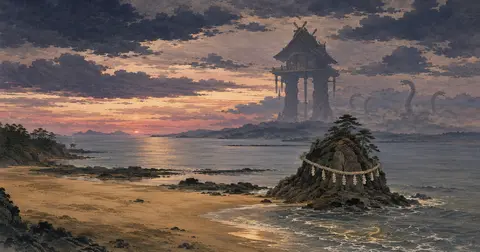
建御雷神は出雲の伊那佐の小浜 ── 現在の稲佐の浜 ── に降り立ち、抜いた剣を波間に逆さに刺してその切っ先の上にあぐらをかいて座り、大国主に国を譲るかどうかを問うた。大国主は「我が子等に問え」と答える。長男·事代主神 (コトシロヌシ) は美保ヶ崎で釣りの最中に承諾し、青柴垣に隠れて姿を消した。次男·建御名方神 (タケミナカタ) は力比べに敗れ、信濃国の諏訪まで逃れて降伏する。

我が住居を、天つ神の御子の宮殿と同じほど高々と造ってくれるなら。

大国主はこの一つの条件を出して国譲りを承諾し、壮大な宮 ── 出雲大社の前身 ── に鎮まって、目に見えぬ幽冥界 (神々の世界) の主となった。

稲佐の浜には今も、国譲りの協議が行われたと伝わる屏風岩や、海中に立つ弁天島が残り、浜から大社へと続く「神迎の道」が往時の神話を地図の上になぞらせる。神話が「歩ける場所」として実在するのが、出雲という土地の比類なさである。

#

巨大社殿の伝承と物証

造営された出雲大社 (正式名·杵築大社) は、高さ約二十四メートルの現代社殿のほか、古代には四十八メートル、さらには九十六メートルとも伝わる超巨大社殿の伝承を持つ。長らく伝説と見なされてきたこの巨大社殿は、近年その物証が地中から現れた。

二〇〇〇年の出雲大社境内遺跡の発掘で、三本の大木を鉄輪で束ねた直径約三メートルの巨大柱 (宇豆柱·心御柱) が出土した。その構造は、出雲国造·千家家に伝わる『金輪御造営差図』の記す柱の形と一致し、一二四八年の遷宮期のものと推定される。伝説の中の天空に届く社殿が、確かに地上に建っていたことを、柱は静かに告げていた。

今日の出雲大社では、出雲国造·千家家が代々祭祀を司り、神楽殿には長さ約十三メートル·重さ五·二トンの大注連縄が懸かる。参拝は他社と異なる「二礼四拍手一礼」の作法による。中世以降は仏教の大黒天と神仏習合し、音の近さから「大国 (ダイコク)」として七福神の福神となった。縁結びの神、医薬の神、国造りの神、そして商売繁盛の福神 ── 大国主は幾重もの顔を重ねながら、今も日本最大級の参拝客を集めている。

小さな相棒 ── 少彦名命と国造り

大国主が葦原中国の支配を確立したのち、その傍らに現れた一柱の小さな神がいる。少彦名命 (スクナビコナ) である。

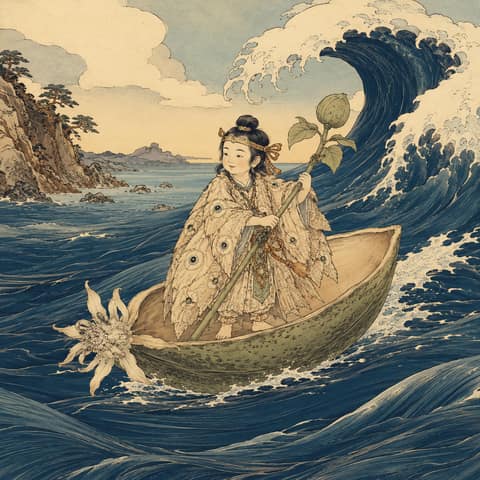
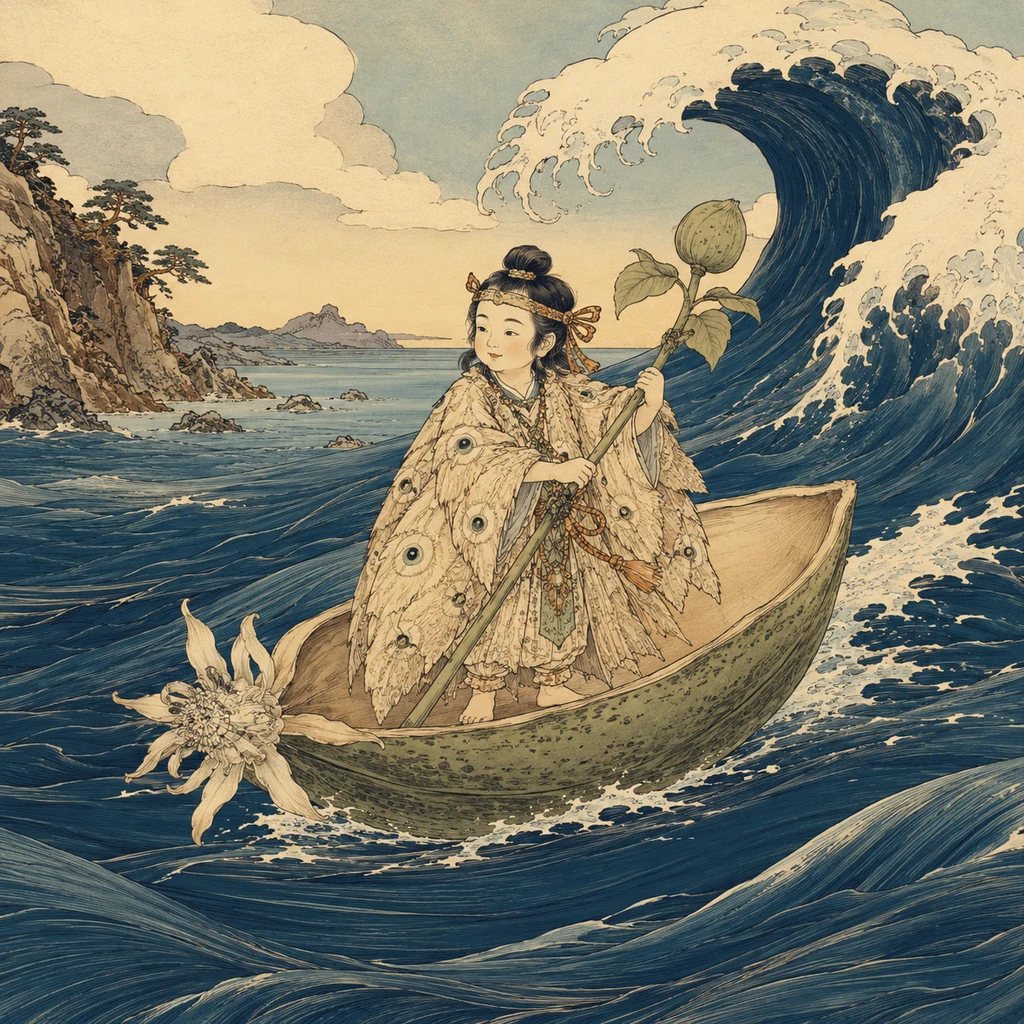
ガガイモ (蘿藦) の莢で造った小舟に乗り、蛾の皮を剥いで衣とし、海の彼方から漂着した。あまりに小さく素性が知れず、案山子の神·久延毘古 (クエビコ) に尋ねて、ようやく神産巣日神 (古事記) または高皇産霊尊 (日本書紀) の子と判明する。親神は「我が手の指の間から漏れ落ちた子だ」と言い、大国主と兄弟になって国土を作り固めよと命じた。

二神は力を合わせて国造りを進める。人と家畜のために病を療す医薬の法を定め、鳥獣·昆虫の災いを攘うための禁厭 (まじない) の法を制めた と日本書紀は記す。農耕、酒造、温泉開発の術も諸国に広め、道後温泉 (伊予) や有馬温泉の縁起にも少彦名命の名が伝わる。小さな体に巨きな知恵 ── 大国主の豪壮さと少彦名命の精巧さは、見事な対をなしている。

#

常世国への神去り、そして大物主の来臨

国造りなお半ばのころ、少彦名命は粟茎によじ登り、その茎の反動で弾かれて海の彼方の常世国 (トコヨノクニ) へ渡り去った。相棒を失った大国主が「我ひとりでこの国をいかに作り得ようか」と歎いたとき、海を照らして寄り来る神があり「我を大和の三輪山に祀れば共に国を作ろう」と告げた。これが大物主神である。少彦名命の去来は、大物主の来臨へと神話を繋ぐ転回点となった。

ここで注目したいのは、出雲の神々がいずれも「海の彼方」と深く結ばれていることだ。少彦名命は海から舟で来て、海へと去る。常世国とは海の向こうの永遠の他界であり、大国主が幽冥界の主となるのも、この他界観の延長線上にある。出雲は、海を介して異界と通じる聖地だったのである。

#

小さ子説話のはるかな先蹤

体は小さくとも異常な能力を発揮するという少彦名命の人物像は、かぐや姫·一寸法師·瓜子姫·桃太郎といった「小さ子説話」のはるかな先蹤とされる。室町期の御伽草子に結実する一寸法師の物語型は、神話の小さな神が中世の昔話へと姿を変えた系譜の末にある。出雲大社で医薬·酒造·温泉の神として崇敬される少彦名命は、日本の「小さきもの」信仰の源流に立っている。

海から来る神使 ── 龍蛇神と神在月

そして三柱目、出雲の信仰がもっとも鮮やかに「来訪」を体感する場面に立つのが、龍蛇神 (リュウジャシン·龍蛇さま) である。

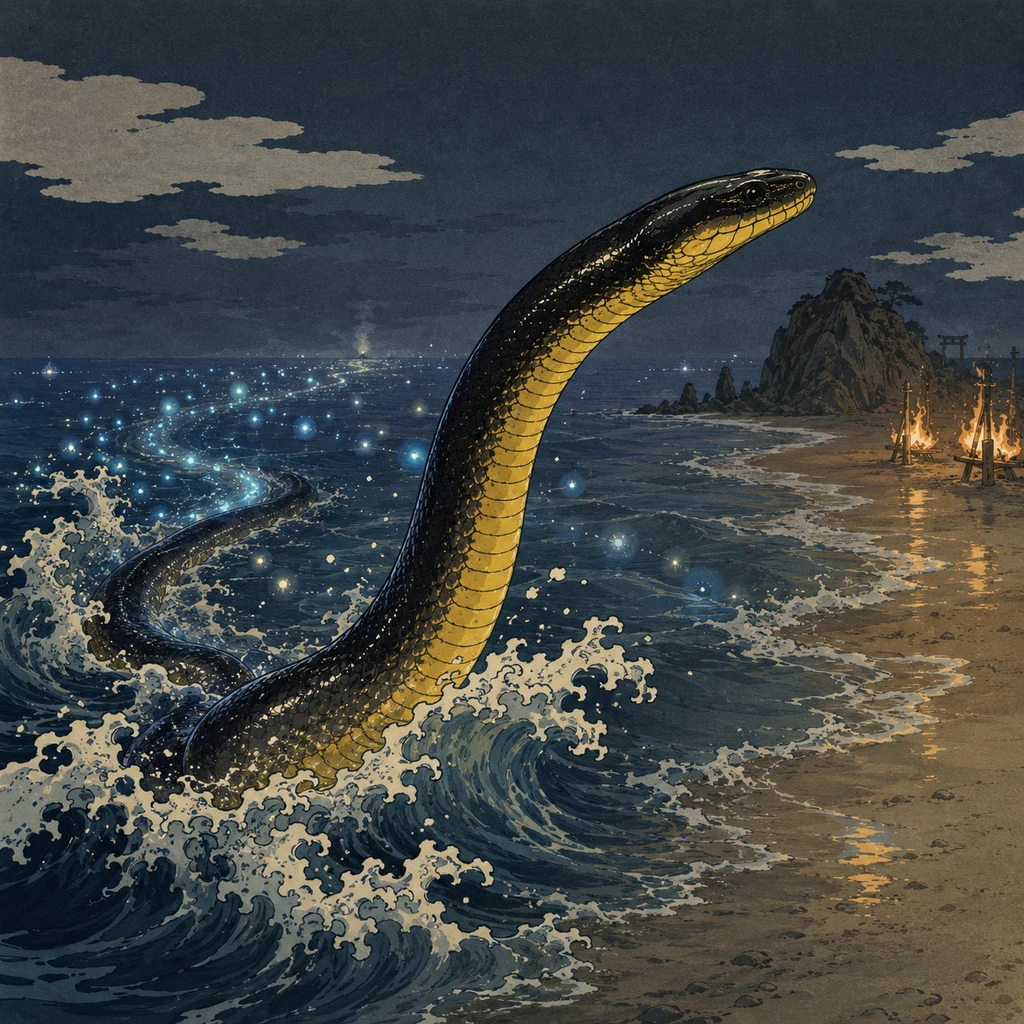
旧暦十月、全国では神々が留守になるため「神無月 (カンナヅキ)」と呼ぶが、出雲だけは八百万の神々が集まるため「神在月 (カミアリヅキ)」と呼ぶ。この神在月に出雲へ来集する神々を先導するのが、龍蛇神なのである

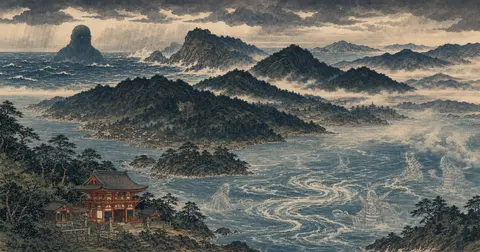
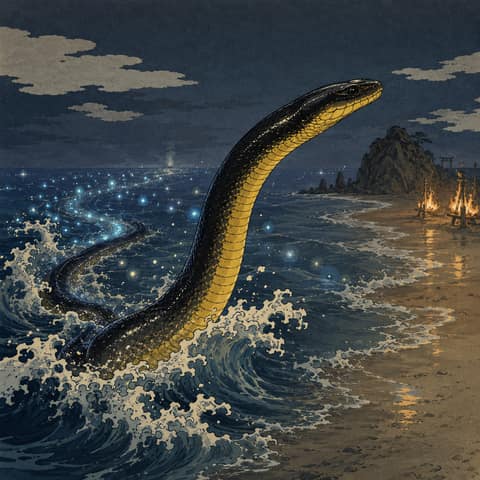
その正体は、晩秋から初冬にかけて出雲の海岸に漂着する南海産のセグロウミヘビ (背黒海蛇) ── 黒い背と黄色い腹を持つ実在の海蛇だ。黒田起黄の体色は「天地玄黄の相を如実にあらわす」ものと讃えられた。玄黄とは、天の色 (玄·黒) と地の色 (黄) が混じり合ったもの。天の神秘と大地の永遠をその身に帯びた蛇、というわけである。暖海性のこの海蛇が対馬海流に乗って晩秋の出雲沿岸に流れ着く季節現象が、神来集の信仰と重なり、神使の姿に結晶した。
#

神迎神事 ── 稲佐の浜で迎える

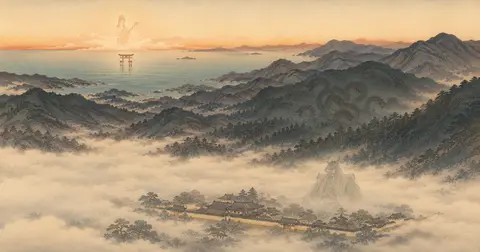
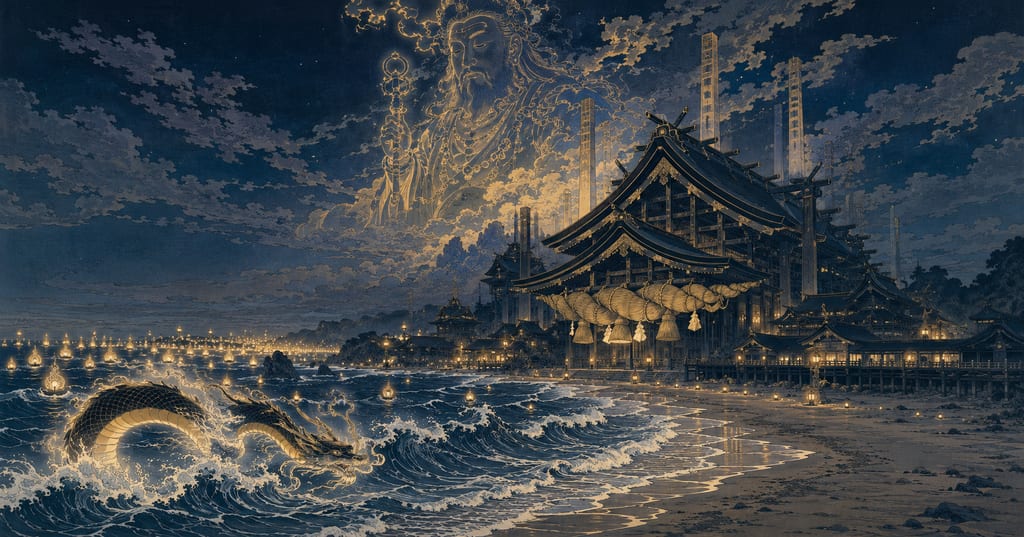
旧暦十月十日の夜、国譲り神話の舞台でもある稲佐の浜で神迎祭が斎行される。御神火を焚き、海の彼方から寄り来る八百万の神々を迎える ── このとき先頭に立って神々を導くのが龍蛇神である。神々は浜から「神迎の道」を通って出雲大社へと向かい、本殿東西の十九社 (じゅうくしゃ) に宿る。

旧暦十月十一日からの七日間、神々は縁結びをはじめとする人事·運命を「神議り (かむはかり)」にかけて決める。男女の縁も、人と人の縁も、この一週間に出雲で定まると信じられてきた。神議りの場は大社西方の上宮 (かみのみや) と伝わり、会議を終えた神々が各地へ発つのを送る神等去出祭 (からさでさい) は、近隣の万九千神社などでも斎行される。出雲大社の縁結び信仰の核心は、まさにこの神在祭にあるのだ。

#

常世国からの使い神

古来の日本では、神々は天から降るか、海の彼方の常世国·海神国から海を渡って来訪すると観念された。季節を違えず海から寄り来る龍蛇は、まさにこの常世·海神国からの使い神と見なされた。少彦名命が常世国へ去り、大国主が幽冥界の主となる ── 出雲神話の他界観と、龍蛇神の来訪は深く響き合っている。

漂着した龍蛇 (セグロウミヘビ) は出雲大社へ奉納され、出雲地方の民家でも神棚に祀る習慣が今日まで残る。出雲大社教では龍蛇神を火難·水難·盗難除けと招福の神使として崇敬する龍蛇神講が組織され、講員に神札が頒たれてきた。神使でありながら独立した崇敬対象となった点で、龍蛇神は出雲の神在信仰が生んだ固有の信仰形態だといえる。

風土記の出雲 ── もう一つの怪異

ここまでの三柱は記紀神話の神々だが、出雲には古代地誌『出雲国風土記』が伝える、より土俗的な怪異の記憶もある。天平五年 (七三三年) に出雲国造らが撰進したこの現存最古級の地誌は、大原郡阿用郷 (あようごう) の条に、田を耕す人を食らった「目一つの鬼」の伝承を載せる

神を統合し、海から来る神を迎える出雲は、その足元に、田畑を襲う一つ目の鬼の記憶もまた抱えている。神格の高い来訪神と、土地に根ざした古い怪異が同じ地誌の上に並ぶ ── この重層性こそ、神話が「歩ける土地」出雲の奥行きである。神在月の杜から一歩外へ出れば、そこには別の物語の地層が広がっている。より広い島根の怪異の見取り図は、島根県の妖怪事典 に詳しい。

結び ── 来訪の聖地として

出雲大社をめぐる三柱を貫くのは、「来る」という一語である。大国主は天孫に国を譲って幽冥界へ退き、目に見えぬ世界からこの世の縁を司る。少彦名命は海の彼方から舟で来て、また海の彼方へ去る。龍蛇神は毎年晩秋の海から這い上がり、全国の神々を先導して杜へ導く。

天と地、此岸と彼岸、海とその向こうの常世 ── その境を越えて神が訪れてくる場所、それが出雲だ。旧暦十月、人の知らぬところで縁が結ばれるという神議りの伝承は、千数百年を経た今も、縁結びを願う参拝客の足を絶やさない。神話と日常が地続きに重なる稀有なこの聖地で、神々は今年もまた、海の道を渡ってくる。
All yokai of Izumo Taisha3

Complete list of yokai linked to Izumo Taisha, including those not featured in the article above.

  • Sukunabikona

    Sukunabikona

    Divine

    sukunabikona

    The Tiny God of Wisdom and Nation-Building

    Divine Spirit / DeityIzumo Province (Present-day Shimane Prefecture) - The land where he and Okuninushi built the nation. Departed for Tokoyo-no-Kuni from Cape Miho.

    Sukunabikona is the "paired" deity who supported Okuninushi, the main god of Izumo Taisha, as his sole partner in nation-building. His divinity is fully realized not in isolation, but as one half of a pair with Okuninushi. The contrast between the massive earthly god (Kunitsukami) Okuninushi and his diminutive stature—small enough to ride in a milkweed pod boat—highlights their collaboration. His functions center on practical arts and civilization-building, such as medicine, incantations, agriculture, sake brewing, and hot springs. He left his mark beyond Izumo in the founding legends of hot springs like Dogo and Arima, as well as at Sukunahikona Shrine (the god of medicine in Doshomachi, Osaka), becoming a nationwide figure in medicine and hot spring worship. His departure, bouncing off a millet stalk to the Eternal Land, acts as the hinge connecting the myth to the arrival of Omononushi at Mt. Miwa, embodying the Izumo mythos structure where nation-building is achieved through the successive cooperation of multiple gods. His archetype of a small body with immense power is also the mythological origin of "tiny child" folktales like Issun-boshi.

  • Okuninushi no Kami

    Okuninushi no Kami

    Legendary

    Okuninushi no Kami

    Okuninushi no Kami, Lord of Izumo Myth and God of Matchmaking

    Deity / divine spiritIzumo Province, present-day Izumo, Shimane Prefecture / Izumo Taisha

    The many-named god and the gathering of local faith. The basic profile noted Okuninushi's many names; the deeper point is what such multiplicity means in religious history. Names such as Onamuchi, Okuninushi, Omononushi, Ashihara-shikoo, Yachihoko, Utsushi-kunitama, and Okunitama are often interpreted as traces of local land, agricultural, warrior, medical, and serpent cults absorbed into Okuninushi. When the Kojiki and Nihon Shoki were compiled in the early eighth century, the ritsuryo state needed a mythic structure that could relate central power to regional cults. The result was a paired mythology: the heavenly line of Takamagahara and Amaterasu, and the earthly line of Ashihara no Nakatsukuni and Okuninushi. The convergence of Izumo ritual lineages, Mount Miwa worship, and faiths from Inaba, Hoki, Koshi, Noto, Omi, and other regions makes Okuninushi a figure of religious, political, and geographic integration. The White Hare of Inaba as the origin of compassion and healing. The White Hare of Inaba is one of ancient Japan's most famous myths of compassion, medicine, and dialogue with animals. Washing the flayed hare in fresh water and applying cattail pollen can be read as a mythic form of herbal knowledge and ritual healing. The hare's prophecy that Yagamihime will choose Onamuchi rather than the powerful elder brothers presents an ethics of matchmaking: true connection comes not from force or appearance, but from inner compassion. This remains the ethical core of Izumo Taisha's matchmaking faith. Bonds are not random accidents; they are drawn by virtue. Trials in Ne no Katasukuni and the heroic descent to the underworld. Onamuchi survives Susanoo's trials in Ne no Katasukuni: the snake chamber, the chamber of centipedes and bees, and the field set on fire, all with Suseribime's help. In comparative mythology this belongs to the broad pattern of the hero's visit to the underworld, the overcoming of ordeals, and marriage to a woman from the other realm. Parallels are often drawn with heroic cycles such as Odysseus, Heracles, Sigurd, Nala, and Hou Yi. The Japanese version is especially striking because the trial comes from the father god, the marriage is with that god's daughter, and the hero leaves with both blessing and power, joining themes of patriarchy, generational succession, and otherworldly marriage. Land-making with Sukunabikona as a civilization myth. The joint work of Okuninushi and Sukunabikona forms a myth of civilization: medicine, agriculture, ritual healing, hot springs, and the techniques that make life possible. Sukunabikona is a tiny deity, said to be about the size of a thumb and clothed in a moth's skin, and he forms a sharp counterpart to the great land-lord Okuninushi. Myths of civilization around the world often pair figures of contrasting scale or character; they imagine culture as something born from cooperation. After Sukunabikona leaves for Tokoyo no Kuni, Omononushi appears and helps complete the land. The pattern suggests a world made not by one god alone, but through divine differentiation and collaboration. Kuniyuzuri as a religious expression of political integration. The yielding of the land translates the political integration of ancient central and regional powers into mythic form. Takamagahara presses its claim; Okuninushi consents; Izumo Taisha is built; he withdraws as lord of the unseen realm. This sequence is often read as a mythic reflection of the incorporation of Izumo's independent religious culture into the central ritsuryo order. The strength contest between Takemikazuchi and Takeminakata also links the story to Suwa worship and warrior-god traditions, showing how local cults were nested within the central mythic system. The legends of Izumo Taisha's immense ancient hall, forty-eight or ninety-six meters high, symbolize the extraordinary ritual compensation granted to Okuninushi after the yielding. Izumo Taisha and the faith of Kamiarizuki. Izumo Taisha, Kizuki Taisha, is one of ancient Shinto's great sacred centers, alongside Ise Jingu, and enshrines Okuninushi as its principal deity. The old tenth month is Kamiarizuki in Izumo, when the gods are present, and Kannazuki elsewhere, when the gods are absent. The belief that Japan's myriad gods gather in Izumo to discuss ties, destiny, and human affairs underlies the Kamiari Festival to this day. That ritual imagination supports Okuninushi's modern identity as god of matchmaking and fate. Even the contrast between "the month with gods" in Izumo and "the month without gods" elsewhere preserves an ancient religious geography in language itself. Daikokuten syncretism and Seven Lucky Gods worship. From the medieval period onward, Okuninushi merged with Daikokuten, the Buddhist Mahakala. The shared sound daikoku connected "great land" and "great black," allowing a land-making, healing, matchmaking deity to absorb the prosperity and mercantile power of early modern Daikokuten. As Seven Lucky Gods worship spread in the Edo period, Okuninushi entered popular life as Daikoku-sama, a god of flourishing trade, wealth, and harvest. Seen beside Benzaiten and the other lucky gods, he shows how ancient myth, early modern urban piety, and modern tourist religion remain linked across two millennia. Okuninushi in the twenty-first century: matchmaking and the Izumo brand. Today Okuninushi still draws enormous numbers of visitors as the principal deity of Izumo Taisha and as Japan's great god of relationships. His layers, matchmaking, healing, land-making, commerce, and fate, remain active in modern practices around marriage, life choices, business, divination, and travel. The "Izumo" image is built from all of these layers. Modern media, including games such as Okami and manga such as Demon Slayer, continue to reuse and reshape Izumo myth. Okuninushi is therefore a leading example of an ancient deity still narrated, visited, and consumed in contemporary culture.

  • Ryujashin

    Ryujashin

    Rare

    ryujashin

    Ryuja-sama, the Guiding Messenger of the Kamiari Festival

    Divine Spirit / DeityIzumo Taisha (Present-day Taisha-cho, Izumo City, Shimane Prefecture) - Divine messenger of the Kamiari Festival. Welcomed from the sea during the Kamimukae ritual at Inasa Beach.

    Ryujashin occupies a unique position as a "divine messenger" functioning within the specific ritual context of Izumo's Kamiari Festival. While general dragon gods (composite water deities governing water, rain, and the sea) are based on nationwide rain-making and rain-stopping beliefs, Ryujashin is strictly a functional deity acting as the guide for the eight million gods, limited to the Kamiari rituals of shrines like Izumo Taisha and Sada Shrine. Its essence is not an abstract concept of faith, but a real marine animal—the yellow-bellied sea snake—that actually washes ashore on the Izumo coast in late autumn. The perfect alignment of a natural phenomenon (warm-water sea snakes drifting on the Tsushima Current) with mythological time (the gathering of gods in the Kamiari month) forms the core of a rare seasonal ritual. The washed-ashore individuals are dedicated to the Grand Shrine, and through the Ryuja-ko of Izumo Taishakyo, it developed into an independent object of worship, with talismans distributed to the common people for protection against fire, water disasters, theft, and for good fortune. By visiting from the Eternal Land and the otherworld beyond the sea, it embodies the ancient worldview that saw Izumo as a passageway to the otherworld.

Read on ── other regions