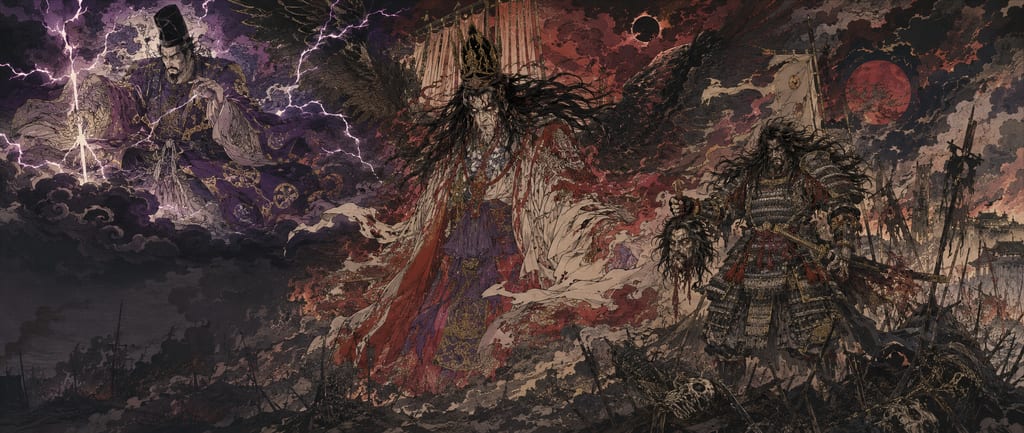
Japan’s Three Great Vengeful Spirits
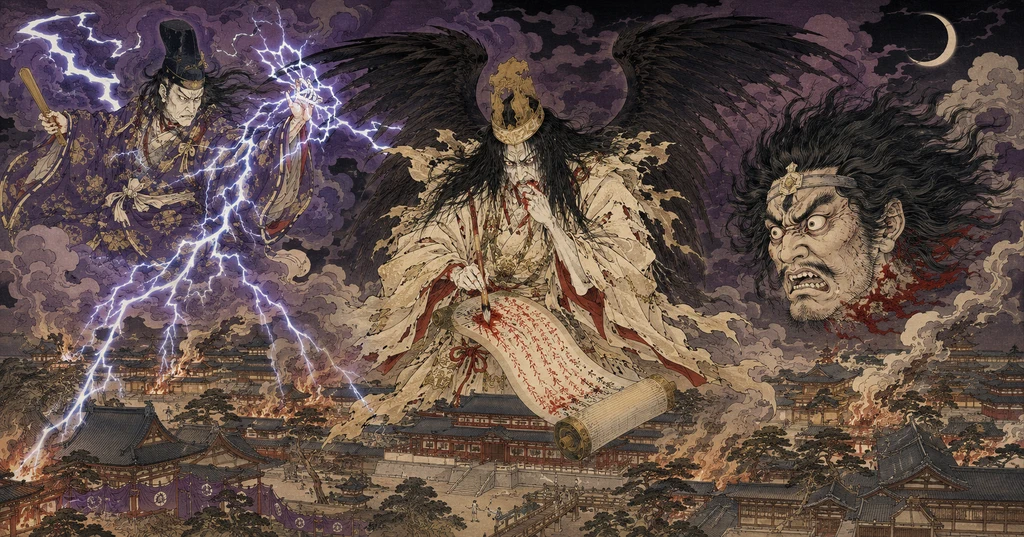
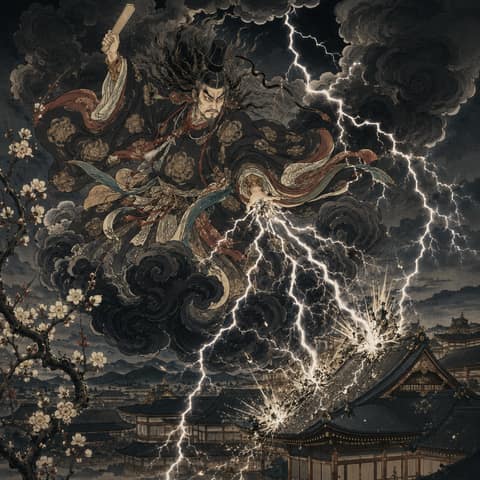
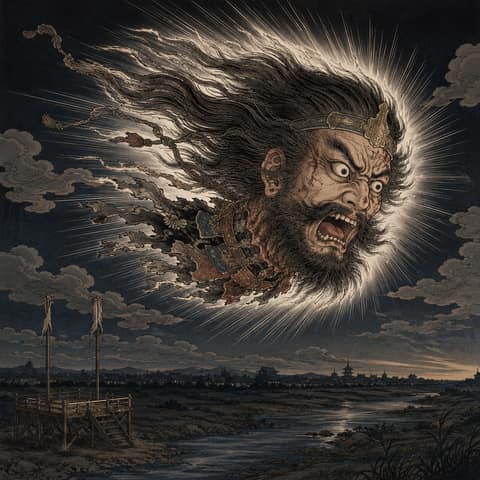
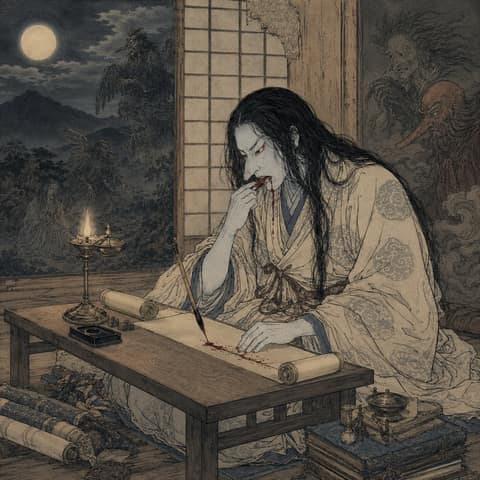
The word onryō—vengeful spirit—can send a chill down the spine. In Japan’s history, people long believed that souls who died with rage or deep regret could bring calamity to the living. Among them, three figures became legendary as the “Three Great Vengeful Spirits”: Sugawara no Michizane, Taira no Masakado, and Emperor Sutoku (Sutoku-in). All three met tragic ends amid political strife and were feared as onryō—yet over time they were enshrined as deities and came to be deeply revered. In the Edo period, their tales spread widely through popular culture like yomihon fiction and kabuki. Beyond frightening ghost stories, the idea of appeasing angry souls through worship took root and continues today. Michizane, once dreaded as a wrathful spirit of thunder and disaster, is now Tenjin, patron of scholarship beloved by students. Masakado is honored as a guardian of Edo at the Masakado Mound in central Tokyo. Emperor Sutoku is even called “the most fearsome spirit in Japanese history.” Feared yet venerated, these figures embody the paradoxical allure of Japan’s Three Great Vengeful Spirits.