
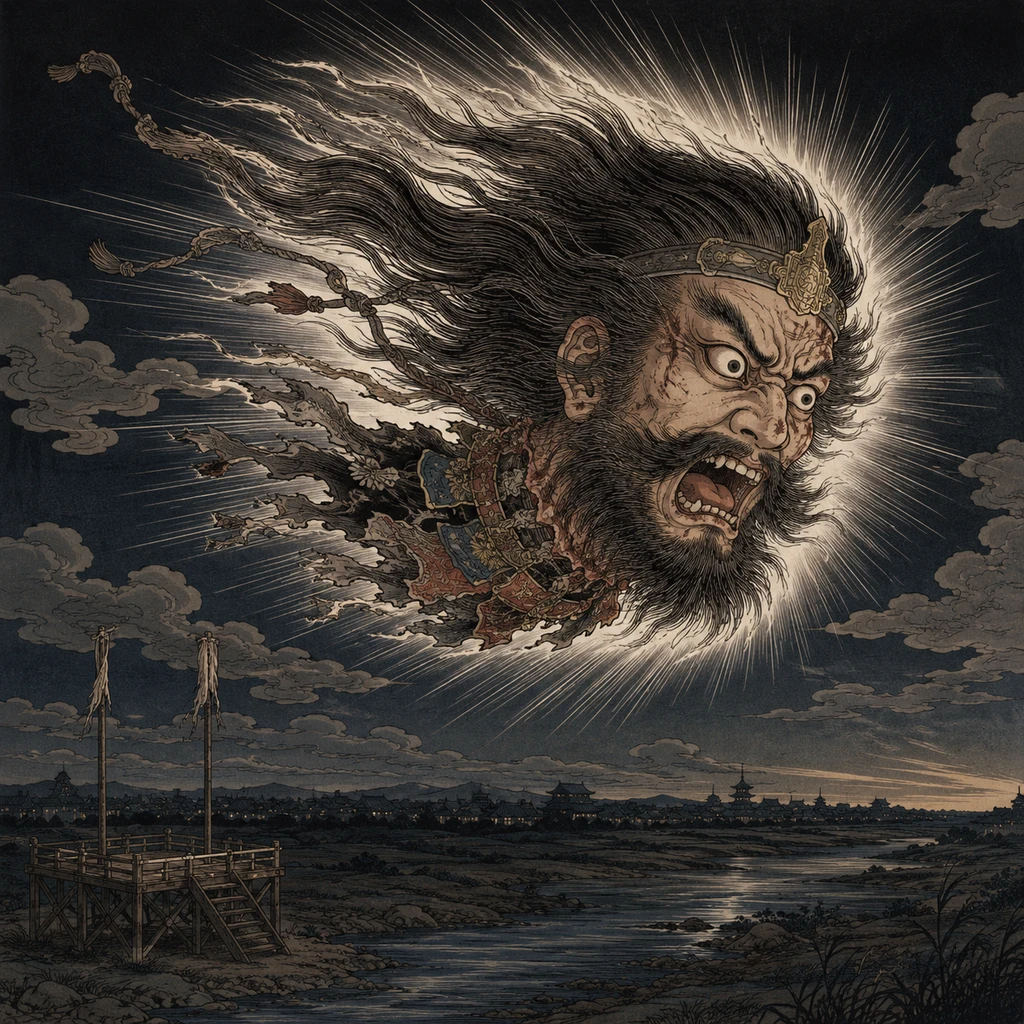
Taira no MasakadoMasakado, Goryō God of the Kantō
Taira no Masakado
Detailed Description
This edition follows in close detail—while fixing the boundary between history and legend—how a single Bandō warrior became the uncanny "flying head" and then turned into a god who guards Edo.
First, history and the uncanny must be separated. The revolt itself is conveyed by the near-contemporary Shōmonki[1], which records in classical Chinese the private feud beginning in 935, the subjugation of the Kantō provincial seats, the proclamation as New Emperor, and the death in battle in 940. But here there is no marvel of a flying head. The supernatural story of a head that would not rot, cried out, and flew appears only centuries later, in the Nanboku-chō-period Taiheiki[2], with anecdotal relays such as the Konjaku Monogatari-shū in between. It is in this later stratum of legend that Masakado is told as a "yokai."
The story of the curse around his head mound is newer still. The dread transmitted at the Masakado Grave-Mound[3] at Ōtemachi—"move it and it curses"—is a modern urban legend, layered onto events that occurred in the heart of the city in the Taishō and Shōwa eras: the deaths of those involved in building the Ministry of Finance's temporary office after the Great Kantō Earthquake, and the bulldozer accident during the Occupation. The factual events and the interpretation that attributes them to Masakado's curse must be carefully separated.
The path of deification, on the other hand, reaches back into the medieval age. In the second year of Enkyō (1309), the Ji-sect holy man Shinkyō Shōnin, who attributed a plague to Masakado's curse, pacified the spirit and added it to the enshrined deities of Kanda Myōjin[4]. This, like Michizane, is the textbook goryō belief of enshrining a raging vengeful spirit and turning it into a protecting god. The ups and downs—drawing the reverence of the people as the great tutelary of Edo, being removed from the enshrined deities as a traitor in the Meiji era, and being restored at the end of Shōwa—also reflect well the duality of the image of Masakado as a hero who rebelled against the throne. In later ages, the story of his daughter Princess Takiyasha commanding a giant skeleton won popularity in kabuki and popular fiction and was depicted in Utagawa Kuniyoshi's "The Old Palace at Sōma"; it should be noted that this is a derivative starring the daughter, not Masakado himself.
Source Information
種類全体の出典primary
神田明神(神田神社)
著者: (江戸総鎮守)
年代: 1309勧請
出版社: 東京都千代田区外神田
種類全体の出典primary
将門塚(首塚)
著者: (東京都指定史跡)
年代: 940〜
出版社: 東京都千代田区大手町
種類全体の出典primary
将門記
著者: (作者未詳)
年代: 11世紀頃
出版社: (日本最古の軍記物語・漢文)
種類全体の出典primary
太平記
著者: (編者未詳・小島法師らと伝わる)
年代: 14世紀後半(南北朝〜室町初期)
出版社: (軍記物語)
種類全体の出典reference
怨霊とは何か(日本三大怨霊の研究)
著者: 山田雄司
年代: 2014
出版社: 中公新書ほか
バージョン固有出典 (関東の御霊神・平将門)reference
神田明神(神田神社)
著者: (江戸総鎮守)
年代: 1309勧請
出版社: 東京都千代田区外神田
バージョン固有出典 (関東の御霊神・平将門)reference
将門塚(首塚)
著者: (東京都指定史跡)
年代: 940〜
出版社: 東京都千代田区大手町
バージョン固有出典 (関東の御霊神・平将門)reference
将門記
著者: (作者未詳)
年代: 11世紀頃
出版社: (日本最古の軍記物語・漢文)
バージョン固有出典 (関東の御霊神・平将門)reference
太平記
著者: (編者未詳・小島法師らと伝わる)
年代: 14世紀後半(南北朝〜室町初期)
出版社: (軍記物語)
Personality
Valiant and deeply righteous, he aspired to the independence of Bandō. Out of his unfulfilled death he works a curse, but once pacified he guards the land.
Compatibility
Those who hold to independence and self-reliance, those who pray for martial and commercial fortune, those who resist an unjust stigma
Abilities & Skills
Weaknesses
The curse softens through reverent pacification and worship / the restoration of honor and deification calm the wrath / it is feared that treating the head mound carelessly brings a curse
Collection Inclusion
This yokai is included in the following collections:
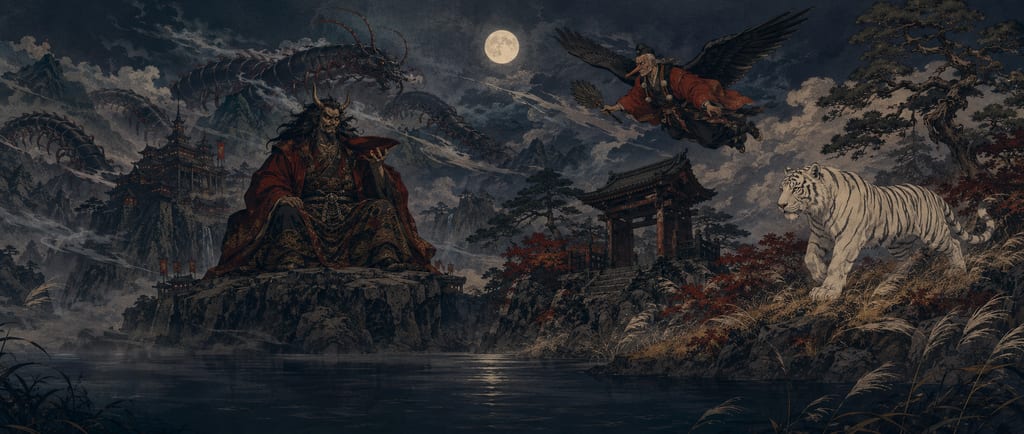
Cool Yokai | Japanese Folklore through Power, Speed, and Monstrous Beauty
Discover 68 cool yokai like Shuten-doji, Tengu, and Nine-Tailed Fox. Explore their charm through power, speed, majestic presence, monstrous beauty, and folklore.
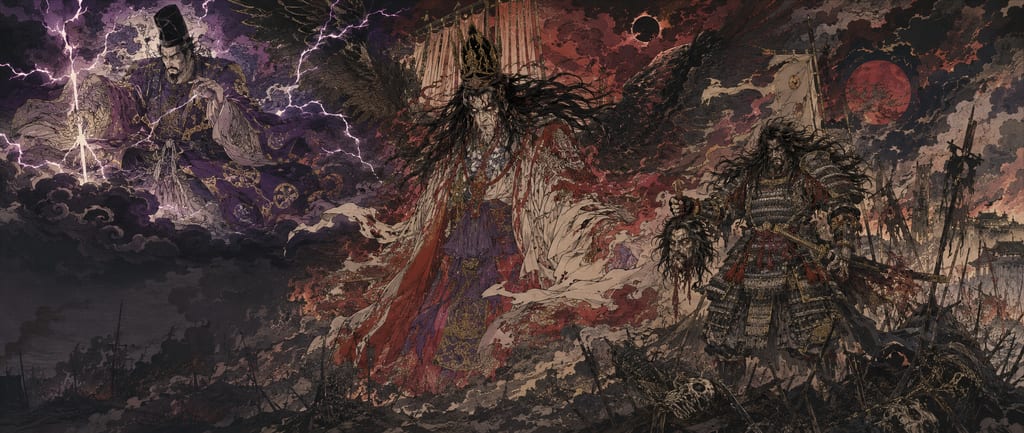
Japan’s Three Great Vengeful Spirits
Sugawara no Michizane, Taira no Masakado, and Emperor Sutoku—Japan’s Three Great Vengeful Spirits feared as onryō and later revered as deities.
診断評価
妖怪バウンダリー・タイプ指標
いたずら濃度
1.0high: 戯 low: 護
📝 メモ
祟りを成すが、鎮められれば土地を守る両義性がある
変化適応
3.0high: 化 low: 定
📝 メモ
武者から飛ぶ首・怨霊・御霊神へ変じる
夜話度
2.0high: 夜 low: 昼
📝 メモ
首が夜ごと叫ぶ伝説を持つ
情の深さ
3.0high: 縁 low: 境
📝 メモ
首塚・関東・無念の死に深く結びつく
結界強度
3.0high: 律 low: 流
📝 メモ
首塚を粗略に扱うと祟るなど聖域の境界が強い
表舞台圧
3.0high: 表 low: 影
📝 メモ
新皇を称し、飛ぶ生首や御霊神として強く顕れる
妖怪相性診断
喜び
2.0喜びと楽しさの程度
📝 メモ
喜悦や遊興の要素は伝承上乏しく、功徳はあるが感情表出としての喜びは低い。
怒り
8.5怒りの激しさの程度
📝 メモ
不敬・破壊に対する祟りや報復の側面が強く、怒りのエネルギーが核。
慈悲深い
5.0慈悲深さの程度
📝 メモ
誠実に祀る者には加護を与えるが、無差別の慈悲ではなく応報的。中程度。
憂鬱
6.5憂鬱で思慮深い程度
📝 メモ
非業の死と怨霊化、御霊としての鎮魂の文脈に哀切が伴う。
静寂
4.5内なる平静の程度
📝 メモ
鎮護により静められた面はあるが、根底に怨念性が残るため高くはない。
いたずら好き
1.0いたずら好きで活発な程度
📝 メモ
悪戯的性質はほぼ見られず、儀礼的・厳粛な性格。
やさしい
2.5やさしく親しみやすい程度
📝 メモ
庶民守護の面はあるが、基本は畏れ敬う対象で親しみやすさは低い。乱暴に扱うと祟る二面性から低めに設定。
厳格
8.0厳格で真面目な程度
📝 メモ
由緒や禁忌を重んじ、不敬には厳しく応報するため厳格。
守護的
8.5他者を守る傾向
📝 メモ
江戸城下の鎮護、武運・商運の加護など守護神格としての機能が強い。
神秘的
9.0神秘的で不思議な程度
📝 メモ
首が叫び白光となって飛ぶ首塚伝承など超自然的逸話が豊富で神秘性が極めて高い。
霊性の深さ
9.2精神的境界の深さ
📝 メモ
御霊信仰・鎮魂・土地神格化が重層的に絡むため霊性的深みが非常に大きい。
Similar Yokai
Yokai with similar personality and characteristics to Masakado, Goryō God of the Kantō
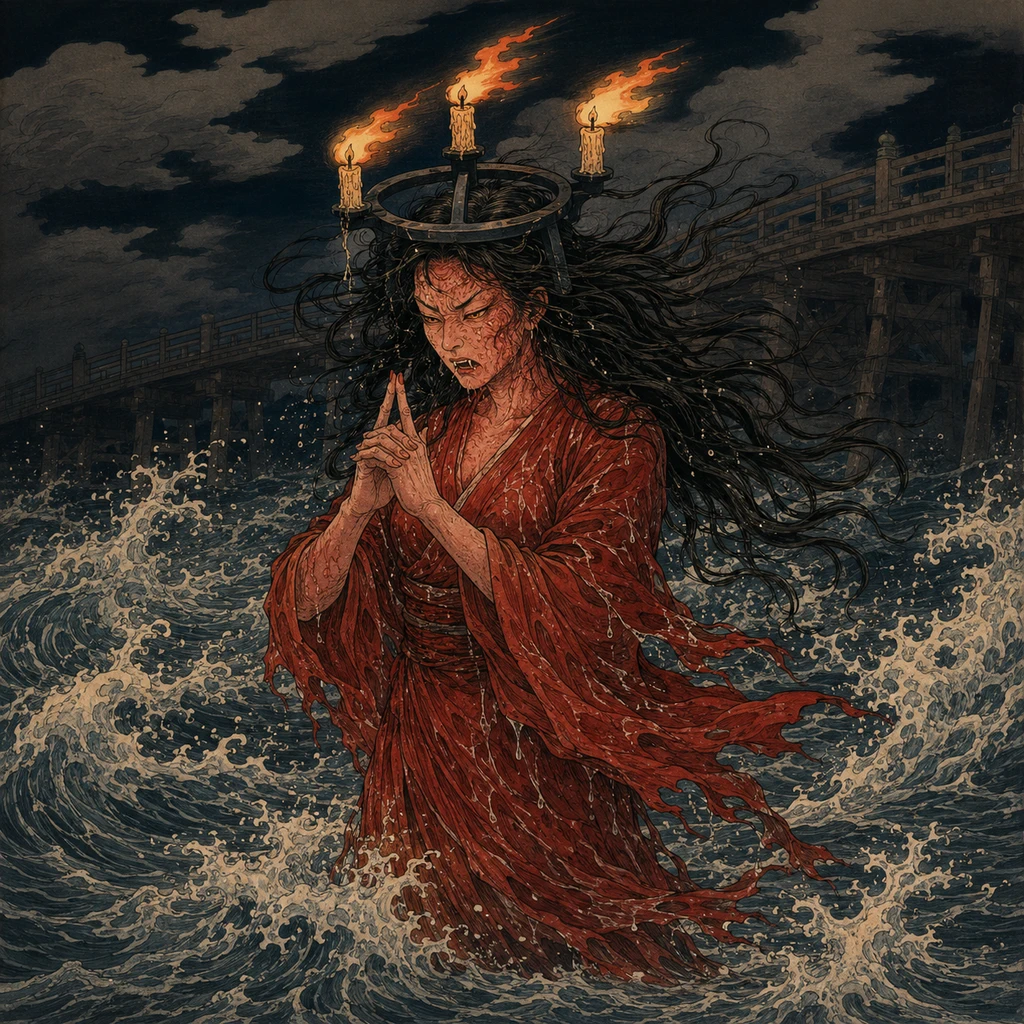
Opposite Yokai
Yokai with opposite personality and characteristics to Masakado, Goryō God of the Kantō
🔮Test your compatibility with Taira no Masakado now!
Analyze your personality and values to get a detailed compatibility rating with this yokai.
Free, simple, and results in just minutes.
Like this yokai?
Visit a shrine to discover your guardian yokai