

Shichinin MisakiThe Seven Phantoms of Tosa
shichinin-misaki
Detailed Description
The Deep Religious History of the "Misaki" Concept. While the basic overview touches upon the distribution of Shichinin Misaki, this deep dive explores the religious and historical undercurrents of the term "Misaki" itself. Written in kanji with characters meaning "vanguard" or "cape," "Misaki" originally denoted a divine attendant acting as the "herald or vanguard of a primary deity" in ancient Japan. Entities like the Kumano Misaki and Inari Misaki were recognized as orthodox heralds in shrine rituals. The folkloric evolution of this concept—transforming into "possessing collective spirits that cause illness" in the folk beliefs of western Japan—is profoundly fascinating. The shift in meaning from "herald gods" to "cursing collectives" physically embodies the historical stratification of ancient Ritsuryo-system Shinto, medieval Goryo (vengeful spirit) worship, and early modern folk belief.
Global Comparison of Collective Spirits. "Multiple spirits acting collectively" like the Shichinin Misaki have parallels worldwide. The Lemures of ancient Rome (spirits appeased during May festivals), the Erinyes of ancient Greece (the three Furies), the Draugr hordes of Norse mythology, the "Yexing Shen" (Night-walking gods) of China, and the "Chilseong Shin" (Seven Star Gods) of Korea show that collective spirit lore developed globally from antiquity through the Middle Ages. However, the "fixed-number reincarnation structure" of Shichinin Misaki is structurally aberrant. It surpasses simple ghost stories, embodying an ancient societal imagination regarding the "eternal exchange between the dead and the living," making it a highly significant subject for comparative religious studies.
Sengoku Samurai Tragedy and Spectral Transformation. The most famous lineage of Shichinin Misaki—the tragedy of Lord Kira Chikazane and his retainers—is the ultimate expression of collective suicide, martyrdom, and the lord-vassal bond among Sengoku-era samurai. Chikazane's forced seppuku after angering Chosokabe Motochika is a textbook case of "internal clan strife over succession, purging by a lord's wrath, and the martyrdom of retainers." The structure of "a lord and his seven men sharing their fate" encapsulates the essence of Japanese samurai ethics. The continuation of this bond after death as a collective spirit reveals how folkloric imagination repurposed the extreme tragedy of Sengoku samurai society into post-mortem grudges.
The Magic of Hiding Thumbs: East Asian Funerary Rites. The defensive spell against Shichinin Misaki—"hiding the thumbs inside the fists"—is an ancient physical reflex common across East Asian (China, Korea, Japan) funerary and magical cultures. It was believed that in places heavily associated with death (funeral processions, graveyards, night roads, crossroads), evil spirits could invade the body through the thumbnails (ancient Japanese believed the soul resided in the nails). This reflects a shared ancient East Asian view of the body, where "the thumb is the center of the body and the seat of the soul." This connection proves that "Shikoku yokai legends" are not isolated provincial folklore, but vital research materials inextricably linked to the broader East Asian religious network.
Medieval Goryo Worship and the Uniqueness of Western Japan. The structure of pacifying collective spirits, building shrines for them, and inheriting their rituals is seen throughout medieval Japan. So why did it develop so strongly in western Japan (Shikoku, Chugoku, Seto Inland Sea, northern Kyushu)? During the Heian and medieval periods, western Japan was the hub of maritime trade with the Korean Peninsula and the continent, making it a cultural sphere heavily infused with continental Daoism, Buddhism, and folk beliefs. Furthermore, as the periphery of the central court (Kyoto/Nara) dominated by aristocrats and elite monks, regional adaptations of Goryo worship, magic, and festivals thrived. The concentration of collective spirit lore like Shichinin Misaki in western Japan reflects this ancient and medieval cultural and religious geography.
Natsuhiko Kyogoku and Modern Yokai Literature. Natsuhiko Kyogoku's *Jorougumo no Kotowari* (1996) reconstructs the collective spirit lore of western Japan as modern mystery, folkloric critique, and philosophical inquiry. Through his protagonist Akihiko Chuzenji (an antiquarian bookseller, Shinto priest, and folklorist), Kyogoku decodes Shichinin Misaki using modern perspectives: "yokai as the shadow of the mind" and "collective spirits as communal memory." As the flagship example of how post-war literature and modern horror reconstruct historical folklore with academic rigor, Shichinin Misaki—fueled by Komatsu's Goryo research and Kyogoku's literary decoding—remains a core engine driving 21st-century yokai studies.
Shichinin Misaki in the 21st Century: Tourism and Academia. Today, Shichinin Misaki is actively sustained through Kochi tourism, the Shikoku Pilgrimage, paranormal media, and local history research. Kira Shrine and the memorial towers of Chikazane and his retainers are preserved as local cultural assets, spotlighting the "Shichinin Misaki of Tosa" as a representative folk heritage of Shikoku. Simultaneously, at the intersection of folkloric research and modern pop culture, they survive as "active" folkloric entities. It is one of the few collective spirit legends carrying a five-fold cultural lineage: Sengoku samurai tragedy → Medieval Goryo worship → Early modern folk belief → Modern tourism/literature → Academic research.
Source Information
種類全体の出典primary
吉良神社 (希節大明神) ── 吉良親実主従の鎮魂神社
著者: 高知市春野町西分·吉良神社
年代: 天正 16 年 (1588 頃) 吉良親実切腹·近世初期に勧請·現代も祭祀継承
出版社: 高知県高知市春野町西分
種類全体の出典primary
絡新婦の理 (じょろうぐものことわり)
著者: 京極夏彦
年代: 1996
出版社: 講談社
Personality
Possesses no individual persona; they are a collective entity where seven spirits operate seamlessly as one. They harbor the ruthlessness to indiscriminately inflict high fevers and sudden death upon anyone encountered at crossroads or twilight boundaries, paired with the strict religious mechanics of their circulatory system where "cursing one person guarantees enlightenment for one spirit."
Compatibility
Deeply affiliated with those who sympathize with the tragedy of the Sengoku warlord Kira Chikazane, those who preserve medieval Goryo worship, the Shikoku Pilgrimage, and regional festivals of western Japan. Resonates profoundly with scholars of collective memory and religious history, and with those who instinctively understand the physical sensation of the ancient spell of "hiding one's thumbs."
Abilities & Skills
Weaknesses
The ancient spell of hiding the thumbs inside clenched fists (Shunan City, Yamaguchi). Spiritual barriers constructed using salt, rice, and paper talismans. The chanting of Buddhist prayers like the Nenbutsu. Pacification through shrine worship, memorial towers, and Buddhist services, particularly the permanent pacification system established through generational rites like those at Kira Shrine.
診断評価
妖怪バウンダリー・タイプ指標
いたずら濃度
1.0high: 戯 low: 護
📝 メモ
無差別に高熱や急死を招くが悪戯より祟り
変化適応
0.0high: 化 low: 定
📝 メモ
集合霊の成員循環はあるが変身ではない
夜話度
2.0high: 夜 low: 昼
📝 メモ
夕暮れや路上の死霊群で夜寄り
情の深さ
3.0high: 縁 low: 境
📝 メモ
一人殺すと新たな一員にする人数固定の執着が強い
結界強度
3.0high: 律 low: 流
📝 メモ
辻や夕暮れの境界域と鎮魂祭祀に縛られる
表舞台圧
1.0high: 表 low: 影
📝 メモ
七人の怨霊群として路上で遭遇し病をもたらす
妖怪相性診断
喜び
0.0喜びと楽しさの程度
📝 メモ
純粋な怪異であり喜びの感情はない
怒り
6.0怒りの激しさの程度
📝 メモ
目を付けた相手を執拗に追い詰める悪意
慈悲深い
0.0慈悲深さの程度
📝 メモ
情け容赦のない怪異
憂鬱
5.0憂鬱で思慮深い程度
📝 メモ
不気味で陰湿な付き纏い
静寂
2.0内なる平静の程度
📝 メモ
異常な笑い声を発し平穏さはない
いたずら好き
6.0いたずら好きで活発な程度
📝 メモ
「ぽぽぽぽ」と笑いながら相手をからかうような不気味な遊び心
やさしい
0.0やさしく親しみやすい程度
📝 メモ
優しさはなく数日で命を奪う
厳格
0.0厳格で真面目な程度
📝 メモ
規律や厳格さは持たない
守護的
0.0他者を守る傾向
📝 メモ
守護的な面は全くない
神秘的
10.0神秘的で不思議な程度
📝 メモ
2.4メートルの異常な長身、奇妙な笑い声など極めて謎めいている
霊性の深さ
7.0精神的境界の深さ
📝 メモ
地蔵の結界を破るほどの強力な呪術的力を持つ
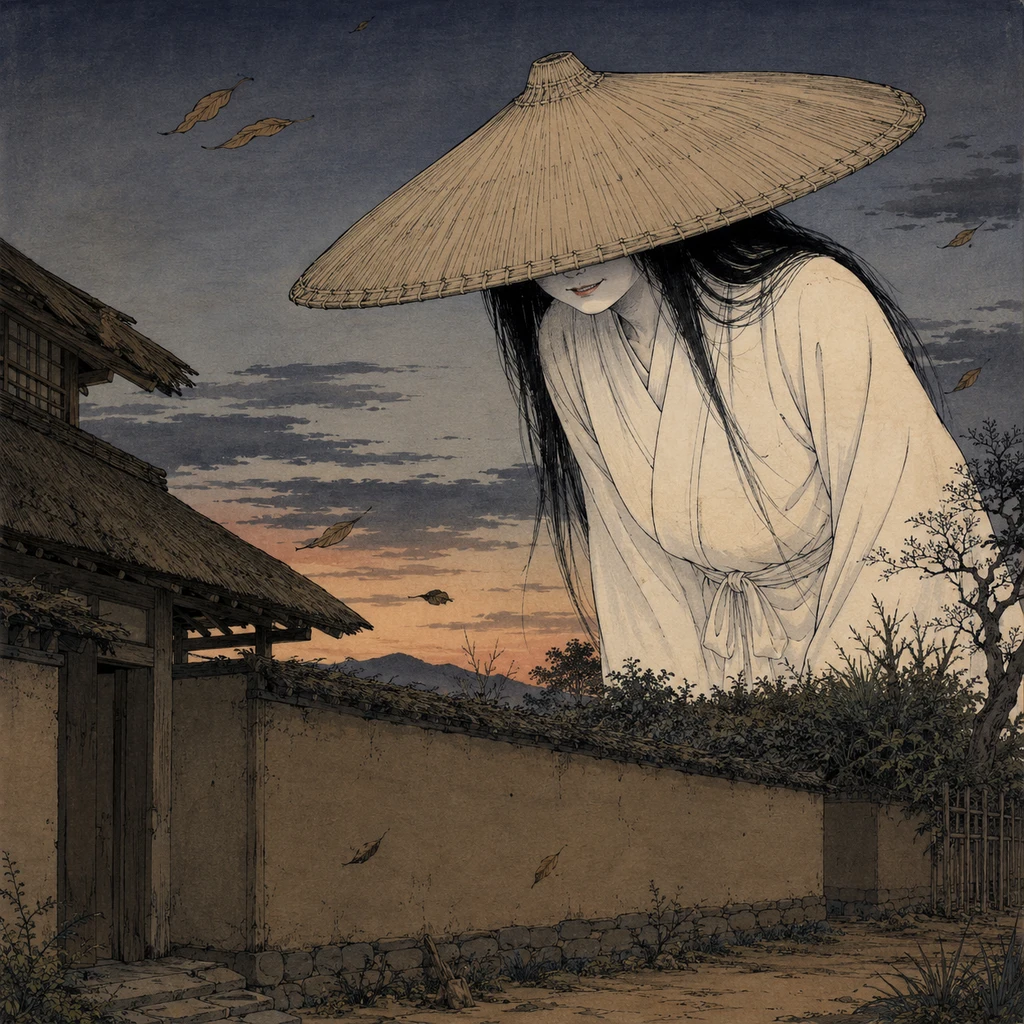
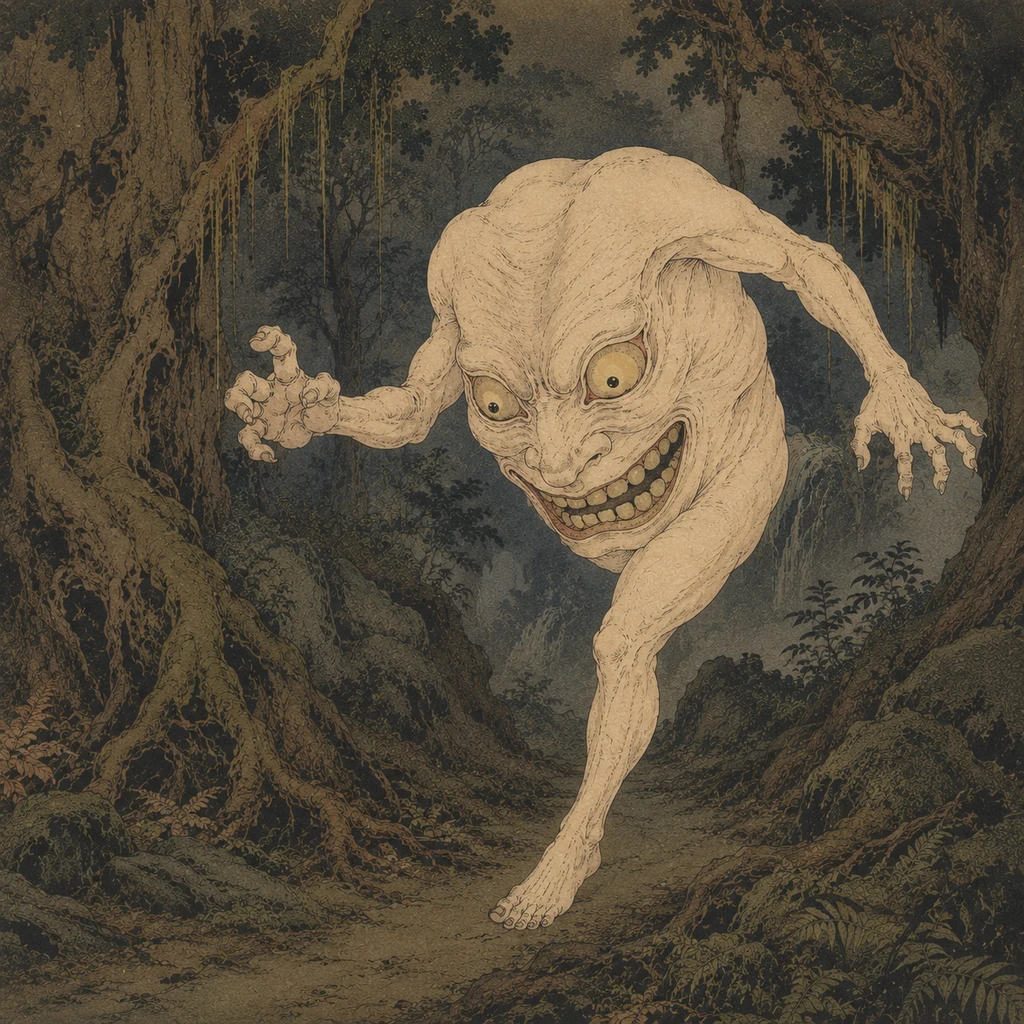
Similar Yokai
Yokai with similar personality and characteristics to The Seven Phantoms of Tosa

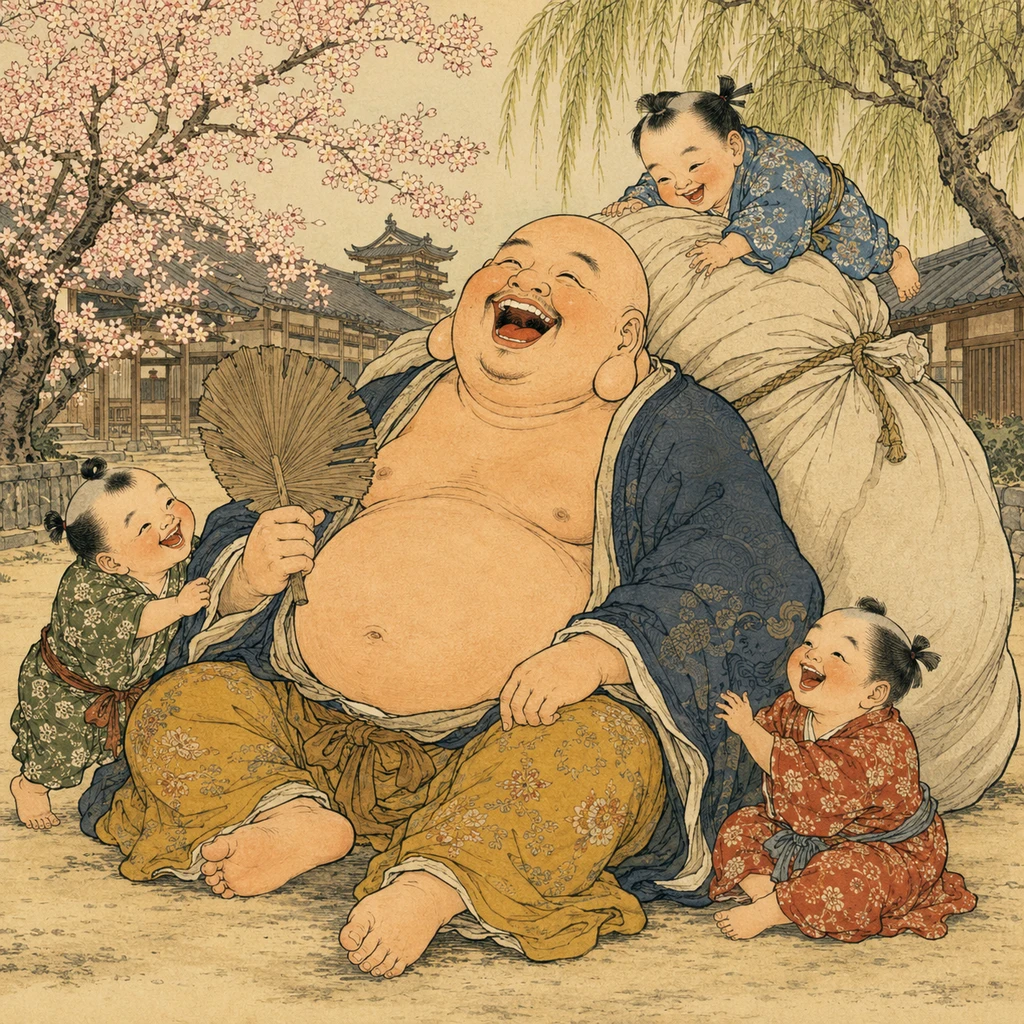
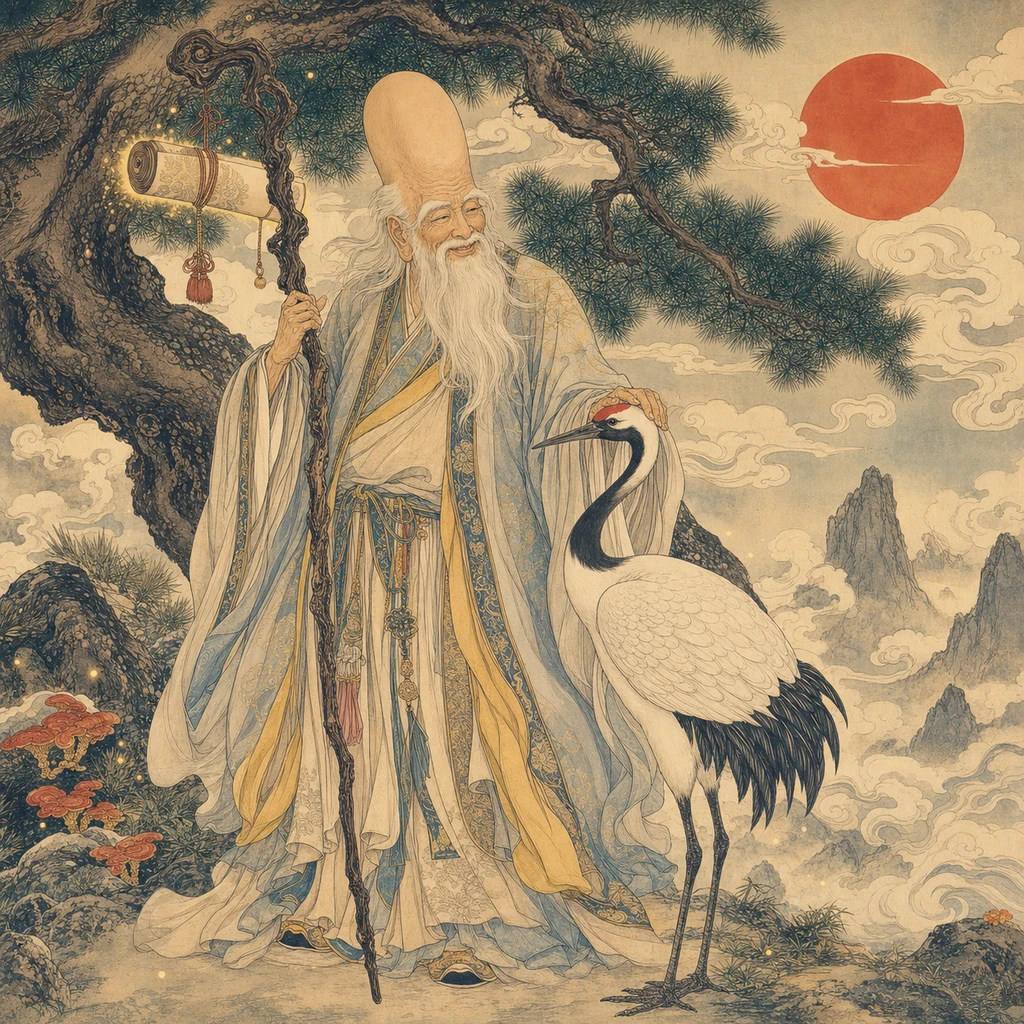
Opposite Yokai
Yokai with opposite personality and characteristics to The Seven Phantoms of Tosa
🔮Test your compatibility with Shichinin Misaki now!
Analyze your personality and values to get a detailed compatibility rating with this yokai.
Free, simple, and results in just minutes.
Like this yokai?
Visit a shrine to discover your guardian yokai