Ningyo and the Tales of Immortality
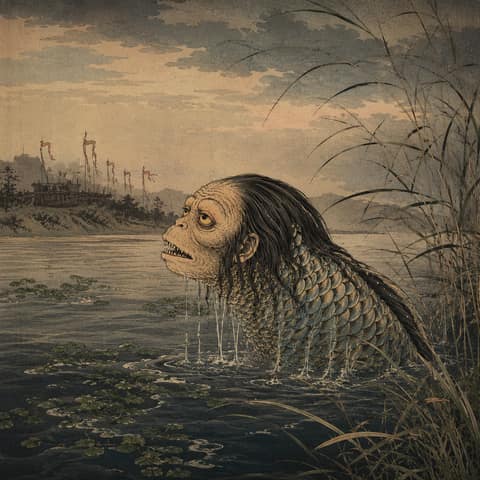
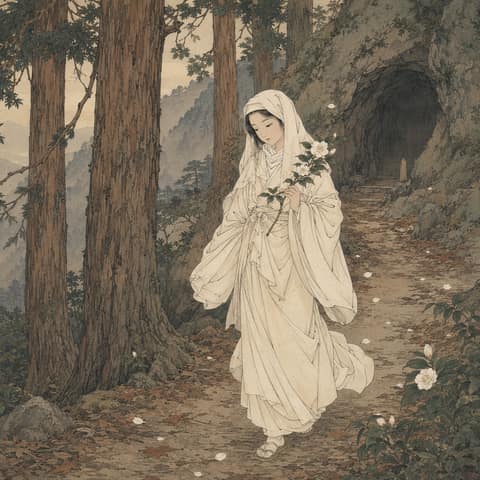
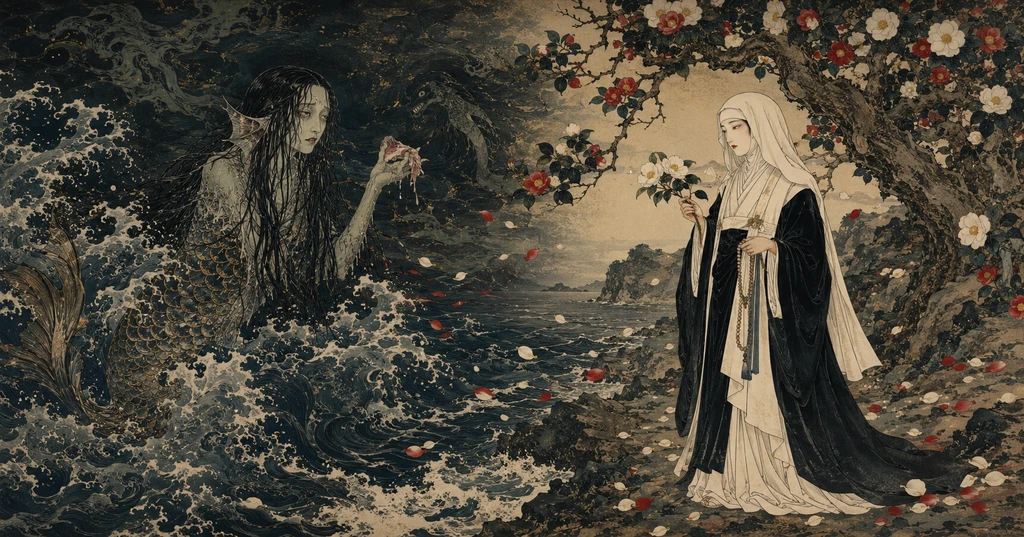
This cluster bundles the ningyo, which evolved through many layers from the earliest records in the Nihon Shoki (Suiko 27, 619 CE) in Ōmi and Settsu to the late-Edo Amabie lineage, with Yao-bikuni, who ate ningyo flesh and lived to 800. At its core stands the passive-immortality tale: 'A father brings home flesh from the otherworld; his daughter unwittingly eats it.' The cluster combines the ningyo's evolving form—from ill omen (ancient and medieval) to mummy fakes and Western-style beauty (Edo) to oracular prophet-beasts and the Amabie lineage (late Edo)—with the Wakasa Kūinji entombment cave and the 166 nationwide Yao-bikuni traditions. It is a rare narrative system in which Japanese folk culture independently developed the universal question: 'Is immortality a blessing or a curse?'