
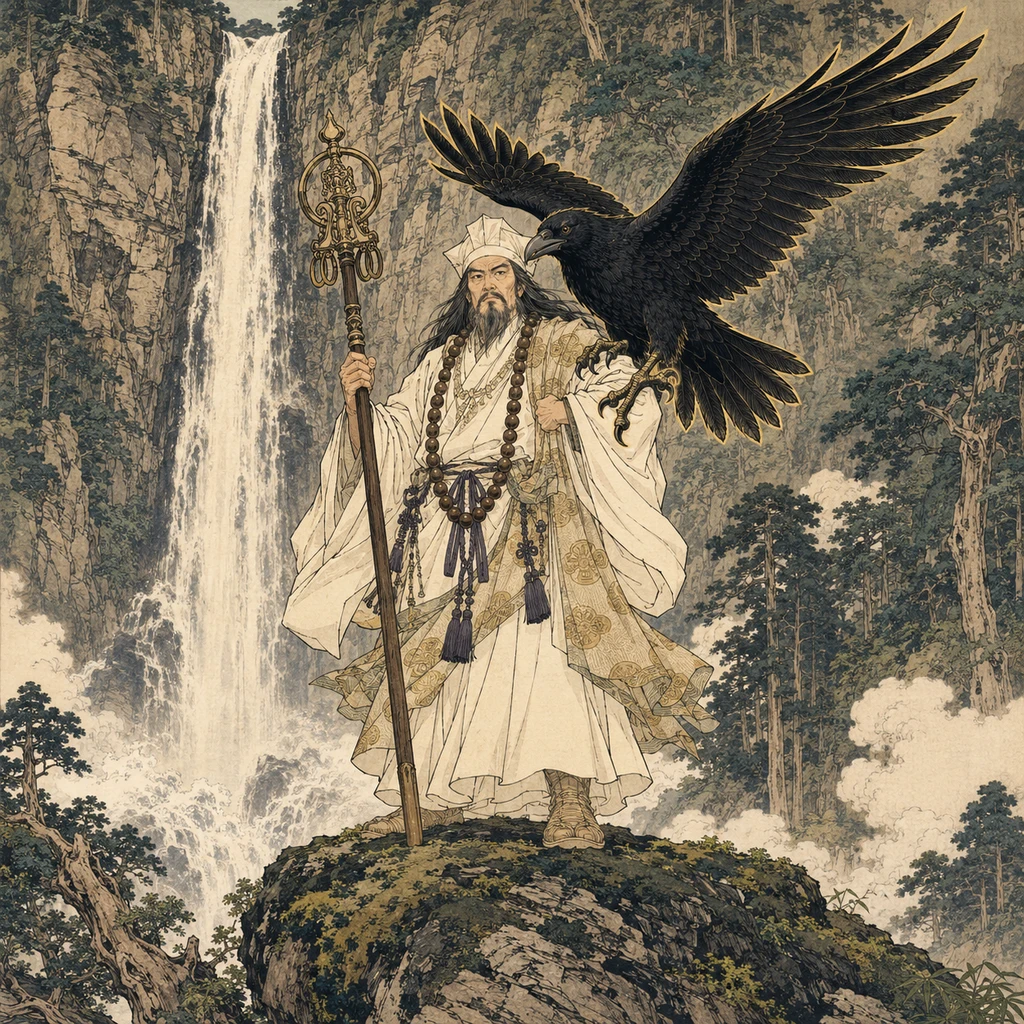
Kumano GongenThe Three Mountains Syncretized: Kumano Gongen
kumano-gongen
Detailed Description
The Perfected Form of Honji Suijaku. Kumano Gongen is the most elaborately systematized example of "Honji Suijaku," the Japanese philosophy of Shinto-Buddhist syncretism. Each of the main deities of the Kumano Sanzan was assigned a Buddhist "original ground" (Honji Butsu). For instance, Ketsumimiko-no-Okami of Hongu was identified as Amida Nyorai; Kumano Hayatama-no-Okami of Hayatama Taisha as Yakushi Nyorai; and Kumano Fusumi-no-Okami of Nachi Taisha as Senju Kannon (Thousand-Armed Avalokitesvara). Consequently, a pilgrimage to Kumano functioned as a complete salvation system spanning the past, present, and future: erasing the sins of past lives (Yakushi), gaining benefits in this world (Senju Kannon), and securing a promise of rebirth in the Pure Land in the next life (Amida).
Institutionalization and Networks of Shugendo. Kumano is one of the birthplaces of Shugendo, and rather than just a place of prayer, it was a rigorous training ground. From the medieval period onward, Shugendo developed into massive religious organizations such as the Honzan-ha (Tendai sect lineage) and Tozan-ha (Shingon sect lineage), building a nationwide network backed by the religious authority of Kumano. The establishment of "Kumano Shrines" (Junisho Gongen) in various regions was the result of propagation activities through this network of ascetics. The fact that thousands of these shrines still exist nationwide today demonstrates the deep penetration of Kumano Gongen into local communities.
The Religious Nature of the "Path" Itself. When discussing the Kumano Gongen faith, the existence of the "Kumano Kodo" (Kumano Ancient Trail) cannot be overlooked. The journey to Kumano was extremely arduous, dotted with numerous small shrines called "Tsukumo Oji." Pilgrims were not merely aiming for a destination; the act of walking the treacherous mountain paths and enduring hardships was itself considered ascetic training to extinguish sins (Dochu Shugyo). Even from the perspective of modern public history, the Kumano Kodo retains its value not just as historical heritage, but as a "space to practice faith" where one purifies the mind using one's own body.
Source Information
種類全体の出典primary
蟻の熊野詣で·院政期上皇熊野御幸
著者: 日本中世史·上皇御幸記録
年代: 11-13 世紀
出版社: 神社·世界遺産·修験道·中世史
種類全体の出典primary
補陀洛渡海·那智の捨身行
著者: 補陀洛山寺·中世日本仏教史
年代: 868~1909
出版社: 神社·世界遺産·修験道·中世史
種類全体の出典primary
本地垂迹·熊野三所権現の本地仏
著者: 平安後期神仏習合理論
年代: 11-12 世紀
出版社: 神社·世界遺産·修験道·中世史
種類全体の出典primary
熊野古道·紀伊山地の霊場と参詣道·UNESCO 世界遺産
著者: ユネスコ·和歌山県·三重県
年代: 2004 年 7 月 7 日登録
出版社: 神社·世界遺産·修験道·中世史
種類全体の出典primary
熊野三山·本宮·新宮·那智
著者: 熊野三山公式·神社本庁
年代: 古代~現代
出版社: 神社·世界遺産·修験道·中世史
種類全体の出典primary
修験道·大峯奥駈道·熊野修験
著者: 役小角伝承·修験道史
年代: 伝 7-8 世紀~
出版社: 神社·世界遺産·修験道·中世史
種類全体の出典primary
鈴木氏·穂積氏·熊野神官氏族
著者: 物部氏系·熊野速玉大社社家史
年代: 古代~中世
出版社: 神社·世界遺産·修験道·中世史
種類全体の出典primary
八咫烏·神武東征の道案内·JFA エンブレム
著者: 『日本書紀』『古事記』·『新撰姓氏録』
年代: 記紀·平安期·1931
出版社: 神社·世界遺産·修験道·中世史
Personality
Possesses a primal strength that seems to embody the fury of raw nature, combined with an ocean-like, boundlessly deep compassion that accepts everyone equally, regardless of their past or any impurities they bear.
Compatibility
Open to all who seek salvation, irrespective of status, gender, or state of purity. For those who suffer from their own sins and impurities and strongly desire regeneration (rebirth), it is the ultimate sanctuary.
Abilities & Skills
Weaknesses
Because it accepts all sentient beings without discrimination, it is difficult to monopolize as the exclusive object of faith for privileged classes. Additionally, it suffered severe organizational blows due to the government orders separating Shinto and Buddhism and abolishing Shugendo during the Meiji period.
診断評価
妖怪バウンダリー・タイプ指標
いたずら濃度
-3.0high: 戯 low: 護
📝 メモ
罪障を浄化し、過去・現在・未来にわたり衆生を救済する。
変化適応
1.0high: 化 low: 定
📝 メモ
神仏習合で複数の本地仏を帯びるが、変身妖ではない。
夜話度
0.0high: 夜 low: 昼
📝 メモ
浄土や死後世界に関わるが、夜の出没神ではない。
情の深さ
2.0high: 縁 low: 境
📝 メモ
穢れある者も分け隔てなく受け入れる慈愛と参詣の縁が濃い。
結界強度
3.0high: 律 low: 流
📝 メモ
熊野三山という神域と修験の聖地秩序を強く保つ。
表舞台圧
3.0high: 表 low: 影
📝 メモ
熊野三山と那智の滝など圧倒的な聖地景観として人を迎える。
妖怪相性診断
喜び
6.0喜びと楽しさの程度
📝 メモ
蘇りと救済による人々の喜びを象徴する。
怒り
5.0怒りの激しさの程度
📝 メモ
大自然の猛威を体現する根源的な力強さも併せ持つ。
慈悲深い
10.0慈悲深さの程度
📝 メモ
「誰一人として見捨てない」という絶対的な慈悲と包摂性。
憂鬱
4.0憂鬱で思慮深い程度
📝 メモ
死者の霊が向かう黄泉・他界としての静かな側面。
静寂
8.0内なる平静の程度
📝 メモ
海のように広く深い包容力と平安。
いたずら好き
1.0いたずら好きで活発な程度
📝 メモ
難行苦行を伴う修験の聖地であり、遊び心はない。
やさしい
9.0やさしく親しみやすい程度
📝 メモ
男女や病者など、一切の差別なく全てを受け入れる深い愛。
厳格
4.0厳格で真面目な程度
📝 メモ
修験の厳しさはあるが、神格としては穢れを問わず受け入れるため寛容。
守護的
10.0他者を守る傾向
📝 メモ
三世にわたる完全な救済システムとして機能する守護力。
神秘的
8.0神秘的で不思議な程度
📝 メモ
黄泉と浄土が交錯する境界の空間としての不可思議さ。
霊性の深さ
10.0精神的境界の深さ
📝 メモ
本地垂迹説の完成形であり、過去・現在・未来を救う絶対的な聖地。
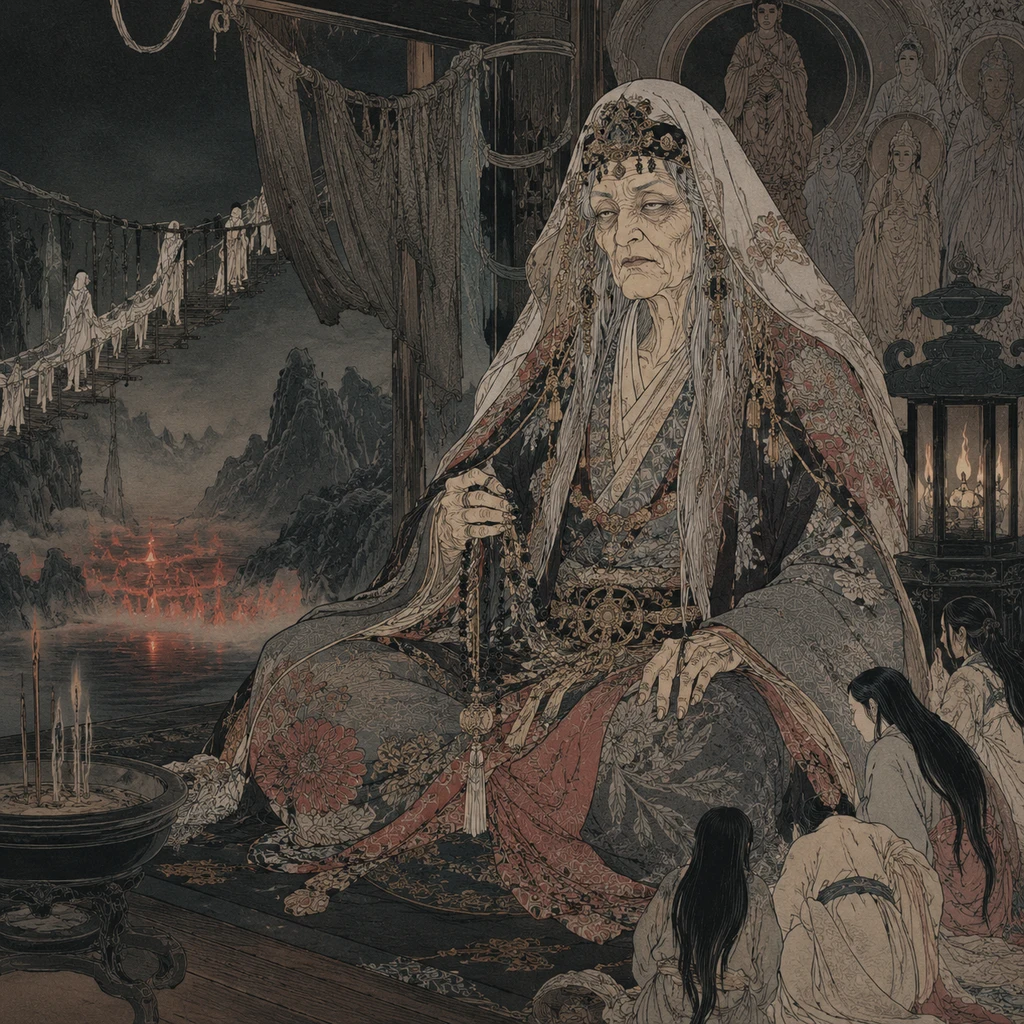
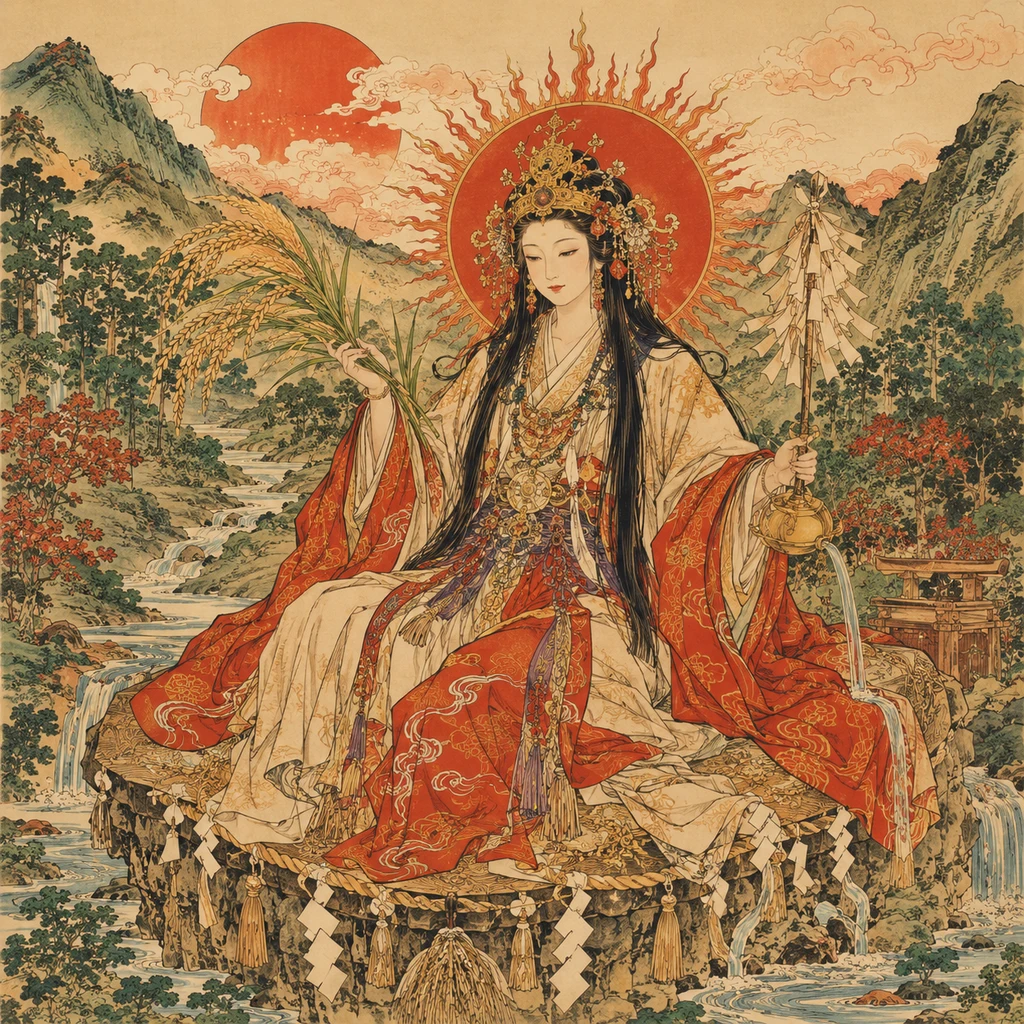
Similar Yokai
Yokai with similar personality and characteristics to The Three Mountains Syncretized: Kumano Gongen

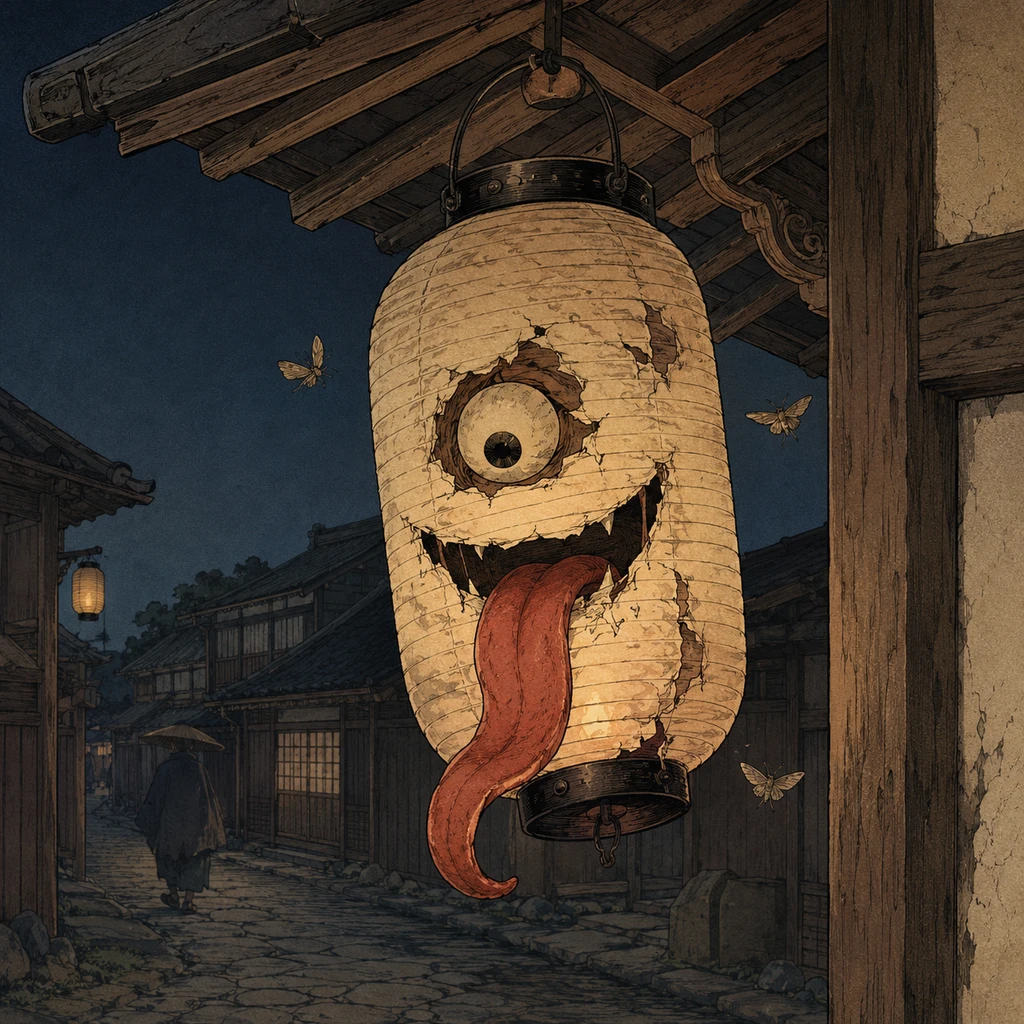
Opposite Yokai
Yokai with opposite personality and characteristics to The Three Mountains Syncretized: Kumano Gongen

🔮Test your compatibility with Kumano Gongen now!
Analyze your personality and values to get a detailed compatibility rating with this yokai.
Free, simple, and results in just minutes.