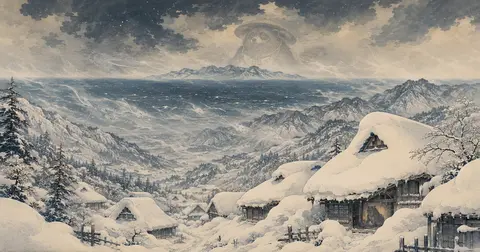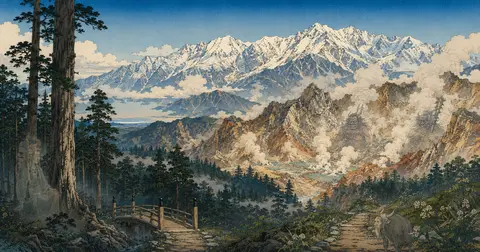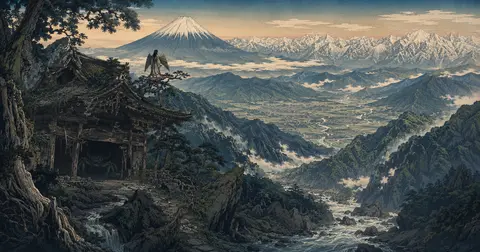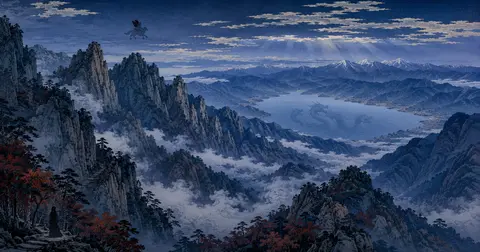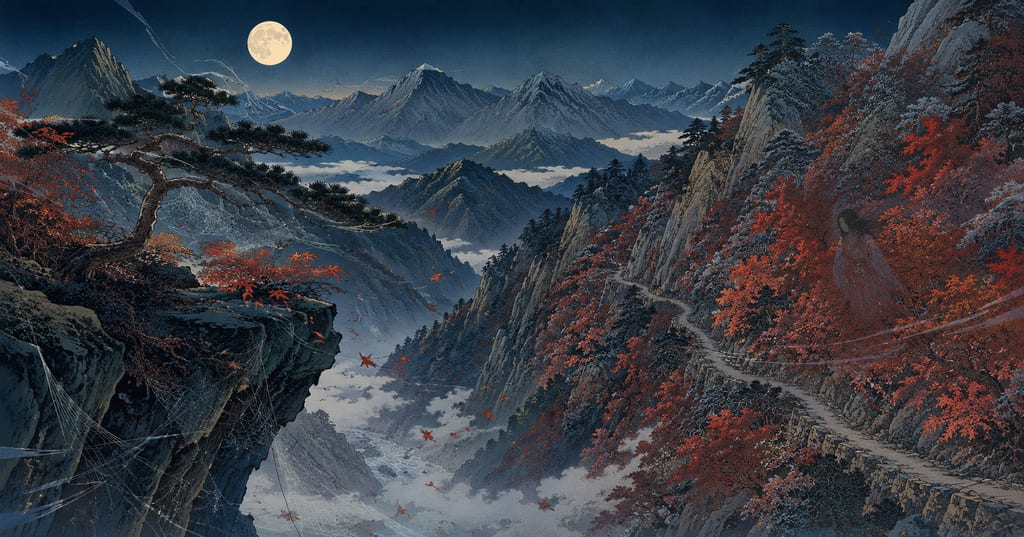
信濃国(しなののくに)── いまの長野県にあたるこの令制国は、海をいっさいもたぬ、列島でも屈指の山深い国であった。北・中央・南の三列のアルプスが千メートルを超える峰々を連ね、そのあいだに善光寺平・松本平・佐久平・伊那谷・木曽谷といった盆地と谷が点々と散らばる。国の名そのものが、地形に由来するともいう。和銅六年(七一三年)に二字佳名へ改められる前、この国は「科野(しなの)」と記された ── 段々に折れ重なる坂(科=しな)の国、という古い字面が、そのまま信濃の貌(かお)であった。
高い山に四方を囲まれ、内には無数の峠と深い谷を抱える ── そういう地形そのものが、信濃を妖怪の濃い国にした。山と山のあいだ、里と里のあいだには、人の領分と人ならぬものの領分とを分ける「境」が、地のかたちとして刻まれていた。本記事は、現代県の枠でこの地の妖怪文化を束ねた長野県の妖怪事典とは視点を変え、令制国・信濃という古層 ── 科野国造の時代、東山道と峠の祭祀、海人の渡来、そして更級や木曽の谷に積もった伝承 ── に分け入っていく。諏訪の信仰そのものについては、長野県の事典が深く語っているので、ここでは深追いせず、古き山国の地誌に沿って怪を辿りたい。
科野という国 ── 坂の重なる山の地誌
信濃の古さは、その成り立ちにある。律令以前、この地は中央から派遣されたのではない在地の首長、科野国造(しなののくにのみやつこ)が治めた。『先代旧事本紀』の「国造本紀」は、その祖を神八井耳命(かむやいみみのみこと)の後裔と伝える。やがて律令制が敷かれると、信濃は伊那・諏訪・筑摩・安曇・更級・水内(みのち)・高井・埴科(はにしな)・小県(ちいさがた)・佐久の十郡からなる大国に編まれた[1]。国府ははじめ小県郡(現在の上田市あたり)に置かれ、そこに国分寺と国分尼寺が建てられたが、平安初期には筑摩郡(現在の松本市)へ移されたと伝わる。
もとの「科野」は、千曲川(ちくまがわ)の流域、いまの善光寺平から佐久にかけての一帯を指したとされる。そこから国の名は山また山のあいだへと広がっていった。東に佐久平、北に善光寺平、中央に松本平、南に長く伊那谷が延び、西の木曽谷は険しい山に隔てられて別世界をなす ── 一つの国でありながら、谷ごとに気候も人の暮らしもちがう。この「谷ごとに分かれた国」というかたちこそ、信濃の怪異が地域ごとに濃淡をもつ理由でもある。海の幸をもたぬ代わりに、信濃の人々は蚕を飼い、馬を育て、谷川の魚を獲り、山の獣と隣り合って生きた。その暮らしの厳しさが、山と谷に棲むものへの畏れを育てた。
東山道と神坂峠 ── 峠に棲む荒ぶる神
古代の信濃を外の世界へつないだのは、五畿七道のひとつ東山道(とうさんどう)であった。近江から美濃を経て信濃へ入り、上野(こうずけ)・下野(しもつけ)を抜けて陸奥へ至るこの官道は、都の使者も兵も、そして物語も運ぶ大動脈だった。だがその信濃の入口には、東山道全体でも最大の難所が待ち構えていた ── 美濃と信濃を分ける神坂峠(みさかとうげ)である。標高一五七六メートル、急峻な尾根を越えるこの峠は、碓氷(うすひ)峠とならぶ古道の二大難所とされ、旅人が命を落とし、盗賊が巡礼を襲うこともあったという。
その険しさゆえに、峠は神の領分とされた。神坂峠の頂からは、おびただしい数の鏡や勾玉、滑石製の祭具が発掘されており、ここは古代の人々が旅の無事を祈って神に捧げものをした、列島でも有数の「峠の祭祀遺跡」── 日本で最初に国の史跡に指定された山頂の祭祀遺跡として知られる。峠を越えるとは、人の世界から神の世界へ踏み入ることだったのである。
この峠には、列島最古級の妖異譚のひとつが結びついている。『日本書紀』景行天皇四十年条によれば、東征からの帰路、信濃坂を越えようとした日本武尊(やまとたけるのみこと)の前に、山の神が白い鹿に化けて立ちはだかった[2]。武尊は怪しみ、たまたま口にしていた蒜(ひる=野蒜、原始のニンニク)を投げつけ、その片目を打って鹿を斃した。すると道に迷ったが、白い犬があらわれて美濃へと導いたという。以後、信濃坂を越える者が山の神の毒気(=高山病とも瘴気とも)にあてられ患うことが多かったのが、蒜を噛んで身や牛馬に塗れば障りを受けなくなったと『書紀』は記す。この「蒜噛(ひるかみ)」が、いまの阿智村の昼神(ひるがみ)温泉の地名の由来とも伝えられる ── 神話と地名が、一千年を越えて峠の麓に残っているのである。
白い獣に化けて旅人を惑わす山の神、姿を見せずに音だけで人を翻弄する谷の怪、そして風とともに人を切り裂く辻風の妖 ── 信濃の峠と谷の怪は、まさにこの「境を越える危うさ」から生まれた。
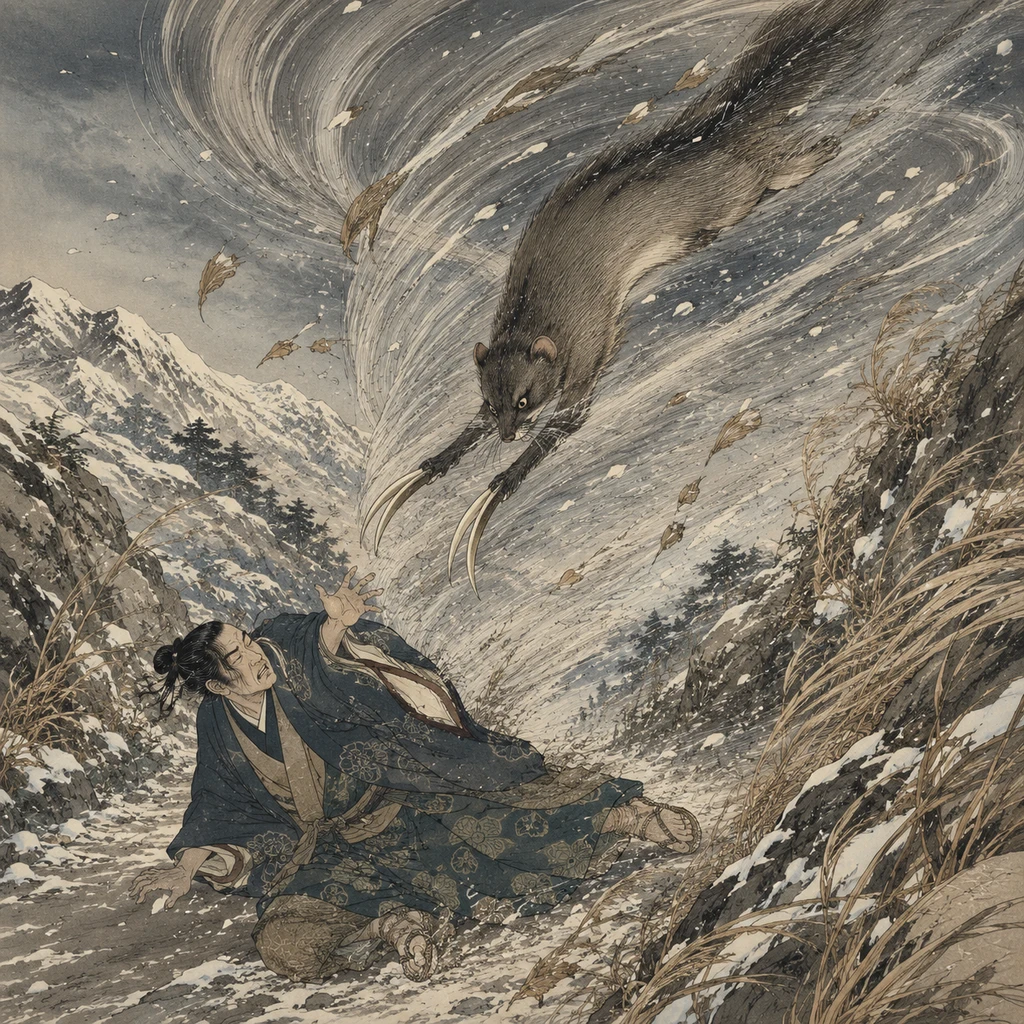
Kama-itachi
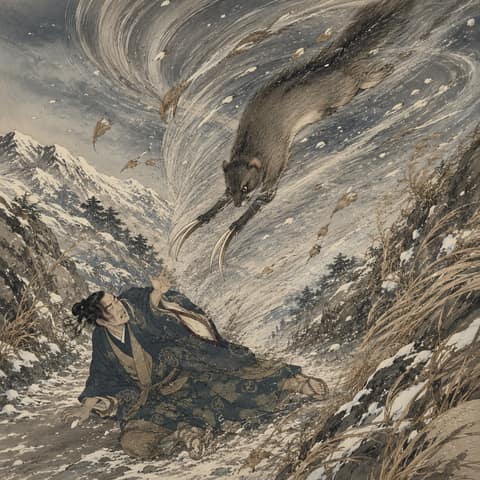
Kama-itachi are yokai said to ride dust devils or sudden whirlwinds, slicing human skin as if by a blade. Victims often feel little pain at first and may not bleed until later. From the Edo period on, they’re depicted as weasels with sickle-like claws, though explanations vary by region—some attribute the cuts to the phenomenon itself, to wind deities, or to minor spirits. The term is also a classical winter seasonal word.
Read moreなかでも信越の山里にもっともふさわしいのが、鎌鼬(かまいたち)である。つむじ風、すなわち辻風(つじかぜ)とともに突然あらわれ、痛みも出血もない鋭い切り傷を人に負わせる ── この怪は、雪深い信濃・越後・飛騨を中心に語り継がれた。飛騨では、これを三匹一組の神の所業と語った。一匹目が人を転ばせ、二匹目が刃で斬り、三匹目が薬を塗って去る。だから痛まず血も出ない[3]というのである。乾いた冬の山風が、目に見えぬ刃となって人を襲うという発想は、谷を吹き抜ける烈風と隣り合って暮らした山国の民ならではのものだ。江戸期には鎌のような爪をもつ鼬の姿で描かれ、鳥山石燕『画図百鬼夜行』[4]は中国の怪獣「窮奇(きゅうき)」の名にこの訓を当てている。旋風の中心の真空で皮膚が裂けるとする「真空説」は明治以降の近代的解釈にすぎず、物理学者の寺田寅彦はこれを退けた ── 鎌鼬はあくまで、峠と谷に吹く風そのものへの畏れであった。
海人が山へ来た ── 安曇族と渡来の信仰
海をもたぬ信濃に、海の神を祀る一族がいた。これは信濃の地誌を語るうえで、見落とせない不思議である。松本平の北、北アルプスの麓に広がる安曇野(あづみの)── この地名は、もともと海人(あま)の一族・阿曇氏(あづみうじ)に由来する。阿曇氏は筑前の志賀島(しかのしま、現在の福岡市)を本拠とした、列島でも有数の海の民であった。大陸と長く交わり、北部九州で栄えたこの海人族の一部が、はるばる内陸の信濃へ移り住み、安曇野を開いて自らの信仰を山国に伝えたという。
安曇野の総社・穂高神社(ほたかじんじゃ)が祀るのは、中殿に穂高見命(ほたかみのみこと)、左殿に綿津見命(わたつみのみこと)── すなわち海の神である。山に囲まれた盆地のただなかに、海神を祖神として祀る社が建つ。この一見ありえぬ取り合わせは、海の民が山へ来たという記憶そのものだ。毎年九月二十七日の御船祭(おふねまつり)では、高さ六メートルにもおよぶ巨大な舟形の山車(だし)がぶつかり合う ── 海なき信濃で舟を曳くこの祭は、白村江(はくすきのえ)の戦い(六六三年)に没した一族の英雄・阿曇比羅夫(あづみのひらふ)をしのぶものと伝わる。一説に、海人たちは遡上する鮭を追って川をさかのぼり、ついに山国へ至ったともいう。事実、信濃は平安期に鮭の最大の貢納地のひとつであった。海と山をつなぐこの不思議な伝承は、信濃という国が、外から来た者の信仰を呑みこんで重ねてきた土地であることを物語っている。
更級の月と姨捨 ── 棄老の山にのぼる名月
信濃の中央、千曲川を見おろす更級(さらしな)の地には、棄老(きろう)の伝説で名高い姨捨山(おばすてやま、冠着山=かむりきやまとも)がそびえる。古来、月の名所として知られ、棚田の一枚一枚に月が映る「田毎(たごと)の月」で人々を魅了してきたこの山には、老いた者を山に捨てるという哀切な物語が伝わる。
平安中期の『大和物語』第百五十六段が、その古い姿を伝えている。更級に住む男が、妻にそそのかされて、母のように育ててくれた老いた伯母を山の頂に置き去りにする。だがその夜、山の端にのぼる月を見て耐えがたい悔いに襲われ、「わが心なぐさめかねつ更級や姨捨山に照る月を見て」と詠み、ついに伯母を迎えに戻ったという ── 山の名は、この物語に由来すると語られる。同じ話は『今昔物語集』にも引き継がれ、のちに世阿弥が能『姨捨』に仕立てた。棄老という非情と、それを照らす名月の美しさとが、ひとつの山に重なり合う。怪異とは少しちがうが、これもまた、山に追われた者の記憶を地名に刻むという、信濃らしい語りのかたちである。安土桃山期、豊臣秀吉は「信濃更科」を月の三名所のひとつに挙げ、更級の田毎の月を日本一とたたえたと伝わる。
木曽と伊那の谷 ── 山獣と雷の獣
信濃の西の果て、急峻な山に隔てられた木曽谷(きそだに)は、一国のうちでもとりわけ深い闇をたたえた土地である。木曽は古く美濃国に属したとも信濃に属したとも揺れ、貞観二十一年(八七九年)、美濃との国境がようやく吉蘇山(きそやま、現在の鳥居峠)で定められたと伝わる ── それほど、ここは国の縁(へり)の、あいまいな境の地であった。中山道の難所「木曽の桟(かけはし)」や鳥居峠が連なるこの谷は、断崖に細い道が架けられた険路で、旅人が命を落とすことも珍しくなかった。
山が深く、人の領分が細く、獣の領分が広い ── そういう谷では、獣が齢を経て人を超える力をもつと信じられた。
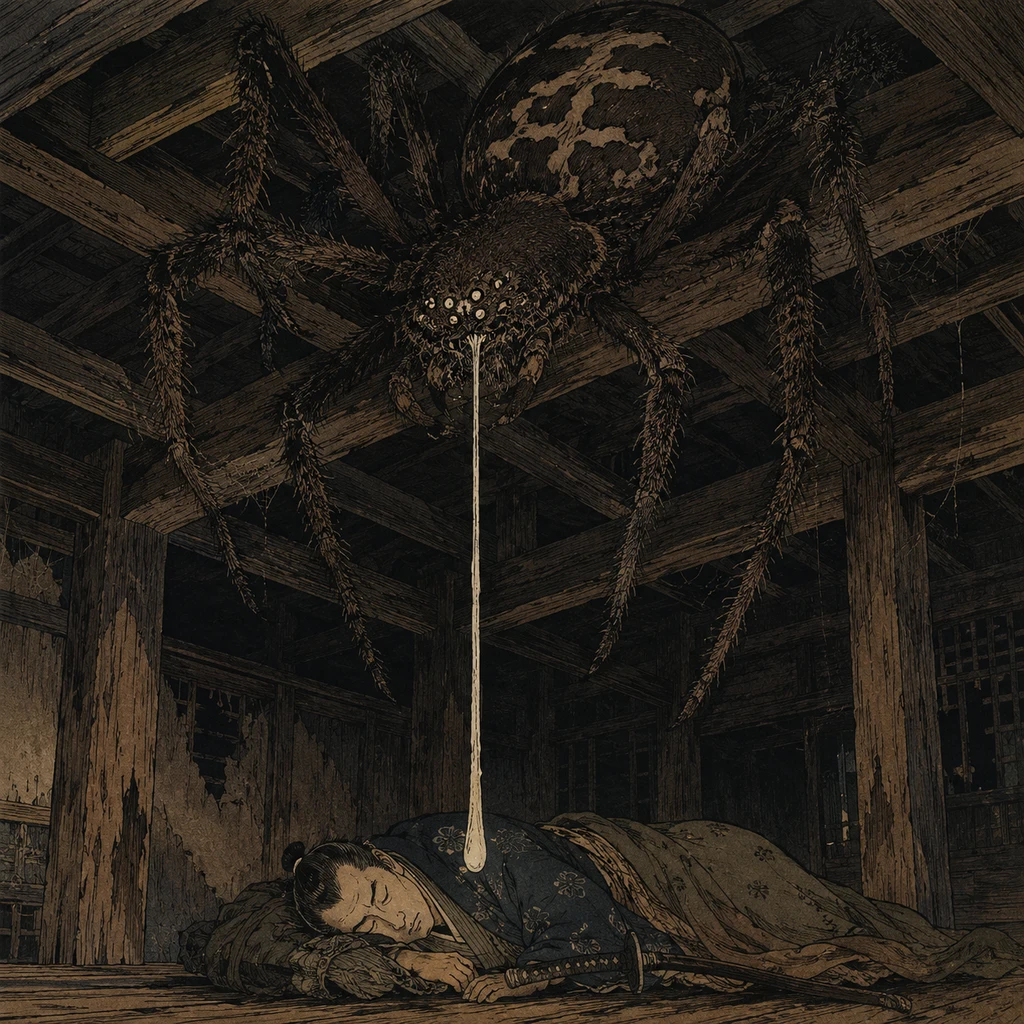
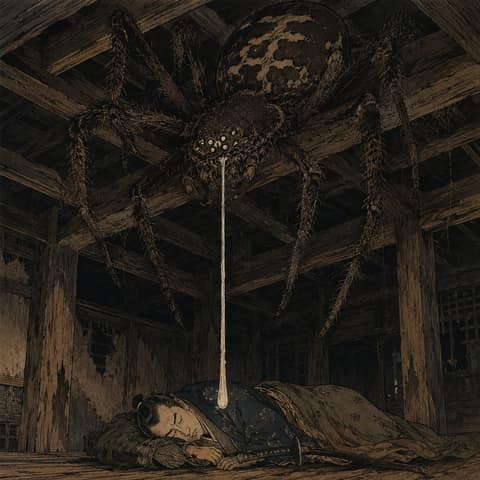
寺の天井裏や山の洞には、齢を経た蜘蛛が妖力を得た大蜘蛛(おおぐも)が潜むとされた。夜更けに人の顔を撫で、生気を吸って病をもたらすという。信濃に伝わる記録には、病人にしか見えぬ大蜘蛛が病人の生気を吸い、母子と近隣の助力でようやく討たれたという話がある ── 病を、目に見えぬ虫の妖の仕業と見るこの想像力は、医のとどかぬ山里の暗さと地続きである。仮名草子には、寺に泊まった山伏が天井から伸びた毛むくじゃらの手を斬ると、翌朝、仏壇の脇に二尺八寸ほどの大蜘蛛の死骸があったとも記される。
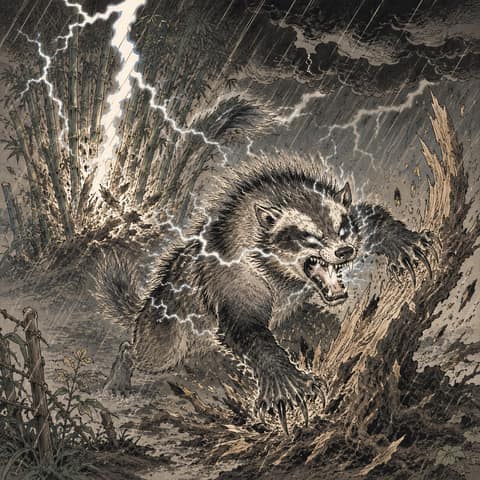
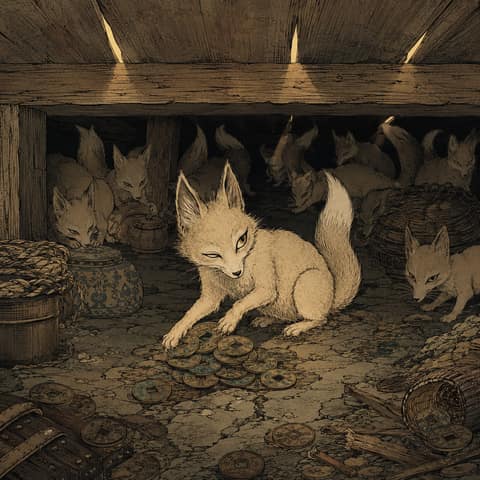
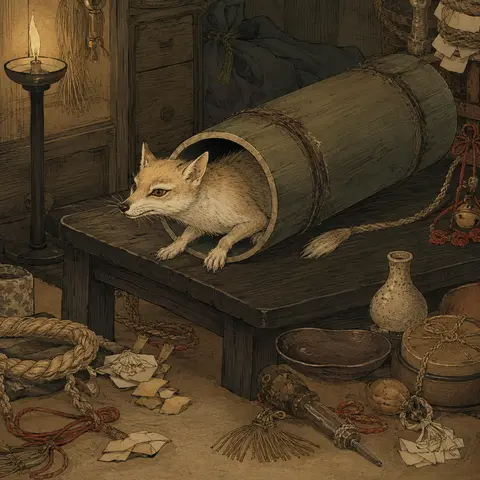
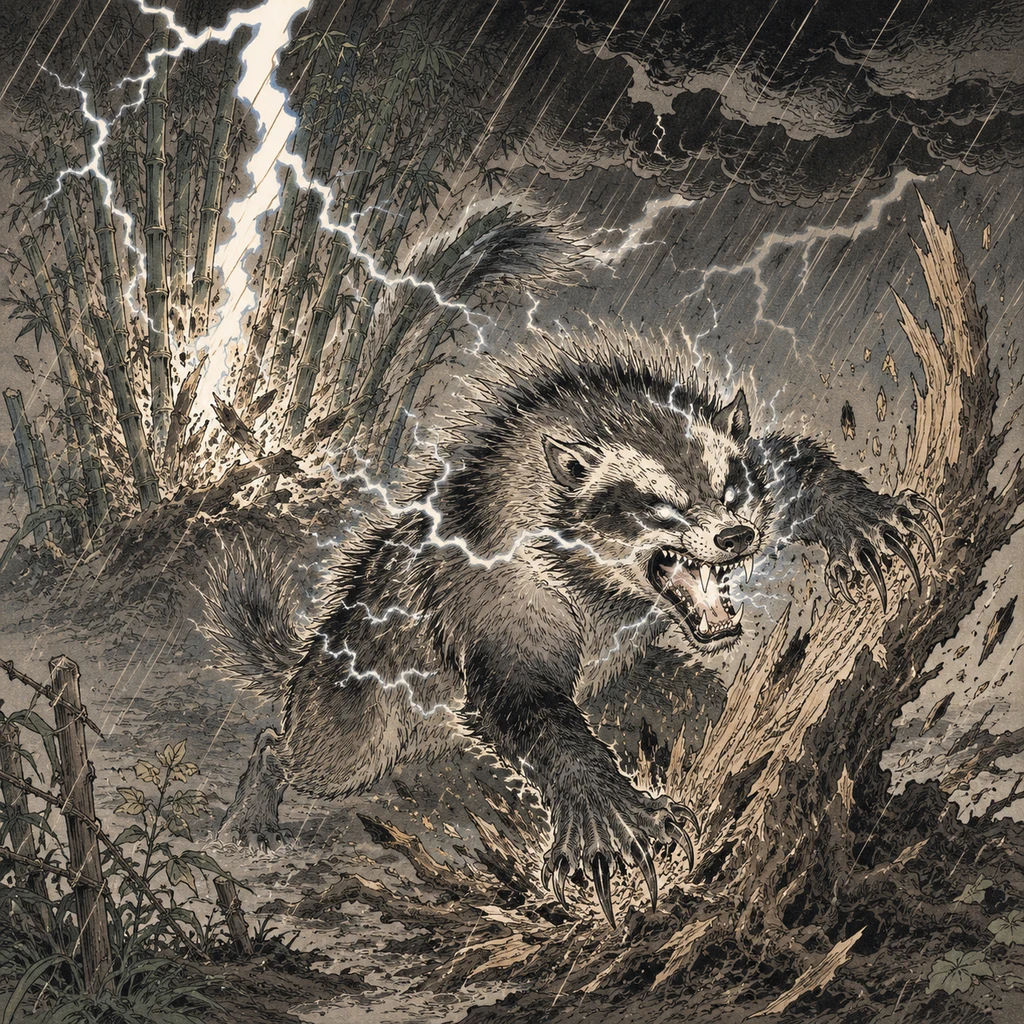
雷もまた、信濃では獣のかたちをとった。激しい雷雨や落雷とともに天から落ち来たると信じられた雷獣(らいじゅう)は、姿が一定せず、狼にも鼬にも猫にも擬された。共通するのは鷲のごとき鋭い爪で、墜落の際にこの爪で樹皮を引き裂き、幹に焦げ跡や裂け目を残すという。国学者の谷川士清(たにがわことすが)『和訓栞』[5]は、信州の雷獣を「灰色の子犬のようで、狐より太い尾と鷲のごとき爪をもつ」と記した。江戸の両国や尾張では、信州産と称する「千年鼬」が雷獣として見世物に供されたが、その多くは鼬や穴熊を細工した作り物であったとも指摘される。竹原春泉が描いた『絵本百物語』[6]は、夕立雲とともに空を駆ける獣として雷獣を描き、人々が「かみなり狩り」を行ったことに触れている。落雷に驚いて木から落ちた小獣の姿が、近世の博物趣味と怪異への想像のなかで雷の獣へとふくらんだのである。
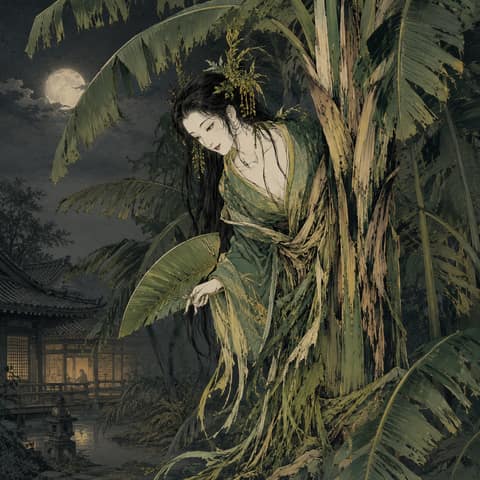
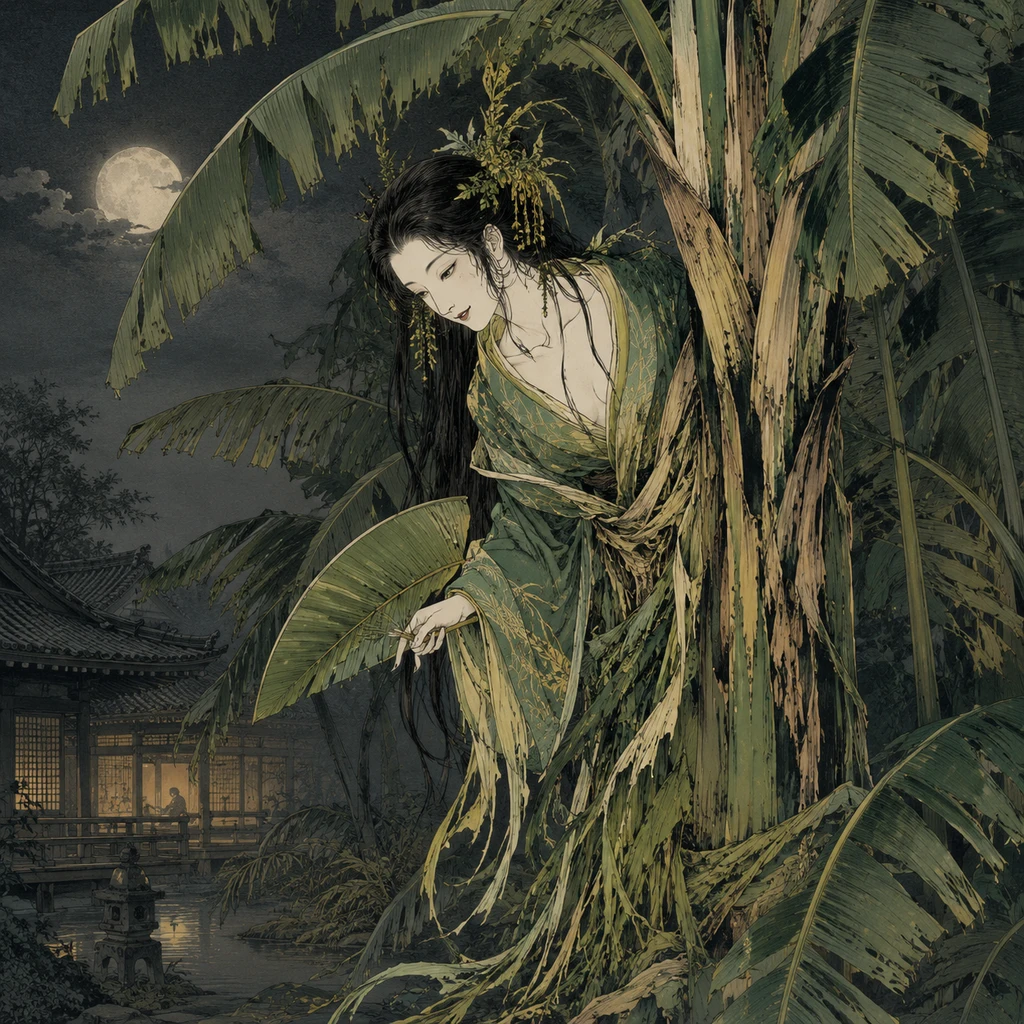
谷の怪は、獣ばかりではない。芭蕉の古株に宿るという芭蕉精(ばしょうのせい)も、信州に伝承を残す。これはもともと中国の説話に発し、能『芭蕉』が草木成仏の趣向で取りあげた、渡来の怪である。信州では、夜ごと書を読む僧のもとへ美女があらわれて誘惑し、僧が短刀で斬りつけると、翌朝、庭の芭蕉がばっさり斬られていたという。草木の精が美女に化けたのだと、人々は解した。山深く、植物の生命力に間近で接していた信濃の人々にとって、大きな葉をひろげる芭蕉が精霊を宿すという発想は、さほど遠いものではなかったのだろう。
戸隠の鬼女・紅葉 ── 都を追われた女が山に堕ちる
信濃の山に堕ちた者の物語のうち、もっとも名高いのが、戸隠(とがくし)の鬼女紅葉(もみじ)である。善光寺平の北西、長野市の奥にそびえる戸隠山は岩の霊地であり、その山ふところに、この鬼女の伝説は息づいてきた。
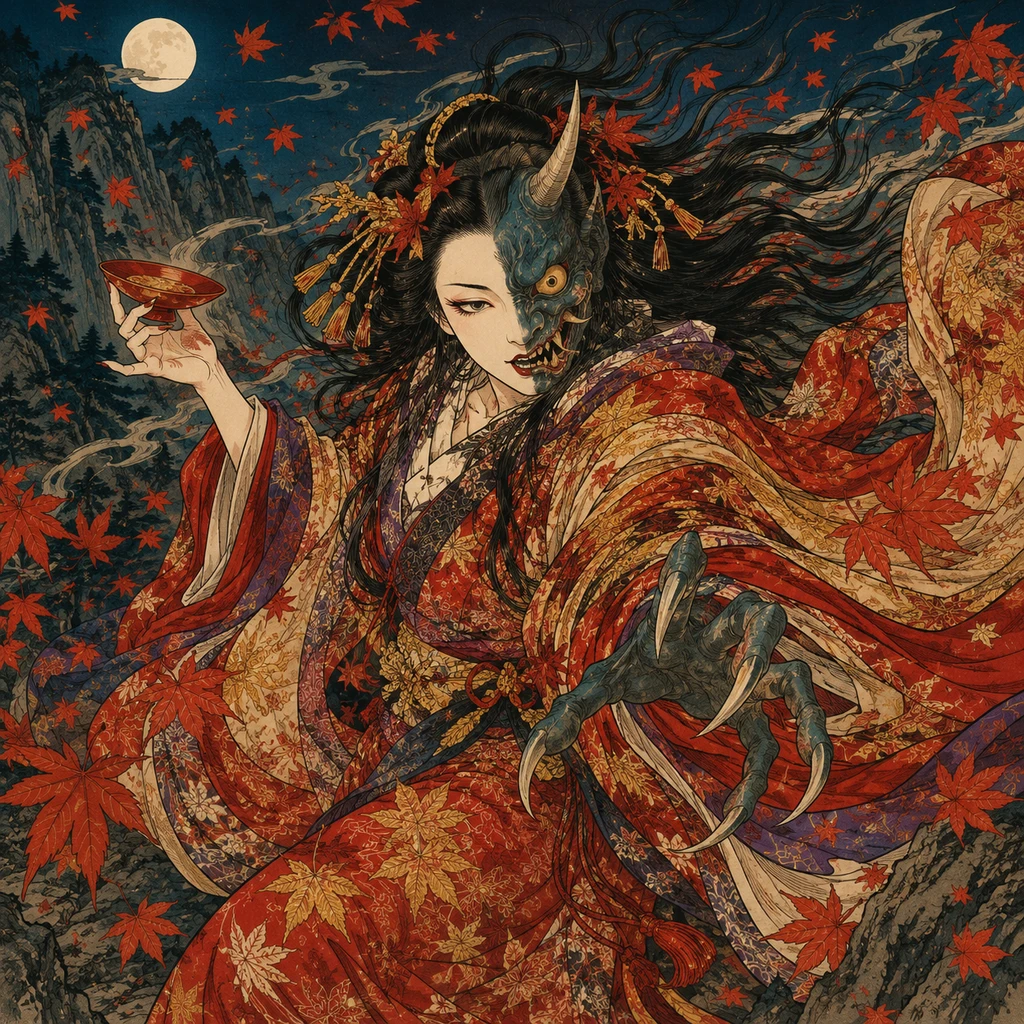
Momijigari (The Demon of the Maple Viewing)
“Momijigari” is the title and theme of a famous tale, widely preserved in medieval and later performing arts and literature, in which the warrior Taira no Koremochi slays a demoness dwelling on Mount Togakushi in Shinano. In Noh, joruri, and kabuki, elegant ladies enjoying the autumn maples are revealed to be the demoness Momiji; aided by divine protection, the warrior sees through the disguise and defeats her. Best known as the title of stage works, the demoness image formed where local legend and the theater tradition intersected.
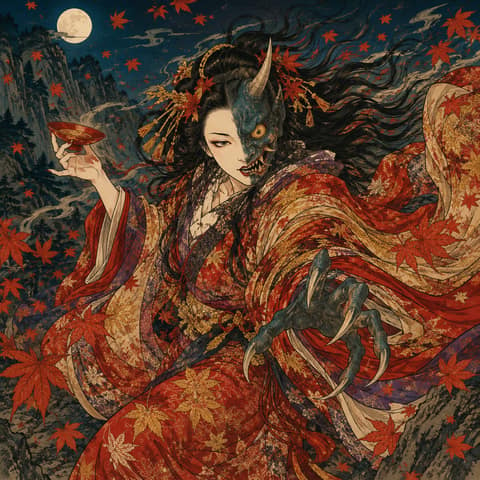
Read more物語の核は、勅命を受けた平維茂(たいらのこれもち)が、戸隠の山に巣くう鬼女を討つというものだ。これは室町後期の謡曲『紅葉狩』[7]── 観世小次郎信光(かんぜこじろうのぶみつ)の作とされる五番目物(鬼能)── を起点に、芸能として大きく花開いた。錦秋の山で紅葉狩りに興じる美女たちが、鹿狩りに来た維茂を酒宴に誘い、舞を舞って眠らせる。その夢に八幡の神が現れて女たちの正体が鬼であると告げ、降魔の神剣を授ける。目覚めた維茂は、この剣を抜いて鬼女と激しく戦い、これを討ち取る ── 艶やかな酒宴が一転して凄惨な鬼退治に反転するこの構成が、後世の鬼女紅葉譚の骨格となった。能では前シテの美女と後シテの鬼女を同じ演者が演じ分け、「紅葉」という名そのものが、美しさの下に潜む鬼という両義性を体現する。
ただし注意したいのは、「会津の生まれ」「源経基(みなもとのつねもと)の寵を受けた」「呪詛が露見して信濃へ流された」といった詳しい来歴の大半が、鬼無里(きなさ)や戸隠に伝わる比較的新しい地域伝承[8]だという点である。最も古い層では、行者が戸隠の鬼を退治したと語られるにすぎない。芸能の鬼女像と、土地の語りとが、長い時間をかけて互いに影響しあって、いまの紅葉伝説の厚みを生んだのだ。
その地域伝承のなかに、信濃らしい両義性がくっきりと現れる。維茂が鬼女を討ったとされる地は荒倉山(あらくらやま)で、紅葉が籠もったという「鬼の岩屋」が残ると伝わる。鬼が討たれて消えた里は「鬼無里(きなさ)」── 鬼が無くなった里 ── の名を負った。維茂が戦勝を祈願したのは別所温泉の北向観音(きたむきかんのん)とされ、維茂が改修したとも伝わる。ところが当の鬼無里では、紅葉はまったく別の貌をもつ。そこでは紅葉は医薬・手芸・文芸に秀で、都の雅(みやび)を里に伝えた貴女として慕われ、いまも秋には鬼女紅葉をしのぶ祭が営まれている。鬼として討たれる中央の物語と、恩人として慕われる在地の語りとが、ひとつの名のもとに同居している。
討たれた者が、消し去られるのではなく、地名となり、祭となり、なお里に何かを遺す ── これは敗者の神を祀ってきた信濃の想像力と、深く通じている。近世以降、紅葉狩は舞台芸術としてさらに花開き、歌舞伎舞踊『紅葉狩』(河竹黙阿弥作、明治二十年=一八八七年初演)は、鬼女の名を更科姫(さらしなひめ)とする系統を広めた ── 更級の地名が、ここでもまた鬼女の名に重ねられているのは、決して偶然ではないだろう。
古き山国の記憶として
こうして科野・信濃の地誌を辿ってくると、この古い山国の怪異には、ひとつの通奏低音が流れていることに気づく。峠を越える危うさ、谷に閉ざされた暮らし、そして ── 追われた者、討たれた者、捨てられた者が、消えてしまうのではなく、神として、怪として、あるいは地名や祭として、その地に残りつづけるということである。
白い鹿に化けて旅人を阻んだ神坂峠の山神、海を捨てて山へ来た安曇の海人、名月の下に捨てられた更級の老女、都を追われて戸隠の鬼となった紅葉 ── どれも、境を越えた者、所を追われた者の物語だ。海をもたぬ信濃は、そのぶん山の高さと谷の深さの数だけ、こうした境界の物語を抱えこんできた。令制国・信濃の妖怪とは、坂の重なるこの国の地形が、そのまま貌をもったものなのである。現代県の枠で諏訪・戸隠・飯縄・木曽の妖怪を一望するには、長野県の妖怪事典へと足をのばしてほしい。