陸奥国は、古くは東北の大きな北の国として意識された。現在の福島県を上位の入口にしながらも、その名は時代により北へ伸び、宮城・岩手・青森方面までを含む広い奥州の記憶を背負っている。上位の福島県の妖怪事典では、安達ヶ原の鬼婆、朱の盤、船幽霊など、県域の山河と海の怪を扱っている。この陸奥国の記事では、さらに古い「奥州」という名の奥行きに沿って、二つの怪を読む。
一つは、正史『日本書紀』に現れる狢、すなわちムジナである。もう一つは、津軽の水に潜む河童の方言名メドチである。人に化けて歌う獣と、川で人を引く水の霊。どちらも陸奥を、都から遠い辺境としてだけでなく、異界と人里が接する土地として浮かび上がらせる。
陸奥という、
遠さの名前
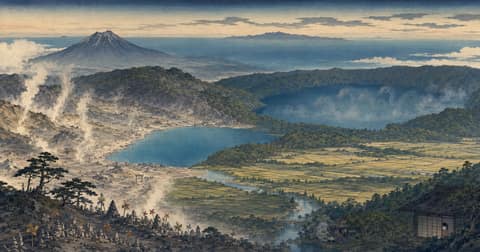
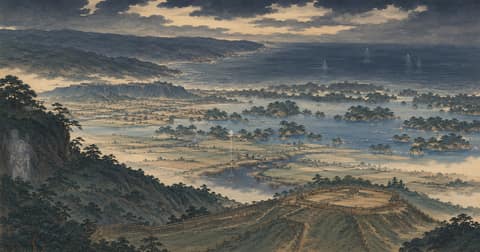
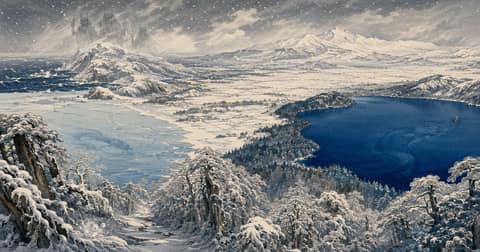
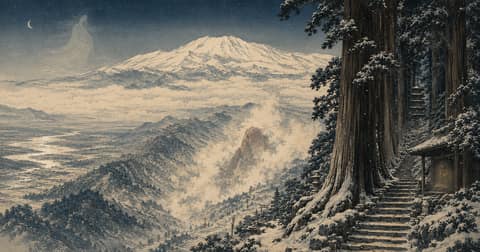
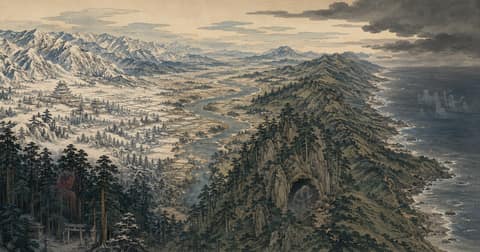
陸奥国の妖怪を語るとき、まず大切なのは「広さ」と「遠さ」である。陸奥は一つの県名ではなく、古代から中世・近世へかけて範囲や呼び名を変えながら、東北の北へ伸びる大国として受け止められてきた。都から見れば、そこは境界の向こうであり、山野・川筋・海辺が大きく広がる場所だった。
この遠さは、怪異の語りを弱めるのではなく、むしろ濃くする。都の文書に一行だけ現れる奇怪な出来事は、「陸奥」という地名を得ることで、北の国の不思議として記憶される。反対に、津軽の川辺で語られる水の怪は、村や城下の具体的な場所に根を張りながら、陸奥という広い旧国の水の記憶へつながっていく。
陸奥国に直接結びつく現在の名簿は多くない。だが、その少なさは弱点ではない。ムジナとメドチは、片方が正史に残る化ける獣、片方が民間の川筋に残る水怪であり、二つを並べるだけで、陸奥の怪異が「中央が記録した北」と「土地の人が恐れた水辺」の両方から成っていたことが見えてくる。
正史に現れた、
人に化ける狢
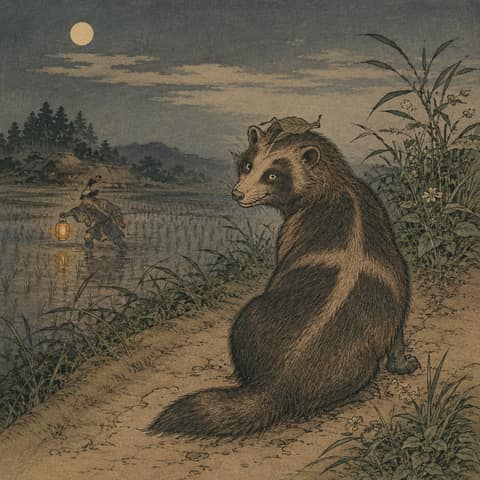
ムジナは、もとはアナグマを指す語とされるが、地域によって狸や狐と重なり、人を化かす獣の総称として広く語られた。陸奥国に関わる点で重要なのは、『日本書紀』推古天皇三十五年の条に「陸奥国に狢がいて、人に化けて歌った」と記されることである[1]。これは、狢が人へ化ける存在として記録された古い例として重い。
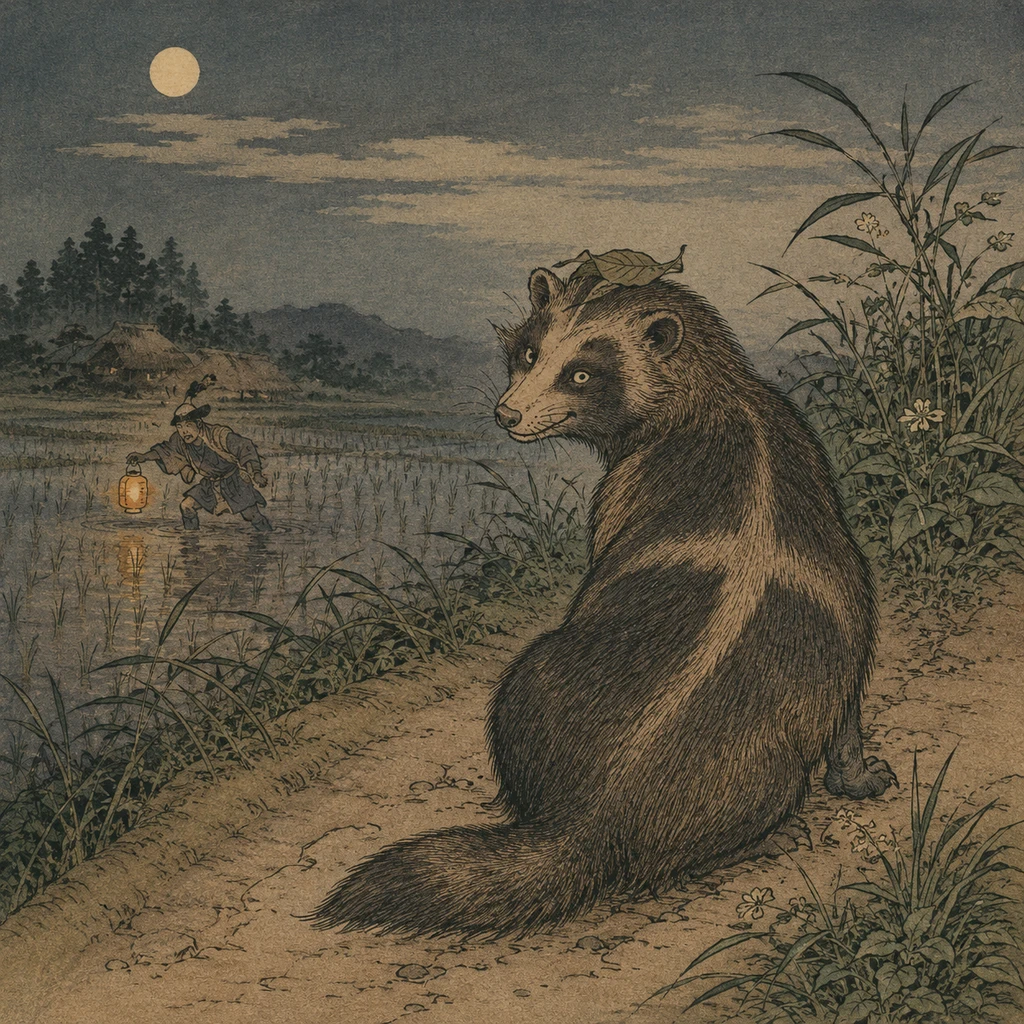
Mujina
Mujina primarily refers to the Asian badger, though depending on region and era it can be conflated with raccoon dogs (tanuki) or masked palm civets. Since antiquity it’s told as a trickster beast that beguiles travelers at night—making roads or rivers seem different, and altering the appearance of food or places. The Nihon Shoki records a mujina taking human form and singing, and from the Edo period onward it stands beside foxes and tanuki as a leading shapeshifter in art and tales. Scholarly identification varies by region.
Read moreこの一文は短い。どの村で、誰に向かって、どんな歌を歌ったのかまでは語られない。だからこそ、地名の力が際立つ。正史は、怪を細かく物語るのではなく、「陸奥国」という遠い場所に、人へ変じる獣が現れたとだけ記す。都の政治的な記録の中に、北の国の化け物がふっと顔を出すのである。
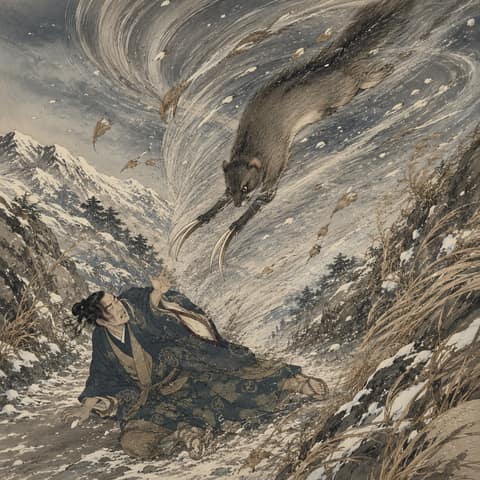
ムジナの伝承は、後世になると全国へ広がる。夜道で人を迷わせる、川や道の見え方を変える、食物や場所を別のものに見せる。下総のかぶきり小僧、佐渡の団三郎狢、江戸の赤坂紀伊国坂に結びつく「貉」など、地方ごとに違う貌を取る[2]。それでも、陸奥国の狢は、そうした広がりの奥にある古い入口として読める。
狢が「歌う」ことも見逃せない。獣が人の姿を取るだけなら、化け物の話で終わる。そこに歌が加わると、狢は人間社会の言葉と声をまねるものになる。人と獣、都と辺境、記録と噂。その境が少しだけ崩れるところに、陸奥のムジナがいる。
津軽の川に潜むメドチ
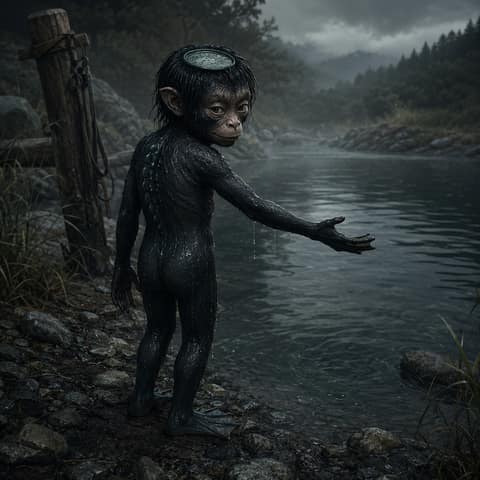
メドチは、津軽地方で河童を指して呼ばれる名である。語源は水の霊を意味する古い語「蛟」にさかのぼるとされ、メドツ、ミドチともいう[3]。一般的な河童と同じく川や淵に潜み、人を水へ引くが、津軽のメドチには、猿のような顔、黒い体、子どもめいた姿といった特徴が濃く語られる[4]。

Medochi
Medochi is the dialect name for the kappa across the Tsugaru region of Aomori Prefecture. The name reaches back to the water-serpent deity mizuchi (蛟) already found in the Nihon Shoki — “mi” (water) + “tsu” (of) + “chi” (spirit), that is, “spirit of the water”. The kappa is a yokai into which a water-god had declined, and this ancient name of that god came to settle upon it. It is also written Medotsu or Midochi. It has a monkey-like face and a wholly black body, and at a glance looks like a child of about ten; at times it takes the form of a young girl to lure people into the water and drown them. The familiar marks of the kappa — the dish atop the head, the webbing between fingers and toes, a fondness for sumo — it has them all, yet what one remembers of the Tsugaru medochi is this monkey face and this black body. The riverside spots where horses were washed, and the deep pools, were feared as places where it would drag a person under, not to be approached lightly.
Read more平尾魯仙の『谷の響』には、岩木川の地蔵淵で、青黒くまだらな手が漁師の獲物を奪おうとし、斬り落とされたという話が伝わる[5]。また、弘前城下の小川で溺れた子の尻から、平たく頭の大きな蛇のようなものが出たという話も、メドチのしわざとして語られた。津軽では、水に引かれること、尻子玉を抜かれること、川の奥から手が伸びることが、メドチという名に集まっている。
メドチは、陸奥国を北の文書上の地名から、実際の川の手ざわりへ引き戻す。川は生活の場であり、魚を取り、馬を洗い、子どもが遊ぶ場所だった。同時に、深みや増水が人を奪う場所でもあった。メドチの話は、水辺の危険を、子どもにも大人にも忘れさせないための言葉だった。
水虎様、
怪を鎮めるための名
津軽では、メドチをただ避けるだけでなく、鎮めるための信仰も語られた。水虎様、あるいは水虎大明神である。子どもの水難を防ぐため、水辺に水虎様を祀る習俗があり、河童の親方に神格を与えて鎮めたと伝わる[6][7]。
この点で、メドチは単なる害をなす水怪ではない。水辺の恐怖が強ければ強いほど、それを制御するための神名も必要になる。人を引く魔物を、水難を防ぐ神へ折り返す。津軽の水虎様信仰は、怪異を消すのではなく、別の名を与えて共同体の中に置き直す作法だった。
ここに、陸奥国の妖怪文化の一つの特徴が見える。北の大地に現れる怪は、ただ都から遠いから恐れられたのではない。土地の人が川に近く暮らし、危険と恵みを同じ水から受け取っていたからこそ、怪は具体的になった。メドチは水の事故の名であり、水虎様はその事故を避けたい祈りの名である。
化ける獣と、
水の霊をつなぐもの
ムジナとメドチは、姿も場所も違う。ムジナは獣であり、道や山野で人に化ける。メドチは水の怪であり、川や淵で人を引く。だが、陸奥国のページで並べると、二つは同じ問いへ戻ってくる。人間の暮らす場所の端に、何がいるのか。
ムジナは、人の姿と声をまねることで、人間社会の外側から内側へ入り込む。メドチは、水辺という生活のすぐ隣から、人の身体を水中へ引き込む。どちらも、境界を越える怪である。都と奥州、人と獣、岸と水中、子どもの遊びと死の危険。その境がゆるむとき、妖怪は見える。
上位の福島県記事が、安達ヶ原の鬼婆や会津の朱の盤のように、具体的な県域の怪を深く追うのに対し、陸奥国の記事はもっと古く広い地名の働きを読む場所である。正史に残る一行の狢と、津軽の川で名を変えながら語られるメドチ。二つの怪は、陸奥が単なる行政区分ではなく、北へ開けた異界の名前でもあったことを示している。
結び
陸奥国の妖怪は、数の多さよりも射程の広さで読むべきである。ムジナは、正史の中に現れた化ける獣として、都が見た北の不思議を伝える。メドチは、津軽の川筋に潜む水の霊として、土地の人々が水と向き合った感覚を伝える。
一方は人に化けて歌い、一方は川から手を伸ばす。陸奥国の怪は、どちらも境界を越える。だからこの旧国の妖怪文化は、鬼や怨霊の大きな物語だけでは終わらない。道の向こうで声をまねる獣と、水の底から近づく霊。その二つの影が、北の大国・陸奥の奥行きを今に残している。